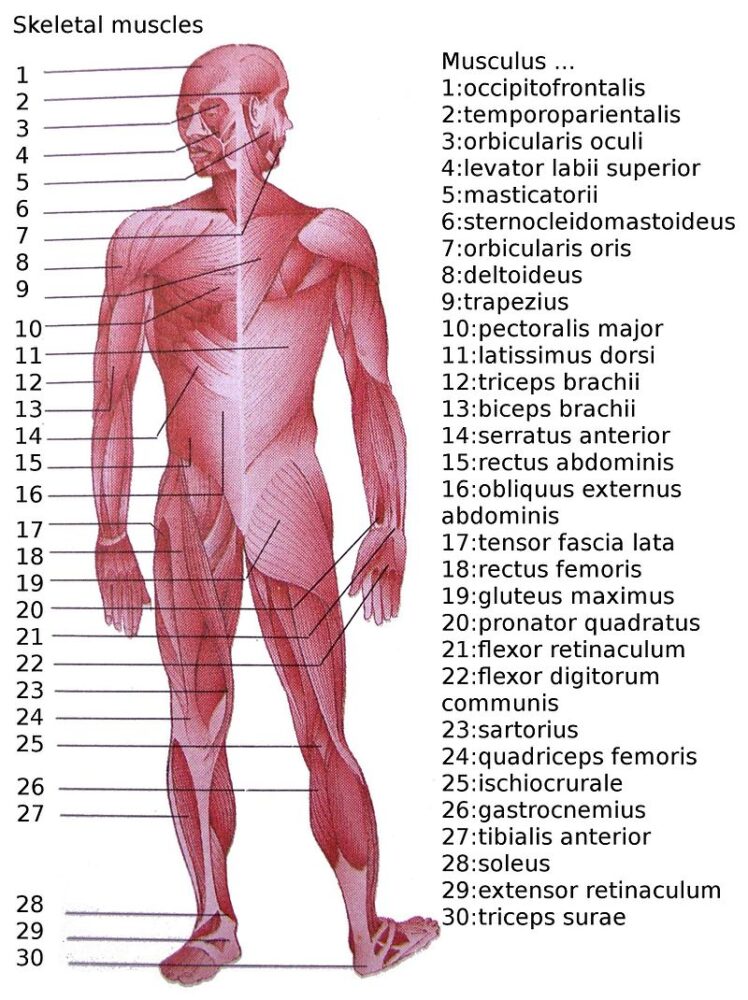
The pubococcygeus muscle is one of the main muscles of the pelvic floor. It plays a key role in supporting pelvic organs and maintaining continence (the ability to control urination and bowel movements). An infection in this muscle, while not as common as infections in other areas, can lead to discomfort, pain, and other complications. Understanding its structure, function, and the steps to diagnose and treat an infection is important for anyone experiencing pelvic discomfort or related issues.
A pubococcygeus muscle infection is an inflammatory condition caused by bacteria, viruses, or other microorganisms that infect the pubococcygeus muscle. This muscle is part of the pelvic floor, and an infection here can lead to pain, swelling, and difficulty with everyday activities such as walking, sitting, or even controlling the bladder.
Pathophysiology: Understanding the Pubococcygeus Muscle
Structure and Location
-
Anatomy:
The pubococcygeus is a component of the pelvic floor muscles. It stretches from the pubic bone (in the front) to the coccyx (tailbone) at the back. Together with other pelvic muscles, it forms a supportive “hammock” that holds pelvic organs like the bladder, uterus (in women), and rectum in place. -
Layers:
The muscle fibers are arranged in a sling-like formation. This arrangement is essential for providing support during activities that increase abdominal pressure, such as coughing or lifting heavy objects.
Blood Supply
- Arterial Supply:
The pubococcygeus muscle receives blood from small branches of the internal pudendal artery and other pelvic vessels. A steady blood supply ensures that the muscle receives oxygen and nutrients, which are crucial for its function and healing after injury or infection.
Nerve Supply
- Innervation:
Nerves from the pudendal nerve and branches of the sacral plexus supply the pubococcygeus muscle. These nerves help control muscle movement and provide sensory feedback, including pain signals if an infection or injury occurs.
Functions
- Support of Pelvic Organs:
One of its main roles is to support the bladder, uterus (in women), and rectum. - Urinary and Fecal Continence:
It helps control the release of urine and feces by contracting during increases in abdominal pressure. - Sexual Function:
A healthy pubococcygeus contributes to sexual function by ensuring proper blood flow and muscle tone in the pelvic region. - Core Stability:
It works in concert with other muscles of the core to maintain posture and stability.
How Infection Develops
When bacteria or other pathogens enter the muscle tissue—often through trauma, invasive procedures, or spread from nearby infections—an infection can develop. Infections in the pubococcygeus muscle may lead to:
- Inflammation: Swelling and redness of the muscle.
- Pain and Discomfort: Localized pain in the lower pelvic region.
- Muscle Spasms: Involuntary contractions as the body tries to protect the area.
- Functional Impairment: Difficulties with bladder control, bowel movements, or sexual activity due to muscle pain and weakness.
Types of Pubococcygeus Muscle Infections
While the infection itself is usually classified based on severity, understanding the nature of the infection can help guide treatment:
-
Mild Infection
- Minimal inflammation and discomfort
- Minor muscle tenderness
- Typically responds to conservative treatment
-
Moderate Infection
- More pronounced swelling, pain, and tenderness
- Possible muscle spasms or slight fever
- May require both medication and physical therapy
-
Severe Infection
- Significant inflammation, high fever, and intense pain
- Risk of abscess formation (a pocket of pus)
- May require aggressive treatment including antibiotics and possibly surgical intervention
Common Causes of Pubococcygeus Muscle Infection
Infections of the pubococcygeus muscle are uncommon but can be triggered by several factors. Here are 20 potential causes:
- Bacterial Contamination from nearby urinary or reproductive tract infections
- Pelvic Inflammatory Disease (PID) spreading to the muscle
- Poor Hygiene in the genital or perineal region
- Sexually Transmitted Infections (STIs) that spread into pelvic tissues
- Trauma or Injury to the pelvic region (e.g., falls, sports injuries)
- Post-Surgical Complications after pelvic surgery
- Invasive Gynecological Procedures such as biopsies or catheter insertions
- Childbirth-Related Trauma leading to muscle injury and subsequent infection
- Urinary Tract Infections (UTIs) that extend into adjacent tissues
- Chronic Inflammation due to repeated strain or muscle overuse
- Abscess Formation in adjacent structures that spreads infection
- Diabetes that predisposes to infections by compromising immune response
- Compromised Immune System (due to medications or diseases)
- Radiation Therapy in the pelvic region causing tissue damage
- Foreign Body Insertion or retained surgical material
- Cyst or Fistula Formation that becomes infected
- Endometriosis complications that lead to secondary infections
- Pelvic Congestion Syndrome with vascular congestion increasing infection risk
- Contamination from Rectal Procedures
- Unprotected Sexual Activity leading to direct exposure to pathogens
Common Symptoms of Pubococcygeus Muscle Infection
Symptoms can vary by the severity of the infection. Here are 20 symptoms that may indicate an infection of the pubococcygeus muscle:
- Deep Pelvic Pain that worsens with movement
- Tenderness in the lower pelvic area
- Swelling or a feeling of fullness in the pelvic floor
- Redness or Warmth over the affected area
- Muscle Spasms or cramping in the pelvic region
- Increased Pain During Urination or while passing stool
- Difficulty Controlling Bladder or Bowel Movements
- Fever or chills (especially in severe infections)
- Pain During Sexual Intercourse
- Lower Back Pain radiating to the pelvis
- Pain on Sitting for extended periods
- Fatigue due to chronic discomfort or systemic infection
- General Malaise or feeling unwell
- Abdominal Pressure or Bloating
- Unexplained Pain When Walking or standing
- Pain that Worsens at Night
- Pain with Coughing or Sneezing
- Nausea sometimes accompanying severe infections
- Localized Stiffness in the pelvic muscles
- Loss of Appetite if infection causes systemic symptoms
Diagnostic Tests for Pubococcygeus Muscle Infection
To diagnose an infection in the pubococcygeus muscle, healthcare professionals may use several tests. Here are 20 diagnostic approaches:
- Physical Examination: Palpation of the pelvic area to assess tenderness and swelling.
- Medical History: Discussing symptoms, recent procedures, or potential trauma.
- Urinalysis: To rule out or confirm a concurrent urinary tract infection.
- Blood Tests: Including complete blood count (CBC) to look for signs of infection (elevated white blood cells).
- C-Reactive Protein (CRP) Test: A marker for inflammation.
- Erythrocyte Sedimentation Rate (ESR): Another blood test to detect inflammation.
- Pelvic Ultrasound: Imaging to detect abscesses or fluid collections in the pelvic floor.
- MRI (Magnetic Resonance Imaging): Detailed imaging of soft tissue structures in the pelvis.
- CT (Computed Tomography) Scan: For a clearer picture of the pelvic anatomy and any abnormal collections.
- Urine Culture: To identify any bacteria present that might be causing infection.
- Vaginal or Cervical Swab: Especially in women, to rule out pelvic infections spreading to the muscle.
- Rectal Examination: In some cases, to evaluate adjacent structures for infection spread.
- Cystoscopy: To inspect the bladder and nearby tissues if a UTI or pelvic infection is suspected.
- Pelvic Floor Electromyography (EMG): To assess muscle function and detect abnormal activity from inflammation.
- Nerve Conduction Studies: If nerve involvement is suspected due to the pain pattern.
- Biopsy: Rarely, to confirm an unusual or chronic infection by sampling tissue.
- Doppler Ultrasound: To assess blood flow in the pelvic region, which may be altered during infection.
- Vaginal pH Test: Sometimes used to assess for bacterial vaginosis or other imbalances.
- Computed Tomography (CT) with Contrast: To better visualize any potential abscess formation.
- Pelvic Floor Functional Tests: To measure the strength and control of the pelvic muscles which may be impaired by infection.
Non-Pharmacological Treatments
Non-medication treatments can help reduce inflammation, relieve pain, and support the healing process. Here are 30 non-pharmacological options:
- Rest: Limit activities that strain the pelvic muscles.
- Warm Compresses: To relax the pelvic muscles after the initial phase of infection.
- Cold Compresses: Apply in the first 48–72 hours to reduce swelling.
- Pelvic Floor Physical Therapy: Guided exercises to improve strength and function while reducing pain.
- Kegel Exercises: Gentle contractions to enhance pelvic floor strength, as recommended by a therapist.
- Deep Breathing and Relaxation Techniques: To help reduce muscle tension and stress.
- Mindfulness Meditation: For pain management and overall well-being.
- Biofeedback: A technique to learn how to control pelvic floor muscles better.
- Pelvic Floor Massage: By a trained therapist to release tight muscle knots.
- Posture Correction: To reduce strain on the lower back and pelvic region.
- Ergonomic Adjustments: Modifying seating and workstations to improve posture.
- Hydrotherapy: Gentle exercises in warm water can relieve muscle tension.
- Acupuncture: Some patients find relief with this traditional treatment.
- Yoga: Gentle poses that stretch and strengthen pelvic and core muscles.
- Pilates: Focused on core stability and gentle strengthening of the pelvic floor.
- Weight Management: Maintaining a healthy weight reduces pressure on pelvic muscles.
- Stress Reduction Techniques: Counseling or stress management classes to reduce overall muscle tension.
- Dietary Modifications: Consuming a balanced diet rich in vitamins and minerals to support immune function.
- Adequate Hydration: Drinking plenty of water supports overall tissue health.
- Sleep Hygiene: Ensuring enough quality sleep to promote healing.
- Gentle Stretching: Regularly stretching the lower back and hips to ease tension.
- Avoiding Heavy Lifting: Reducing activities that can worsen muscle strain.
- Using Supportive Cushions: When sitting, to relieve pressure on the pelvic floor.
- Heat Therapy After 72 Hours: To increase blood flow and promote healing.
- Guided Relaxation Sessions: Through apps or therapists to manage pain.
- Regular Low-Impact Exercise: Such as walking or swimming to keep muscles active without strain.
- Pelvic Floor Muscle Training Devices: Tools that help guide proper muscle contractions.
- Activity Modification: Changing your routine to avoid aggravating the pelvic area.
- Home-Based Physical Therapy Routines: Following the advice of a specialist to keep up gentle exercises.
- Scheduled Follow-Up with a Healthcare Provider: Monitoring progress and adjusting non-drug therapies as needed.
Drugs Commonly Used for Treating Infection and Pain
Medications for pubococcygeus muscle infection are typically aimed at reducing infection, pain, and inflammation. Always use these under medical supervision. Here are 20 drugs that may be prescribed:
- Broad-Spectrum Antibiotics: Such as amoxicillin-clavulanate to treat bacterial infections.
- Fluoroquinolones: For certain types of bacterial infections, when appropriate.
- Cephalosporins: A class of antibiotics used for pelvic infections.
- Metronidazole: Often used in conjunction with other antibiotics to cover anaerobic bacteria.
- Nonsteroidal Anti-Inflammatory Drugs (NSAIDs): Ibuprofen or naproxen to reduce pain and inflammation.
- Acetaminophen (Paracetamol): For pain relief when NSAIDs are contraindicated.
- Muscle Relaxants: Such as cyclobenzaprine to ease muscle spasms.
- Topical Antibiotic Creams: For localized infections if advised.
- Corticosteroids (Oral or Injection): To reduce severe inflammation, used for short periods.
- Analgesics: Including opioids for severe pain, used with caution and under strict supervision.
- Antispasmodic Agents: To relieve muscle spasms and pain.
- Antifungal Medications: If a fungal infection is suspected.
- Proton Pump Inhibitors (if necessary): To protect the stomach when on long-term NSAIDs.
- Vasodilators: In certain cases to improve blood flow to the affected area.
- Antiviral Agents: If a viral infection is implicated.
- Pain Modulators (e.g., gabapentin): To manage nerve-related pain.
- Local Anesthetics (Topical or Injectable): For temporary pain relief.
- Combination Analgesic Formulations: Over-the-counter options for mild pain.
- Bacterial Toxin Inhibitors: In rare cases when bacterial toxins cause severe inflammation.
- Adjunctive Medications: Such as vitamin supplements (e.g., vitamin C, zinc) to support immune function during recovery.
Surgeries or Invasive Procedures
Surgery for a pubococcygeus muscle infection is rare and usually reserved for severe cases or complications like abscess formation. Here are 10 surgical or invasive options that might be considered:
- Abscess Drainage: Surgical drainage of a localized collection of pus.
- Debridement: Removal of infected or necrotic tissue from the muscle.
- Laparoscopic Exploration: Minimally invasive surgery to diagnose and treat pelvic infections.
- Open Surgical Drainage: For large or deep abscesses that cannot be drained percutaneously.
- Fistula Repair: If an abnormal connection has developed from the infection.
- Pelvic Floor Reconstruction: In rare cases, if infection has severely damaged muscle integrity.
- Catheter Drainage Procedures: Ultrasound or CT-guided drainage of fluid collections.
- Surgical Biopsy: To determine the specific pathogen or rule out other conditions.
- Nerve Decompression Procedures: If nerve entrapment is causing severe symptoms alongside infection.
- Revision Surgery: After initial surgical intervention if complications arise or if infection recurs.
Preventive Measures
Preventing an infection in the pubococcygeus muscle involves maintaining pelvic health, practicing good hygiene, and taking care during invasive procedures. Here are 10 prevention tips:
- Maintain Good Genital Hygiene: Regular cleaning to reduce the risk of infection.
- Practice Safe Sexual Habits: Use protection and get regular STI screenings.
- Manage Urinary Tract Health: Treat UTIs promptly to prevent spread.
- Follow Post-Surgical Instructions: After pelvic procedures, adhere strictly to care guidelines.
- Avoid Unnecessary Invasive Procedures: Only undergo procedures when medically necessary.
- Strengthen Pelvic Floor Muscles: Through exercise and physical therapy to enhance blood flow and immunity.
- Use Protective Barriers in Gynecological Exams: To minimize infection risk.
- Stay Hydrated and Maintain a Healthy Diet: Supporting overall immune function.
- Manage Chronic Conditions: Such as diabetes, to reduce susceptibility to infections.
- Regular Medical Check-Ups: To detect early signs of pelvic infections or inflammation.
When to See a Doctor
It’s important to know when professional help is needed. See a doctor if you experience:
- Persistent or Worsening Pelvic Pain: Especially if it interferes with daily activities.
- Fever or Chills: Signs that the body is fighting an infection.
- Uncontrolled Urinary or Bowel Symptoms: Such as incontinence or difficulty voiding.
- Severe Muscle Spasms or Tenderness: That do not improve with self-care measures.
- Signs of an Abscess: Including significant swelling, redness, or a palpable mass.
- Unexplained Fatigue or Malaise: Which could indicate a systemic infection.
- Symptoms Following a Recent Procedure: If infection is suspected after pelvic surgery or invasive exams.
Frequently Asked Questions (FAQs)
1. What is the pubococcygeus muscle and why is it important?
The pubococcygeus is a key pelvic floor muscle that supports your bladder, uterus (in women), and rectum. It helps maintain continence and plays a role in sexual function.
2. What is a pubococcygeus muscle infection?
It is an infection of the pelvic floor muscle that causes inflammation, pain, and sometimes functional problems like difficulty controlling urination or bowel movements.
3. What causes a pubococcygeus muscle infection?
It can be caused by bacteria from nearby urinary or reproductive tract infections, trauma, invasive procedures, or spread from conditions like pelvic inflammatory disease.
4. What are the common symptoms?
Symptoms include deep pelvic pain, tenderness, swelling, muscle spasms, fever, pain during intercourse, and problems with bladder or bowel control.
5. How is this infection diagnosed?
Diagnosis involves a physical exam, medical history, blood tests, urine tests, pelvic imaging (ultrasound, MRI, or CT), and sometimes pelvic floor functional tests.
6. Can this infection resolve on its own?
Mild infections might improve with rest and supportive care, but most cases need medical treatment to prevent complications.
7. What treatments are available without medication?
Non-pharmacological treatments include rest, applying heat or cold, pelvic floor physical therapy, gentle stretching, lifestyle adjustments, and stress management.
8. What medications are used?
Doctors may prescribe antibiotics to clear the infection, NSAIDs for pain and inflammation, muscle relaxants, and sometimes topical treatments if the infection is localized.
9. When is surgery necessary?
Surgery is rare and is generally reserved for severe cases like abscess formation or when the infection does not respond to medication and supportive care.
10. How can I prevent a pubococcygeus muscle infection?
Prevention includes good personal hygiene, safe sexual practices, proper care after pelvic procedures, and strengthening pelvic floor muscles.
11. Are there any risks if the infection is left untreated?
Yes, untreated infections can lead to abscess formation, chronic pelvic pain, or spread of infection to nearby organs.
12. How long does recovery typically take?
Recovery time varies; mild infections may improve within a few weeks, while more severe cases might take several weeks or months to resolve completely.
13. Can lifestyle changes help in recovery?
Absolutely. Regular pelvic floor exercises, stress reduction, and proper diet and hydration can support recovery and improve overall pelvic health.
14. Is pelvic floor physical therapy safe?
Yes, when guided by a trained professional, pelvic floor physical therapy is a safe and effective way to restore muscle function and alleviate symptoms.
15. When should I contact my doctor?
If you experience worsening pain, persistent fever, difficulty with urination or bowel control, or any new symptoms after a pelvic procedure, contact your healthcare provider immediately.
Conclusion
A pubococcygeus muscle infection, while not extremely common, can significantly affect your quality of life if not recognized and treated early. By understanding the anatomy and function of the pubococcygeus muscle, you can better recognize symptoms such as deep pelvic pain, swelling, and difficulty with bladder or bowel control. Diagnosis typically involves a combination of physical examinations, imaging tests, and laboratory tests.
Treatment usually starts with non-pharmacological approaches—rest, heat or cold therapy, and pelvic floor physical therapy—while medications such as antibiotics, pain relievers, and muscle relaxants are prescribed as needed. In severe cases, surgery may be required. Preventive measures, including good hygiene, safe sexual practices, and proper post-surgical care, are important to reduce the risk of infection.
The article is written by Team Rxharun and reviewed by the Rx Editorial Board Members More details about authors, please visit to Profile rxharun.com Last Update: March 19, 2025.
Rx Editorial Board Member and Team Rxharun’s Writers Links
Disclaimer: Each person’s journey is unique, treatment plan, life style, food habit, hormonal condition, immune system, chronic disease condition, geological location, weather and previous medical history is also unique. So always seek the best advice from a qualified medical professional or health care provider before trying any treatments to ensure to find out the best plan for you. This guide is for general information and educational purposes only. Regular check-ups and awareness can help to manage and prevent complications associated with these diseases conditions. If you or someone are suffering from this disease condition bookmark this website or share with someone who might find it useful! Boost your knowledge and stay ahead in your health journey. We always try to ensure that the content is regularly updated to reflect the latest medical research and treatment options. Thank you for giving your valuable time to read the article.