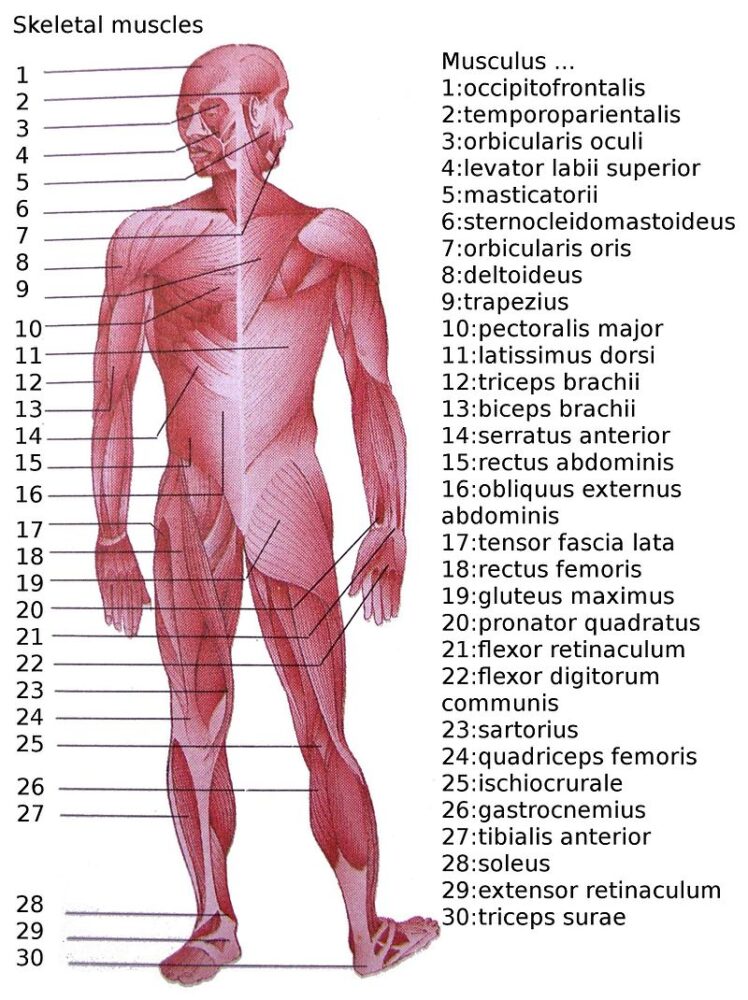
The pubococcygeus muscle is a key part of the pelvic floor that supports organs like the bladder, uterus (in women), and rectum. When this muscle is injured by a blunt force or trauma, a contusion (or bruise) can occur. This article explains what a pubococcygeus muscle contusion is, how it happens, and how to recognize and treat it.
A pubococcygeus muscle contusion is an injury that occurs when the muscle fibers and small blood vessels of the pubococcygeus muscle are damaged due to a direct hit or blunt trauma. This injury causes internal bleeding, swelling, and pain in the pelvic area. Although contusions are often thought of as simple bruises, when they occur in the pubococcygeus muscle they can affect bladder control, pelvic support, and overall comfort.
Anatomy and Function of the Pubococcygeus Muscle
Structure
- Location: The pubococcygeus muscle is part of the pelvic floor muscles. It extends from the pubic bone to the coccyx (tailbone) and forms a sling that supports pelvic organs.
- Shape: It is a thin, fibrous, and strong muscle that works together with other pelvic floor muscles to maintain proper pelvic structure.
Blood Supply
- Main Vessels: The muscle receives blood from branches of the internal pudendal artery and other small pelvic arteries.
- Importance: A steady blood supply is vital for muscle strength and healing after an injury.
Nerve Supply
- Innervation: The pubococcygeus is mainly controlled by the pudendal nerve and parts of the sacral nerve plexus.
- Role: These nerves help control muscle contractions that are important for urinary and fecal continence as well as sexual function.
Functions
- Pelvic Organ Support: Helps hold up the bladder, uterus, and rectum.
- Urinary and Fecal Continence: Plays a key role in controlling the release of urine and stool.
- Sexual Function: Contributes to sexual sensation and function in both men and women.
- Stabilizing the Pelvis: Works with other muscles to support the lower spine and pelvis.
Pathophysiology of Pubococcygeus Muscle Contusion
A contusion occurs when a blunt force injures the muscle. Here’s what happens step by step:
- Direct Trauma: An impact—such as a fall, accident, or blow—can cause small blood vessels in the muscle to tear.
- Bleeding and Swelling: The damaged vessels leak blood into the muscle tissue, causing swelling and bruising.
- Inflammation: The body’s natural response to injury leads to inflammation, resulting in pain and stiffness.
- Healing Process: The body gradually removes the excess blood and repairs the damaged muscle fibers. Proper rest and treatment can speed up this process, while continued strain may lead to chronic issues.
Types of Pubococcygeus Muscle Contusions
Contusions are usually categorized by their severity:
-
Mild (Grade I):
- Minor damage to muscle fibers
- Slight pain and tenderness
- Minimal swelling and bruising
- Often heals quickly with rest
-
Moderate (Grade II):
- More extensive muscle damage
- Noticeable pain, swelling, and bruising
- Some loss of pelvic muscle strength
- May require physical therapy and more active intervention
-
Severe (Grade III):
- Significant tearing of muscle fibers with a large amount of bleeding
- Intense pain and significant swelling or bruising
- Potential complications, such as hematoma formation
- Requires intensive treatment and possibly surgical intervention
Common Causes of Pubococcygeus Muscle Contusion
- Direct blows to the pelvic area during contact sports.
- Falls that impact the pelvis.
- Motor vehicle accidents (especially side-impact collisions).
- Physical assaults that strike the lower abdomen or groin.
- Heavy lifting with improper form.
- Accidental impacts during exercise or gym workouts.
- Strenuous physical activity in which the pelvic muscles are overexerted.
- Repetitive trauma from high-impact activities (e.g., running on hard surfaces).
- Workplace accidents involving falling objects or collisions.
- Sports collisions in activities like football, rugby, or hockey.
- Contact with hard surfaces during outdoor activities.
- Bicycle accidents impacting the pelvic area.
- Gymnastics falls or missteps.
- Improper technique during pelvic floor exercises.
- Accidents during childbirth (trauma from labor can affect pelvic muscles).
- Strain from chronic coughing or sneezing that exerts pressure on the pelvic floor.
- Post-surgical trauma in the pelvic region.
- Obstetric complications that stress the pelvic muscles.
- Misadventures during high-intensity workouts without proper warm-up.
- Accidental trauma during recreational activities (e.g., skateboarding or trampoline use).
Common Symptoms of Pubococcygeus Muscle Contusion
- Pelvic Pain: A deep ache or sharp pain in the pelvic region.
- Bruising: Visible discoloration in the groin or lower abdomen.
- Swelling: Puffiness around the pelvic area.
- Tenderness: Sensitivity when the area is touched.
- Difficulty Urinating: Changes in urinary control or discomfort during urination.
- Incontinence: Occasional leakage of urine if the muscle is too weak.
- Pain During Bowel Movements: Discomfort caused by pressure on the contused muscle.
- Lower Back Pain: Often radiating from the pelvis.
- Muscle Spasms: Involuntary contractions in the pelvic floor.
- Tightness: A feeling of rigidity or stiffness in the pelvic muscles.
- Discomfort While Sitting: Pain that worsens with prolonged sitting.
- Pain During Sexual Activity: Discomfort during intercourse due to pelvic muscle strain.
- Radiating Pain: Pain that spreads to the lower abdomen or inner thighs.
- Pain When Standing: Discomfort when transitioning from sitting to standing.
- Weakness in Pelvic Muscles: Reduced strength during pelvic floor exercises.
- Difficulty with Physical Activities: Limited ability to perform exercises or movements that engage the pelvic floor.
- Postural Changes: Altered posture due to pain avoidance.
- Fatigue: Overall tiredness due to pain and limited mobility.
- Abdominal Discomfort: General soreness in the lower belly area.
- Inflammation: Redness or heat in the affected area.
Diagnostic Tests for Pubococcygeus Muscle Contusion
To diagnose a pubococcygeus muscle contusion, healthcare professionals use several tests:
- Physical Examination: Visual inspection and palpation of the pelvic area.
- Medical History: Discussion of symptoms and potential trauma events.
- Pelvic Examination: A focused examination to detect tenderness or muscle abnormalities.
- Ultrasound: Imaging to detect fluid accumulation or muscle tears in the pelvic floor.
- Magnetic Resonance Imaging (MRI): Detailed imaging of soft tissues to assess the extent of muscle damage.
- X-rays: To rule out any bone injuries that may accompany the contusion.
- CT Scan (Computed Tomography): High-resolution imaging for deeper assessment.
- Electromyography (EMG): Measures muscle activity and detects nerve or muscle damage.
- Nerve Conduction Studies: Evaluates the function of nerves supplying the pelvic floor.
- Urinalysis: To check for signs of infection or blood in the urine.
- Cystoscopy: In some cases, a direct look into the bladder may be performed if urinary symptoms are present.
- Digital Muscle Testing: Evaluates the strength and endurance of pelvic floor muscles.
- Pain Mapping: The patient identifies areas of pain during specific movements.
- Range of Motion Testing: Assesses how the injury affects pelvic and lower back movement.
- Vital Signs Monitoring: Checks for fever or other systemic signs of injury.
- Blood Tests: To look for markers of inflammation or infection.
- Functional Movement Screening: Observes how the patient moves during daily activities.
- Postural Assessment: Evaluates changes in posture due to pain or muscle weakness.
- Pelvic Floor Ultrasound (Transperineal): A non-invasive scan specifically for pelvic muscles.
- Dynamic MRI: Sometimes used to observe muscle function during movement.
Non-Pharmacological Treatments
Managing a pubococcygeus contusion often starts with non-drug therapies to reduce pain, swelling, and to encourage healing. Here are 30 treatment options:
- Rest: Limit activities that stress the pelvic floor.
- Ice Therapy: Apply ice packs to reduce swelling for 15–20 minutes several times a day (especially in the first 48 hours).
- Heat Therapy: After initial swelling decreases, use warm compresses to promote blood flow and healing.
- Compression: Use supportive garments or bandages to stabilize the pelvic area.
- Elevation: When lying down, try to elevate your pelvis slightly if comfortable.
- Pelvic Floor Exercises: Gentle exercises (often guided by a physical therapist) to restore muscle tone without strain.
- Physical Therapy: A specialist can design a personalized exercise program.
- Massage Therapy: Light massage can help relax tense muscles (performed by a trained therapist).
- Biofeedback: Helps patients learn to control and strengthen pelvic muscles.
- Ultrasound Therapy: Uses sound waves to stimulate tissue healing.
- Electrical Stimulation (TENS): Non-invasive pain relief via low electrical currents.
- Acupuncture: Some patients find pain relief with this alternative therapy.
- Water Therapy (Hydrotherapy): Gentle exercises in a pool reduce stress on the muscles.
- Stretching Exercises: Slow and controlled stretches to relieve tension in the pelvic region.
- Postural Training: Learn proper posture to reduce strain on the pelvic floor.
- Breathing Exercises: Help relax the pelvic muscles and reduce pain.
- Mindfulness and Relaxation Techniques: To manage pain and stress levels.
- Ergonomic Adjustments: Modify your workstation or daily routine to ease pelvic strain.
- Pelvic Support Belts: Special belts may help stabilize the region during activity.
- Yoga: Gentle, pelvic-friendly poses that improve flexibility and strength.
- Pilates: Focused on core stability and pelvic alignment.
- Activity Modification: Adjust routines to avoid movements that cause pain.
- Heat/Cool Contrast Baths: Alternating warm and cold treatments to boost circulation.
- Weight Management: Maintaining a healthy weight reduces extra strain on pelvic muscles.
- Dietary Improvements: Eating nutrient-rich foods to support tissue repair.
- Hydration: Drinking enough water is vital for muscle recovery.
- Self-Massage Techniques: Learn gentle self-massage methods for muscle relaxation.
- Supportive Underwear: Special garments designed to support the pelvic floor.
- Stress Reduction Practices: Techniques such as meditation can lower overall muscle tension.
- Gradual Return to Activity: Slowly resume normal activities under professional guidance.
Drugs Commonly Used
Medications for a pubococcygeus muscle contusion are chosen based on pain level, inflammation, and associated symptoms. Always use these drugs under the supervision of a doctor:
- Ibuprofen (NSAID) – Reduces pain and inflammation.
- Naproxen (NSAID) – An alternative anti-inflammatory pain reliever.
- Acetaminophen (Paracetamol) – For pain control.
- Topical NSAIDs (diclofenac gel) – Applied directly to the area for localized relief.
- Muscle Relaxants (e.g., cyclobenzaprine) – To relieve muscle spasms.
- Oral Corticosteroids – Short courses for severe inflammation.
- Topical Analgesics (lidocaine patches) – To numb localized pain.
- Opioids – For short-term, severe pain management (used cautiously).
- Antispasmodics (methocarbamol) – To relieve spasms.
- Antidepressants (low dose) – Sometimes used off-label for chronic pain management.
- Gabapentin – For nerve-related pain if present.
- Tramadol – A centrally acting pain reliever.
- Prescription-Strength NSAIDs (celecoxib) – For more significant inflammation.
- Topical Capasaicin Cream – May help reduce pain signals.
- Alpha-Lipoic Acid – An antioxidant sometimes used in neuropathic pain.
- Muscle Enzyme Inhibitors – In specific cases of muscle injury.
- B Vitamins – Support nerve health and muscle repair.
- Calcium Supplements – May be recommended if there is a deficiency.
- Vitamin D Supplements – To support overall muscle and bone health.
- Sleep Aids – For short-term use if pain disrupts sleep.
Surgeries or Invasive Procedures
Surgery for a pubococcygeus muscle contusion is rare and reserved for severe cases or complications:
- Surgical Drainage of Hematoma: Removal of a large blood collection within the muscle.
- Fasciotomy: To relieve pressure if a compartment syndrome develops.
- Debridement: Removal of damaged tissue in cases of extensive injury.
- Open Repair: Surgical suturing of torn muscle fibers.
- Endoscopic Repair: Minimally invasive technique to repair significant tissue damage.
- Nerve Decompression: In cases where nerve entrapment contributes to chronic pain.
- Pelvic Floor Reconstruction: For severe, chronic injuries that do not heal with conservative treatments.
- Surgical Repair of Pelvic Organ Prolapse: If the injury contributes to pelvic support issues.
- Intra-muscular Injections: Such as corticosteroid injections to reduce inflammation (can be considered invasive).
- Exploratory Surgery: To fully assess the extent of damage when noninvasive tests are inconclusive.
Preventive Measures
Preventing a pubococcygeus muscle contusion involves protecting the pelvic floor and reducing trauma risk:
- Warm-Up Properly: Always warm up before exercise, especially activities stressing the pelvic floor.
- Strengthen Pelvic Floor Muscles: Regular pelvic exercises (like Kegels) improve resilience.
- Use Proper Lifting Techniques: Bend at the knees, not the waist, to reduce pelvic strain.
- Wear Protective Gear: Use appropriate padding or supports during contact sports.
- Maintain a Healthy Weight: Extra weight can add stress to the pelvic floor.
- Improve Posture: Good posture helps distribute forces evenly.
- Avoid Repetitive Strain: Take breaks during activities that involve prolonged sitting or heavy lifting.
- Stay Hydrated and Eat Well: Proper nutrition supports muscle health.
- Learn Correct Exercise Form: Work with a trainer if needed to avoid injuries.
- Regular Check-Ups: Early detection of pelvic issues can prevent serious injuries.
When to See a Doctor
It is important to get professional advice if you experience any of the following:
- Persistent or Severe Pelvic Pain: When the pain does not improve with rest or self-care measures.
- Significant Swelling or Bruising: Especially if accompanied by a fever or signs of infection.
- Urinary or Bowel Incontinence: Unexpected loss of control might indicate deeper issues.
- Difficulty with Sexual Activity: Pain during intercourse that disrupts daily life.
- Weakness or Inability to Exercise: When everyday activities become difficult due to pain.
- No Improvement After Several Days: If self-care measures do not help within a few days.
- Suspicion of Muscle Tear: If you feel a gap, severe weakness, or a “pop” at the time of injury.
Frequently Asked Questions (FAQs)
1. What is a pubococcygeus muscle contusion?
A pubococcygeus muscle contusion is a bruise or injury to the pelvic floor muscle that supports organs like the bladder, usually caused by direct trauma.
2. How does this injury occur?
It typically happens after a direct impact or a sudden force during physical activities or accidents.
3. What are the main symptoms?
Common signs include pelvic pain, swelling, bruising, and sometimes issues with urinary control or bowel movements.
4. Can a contusion in this muscle affect bladder control?
Yes, since the pubococcygeus muscle helps maintain continence, injury may temporarily affect urinary control.
5. How is a pubococcygeus contusion diagnosed?
Doctors use physical exams, pelvic examinations, imaging tests like ultrasound or MRI, and sometimes nerve studies.
6. Are there different grades of injury?
Yes, injuries are typically graded as mild, moderate, or severe based on the amount of muscle damage and bleeding.
7. Can this injury heal on its own?
Many mild cases improve with rest and conservative treatment, but severe injuries may require more intensive treatment.
8. What role does physical therapy play?
Physical therapy helps strengthen the pelvic floor, improve flexibility, and speed up recovery without additional strain.
9. What non-drug treatments are recommended?
Rest, ice/heat therapy, gentle pelvic exercises, massage, and ergonomic adjustments are common non-pharmacological treatments.
10. Which medications are usually prescribed?
Doctors may recommend NSAIDs, muscle relaxants, and sometimes topical analgesics to manage pain and inflammation.
11. Is surgery common for this type of contusion?
Surgery is rare and is only considered when there is a large hematoma or significant muscle tear.
12. How can I prevent such an injury?
Strengthening your pelvic floor, using proper body mechanics during exercise, and protecting the area during high-impact activities can help.
13. What should I do if I experience urinary problems after an injury?
Consult your doctor immediately, as this could be a sign of more serious pelvic floor dysfunction.
14. How long is the typical recovery time?
Recovery varies by severity; mild injuries may resolve in a few weeks, while more severe injuries might take several months.
15. When should I seek professional help?
See a doctor if your pain is severe, if symptoms worsen or persist, or if you experience issues with bladder or bowel control.
Conclusion
A pubococcygeus muscle contusion is an injury that affects one of the most important muscles of the pelvic floor. While often caused by blunt trauma or repetitive strain, it can lead to discomfort, swelling, and problems with urinary or bowel control. Early diagnosis—through physical exams and imaging—and a combination of non-pharmacological treatments, medications, and sometimes surgical intervention are key to a smooth recovery.
By understanding the anatomy, causes, symptoms, and treatment options, you can take active steps to manage the injury and prevent further complications. Remember, if you experience severe or persistent symptoms, especially changes in continence or significant pain, seek professional medical advice promptly.
The article is written by Team Rxharun and reviewed by the Rx Editorial Board Members More details about authors, please visit to Profile rxharun.com Last Update: March 19, 2025.
Rx Editorial Board Member and Team Rxharun’s Writers Links
Disclaimer: Each person’s journey is unique, treatment plan, life style, food habit, hormonal condition, immune system, chronic disease condition, geological location, weather and previous medical history is also unique. So always seek the best advice from a qualified medical professional or health care provider before trying any treatments to ensure to find out the best plan for you. This guide is for general information and educational purposes only. Regular check-ups and awareness can help to manage and prevent complications associated with these diseases conditions. If you or someone are suffering from this disease condition bookmark this website or share with someone who might find it useful! Boost your knowledge and stay ahead in your health journey. We always try to ensure that the content is regularly updated to reflect the latest medical research and treatment options. Thank you for giving your valuable time to read the article.