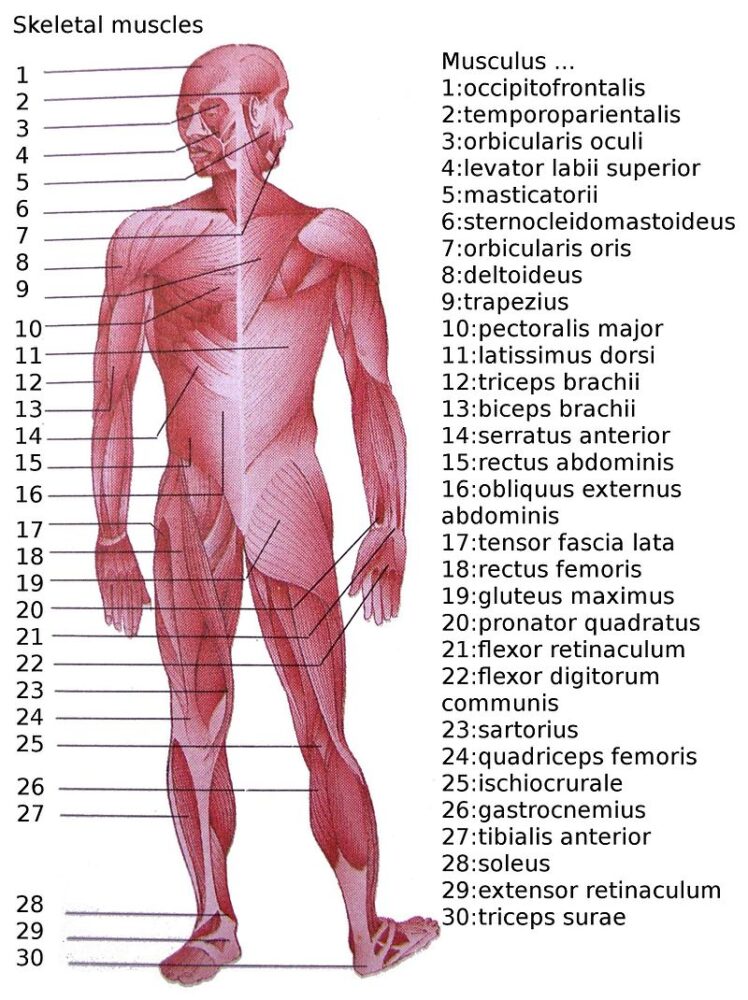
Pubococcygeus Muscle Tendinitis is an inflammation or irritation of the pubococcygeus (PC) muscle tendon—a key part of the pelvic floor that supports pelvic organs and helps control urinary and bowel functions. This guide explains what it is, how it happens, its symptoms, and many ways to diagnose, treat, and prevent it.
Pubococcygeus muscle tendinitis is a condition where the tendon of the pubococcygeus muscle becomes inflamed due to overuse, strain, or injury. The PC muscle is part of your pelvic floor and plays a role in supporting the bladder, uterus (in women), and rectum, as well as in sexual function and continence. When the tendon that attaches this muscle to surrounding tissues becomes irritated, it can lead to pain, discomfort, and weakness.
Anatomy & Pathophysiology
Understanding the basic structure and function of the pubococcygeus muscle is key to grasping what happens during tendinitis.
Structure
- Location:
The pubococcygeus muscle is part of the pelvic floor muscles. It stretches from the pubic bone to the coccyx (tailbone). - Composition:
It is made up of muscle fibers and tendons. The tendon is the tough band that connects the muscle to bone and other structures.
Blood Supply
- Arterial Supply:
Blood is delivered to the PC muscle by small branches from the internal iliac arteries. Good blood flow is essential for muscle health and healing.
Nerve Supply
- Innervation:
The pubococcygeus muscle is controlled by nerves from the pudendal nerve and other branches of the sacral plexus. These nerves help regulate muscle contraction and also relay pain signals when the tendon is inflamed.
Functions
- Pelvic Organ Support:
Helps support the bladder, uterus (in women), and rectum. - Urinary and Bowel Control:
Contributes to continence by controlling the opening and closing of the urethra and anus. - Sexual Function:
Plays a role in sexual pleasure and orgasm. - Core Stability:
Works with other muscles to stabilize the core and lower back.
What Happens in Tendinitis
- Inflammation:
Overuse, injury, or repetitive strain can cause tiny tears in the tendon fibers, leading to swelling and inflammation. - Pain and Weakness:
As the tendon becomes inflamed, it may cause sharp or dull pain in the pelvic area, especially during movement or muscle contraction. - Healing Process:
The body sends extra blood and nutrients to the area to repair the damage, but continued strain can slow healing and cause chronic discomfort.
Types of Pubococcygeus Tendinitis
Tendinitis in the pubococcygeus muscle can be classified based on severity and duration:
-
Acute Tendinitis:
- Develops suddenly after a specific injury or strain.
- Symptoms appear quickly and are often severe but may resolve with rest and treatment.
-
Chronic Tendinitis:
- Results from long-term overuse or repeated strain.
- Symptoms persist over time and may require more intensive treatment, including physical therapy and lifestyle changes.
-
Localized vs. Diffuse Tendinitis:
- Localized: Inflammation is concentrated in one small area of the tendon.
- Diffuse: Inflammation is spread over a larger portion of the tendon.
Causes of Pubococcygeus Muscle Tendinitis
Understanding what might lead to pubococcygeus tendinitis can help in prevention and treatment. Here are 20 common causes:
- Overuse in Exercise:
Repeated strenuous workouts that stress the pelvic floor. - Improper Form During Exercise:
Incorrect techniques in weightlifting or yoga. - Childbirth:
The strain during labor can injure the pelvic floor muscles. - Heavy Lifting:
Carrying heavy objects without proper support. - Prolonged Sitting:
Poor posture or sitting for long hours without breaks. - Pelvic Surgery:
Procedures in the pelvic region can sometimes lead to muscle strain. - Chronic Coughing:
Conditions that cause constant coughing can put pressure on the pelvic floor. - Constipation and Straining:
Repeatedly straining during bowel movements. - Repetitive Physical Work:
Jobs that involve heavy lifting or prolonged standing. - Sports Injuries:
Injuries from activities such as running or jumping. - Inappropriate Pelvic Floor Exercises:
Overdoing or performing exercises incorrectly. - Postural Imbalances:
Poor alignment can increase stress on the pelvic muscles. - Infections:
Infections in the pelvic area causing inflammation. - Trauma or Accidents:
Falls or blows to the lower back or pelvis. - Aging:
Degenerative changes that weaken tendons over time. - Hormonal Changes:
Especially in women during menopause, which can affect muscle strength. - Obesity:
Extra weight adds strain to the pelvic floor. - Sedentary Lifestyle:
Lack of regular exercise weakens muscles. - Genetic Factors:
Some individuals may have weaker tendons due to hereditary factors. - Neurological Disorders:
Conditions that affect nerve function can impair muscle control.
Symptoms of Pubococcygeus Muscle Tendinitis
Recognizing the symptoms is important for early intervention. Here are 20 common symptoms:
- Pelvic Pain:
Dull or sharp pain in the lower pelvic region. - Pain During Movement:
Increased pain when standing, sitting, or walking. - Pain with Exercise:
Discomfort during physical activity, especially core or pelvic floor exercises. - Difficulty Urinating:
A burning or aching sensation while urinating. - Urinary Urgency:
Sudden need to urinate frequently. - Incontinence:
Trouble controlling urine or bowel movements. - Pain During Sexual Activity:
Discomfort during or after intercourse. - Abnormal Sensations:
Tingling or numbness in the pelvic region. - Lower Back Pain:
Pain that radiates from the lower back to the pelvic area. - Muscle Weakness:
A feeling of weakness in the pelvic muscles. - Pain While Sitting:
Increased discomfort when sitting for long periods. - Pressure Sensation:
A feeling of fullness or pressure in the pelvis. - Pain While Lifting:
Discomfort when lifting heavy objects. - Tenderness on Touch:
The area may feel sore or tender when pressed. - Spasms:
Occasional muscle twitching or spasms in the pelvic area. - Fatigue:
Feeling tired due to chronic pain. - Difficulty with Bowel Movements:
Pain or discomfort during defecation. - Irritability:
Chronic pain can lead to mood changes or irritability. - Sleep Disruptions:
Pain interfering with sleep. - Limited Range of Motion:
Difficulty in fully contracting or relaxing the pelvic muscles.
Diagnostic Tests for Pubococcygeus Muscle Tendinitis
Doctors may use several tests and evaluations to diagnose this condition. Here are 20 diagnostic methods:
- Physical Examination:
A manual exam of the pelvic area for tenderness and tightness. - Medical History:
Reviewing your past injuries, childbirth history, and exercise habits. - Pelvic Floor Muscle Assessment:
Evaluation by a pelvic floor physical therapist. - Ultrasound Imaging:
To view the muscle structure and look for signs of inflammation. - MRI (Magnetic Resonance Imaging):
Detailed images of soft tissues to detect tendon injury. - CT Scan (Computed Tomography):
To rule out other causes of pelvic pain. - X-rays:
Although not used to view soft tissues, they can help rule out bone-related issues. - Electromyography (EMG):
Tests electrical activity in the pelvic muscles. - Nerve Conduction Studies:
To check if nerves are sending proper signals. - Urinalysis:
To rule out urinary tract infections. - Cystoscopy:
A look inside the bladder to rule out other conditions. - Digital Vaginal Examination:
For women, to assess muscle tone and tenderness. - Rectal Examination:
To evaluate the integrity of the pelvic floor. - Pelvic MRI:
Specifically focused on the pelvic area. - Pelvic Floor Ultrasound:
A specialized ultrasound of the pelvic muscles. - Provocative Testing:
Asking you to contract or relax the pelvic muscles to reproduce pain. - Blood Tests:
To check for markers of inflammation or infection. - Urodynamic Studies:
Tests that assess how the bladder and urethra are storing and releasing urine. - Vaginal Manometry:
To measure the strength of pelvic floor muscles. - Functional Movement Tests:
Observing how movement and posture may contribute to the pain.
Non-Pharmacological Treatments
Non-drug treatments can help reduce pain, improve muscle function, and support healing. These options may be used alone or with other treatments:
- Rest:
Reduce activities that put pressure on the pelvic floor. - Ice Therapy:
Apply ice packs to the pelvic area for 15–20 minutes at a time. - Heat Therapy:
Use warm compresses after the first few days to improve circulation. - Pelvic Floor Physical Therapy:
Work with a specialist to learn exercises and relaxation techniques. - Gentle Stretching:
Daily stretches that target the pelvic and lower back muscles. - Strengthening Exercises:
Kegel exercises and other pelvic floor strengthening routines. - Biofeedback:
Helps you learn to control pelvic floor muscle contractions. - Massage Therapy:
Gentle pelvic massage may ease tension (performed by a qualified therapist). - Acupuncture:
Some find relief with this traditional therapy. - Trigger Point Release:
Manual therapy to reduce knots and tight spots. - Posture Training:
Correcting posture to reduce pelvic strain. - Ergonomic Adjustments:
Adjusting chairs, desks, or workspaces to support proper alignment. - Behavioral Therapy:
Techniques to manage pain-related stress. - Mindfulness and Meditation:
Helps reduce tension and improve overall pain management. - Breathing Exercises:
Deep breathing can relax the pelvic floor muscles. - Water Therapy:
Exercises in warm water to reduce strain on the muscles. - Yoga:
Gentle yoga poses designed for pelvic floor health. - Pilates:
Focused exercises that support core and pelvic stability. - TENS (Transcutaneous Electrical Nerve Stimulation):
Non-invasive electrical stimulation to relieve pain. - Activity Modification:
Change activities that worsen symptoms. - Proper Lifting Techniques:
Learn safe ways to lift objects without straining. - Supportive Underwear:
Specialized garments that may help support the pelvic region. - Weighted Vaginal Cones:
For women, these help strengthen the pelvic floor. - Cognitive Behavioral Therapy (CBT):
Can help manage chronic pain. - Hydration and Nutrition:
Eating a balanced diet and staying hydrated to support tissue repair. - Pelvic Floor Relaxation Techniques:
Specific exercises to fully relax the muscles. - Progressive Muscle Relaxation:
Systematic relaxation of different muscle groups. - Education on Body Mechanics:
Learning how daily movements affect the pelvic floor. - Use of Biofeedback Devices:
Home devices that help track muscle tension. - Regular Follow-Up with Healthcare Providers:
To adjust and monitor therapy as recovery progresses.
Drugs Commonly Used in Management
Medications may help reduce pain and inflammation. They should always be used under a doctor’s supervision. Common drugs include:
- NSAIDs (Nonsteroidal Anti-Inflammatory Drugs):
Such as ibuprofen or naproxen. - Acetaminophen (Paracetamol):
For mild to moderate pain relief. - Topical NSAIDs:
Creams or gels applied to the pelvic area. - Muscle Relaxants:
To help reduce muscle spasm and pain. - Oral Corticosteroids:
Short courses to reduce severe inflammation. - Topical Analgesics:
Creams containing ingredients like lidocaine. - Opioid Pain Relievers:
For short-term management of severe pain. - Antispasmodic Drugs:
To ease muscle cramps. - Gabapentin:
Sometimes used for nerve pain. - Tricyclic Antidepressants:
Low doses may help manage chronic pain. - Selective Serotonin Reuptake Inhibitors (SSRIs):
For pain management in some chronic cases. - Local Anesthetics:
Patches or injections for temporary relief. - Topical Capsaicin:
To reduce pain through repeated application. - COX-2 Inhibitors:
Such as celecoxib for inflammation. - Weak Opioids:
Such as codeine for moderate pain. - Combination Analgesics:
Drugs that combine acetaminophen with opioids. - Benzodiazepines:
In select cases to relieve severe muscle tension (short-term use). - Anticonvulsants:
For neuropathic pain associated with tendinitis. - Local Steroid Injections:
Direct injection into the inflamed area. - Supplements (e.g., Omega-3 fatty acids):
May help reduce inflammation when used as part of a broader treatment plan.
Surgeries or Invasive Procedures
Surgery is rarely needed for pubococcygeus tendinitis but may be considered if other treatments fail or if complications occur:
- Tendon Debridement:
Removal of damaged tissue. - Tendon Repair:
Surgical repair if there is a significant tear. - Injection Therapy:
Corticosteroid injections to reduce inflammation. - Platelet-Rich Plasma (PRP) Injections:
To promote healing with concentrated growth factors. - Nerve Blocks:
Injections to block pain signals temporarily. - Endoscopic Procedures:
Minimally invasive procedures to assess and treat the area. - Pelvic Floor Reconstruction:
In cases with severe muscle damage. - Fascial Release Surgery:
To relieve chronic tension if scar tissue is present. - Laparoscopic Exploration:
To rule out or treat any pelvic adhesions contributing to pain. - Ultrasound-Guided Interventions:
Minimally invasive procedures guided by imaging to treat localized inflammation.
Preventive Measures
Preventing pubococcygeus muscle tendinitis involves lifestyle adjustments and proper techniques:
- Warm-Up Properly:
Always do gentle stretches before exercise. - Strengthen the Pelvic Floor:
Practice regular pelvic floor exercises (Kegels) with proper form. - Use Correct Lifting Techniques:
Bend at the knees and keep the back straight. - Maintain Good Posture:
At work and home, use ergonomic furniture. - Avoid Overtraining:
Balance exercise with adequate rest. - Manage Weight:
Keeping a healthy weight reduces stress on the pelvic floor. - Stay Hydrated:
Drink enough water to support tissue health. - Practice Stress Reduction:
Techniques like meditation can lower muscle tension. - Take Regular Breaks:
Especially if you sit for long periods. - Follow-Up with Physical Therapy:
Regular check-ins can help adjust your exercise routine.
When to See a Doctor
Seek medical advice if you experience:
- Persistent Pelvic Pain:
Pain that does not improve with home care. - Difficulty Urinating or Incontinence:
Changes in bladder or bowel control. - Pain During Sexual Activity:
That interferes with daily life. - Swelling or Redness:
Signs of infection or severe inflammation. - Weakness or Loss of Function:
Which affects your mobility or quality of life. - No Improvement with Conservative Treatments:
If symptoms continue to worsen.
Frequently Asked Questions (FAQs)
1. What is pubococcygeus muscle tendinitis?
It is inflammation or irritation of the tendon of the pelvic floor muscle called the pubococcygeus, which supports your pelvic organs and aids in urinary control.
2. What causes this tendinitis?
It can be caused by overuse during exercise, childbirth, heavy lifting, prolonged sitting, or even infections that lead to muscle strain.
3. How do I know if I have it?
Common signs include pelvic pain, difficulty with urination or bowel movements, and discomfort during sexual activity. A physical exam and imaging tests can help diagnose it.
4. Is the pain constant?
The pain can be constant or may worsen during activities like exercise or lifting. It sometimes improves with rest.
5. Can it heal on its own?
Mild cases often improve with rest and non-drug treatments, but chronic tendinitis may need more focused therapy.
6. What exercises should I avoid?
Avoid high-impact and strenuous activities that strain your pelvic floor until the pain subsides. A pelvic floor physical therapist can guide safe exercises.
7. Are Kegel exercises helpful?
Yes, when done correctly, they can strengthen the pelvic floor. However, overdoing them may worsen symptoms.
8. Is surgery common for this condition?
Surgery is rarely needed. Most cases improve with conservative treatment like physical therapy and medication.
9. How do I relieve pain at home?
Rest, ice or heat therapy, gentle stretching, and proper posture are key ways to manage pain at home.
10. Can this condition affect my sexual life?
Yes, it can cause discomfort during sex, but proper treatment often leads to improvement.
11. Are there any risks if left untreated?
Chronic pain, worsening inflammation, and further weakening of the pelvic floor can occur if left untreated.
12. How long does recovery usually take?
Recovery varies. Mild cases may improve in a few weeks, while chronic cases may take months with proper therapy.
13. What kind of doctor should I see?
A primary care physician, urogynecologist, or pelvic floor physical therapist can evaluate and treat pelvic floor issues.
14. Do lifestyle changes help?
Yes, maintaining a healthy weight, proper posture, and balanced exercise can reduce the risk of tendinitis.
15. Is there a role for alternative therapies?
Many find benefits from acupuncture, massage, or biofeedback as part of a comprehensive treatment plan.
Conclusion
Pubococcygeus muscle tendinitis is an inflammation of a key pelvic floor tendon that can cause pelvic pain, urinary issues, and discomfort during daily activities. With the right mix of rest, physical therapy, medications, and sometimes even minor surgical interventions, most people experience relief and improved quality of life. Adopting preventive measures and making lifestyle changes can also help reduce the risk of recurrence.
If you experience any persistent or severe symptoms, do not hesitate to seek help from a healthcare provider for proper diagnosis and treatment. Remember, early intervention is key to preventing long-term complications.
The article is written by Team Rxharun and reviewed by the Rx Editorial Board Members More details about authors, please visit to Profile rxharun.com Last Update: March 19, 2025.
Rx Editorial Board Member and Team Rxharun’s Writers Links
Disclaimer: Each person’s journey is unique, treatment plan, life style, food habit, hormonal condition, immune system, chronic disease condition, geological location, weather and previous medical history is also unique. So always seek the best advice from a qualified medical professional or health care provider before trying any treatments to ensure to find out the best plan for you. This guide is for general information and educational purposes only. Regular check-ups and awareness can help to manage and prevent complications associated with these diseases conditions. If you or someone are suffering from this disease condition bookmark this website or share with someone who might find it useful! Boost your knowledge and stay ahead in your health journey. We always try to ensure that the content is regularly updated to reflect the latest medical research and treatment options. Thank you for giving your valuable time to read the article.