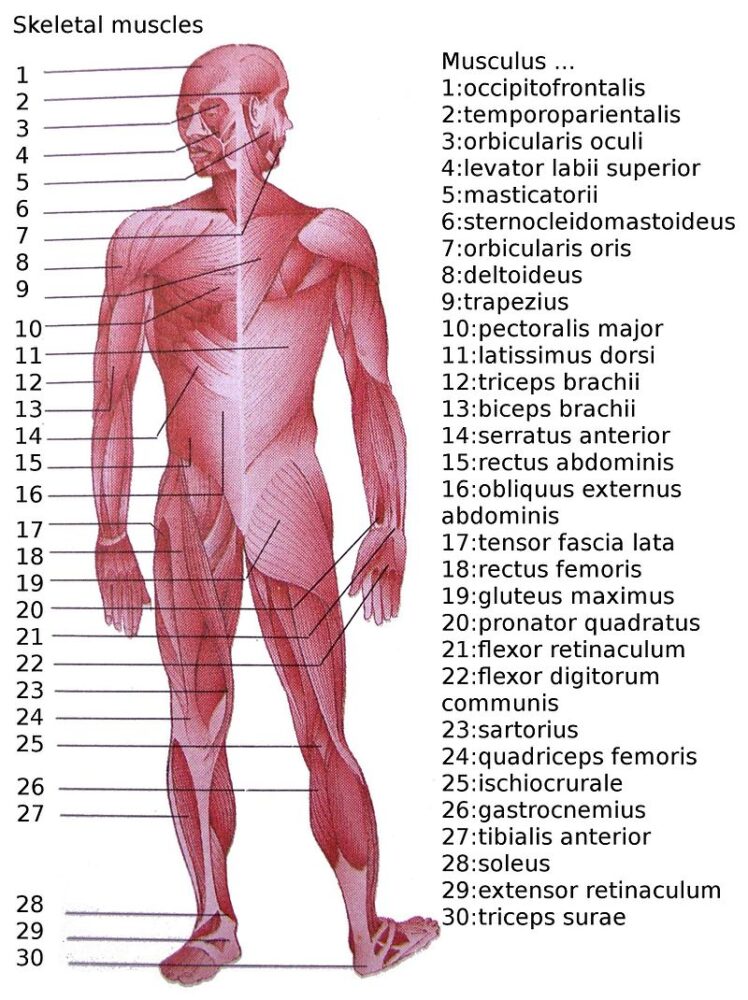
Puborectalis muscle injury is a condition affecting one of the key muscles that help maintain continence and support pelvic function. This guide explains what the puborectalis muscle is, how it works, what happens when it is injured, and how to recognize, diagnose, and treat such injuries.
The puborectalis muscle is part of the pelvic floor, a group of muscles that supports the organs in your pelvis. It plays a crucial role in controlling bowel movements and maintaining continence. An injury to this muscle can lead to discomfort, pain, and various functional problems. Understanding the details of a puborectalis muscle injury—including its structure, causes, and treatment options—is important for managing the condition effectively.
A puborectalis muscle injury refers to any damage—such as a strain, tear, or contusion—to the puborectalis muscle. This injury might result from trauma, overuse, childbirth, or other stressors affecting the pelvic floor. The injury can vary in severity from a mild strain that heals with rest to a more serious tear that requires extensive treatment and rehabilitation.
Key Points:
- Definition: Damage to the puborectalis muscle causing pain, functional impairment, or both.
- Commonly Affected Functions: Continence (control over bowel movements) and pelvic stability.
Understanding the Puborectalis Muscle:
Structure
- Location: The puborectalis muscle is one of the muscles in the pelvic floor. It forms a sling around the rectum and attaches to the pubic bone.
- Shape and Size: It is a thin, curved muscle that creates a U-shaped loop, contributing to the angle between the rectum and the anus. This angle is essential for controlling the passage of stool.
- Relationship to Other Muscles: It works in tandem with other pelvic floor muscles like the pubococcygeus and iliococcygeus, ensuring proper pelvic organ support.
Blood Supply
- Primary Sources: The muscle receives blood from branches of the internal iliac artery. Good blood flow is essential for muscle function, healing, and recovery after an injury.
- Importance in Healing: Adequate blood supply delivers oxygen and nutrients that are necessary for repairing any damage sustained by the muscle.
Nerve Supply
- Innervation: The puborectalis muscle is innervated by branches of the pudendal nerve and pelvic splanchnic nerves. These nerves control muscle contraction and help signal pain when an injury occurs.
- Role of Nerves: Proper nerve supply ensures that the muscle responds correctly to signals for contraction and relaxation and also alerts the body to injury through pain.
Functions
- Maintaining Continence: The muscle helps form a critical angle (the anorectal angle) that keeps the anal canal closed, preventing involuntary leakage.
- Supporting Pelvic Organs: Along with other pelvic floor muscles, it supports the bladder, uterus (in women), and rectum.
- Assisting in Defecation: It plays a role in controlling the passage of stool by regulating the relaxation and contraction of the pelvic floor during bowel movements.
- Stabilizing the Pelvic Floor: Contributing to overall core stability, it helps maintain proper posture and balance.
Pathophysiology of Puborectalis Muscle Injury
When the puborectalis muscle is injured, its ability to perform these essential functions is compromised. The injury may involve inflammation, micro-tears, or complete tears, leading to a cascade of events:
- Trauma and Overload: Direct trauma (such as a fall or impact) or repetitive strain (from activities like heavy lifting or childbirth) can cause the muscle fibers to stretch beyond their limits.
- Bleeding and Inflammation: Injury results in small blood vessel damage, causing bleeding within the muscle and triggering inflammation. This inflammatory response leads to pain and swelling.
- Nerve Irritation: Damage to muscle fibers may also irritate the nerves, resulting in sharp or dull pain that can worsen with movement or strain.
- Healing Process: The body begins repairing the damaged tissue, but if rest and proper treatment are not provided, the healing process can be delayed or result in scar tissue formation, which might compromise the muscle’s function permanently.
Types of Puborectalis Muscle Injuries
Like many muscle injuries, puborectalis muscle injuries can be classified by severity and the nature of the damage:
-
Mild Strain (Grade I)
- Small microscopic tears in muscle fibers
- Minimal pain and swelling
- Usually heals with rest and conservative care
-
Moderate Strain (Grade II)
- Partial tearing of muscle fibers
- Noticeable pain, inflammation, and functional impairment
- May require physical therapy and longer rest periods
-
Severe Strain or Tear (Grade III)
- Significant rupture or complete tear of the muscle fibers
- Severe pain, swelling, and loss of function
- Often requires more intensive treatment, possibly including surgery
-
Contusion
- Bruising of the muscle from blunt trauma
- Characterized by bleeding within the tissue and localized pain
- Typically managed with conservative treatments such as rest and ice
-
Chronic Overuse Injury
- Repetitive stress over time can lead to chronic inflammation and weakening
- May develop into a long-term issue affecting continence and pelvic stability
Common Causes of Puborectalis Muscle Injury
Understanding what can lead to a puborectalis muscle injury is key for both treatment and prevention. Here are 20 potential causes:
- Childbirth Trauma – Stretching or tearing during vaginal delivery.
- Direct Blunt Trauma – Impact from falls or accidents.
- Heavy Lifting – Incorrect lifting techniques that overload the pelvic floor.
- Repetitive Strain – Repetitive movements, especially in sports or physical labor.
- Pelvic Surgery – Complications or injury during gynecologic or colorectal surgeries.
- Chronic Constipation – Excessive straining during bowel movements.
- Pelvic Inflammatory Disease – Infection causing inflammation in pelvic tissues.
- Traumatic Injuries from Sports – Contact sports such as football or rugby.
- Motor Vehicle Accidents – Impact injuries that affect the pelvic region.
- Falls – Especially among older adults where the pelvis can be injured.
- Improper Exercise Form – Wrong techniques during workouts (e.g., squats, deadlifts).
- Repetitive Prolonged Sitting – Leading to weakening of the pelvic floor.
- Postpartum Recovery – Inadequate healing after childbirth.
- Pelvic Organ Prolapse – Strain due to the displacement of pelvic organs.
- Degenerative Changes – Age-related weakening of muscle tissue.
- Obesity – Increased weight that strains the pelvic muscles.
- Chronic Cough – Repeated coughing causing increased intra-abdominal pressure.
- High-Impact Activities – Activities like running or jumping on hard surfaces.
- Trauma from Sexual Activity – Intense or improper sexual activities can strain the muscle.
- Pelvic Floor Overuse in Athletes – Particularly in sports that require intense core engagement.
Common Symptoms of Puborectalis Muscle Injury
Recognizing the symptoms early can lead to better treatment outcomes. Here are 20 symptoms that may indicate a puborectalis muscle injury:
- Pelvic Pain – Dull or sharp pain in the lower pelvis.
- Lower Back Pain – Pain that may extend from the pelvis to the lower back.
- Painful Bowel Movements – Discomfort during defecation.
- Difficulty Controlling Bowel Movements – Incontinence or urgency.
- Sensation of a Pulling or Tightness – Especially when straining.
- Pain While Sitting – Discomfort that worsens when sitting for long periods.
- Pain During Physical Activity – Especially activities that stress the pelvic floor.
- Tenderness in the Pelvic Area – Pain when pressing on the region.
- Swelling or Bruising – Visible signs of trauma in the pelvic region.
- Muscle Spasms – Involuntary contractions of the pelvic muscles.
- Fatigue of the Pelvic Floor – Feeling of weakness or heaviness.
- Discomfort During Sexual Activity – Pain or discomfort during intercourse.
- Abnormal Sensation in the Pelvic Region – Numbness or tingling.
- Inability to Fully Relax the Pelvic Floor – Persistent tension.
- Urinary Issues – Difficulty starting or stopping urination.
- Cramping – Periodic or constant cramping in the lower abdomen.
- Loss of Pelvic Control – Episodes of leakage or incontinence.
- Increased Pain with Coughing or Sneezing – Due to increased intra-abdominal pressure.
- Difficulty Maintaining Posture – Due to pelvic discomfort.
- General Discomfort or Malaise – A feeling that something is not right in the pelvic area.
Diagnostic Tests for Puborectalis Muscle Injury
Doctors use a combination of physical examinations, imaging, and specialized tests to diagnose a puborectalis muscle injury. Here are 20 tests and evaluations that may be used:
- Physical Examination – Assessment of pain, tenderness, and range of motion.
- Medical History Review – Discussion of symptoms and previous injuries.
- Digital Rectal Examination (DRE) – A physical exam to assess muscle tone and tenderness.
- Pelvic Examination – In women, to check for associated pelvic floor issues.
- Ultrasound Imaging – Non-invasive imaging to view muscle structure.
- Magnetic Resonance Imaging (MRI) – Detailed imaging to detect tears or inflammation.
- Computed Tomography (CT) Scan – Cross-sectional imaging if deeper trauma is suspected.
- Electromyography (EMG) – Testing muscle electrical activity to assess nerve function.
- Nerve Conduction Studies – Evaluating the nerves supplying the pelvic floor.
- Pelvic Floor Manometry – Measuring muscle strength and pressure in the pelvic floor.
- Endoanal Ultrasound – Specialized ultrasound to view the anal sphincter complex.
- Digital Muscle Testing – Manual assessment of muscle contraction strength.
- Gait Analysis – Observing walking patterns that may indicate pelvic dysfunction.
- Assessment of Bowel Function – Evaluating for signs of incontinence or constipation.
- Vaginal or Rectal Palpation – To feel for muscle defects or spasms.
- Bladder Diary – Recording urinary symptoms that might relate to pelvic floor dysfunction.
- Provocative Testing – Asking the patient to contract or relax the pelvic muscles to identify pain triggers.
- Range of Motion Tests – Assessing flexibility and movement of the pelvic area.
- Posture Analysis – Examining overall posture and alignment that may affect pelvic health.
- Functional Movement Screening – Evaluating how pelvic injuries impact daily movements.
Non-Pharmacological Treatments
Many treatment methods for puborectalis muscle injuries do not involve drugs. These options focus on helping the muscle heal, reducing pain, and preventing further injury. Here are 30 non-pharmacological treatments:
- Rest – Give the pelvic floor time to heal by avoiding heavy lifting and strenuous activities.
- Ice Therapy – Apply a cold pack to reduce inflammation in the first 48–72 hours.
- Heat Therapy – Use warm compresses after the initial swelling has reduced to increase blood flow.
- Pelvic Floor Exercises – Gentle exercises (Kegel exercises) to strengthen the muscle.
- Physical Therapy – A specialized therapist can guide you through rehabilitation exercises.
- Biofeedback – Learn how to control and relax the pelvic muscles using visual or auditory feedback.
- Pelvic Massage – Professional massage therapy to release tension and improve circulation.
- Trigger Point Release – Techniques to relieve muscle knots and tight spots.
- Manual Therapy – Hands-on manipulation by a physical therapist to improve mobility.
- Posture Correction – Exercises and adjustments to improve alignment and reduce strain.
- Behavioral Modifications – Avoiding activities that worsen symptoms, such as prolonged sitting.
- Ergonomic Adjustments – Changing your work or home environment to support proper posture.
- Stretching Exercises – Gentle stretches that target the pelvic and lower back region.
- Hydrotherapy – Using water-based therapy (warm baths, pool exercises) to ease pain.
- Guided Relaxation – Techniques such as deep breathing and meditation to reduce muscle tension.
- Acupuncture – Insertion of thin needles to relieve pain and improve energy flow.
- Chiropractic Care – Spinal adjustments to alleviate pelvic misalignment.
- Yoga – Gentle yoga poses that enhance pelvic flexibility and core strength.
- Pilates – Low-impact exercises to improve overall stability and pelvic strength.
- Core Strengthening – Exercises to build core muscles which support the pelvic floor.
- TENS Therapy (Transcutaneous Electrical Nerve Stimulation) – A device that sends mild electrical impulses to reduce pain.
- Lifestyle Modifications – Incorporating stress management and healthy habits.
- Weight Management – Maintaining a healthy weight to reduce strain on the pelvic muscles.
- Hydration – Drinking plenty of water to support overall tissue health.
- Nutritional Guidance – Consuming a balanced diet rich in vitamins and minerals that aid in healing.
- Proper Sleep Posture – Using supportive pillows and mattresses to avoid unnecessary pressure.
- Use of Support Devices – Pelvic support belts if recommended by a healthcare provider.
- Mindfulness Training – Reducing stress which can worsen muscle tension.
- Self-Massage Techniques – Learning gentle massage techniques for home use.
- Regular Follow-ups – Monitoring progress with your healthcare provider to adjust therapy as needed.
Drugs Commonly Used in Management
Medications may be recommended alongside other treatments to relieve pain, reduce inflammation, or manage muscle spasms. Always use drugs under the guidance of a doctor. Here are 20 commonly used drugs:
- Nonsteroidal Anti-Inflammatory Drugs (NSAIDs) – Such as ibuprofen or naproxen for pain and inflammation.
- Acetaminophen (Paracetamol) – For mild to moderate pain relief.
- Muscle Relaxants – Medications like cyclobenzaprine to ease muscle spasms.
- Topical NSAIDs – Creams or gels containing diclofenac applied locally.
- Oral Corticosteroids – Short courses to reduce severe inflammation.
- Topical Analgesics – Patches or creams containing lidocaine for localized pain relief.
- Opioid Analgesics – Prescribed for severe pain, used cautiously and for short durations.
- Antispasmodics – Medications to reduce muscle cramping.
- Antidepressants – In low doses, sometimes used for chronic pelvic pain.
- Gabapentin or Pregabalin – For nerve-related pain.
- Local Anesthetic Injections – For targeted pain relief in the pelvic region.
- Anticholinergics – To reduce muscle spasm in some cases.
- Alpha-blockers – May be used if there is associated pelvic muscle tension.
- Benzodiazepines – In very select cases for short-term muscle relaxation.
- Topical Capsaicin – Creams that reduce pain signals from the nerve endings.
- COX-2 Inhibitors – Such as celecoxib for inflammation with fewer gastrointestinal side effects.
- Vitamin Supplements – Particularly B vitamins, which may help with nerve function.
- Anticonvulsants – Sometimes used off-label for chronic pain management.
- Muscle Toxin Injections – Such as botulinum toxin (in select chronic cases) to relax overactive muscles.
- Over-the-Counter Analgesics – For mild pain management as recommended by a healthcare provider.
Surgeries or Invasive Procedures
Surgical intervention is not common for puborectalis muscle injuries, but in severe or complicated cases, the following procedures may be considered:
- Pelvic Floor Repair Surgery – Repair of severe muscle tears.
- Hematoma Drainage – Surgical removal of blood clots that do not resolve on their own.
- Neurolysis – Releasing nerves entrapped by scar tissue.
- Fascial Release Procedures – To alleviate chronic tension and improve mobility.
- Rectal Sling Surgery – In cases of severe incontinence linked to pelvic floor dysfunction.
- Endoscopic Procedures – Minimally invasive approaches to evaluate and treat pelvic injuries.
- Pelvic Floor Reconstruction – In cases where multiple pelvic muscles are involved.
- Botulinum Toxin Injections (if repeated spasm is not controlled by other measures) – Administered by specialists.
- Sacral Nerve Stimulation – For chronic pelvic pain with nerve involvement.
- Exploratory Laparoscopy – To assess and address any additional pelvic issues contributing to dysfunction.
Preventive Measures
Preventing puborectalis muscle injury can often be achieved by maintaining overall pelvic and core strength, and by using proper body mechanics. Here are 10 key preventive measures:
- Practice Proper Lifting Techniques – Always lift with your legs, not your back.
- Strengthen the Core – Regular exercises that enhance core stability.
- Perform Regular Pelvic Floor Exercises – Such as Kegel exercises to keep the muscles strong.
- Maintain a Healthy Weight – Reducing excess strain on the pelvic floor.
- Warm-Up Before Exercise – Prepare your muscles for activity.
- Avoid Prolonged Sitting – Take regular breaks to move and stretch.
- Use Ergonomic Furniture – Ensure that your work and home environment supports good posture.
- Practice Good Posture – Maintain proper alignment to reduce undue strain on the pelvis.
- Manage Chronic Conditions – Treat constipation or chronic coughing promptly.
- Seek Professional Guidance After Childbirth – To help rehabilitate the pelvic floor properly.
When to See a Doctor
It is important to know when professional medical help is needed. Consider seeing a doctor if:
- Persistent Pain: The pelvic or lower back pain does not improve with rest or over-the-counter medications.
- Bowel or Urinary Issues: You notice changes in continence or pain during bowel movements.
- Worsening Symptoms: If pain, swelling, or discomfort worsens despite home care.
- Post-Injury Concerns: If you experience severe pain or functional impairment after an injury or childbirth.
- Signs of Infection: Fever, chills, or unusual discharge accompanied by pelvic pain.
- Difficulty with Daily Activities: When the injury interferes with work or personal care.
- Recurrent Injuries: Frequent episodes of pelvic pain or injury suggest an underlying problem that needs evaluation.
Frequently Asked Questions (FAQs)
1. What is the puborectalis muscle?
The puborectalis is a key muscle in the pelvic floor. It forms a loop around the rectum and helps maintain the angle between the rectum and anus, which is essential for continence.
2. What does a puborectalis muscle injury mean?
It means that the puborectalis muscle has been strained, torn, or bruised due to trauma, overuse, childbirth, or other causes. This injury can lead to pain, incontinence, and pelvic discomfort.
3. What are the main functions of the puborectalis muscle?
Its functions include helping control bowel movements, maintaining continence, supporting pelvic organs, and stabilizing the pelvic floor during movement.
4. How does an injury to this muscle occur?
Injuries can occur from direct trauma (such as falls or sports injuries), childbirth, heavy lifting, or repetitive strain from activities that put prolonged pressure on the pelvic floor.
5. Can puborectalis injuries cause incontinence?
Yes. When the puborectalis muscle is injured, its ability to maintain the anorectal angle is compromised, which can lead to difficulty controlling bowel movements.
6. How are these injuries diagnosed?
Doctors use physical examinations, pelvic floor assessments, imaging tests (like MRI or ultrasound), and sometimes specialized tests like pelvic floor manometry to diagnose these injuries.
7. Is surgery always required for a puborectalis injury?
No. Most injuries are managed conservatively with physical therapy, lifestyle modifications, and medications. Surgery is reserved for severe cases or complications.
8. What non-drug treatments are available?
Non-pharmacological treatments include physical therapy, pelvic floor exercises, biofeedback, massage, and other methods aimed at reducing pain and strengthening the muscles.
9. Which drugs are typically used to manage pain?
NSAIDs, acetaminophen, muscle relaxants, and sometimes topical analgesics are commonly used for pain management.
10. What role does physical therapy play?
Physical therapy is essential. A pelvic floor specialist can guide you through exercises to improve strength, flexibility, and overall pelvic function.
11. Can lifestyle changes help prevent further injury?
Yes. Maintaining a healthy weight, practicing proper lifting techniques, doing pelvic floor exercises, and ensuring good posture all help prevent recurrence.
12. How long does recovery usually take?
Recovery time varies by severity. Mild injuries might heal in a few weeks, while more severe injuries could take months to fully recover.
13. Are there any complications if the injury is left untreated?
Untreated injuries can lead to chronic pelvic pain, worsening incontinence, or additional stress on the pelvic floor muscles, which may lead to further damage.
14. Is childbirth the most common cause of this injury?
Childbirth is one of the common causes in women, but injuries can also occur in men and women due to trauma, overuse, or other medical conditions.
15. When should I definitely see a doctor?
If you experience severe pelvic pain, difficulty controlling bowel or bladder functions, or if the pain persists despite home care measures, you should seek medical advice promptly.
Conclusion
A puborectalis muscle injury can have a significant impact on daily life by affecting continence and pelvic stability. Whether caused by trauma, overuse, or childbirth, understanding the anatomy, causes, symptoms, and treatment options is essential for recovery. This guide has provided a detailed overview—from the muscle’s structure and functions to the various treatment modalities available.
By recognizing early signs and seeking the proper care—be it conservative treatment, physical therapy, or in rare cases, surgical intervention—you can effectively manage the condition and reduce the risk of long-term complications. Remember, this information is intended for general educational purposes. Always consult a healthcare provider for a personalized diagnosis and treatment plan.
The article is written by Team Rxharun and reviewed by the Rx Editorial Board Members More details about authors, please visit to Profile rxharun.com Last Update: March 19, 2025.
Rx Editorial Board Member and Team Rxharun’s Writers Links
Disclaimer: Each person’s journey is unique, treatment plan, life style, food habit, hormonal condition, immune system, chronic disease condition, geological location, weather and previous medical history is also unique. So always seek the best advice from a qualified medical professional or health care provider before trying any treatments to ensure to find out the best plan for you. This guide is for general information and educational purposes only. Regular check-ups and awareness can help to manage and prevent complications associated with these diseases conditions. If you or someone are suffering from this disease condition bookmark this website or share with someone who might find it useful! Boost your knowledge and stay ahead in your health journey. We always try to ensure that the content is regularly updated to reflect the latest medical research and treatment options. Thank you for giving your valuable time to read the article.