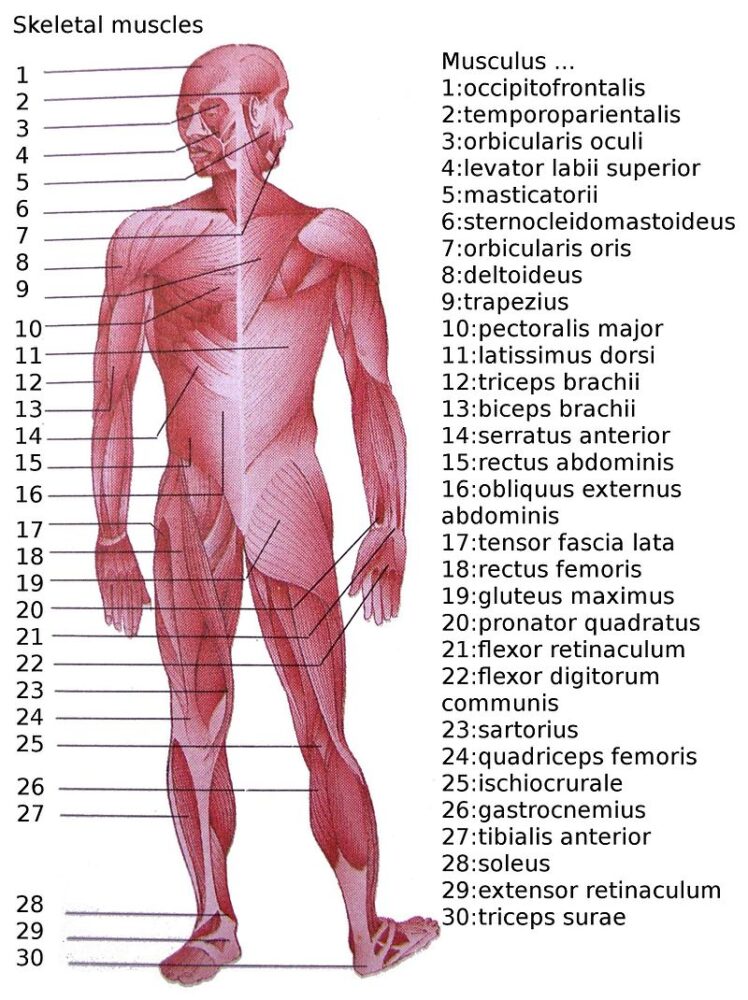
The pubococcygeus muscle is a crucial part of the pelvic floor muscles that support pelvic organs, control urinary functions, and play an important role in sexual health. Fibrosis in this muscle refers to the development of thick, stiff scar tissue that can affect its normal function. This guide explains everything you need to know about pubococcygeus muscle fibrosis, including its structure, blood and nerve supply, functions, types, potential causes, symptoms, how it is diagnosed, available treatments (both non-pharmacological and pharmacological), possible surgeries, preventive measures, and when you should see a doctor.
Pubococcygeus muscle fibrosis is a condition where the normal muscle tissue of the pubococcygeus muscle is replaced by fibrous (scar) tissue. This fibrous tissue is less flexible and does not contract like healthy muscle, potentially leading to issues with pelvic support and function. Over time, fibrosis can result from injury, chronic strain, inflammation, or after surgical interventions in the pelvic area.
Anatomy and Pathophysiology
Structure of the Pubococcygeus Muscle
-
Location and Role:
The pubococcygeus is one of the main muscles forming the pelvic floor. It stretches from the pubic bone to the coccyx (tailbone), forming a supportive sling for the pelvic organs, including the bladder, uterus (in women), and rectum. -
Muscle Layers:
As a part of the pelvic diaphragm, it works alongside other muscles like the iliococcygeus and puborectalis to maintain continence and provide core stability.
Blood Supply
- Vascularization:
The muscle receives blood from small branches of the internal pudendal artery and other nearby pelvic vessels. Adequate blood flow is essential for delivering oxygen and nutrients, supporting tissue repair, and reducing inflammation.
Nerve Supply
- Innervation:
The pubococcygeus muscle is mainly supplied by the pudendal nerve and branches from the sacral plexus. This nerve supply is responsible for controlling muscle contractions, sensations, and reflexes related to urinary and bowel functions.
Functions of the Pubococcygeus Muscle
- Pelvic Organ Support:
Helps maintain the position of pelvic organs such as the bladder, uterus, and rectum. - Urinary Continence:
Contributes to the control of the urinary sphincter, preventing involuntary leakage. - Bowel Control:
Plays a role in maintaining proper function of the rectum and anus. - Sexual Function:
Influences sexual sensation and orgasm in both men and women. - Core Stability:
Works with abdominal and back muscles to support posture and stability.
Pathophysiology of Fibrosis
-
Definition of Fibrosis:
Fibrosis occurs when the normal muscle tissue is replaced by excess fibrous connective tissue, often as a result of chronic inflammation or injury. This process reduces the elasticity and contractility of the muscle. -
How Fibrosis Develops:
Repeated strain, trauma, or an inflammatory process in the pubococcygeus muscle can lead to scar tissue formation. Over time, the build-up of fibrous tissue disrupts normal muscle function and may lead to discomfort, pain, or pelvic dysfunction. -
Impact on Function:
As the muscle becomes stiffer, its ability to support pelvic organs and control functions like urination and defecation diminishes. This may contribute to symptoms such as pelvic pain, urinary incontinence, and sexual dysfunction.
Types of Pubococcygeus Muscle Fibrosis
Fibrosis can vary in severity and presentation. Although there is no formal “staging” system universally used for pubococcygeus muscle fibrosis, it can be broadly classified based on the extent of fibrosis:
-
Mild Fibrosis:
- Minimal scarring
- Slight loss of elasticity
- May not cause significant symptoms
-
Moderate Fibrosis:
- Noticeable scar tissue formation
- Reduced muscle function
- Symptoms such as mild pelvic pain or slight urinary issues may appear
-
Severe Fibrosis:
- Extensive scar tissue replaces most of the healthy muscle
- Significant reduction in muscle function
- Prominent symptoms including chronic pain, severe incontinence, and sexual dysfunction
Causes of Pubococcygeus Muscle Fibrosis
Fibrosis in the pubococcygeus muscle may result from a variety of factors. Here are 20 possible causes:
- Childbirth Trauma: Injury during vaginal delivery may cause muscle damage.
- Surgical Interventions: Pelvic surgeries (e.g., hysterectomy, prostatectomy) may lead to fibrosis.
- Chronic Inflammation: Persistent inflammation from conditions like pelvic inflammatory disease.
- Direct Trauma: Injury from accidents, falls, or sports.
- Repetitive Strain: Overuse from activities such as heavy lifting or long-term strenuous exercise.
- Pelvic Floor Dysfunction: Chronic pelvic floor tension and spasm.
- Aging: Natural muscle degeneration over time can lead to fibrosis.
- Infection: Pelvic infections causing tissue inflammation and scarring.
- Radiation Therapy: Treatment for pelvic cancers can damage the muscle tissue.
- Endometriosis: In women, this condition may lead to fibrosis of nearby pelvic muscles.
- Obstetric Trauma: Complications or trauma during labor.
- Fibromyalgia: Chronic pain syndrome may contribute to muscle scarring.
- Postpartum Hematoma: Blood collections after delivery that may calcify or scar.
- Autoimmune Disorders: Conditions that cause chronic inflammation, such as lupus.
- Pelvic Floor Overactivity: Excessive tension and contraction over time.
- Trauma from Instrumentation: Injury due to medical procedures like catheterization.
- Idiopathic Causes: Sometimes the exact cause of fibrosis is unknown.
- Hormonal Changes: Fluctuations, especially during menopause, can affect tissue health.
- Scar Tissue from Previous Injuries: Prior pelvic injuries may predispose to further fibrosis.
- Genetic Predisposition: Some individuals may be more prone to developing fibrotic tissue.
Common Symptoms
Symptoms of pubococcygeus muscle fibrosis vary in severity. Below are 20 symptoms that patients may experience:
- Pelvic Pain: A persistent ache in the pelvic region.
- Lower Back Pain: Discomfort radiating to the lower back.
- Urinary Incontinence: Difficulty controlling urine flow.
- Frequent Urination: An increased need to urinate.
- Difficulty Starting Urination: Trouble initiating urine flow.
- Painful Urination: Burning or stinging sensation during urination.
- Bowel Dysfunction: Issues with constipation or irregular bowel movements.
- Sexual Dysfunction: Reduced sexual pleasure or pain during intercourse.
- Muscle Weakness: Reduced strength of the pelvic floor muscles.
- Tightness or Stiffness: A feeling of muscle rigidity in the pelvic area.
- Discomfort during Physical Activity: Pain when exercising or lifting.
- Postural Instability: Poor core stability and balance.
- Pain When Sitting: Discomfort that worsens with prolonged sitting.
- Abdominal Pressure: A sensation of heaviness or pressure in the lower abdomen.
- Cramps: Intermittent cramping in the pelvic muscles.
- Radiating Pain: Pain spreading to the hips, groin, or inner thighs.
- Fatigue: Overall tiredness due to chronic pain.
- Emotional Distress: Anxiety or depression related to chronic symptoms.
- Reduced Libido: Lowered sexual desire.
- Difficulty with Physical Tasks: Problems with activities such as climbing stairs or carrying groceries.
Diagnostic Tests
A combination of physical examinations, imaging tests, and specialized assessments are used to diagnose pubococcygeus muscle fibrosis. Here are 20 diagnostic methods:
-
Physical Examination:
A hands-on exam to assess pelvic floor strength and tenderness. -
Medical History Review:
Discussion of symptoms, past injuries, and surgeries. -
Digital Palpation:
A manual assessment of the pelvic floor muscles. -
Pelvic Ultrasound:
Imaging to detect abnormal tissue or scarring. -
Magnetic Resonance Imaging (MRI):
Detailed images of soft tissues to visualize fibrosis. -
Computed Tomography (CT) Scan:
Cross-sectional images that may show structural changes. -
Electromyography (EMG):
Measures muscle electrical activity to assess muscle function. -
Urodynamic Testing:
Evaluates how well the bladder and urethra store and release urine. -
Cystoscopy:
A camera is used to examine the interior of the bladder and urethra. -
Pelvic Floor Manometry:
Measures the strength and pressure of pelvic floor muscles. -
Strain Gauge Testing:
Assesses the force generated by muscle contractions. -
Pelvic MRI with Contrast:
Uses a contrast agent to better highlight soft tissue details. -
Elastography:
An imaging technique to assess tissue stiffness, which can indicate fibrosis. -
Transperineal Ultrasound:
An ultrasound approach through the perineum to visualize the pelvic floor. -
Endovaginal or Endorectal Ultrasound:
Provides detailed images from within the body cavity. -
Functional Urodynamic Studies:
Combines imaging with bladder function testing. -
Pelvic Floor Physical Therapy Assessment:
Evaluation by a specialist trained to assess muscle function and tone. -
Questionnaires and Symptom Scales:
Standardized tools to measure the severity of pelvic floor dysfunction. -
Biopsy (in rare cases):
Tissue sampling to confirm the presence of fibrotic changes. -
Laboratory Tests:
Blood tests may be used to rule out inflammatory or autoimmune conditions.
Non-Pharmacological Treatments
Non-pharmacological methods focus on relieving symptoms, improving muscle function, and preventing further fibrosis without medications. Here are 30 treatment options:
-
Pelvic Floor Physical Therapy:
Tailored exercises and manual therapy to strengthen and stretch muscles. -
Kegel Exercises:
Regularly contracting and relaxing the pelvic muscles to improve strength. -
Biofeedback Therapy:
Learning to control pelvic muscles using visual or auditory feedback. -
Manual Therapy:
Hands-on techniques by a specialist to relieve tension and improve mobility. -
Myofascial Release:
Gentle massage targeting the fascia to reduce stiffness. -
Trigger Point Therapy:
Focused treatment on specific points of muscle tightness. -
Heat Therapy:
Warm compresses or heating pads to increase blood flow and relax muscles. -
Cold Therapy:
Ice packs applied intermittently to reduce inflammation. -
Stretching Exercises:
Daily routines to maintain flexibility and relieve tension. -
Yoga:
Gentle poses that improve core stability and reduce stress. -
Pilates:
Exercises focused on building core strength and pelvic stability. -
Postural Training:
Correcting posture to reduce undue pressure on the pelvic floor. -
Ergonomic Adjustments:
Improving workplace or home setups to reduce strain during daily activities. -
Aquatic Therapy:
Exercising in water to reduce stress on the muscles while building strength. -
Mindfulness and Relaxation Techniques:
Meditation and breathing exercises to reduce overall muscle tension. -
Progressive Muscle Relaxation:
Systematically tensing and relaxing muscle groups to ease chronic tension. -
Pelvic Floor Mobilization:
Techniques to gently move and loosen the pelvic muscles. -
Lifestyle Modifications:
Adjusting daily activities to reduce excessive strain on the pelvic region. -
Weight Management:
Maintaining a healthy weight to lessen pelvic pressure. -
Use of Supportive Devices:
Pelvic supports or specialized undergarments to provide additional support. -
Acupuncture:
Traditional Chinese medicine techniques aimed at relieving pain and tension. -
Chiropractic Adjustments:
Manual manipulation of the spine and pelvis to improve alignment and reduce muscle strain. -
Post-Surgical Rehabilitation:
Specific programs for those recovering from pelvic surgery. -
Core Strengthening Exercises:
Engaging the abdominal and back muscles to support the pelvic floor. -
Functional Electrical Stimulation (FES):
Mild electrical currents to stimulate muscle contraction. -
Dance or Movement Therapy:
Low-impact movement classes to improve body awareness and core strength. -
Relaxation Baths:
Warm baths with Epsom salts to ease muscle tension. -
Regular Walking:
Low-impact aerobic activity to promote blood circulation. -
Avoiding Prolonged Sitting:
Taking breaks and moving regularly to prevent stiffness. -
Educational Workshops:
Learning proper body mechanics and pelvic floor health techniques from experts.
Drugs Commonly Used
While non-pharmacological treatments are important, medications may help manage symptoms. The following drugs are sometimes prescribed for issues related to pubococcygeus muscle fibrosis:
- Nonsteroidal Anti-Inflammatory Drugs (NSAIDs) (e.g., ibuprofen, naproxen)
- Acetaminophen (Paracetamol) for pain relief
- Muscle Relaxants (e.g., cyclobenzaprine) to ease muscle spasms
- Topical Analgesics (creams with lidocaine or capsaicin)
- Corticosteroids (oral or injected) to reduce inflammation
- Antispasmodics (e.g., methocarbamol)
- Alpha Blockers (for improving urinary symptoms in some cases)
- Antidepressants (low-dose, for chronic pain modulation)
- Gabapentinoids (gabapentin or pregabalin, for nerve-related pain)
- Tricyclic Antidepressants (sometimes used off-label for pelvic pain)
- Local Anesthetics (injections to temporarily relieve pain)
- Hormonal Therapies (if hormonal imbalance contributes to pelvic floor dysfunction)
- Botulinum Toxin Injections (to relax overactive pelvic muscles)
- Estrogen Creams (in postmenopausal women to improve tissue health)
- Calcium Channel Blockers (in some cases, to relax smooth muscle)
- Anticholinergic Medications (for bladder control issues)
- Serotonin-Norepinephrine Reuptake Inhibitors (SNRIs) (for chronic pain management)
- Opioids (only for short-term severe pain management, used with caution)
- Topical NSAIDs (applied directly to the painful area)
- Vitamin and Mineral Supplements (if deficiencies affect muscle repair)
Note: Always consult a healthcare provider before starting any medication, as individual health conditions and potential side effects must be considered.
Surgical or Invasive Procedures
Surgery is considered only when conservative treatments fail or if complications are present. Here are 10 procedures that might be considered:
-
Pelvic Floor Repair Surgery:
Reconstructive surgery to improve pelvic floor support and relieve fibrosis. -
Lysis of Adhesions:
A surgical procedure to cut through fibrous bands and restore muscle mobility. -
Vaginal or Perineal Scar Revision:
Removal or correction of excessive scar tissue. -
Botulinum Toxin Injections:
Minimally invasive injections to relax muscle overactivity. -
Pelvic Floor Sling Procedures:
Techniques to support pelvic organs if incontinence is severe. -
Laser Therapy:
Using laser energy to break down fibrotic tissue (in selected cases). -
Endoscopic Procedures:
Minimally invasive techniques to assess and treat internal pelvic scarring. -
Fascial Release Surgery:
Procedures to release tight fascia contributing to muscle stiffness. -
Pelvic Floor Neuromodulation:
Implantation of devices to stimulate nerve signals and improve muscle function. -
Hysterectomy or Prolapse Repair:
In cases where fibrosis is associated with other pelvic conditions, addressing underlying causes may be necessary.
Preventive Measures
Prevention focuses on maintaining pelvic floor health and minimizing risk factors that contribute to fibrosis. Here are 10 tips:
-
Regular Pelvic Floor Exercises:
Practice Kegel exercises to keep muscles strong and flexible. -
Proper Posture:
Maintain good posture to reduce strain on the pelvic floor. -
Healthy Body Weight:
Avoid excess weight that can stress pelvic muscles. -
Safe Childbirth Practices:
Use techniques and interventions that minimize pelvic trauma during delivery. -
Avoid Repetitive Strain:
Modify activities that overwork the pelvic muscles. -
Adequate Hydration and Nutrition:
Support muscle health with a balanced diet rich in vitamins and minerals. -
Stress Management:
Reduce muscle tension through relaxation techniques. -
Timely Treatment of Pelvic Infections:
Promptly address infections to prevent chronic inflammation. -
Regular Check-Ups:
Monitor pelvic floor health with routine examinations, especially after childbirth or pelvic surgery. -
Ergonomic Adjustments:
Optimize your work and home environments to reduce physical strain.
When to See a Doctor
It is important to know when professional help is needed. Consider seeing a doctor if you experience any of the following:
- Persistent Pelvic Pain: Pain lasting longer than a few weeks.
- Urinary or Bowel Dysfunction: New or worsening incontinence or difficulty controlling bladder/bowel movements.
- Sexual Dysfunction: Pain during intercourse or a noticeable decline in sexual function.
- Visible Changes: Noticeable hardening or bulging in the pelvic area.
- Post-Surgical Complications: If you have undergone pelvic surgery and experience unusual pain or dysfunction.
- Impact on Daily Life: When symptoms interfere with work, exercise, or social activities.
- Emotional Distress: Increased anxiety or depression related to chronic pelvic symptoms.
Early diagnosis and treatment can help prevent further complications and improve quality of life.
Frequently Asked Questions (FAQs)
1. What is pubococcygeus muscle fibrosis?
It is a condition where the pubococcygeus muscle, a key pelvic floor muscle, develops scar tissue that replaces healthy tissue, reducing its strength and flexibility.
2. How does fibrosis affect the pelvic floor?
Fibrosis can weaken pelvic support, affect bladder and bowel control, and lead to pelvic pain and sexual dysfunction.
3. What causes fibrosis in this muscle?
Common causes include childbirth trauma, surgery, chronic inflammation, repetitive strain, infections, and sometimes radiation therapy.
4. How can I recognize the symptoms?
Symptoms may include pelvic and lower back pain, urinary urgency or incontinence, bowel irregularities, muscle stiffness, and discomfort during sex.
5. Can pubococcygeus muscle fibrosis be prevented?
Maintaining a healthy pelvic floor through regular exercises, proper posture, and timely treatment of pelvic issues can help reduce the risk.
6. What diagnostic tests are used to detect fibrosis?
Doctors may use physical exams, pelvic ultrasounds, MRI, CT scans, urodynamic studies, EMG, and specialized pelvic floor assessments.
7. Are non-drug treatments effective?
Yes. Pelvic floor physical therapy, targeted exercises, biofeedback, and manual therapies are effective in managing symptoms and improving muscle function.
8. What medications might be prescribed?
Medications may include NSAIDs, muscle relaxants, corticosteroids, and sometimes specialized drugs for nerve pain or urinary issues.
9. When is surgery necessary?
Surgery is considered when conservative treatments have failed or if complications such as severe incontinence or extensive scarring occur.
10. How long does it take to recover?
Recovery varies from person to person; mild cases may improve in a few weeks, while severe fibrosis might require months of therapy.
11. Can fibrosis cause urinary problems?
Yes, fibrosis can impair the muscle’s ability to support the bladder, leading to incontinence or difficulty starting urination.
12. Is pelvic floor physical therapy safe?
Absolutely—when guided by a trained professional, physical therapy is a safe and effective treatment.
13. Can hormonal changes affect this condition?
Yes, especially in postmenopausal women, hormonal changes can influence tissue health and may contribute to fibrosis.
14. What lifestyle changes can help?
Maintaining a healthy weight, practicing pelvic floor exercises, managing stress, and avoiding heavy strain are key lifestyle modifications.
15. When should I consult a specialist?
If you experience chronic pelvic pain, urinary or bowel problems, or if symptoms significantly affect your daily life, seek advice from a pelvic floor specialist or your doctor.
Conclusion
Pubococcygeus muscle fibrosis is a condition where scar tissue forms in a critical pelvic muscle, impacting its strength and function. This can lead to a range of symptoms, from pelvic pain and urinary incontinence to sexual dysfunction and overall discomfort. Understanding the anatomy, causes, and potential complications of fibrosis is essential for early diagnosis and effective management.
Prevention, early treatment, and lifestyle modifications—such as pelvic floor exercises, proper posture, and stress management—play a significant role in maintaining pelvic health. Both non-pharmacological therapies and medications are available to help manage symptoms. In cases where conservative treatments fail, surgical options may be considered.
The article is written by Team Rxharun and reviewed by the Rx Editorial Board Members More details about authors, please visit to Profile rxharun.com Last Update: March 19, 2025.
Rx Editorial Board Member and Team Rxharun’s Writers Links
Disclaimer: Each person’s journey is unique, treatment plan, life style, food habit, hormonal condition, immune system, chronic disease condition, geological location, weather and previous medical history is also unique. So always seek the best advice from a qualified medical professional or health care provider before trying any treatments to ensure to find out the best plan for you. This guide is for general information and educational purposes only. Regular check-ups and awareness can help to manage and prevent complications associated with these diseases conditions. If you or someone are suffering from this disease condition bookmark this website or share with someone who might find it useful! Boost your knowledge and stay ahead in your health journey. We always try to ensure that the content is regularly updated to reflect the latest medical research and treatment options. Thank you for giving your valuable time to read the article.