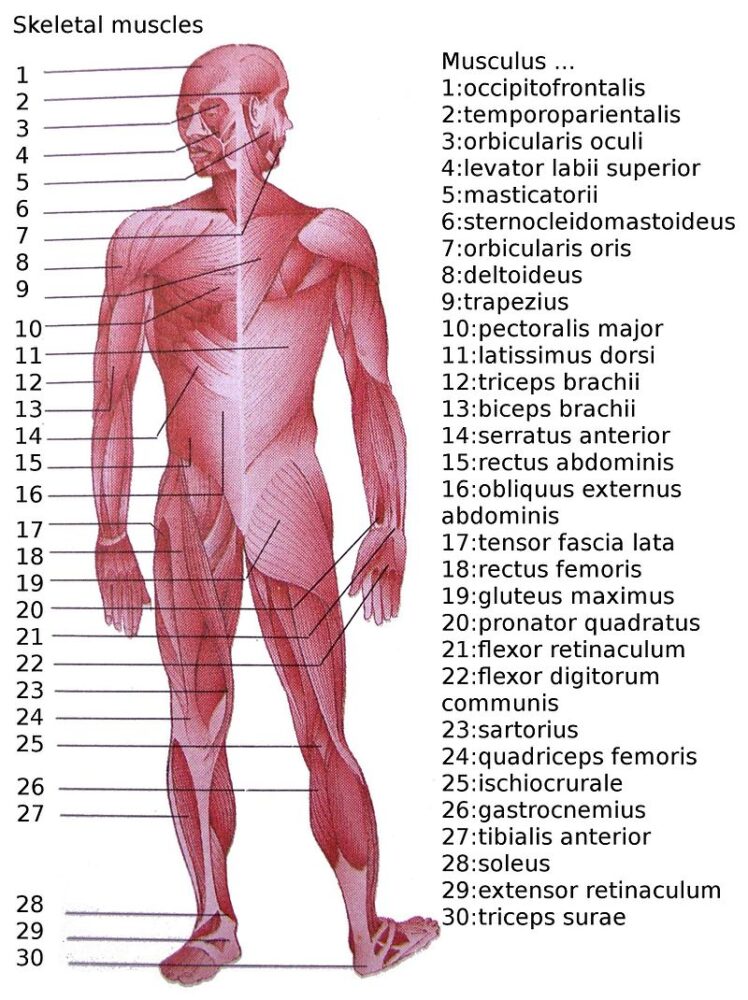
Pubococcygeus muscle cysts are uncommon fluid-filled sacs that develop in or near the pubococcygeus muscle—a key component of the pelvic floor. Although cysts in this area are not as well-known as other pelvic cysts, understanding their causes, symptoms, and treatment options is essential for managing pelvic health.
The pubococcygeus muscle is part of your pelvic floor muscles, which support organs such as the bladder, uterus (in women), and rectum. A cyst in this muscle area is a fluid-filled sac that may form as a result of various conditions such as infections, blockages, or trauma. Although pubococcygeus muscle cysts are rare compared to other cysts in the pelvic area, they can cause discomfort and affect quality of life.
Understanding the Pubococcygeus Muscle
Anatomy and Structure
The pubococcygeus muscle is one of the key muscles in the pelvic floor. Here are its main features:
-
Location:
It runs from the pubic bone to the coccyx (tailbone) and forms part of the supportive network of muscles in the pelvis. -
Structure:
It is a thick, fibrous muscle that helps hold the pelvic organs in place. Its strength and tone are vital for functions such as urinary control and sexual function.
Blood Supply
-
Primary Blood Vessels:
The muscle is supplied by small branches of the internal iliac arteries. These vessels deliver oxygen and nutrients that are essential for muscle health and healing. -
Significance:
A robust blood supply supports normal muscle function and is crucial during the repair process after an injury or when a cyst forms.
Nerve Supply
-
Nerves Involved:
The pubococcygeus muscle receives signals from the pudendal nerve and other pelvic nerves. These nerves help control muscle contractions and relay sensations, including pain. -
Role in Function:
Proper nerve supply ensures that the muscle works correctly during activities such as pelvic floor contraction and relaxation.
Functions
-
Pelvic Organ Support:
It helps hold and support pelvic organs, preventing conditions such as prolapse. -
Urinary and Bowel Control:
The muscle plays a role in controlling the release of urine and feces. -
Sexual Function:
It contributes to sexual sensation and performance. -
Stabilization:
The muscle helps stabilize the pelvis during everyday activities such as walking and lifting.
A cyst is a sac filled with fluid or semi-solid material. When such a cyst develops in or near the pubococcygeus muscle, it is referred to as a pubococcygeus muscle cyst. These cysts can vary in size and may result from blockages of small ducts, infections, or other pelvic conditions.
- Characteristics:
- They are generally benign (non-cancerous).
- They might remain small and asymptomatic or enlarge over time, causing discomfort.
- Pathogenesis:
Cysts form when there is an accumulation of fluid due to blocked ducts or inflammation. Over time, if the fluid is not reabsorbed, a cystic structure can develop.
Pathophysiology: How Do These Cysts Develop?
Understanding the pathophysiology involves looking at the underlying processes:
Structure and Formation
-
Cellular Origin:
Cysts may form from remnants of tissue or from the lining of small glands within or near the muscle. -
Fluid Accumulation:
When the normal flow of secretions is blocked—by inflammation, infection, or scar tissue—fluid collects and leads to cyst formation. -
Wall Formation:
Over time, the body forms a capsule or wall around the fluid, resulting in a cyst.
Blood and Nerve Involvement
-
Inflammatory Response:
If a cyst becomes inflamed, the local blood supply increases to deliver immune cells, which can result in swelling and pain. -
Nerve Irritation:
A growing cyst can press on nearby nerves, leading to discomfort, tingling, or pain in the pelvic region.
Functional Impact
-
Pelvic Floor Dysfunction:
Because the pubococcygeus muscle supports pelvic organs, a cyst can alter normal muscle function. This might lead to urinary or bowel control issues. -
Pain and Pressure:
The presence of a cyst may cause chronic pelvic pain or pressure, affecting daily activities and quality of life.
Types of Pubococcygeus Muscle Cysts
While cysts in the pubococcygeus area are less common than other pelvic cysts, they can be classified by their characteristics:
- Simple Cysts:
- These are fluid-filled sacs with a smooth, thin wall and are generally benign.
- Complex Cysts:
- They may contain internal septations (dividing walls) or debris and may require more detailed evaluation.
- Infective Cysts:
- Cysts that have become infected can show signs of inflammation, redness, and pain.
- Endometriotic Cysts:
- Although more common in the ovaries, endometriosis can occasionally involve the pelvic floor muscles and lead to cyst formation.
- Congenital Cysts:
- Rare cysts that develop due to developmental anomalies present from birth.
Causes of Pubococcygeus Muscle Cysts
Below are potential causes or contributing factors that may lead to cyst formation in or near the pubococcygeus muscle:
- Blockage of Glandular Ducts
- Chronic Inflammation
- Infections (e.g., pelvic inflammatory disease)
- Trauma or Injury to the Pelvic Floor
- Surgical Scar Tissue Formation
- Endometriosis
- Pelvic Floor Dysfunction
- Hormonal Imbalances
- Congenital Abnormalities
- Repeated Pelvic Stress (e.g., childbirth)
- Iatrogenic Causes (resulting from medical procedures)
- Autoimmune Conditions
- Localized Ischemia (reduced blood flow)
- Chronic Constipation (causing pelvic strain)
- Obesity (increased pelvic pressure)
- Recurrent Urinary Tract Infections
- Radiation Therapy in the Pelvic Area
- Pelvic Trauma from Accidents
- Overuse or Strain from Heavy Lifting
- Idiopathic Causes (unknown reasons)
Symptoms of Pubococcygeus Muscle Cysts
Symptoms can vary based on the size and location of the cyst. Common signs and symptoms include:
- Pelvic Pain – Dull or sharp pain in the lower abdomen or pelvic area.
- Pressure Sensation – A feeling of fullness or pressure in the pelvis.
- Pain During Sexual Intercourse
- Urinary Frequency or Urgency
- Difficulty Emptying the Bladder
- Lower Back Pain
- Pain Radiating to the Thighs
- Pain When Sitting
- Discomfort During Bowel Movements
- Swelling or a Noticeable Mass in the Pelvic Area
- Pelvic Muscle Spasms
- Irritation or Burning Sensation in the Pelvic Region
- Abnormal Menstrual Pain (if hormonal influences are involved)
- Generalized Discomfort in the Pelvis
- Tenderness on Palpation during a physical exam
- Referred Pain to the Lower Abdomen
- Changes in Urinary Flow
- Pain that Worsens with Activity
- Fatigue from Chronic Pain
- Emotional Stress or Anxiety due to ongoing discomfort
Diagnostic Tests for Pubococcygeus Muscle Cysts
To accurately diagnose these cysts, doctors may use one or more of the following tests:
- Physical Examination:
- Palpation of the pelvic area to detect lumps or tenderness.
- Pelvic Ultrasound:
- Non-invasive imaging to view cyst size and location.
- Magnetic Resonance Imaging (MRI):
- Detailed imaging to differentiate cysts from other masses.
- Computed Tomography (CT) Scan:
- Useful for evaluating complex pelvic structures.
- Transvaginal Ultrasound:
- Provides close-up images of the female pelvic floor.
- Transperineal Ultrasound:
- An external approach that examines the pelvic floor.
- X-Ray:
- May help rule out bone involvement if suspected.
- Doppler Ultrasound:
- Evaluates blood flow to the cyst area.
- Cystoscopy:
- Endoscopic examination of the bladder and urethra if urinary symptoms are present.
- Biopsy:
- Sampling tissue from the cyst if malignancy is a concern.
- Lab Tests:
- Blood tests for inflammatory markers.
- Urinalysis:
- To check for signs of infection.
- Pelvic Floor Functional Testing:
- Measures muscle strength and function.
- Nerve Conduction Studies:
- Assesses nerve involvement if pain radiates.
- Electromyography (EMG):
- Evaluates the electrical activity of pelvic muscles.
- C-Reactive Protein (CRP) Test:
- Checks for inflammation.
- Erythrocyte Sedimentation Rate (ESR):
- Another marker for inflammation.
- Endovaginal Examination:
- Provides detailed palpation and assessment in women.
- Urodynamic Studies:
- For evaluating urinary symptoms.
- Laparoscopy:
- Minimally invasive surgery to directly visualize pelvic structures.
Non-Pharmacological Treatments
Non-drug treatments are important for managing pain, reducing inflammation, and improving muscle function. Here are 30 strategies:
- Rest:
- Limit activities that stress the pelvic floor.
- Pelvic Floor Exercises:
- Strengthen surrounding muscles to support the area.
- Kegel Exercises:
- Regular contractions can improve muscle tone.
- Physical Therapy:
- A specialist can tailor exercises and stretches.
- Warm Compresses:
- Apply heat to relax the muscle and improve blood flow.
- Cold Therapy:
- Ice packs can reduce inflammation in the acute phase.
- Hydrotherapy:
- Gentle water exercises in a pool to ease strain.
- Massage Therapy:
- Professional pelvic floor massage to relieve tension.
- Acupuncture:
- May help relieve pelvic pain by stimulating nerve pathways.
- Biofeedback Therapy:
- Teaches you to control pelvic muscle contractions.
- Yoga:
- Gentle poses and stretching improve flexibility and relieve tension.
- Pilates:
- Focuses on core strength and pelvic stability.
- Mindfulness and Relaxation Techniques:
- Reduce stress which can worsen pain.
- Proper Hydration:
- Ensures tissues remain healthy.
- Nutritional Support:
- A balanced diet with vitamins and minerals to support healing.
- Posture Correction:
- Maintaining a good posture reduces unnecessary strain.
- Ergonomic Adjustments:
- Adjust seating and work setups to reduce pelvic stress.
- Behavioral Modifications:
- Avoid activities that trigger pain.
- Breathing Exercises:
- Can help manage pain and relax muscles.
- Supportive Underwear or Pelvic Supports:
- May relieve pressure on the pelvic floor.
- Regular Gentle Stretching:
- Prevents muscle stiffness.
- Stress Management Techniques:
- Meditation, journaling, or counseling to ease mental strain.
- Weighted Pelvic Exercises:
- Under professional guidance to safely strengthen muscles.
- Use of a Warm Bath:
- Soaking can help relax pelvic muscles.
- Lifestyle Modifications:
- Adjusting daily routines to reduce pelvic pressure.
- Education on Pelvic Health:
- Learning about body mechanics and muscle care.
- Mind-Body Therapies:
- Such as tai chi or qigong for overall balance.
- Avoiding Heavy Lifting:
- Prevents undue strain on the pelvic area.
- Gradual Return to Activity:
- Slowly increasing activity levels as you recover.
- Regular Follow-Up with a Pelvic Health Specialist:
- To monitor progress and adjust treatment plans.
Drugs Commonly Used
Medications may be prescribed to reduce pain, treat infection, or manage inflammation. Always use these under your doctor’s guidance:
- Nonsteroidal Anti-Inflammatory Drugs (NSAIDs):
- Ibuprofen, naproxen to reduce pain and inflammation.
- Acetaminophen (Paracetamol):
- For pain relief.
- Antibiotics:
- If there is an infection.
- Muscle Relaxants:
- Such as cyclobenzaprine for muscle spasms.
- Topical Analgesics:
- Creams or gels for localized pain.
- Corticosteroids (Oral or Injection):
- For reducing severe inflammation.
- Local Anesthetics:
- Lidocaine patches or gels.
- Antispasmodic Medications:
- To help reduce pelvic muscle spasm.
- Hormonal Therapies:
- In cases related to endometriosis or hormonal imbalance.
- Tricyclic Antidepressants:
- Low doses may be used for chronic pain management.
- Gabapentin or Pregabalin:
- For nerve-related pelvic pain.
- Alpha Blockers:
- Sometimes used when urinary symptoms are present.
- Estrogen Creams:
- For pelvic tissue health (if recommended).
- Topical NSAIDs:
- For localized treatment.
- Opioid Analgesics:
- For short-term, severe pain management (with caution).
- Serotonin-Norepinephrine Reuptake Inhibitors (SNRIs):
- For chronic pain management.
- Anticholinergics:
- To help with bladder spasms if needed.
- Anti-inflammatory Supplements:
- Such as omega-3 fatty acids (as an adjunct).
- Vitamin D and Calcium Supplements:
- To support muscle and bone health.
- Proton Pump Inhibitors (PPIs):
- Sometimes prescribed to protect the stomach when using NSAIDs.
Surgeries or Invasive Procedures
Surgery is rarely required for pubococcygeus muscle cysts but may be considered if other treatments fail or complications arise:
- Cyst Excision:
- Surgical removal of the cyst.
- Drainage Procedure:
- To remove fluid from a large or symptomatic cyst.
- Laparoscopic Surgery:
- Minimally invasive approach for cyst removal.
- Marsupialization:
- Creating a small permanent opening to prevent fluid reaccumulation.
- Endoscopic Procedures:
- For precise removal or evaluation.
- Image-Guided Aspiration:
- Using ultrasound or CT guidance to drain the cyst.
- Fistulectomy:
- If the cyst is associated with a fistula (an abnormal connection).
- Pelvic Floor Reconstruction:
- In cases where the cyst has disrupted normal muscle function.
- Debridement:
- Removal of any infected or dead tissue surrounding the cyst.
- Nerve Release Procedures:
- If the cyst is causing significant nerve compression.
Preventive Measures
Preventing pubococcygeus muscle cysts involves maintaining pelvic health and avoiding factors that can trigger cyst formation:
- Practice Good Pelvic Hygiene:
- Regular, gentle cleaning and care of the pelvic region.
- Stay Active with Safe Exercises:
- Focus on pelvic floor strengthening and flexibility.
- Avoid Excessive Strain:
- Use proper body mechanics when lifting or exercising.
- Manage Infections Promptly:
- Early treatment of urinary or pelvic infections.
- Maintain a Healthy Weight:
- Reduces pressure on the pelvic floor.
- Adopt a Balanced Diet:
- Supports overall tissue health.
- Regular Pelvic Floor Exercises:
- Kegels and other targeted exercises.
- Avoid Smoking:
- Smoking can impair circulation and healing.
- Regular Medical Check-Ups:
- Early detection of pelvic abnormalities.
- Stress Reduction Techniques:
- Manage stress to reduce muscle tension and inflammation.
When to See a Doctor
It is important to consult a healthcare professional if you experience any of the following:
- Persistent or Severe Pelvic Pain:
Pain that does not improve with rest or home treatments. - Changes in Urinary or Bowel Habits:
Such as increased frequency, urgency, or difficulty voiding. - Noticeable Mass or Swelling:
Any lump in the pelvic area that persists or grows. - Signs of Infection:
Fever, chills, or redness in the pelvic region. - Discomfort Affecting Daily Activities:
When pain interferes with work, exercise, or sexual activity. - Unexplained Symptoms:
Any new or unusual symptoms in the pelvic area warrant professional evaluation.
Frequently Asked Questions (FAQs)
1. What is a pubococcygeus muscle cyst?
A pubococcygeus muscle cyst is a fluid-filled sac that develops in or near the pelvic floor muscle called the pubococcygeus. These cysts are usually benign and can cause pelvic discomfort.
2. What causes these cysts to form?
They can form due to blocked ducts, chronic inflammation, infections, trauma, or hormonal changes. Sometimes the exact cause is unknown.
3. What are the main symptoms I should look for?
Common symptoms include pelvic pain, pressure or fullness in the pelvic region, urinary changes, and discomfort during sexual activity or sitting.
4. Are these cysts dangerous?
In most cases, they are benign and not life-threatening. However, if they cause severe pain or complications like infection, medical evaluation is necessary.
5. How are pubococcygeus muscle cysts diagnosed?
Doctors usually start with a physical exam and use imaging tests such as ultrasound, MRI, or CT scans. In some cases, a biopsy or laparoscopy may be performed.
6. What non-drug treatments can help manage my symptoms?
Non-pharmacological treatments include pelvic floor exercises, physical therapy, warm and cold therapies, massage, and lifestyle modifications to reduce pelvic strain.
7. When might I need medication for this condition?
Medications may be used if there is significant pain, inflammation, or infection. Options include NSAIDs, muscle relaxants, and antibiotics if needed.
8. Can surgery remove a pubococcygeus muscle cyst?
Yes, surgery is an option for large or symptomatic cysts that do not respond to conservative treatments. The type of surgery depends on the cyst’s characteristics.
9. How can I prevent these cysts from forming?
Prevention includes maintaining a healthy pelvic floor with regular exercise, proper lifting techniques, managing infections promptly, and reducing strain on the pelvis.
10. Will my symptoms improve with home care?
Many cases improve with rest, targeted exercises, and other non-pharmacological treatments. However, persistent or severe symptoms should be evaluated by a doctor.
11. Are pubococcygeus muscle cysts common?
They are less common than other types of pelvic cysts, but they can occur, particularly in individuals with risk factors like pelvic trauma or chronic infections.
12. How long is the recovery period?
Recovery depends on the cyst’s size and the treatment used. Conservative management may resolve symptoms in weeks, while surgical intervention might require a longer recovery.
13. Can pubococcygeus muscle cysts affect sexual function?
Yes, they can cause discomfort during intercourse or pelvic pain that may indirectly affect sexual function. Treatment often improves these symptoms.
14. Is imaging always necessary for diagnosis?
Imaging helps confirm the diagnosis and determine the cyst’s size and location. Your doctor will decide which tests are needed based on your symptoms.
15. What should I do if I suspect I have a pubococcygeus muscle cyst?
Begin with conservative home care, such as rest and pelvic floor exercises, but seek professional evaluation if symptoms persist, worsen, or are accompanied by other concerning signs.
Conclusion
Pubococcygeus muscle cysts, though rare, can lead to discomfort and affect daily activities. Understanding the structure and function of the pubococcygeus muscle, along with the potential causes and symptoms of cyst formation, helps in early detection and effective treatment. With a combination of non-pharmacological strategies, medications, and—if necessary—surgical options, many patients experience relief and improved pelvic health.
If you experience persistent pelvic pain, changes in urinary habits, or notice any unusual swelling in the pelvic area, it is important to see a doctor. Early diagnosis and appropriate treatment are key to preventing complications and maintaining your quality of life.
The article is written by Team Rxharun and reviewed by the Rx Editorial Board Members More details about authors, please visit to Profile rxharun.com Last Update: March 19, 2025.
Rx Editorial Board Member and Team Rxharun’s Writers Links
Disclaimer: Each person’s journey is unique, treatment plan, life style, food habit, hormonal condition, immune system, chronic disease condition, geological location, weather and previous medical history is also unique. So always seek the best advice from a qualified medical professional or health care provider before trying any treatments to ensure to find out the best plan for you. This guide is for general information and educational purposes only. Regular check-ups and awareness can help to manage and prevent complications associated with these diseases conditions. If you or someone are suffering from this disease condition bookmark this website or share with someone who might find it useful! Boost your knowledge and stay ahead in your health journey. We always try to ensure that the content is regularly updated to reflect the latest medical research and treatment options. Thank you for giving your valuable time to read the article.