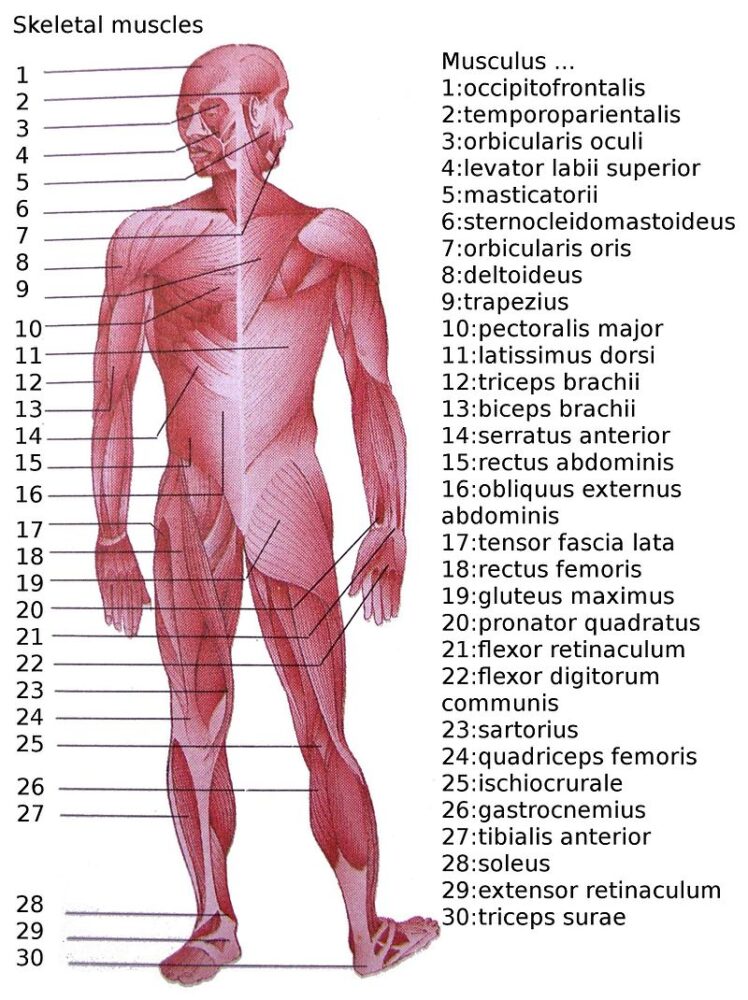
The pubococcygeus muscle is an important part of the pelvic floor—a group of muscles that supports the organs in the lower abdomen, such as the bladder, uterus (in women), and rectum. Disorders of the pubococcygeus muscle can affect quality of life and may cause symptoms such as pelvic pain, urinary or bowel problems, and sexual dysfunction. Understanding these disorders is essential for proper diagnosis, treatment, and prevention.
The pubococcygeus (PC) muscle is one of the key muscles of the pelvic floor. It stretches from the pubic bone to the coccyx (tailbone) and plays a vital role in supporting pelvic organs, controlling urine flow, and contributing to sexual function.
Disorders of the pubococcygeus muscle can include:
- Weakness or hypotonicity: Where the muscle is too relaxed and does not support the pelvic organs well.
- Hypertonicity or spasm: Where the muscle is overly tight, which may cause pain or discomfort.
- Pelvic floor dysfunction: An umbrella term for problems with the pelvic floor that affect urinary, bowel, or sexual functions.
- Pelvic organ prolapse: Where weakened support from the muscle allows organs to shift or drop.
Pathophysiology: How the Pubococcygeus Muscle Works and What Can Go Wrong
Structure
- Location and Composition:
The pubococcygeus is part of the levator ani muscle group in the pelvic floor. It extends from the inner surface of the pubic bone to the coccyx, forming a supportive sling around pelvic organs.
Blood Supply
- Vascular Supply:
The muscle receives blood mainly from branches of the internal iliac arteries. This blood supply is crucial for delivering oxygen and nutrients and for healing any damage.
Nerve Supply
- Innervation:
Nerves from the sacral plexus (particularly the pudendal nerve and other pelvic nerves) supply the pubococcygeus muscle. These nerves help control muscle contractions and send signals that can indicate pain or tension.
Functions
- Support:
It helps support the bladder, uterus (in women), and rectum, keeping them in the proper position. - Control:
The muscle aids in controlling the flow of urine and feces by maintaining continence. - Sexual Function:
It contributes to sexual arousal and orgasm through rhythmic contractions. - Stability:
The muscle is important for core and pelvic stability, which is essential for activities like walking, lifting, and overall posture.
Types of Pubococcygeus Muscle Disorders
Pubococcygeus muscle disorders may be categorized by how the muscle is affected:
- Muscle Weakness (Hypotonicity):
- Inadequate muscle tone leading to pelvic floor laxity.
- Muscle Tightness (Hypertonicity):
- Overactivity or spasm causing pain and discomfort.
- Pelvic Floor Dysfunction:
- A broader term that may include incontinence, pelvic pain, or sexual difficulties.
- Pelvic Organ Prolapse:
- Weak support that allows pelvic organs to sag or protrude.
- Myofascial Pain Syndrome:
- Chronic pain caused by trigger points and tension in the muscle.
- Nerve-Related Dysfunction:
- Issues where nerve damage or irritation affects the muscle’s performance.
Common Causes of Pubococcygeus Muscle Disorders
- Childbirth and Vaginal Delivery:
- Stretching or tearing of pelvic muscles during delivery.
- Aging:
- Natural weakening of muscles over time.
- Chronic Cough:
- Repeated straining from conditions like bronchitis.
- Heavy Lifting:
- Regularly lifting heavy objects without proper form.
- Obesity:
- Extra weight places increased stress on the pelvic floor.
- Chronic Constipation:
- Straining during bowel movements.
- Pelvic Surgery:
- Procedures that may affect the integrity of the pelvic floor.
- Trauma or Injury:
- Accidents or falls that cause direct damage.
- Pelvic Inflammatory Disease:
- Infections that weaken the muscle structure.
- Hormonal Changes:
- Especially during menopause, which can affect muscle tone.
- Repetitive Physical Strain:
- Activities that continuously put stress on the pelvic muscles.
- Sedentary Lifestyle:
- Lack of exercise can lead to weakened muscle support.
- Neurological Disorders:
- Conditions that impact nerve signals to the muscle.
- Genetic Predisposition:
- Family history of weak pelvic support.
- Endometriosis:
- Can cause pelvic pain that affects muscle function.
- Sexual Activity:
- Repeated strain during vigorous sex can affect muscle tone.
- Postpartum Recovery Issues:
- Inadequate rehabilitation after childbirth.
- Poor Posture:
- Long-term slouching may affect pelvic alignment.
- Diabetes:
- Nerve damage associated with diabetes can impair muscle function.
- Previous Pelvic Injuries:
- Past trauma that continues to affect muscle performance.
Common Symptoms of Pubococcygeus Muscle Disorders
- Pelvic Pain:
- Dull or sharp pain in the lower abdomen or pelvic region.
- Urinary Incontinence:
- Leaking urine when coughing, sneezing, or exercising.
- Bowel Incontinence:
- Difficulty controlling bowel movements.
- Pain During Intercourse:
- Discomfort or pain during sexual activity.
- Lower Back Pain:
- Aching or stiffness in the lower back.
- Feeling of Heaviness:
- A sensation of pressure in the pelvis.
- Pelvic Pressure:
- Constant or intermittent pressure in the pelvic region.
- Difficulty with Bowel Movements:
- Straining or irregular bowel habits.
- Abdominal Bloating:
- Feeling full or bloated in the lower abdomen.
- Muscle Spasms:
- Sudden, involuntary contractions of the pelvic muscles.
- Pain when Sitting for Long Periods:
- Discomfort that worsens with prolonged sitting.
- Weak Pelvic Muscles:
- Reduced strength in the pelvic area.
- Sensations of Tightness:
- A feeling that the pelvic floor is overly tense.
- Urinary Urgency:
- A sudden, strong need to urinate.
- Frequent Urination:
- Needing to urinate more often than usual.
- Pain While Lifting or Exercising:
- Discomfort during physical activities.
- Poor Sexual Function:
- Difficulty achieving orgasm or reduced sexual pleasure.
- Anxiety or Stress:
- Ongoing pelvic pain may lead to stress or anxiety.
- Sleep Disturbances:
- Trouble sleeping due to discomfort.
- General Fatigue:
- Feeling tired due to chronic pain and disrupted sleep.
Diagnostic Tests for Pubococcygeus Muscle Disorders
A doctor will use various tests to diagnose pubococcygeus muscle disorders. These tests help assess muscle tone, strength, and the overall condition of the pelvic floor.
- Medical History and Symptom Review:
- Discussing symptoms and past health events.
- Physical Examination:
- A general exam including inspection and palpation of the pelvic area.
- Digital Pelvic Examination:
- The doctor manually assesses muscle tone and strength.
- Visual Inspection:
- Looking for signs of prolapse or abnormalities.
- Ultrasound Imaging:
- Using sound waves to visualize the pelvic floor muscles.
- Magnetic Resonance Imaging (MRI):
- Detailed imaging of soft tissues.
- CT Scan:
- Cross-sectional imaging if deeper issues are suspected.
- Electromyography (EMG):
- Measuring electrical activity of the muscles.
- Urodynamic Testing:
- Evaluating bladder function and urine flow.
- Cystoscopy:
- Inserting a scope into the bladder to check for internal issues.
- Pelvic Floor Manometry:
- Measuring the pressure within the pelvic muscles.
- Vaginal or Rectal Pressure Assessment:
- Quantifying muscle strength via pressure measurements.
- X-ray:
- Ruling out bony abnormalities or pelvic fractures.
- Doppler Ultrasound:
- Assessing blood flow in the pelvic region.
- Functional Movement Assessment:
- Observing how the muscles perform during movement.
- Postural Analysis:
- Evaluating the alignment of the spine and pelvis.
- Biofeedback Studies:
- Using sensors to measure muscle activity during exercises.
- Neurological Examination:
- Checking nerve function related to the pelvic floor.
- Pelvic Floor Inclinometry:
- Measuring changes in pelvic angle and muscle performance.
- Patient Questionnaires:
- Standardized surveys to assess quality of life and symptom severity.
Non-Pharmacological Treatments
These treatments do not involve drugs and aim to improve pelvic floor muscle function, reduce pain, and enhance quality of life.
- Pelvic Floor Exercises (Kegels):
- Regularly contracting and relaxing the pelvic muscles.
- Physical Therapy:
- Working with a specialist to strengthen and stretch the muscles.
- Biofeedback Training:
- Using electronic devices to learn proper muscle control.
- Manual Therapy:
- Hands-on techniques by a trained therapist to release tension.
- Myofascial Release:
- Techniques to ease tight muscle bands.
- Trigger Point Therapy:
- Focused massage on tender areas in the pelvic floor.
- Postural Training:
- Learning correct posture to support the pelvic muscles.
- Behavioral Therapy:
- Counseling to manage stress and its impact on muscle tension.
- Lifestyle Modifications:
- Adjusting daily habits to reduce pelvic strain.
- Weight Management:
- Maintaining a healthy weight to lessen pelvic load.
- Bladder Training:
- Techniques to improve urinary control.
- Dietary Adjustments:
- Increasing fiber intake to prevent constipation.
- Hydration:
- Drinking plenty of water to maintain overall muscle health.
- Yoga:
- Gentle poses that improve flexibility and reduce pelvic tension.
- Pilates:
- Exercises that enhance core stability and pelvic support.
- Stretching Routines:
- Regular stretches for the lower back and hips.
- Heat Therapy:
- Applying warm packs to relax the muscles.
- Cold Therapy:
- Using ice packs during acute pain to reduce inflammation.
- Relaxation Techniques:
- Meditation, deep breathing, or progressive muscle relaxation.
- Acupuncture:
- Inserting fine needles at specific points to relieve pain.
- Cognitive Behavioral Therapy (CBT):
- Managing chronic pain by changing thought patterns.
- Education Sessions:
- Learning more about pelvic health and self-care.
- Ergonomic Adjustments:
- Adapting workspaces and seating to support the pelvis.
- Supportive Devices:
- Using pelvic support belts or cushions.
- Swimming or Water Therapy:
- Exercises in water that reduce joint and muscle strain.
- Low-Impact Aerobic Exercise:
- Activities like walking or cycling to improve circulation.
- Mindfulness Practices:
- Techniques to help cope with chronic pain.
- Diaphragmatic Breathing:
- Breathing exercises that enhance core stabilization.
- Self-Massage Techniques:
- Using simple massage techniques to ease pelvic tightness.
- Regular Follow-Up and Monitoring:
- Checking in with healthcare providers to adjust therapy as needed.
Drugs Commonly Used
Medications can help manage pain, relax muscles, and reduce inflammation. These drugs should always be used under the supervision of a healthcare professional.
- Nonsteroidal Anti-Inflammatory Drugs (NSAIDs):
- Ibuprofen, naproxen for pain and inflammation.
- Acetaminophen (Paracetamol):
- For pain relief.
- Muscle Relaxants:
- Such as cyclobenzaprine to reduce muscle spasm.
- Topical Analgesics:
- Creams or gels (e.g., lidocaine) applied to relieve localized pain.
- Anticholinergics:
- To reduce bladder spasms that might be related to pelvic floor dysfunction.
- Estrogen Creams or Tablets:
- For postmenopausal women to improve tissue health.
- Antidepressants:
- Low-dose tricyclics may help with chronic pelvic pain.
- Anticonvulsants:
- Gabapentin or pregabalin for nerve-related pain.
- Opioid Analgesics:
- For severe pain, used cautiously and short-term.
- Alpha Blockers:
- To ease urinary symptoms sometimes associated with pelvic floor dysfunction.
- Beta-3 Agonists:
- Medications for overactive bladder symptoms.
- Benzodiazepines:
- For short-term relief of muscle spasm and anxiety.
- Corticosteroids:
- Oral or injectable forms to reduce inflammation in severe cases.
- Topical NSAIDs:
- Diclofenac gel applied locally.
- Serotonin-Norepinephrine Reuptake Inhibitors (SNRIs):
- For chronic pain management.
- Antispasmodics:
- To relieve involuntary muscle contractions.
- Alpha-2 Agonists:
- Occasionally used for their pain-modulating effects.
- Gabapentinoids:
- As part of multimodal pain management.
- Local Anesthetics:
- Injections to block nerve pain temporarily.
- Combination Pain Relievers:
- Drugs that combine analgesic and anti-inflammatory effects.
Surgeries or Invasive Procedures
Surgery is typically considered when non-invasive methods do not bring relief or when there is significant structural damage.
- Pelvic Floor Reconstruction:
- Repair of weakened pelvic muscles.
- Sling Procedures:
- Supporting the bladder and urethra in cases of incontinence.
- Pelvic Organ Prolapse Repair:
- Correcting the sagging of pelvic organs.
- Perineorrhaphy:
- Repair of the perineum after trauma or childbirth.
- Urethropexy:
- Surgical support for a sagging urethra.
- Laparoscopic Pelvic Floor Repair:
- Minimally invasive repair of pelvic support structures.
- Vaginal Mesh Repair:
- Use of mesh to provide additional support (when indicated).
- Botulinum Toxin Injections:
- To relieve muscle spasm in cases of hypertonicity.
- Neuromodulation Procedures:
- Such as sacral nerve stimulation for chronic pelvic pain.
- Fascial Sling Procedures:
- Reinforcing the pelvic floor with supportive tissue.
Preventive Measures
Taking proactive steps can help prevent pubococcygeus muscle disorders:
- Practice Regular Pelvic Floor Exercises:
- Strengthen the muscles with daily Kegels.
- Maintain a Healthy Weight:
- Reduce stress on the pelvic floor.
- Eat a High-Fiber Diet:
- Prevent constipation and straining.
- Stay Hydrated:
- Helps keep tissue healthy.
- Avoid Heavy Lifting or Use Proper Technique:
- Protect the pelvic muscles during physical work.
- Quit Smoking:
- Reduces chronic coughing that strains the pelvic floor.
- Manage Chronic Conditions:
- Such as diabetes and respiratory issues.
- Engage in Regular Physical Activity:
- Keep the overall body and core muscles strong.
- Attend Postpartum Rehabilitation:
- Rebuild pelvic strength after childbirth.
- Practice Good Posture:
- Reduce undue pressure on the pelvis.
When to See a Doctor
It’s important to consult a healthcare provider if you notice any of the following:
- Persistent Pelvic Pain:
Unrelieved pain that affects daily activities. - Urinary or Bowel Incontinence:
Leakage or difficulty controlling bladder or bowel movements. - Pelvic Pressure or Heaviness:
A constant feeling of pressure in the pelvic area. - Sexual Dysfunction or Pain During Intercourse:
Discomfort that interferes with intimacy. - Signs of Pelvic Organ Prolapse:
Feeling of bulging or a lump in the vaginal or rectal area. - Failure of Conservative Treatments:
When exercises or lifestyle changes do not improve symptoms. - Recent Trauma or Injury:
Especially after childbirth or pelvic surgery.
Frequently Asked Questions (FAQs)
1. What is the pubococcygeus muscle?
It is a key muscle in your pelvic floor that supports your bladder, uterus (in women), and rectum. It also helps control urination and plays a role in sexual function.
2. What are pubococcygeus muscle disorders?
These disorders involve problems with the pelvic floor muscle such as weakness, tightness, spasm, or prolapse that can cause pain, incontinence, and other pelvic symptoms.
3. What causes these disorders?
Common causes include childbirth, aging, chronic straining from constipation or heavy lifting, obesity, and pelvic surgeries or injuries.
4. What symptoms should I look for?
Symptoms include pelvic pain, urinary or bowel incontinence, pelvic pressure, pain during sex, and lower back discomfort.
5. How are pubococcygeus muscle disorders diagnosed?
Doctors use a combination of physical exams, pelvic floor assessments, imaging tests (ultrasound, MRI), urodynamic studies, and sometimes specialized tests like EMG.
6. Can pelvic floor exercises help?
Yes, regular Kegel exercises and physical therapy can help strengthen the pelvic muscles and reduce symptoms.
7. What non-drug treatments are available?
Options include physical therapy, biofeedback, manual therapy, lifestyle modifications, dietary changes, yoga, Pilates, and stress management techniques.
8. Are medications used for treatment?
Yes, medications such as NSAIDs, muscle relaxants, and sometimes topical estrogen or antidepressants can help manage pain and symptoms.
9. When is surgery necessary?
Surgery may be needed if there is severe prolapse, significant incontinence, or if conservative treatments have not worked.
10. What types of surgeries are available?
Surgeries include pelvic floor reconstruction, sling procedures, prolapse repair, and sometimes minimally invasive laparoscopic repairs.
11. How can I prevent pelvic floor disorders?
Regular pelvic floor exercises, maintaining a healthy weight, proper lifting techniques, and managing constipation can all help prevent these disorders.
12. What lifestyle changes can make a difference?
Dietary changes to prevent constipation, hydration, quitting smoking, and proper posture are all important.
13. Can these disorders affect sexual function?
Yes, pelvic floor dysfunction can lead to pain during intercourse or reduced sexual satisfaction.
14. How long does recovery take?
Recovery varies by individual and depends on the severity of the disorder and the treatments used. Some may see improvement in weeks, while others may require longer rehabilitation.
15. When should I consult a doctor?
Seek medical advice if you experience ongoing pelvic pain, incontinence, or if symptoms interfere with your daily life. Early intervention can help prevent further complications.
Conclusion
Pubococcygeus muscle disorders are a common but often under-discussed aspect of pelvic health. Understanding the structure, functions, and common problems of the pubococcygeus muscle can empower you to take steps toward prevention, proper diagnosis, and effective treatment. From lifestyle modifications and physical therapy to medications and surgery, many options are available to manage and improve pelvic floor health.
If you experience symptoms such as pelvic pain, incontinence, or discomfort during sexual activity, consider discussing your concerns with a healthcare professional. Early evaluation and a tailored treatment plan can significantly enhance your quality of life and prevent further complications.
The article is written by Team Rxharun and reviewed by the Rx Editorial Board Members More details about authors, please visit to Profile rxharun.com Last Update: March 19, 2025.
Rx Editorial Board Member and Team Rxharun’s Writers Links
Disclaimer: Each person’s journey is unique, treatment plan, life style, food habit, hormonal condition, immune system, chronic disease condition, geological location, weather and previous medical history is also unique. So always seek the best advice from a qualified medical professional or health care provider before trying any treatments to ensure to find out the best plan for you. This guide is for general information and educational purposes only. Regular check-ups and awareness can help to manage and prevent complications associated with these diseases conditions. If you or someone are suffering from this disease condition bookmark this website or share with someone who might find it useful! Boost your knowledge and stay ahead in your health journey. We always try to ensure that the content is regularly updated to reflect the latest medical research and treatment options. Thank you for giving your valuable time to read the article.