Iron Deficiency; Warning Signs You May Have Iron Deficiency

Patient Tools

Read, save, and share this guide

Use these quick tools to make this medical article easier to read, print, save, or share with a family member.

Patient Mode

Understand this article easily

Switch between simple English and easy Bangla patient notes. This is for education and does not replace a doctor consultation.

Iron deficiency or sideropenia is the state in which a body has not enough (or not qualitatively enough) iron to supply its eventual needs. Iron is present in all cells in the human body and has several vital functions, such as carrying oxygen to the tissues from the lungs as a key component of the hemoglobin protein, acting as a...

For severe symptoms, danger signs, pregnancy, child illness, or sudden worsening, seek urgent medical care.

বাংলা রোগী নোট এখনো যোগ করা হয়নি। পোস্ট এডিটরে “RX Bangla Patient Mode” বক্স থেকে সহজ বাংলা সারাংশ যোগ করুন।

এই তথ্য শিক্ষা ও সচেতনতার জন্য। এটি ডাক্তারি পরীক্ষা, রোগ নির্ণয় বা প্রেসক্রিপশনের বিকল্প নয়।

Article Summary

Iron deficiency or sideropenia is the state in which a body has not enough (or not qualitatively enough) iron to supply its eventual needs. Iron is present in all cells in the human body and has several vital functions, such as carrying oxygen to the tissues from the lungs as a key component of the hemoglobin protein, acting as a transport medium for electrons within the cells in the form of cytochromes, and facilitating oxygen enzyme reactions in various tissues. Too little iron...

Key Takeaways

  • This article explains Causes of Iron Deficiency in simple medical language.
  • This article explains  Warning Signs You May Have An Iron Deficiency!! in simple medical language.
  • This article explains References in simple medical language.
Educational health guideWritten for patient understanding and clinical awareness.
Reviewed content workflowUse writer and reviewer profiles for stronger trust.
Emergency safety firstUrgent warning signs are highlighted below.

Seek urgent medical care if you notice

These warning signs are general safety guidance. Local emergency numbers and clinical judgment should always come first.

  • Severe symptoms, breathing difficulty, fainting, confusion, or rapidly worsening illness.
  • New weakness, severe pain, high fever, or symptoms after a serious injury.
  • Any symptom that feels urgent, unusual, or unsafe for the patient.
1

Emergency now

Use emergency care for severe, sudden, rapidly worsening, or life-threatening symptoms.

2

See a doctor

Book a professional medical evaluation if symptoms persist, worsen, recur often, affect daily activities, or occur in a high-risk patient.

3

Learn safely

Use this article to understand possible causes, tests, treatment options, prevention, and questions to ask your clinician.

Before reading

RX Patient Tools

Use these quick guides before reading the article, or return to them when you need help preparing questions for a doctor.

Start here Choose the right pathway for symptoms, reports, medicines, or urgent warning signs. Disease article roadmap Read this topic step by step: meaning, symptoms, warning signs, diagnosis, treatment, prevention, and follow-up. Treatment planner Prepare questions about treatment choices, benefits, risks, side effects, and follow-up. Family & caregiver guide Organize symptoms, reports, medicines, questions, and follow-up safely. Nutrition & diet guide Prepare food, hydration, supplement, and medicine-timing questions safely. Prevention guide Organize risk factors, protective habits, screening, and warning signs. Recovery guide Prepare a safe plan for activity, rehabilitation, warning signs, and follow-up.
Definition

Iron deficiency or sideropenia is the state in which a body has not enough (or not qualitatively enough) iron to supply its eventual needs. Iron is present in all cells in the human body and has several vital functions, such as carrying oxygen to the tissues from the lungs as a key component of the hemoglobin protein, acting as a transport medium for electrons within the cells in the form of cytochromes, and facilitating oxygen enzyme reactions in various tissues. Too little iron can interfere with these vital functions and lead to morbidity and death.

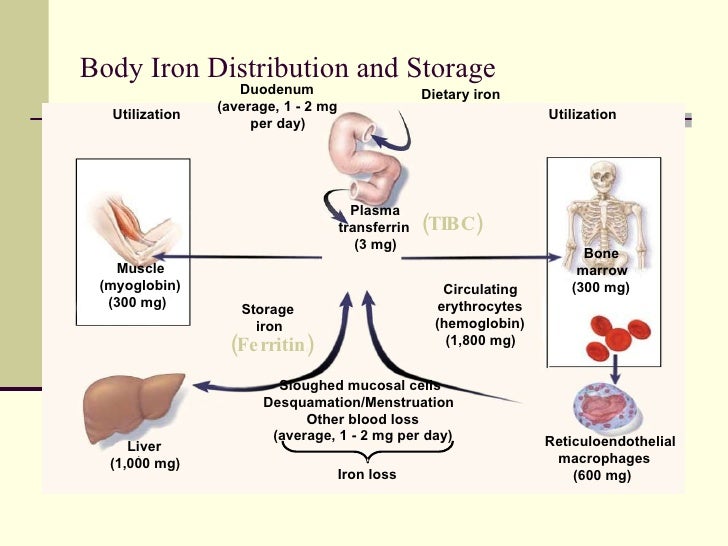
Total body iron averages approximately 3.8 g in men and 2.3 g in women. In blood plasma, iron is carried tightly bound to the protein transferrin. There are several mechanisms that control human iron metabolism and safeguard against iron deficiency. The main regulatory mechanism is situated in the gastrointestinal tract. When loss of iron is not sufficiently compensated by adequate intake of iron from the diet, a state of iron deficiency develops over time. When this state is uncorrected, it leads to iron deficiency anemia. Before anemia occurs, the medical condition of iron deficiency without anemia is called latent iron deficiency (LID) or Iron-deficient erythropoiesis (IDE).

Causes of Iron Deficiency

Blood loss (hemoglobin contains iron)

  • Donation
  • Excessive menstrual bleeding
  • Non-menstrual bleeding
  • Bleeding from the gastrointestinal tract (ulcers, hemorrhoids, ulcerative colitis, stomach or colon cancer, etc.)
  • Rarely, laryngological bleeding or from the respiratory tract
  • Inadequate intake (see below)
  • Substances (in diet or drugs) interfering with iron absorption
  • Fluoroquinolone antibiotics
  • Malabsorption syndromes
  • infection, or irritation, often causing pain, swelling, heat, or redness. সহজ বাংলা: শরীরের প্রদাহ; ব্যথা, ফোলা বা লালভাব হতে পারে।" data-rx-term="inflammation" data-rx-definition="Inflammation is the body’s response to injury, infection, or irritation, often causing pain, swelling, heat, or redness. সহজ বাংলা: শরীরের প্রদাহ; ব্যথা, ফোলা বা লালভাব হতে পারে।">Inflammation where it is adaptive to limit bacterial growth in infection but is also present in many other chronic diseases such as Inflammatory bowel disease and stiffness, or reduced movement. সহজ বাংলা: জয়েন্টের প্রদাহ।" data-rx-term="arthritis" data-rx-definition="Arthritis means joint inflammation causing pain, swelling, stiffness, or reduced movement. সহজ বাংলা: জয়েন্টের প্রদাহ।">arthritis: Rheumatoid arthritis is an autoimmune joint disease causing inflammation, pain, and swelling. সহজ বাংলা: রোগপ্রতিরোধ ব্যবস্থার ভুল আক্রমণে জয়েন্টের প্রদাহ।" data-rx-term="rheumatoid arthritis" data-rx-definition="Rheumatoid arthritis is an autoimmune joint disease causing inflammation, pain, and swelling. সহজ বাংলা: রোগপ্রতিরোধ ব্যবস্থার ভুল আক্রমণে জয়েন্টের প্রদাহ।">rheumatoid arthritis
  • Parasitic infection

Though genetic defects causing iron deficiency have been studied in rodents, there are no known genetic disorders of human iron metabolism that directly cause iron deficiency.

 Warning Signs You May Have An Iron Deficiency!!

Symptoms of iron deficiency include

  • fatigue
  • dizziness/lightheadedness
  • pallor
  • hair loss
  • twitches
  • irritability
  • weakness
  • pica
  • brittle or grooved nails
  • hair thinning
  • Plummer–Vinson syndrome: painful atrophy of the mucous membrane covering the tongue, the pharynx and the esophagus
  • impaired immune function
  • pagophagia
  • restless legs syndrome
Iron Deficiency; Warning Signs You May Have Iron Deficiency
Rx
Iron Deficiency; Warning Signs You May Have Iron Deficiency
Rx

At a daily requirement of only 8 – 18 mg (depending on an individual’s gender and age), iron is classified as a micro-nutrient. However, it is one of the most important elements of a healthy diet. Iron is essential for the production of hemoglobin, the protein in red blood cells which is responsible for carrying oxygen through the bloodstream to every cell in the human body. Iron is also essential for growth of new tissues, cellular regeneration, and even the production of some hormones. Needless to say, without an adequate supply of iron, every organ feels the drain!

Despite the trace amounts needed to maintain optimal health, iron deficiency is the most common nutritional disorder in the world. This is because iron is very hard to digest. With a perfectly healthy digestive tract, the average person only obtains between 14% – 18% of the total bio-available iron from food. To complicate matters, many people suffer from poor digestion due to hormonal imbalances like stress and anxiety, certain medications, or a variety of other environmental factors. (Read more about digestive health in this article!) Because iron requires a healthy level of hydrochloric acid for our bodies to process it, this is a leading cause of iron deficiency. Other possible causes include menstruation, pregnancy, lack of proteins or insufficient calcium in the diet.

With so many common everyday factors which can lead to iron deficiency, it becomes easier to see why this disorder is so prevalent. Unfortunately, the symptoms of iron deficiency may be easily attributed to other illnesses or in some cases are so commonplace that many people simply ignore them. Read on to learn what signs to look for which may indicate that you are among the over 2 billion people worldwide who are affected by iron deficiency!

Fatigue

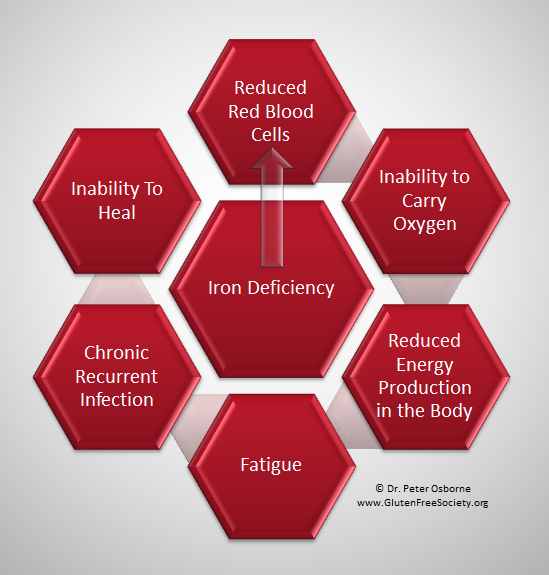
  • This is the most common symptom of iron deficiency and possibly the easiest to overlook. Fatigue is often attributed to being over-worked, not sleeping enough, stress or a long list of other common problems. However, because iron-deficient red blood cells can’t carry enough oxygen throughout the body and all of your cells need oxygen to function, iron deficiency is a leading cause of general lethargy.

Mood Swings and Irritability

  • Iron deficiency hinders the body’s ability to produce certain hormones. This can lead to mood swings, increased feelings of stress, anxiety and irritability – all symptoms which are also frequently attributed to other causes.

Lack of Concentration

  • When the mind and body are deprived of oxygen due to iron deficiency, one of the more subtle problems which may arise is a decline in concentration. Again, this symptom is a fairly common occurrence with a number of other possible causes and therefore is often misdiagnosed.

Dizzy Spells

  • Lack of oxygenated blood carried to the brain due to iron deficiency may also manifest as frequent and unexplainable dizzy spells, much like those experienced from standing up too fast or as a result of hyperventilation.

Insomnia

  • The human body stores reserves of iron in the spleen, liver, and intestines via an intracellular binding protein called ferritin. Ferritin releases iron back into the body to facilitate certain basic functions, one of which is sleep regulation. When the body experiences iron-deficiency and ferritin iron stores become depleted, a person may develop sleep disorders such as insomnia.

Dry or Cracked Lips

  • Ferritin proteins also release iron into the skin for cellular regeneration and growth of new cells. For this reason, dry or cracked skin, especially around the lips is another big indicator of a possible iron deficiency.

Brittle or Ridged Nails

  • Just like with skin, iron is necessary for the growth of healthy nail tissue. If you notice that your nails have begun to break or crack very easily or if you develop ridges that run the length (not across) of your fingernails, this may also be a sign that your ferritin iron stores are depleted.

Pins and Needles

  • You’re probably familiar with the feeling of “pins and needles” that you get when circulation gets cut off to one body part or another. While this can easily result from something as simple as falling asleep with one limb at an odd angle, poor circulation may also be caused by insufficient iron in the blood and the resulting lack of oxygen reaching your extremities. If you frequently experience burning or tingling in your hands or feet with no good explanation, iron deficiency is a possible cause.

Swollen or Sore Tongue

  • Iron deficiency can manifest in the form of glossitis – soreness, infection, or irritation, often causing pain, swelling, heat, or redness. সহজ বাংলা: শরীরের প্রদাহ; ব্যথা, ফোলা বা লালভাব হতে পারে।" data-rx-term="inflammation" data-rx-definition="Inflammation is the body’s response to injury, infection, or irritation, often causing pain, swelling, heat, or redness. সহজ বাংলা: শরীরের প্রদাহ; ব্যথা, ফোলা বা লালভাব হতে পারে।">inflammation or discoloration of the tongue. If your tongue appears pale or smooth, it could be to lack of hemoglobin in the bloodstream – a result of low iron levels.

Trouble Chewing or Swallowing

  • Glossitis caused by iron deficiency can also make it very difficult to chew or swallow food and water, especially if the tongue becomes very swollen toward the back of the throat. In severe cases, this condition may also affect a person’s ability to speak.

Pallor

  • When your body is iron-deficient, red blood cell levels decline resulting in a visibly paler complexion. This becomes especially noticeable in the face, toes, fingertips, as well as any other areas where blood runs close to the skin’s surface.

Unexplained Headaches

  • Muscles in the face, neck, and shoulders deprived of oxygenated blood due to iron deficiency may become sore or tense, resulting in frequent and otherwise unexplainable headaches.

Sore or Stiff Limbs

  • Iron deficiency can lead to soreness in the muscles and joints. This may be more noticeable for those who lead very active lifestyles as depleted iron stores result in hindered cellular regeneration and slower muscle recovery.

Muscle Cramps

  • Red blood cells are not only responsible for delivering oxygen to cells throughout the body. They are also responsible for transporting carbon-dioxide and other metabolic wastes out of these tissues. When red blood cell levels drop due to iron deficiency, so does the body’s capacity to expel waste products which may result in frequent and unexplained muscle cramps.

Weakness and Lack of Stamina

  • Iron deficiency may cause a decline in both muscle strength and stamina. Again, lack of oxygenated blood needed to perform aerobic functions means that muscles must resort to anaerobic energy production which is far less sustainable and more taxing on the body.

Shortness of Breath

  • Especially noticeable while exercising, iron deficiency can cause you to feel out of breath must faster than normal as your body’s need for oxygenated blood increases, but supply is limited.

Heart Palpitations

  • Probably the most frightening of all of the symptoms of iron deficiency are heart palpitations – the fluttering sensation in your chest, throat or neck that feels like your heart is beating too hard and too fast. While heart palpitations have several possible causes, when experienced in conjunction with many of the other symptoms on our list, increasing your iron levels may be the key to calming them.

Craving Non-Food Items

  • Definitely, the strangest symptom on our list – iron deficiency can cause the development of pica, an eating disorder where a person begins to crave non-food items like paper, dirt, or ice. While most of us will likely fight the urge to snack on potting soil or the corner of an envelope, chewing ice cubes may not seem like such a bad idea. However, this seemingly innocuous behavior could actually be a sign that you aren’t getting enough iron in your diet.

How Do I Know For Sure

  • After reading over this list of symptoms, it may seem very clear to you that you are iron-deficient. However, it is important to remember that only a medical professional can perform the tests necessary to absolutely confirm a deficiency.
  • Fortunately, there are steps that you can take to naturally increase your iron levels. Try adding foods high in iron, calcium, and lean protein to your diet. Cut back on stimulants like caffeine and avoid exposure to cigarette smoke. To discover ten of the best natural remedies to heal an iron deficiency,
Doctor visit helper

Prepare before seeing a doctor

A simple rural-patient checklist to help you explain symptoms clearly, ask better questions, and avoid unsafe self-treatment.

Safety note: This is not a prescription or diagnosis. For severe symptoms, pregnancy danger signs, children with serious illness, chest pain, breathing difficulty, stroke-like weakness, or major injury, seek urgent care.

Which doctor may help?

Start with a registered doctor or the nearest qualified health center.

What to tell the doctor

  • Write when the problem started and how it changed.
  • Bring old prescriptions, investigation reports, and current medicines.
  • Write allergies, pregnancy status, diabetes, kidney/liver disease, and major past illnesses.
  • Bring one family member if the patient is weak, elderly, confused, or a child.

Questions to ask

  • What is the most likely cause of my symptoms?
  • Which danger signs mean I should go to hospital quickly?
  • Which tests are necessary now, and which can wait?
  • How should I take medicines safely and what side effects should I watch for?
  • When should I come for follow-up?

Tests to discuss

  • Vital signs: temperature, pulse, blood pressure, oxygen saturation
  • Basic physical examination by a clinician
  • CBC, urine test, blood sugar, or imaging only when clinically needed

Avoid these mistakes

  • Do not use antibiotics, steroid tablets/injections, or strong painkillers without proper medical advice.
  • Do not hide pregnancy, kidney disease, ulcer, allergy, or blood thinner use.
  • Do not delay emergency care when danger signs are present.

Medicine safety and first-aid guide

This section is for patient education only. It does not replace a doctor, pharmacist, or emergency care.

Safe first steps

  • Avoid heavy lifting, sudden bending, and prolonged bed rest.
  • Use comfortable posture and gentle movement as tolerated.
  • Discuss physiotherapy, X-ray, or MRI only when clinically needed.

OTC medicine safety

  • For mild back pain, pain-relief medicine may be discussed with a doctor or pharmacist.
  • Avoid repeated painkiller use if you have kidney disease, stomach ulcer, uncontrolled blood pressure, or are taking blood thinners.

Avoid these mistakes

  • Do not start antibiotics without a proper medical decision.
  • Do not use steroid tablets or injections casually for quick relief.
  • Do not delay emergency care because of home remedies.

Get urgent help if

  • Back pain with leg weakness, numbness around private area, loss of urine/stool control, fever, cancer history, or major injury needs urgent care.
Medicine names, dose, and timing must be decided by a qualified clinician or pharmacist after checking age, pregnancy, allergy, other diseases, and current medicines.

For rural patients and family caregivers

Patient health record and symptom diary

Write your symptoms, medicines already taken, test results, and questions before visiting a doctor. This note stays on your device unless you print or copy it.

Doctor to discuss: Doctor / qualified healthcare provider
Tests to discuss with doctor
  • Basic vital signs: temperature, pulse, blood pressure, oxygen level if needed
  • Relevant blood, urine, imaging, or specialist tests only after clinical assessment
Questions to ask
  • What is the most likely cause of my symptoms?
  • Which warning signs mean I should go to emergency care?
  • Which tests are really needed now?
  • Which medicines are safe for my age, pregnancy status, allergy, kidney/liver/stomach condition, and current medicines?

Emergency warning signs such as chest pain, severe breathing difficulty, sudden weakness, confusion, severe dehydration, major injury, or loss of bladder/bowel control need urgent medical care. Do not wait for online information.

Safe pathway to proper treatment

Care roadmap for: Iron Deficiency; Warning Signs You May Have Iron Deficiency

Use this simple roadmap to understand the next safe steps. It is educational and does not replace examination by a doctor.

Go to emergency care if you notice:
  • Severe or rapidly worsening symptoms
  • Breathing difficulty, chest pain, fainting, confusion, severe weakness, major injury, or severe dehydration
Doctor / service to discuss: Qualified healthcare provider; specialist depends on symptoms and examination.
  1. Step 1

    Check danger signs first

    If danger signs are present, seek emergency care and do not wait for online information.

  2. Step 2

    Record the symptom story

    Write when symptoms started, severity, medicines already taken, allergies, pregnancy status, and test results.

  3. Step 3

    Visit a qualified clinician

    A doctor, nurse, or qualified healthcare provider can examine you and decide which tests or treatment are needed.

  4. Step 4

    Do only useful tests

    Do tests after clinical assessment. Avoid unnecessary tests, random antibiotics, or repeated medicines without diagnosis.

  5. Step 5

    Follow up and return early if worse

    If symptoms worsen, new warning signs appear, or treatment is not helping, return for review quickly.

Rural patient practical tips
  • Take a written symptom diary and all previous prescriptions/test reports.
  • Do not hide medicines already taken, even herbal or over-the-counter medicines.
  • Ask which warning signs mean urgent referral to hospital.

This roadmap is for education. A real diagnosis and treatment plan requires history, examination, and clinical judgment.

RX Patient Help

Ask a health question safely

Write your symptom story. A health professional or site editor can review it before any answer is prepared. This box is not for emergency care.

Emergency first: Severe chest pain, breathing trouble, unconsciousness, stroke signs, severe injury, heavy bleeding, or rapidly worsening symptoms need urgent local medical care now.

Frequently Asked Questions

Is this article a replacement for a doctor?

No. It is educational content only. Patients should consult a qualified clinician for diagnosis and treatment.

When should I seek urgent care?

Seek urgent care for severe symptoms, rapidly worsening condition, breathing difficulty, severe pain, neurological changes, or any emergency warning sign.

References

Add references, clinical guidelines, textbooks, journal articles, or trusted medical sources here. You can edit this area from the RX Article Professional Blocks panel.