
Iodine deficiency in pregnency; How you can prevent iodine deficiency?

Patient Tools

Read, save, and share this guide

Use these quick tools to make this medical article easier to read, print, save, or share with a family member.

Patient Mode

Understand this article easily

Switch between simple English and easy Bangla patient notes. This is for education and does not replace a doctor consultation.

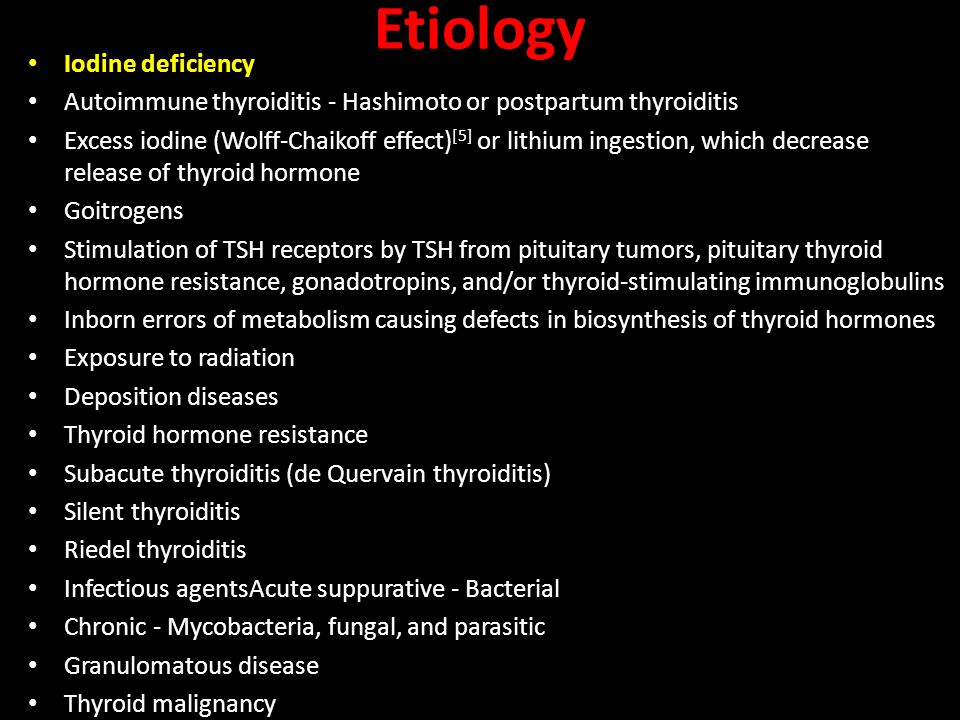
Iodine deficiency in pregnency is one of the most common disorder in pregnancy . Due to iodine defeciency various kind of disease are found in us , such as goitre and others kind of problem . Here are some tips for removinf iodine defeciency in...

For severe symptoms, danger signs, pregnancy, child illness, or sudden worsening, seek urgent medical care.

বাংলা রোগী নোট এখনো যোগ করা হয়নি। পোস্ট এডিটরে “RX Bangla Patient Mode” বক্স থেকে সহজ বাংলা সারাংশ যোগ করুন।

এই তথ্য শিক্ষা ও সচেতনতার জন্য। এটি ডাক্তারি পরীক্ষা, রোগ নির্ণয় বা প্রেসক্রিপশনের বিকল্প নয়।

Article Summary

Iodine deficiency in pregnency is one of the most common disorder in pregnancy . Due to iodine defeciency various kind of disease are found in us , such as goitre and others kind of problem . Here are some tips for removinf iodine defeciency in pregnancy Forty per cent of the world’s population is affected by iodine deficiency. Much of it is due to inadequate...

Key Takeaways

  • This article explains How you can prevent iodine deficiency in simple medical language.
  • This article explains Testing for iodine deficiency in simple medical language.
Educational health guideWritten for patient understanding and clinical awareness.
Reviewed content workflowUse writer and reviewer profiles for stronger trust.
Emergency safety firstUrgent warning signs are highlighted below.

Seek urgent medical care if you notice

These warning signs are general safety guidance. Local emergency numbers and clinical judgment should always come first.

  • Severe symptoms, breathing difficulty, fainting, confusion, or rapidly worsening illness.
  • New weakness, severe pain, high fever, or symptoms after a serious injury.
  • Any symptom that feels urgent, unusual, or unsafe for the patient.
1

Emergency now

Use emergency care for severe, sudden, rapidly worsening, or life-threatening symptoms.

2

See a doctor

Book a professional medical evaluation if symptoms persist, worsen, recur often, affect daily activities, or occur in a high-risk patient.

3

Learn safely

Use this article to understand possible causes, tests, treatment options, prevention, and questions to ask your clinician.

Before reading

RX Patient Tools

Use these quick guides before reading the article, or return to them when you need help preparing questions for a doctor.

Start here Choose the right pathway for symptoms, reports, medicines, or urgent warning signs. Disease article roadmap Read this topic step by step: meaning, symptoms, warning signs, diagnosis, treatment, prevention, and follow-up. Treatment planner Prepare questions about treatment choices, benefits, risks, side effects, and follow-up. Family & caregiver guide Organize symptoms, reports, medicines, questions, and follow-up safely. Nutrition & diet guide Prepare food, hydration, supplement, and medicine-timing questions safely. Prevention guide Organize risk factors, protective habits, screening, and warning signs. Recovery guide Prepare a safe plan for activity, rehabilitation, warning signs, and follow-up.
Definition

Iodine deficiency in pregnency is one of the most common disorder in pregnancy . Due to iodine defeciency various kind of disease are found in us , such as goitre and others kind of problem . Here are some tips for removinf iodine defeciency in pregnancy

Iodine deficiency in pregnency; How you can prevent iodine deficiency?

Forty per cent of the world’s population is affected by iodine deficiency.

Much of it is due to inadequate iodine intake through food sources, but changing formulas in commercial food production have eliminated iodine from foods like bread, and the addition of fluoride in drinking water sources obstructs proper iodine absorption.

Groups that are most at risk for iodine deficiency include pregnant women and women aged 40-49, as well as vegans and vegetarians.

Many people are unaware that female breast tissue has a greater concentration of iodine, and thus, requires more iodine.

If your iodine levels are low, health pro-blems will occur. This paints a clearer picture of how some cancers, child developmental problems and fibrocystic breast disease have seen an uptick in modern days.
Iodine deficiency in pregnency; How you can prevent iodine deficiency?
rx

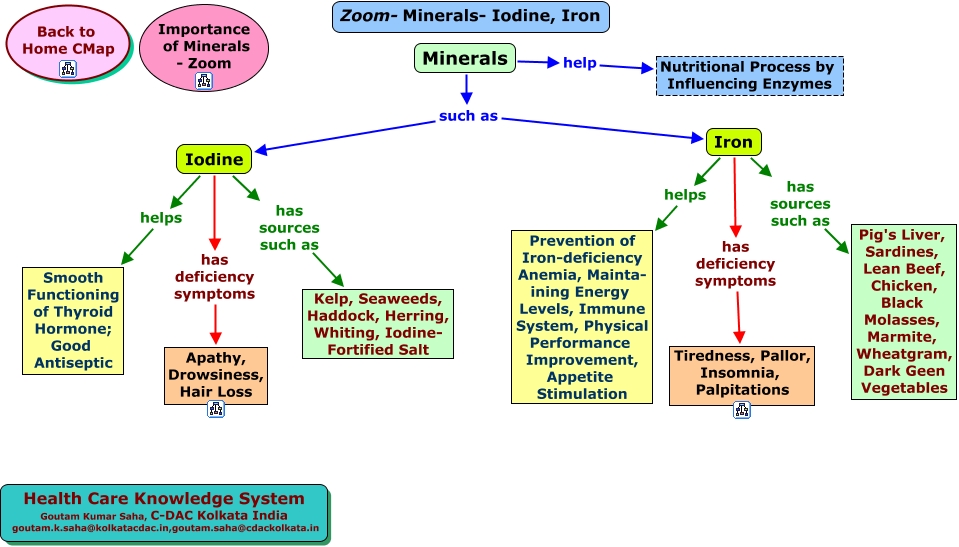
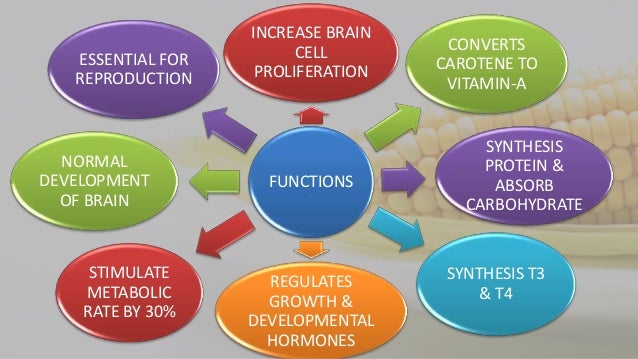
Iodine and hormones – Iodine is a key element of thyroid hormones, controlling metabolic activities of most cells and aiding in the process of early growth and development of most organs and tissues, including the uterus, ovaries, breasts and brain.

Iodine is found in high concentrations in these parts of your body, as it plays a key role in immune function, detoxification and mitochondria regulation.

Iodine promotes ovulation – Medical studies have found that ovaries have the second highest concentration of iodine after the thyroid.

While experts are still not clear why so much iodine is in the ovaries, it appears to give a boost to ovulation health by reducing ovulation pain, decreasing the risk of cysts and encourages production of the progeste-rone hormone, which is vital to reproductive health.

Iodine deficiency in pregnency; How you can prevent iodine deficiency?
www.rxharun.com

Iodine regulates oestrogen – Iodine promotes the healthy detoxification of oestrogen, and reduces the sensitivity of the body’s cells to this hormone.

Oestrogen is highly important to women for various reasons, including the development of female organs, but an excess of oestrogen levels (this can happen by ingesting hormones from food sources like dairy pro-ducts) has been linked to women’s health problems.

That is why iodine is essential in treating symptoms such as breast pain, ovarian cysts and PMS.

Iodine as a treatment for fibrocystic breast disease – Changes were tracked in three long-term studies conducted by Queen’s University in Ontario, Canada, on more than 1,300 participants.

The use of molecular iodine as treatment showed the most promise – 74% of women studied experienced clinical and objective improvement with no negative impact on the thyroid.

Based on personal experience treating my own patients, women with breast cysts who took just two drops of Lugol’s iodine 5% every day for six months showed a reduction in the cysts.

The mineral selenium protects the thyroid from damage and over-stimulation by iodine. I usually recommend 100 mcg selenium.

How you can prevent iodine deficiency
Iodine deficiency in pregnency; How you can prevent iodine deficiency?
www.rxharun.com

How much iodine should you be taking every day to prevent deficiency?

If you have been tested and confirmed that you have low iodine levels, the recommended daily allowance, as recommended by the US Department of Agriculture (USDA), should be taken once every day for three months:

• Children aged between one to eight – 90 mcg daily

• Children aged between nine to 13 – 120 mcg daily

• Adolescents aged 14 and above – 150 mcg daily

• Pregnant or breastfeeding mothers – 290 mcg daily

Various types of seaweed, including arame, kombu, wakame, kelp and hijiki, are the richest sources of iodine.

Kelp is the most iodine-packed food in the world and can be found at organic food stores, or in tablet or powder form as well.


Iodine deficiency in pregnency; How you can prevent iodine deficiency?

Various types of seaweed, including arame, kombu, wakame, kelp and hijiki, are the richest sources of iodine.

Other good sources of iodine include eggs and dairy products.

Raw milk and grain products are major contributors of iodine that you should incorporate into your diet, if you haven’t already.

Iodine is also found in infant formulas and human breast milk.

In fruit and vegetables, iodine content varies depending upon the levels found in the soil and fertiliser that was used to grow the produce.

Food sources high in iodine, based on daily recommended allowance:

1. Whole or one sheet of seaweed: 16 to 2,984 mcg (11% to 1,989%)

2. Baked cod – 99 mcg (66%)

3. Cranberries – 90 mcg (60%)

4. One medium baked potato: 60 mcg (40%)

5. One cup of raw milk: 56 mcg (37%)

6. Shrimp – 35 mcg (23%)

7. Half a cup of navy beans: 32 mcg (21%)

8. One large egg: 24 mcg (16%)

9. Dried prunes: 13 mcg (9%)

In addition to the foods above, salt is a cheap and easy way to get more iodine in our diet.

More than 70 countries have implemented salt iodisation programmes to prevent iodine deficiencies and diseases, especially goitre.

Testing for iodine deficiency
Iodine deficiency in pregnency; How you can prevent iodine deficiency?
www.rxharun.com

Breast pain when an area is touched or pressed. সহজ বাংলা: চাপ দিলে ব্যথা।" data-rx-term="tenderness" data-rx-definition="Tenderness means pain when an area is touched or pressed. সহজ বাংলা: চাপ দিলে ব্যথা।">tenderness is a reliable symptom of deficiency. I find it more useful than any test.

The most common test is known as random “urinary iodine”.

In this test, iodine deficiency is defined as less than 100 mcg/L (after adjustment for creatinine).

To ensure that the test is more reliable, patients are normally asked to do it in the morning and avoid iodine-containing supplements, foods or thyroid medication for 24 hours before the test.

Before you begin any supplement programme, it is important that the thyroid antibodies test be done first. It can indicate latent autoimmune thyroid disease and will help determine if supplementation is likely to trigger a full-blown thyroid disease like Hashimoto’s.

You can still take iodine supplements with a latent autoimmune thyroid disease, as it is needed for your breasts and ovaries, but you must start at a low dosage.

With supervision, you can start with as little as 250 mcg (0.25 mg) and increase the dosage slowly.

Iodine deficiency in pregnency; How you can prevent iodine deficiency?
www.rxharun.com

The best and easiest thing to do is to try and increase your intake of iodine naturally. Adding foods like egg salad, baked cod, cranberry pie, yoghurt berry smoothie, and even just throwing seaweed into your soups is a safe, healthy and tasty way to increase your iodine consumption without too much .

References

  1.  Baron, R; Binder, A; Attal, N; Casale, R; Dickenson, AH; Treede, RD (July 2016). “Neuropathic low back pain in clinical practice”European Journal of Pain20 (6): 861–73. doi:10.1002/ejp.838PMC 5069616Iodine deficiency in pregnency; How you can prevent iodine deficiency?PMID 26935254.
  2. Jump up to:a b c Stockwell, Serena (2017-05-01). “New Clinical Guideline for Low Back Pain Says Try Nondrug Therapies First”AJN, American Journal of Nursing117 (5). doi:10.1097/01.naj.0000516263.01592.38ISSN 0002-936X.
Doctor visit helper

Prepare before seeing a doctor

A simple rural-patient checklist to help you explain symptoms clearly, ask better questions, and avoid unsafe self-treatment.

Safety note: This is not a prescription or diagnosis. For severe symptoms, pregnancy danger signs, children with serious illness, chest pain, breathing difficulty, stroke-like weakness, or major injury, seek urgent care.

Which doctor may help?

Start with a registered doctor or the nearest qualified health center.

What to tell the doctor

  • Write when the problem started and how it changed.
  • Bring old prescriptions, investigation reports, and current medicines.
  • Write allergies, pregnancy status, diabetes, kidney/liver disease, and major past illnesses.
  • Bring one family member if the patient is weak, elderly, confused, or a child.

Questions to ask

  • What is the most likely cause of my symptoms?
  • Which danger signs mean I should go to hospital quickly?
  • Which tests are necessary now, and which can wait?
  • How should I take medicines safely and what side effects should I watch for?
  • When should I come for follow-up?

Tests to discuss

  • Vital signs: temperature, pulse, blood pressure, oxygen saturation
  • Basic physical examination by a clinician
  • CBC, urine test, blood sugar, or imaging only when clinically needed

Avoid these mistakes

  • Do not use antibiotics, steroid tablets/injections, or strong painkillers without proper medical advice.
  • Do not hide pregnancy, kidney disease, ulcer, allergy, or blood thinner use.
  • Do not delay emergency care when danger signs are present.

Medicine safety and first-aid guide

This section is for patient education only. It does not replace a doctor, pharmacist, or emergency care.

Safe first steps

  • Avoid heavy lifting, sudden bending, and prolonged bed rest.
  • Use comfortable posture and gentle movement as tolerated.
  • Discuss physiotherapy, X-ray, or MRI only when clinically needed.

OTC medicine safety

  • For mild back pain, pain-relief medicine may be discussed with a doctor or pharmacist.
  • Avoid repeated painkiller use if you have kidney disease, stomach ulcer, uncontrolled blood pressure, or are taking blood thinners.

Avoid these mistakes

  • Do not start antibiotics without a proper medical decision.
  • Do not use steroid tablets or injections casually for quick relief.
  • Do not delay emergency care because of home remedies.

Get urgent help if

  • Back pain with leg weakness, numbness around private area, loss of urine/stool control, fever, cancer history, or major injury needs urgent care.
Medicine names, dose, and timing must be decided by a qualified clinician or pharmacist after checking age, pregnancy, allergy, other diseases, and current medicines.

For rural patients and family caregivers

Patient health record and symptom diary

Write your symptoms, medicines already taken, test results, and questions before visiting a doctor. This note stays on your device unless you print or copy it.

Doctor to discuss: Orthopedic / spine specialist, physical medicine doctor, or qualified clinician
Tests to discuss with doctor
  • Neurological examination for leg power, sensation, reflexes, and straight leg raise
  • X-ray only if injury, deformity, long-lasting pain, or doctor suspects bone problem
  • MRI discussion if severe nerve symptoms, weakness, bladder/bowel problem, or persistent symptoms
Questions to ask
  • What is the most likely cause of my symptoms?
  • Which warning signs mean I should go to emergency care?
  • Which tests are really needed now?
  • Which medicines are safe for my age, pregnancy status, allergy, kidney/liver/stomach condition, and current medicines?
  • Is physiotherapy, posture correction, or activity modification needed?

Emergency warning signs such as chest pain, severe breathing difficulty, sudden weakness, confusion, severe dehydration, major injury, or loss of bladder/bowel control need urgent medical care. Do not wait for online information.

Safe pathway to proper treatment

Care roadmap for: Iodine deficiency in pregnency; How you can prevent iodine deficiency?

Use this simple roadmap to understand the next safe steps. It is educational and does not replace examination by a doctor.

Go to emergency care if you notice:
  • Severe or rapidly worsening symptoms
  • Breathing difficulty, chest pain, fainting, confusion, severe weakness, major injury, or severe dehydration
Doctor / service to discuss: Qualified healthcare provider; specialist depends on symptoms and examination.
  1. Step 1

    Check danger signs first

    If danger signs are present, seek emergency care and do not wait for online information.

  2. Step 2

    Record the symptom story

    Write when symptoms started, severity, medicines already taken, allergies, pregnancy status, and test results.

  3. Step 3

    Visit a qualified clinician

    A doctor, nurse, or qualified healthcare provider can examine you and decide which tests or treatment are needed.

  4. Step 4

    Do only useful tests

    Do tests after clinical assessment. Avoid unnecessary tests, random antibiotics, or repeated medicines without diagnosis.

  5. Step 5

    Follow up and return early if worse

    If symptoms worsen, new warning signs appear, or treatment is not helping, return for review quickly.

Rural patient practical tips
  • Take a written symptom diary and all previous prescriptions/test reports.
  • Do not hide medicines already taken, even herbal or over-the-counter medicines.
  • Ask which warning signs mean urgent referral to hospital.

This roadmap is for education. A real diagnosis and treatment plan requires history, examination, and clinical judgment.

RX Patient Help

Ask a health question safely

Write your symptom story. A health professional or site editor can review it before any answer is prepared. This box is not for emergency care.

Emergency first: Severe chest pain, breathing trouble, unconsciousness, stroke signs, severe injury, heavy bleeding, or rapidly worsening symptoms need urgent local medical care now.

Frequently Asked Questions

Is this article a replacement for a doctor?

No. It is educational content only. Patients should consult a qualified clinician for diagnosis and treatment.

When should I seek urgent care?

Seek urgent care for severe symptoms, rapidly worsening condition, breathing difficulty, severe pain, neurological changes, or any emergency warning sign.

References

Add references, clinical guidelines, textbooks, journal articles, or trusted medical sources here. You can edit this area from the RX Article Professional Blocks panel.
