
Dry skin /xeroderma or xerodermia (also known as xerosis cutis), derived from the Greek words for “dry skin”, is a condition involving the integumentary system, which in most cases can safely be treated with emollients or moisturizers. Xeroderma occurs most commonly on the scalp, lower legs, arms, hands, the knuckles, the sides of the abdomen, and thighs. Symptoms most associated with xeroderma are scaling (the visible peeling of the outer skin layer), itching, and skin cracking.
Causes of Dry Skin
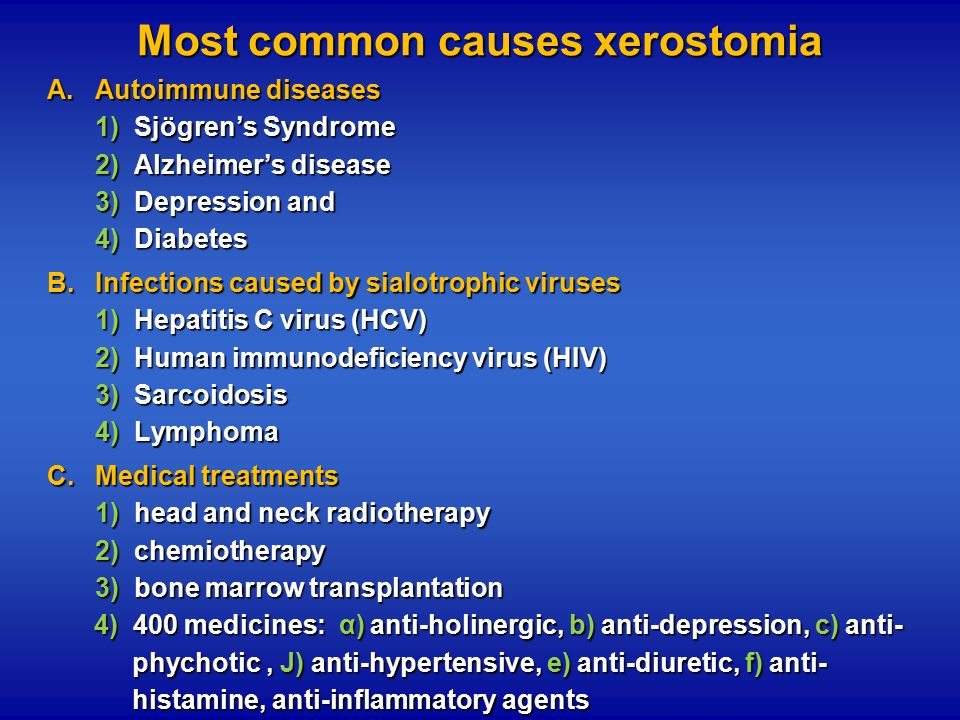
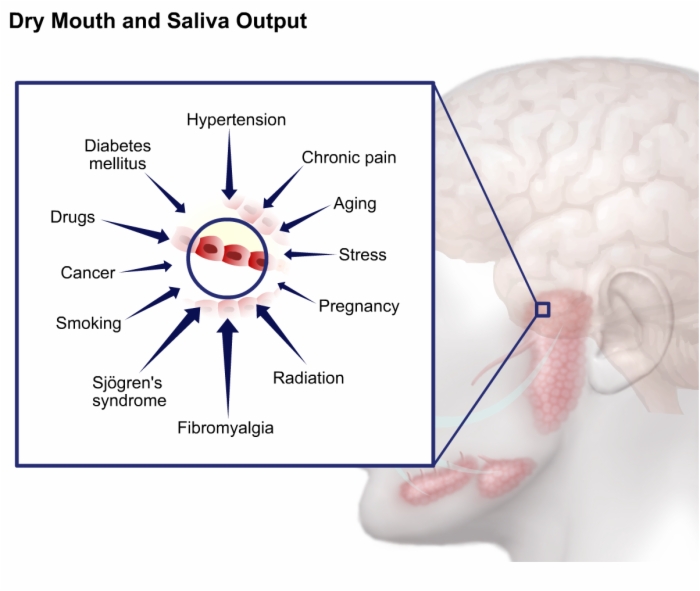
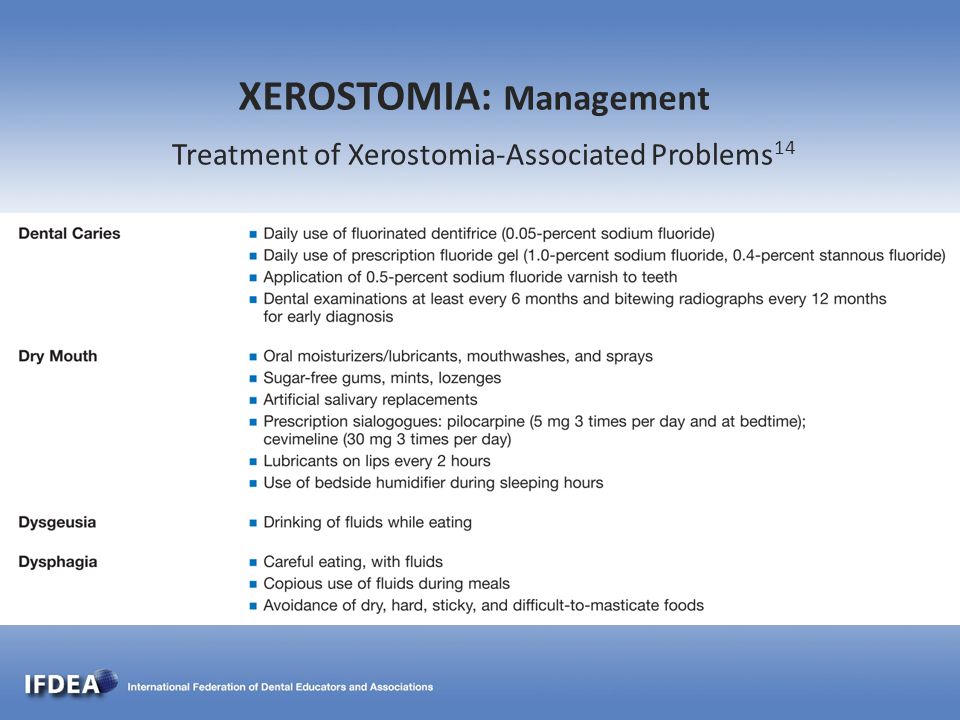
For some people, dry skin around the mouth is a chronic, ongoing condition. For others, it pops up only randomly, even if the rest of their skin is not dry. Although the reasons differ from person to person (and it’s best to check with a dermatologist if the issue is persistent), here are some of the most common causes of dry skin around the mouth:
- Perioral dermatitis – is a condition that can resemble acne, appearing as red, raised bumps around the mouth accompanied by dry, scaly, sensitive skin. There are theories that overuse of topical cortisone creams, fluoridated toothpaste, or heavy ointments or creams may be responsible, but often it is unrelated to any of those.
- Contact dermatitis- occurs when your skin contacts a substance or ingredients that cause your skin to have an inflammatory sensitizing reaction. Ingredients such as fragrance, fragrant oils, mint, menthol (and its derivatives), citrus, and drying alcohol can all lead to abrupt and persistent irritation and dryness, and these ingredients are commonly present in around-the-mouth products like toothpaste, mouthwash, lipsticks, lip-plumping products, and many lip balms.
- Seborrheic dermatitis (seborrhea) – More common in people with oily skin, this is caused by the overproduction of oil combined with irritation from a type of yeast that occurs naturally on the skin. Although not a problem for most people, the presence of this yeast can result in dry, flaky skin. Because there are oil glands on the sides of the nose, this can result in the condition becoming apparent in areas close to the nose, which, of course, includes the mouth.
- Climate change, lip-licking, and certain medications – can trigger dry skin around the mouth. Changes in the weather, such as very cold temperatures and dry or windy conditions, can cause the skin to become chapped and dry. Lip-licking and drooling (while you sleep; yes, it happens to everyone from time to time) are other causes, as saliva can remove the naturally secreted oils around the mouth area that normally keep it moisturized. There are also certain medications (both topical and oral) that can lead to dry skin, such as prescription acne medications like tretinoin and antibiotics like tetracycline.
- Licking your lips – Licking your lips may seem like it’s providing relief from that awful dry feeling, but that comfort is temporary—we’re talking mere seconds—and can actually make matters worse. According to the Mayo Clinic, saliva evaporates quickly and leaves the lips drier than before. Instead of your tongue, hydrate your pout with a moisturizing lip salve or balm.
- Long, hot showers – When it’s cold outside, it’s tempting to want to warm up in a long, hot shower. We urge you to resist that temptation. Hot, steamy showers can strip the skin of natural oils—especially if exposed for a long period of time—and leave your skin feeling dry from head-to-toe. Stick to a short shower routine with lukewarm water.
- Products containing alcohol or fragrances – Try and eliminate products in your routine that contain skin-drying alcohol or fragrance. These ingredients have a track record of irritating sensitive skin. Take a look at your lip balms, toothpaste, and facial moisturizers specifically.
- Exfoliate – The build-up of dead skin cells on the skin’s surface can cause a dull appearance and rough texture. To help slough them away, incorporate a gentle exfoliator into your routine. Our recommendation? L’Oréal Paris’ range of Pure-Sugar Scrubs that are formulated for use on both facial and lip skin.
- Moisturize – Applying a layer of moisturizer to the skin is one of the best things you can do to promote a healthy, hydrated complexion. Moisturizers formulated with ceramides—like the CeraVe Moisturizing Cream—are a good choice as they can help reinforce the skin’s natural moisture barrier.
- Wear broad-spectrum sunscreen – Sunscreen with an SPF of 30 or higher should be a staple in your routine, regardless of whether or not you have dry skin around the mouth or elsewhere. Just like the sun damage the skin on your body, it can also burn your delicate lips and the area around it, too.
- Drink water – Hydration from within is incredibly important for your overall health, let alone dry skin. Be sure to drink the recommended amount of H2O every day.
- Apply a gentle lip balm – Chances are if the corners of your mouth are dry, your lips are probably parched too. The Mayo Clinic suggests applying a lubricating lip balm that contains SPF to protect the lips from environmental aggressors, such as harmful UV rays and moisturize-zapping winds.
Dry Skin Around Mouth

An irritated dry skin around mouth area looks cracked, flaky, and scaly. This is a common condition, but it can steal your self confidence because it does not look good. Sometimes, it could even itch and appear red and inflamed. In extreme cases, it will bleed. It has many causes; among them cold weather, humidity, natural causes and medical conditions. The solution you choose should give you a soft subtle skin; those solutions range from everyday practices to applying things that you can find just in the kitchen.
Causes of Dry Skin around Mouth

Although everyone is prone to experience thisRxdry skin, climatic conditions and old age are crucial factors. Adults above 65 years old and people living in cold, dry and low humid areas are more vulnerable.
Chapped lips
- Most people are accustomed to licking their lips frequently. Constantly licking your lips dries the skin around your lips. The saliva removes naturally secreted fluids leading to cracked and chapped lips.
Seborrheic dermatitis
- This is common in people with oily skin. It could be due to sudden climatic changes, increased stress levels and a lot of scratching. It occurs when the oil and yeast from the skin combine leading to an infection.
Allergic reactions
- The skin is naturally sensitive to allergens, and any contact with it leads to a reaction. Your skin may be sensitive to fluoride, or other elements causing it to dry up.
Aging
- Age is a natural cause of dry skin. Older people have dry skin but using a moisturizer and cream regularly can help you control this condition.
Angular cheilitis
- When your skin dries and ends up cracking at the corners of your mouth, this is angular cheilitis. The splitting and bleeding happen as you open your mouth to talk. This should not be taken for granted because it could lead to a yeast infection.
Climatic conditions
- Harsh weather conditions like winter and dry low humid climates reduce the secretion of oil from the oil glands resulting in dry skin. Exposing your face to too much wind also causes the dryness.
Perioral dermatitis
- The appearance of small, red bumps or papules around the mouth is referred to as Perioral Dermatitis. There is no known cause for this condition but a possible cause could face creams containing steroids.
Drink plenty of water
- Water is life; besides cleaning your system, it improves the moisture level on your skin keeping it supple and healthy. It is the most reliable treatment for dry skin. Drink up to 8 glasses of water daily to avoid dry skin. You can also make use of natural fluids from juicy fruits for delicious drinks.
Get enough sleep
- Sleep is good for you. Unfortunately, most people do not value their daily sleep routine. You need good rest of at least 7 hours daily. This will create the right balance in your body ridding your system of toxins to give you healthy skin. While asleep, the body works by cleaning itself up to remove unwanted body waste.
Moisturize the lips
- Another solution to dry skin is to moisten your lips with naturally flavored lip balms. Unlike the artificially flavored types, these are effective solutions to dry lips. The balm removes dry skin around the lips by moisturizing it.
Use cocoa butter
- Cocoa butter corrects dry skin conditions and promotes speedy healing of chapped lips. It is effective on the skin, including your lips.
Apply sunscreen
- Exposure to the sun has repercussions. The UV rays can harm sensitive parts of the skin causing excess dryness. Use a moisturizing sunscreen as a protective gear against the effects of the sun. You can apply daily if you live in sunny areas.
Use mashed banana
- Applying mashed banana to the dry area every day for 15 minutes will solve the problem. This is an easy homemade solution that you can use. Wash it off with warm water for a smooth feeling.
Massage your lips
- Massaging your lips improves blood circulation in the area and firms the lips. To remove dry itchy skin in a few days, massage your lips with almond or olive oils daily.
Exfoliate
- Exfoliating removes dead cells from your skin’s surface. Some of the homemade scrubs like oatmeal and bran can be used as the ideal scrub against dry skin. Mix it with yogurt or milk and massage in circles. Rinse with water for most of the dry flaky skin to fall off.
Apply yogurt therapy
- As a natural moisturizer, yogurt penetrates the pores to smoothen the skin effectively. Apply on the lip and massage for a natural glow on your face. You can add fresh strawberry or rose puree. Avocado and sitaphal fruits will also enhance the moisture of your skin around the mouth.
Use medications
- If you need to try medication, apply a topical cream and use wet dressing to cover the affected area. A nonprescription corticosteroid cream will relieve itchy dry skin around your mouth. In the case of dry red skin, use an over the counter oral antihistamine.
- Mayoclinic.com suggests prescription corticosteroids as an alternative for dry red skin that fails to respond to nonprescription medicine. In this case, you can get another prescription from your doctor. Phototherapy treatments from a dermatologist will also treat unresponsive treatment to clear the itching.
11. Avoid certain things
- Scratching red or itchy skin around your mouth worsens the inflammation and could lead to scarred skin. It is advisable to consult a doctor if the red itchy skin condition is persistent. Your doctor will accurately diagnose the cause and recommend proper treatment.
References

