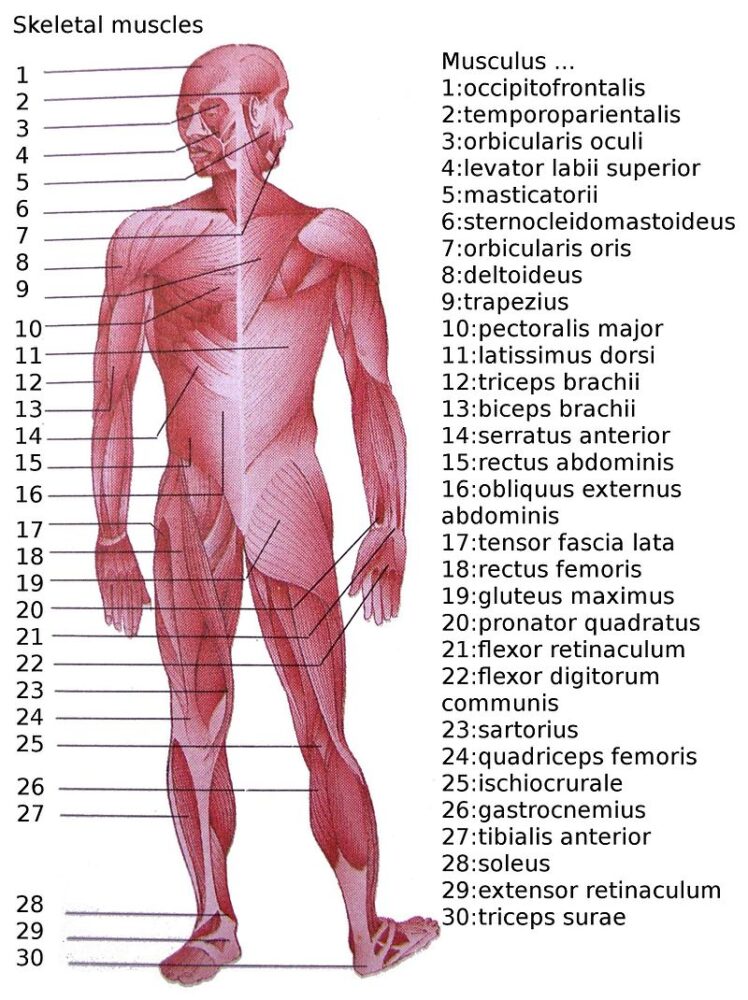
The pubococcygeus muscle is a key component of the pelvic floor. A hernia involving this muscle refers to a situation where tissues or organs push through a weakness or tear in the pelvic floor where the pubococcygeus resides. This guide will help you understand what a pubococcygeus muscle hernia is, how it happens, and what options are available for managing it.
A pubococcygeus muscle hernia is a condition where a weakness or tear in the pelvic floor—specifically in the pubococcygeus muscle—allows nearby tissues or organs to protrude into areas where they do not belong. This herniation can lead to discomfort, pain, and sometimes a feeling of pressure or bulging in the pelvic region. It may be linked to pelvic organ prolapse, where the bladder, uterus, or rectum pushes downward.
Anatomy of the Pubococcygeus Muscle
Structure and Location
-
Location:
The pubococcygeus is part of the levator ani muscle group, which forms the pelvic floor. It extends from the pubic bone to the coccyx (tailbone) and supports pelvic organs. -
Shape and Size:
This muscle is a flat, sheet-like structure that provides support and helps maintain the position of pelvic organs.
Blood Supply
- Primary Sources:
The muscle receives blood from branches of the internal iliac arteries. Adequate blood flow is crucial for nutrient delivery and healing.
Nerve Supply
- Innervation:
The pelvic floor muscles, including the pubococcygeus, are primarily controlled by the pudendal nerve and branches from the sacral plexus. This nerve supply helps regulate muscle tone and sensation.
Functions
-
Pelvic Organ Support:
The pubococcygeus helps support the bladder, uterus (in women), and rectum, keeping them in their proper positions. -
Urinary and Fecal Continence:
It plays a role in controlling the flow of urine and feces by maintaining pressure in the pelvic region. -
Sexual Function:
This muscle contributes to sexual health, enhancing sensations and, in some cases, orgasm. -
Stabilization:
It provides overall stability to the pelvis, which is important for movements such as walking, sitting, and lifting.
Pathophysiology: How Does a Pubococcygeus Muscle Hernia Occur?
A hernia in the pubococcygeus muscle happens when there is a weakness or tear in the pelvic floor. Here’s how it develops:
-
Muscle Weakness or Tear:
Over time or due to a sudden injury, the pubococcygeus muscle may become weakened or torn. This loss of strength can create a gap or defect. -
Increased Abdominal Pressure:
Factors such as heavy lifting, chronic coughing, constipation, obesity, or pregnancy can increase abdominal pressure. When the pressure is too high, it may force tissues or organs to push through the weakened area. -
Protrusion:
When an organ (like the bladder or rectum) or fatty tissue pushes through the defect, it forms a hernia. This may cause pain, discomfort, or a visible bulge. -
Inflammation and Irritation:
The herniated tissue can become inflamed or irritated, leading to symptoms such as pain or urinary issues.
Types of Pubococcygeus Muscle Hernias
While the term “pubococcygeus muscle hernia” is not as commonly used as other hernia types, similar pelvic floor hernias can be described by their severity and presentation:
-
Mild Herniation:
- Small defect in the muscle with minimal protrusion.
- May cause discomfort without severe symptoms.
- Often managed with conservative treatment.
-
Moderate Herniation:
- A larger defect allowing noticeable tissue protrusion.
- Symptoms may include a bulge, pelvic pressure, and some pain.
- May require more focused rehabilitation and lifestyle adjustments.
-
Severe Herniation:
- Significant tearing or weakening of the pelvic floor.
- Pronounced bulging of organs (often seen with pelvic organ prolapse).
- Can cause severe pain, urinary or bowel dysfunction, and may require surgical intervention.
Causes of Pubococcygeus Muscle Hernia
Understanding what might lead to a hernia in the pubococcygeus muscle can help in prevention and early treatment. Here are 20 common causes:
- Childbirth:
- Vaginal delivery can stretch or injure the pelvic floor muscles.
- Aging:
- Natural loss of muscle tone with age.
- Heavy Lifting:
- Frequent lifting of heavy objects can strain the pelvic floor.
- Chronic Coughing:
- Conditions like bronchitis or smoking-induced cough increase pressure.
- Obesity:
- Excess weight puts extra stress on the pelvic muscles.
- Constipation:
- Straining during bowel movements raises abdominal pressure.
- Trauma:
- Direct injury or falls can damage the pelvic muscles.
- Genetic Predisposition:
- Inherent weakness in connective tissues.
- Pelvic Surgery:
- Procedures in the pelvic region may weaken the muscle structure.
- Hormonal Changes:
- Decreased estrogen levels after menopause can affect muscle strength.
- High-Impact Sports:
- Activities such as gymnastics, running, or contact sports.
- Repeated Straining:
- Chronic physical exertion or improper lifting techniques.
- Previous Hernias:
- A history of hernias in other areas might indicate a general weakness.
- Connective Tissue Disorders:
- Conditions like Ehlers-Danlos syndrome.
- Excessive Exercise:
- Overtraining without proper rest can weaken muscles.
- Poor Posture:
- Slouching or prolonged sitting can contribute to pelvic floor weakness.
- Prolonged Standing:
- Excessive standing, especially on hard surfaces.
- Pelvic Infections:
- Chronic infections may lead to scarring and weakness.
- Previous Pelvic Floor Trauma:
- Past injuries or surgeries affecting pelvic stability.
- Lifestyle Factors:
- Sedentary lifestyle combined with sporadic heavy exertion.
Symptoms of Pubococcygeus Muscle Hernia
Symptoms can vary widely from mild discomfort to severe dysfunction. Here are 20 common symptoms:
- Pelvic Pain:
- A dull or sharp pain in the lower abdomen or pelvis.
- Bulging Sensation:
- Feeling a lump or bulge in the pelvic area.
- Pressure in the Pelvis:
- A constant feeling of heaviness.
- Urinary Incontinence:
- Leakage of urine, especially when coughing or sneezing.
- Difficulty Urinating:
- Trouble starting or maintaining a urine stream.
- Bowel Dysfunction:
- Constipation or a feeling of incomplete bowel emptying.
- Lower Back Pain:
- Pain radiating into the lower back.
- Pain During Intercourse:
- Discomfort or pain during sexual activity.
- Sensation of Fullness:
- Feeling that something is pressing against pelvic organs.
- Discomfort While Sitting:
- Pain when sitting for long periods.
- Pressure on the Vagina or Rectum:
- Particularly noted in women.
- Muscle Weakness:
- A general sense of pelvic floor weakness.
- Pain While Lifting:
- Increased pain during heavy lifting or straining.
- Abnormal Urinary Frequency:
- Needing to urinate more often than usual.
- Pelvic Floor Muscle Spasms:
- Involuntary contractions of the muscles.
- Fatigue:
- General tiredness due to chronic discomfort.
- Lower Abdominal Tenderness:
- Sensitivity when pressing on the area.
- Radiating Pain:
- Pain that extends into the groin or inner thighs.
- Feeling of Instability:
- A sensation that the pelvic organs are not properly supported.
- Dull Ache Post-Activity:
- Worsening of symptoms after physical exertion.
Diagnostic Tests for Pubococcygeus Muscle Hernia
Doctors may use a combination of physical examinations and imaging tests to diagnose a pubococcygeus muscle hernia. Here are 20 diagnostic approaches:
- Physical Examination:
- A thorough pelvic exam to check for bulges or tenderness.
- Medical History Review:
- Discussing symptoms and previous conditions.
- Digital Rectal Examination (DRE):
- A manual examination of the pelvic floor.
- Vaginal Examination:
- In women, to assess pelvic organ support.
- Ultrasound Imaging:
- To view soft tissue and detect defects.
- Magnetic Resonance Imaging (MRI):
- Detailed images of pelvic structures.
- CT Scan (Computed Tomography):
- High-resolution images of the pelvic area.
- X-rays:
- To rule out bony abnormalities or fractures.
- Pelvic Floor Ultrasound:
- Specialized ultrasound focusing on muscle function.
- Urodynamic Testing:
- To evaluate urinary function and detect incontinence.
- Cystoscopy:
- A visual examination of the bladder (if urinary symptoms are present).
- Defecography:
- Imaging test to assess bowel function if rectal prolapse is suspected.
- Electromyography (EMG):
- To assess nerve and muscle function in the pelvic floor.
- Pelvic Floor Manometry:
- Measuring muscle strength and pressure in the pelvic area.
- Dynamic MRI:
- Imaging while the patient performs certain maneuvers.
- Video Urodynamics:
- Combines imaging with pressure measurements.
- Endoanal Ultrasound:
- For detailed examination of the anal sphincter complex.
- Stress Test:
- Evaluating pelvic floor stability under strain.
- Urine Flow Study:
- To assess any blockage or dysfunction.
- Consultation with a Pelvic Floor Specialist:
- Expert evaluation to correlate findings with symptoms.
Non-Pharmacological Treatments
Non-drug treatments are an important part of managing a pubococcygeus muscle hernia. These approaches focus on strengthening, support, and pain relief:
- Rest:
- Allow the pelvic floor to recover by reducing strenuous activity.
- Pelvic Floor Exercises (Kegels):
- Regularly contract and relax the pelvic muscles to build strength.
- Biofeedback Therapy:
- Techniques to help you learn to control pelvic muscles.
- Physical Therapy:
- Guided exercises and manual therapy from a specialist.
- Cold Compresses:
- Apply ice packs to reduce inflammation and swelling.
- Warm Compresses:
- Use heat to relax tight muscles after the initial swelling subsides.
- Postural Training:
- Improve posture to reduce strain on the pelvic floor.
- Proper Body Mechanics:
- Learn safe lifting and bending techniques.
- Weight Management:
- Maintain a healthy weight to lessen pelvic pressure.
- Dietary Fiber Increase:
- Avoid constipation by consuming a fiber-rich diet.
- Hydration:
- Drink plenty of water to support tissue health.
- Use of Supportive Underwear or Pessaries:
- Devices that help support the pelvic organs.
- Acupuncture:
- May help relieve pain and promote healing.
- Chiropractic or Osteopathic Manipulation:
- Techniques to improve alignment and reduce discomfort.
- Stress Reduction Techniques:
- Practices such as yoga or meditation to lower overall tension.
- Manual Massage Therapy:
- Gentle massage to relieve muscle tension.
- Electrical Stimulation Therapy:
- To improve muscle tone.
- Ergonomic Adjustments:
- Modify your workspace or daily routine to reduce strain.
- Breathing Exercises:
- Practice deep breathing to help relax pelvic muscles.
- Avoiding Heavy Lifting:
- Temporarily limit activities that add pressure to the pelvic floor.
- Gradual Return to Activity:
- Slowly increase exercise intensity as symptoms improve.
- Use of Cushions for Sitting:
- Reduce pressure on the pelvis during prolonged sitting.
- Guided Imagery and Relaxation:
- Techniques that help manage pain perception.
- Pelvic Floor Rehabilitation Programs:
- Structured exercise regimens under expert guidance.
- Core Strengthening Exercises:
- Work on the muscles of the abdomen to support the pelvic floor.
- Avoiding Prolonged Sitting or Standing:
- Take regular breaks to move around.
- Yoga:
- Gentle poses that enhance pelvic flexibility and strength.
- Pilates:
- Low-impact exercises that focus on core and pelvic stability.
- TENS (Transcutaneous Electrical Nerve Stimulation):
- A non-invasive method for pain relief.
- Regular Follow-Up with a Pelvic Health Specialist:
- Monitoring progress and adjusting exercises as needed.
Drugs Commonly Used in Management
While non-pharmacological methods are preferred for strengthening the pelvic floor, medications may be used to manage pain and associated symptoms. Always follow your doctor’s advice when using these drugs:
- Nonsteroidal Anti-Inflammatory Drugs (NSAIDs):
- Ibuprofen, naproxen for pain and inflammation.
- Acetaminophen (Paracetamol):
- For mild to moderate pain relief.
- Muscle Relaxants:
- Medications such as cyclobenzaprine to ease muscle spasms.
- Topical Analgesics:
- Creams or gels (e.g., lidocaine patches) for localized pain.
- Opioid Analgesics:
- Short-term use for severe pain (only under strict medical supervision).
- Tricyclic Antidepressants:
- Low doses for chronic pain management.
- Gabapentin:
- Used off-label for nerve-related pelvic pain.
- Pregabalin:
- Similar to gabapentin for nerve pain.
- Alpha-Blockers:
- In some cases, to ease urinary symptoms.
- Estrogen Creams or Pills:
- In postmenopausal women, to improve tissue strength.
- Corticosteroids (Oral or Local Injection):
- For significant inflammation.
- Antispasmodic Agents:
- To reduce muscle spasms.
- Serotonin-Norepinephrine Reuptake Inhibitors (SNRIs):
- For chronic pelvic pain management.
- Benzodiazepines:
- Short-term use for severe muscle spasm-related pain.
- Local Anesthetics:
- Injections to numb the affected area.
- Beta-Blockers:
- Occasionally used to help with associated anxiety that worsens pain perception.
- Calcium Channel Blockers:
- Sometimes prescribed for muscle relaxation.
- Anticholinergics:
- To manage urinary urgency if part of the symptom complex.
- Nutritional Supplements:
- Such as vitamin D or magnesium to support muscle function.
- Combination Pain Relief Formulas:
- Over-the-counter medications that combine analgesics and anti-inflammatory agents.
Surgical or Invasive Procedures
Surgery is rarely the first choice for a pubococcygeus muscle hernia but may be necessary if conservative treatments fail or if there is severe pelvic organ prolapse. Surgical options include:
- Pelvic Floor Repair Surgery:
- Reinforces or reconstructs the weakened area.
- Hernia Repair (Hernioplasty):
- Repairing the defect in the muscle using sutures or mesh.
- Laparoscopic Surgery:
- Minimally invasive repair of the pelvic floor defect.
- Robotic-Assisted Surgery:
- Enhanced precision in complex repairs.
- Vaginal Pelvic Floor Repair:
- For women with pelvic organ prolapse linked to the pubococcygeus.
- Urethropexy:
- Supports the urethra if incontinence is present.
- Sacrocolpopexy:
- Suspension of pelvic organs to correct prolapse.
- Bulking Agent Injections:
- To strengthen the pelvic floor tissues.
- Fascial Sling Procedures:
- To support the bladder and reduce urinary incontinence.
- Combined Procedures:
- Sometimes multiple techniques are used concurrently to repair both the hernia defect and associated prolapse.
Preventive Measures
Preventing a pubococcygeus muscle hernia focuses on maintaining pelvic floor strength and reducing pressure on the muscles:
- Regular Pelvic Floor Exercises:
- Practice Kegel exercises daily.
- Maintain a Healthy Weight:
- Reduces stress on the pelvic floor.
- Practice Proper Lifting Techniques:
- Use your legs, not your back, when lifting.
- Avoid Chronic Straining:
- Treat constipation and avoid prolonged straining during bowel movements.
- Manage Chronic Cough:
- Seek treatment for persistent coughing to reduce pressure.
- Strengthen Core Muscles:
- Engage in exercises that support overall core stability.
- Avoid Heavy or Repetitive Lifting:
- When possible, reduce heavy physical work.
- Stay Hydrated and Eat Fiber-Rich Foods:
- Prevent constipation and maintain tissue health.
- Practice Good Posture:
- Proper alignment reduces undue pelvic pressure.
- Regular Check-Ups:
- Early detection of pelvic floor weakness can help prevent hernia development.
When to See a Doctor
It is important to seek medical advice when you notice symptoms that may indicate a pubococcygeus muscle hernia or pelvic floor weakness. You should see a doctor if you experience:
- Persistent or worsening pelvic pain
- A noticeable bulge or pressure in the pelvic area
- Urinary incontinence or difficulty urinating
- Bowel dysfunction or rectal pressure
- Pain during intercourse or other activities
- Any symptoms that disrupt your daily life or worsen over time
Prompt evaluation helps prevent complications and ensures proper treatment.
Frequently Asked Questions (FAQs)
1. What is a pubococcygeus muscle hernia?
A pubococcygeus muscle hernia is when a weakness or tear in the pelvic floor—specifically the pubococcygeus muscle—allows tissues or organs to push through, causing discomfort and other symptoms.
2. How does a pubococcygeus hernia differ from pelvic organ prolapse?
Pelvic organ prolapse often involves the descent of pelvic organs due to overall pelvic floor weakness, which may include the pubococcygeus muscle. The hernia specifically refers to the protrusion through a defect in that muscle.
3. What are the most common causes?
Common causes include childbirth, heavy lifting, chronic coughing, obesity, and age-related weakening of the pelvic floor.
4. What symptoms should I look out for?
Symptoms include pelvic pain, a bulge or pressure in the pelvic area, urinary problems, bowel issues, and discomfort during physical activity.
5. Can this condition be treated without surgery?
Yes, many cases are managed through pelvic floor exercises, physical therapy, lifestyle changes, and other non-pharmacological treatments.
6. What tests are used to diagnose this condition?
Doctors use a combination of physical exams, pelvic floor assessments, ultrasound, MRI, and other imaging tests to diagnose the hernia.
7. Are there specific exercises to strengthen the pelvic floor?
Yes, Kegel exercises are commonly recommended along with core strengthening and targeted pelvic floor rehabilitation.
8. How effective is physical therapy in treating this condition?
Physical therapy can be very effective in reducing symptoms, strengthening muscles, and preventing further injury when performed correctly and consistently.
9. What medications may be prescribed?
Doctors may prescribe pain relievers, anti-inflammatory drugs, muscle relaxants, and occasionally nerve pain medications to manage symptoms.
10. When is surgery considered?
Surgery is considered if the hernia is severe, if there is significant pelvic organ prolapse, or if conservative treatments have failed.
11. What is the recovery time after surgery?
Recovery times vary, but many patients start feeling better within a few weeks and complete recovery may take several months.
12. Can lifestyle changes help prevent recurrence?
Yes, weight management, proper lifting techniques, and regular pelvic floor exercises are key preventive measures.
13. How do I know if my symptoms are serious?
If you experience worsening pain, significant bulging, or urinary and bowel dysfunction, it is important to consult a doctor.
14. Can pubococcygeus muscle hernias cause sexual dysfunction?
They may contribute to discomfort during intercourse, which can affect sexual function. Treatment often improves these symptoms.
15. Are there alternative treatments available?
Some people explore acupuncture, biofeedback, or complementary therapies, but these should be discussed with a healthcare professional to ensure safety and effectiveness.
Conclusion
A pubococcygeus muscle hernia is a condition where a weakness in the pelvic floor—specifically in the pubococcygeus muscle—allows tissues or organs to protrude, potentially causing pain and dysfunction. Understanding the structure, functions, and causes of this condition is the first step toward proper management and prevention. With a combination of lifestyle changes, pelvic floor exercises, non-pharmacological therapies, and, if necessary, medications or surgery, many individuals can find relief and improve their quality of life.
Early diagnosis and intervention are key to managing symptoms and preventing complications. If you experience persistent pelvic pain, a noticeable bulge, or any other concerning symptoms, seek medical advice promptly. Regular check-ups and adherence to preventive measures can make a significant difference in maintaining pelvic health.
The article is written by Team Rxharun and reviewed by the Rx Editorial Board Members More details about authors, please visit to Profile rxharun.com Last Update: March 19, 2025.
Rx Editorial Board Member and Team Rxharun’s Writers Links
Disclaimer: Each person’s journey is unique, treatment plan, life style, food habit, hormonal condition, immune system, chronic disease condition, geological location, weather and previous medical history is also unique. So always seek the best advice from a qualified medical professional or health care provider before trying any treatments to ensure to find out the best plan for you. This guide is for general information and educational purposes only. Regular check-ups and awareness can help to manage and prevent complications associated with these diseases conditions. If you or someone are suffering from this disease condition bookmark this website or share with someone who might find it useful! Boost your knowledge and stay ahead in your health journey. We always try to ensure that the content is regularly updated to reflect the latest medical research and treatment options. Thank you for giving your valuable time to read the article.