
Bulgur wheat or broken wheat is actually a type of wheat that has been, as the name states, milled coarsely. It is almost always made out of durum wheat. The husk needs to be taken out just before milling. It is an extremely healthy method of consuming wheat because it hasn’t been processed. It includes exactly the same quantity of vitamins and nutrients as whole wheat. In cooking, bulgur is simpler to utilize compared to whole wheat. Since it doesn’t have a husk, its soaking time is all about ½ hour. In comparison, whole wheat grains need to be drenched overnight. Bulgur’s cooking time is 20-30 minutes. The milling of wheat into bulgur is considered to have started within the Mediterranean area. Ancient civilizations like Roman and Egyptian have already been consuming bulgur since 1000 B.C. It really is widely used in the Middle East, North Africa, and India.
Bulgur wheat is fiber-rich as well as manganese. It’s also a kind of complex carbohydrate that is ideal for individuals struggling of diabetes because it is released more slowly in the bloodstream. It has an impact on the insulin level of the body by not causing insulin peaks as would happen if the simple carbohydrate, just like refined sugar, was digested. Additionally, an individual’s hunger is significantly longer satisfied.
Bulgur contains, like several non-refined wheat products, amino acids which offer protein. It’s not found in big concentrations therefore, you have to search for other protein-rich food. If an individual is really a vegetarian, beans, lenses, as well as tofu (soybeans cheese), are wonderful options.
Bulgur is full of vitamins B, specifically in thiamine as well as niacin. Thiamine is extremely beneficial in the digestive as well as nerve systems. Niacin works well for the digestion of proteins. Zinc, iron, riboflavin as well as trace minerals just like magnesium as well as selenium can also be present in bulgur.
Health Benefits of Bulgur Wheat
Healthy food habits ought to include whole-grain products just like bulgur wheat. There are many health advantages of bulgur wheat also it can also be part of a healthy bodybuilding diet. Here we have got jotted down a number of typical health advantages.
1. Anti-Inflammatory Effects
Probably the most significant health advantage of bulgur is its anti-inflammatory action. Frequent consumption of bulgur flour helps relieve long-term inflammation, therefore avoiding numerous illnesses. Researchers observed that many of us who consumed huge amounts of betaine, a metabolic generally present in whole wheat flour, had decreased concentrations of homocysteine, among the makers of long-term inflammation which has been associated with diabetes, osteoporosis, cardiovascular disease as well as Alzheimer’s disease.
2. Reduced Risk of Type 2 Diabetes
Bulgur is really a rich source of the mineral magnesium that actually works like a co-factor for as many as 300 enzymes most of which are involved in the body’s usage of glucose as well as the mechanism of insulin production. Whole grains may also be packed with calcium along with other health benefitting nutrition which reduces the risk of Type 2 Diabetes. As being a low glycemic food, it’s also quite effective for diabetes management.
Bulgur takes time to break down within the intestine, which results in the slow and consistent discharge of glucose within the body, therefore inhibiting any kind of unexpected spikes or dips in blood sugar levels level which is extremely dangerous for individuals struggling with diabetes.
3. Reduced Risk of Metabolic Syndrome
With regards to carbohydrates, it is very important to select the right ones so as to remain healthy as well as encourage weight loss. Refined carbohydrates like white rice and white flour and foods made out of these types of carbs are associated with weight gain as well as increased chance of metabolic syndrome which leads to heart diseases and Type 2 Diabetes.
But, elevated usage of whole grains like bulgur safeguards the body from the features of metabolic syndrome just like obesity, high blood pressure levels, high triglycerides levels. Increased usage of bulgur decreases the chance of both insulin resistance and metabolic syndrome.
4. Relieves Constipation and Clears the Digestive Tract
Bulgur is nothing but wheat bran and it works just as one incredible laxative which eliminates the waste products as well as toxins through the digestive tract as well as regularizes the bowel movement which in turn reduces constipation as well as the likelihood of developing piles. A fiber-rich diet that included bulgur will help with reducing the signs and symptoms of diverticular diseases which include nausea, abdominal pain, bloated abs, and gas.
It is brought on by inflammation of the digestive system that may result in the development of sacs or pockets within the walls of the colon. It is cured with cereal fiber and bulgur.
5. Balances the Body’s pH Level
Whole grains are concentrated sources of fiber in the form of resistant starch as well as oligosaccharides, which are carbohydrates that escape digestion within the small intestine and therefore are fermented within the gut, producing short-chain fatty acids (SCFA). These SCFAs assist in balancing the body’s pH level, preventing it from becoming too acidic because of foods just like sugar, low-quality animal products, and refined grains. (6) Additionally they promote ongoing gut health, which enhances immunity as well as nutrient absorption.
One thing to mention is that many people who react badly to SCFAs or FODMAP grains will probably experience digestive issues whenever having bulgur or any other wheat grains, so they’ll wish to prevent most (if not all) grains to lessen symptoms.
6. Cuts Gallstone Risk
Gallstones are small bits of solid substance which form within the gallbladder. These types of stones progressively develop as pigments as well as cholesterol in bile oftentimes form hard particles. The two main types of gallstones are- pigment stones as well as cholesterol stones. Pigment stones are darker, smaller, and therefore are composed of bilirubin.
Cholesterol stones mostly are yellow in color, roughly 90% of gallstones are cholesterol stones. Bulgur wheat helps in reducing the chance of developing gallstones. The insoluble fiber in whole wheat flour helps food move more rapidly from the small intestines, lowers the secretion of the bile, helps the body use insulin more efficiently, and reduces triglycerides or unhealthy fats located in the blood.
Along with providing all of these beneficial effects, that really help prevent gallstones, the fiber in bulgur wheat can alleviate the signs of diverticular disease. The diverticular disease mainly affects the colon. The colon is really a tiny part of the large intestine which eliminates wastes through the body.
7. Chemoprotective Effects
Insoluble Fiber given by whole grains just like bulgur wheat help safeguard against cancer. In the renowned clinical research published within the “International Journal of Epidemiology” in 2008, researchers discovered that pre-menopausal women with diets rich in fiber had a decreased chance of creating breast cancer.
Breast cancer is really a cancerous tumor that initiates within the cells of the breast. A malignant tumor is described as a group of cancer cells that may distribute to distant parts of the body. With two cups of cooked bulgur wheat supplying 9.18 g of dietary fiber or 33.6 percent of the suggested daily value, bulgur wheat is definitely an exceptional fiber source.
8. Good Source of Minerals
Bulgur wheat is a superb source of essential minerals for the body. It offers 2.11 mg -or 55.5 percent of the everyday value of manganese- per cup. The University of Maryland Medical organization shows that manganese, a trace mineral present in some internal organs and also the bones, is important for the normal nerve and brain function. Additionally, it helps with the development of the connective tissues and also the proper clotting of blood within the heart. One cup of cooked bulgur wheat offers 48.24 mg or 15.6 percent, of the DV of magnesium, which will help manage calcium levels within the body. Bulgur wheat’s nutritional benefits make it an important food grain for the maintenance of all-around health.
9. Helps Reduce the Risk of High Blood Pressure
This is probably the most efficient health advantage of bulgur wheat. High blood pressure levels is described as a significant medical problem that may cause a heart attack, stroke; cardiovascular disease, heart failure, kidney failure, along other severe health issues. The common indications of high blood pressure levels consist of severe headache, nausea, vomiting, confusion, vision changes, and nose bleeds.
Whole-grain foods just like bulgur and oats help reduce the potential risk of high blood pressure levels. The benefits of oatmeal for weight loss are well known. In accordance with the researchers of the American Heart Association, long-term bulgur eaters have got a reduced systolic blood pressure in addition to a decreased chance of developing high blood pressure. Once the heartbeats, it pushes and contracts blood through the arteries of the heart to the remaining portion of the human body. This particular force creates pressure to the arteries. This is known as systolic blood pressure level.
10. Helps Reduce Weight
Bulgur is really a healthy diet food for losing weight in an efficient manner. Extreme bodyweight boosts the likelihood of heart attack, stroke, diabetes, gout, gallstones, and cancer. In case you are overweight you might feel incredibly tired, experience difficulty in breathing, develop skin irritation and experience lower back as well as joint pains that may seriously affect your mobility.
Bulgur efficiently boosts satiety due to its higher concentration of fiber and protein, each of which helps one feel full from fewer calories, which is hugely beneficial whenever one is attempting to shed weight. A 1/3-cup portion of cooked bulgur offers 2.7 grams of fiber and 5.2 grams of protein. It may be effortlessly contained in the 1200 calorie diet and exercise plan for weight loss.
11. Protective Against Childhood Asthma
Asthma is amongst the common breathing problems amongst children which affect children all across the globe. Studies have shown that elevated consumption of whole grains like bulgur wheat decreases the likelihood of childhood asthma by nearly 50%. The antioxidants present in bulgur – particularly vitamins C and E safeguard the respiratory tract as well as decrease wheezing and narrowing of the airways. The odds of developing asthma along with bronchial hyperresponsiveness (BHR) may also be decreased considerably.
12. It Helps Prevent Iron Deficiency
Bulgur wheat is an excellent source of iron, that is necessary to produce hemoglobin, the protein accountable for carrying oxygen through the entire body. Iron likewise helps to manage the body’s temperature and supports a healthy immune system. In case you have a deficiency of iron that may result in extreme tiredness and frequent infections, it might be sensible to incorporate more iron-rich foods just like bulgur wheat in your daily diet.
History of Bulgur Wheat
Bulgur has been a long-time typical component in the Middle East for hundreds of years, like in Armenian, Syrian, Israeli, Palestinian, Lebanese as well as Turkish cuisines. Furthermore, it’s utilized in numerous Mediterranean dishes instead of couscous or rice, simply because they share an identical size and texture.
Bulgur wheat was a popular food in every region of the Ottoman Empire as well as areas spanning ancient Greece and also the Middle East. In Saudi Arabia, where bulgur is recognized as Nejd and Al-Hasa, it’s been accustomed to creating an old recipe known as a parish that’s still eaten today.
Similarly, in Turkey bulgur has become a staple component for more than a thousand years. It’s widely used to make pilafs, soups, and stocks to make side dishes utilizing available vegetables and fruit, as well as for serving alongside animal foods instead of bread, rice or any other grains. And bulgur provides nutrition to Indians for several years too, since it’s a base ingredient in lots of sweet and savory Indian recipes.
Types of Bulgur Wheats
1. Fine Traditional bulgur
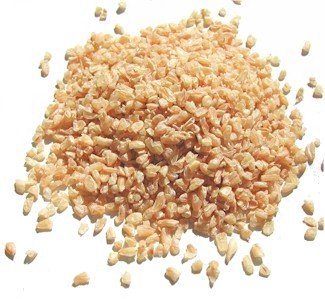
Fine Traditional Bulgur makes a healthy breakfast cereal and is also ideal for bread and desserts. Fine as well as medium grinds are generally utilized in tabouli salad, pilaf, as well as in any recipe as an alternative for rice.
2. Medium Traditional Bulgur
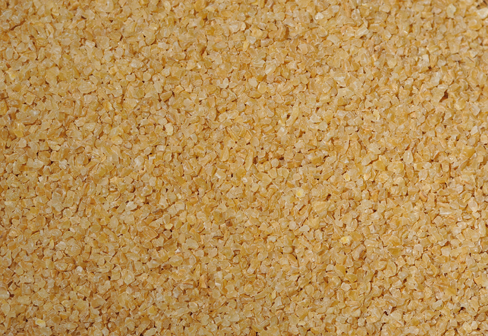
Medium Traditional Bulgur is surely an all-purpose size utilized in salads, stews, soups, multi-grain bakery goods, and particularly in meatless burgers and chili.
3. Coarse Traditional Bulgur
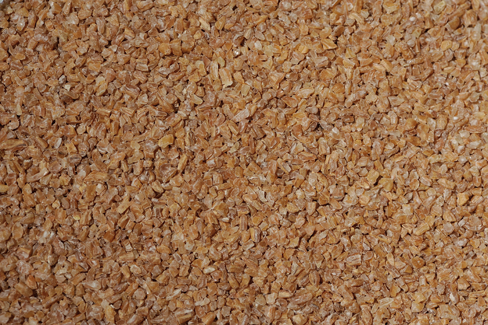
Coarse Traditional Bulgur for low-fat stuffings, casseroles as well as vegetarian tacos, and may also be employed in pilafs, soups, salads and artisan bread.
4. Extra Coarse Traditional Bulgur
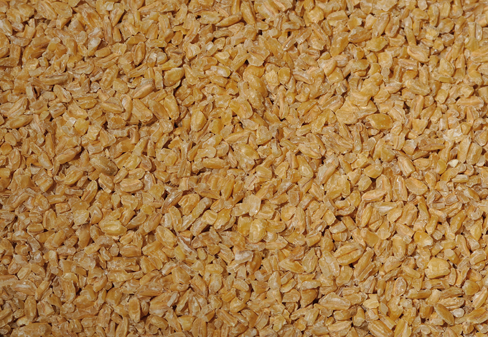
Extra Coarse Traditional Bulgur for hearty soups, pilafs as well as bread.
5. Half Cuts Traditional Bulgur
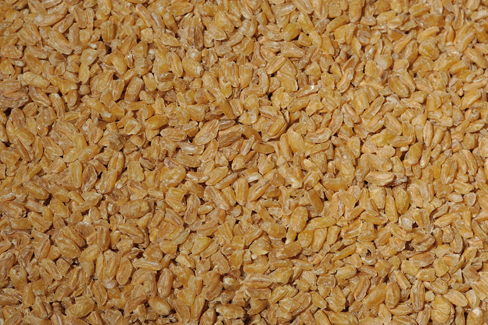
Half Cuts Traditional Bulgur- extra-large grind to be used in soups, pilafs, and specialty recipes.
6. Whole Kernel Traditional Bulgur
Whole Kernel Traditional Bulgur – can be used as a vital component in hearty soups and also to impart whole kernel goodness as well as texture to artisan bread.
Selection and Storage
You may have to visit a health-food store to fine bulgur. It’s available in three grinds — coarse, medium, and fine. Coarse bulgur is utilized to create pilaf or stuffing. Medium-grind bulgur is utilized in cereals. The finest grind of bulgur is suited to the well-known cold Middle Eastern salad known as tabbouleh. Store bulgur in the screw-top glass jar within the refrigerator; it’ll keep for months.
Serving Tips
Toss uncooked bulgur into soup, stew or even chili and simmer until it’s soft. Utilize it for cereal or perhaps a side dish, exactly the same way you’d use brown rice and oats. Make a sweet salad along with cooked bulgur, carrots, raisins, pineapples along with a raspberry vinaigrette. Cook bulgur in low-salt chicken broth and add any mixture of your preferred salad ingredients; some that pair well include beans, tomatoes, cucumbers, radishes, onions, sweet peppers, spinach, walnuts and chicken.
Delicious Recipes for Bulgur Wheat
1. Bulgur Wheat Salad
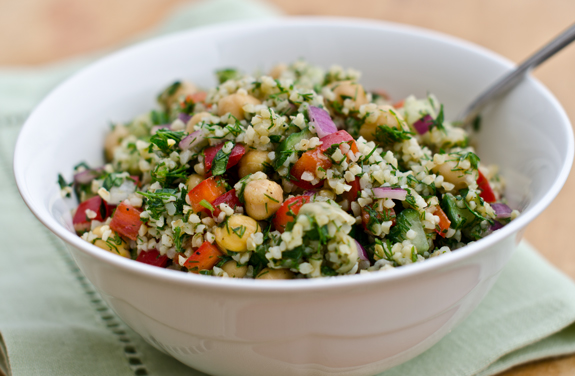
Ingredients
- 1/2 Cucumber chopped finely
- 1 Tomato chopped finely
- 1 Small onion chopped finely
- 1 Tablespoon of parsley chopped
- 1/4th Cup of boiled chickpeas
- 1/2 Cup of broken bulgur
- 1 Tablespoon of lemon juice
Directions
- Add the bulgur in the glass bowl and pour 2 cups of boiling water in it, cover with a plastic wrap, and let it to steam for half an hour.
- Meanwhile, chop all of the vegetables and them in a bowl combined with the chickpeas and fresh lemon juice, mix well.
- Fluff the bulgur with a fork and add it to the vegetable mix, blend well with a fork, add a pinch of salt and black pepper to it, mix as well as serve directly.
2. Bulgur Wheat Pulao
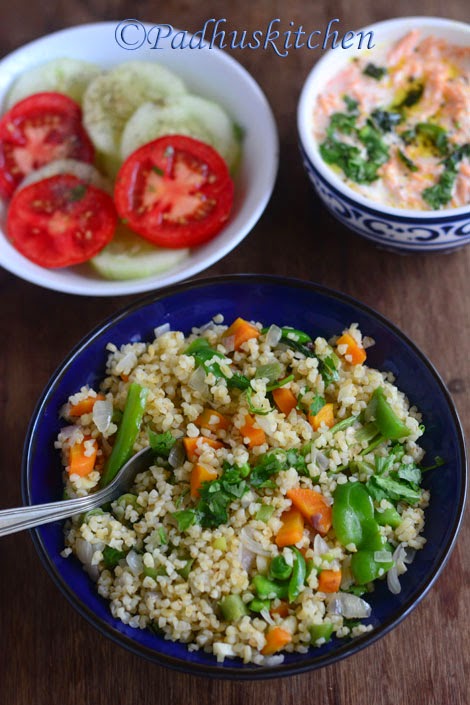
Ingredients
- 1/2 cup bulgur
- 1 Medium-sized onion chopped
- 1 Inch of ginger finely chopped
- 1 green chilli slit
- 3 Garlic cloves finely chopped
- 3/4th Cup water
- 3 Beans chopped
- 1/2 Carrot chopped
- 1/3 Cup bell pepper chopped
- 2 tbsp coriander leaves chopped
- 2 tbsp mint leaves chopped
- 1/4th tsp Chilli powder
- Salt as per taste
- 1 tbsp oil
- 1 inch piece cinnamon
- 2 cloves
Directions
- Boil the water and add it to the bulgur together with a pinch of salt and keep it covered for 15 minutes.
- Chop the onions, ginger and garlic finely and yet another vegetables in medium-sized pieces.
- Heat oil in the pan and add cloves and cinnamon into it wait for few seconds and add some onion, ginger, garlic and green chilli.
- Sauté until the onions are transparent.
- Now, add the vegetables, except bell pepper, salt and chili powder and cook up until vegetables are tender.
- Now, add the bell pepper, mint and coriander leaves and cook for some minutes.
- Drain excessive water through the bulgur and fluff it with a fork and combine it with the vegetables, mix well and cook for few minutes.
3. Spicy Bulgur Pancakes
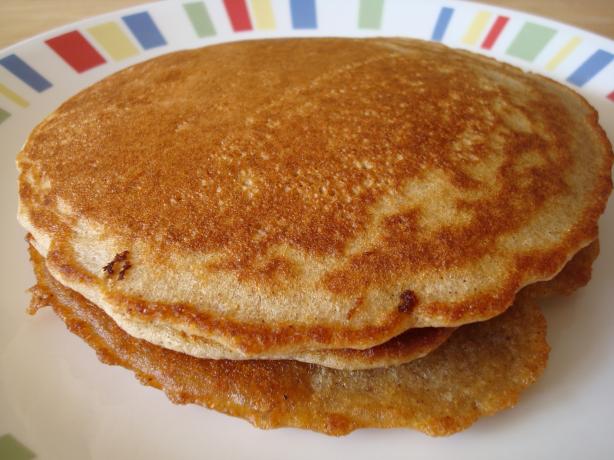
Ingredients
- 3/4th cup bulgur wheat
- 1/4th cup curd
- 1 tbsp wheat flour
- 1/2 cup cabbage finely chopped
- 1 tbsp besan
- A pinch of asafoetida
- 2 tsp coriander finely chopped
- 1 tsp Green chilli paste
- 2 tsp oil
- Salt to taste
Directions
- Soak the bulgur in 1 cup of boiling water for 15 minutes.
- Drain away the extra water and mix the bulgur along with curd and 1/4th cup of water.
- Mix it in the blender.
- Pour the mixture in bowl; add wheat flour, besan, green chilli paste, cabbage, asafoetida, coriander and salt to it.
- Mix well, include some water if needed.
- Heat an uttapa pan and brush some oil onto it, pour a ladle filled with the mixture on the pan, spread it to create a pancake.
- Cook each side till they turn golden brown.
4. Bulgur Payasam
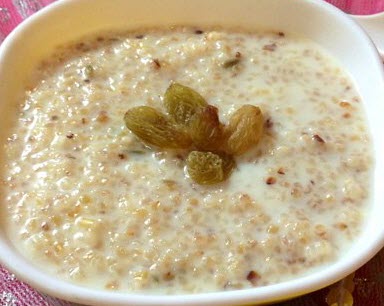
Ingredients
- 1 cup bulgur
- 2 cup grated jaggery
- 1 cup milk
- Raisins
- 1 tbsp ghee
Directions
- Wash the bulgur and soak it in the cup of water for Fifteen minutes.
- Put the jaggery plus some water in the pan and heat it from some time so it becomes liquid.
- Strain it and keep aside.
- Now, add 3 cups of water on the molten jaggery and heat it again, add the bulgur to it and let it to boil.
- Next, pour the milk and try to boil, sauté the raisins in ghee for 1 minute and include it with the payasam.
- Serve in small glass bowls.
5. Tabbouleh (Bulgur, Tomatoes, Cucumbers, Parsley, Mint, and Lemon)
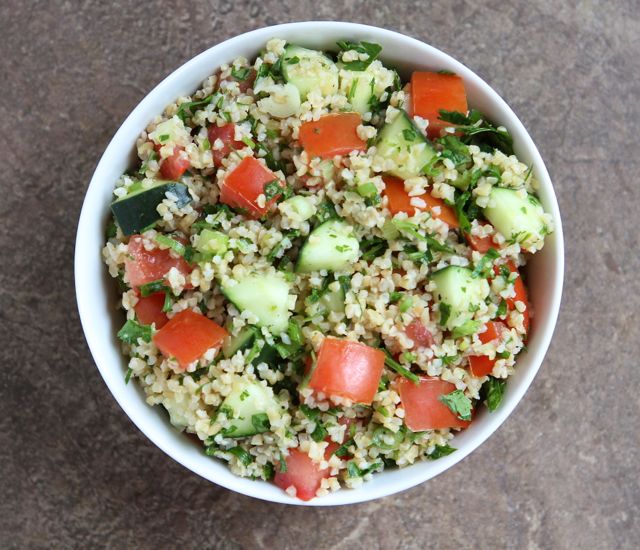
Ingredients
- 1 cup bulgur
- 1 cup boiling water
- zest of one lemon (optional, but good)
- 3 tablespoons fresh lemon juice
- 3 tablespoons olive oil
- 2 teaspoons finely minced garlic
- 1 cup chopped fresh parsley (I used curly parsley, but either type will work)
- 1/2 cup chopped fresh mint leaves
- 1/2 cup sliced green onions
- 3 cups chopped tomatoes
- 1 1/4 cup chopped cucumbers
- salt and fresh ground black pepper to taste
Directions
- Measure out 1 cup bulgur in a bowl large enough to hold the finished salad.
- Add 1 cup boiling water, stir, and let bulgur soak until all of the water is absorbed.
- While bulgur soaks, zest one lemon and put zest in a normal size bowl. Squeeze lemon juice into bowl, adding more if required to make 3 T lemon juice.
- Add finely minced garlic, then whisk in 3 T olive oil. When bulgur has absorbed all of the water, stir within this dressing and let marinate when you chop herbs and veggies.
- Wash parsley and mint and spin dry or dry with paper towels.
- Chop herbs as well as slice green onions and stir into bulgur. Peel cucumbers and take away seeds if the seeds are big.
- Dice cucumbers and tomatoes into pieces about 1/2 inch, then gently stir into salad.
- Season to taste along with salt and fresh ground black pepper and serve.
Concerns with Eating Bulgur Wheat
Bulgur wheat does normally incorporate a few oxalate substances, that when compared with other grain products are in fact present at high levels. Oxalates aren’t bad for the average healthy person, yet they’re capable of enhancing the quantity of calcium which the body releases in urine, so they can complicate particular kidney diseases just like kidney stones.
When researchers for the Journal of Agricultural and Food Chemistry checked out the oxalate levels of different whole grain products, they discovered that whole wheat durum grains (including bulgur), as well as wheat flakes and flour, contributed high amounts of oxalates to the average person’s diet. The higher oxalate content in whole grain compared to refined grain cereals shows that oxalates are mainly found in the surface layers of cereal grains, particularly if they’re whole grains that haven’t been processed.
While you shouldn’t avoid all healthy whole foods which contain oxalates (even superfoods like berries or leafy greens contain some), you need to limit the quantity of bulgur wheat you consume in case you have any condition worsened by oxalates, like gout or kidney problems. The same goes for gluten present in bulgur; like previously mentioned, avoid bulgur in case you have celiac disease, a gluten sensitivity, FODMAP intolerance or leaky gut syndrome.
References
- https://www.ncbi.nlm.nih.gov/pmc/articles/PMC3257681/
- https://www.ncbi.nlm.nih.gov/pmc/articles/PMC5748761/
- https://www.ncbi.nlm.nih.gov/pmc/articles/PMC4711439/
- https://www.ncbi.nlm.nih.gov/pmc/articles/PMC3257681/
- https://www.ncbi.nlm.nih.gov/pmc/articles/PMC7294352/
- https://www.ncbi.nlm.nih.gov/pmc/articles/PMC4608274/
- https://www.ncbi.nlm.nih.gov/pmc/articles/PMC7915747/
- https://www.ncbi.nlm.nih.gov/pmc/articles/PMC7294352/
- https://www.ncbi.nlm.nih.gov/pmc/articles/PMC5066953/
- https://www.ncbi.nlm.nih.gov/books/NBK76060/
- https://www.ncbi.nlm.nih.gov/pmc/articles/PMC4188247/
- https://www.elsevier.com/books/nuts-and-seeds-in-health-and-disease-prevention/preedy/978-0-12-818553-7
- https://www.elsevier.com/books/nuts-and-seeds-in-health-and-disease-prevention/preedy/978-0-12-375688-6
- https://www.amazon.com/Nuts-Seeds-Improving-Your-Health/dp/1526725886
- https://books.google.com/books/about/Nuts_and_Seeds_in_Health_and_Disease_Pre.html?id=C6lYoH8rwywC
- https://www.sciencedirect.com/book/9780123756886/nuts-and-seeds-in-health-and-disease-prevention
- https://www.sciencedirect.com/book/9780128185537/nuts-and-seeds-in-health-and-disease-prevention
- https://link.springer.com/article/10.1007/s42452-019-1576-z
- https://www.tandfonline.com/doi/full/10.1080/10408398.2019.1657062
- https://academic.oup.com/nutritionreviews/article/73/6/335/1845023
- https://www.researchgate.net/publication/289036515_Nuts_and_seeds
- https://www.nature.com/articles/s43016-019-0026-9
- https://www.cambridge.org/core/journals/british-journal-of-nutrition/article/nuts-source-of-energy-and-macronutrients/AAAEDDA038B08C0A00C802F00A7F4171
- https://onlinelibrary.wiley.com/doi/full/10.1111/1541-4337.12730
- https://doi.org/10.1128/9781555818463.ch9
- https://en.wikipedia.org/wiki/Nut_(fruit)
- https://en.wikipedia.org/wiki/Cereal
- https://en.wikipedia.org/wiki/List_of_breakfast_cereals
- https://www.frontiersin.org/articles/10.3389/fchem.2016.00032/full
- https://www.nejm.org/doi/full/10.1056/nejmoa130735
- https://www.betterhealth.vic.gov.au/health/healthyliving/nuts-and-seeds
- https://www.bhf.org.uk/informationsupport/heart-matters-magazine/nutrition/ask-the-expert/nuts-as-a-healthy-snack
- https://www.bbcgoodfood.com/howto/guide/health-benefits-nuts
- https://www.olivemagazine.com/recipes/vegetarian/sticky-miso-nuts-and-seeds/
- https://www.researchgate.net/publication/232710843_Health_Benefits_of_Nut_Consumption
- https://en.wikipedia.org/wiki/Sorghum
- https://www.healthline.com/nutrition/sorghum
- https://en.wikipedia.org/wiki/Commercial_sorghum
- https://www.britannica.com/plant/sorghum-grain
- https://www.webmd.com/diet/health-benefits-sorghum
- https://www.sciencedirect.com/topics/food-science/sorghum

