Links Between the Gut Microbiome and Arthritis . In order to understand how the gut microbiome may affect susceptibility to rheumatoid arthritis, psoriatic arthritis, and ankylosing spondylitis, it is important to understand a few basic concepts
Microbes, Microbiomes, and Gut Microbiomes
- Microbes include bacteria and other microorganisms called eukaryota and archaea. Viruses are usually considered part of this group as well.
- A microbiome is the dynamic collection of microbes in an ecosystem. The human body hosts a variety of microbiomes. About 3 pounds of microbes live inside a person’s body and on his or her skin. (Animals, plants, and other environments, like soil, also have microbiomes. Even buildings, like homes and hospitals, have their own microbiomes.)
- The gut microbiome refers to the microbes that live along the digestive tract, from the mouth to the anus. The majority of a body’s microbes live here, and most of those are located in the intestines.
www.rxharun.com
When doctors talk about treating arthritis, they often recommend medications, physical therapy, exercise, and losing weight, but they rarely recommend eliminating or adding specific foods to a diet. However, research suggests diet can impact the inflammation that causes arthritis pain, including pain from rheumatoid arthritis, psoriatic arthritis, ankylosing spondylitis, and other diseases.
Maintaining a healthy gut microbiome may help to reduce symptoms of inflammatory arthritis.
This article discusses how diet influences arthritis pain and specific steps people can take to reduce pain through diet.
Connecting Diet to Arthritis Pain
Three key points help explain how diet and arthritis pain are related:
- Diet influences the gut microbiome. The gut microbiome refers to the trillions of bacteria and other microbiota that naturally live along the digestive tract. A gut microbiome’s diversity and balance of species are influenced by diet.
- The gut microbiome affects overall health. An imbalance in the gut microbiome is associated with chronic inflammatory disease, such as arthritis as well as other conditions, such as ulcerative colitis.
- The best way to maintain a healthy gut microbiome is to maintain a healthy diet. A dietary change can cause a temporary shift in the gut microbiome relatively quickly, but establishing a permanent shift is difficult and uncertain. People who want to reduce arthritis symptoms are advised to make a long-term commitment to eating a healthy diet that emphasizes plant-based whole foods.
Experts are still learning about if and how permanent shifts can be made in the gut microbiome. At least one microbiologist suggests that some permanent change is possible after 9 to 15 months of dietary adherence. Others believe that changes in the gut microbiome last only as long as the diet does.

Arthritis Involves Inflammation of Gut Microbiome
Almost all types of arthritis involve inflammation. There are dozens of types of inflammatory arthritis, including but not limited to rheumatoid arthritis, psoriatic arthritis, ankylosing spondylitis, gout, and pseudogout. Even osteoarthritis—which, unlike most other types of arthritis, is not an autoimmune disease—can involve inflammation.
Always easy to recognize
People with arthritis may have food sensitivities of which they are not aware. In these cases, foods can trigger a series of biochemical reactions in the body that lead to inflammation and joint pain.

These food sensitivities can occur without producing gastrointestinal symptoms. It is possible to have food-triggered arthritis but not have notable stomach pains, bloating, or diarrhea.
How is this possible? Learn more about the science behind leaky gut, the gut microbiome,
Avoid unnecessary antibiotic treatment
Antibiotics can kill bacteria that cause infection, but they can also kill normal, beneficial bacteria. Taking an oral antibiotic can reduce the gut’s microbial diversity and permanently change a gut microbiome.
One step a patient can take to avoid oral antibiotics is to ask the doctor for an injection of antibiotics. If the doctor agrees, the injected medicine is likely to be as beneficial as an oral dose –unless, of course, the infection is in the gut.
Patients who are hesitant to take an antibiotic can ask their health care providers questions, such as, “What will happen if I don’t take this antibiotic? Is there another option?” A health care provider can explain whether or not an antibiotic is necessary.
Make dietary changes – Most experts agree that diet can influence the immune system by affecting changes in the gut microbiome. A diet that emphasizes raw leafy greens supports beneficial bacteria that can produce chemicals that help to regulate inflammation in the body. In addition, fermented foods, such as sauerkraut and kimchi, may be beneficial due to the presence of bacterial and fungal products that stimulate the immune system.
And stick to them. Dietary changes can cause temporary shifts in the gut microbiome relatively quickly, but permanent change takes 9 to 15 months.
Exercise more. Regular moderate exercise seems to make positive changes to the gut microbiome, which have been linked to decreases in inflammation.
Meditate and be mindful. Stress and anxiety may affect the gut microbiome, and vice versa. Meditating and practicing mindfulness can reduce the levels of hormones associated with stress and anxiety, which can change the gut microbiome.
Stop smoking. Smoking affects the gut microbiome, including microbes in the mouth. Smokers are at a greater risk for periodontal disease, which is associated with rheumatoid arthritis and may be a precursor to it.
Interact with nature. Things like outdoor recreation, petting domesticated animals (not wild ones), and gardening expose a person to rich microbial diversity and help train a healthy immune system.25 This is especially important for young children with developing immune systems; adult immune systems are more difficult to re-program.
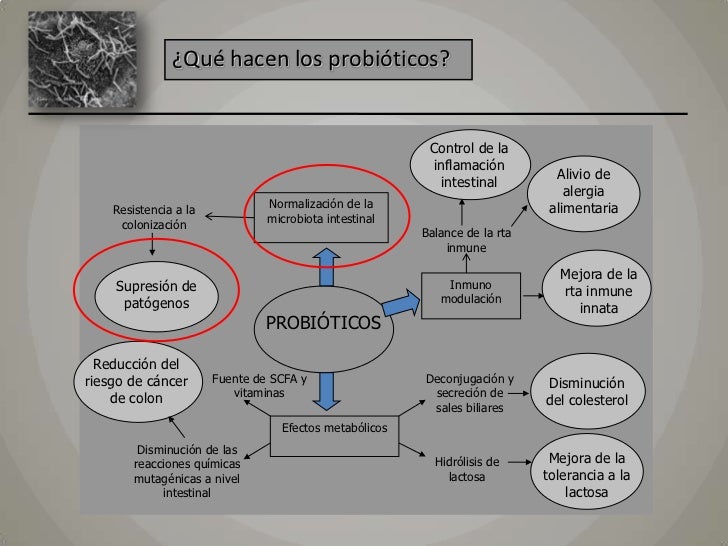
Consider taking a probiotic. There is evidence that probiotic supplements can reduce RA symptoms.26,27,28 It is not clear that taking a probiotic supplement works by changing the microbiome, but the live bacteria in the probiotic may stimulate the immune system, which can effect change in RA symptoms. To maintain this effect it may be necessary to take the probiotic long term; however, that has not yet been proven.
It is important to note that healthy people do not necessarily benefit from taking a probiotic. Also, probiotics are considered supplements and not regulated by the FDA. People shopping for probiotics are advised to consult with their doctor and choose a reputable brand and vendor.
It is much easier to foster a healthy gut microbiome than to repair a damaged one. Children aged 0 to 3, who have developing immune systems, may benefit from taking some or all of the steps listed above. But the rule of thumb is try and eat a balanced healthy diet, reducing sugar and fat intake, or at least replacing saturated fats with good fats, such as those found in nuts.
It is less clear whether the steps listed above can help older children and adults who have already developed immune systems. For example, many studies indicate there is a connection between diet and the gut microbiome and arthritic disease, but the exact connection is not well understood, and research is ongoing. Until much more is known, mainstream medical organizations will not endorse specific treatments or prevention plans that aim to alter the gut microbiome.
In general, medical professionals agree that many patients can improve their symptoms by losing weight, eating healthily, and being physically active.
References
[1] Dworzynski K, Pollit V, Kelsey A et al. Management of acute upper gastrointestinal bleeding: summary of NICE guidance. The BMJ 2012;344:e3412. doi: 10.1136/bmj.e3412
[2] Ford AC & Moayyedi P. Dyspepsia. The BMJ 2013;347:f5059. doi: 10.1136/bmj.f5059
[3] Graham DY & Fischbach L. Helicobacter pylori treatment in the era of increasing antibiotic resistance. Gut 2010;59:1143–1153. doi: 10.1136/gut.2009.192757
[4] Laine L. GI risk and risk factors of NSAIDs. J Cardiovasc Pharmacol 2006;47:S60–66. PMID: 16785831
[5] Fitzgerald RC, di Pietro M, Ragunath K et al. British Society of Gastroenterology guidelines on the diagnosis and management of Barrett’s oesophagus. Gut 2014;63:7–42. doi: 10.1136/gutjnl-2013-305372
[6] Forgacs I & Loganayagam A. Overprescribing proton pump inhibitors. The BMJ 2008;336:2–3. doi: 10.1136/bmj.39406.449456.BE
[7] Neumann I, Letelier LM, Rada G et al. Comparison of different regimens of proton pump inhibitors for acute peptic ulcer bleeding. Cochrane Database Syst Rev 2013;(6):CD007999. doi: 10.1002/14651858.CD007999
[8] Hollingworth S, Duncan EL & Martin JH. Marked increase in proton pump inhibitors use in Australia. Pharmacoepidemiol Drug Saf 2010;19:1019–1024. doi: 10.1002/pds.1969
[9] Haastrup P, Paulsen MS, Zwisler JE et al. Rapidly increasing prescribing of proton pump inhibitors in primary care despite interventions: a nationwide observational study. Eur J Gen Pract 2014;20:290–293. doi: 10.3109/13814788.2014.905535
[10] McGowan B, Bennett K, Barry M et al. The utilisation and expenditure of medicines for the prophylaxis and treatment of osteoporosis. Ir Med J 2008;101:38–41. PMID: 18450246
[11] Ribolsi M, Savarino E, De Bortoli N et al. Reflux pattern and role of impedance-pH variables in predicting PPI response in patients with suspected GERD-related chronic cough. Aliment Pharmacol Ther 2014;40:966–973. doi: 10.1111/apt.12919
[12] Schepisi R, Fusco S, Sganga F et al. Inappropriate use of proton pump inhibitors in elderly patients discharged from acute care hospitals. J Nutr Health Aging 2016;20:665–670. doi: 10.1007/s12603-015-0642-5
[13] Haastrup PF, Rasmussen S, Hansen JM et al. General practice variation when initiating long-term prescribing of proton pump inhibitors: a nationwide cohort study. BMC Fam Pract 2016;17:57. doi: 10.1186/s12875-016-0460-9
[14] Haastrup PF, Paulsen MS, Christensen RD et al. Medical and non-medical predictors of initiating long-term use of proton pump inhibitors: a nationwide cohort study of first-time users during a 10-year period. Aliment Pharmacol Ther 2016;44:78–87. doi: 10.1111/apt.13649
[15] van den Bemt PM, Chaaouit N, van Lieshout EM et al. Noncompliance with guidelines on proton pump inhibitor prescription as gastroprotection in hospitalized surgical patients who are prescribed NSAIDs. Eur J Gastroenterol Hepatol 2016. doi: 10.1097/MEG.0000000000000634
[16] Batuwitage BT, Kingham JG, Morgan NE et al. Inappropriate prescribing of proton pump inhibitors in primary care. Postgrad Med J 2007;83:66–68. doi: 10.1136/pgmj.2006.051151
[17] Jarchow-Macdonald AA & Mangoni AA. Prescribing patterns of proton pump inhibitors in older hospitalized patients in a Scottish health board. Geriatr Gerontol Int 2013;13:1002–1009. doi: 10.1111/ggi.12047
[18] Van Soest EM, Siersema PD, Dieleman JP et al. Persistence and adherence to proton pump inhibitors in daily clinical practice. Aliment Pharmacol Ther 2006;24:377–385. doi: 10.1111/j.1365-2036.2006.02982.x