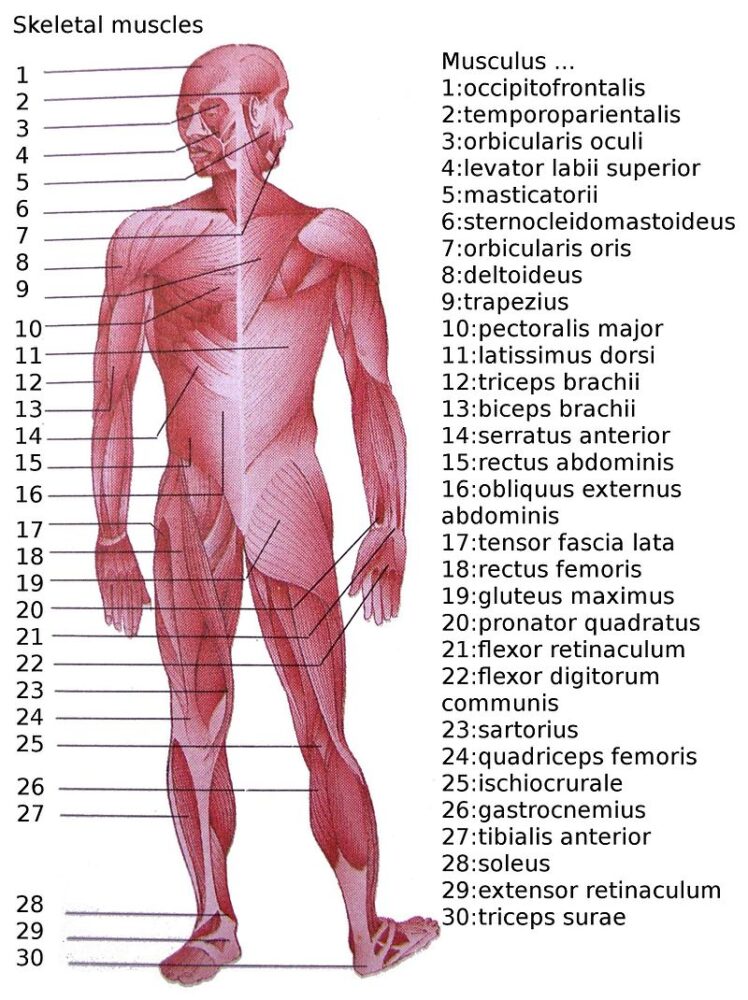
The pelvic floor is a vital area of the body that supports the bladder, bowel, and reproductive organs. One important muscle in this group is the puborectalis muscle. Although tumors in the puborectalis muscle are rare, understanding them is important because they can affect pelvic function and quality of life. In this guide, we break down what puborectalis muscle tumors are, how they occur, their effects on the body, and how they are diagnosed and treated.
A puborectalis muscle tumor is an abnormal growth that develops within or near the puborectalis muscle. This muscle is a part of the pelvic floor, helping to form a sling around the rectum, which is important for maintaining bowel control. Tumors in this area can be either benign (non-cancerous) or malignant (cancerous). Because the puborectalis muscle is deep within the pelvis, symptoms might not appear until the tumor grows larger or begins affecting nearby structures.
Anatomy and Pathophysiology
Structure of the Puborectalis Muscle
-
Location and Role:
The puborectalis muscle is one of the components of the levator ani muscles in the pelvic floor. It forms a loop around the rectum, creating an angle between the rectum and the anus that is essential for continence (keeping stool inside until you are ready to pass it). -
Shape and Connections:
It extends from the pubic bone to wrap around the rectum. This structure is critical for both voluntary and involuntary control of bowel movements.
Blood Supply
- Main Sources:
The blood supply comes primarily from small branches of the internal pudendal artery and other pelvic arteries. Good blood flow is important not only for normal muscle function but also for healing after an injury.
Nerve Supply
- Innervation:
The puborectalis muscle is innervated by nerves from the pudendal nerve and contributions from the sacral plexus. These nerves control the muscle’s movement and help send pain signals if the area is injured or if a tumor is present.
Functions of the Puborectalis Muscle
-
Continence and Bowel Control:
By maintaining a sharp angle between the rectum and the anus, this muscle plays a key role in preventing unwanted stool leakage. -
Support of Pelvic Organs:
Along with other pelvic floor muscles, it helps support pelvic organs such as the bladder and uterus. -
Stabilization:
It contributes to the overall stability of the pelvic region during physical activities such as walking, running, or lifting.
How Tumors Affect the Puborectalis Muscle
When a tumor forms in the puborectalis muscle, it can disrupt the normal function of this muscle. The growth might press on nerves, interfere with blood flow, or distort the normal anatomy, which can lead to symptoms like pain, changes in bowel habits, or a feeling of pressure in the pelvic area.
Types of Puborectalis Muscle Tumors
Tumors in the puborectalis muscle may vary by their nature and origin. They can generally be classified as follows:
-
Benign Tumors:
- Lipomas: Fatty tissue growths that are usually soft and non-cancerous.
- Leiomyomas: Smooth muscle tumors, similar to fibroids, that may occur in pelvic muscles.
- Schwannomas: Tumors arising from nerve sheath cells.
-
Malignant Tumors:
- Sarcomas: A group of cancers that originate in the muscle or connective tissues.
- Metastatic Tumors: Tumors that have spread from another part of the body.
-
Other Rare Tumors:
- Tumors that may not clearly fit into common categories and require specialized diagnosis.
Note: Because puborectalis tumors are rare, each case is unique. Proper classification requires imaging studies and sometimes biopsy.
Common Causes and Risk Factors
While the exact cause of puborectalis muscle tumors is not always clear, several factors may contribute to their development. Here are 20 potential causes or risk factors:
- Genetic Predisposition: Family history of tumors or certain genetic syndromes.
- Previous Radiation Exposure: Radiation therapy to the pelvic area can increase risk.
- Chronic Inflammation: Long-term irritation or inflammation in the pelvic region.
- Hormonal Imbalances: Particularly related to estrogen, which is known to affect some muscle tumors.
- Trauma or Injury: Past injuries to the pelvic floor that may cause abnormal tissue repair.
- Age: Increased risk with advancing age.
- Obesity: Excess weight may contribute to chronic inflammation.
- Lifestyle Factors: Sedentary lifestyle and poor diet might indirectly increase risk.
- Environmental Exposures: Contact with chemicals or toxins that affect cellular growth.
- Immune System Dysfunction: Conditions that affect the body’s ability to control cell growth.
- Previous Pelvic Surgery: Scar tissue formation and healing may alter normal muscle structure.
- Infections: Chronic pelvic infections that affect tissue integrity.
- Vascular Abnormalities: Changes in blood supply can lead to abnormal growth.
- Metabolic Disorders: Conditions such as diabetes might play a role.
- Smoking: Tobacco use has been linked to many types of tumors.
- Alcohol Consumption: Heavy alcohol use may contribute to cancer risk.
- Exposure to Hormone-Disrupting Chemicals: Such as endocrine disruptors in the environment.
- Occupational Hazards: Jobs with high exposure to chemicals or physical strain.
- Previous Benign Tumors: History of benign tumors in the pelvic area may be a risk factor.
- Unknown/Idiopathic Factors: In many cases, the cause remains unclear.
Common Symptoms
Symptoms can vary depending on the tumor’s size, location, and whether it is benign or malignant. Common symptoms include:
- Pelvic Pain: A deep, aching pain in the pelvic area.
- Pain During Bowel Movements: Discomfort or difficulty when defecating.
- Sensation of Fullness: Feeling pressure or a mass in the pelvic region.
- Urinary Problems: Difficulty starting or stopping urine flow.
- Incontinence: Loss of control over bowel or bladder functions.
- Lower Back Pain: Pain that radiates from the lower back into the pelvis.
- Abnormal Bleeding: Unexplained bleeding from the rectum or vagina.
- Changes in Bowel Habits: Constipation or diarrhea.
- Pain During Intercourse: Discomfort during sexual activity.
- Fatigue: Unexplained tiredness that persists.
- Weight Loss: Unintended weight loss may be seen in malignancy.
- Swelling: Noticeable swelling in the pelvic or perineal area.
- Muscle Weakness: Reduced strength in the pelvic floor muscles.
- Numbness or Tingling: In the lower extremities if nerves are compressed.
- Difficulty Sitting: Pain or discomfort when sitting for long periods.
- Rectal Pressure: A constant feeling of pressure in the rectum.
- Disturbance in Sexual Function: Reduced libido or discomfort.
- Fever: Sometimes present if there is an associated infection.
- Anemia: In cases of chronic bleeding.
- Abnormal Growth or Lump: A palpable mass on physical examination.
Diagnostic Tests
Diagnosing a puborectalis muscle tumor involves a mix of physical examinations and advanced imaging or laboratory tests. Here are 20 tests or procedures that might be used:
- Medical History and Physical Examination:
The first step in evaluating symptoms. - Digital Rectal Examination (DRE):
A manual exam to feel for abnormalities. - Pelvic Ultrasound:
Uses sound waves to create images of the pelvic structures. - Magnetic Resonance Imaging (MRI):
Provides detailed images of soft tissues. - Computed Tomography (CT) Scan:
Useful for cross-sectional imaging of the pelvis. - Positron Emission Tomography (PET) Scan:
Helps assess metabolic activity and detect malignancy. - Biopsy:
Removal of a small tissue sample for microscopic examination. - Fine Needle Aspiration (FNA):
A minimally invasive method to sample cells. - Core Needle Biopsy:
Uses a thicker needle to obtain a tissue core. - Endoscopic Ultrasound (EUS):
Combines endoscopy and ultrasound for deeper imaging. - Blood Tests:
Including complete blood count (CBC) to check for anemia or infection. - Tumor Marker Tests:
Measures substances in the blood that might indicate cancer. - Pelvic Floor Electromyography (EMG):
Tests the function of pelvic muscles. - Urodynamic Studies:
Evaluate bladder function if urinary issues are present. - Colonoscopic Examination:
Especially if bowel symptoms or rectal bleeding occur. - Cystoscopy:
Visual examination of the bladder if urinary symptoms are present. - X-ray:
To rule out bony involvement in complex cases. - Laparoscopy:
A minimally invasive surgical procedure that allows visual examination. - Histopathological Examination:
Detailed tissue analysis after biopsy or surgery. - Immunohistochemistry:
Testing to determine specific markers on tumor cells that help in diagnosis.
Non-Pharmacological Treatments
Many treatments for puborectalis muscle tumors focus on relieving symptoms, supporting pelvic function, and helping overall recovery. Non-drug treatments may include:
- Watchful Waiting:
Monitoring small, asymptomatic tumors over time. - Pelvic Floor Physical Therapy:
Exercises and techniques to strengthen and relax pelvic muscles. - Dietary Adjustments:
A fiber-rich diet to ease bowel movements and reduce strain. - Warm Compresses:
To relax pelvic muscles and relieve discomfort. - Cold Therapy:
Using ice packs to reduce local inflammation. - Regular Stretching:
Gentle stretches to maintain pelvic mobility. - Mindfulness and Meditation:
Techniques to manage stress and pain. - Biofeedback Therapy:
Helps retrain pelvic muscles and improve control. - Yoga:
Gentle, pelvic-friendly yoga postures. - Pilates:
Low-impact exercises to support core strength. - Acupuncture:
An alternative therapy for pain management. - Transcutaneous Electrical Nerve Stimulation (TENS):
Non-invasive pain relief using electrical impulses. - Behavioral Therapy:
To manage chronic pain and its emotional impacts. - Hydrotherapy:
Exercises in warm water to reduce strain. - Relaxation Techniques:
Such as deep breathing exercises. - Postural Training:
Guidance on proper posture to reduce pelvic strain. - Ergonomic Adjustments:
Adapting your work or home environment to reduce stress on the pelvis. - Supportive Garments:
Pelvic support belts to help reduce discomfort. - Lifestyle Modification:
Incorporating regular, low-impact exercise. - Stress Reduction Programs:
To help manage overall well-being. - Counseling:
For coping with chronic illness or body image issues. - Massage Therapy:
Gentle massage to improve blood circulation and reduce muscle tension. - Occupational Therapy:
Guidance to perform daily activities with less strain. - Education and Self-Management Techniques:
Learning ways to manage symptoms at home. - Use of Heat Pads:
At home for regular symptom relief. - Pelvic Support Cushions:
To relieve pressure when sitting. - Water Aerobics:
Low-impact exercise in a supportive environment. - Guided Imagery:
To help manage pain perception. - Sleep Hygiene Improvement:
Techniques to ensure proper rest, which aids healing. - Regular Follow-Up with Specialists:
Keeping track of changes without immediately resorting to drugs or invasive treatments.
Drugs Commonly Used
While treatment may start with non-pharmacological methods, medications can be an important part of managing symptoms or treating malignant tumors. Always follow your doctor’s advice when using medications. Some common drugs include:
- Nonsteroidal Anti-Inflammatory Drugs (NSAIDs) (e.g., ibuprofen, naproxen) – to reduce pain and inflammation.
- Acetaminophen (Paracetamol) – for pain relief.
- Opioid Analgesics – for severe pain (short-term use only).
- Muscle Relaxants – to ease pelvic muscle spasms.
- Corticosteroids – to reduce severe inflammation in some cases.
- Anti-Cancer Chemotherapy Agents – when the tumor is malignant.
- Targeted Therapy Drugs – designed to attack specific cancer cell markers.
- Hormone Therapy – if the tumor is hormone-sensitive.
- Anti-Spasmodic Medications – to relieve muscle cramps.
- Topical Analgesics – creams or patches applied to the area.
- Pain Modulators (e.g., gabapentin) – if nerve pain is present.
- Anti-Inflammatory Topical Gels – for localized relief.
- Bisphosphonates – sometimes used if bone involvement is a concern.
- Immunotherapy Agents – in certain cases of malignant tumors.
- Antibiotics – if there is a secondary infection.
- Antiemetics – to manage nausea during chemotherapy.
- Steroid Injections – delivered locally to reduce inflammation.
- Anti-Anxiety Medications – if chronic pain causes anxiety.
- Antidepressants – sometimes prescribed for chronic pain management.
- Adjunctive Pain Medications – as part of a comprehensive pain management plan.
Surgeries and Invasive Procedures
Surgery for puborectalis muscle tumors is not always necessary but can be vital if the tumor is large, symptomatic, or malignant. Surgical options include:
- Excisional Biopsy:
Removal of the tumor for diagnostic purposes. - Wide Local Excision:
Removal of the tumor along with a margin of healthy tissue. - Laparoscopic Tumor Resection:
Minimally invasive removal of the tumor using small incisions. - Open Surgical Resection:
Traditional surgery for larger or complex tumors. - Debulking Surgery:
Reducing tumor size when complete removal is not possible. - Reconstructive Surgery:
To repair the pelvic floor after tumor removal. - Radioguided Surgery:
Using imaging to precisely locate and remove the tumor. - Interventional Radiology Procedures:
Such as ablation therapies. - Intraoperative Cryotherapy:
Applying extreme cold to destroy tumor cells during surgery. - Post-Surgical Drainage:
To manage any fluid collection or hematoma after removal.
Preventive Measures
While it is not always possible to prevent the formation of tumors, some measures may reduce risk factors or help in early detection:
- Regular Pelvic Exams:
Routine check-ups to detect any early abnormalities. - Healthy Lifestyle:
Maintaining a balanced diet and regular exercise to reduce inflammation. - Avoid Smoking and Excess Alcohol:
Both are linked to increased cancer risks. - Weight Management:
Keeping a healthy weight to reduce chronic inflammation. - Limit Exposure to Toxins:
Reduce contact with chemicals that may disrupt hormones. - Manage Chronic Conditions:
Effective control of conditions like diabetes. - Screening for Genetic Risks:
If you have a family history of cancer. - Safe Work Practices:
In environments with chemical exposure. - Educate Yourself About Pelvic Health:
Understanding symptoms can lead to earlier diagnosis. - Regular Follow-Up with Healthcare Providers:
Particularly if you have risk factors for pelvic tumors.
When to See a Doctor
It is important to seek professional medical advice if you experience any of the following:
- Persistent Pelvic Pain:
Ongoing or worsening pain in the pelvic region. - Changes in Bowel or Bladder Function:
Difficulty with bowel movements or urination. - Unexplained Pelvic Mass:
Feeling or noticing a lump during self-examination. - Abnormal Bleeding:
Unexplained bleeding from the rectum or nearby areas. - Sudden Changes in Weight or Fatigue:
Unintended weight loss or constant tiredness. - Discomfort During Sexual Activity:
Pain that affects intimacy. - Any New or Worsening Symptoms:
That impact daily activities.
Early consultation can help determine the cause of your symptoms and decide on the appropriate treatment.
Frequently Asked Questions (FAQs)
1. What is a puborectalis muscle tumor?
It is an abnormal growth in or near the puborectalis muscle, which is part of the pelvic floor and helps control bowel movements.
2. Are these tumors usually benign or malignant?
They can be both, but many are benign. Malignant tumors (cancers) are less common and require aggressive treatment.
3. What are the common symptoms?
Symptoms include pelvic pain, changes in bowel habits, a sensation of pressure or fullness, urinary difficulties, and discomfort during intercourse.
4. How do these tumors affect pelvic function?
They may disrupt the normal support and function of the pelvic floor, leading to incontinence or difficulty with bowel movements.
5. What risk factors can lead to these tumors?
Risk factors include genetic predisposition, previous radiation, chronic inflammation, trauma, hormonal imbalances, and lifestyle factors.
6. How are puborectalis muscle tumors diagnosed?
Diagnosis typically involves physical exams, digital rectal exams, imaging tests (such as MRI, CT, or ultrasound), and sometimes a biopsy.
7. What imaging tests are most helpful?
MRI and CT scans provide detailed views of the soft tissues, while ultrasound is useful for initial screening.
8. Can these tumors be managed without surgery?
Yes, especially if they are benign and not causing severe symptoms. Treatment may include physical therapy, pain management, and regular monitoring.
9. What role does physical therapy play?
Pelvic floor physical therapy can help maintain muscle strength, relieve pain, and improve overall pelvic function.
10. Which medications are commonly used?
NSAIDs for pain, muscle relaxants, and, if the tumor is malignant, chemotherapy or targeted therapy drugs may be used.
11. Is surgery always required?
Not always. Surgery is considered when the tumor is large, symptomatic, or malignant.
12. What types of surgery might be needed?
Options include excisional biopsy, laparoscopic resection, and in more complex cases, open surgical removal with possible reconstructive procedures.
13. How can I prevent complications from these tumors?
Early detection, regular pelvic exams, and lifestyle modifications can help reduce complications.
14. What lifestyle changes might reduce risk?
A healthy diet, regular exercise, weight management, and avoiding smoking and excessive alcohol can be beneficial.
15. When should I seek medical help?
If you experience persistent pelvic pain, changes in bowel or bladder habits, or notice a lump or abnormal bleeding, consult your doctor immediately.
Conclusion
Puborectalis muscle tumors, while rare, can significantly impact pelvic health and quality of life. Understanding the anatomy of the puborectalis muscle and how tumors affect its function is key to early detection and effective treatment. Whether the tumor is benign or malignant, treatment options range from non-pharmacological therapies like physical therapy and lifestyle modifications to medications and surgery when necessary.
The article is written by Team Rxharun and reviewed by the Rx Editorial Board Members More details about authors, please visit to Profile rxharun.com Last Update: March 19, 2025.
Rx Editorial Board Member and Team Rxharun’s Writers Links
Disclaimer: Each person’s journey is unique, treatment plan, life style, food habit, hormonal condition, immune system, chronic disease condition, geological location, weather and previous medical history is also unique. So always seek the best advice from a qualified medical professional or health care provider before trying any treatments to ensure to find out the best plan for you. This guide is for general information and educational purposes only. Regular check-ups and awareness can help to manage and prevent complications associated with these diseases conditions. If you or someone are suffering from this disease condition bookmark this website or share with someone who might find it useful! Boost your knowledge and stay ahead in your health journey. We always try to ensure that the content is regularly updated to reflect the latest medical research and treatment options. Thank you for giving your valuable time to read the article.