Viagra is a name that can be given to any herbal product advertised as treating erectile dysfunction. There are many different products advertised as herbal viagra, but with varying ingredients. There are no clinical trials or scientific studies that support the effectiveness of any of these ingredients for the treatment of erectile dysfunction and some products have been found to contain drugs and other adulterants, and have been the subject of FDA and FTC warnings and actions to remove them from the market
Viagra (sildenafil) relaxes muscles found in the walls of blood vessels and increases blood flow to particular areas of the body.
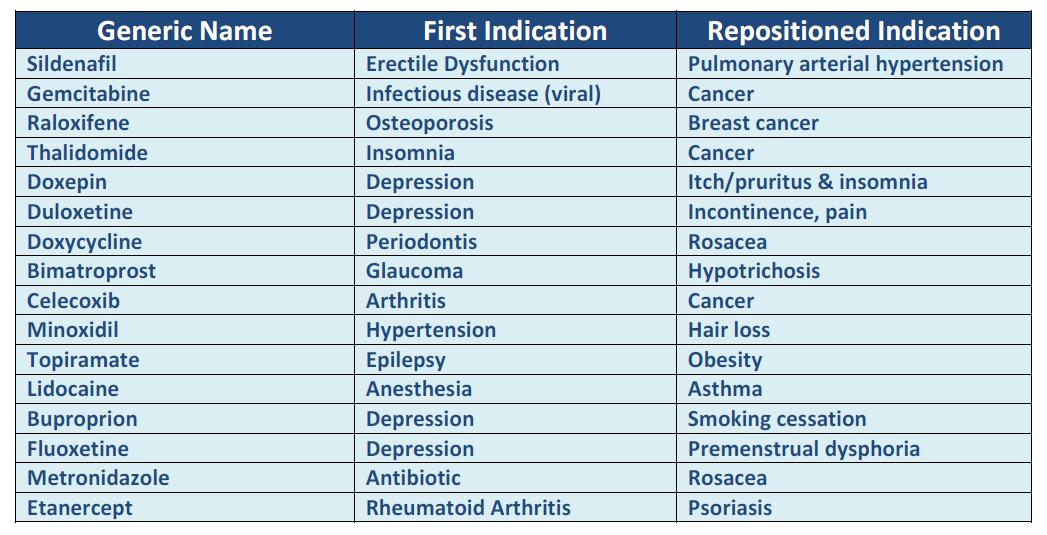
Viagra is used to treat erectile dysfunction (impotence) in men. Another brand of sildenafil is Revatio, which is used to treat pulmonary arterial hypertension and improve exercise capacity in men and women.
Mechanism of Action of Viagra
Viagra inhibits the cGMP-specific phosphodiesterase type 5 (PDE5) which is responsible for degradation of cGMP in the corpus cavernosum located around the penis. Penile erection during sexual stimulation is caused by increased penile blood flow resulting from the relaxation of penile arteries and corpus cavernosal smooth muscle. This response is mediated by the release of nitric oxide (NO) from nerve terminals and endothelial cells, which stimulates the synthesis of cGMP in smooth muscle cells. Cyclic GMP causes smooth muscle relaxation and increased blood flow into the corpus cavernosum. The inhibition of phosphodiesterase type 5 (PDE5) by sildenafil enhances erectile function by increasing the amount of cGMP.
Or
It has been extensively demonstrated that hydrogen sulfide (H2S) is implicated is several physiological and pathological conditions. In particular, it has been shown that H2S causes relaxation in human penile tissues and inhibits phosphodiesterase (PDE) activity in vessels. Beside sildenafil increases H2S generation in human bladder and tadalafil in myocardial tissues. Therefore, the aim of the study was to demonstrate the link between H2S and PDE-5 in mice corpus cavernosum tissues. The effects of sildenafil (10 uM, 0.5 hr); PDE-5 inhibitor, on H2S production as well as the H2S -induced relaxations in mice penile tissues /was investigated/. Penile tissues from CD1 mouse corpus cavernosum (MCC) were used. Functional studies were performed by myograph in Krebs solution. Western blot analysis was performed in order to evaluate CBS and CSE expression and methylene blue assay for measurement of H2S levels. In order to investigate functional significance of H2S on sildenafil-induced augmentation of endothelial relaxation in MCC the sildenafil effect was evaluated on acetylcholine (ACh), L-cysteine and NaHS-induced relaxations in presence or not of CSE enzyme inhibitor PPG (10 uM, 0.5 hr). In order to achieve this issue the H2S production in MCC tissues was also evaluated by incubating the penile tissue with sildenafil in presence or absence of the CSE inhibitor PPG (10 uM, 0.5 hr) Both CBS and CSE were expressed in MCC and the enzymes efficiently converted L-cysteine into H2S. Further it was shown that sildenafil caused a significant increase in H2S production and this augmentation was reversed by CSE inhibition. It was found that sildenafil induced an increase in both ACh and L-cysteine-induced relaxations and these augmentations reversed by CSE inhibitor PPG in MCC pre-contracted with phenylephrine . Beside sildenafil did not significantly increase the NaHS -induced relaxations. Therefore it was suggested that both gaseous transmitters NO and H2S affect sildenafil action. In particular results demonstrate that sildenafil effect is partially mediated by H2S pathway. Thus, H2S signaling may represent a new mechanism involved in the effect of sildenafil on erectile dysfunction.
Indications of Viagra
- For the treatment of erectile dysfunction and to relieve symptoms of pulmonary arterial hypertension .
- Erectile Dysfunction
- Sexual Dysfunction
- Pulmonary Hypertension
- Poor sexual desire
- Poor control over intercourse
- Sexual Dysfunction
- Persistent or recurrent ejaculation with minimal sexual stimulationbefore, on, or shortly after penetration and before the patient wishes; and
- Marked personal distress or interpersonal difficulty as a consequence of PE; and
- Poor control over ejaculation; and
- A history of premature ejaculation in the majority of intercourse attempts over the prior 6 months.
- Very short sexual intercourse
- Inability to sustain a satisfactory erection to complete intercourse
Therapeutic Indications [FDA Leveling]
- Replacement treatment in acute attacks of angioedema in patients with congenital
- Treatment of adult patients with pulmonary arterial hypertension classified as WHO functional class II and III, to improve exercise capacity.
- Efficacy has been shown in primary pulmonary hypertension and pulmonary hypertension associated with connective tissue disease.
- Treatment of paediatric patients aged 1 year to 17 years old with pulmonary arterial hypertension. Efficacy in terms of improvement of exercise capacity or pulmonary haemodynamics has been shown in primary pulmonary hypertension and pulmonary hypertension associated with congenital heart disease.
- Treatment of adult patients with pulmonary arterial hypertension classified as WHO functional class II and III, to improve exercise capacity. Efficacy has been shown in primary pulmonary hypertension and pulmonary hypertension associated with connective tissue disease.
- Treatment of paediatric patients aged 1 year to 17 years old with pulmonary arterial hypertension. Efficacy in terms of improvement of exercise capacity or pulmonary haemodynamics has been shown in primary pulmonary hypertension and pulmonary hypertension associated with congenital heart disease.
-
Phosphodiesterase 5 Inhibitors; Urological Agents; Vasodilator AgentsViagra is indicated for the treatment of erectile dysfunctionevatio is indicated for the treatment of pulmonary arterial hypertension in adults to improve exercise ability and delay clinical worseningThe role, if any, of sildenafil in the management of sexual dysfunction in women remains to be established. The U.S. Food and Drug Administration (FDA) is clarifying its previous recommendation related to prescribing Revatio (sildenafil) for children with pulmonary arterial hypertension (PAH).
Treatment of erictile dysfunction
- AdultsTreatment of adult patients with pulmonary arterial hypertension classified as WHO functional class II and III, to improve exercise capacity. Efficacy has been shown in primary pulmonary hypertension and pulmonary hypertension associated with connective tissue disease.Paediatric populationTreatment of paediatric patients aged 1 year to 17 years old with pulmonary arterial hypertension. Efficacy in terms of improvement of exercise capacity or pulmonary haemodynamics has been shown in primary pulmonary hypertension and pulmonary hypertension associated with congenital heart disease.
- Revatio solution for injection is for the treatment of adult patients (≥ 18 years) with pulmonary arterial hypertension who are currently prescribed oral Revatio and who are temporarily unable to take oral therapy, but are otherwise clinically and haemodynamically stable.
- Treatment of men with erectile dysfunction, which is the inability to achieve or maintain a penile erection sufficient for satisfactory sexual performance. In order for Sildenafil Actavis to be effective, sexual stimulation is required.
- Treatment of men with erectile dysfunction, which is the inability to achieve or maintain a penile erection sufficient for satisfactory sexual performance
- Treatment of men with erectile dysfunction, which is the inability to achieve or maintain a penile erection sufficient for satisfactory sexual performance.
- indicated in adult men with erectile dysfunction, which is the inability to achieve or maintain a penile erection sufficient for satisfactory sexual performance.In order for VIAGRA to be effective, sexual stimulation is required.
- Treatment of men with erectile dysfunction, which is the inability to achieve or maintain a penile erection sufficient for satisfactory sexual performance. In order for Vizarsin to be effective, sexual stimulation is required.
- Treatment of congenital diaphragmatic hernia
Contra Indications of Viagra
- Concomitant use of nitric oxide donors
- Organic nitrites and nitrates
- Nitroglycerin
- Isosorbide mononitrate
- Isosorbide dinitrate
- Sodium nitroprusside
- Alkyl nitrites (commonly known as “poppers”)
- Concomitant use of soluble guanylyl cyclase stimulators, such as riociguat
- Known hypersensitivity to sildenafil
Dosage of Viagra
Erectile Dysfunction
- The usual recommended dose is 25 to 100 mg 1 hour before sexual activity.
- The maximum dose is 100 mg daily.
- The elderly (over 65 years of age) should start at 25 mg before sexual activity.
- Sildenafil is rapidly absorbed. Maximum observed plasma concentrations are reached within 30 to 120 minutes (median 60 minutes) of oral dosing in the fasted state.
Erectile Dysfunction
- Initial dose: 25 mg orally once a day 1 hour prior to sexual activity
Pulmonary Hypertension
- Initial dose: 5 or 20 mg orally three times a day, 4 to 6 hours apart
- Maximum dose: 20 mg orally three times a day
Injection
- Initial dose: 2.5 or 10 mg IV bolus three times a day
Side Effects of Sildenafil
The most common
- Facial flushing (reddening),
- Headaches,
- Constipation
- Sleepiness or unusual drowsiness
- Clumsiness or unsteadiness
- Dizziness
- Drowsiness
- dry mouth
- False sense of well-being
- increased watering of mouth
- lightheadedness
- constipation;
- vision changes;
- breast swelling (in men or women); or
- decreased sex drive, impotence, or difficulty having an orgasm.
- blurred vision, tunnel vision, eye pain or swelling, or seeing halos around lights;
- restless muscle movements in your eyes, tongue, jaw, or neck;
Common
- Drowsiness and lightheadedness the day after taking the medicine.
- Confusion.
- Numbed emotions.
- Visual disturbances such as blurred vision or double vision.
- Shaky movements and unsteady walk (ataxia).
- Loss of memory (amnesia).
- Muscle weakness.
- Dizziness.
- Headache.
- Skin rashes.
- Disturbances of the gut such as diarrhoea, constipation, nausea, vomiting or abdominal pain.
- Difficulty in passing urine (urinary retention).
- Changes in sex drive.
- Low blood pressure (hypotension).
- Blood disorders.
- Jaundice.
- Unexpected aggression, restlessness or irritability (tell your doctor if you experience this).
- Nightmares or hallucinations (tell your doctor if you experience this).
Rare
- agitation
- anxiety
- behavioural changes, including aggressiveness, angry outbursts, bizarre behaviour, or decreased inhibitions
- confusion
- increased trouble sleeping
- memory problems
- muscle spasms
- shortness of breath
- signs of depression (e.g., poor concentration, changes in weight, changes in sleep, decreased interest in activities, thoughts of suicide)
- sleepwalking
Drug Interactions of Viagra
Sildenafil may interact with following drugs, supplyments, & may change the efficacy of drugs
- alpha agonists (e.g., clonidine, methyldopa)
- alpha-blockers (e.g., doxazosin, terazosin)
- angiotensin converting enzyme inhibitors (ACEIs; e.g., captopril, enalapril, ramipril)
- angiotensin receptor blockers (ARBs; e.g., candasartan, irbesartan, losartan)
- aripiprazole
- “azole” antifungals (e.g., itraconazole, ketoconazole, voriconazole)
- barbiturates (e.g., butalbital, pentobarbital, phenobarbital)
- beta-adrenergic blockers (e.g., atenolol, propranolol, sotalol)
- calcium channel blockers (e.g., amlodipine, diltiazem, nifedipine, verapamil)
- carbamazepine
- dexamethasone
- diuretics (water pills; e.g., furosemide, hydrochlorothiazide, )
- fusidic acid
- macrolide antibiotics (e.g., clarithromycin, erythromycin)
- methyldopa
- metronidazole
- phenytoin
- sertraline
- “statins” (e.g., lovastatin, simvastatin, atorvastatin)
- tocilizumab
- tyrosine kinase inhibitors (e.g., dasatinib, imatinib, nilotinib, sunitinib)
Important information

Some medicines can cause unwanted or dangerous effects when used with Viagra. Tell your doctor about all your current medicines, especially riociguat (Adempas).
Do not take Viagra if you are also using a nitrate drug for chest pain or heart problems, including nitroglycerin, isosorbide dinitrate, isosorbide mononitrate, and some recreational drugs such as “poppers”. Taking sildenafil with a nitrate medicine can cause a sudden and serious decrease in blood pressure.
Contact your doctor or seek emergency medical attention if your erection is painful or lasts longer than 4 hours. A prolonged erection (priapism) can damage the penis.
Stop using Viagra and get emergency medical help if you have sudden vision loss.
Before taking this medicine
You should not use Viagra if you are allergic to sildenafil, or:
- if you take other medicines to treat pulmonary arterial hypertension, such as riociguat (Adempas).
Do not take Viagra if you are also using a nitrate drug for chest pain or heart problems. This includes nitroglycerin, isosorbide dinitrate, and isosorbide mononitrate. Nitrates are also found in some recreational drugs such as amyl nitrate or nitrite (“poppers”). Taking Viagra with a nitrate medicine can cause a sudden and serious decrease in blood pressure.
To make sure Viagra is safe for you, tell your doctor about your other medical conditions, especially:
- heart disease or heart rhythm problems, coronary artery disease;
- a recent history (in the past 6 months) of a heart attack, stroke, or congestive heart failure;
- high or low blood pressure;
- liver or kidney disease;
- a blood cell disorder such as sickle cell anemia, multiple myeloma, or leukemia;
- a bleeding disorder such as hemophilia;
- a stomach ulcer;
- retinitis pigmentosa (an inherited condition of the eye);
- a physical deformity of the penis (such as Peyronie’s disease); or
- if you have been told you should not have sexual intercourse for health reasons.
Viagra can decrease blood flow to the optic nerve of the eye, causing sudden vision loss. This has occurred in a small number of people taking sildenafil, most of whom also had heart disease, diabetes, high blood pressure, high cholesterol, or certain pre-existing eye problems, and in those who smoked or were over 50 years old. It is not clear whether sildenafil is the actual cause of vision loss.
Viagra is not expected to harm an unborn baby. Tell your doctor if you are pregnant or plan to become pregnant.
It is not known whether sildenafil passes into breast milk or if it could harm a nursing baby. Tell your doctor if you are breast-feeding a baby.
Do not give Viagra to anyone under 18 years old without medical advice.
How should you take Viagra

Take Viagra exactly as it was prescribed for you. Follow all directions on your prescription label. Do not take this medicine in larger or smaller amounts or for longer than recommended.
Viagra is usually taken only when needed, 30 minutes to 1 hour before sexual activity. You may take it up to 4 hours before sexual activity. Do not take Viagra more than once per day.
Viagra can help you have an erection when sexual stimulation occurs. An erection will not occur just by taking a pill. Follow your doctor’s instructions.
During sexual activity, if you become dizzy or nauseated, or have pain, numbness, or tingling in your chest, arms, neck, or jaw, stop and call your doctor right away. You could be having a serious side effect of Viagra.
Store at room temperature away from moisture and heat.
What happens if I miss a dose?

Since Viagra is used as needed, you are not likely to miss a dose.
For Healthcare Professionals
Applies to sildenafil: intravenous solution, oral suspension, oral tablet
Cardiovascular
Very common (10% or more): Flushing (10%)
Uncommon (0.1% to 1%): Heart rate increased, palpitations, tachycardia, hypertension, hypotension
Rare (less than 0.1%): Myocardial infarction, atrial fibrillation, sudden cardiac death, ventricular arrhythmia, unstable angina
Frequency not reported: Ventricular arrhythmia, sudden cardiac death, angina pectoris, AV block, tachycardia, palpitation, hypotension, postural hypotension, myocardial ischemia, cerebral thrombosis, cardiac arrest, heart failure, abnormal electrocardiogram, cardiomyopathy, shock
Postmarketing reports: Serious cardiovascular, cerebrovascular, and vascular events, including myocardial infarction; sudden cardiac death; ventricular arrhythmia; cerebrovascular hemorrhage; transient ischemic attack; hypertension; subarachnoid, intracerebral, and pulmonary hemorrhage have been reported in temporal association with the use of this drug.
Gastrointestinal
Very common (10% or more): Dyspepsia (up to 17%), diarrhea
Common (1% to 10%): Nausea, vomiting, dry mouth, gastritis, gastroesophageal reflux disease, hemorrhoids, abdominal distension
Rare (less than 0.1%): Oral hypoesthesia
Frequency not reported: Glossitis, colitis, dysphagia, gastroenteritis, esophagitis, stomatitis, gingivitis
Musculoskeletal
Very common (10% or more): Pain in extremity
Common (1% to 10%): Back pain, myalgia
Frequency not reported: Arthritis, arthrosis, myalgia, tendon rupture, tenosynovitis, bone pain, myasthenia, synovitis
Nervous system
Very common (10% or more): Headache (up to 28%)
Common (1% to 10%): Dizziness, migraine, tremor, paresthesia, burning sensation
Uncommon (0.1% to 1%): Somnolence, hypoesthesia
Rare (less than 0.1%): Cerebrovascular accident, syncope
Frequency not reported: Transient ischemic attack, seizure, seizure recurrence, ataxia, hypertonia, neuralgia, neuropathy, paresthesia, somnolence, reflexes decreased
Postmarketing reports: Transient global amnesia
Ocular
Very common (10% or more): Abnormal vision (up to 11%)
Common (1% to 10%): Visual color distortion, retinal hemorrhage, visual impairment, vision blurred, photophobia, chromatopsia, cyanopsia, eye irritation, ocular hyperemia
Uncommon (0.1% to 1%): Conjunctival disorders, eye disorders, eye pain, lacrimation disorders, visual acuity reduced, diplopia, abnormal sensation in eye, photopsia, visual brightness, conjunctivitis
Rare (less than 0.1%): Retinal hemorrhage, arteriosclerotic retinopathy, retinal disorder, glaucoma, visual field defect, myopia, asthenopia, vitreous floaters, iris disorder, mydriasis, halo vision, eye edema, eye swelling, eyelid edema, scleral discoloration
Frequency not reported: Non-arteritic anterior ischemic optic neuropathy (NAION), retinal vascular occlusion, visual field defect, cataract.
This drug has lesser affinity for isoenzyme PDE6, an enzyme found in the retina. This lower selectivity is thought to be the basis for abnormalities related to color vision observed with higher doses or plasma levels.
Nonarteritic anterior ischemic optic neuropathy developed in one eye within minutes to hours after ingestion of sildenafil. Four of the five patients had no vascular risk factors for ischemic optic neuropathy.
-Abnormal Vision: Mild to moderate and transient, predominantly color tinge to vision, but also increased sensitivity to light, or blurred vision.
-Visual color distortions: Chloropsia, chromatopsia, cyanopsia, erythropsia and xanthopsia
-Lacrimation disorders: Dry eye, lacrimal disorder and lacrimation increased
Respiratory
Very common (10% or more): Pharyngitis (18%), rhinitis
Common (1% to 10%): Nasal congestion, epistaxis, cough
Uncommon (0.1% to 1%): Sinus congestion
Rare (less than 0.1%): Throat tightness, nasal edema, nasal dryness
Frequency not reported: Asthma, dyspnea, laryngitis, pharyngitis, sinusitis, bronchitis, sputum increased, cough increased
Dermatologic
Common (1% to 10%): Rash, alopecia, erythema, night sweats
Frequency not reported: Steven-Johnson syndrome (SJS), toxic epidermal necrolysis(TEN), urticaria, herpes simplex, pruritus, sweating, skin ulcer, contact dermatitis, exfoliative dermatitis
Hematologic
Common (1% to 10%): Anemia
Frequency not reported: Leukopenia
Postmarketing reports: In patients with pulmonary arterial hypertension (secondary to sickle cell disease) taking Revatio (R), vaso-occlusive crises requiring hospitalization were more commonly reported. The clinical relevance of this finding in male patients treated with sildenafil (the active ingredient contained in Viagra) for erectile dysfunction is unknown.
Metabolic
Common (1% to 10%): Fluid retention
Frequency not reported: Thirst, edema, gout, unstable diabetes, hyperglycemia, hyperuricemia, hypoglycemic reaction, hypernatremia
Other
Common (1% to 10%): Cellulitis, influenza, bronchitis, sinusitis, rhinitis, gastroenteritis, vertigo, pyrexia
Uncommon (0.1% to 1%): Tinnitus, chest pain, fatigue, gynecomastia
Rare (less than 0.1%): Deafness, irritability
Frequency not reported: Sudden hearing loss, edema, face edema, peripheral edema, pain, chills accidental fall, accidental injury
Psychiatric
Common (1% to 10%): Insomnia, anxiety
Frequency not reported: Abnormal dreams, depression.
Genitourinary
Uncommon (0.1% to 1%): Penile hemorrhage, hematospermia
Frequency not reported: Priapism, prolonged erection, increased erection, cystitis, nocturia, urinary frequency, urinary incontinence, abnormal ejaculation, genital edema, anorgasmia
Renal
Uncommon (0.1% to 1%): Hematuria
Hypersensitivity
Rare (less than 0.1%): Hypersensitivity reactions, including rash and urticaria
Hepatic
Frequency not reported: Liver function tests abnormal
What other drugs will affect Viagra?
Do not take Viagra with similar medications such as avanafil (Stendra), tadalafil (Cialis) or vardenafil (Levitra).
Tell your doctor about all your current medicines and any you start or stop using, especially:
- an antibiotic such as clarithromycin, erythromycin, or telithromycin;
- antifungal medicine such as ketoconazole or itraconazole;
- medicine to treat HIV/AIDS, such as atazanavir, indinavir, ritonavir, or saquinavir; or
- drugs to treat high blood pressure or a prostate disorder.
This list is not complete. Other drugs may interact with sildenafil, including prescription and over-the-counter medicines, vitamins, and herbal products. Not all possible interactions are listed in this medication guide.
Viagra Releted Drug that all are,t FDA approved
- Viagra
- Cialis
- Levitra
- Brand Viagra
- Brand Cialis
- Brand Levitra
- Sildalis
- Silvitra
- Dapoxetine
- Kamagra
- Kamagra Polo
- Kamagra Effervescent
- Kamagra Super
- Malegra FXT
- Malegra FXT Plus
- Malegra DXT
- Malegra DXT Plus
- Tadapox
- Extra Super Viagra
- Extra Super Cialis
- Extra Super Levitra
- Viagra Super Active
- Cialis Super Active
- Levitra Super Active
- Viagra Professional
- Cialis Professional
- Levitra Professional
- Viagra Extra Dosage
- Cialis Extra Dosage
- Levitra Extra Dosage
- Viagra Soft
- Cialis Soft
- Levitra Soft
- Avana
- Top Avana
- Super Avana
- Extra Super Avana
- Tadacip
- Nizagara
- Viagra Plus
- Red Viagra
- Levitra Plus
- Super Levitra
- Silagra
- Tadalis SX
- Viagra Jelly
- Cialis Jelly
- Levitra Jelly
- Zenegra
- Cialis Sublingual
- Viagra Vigour
- Viagra Sublingual
- Viagra Soft Flavored
- Suhagra
- Sildigra
- Apcalis SX
- Caverta
- Fildena
- Forzest
- Himcolin
- Cialis Black
- Aurogra
References
- https://www.ncbi.nlm.nih.gov/pubmed/12076989
- https://www.ncbi.nlm.nih.gov/sites/entrez?term=Viagra
- https://www.ncbi.nlm.nih.gov/pmc/articles/PMC2387281/
- https://www.ncbi.nlm.nih.gov/pubmed/12414333
- https://www.ncbi.nlm.nih.gov/pubmed/12207947
- https://www.ncbi.nlm.nih.gov/pubmed/11220982
- https://www.ncbi.nlm.nih.gov/pubmed/11220982