
Knee Arthroplasty – Types, Indications, Contraindications

Patient Tools

Read, save, and share this guide

Use these quick tools to make this medical article easier to read, print, save, or share with a family member.

Patient Mode

Understand this article easily

Switch between simple English and easy Bangla patient notes. This is for education and does not replace a doctor consultation.

Knee arthroplasty is a reconstruction of the knee joint. It is more commonly referred to as a total knee replacement and is a very reliable procedure with predictable results. Total knee arthroplasty (TKA) is an excellent treatment option for individuals with symptomatic osteoarthritis in at...

For severe symptoms, danger signs, pregnancy, child illness, or sudden worsening, seek urgent medical care.

বাংলা রোগী নোট এখনো যোগ করা হয়নি। পোস্ট এডিটরে “RX Bangla Patient Mode” বক্স থেকে সহজ বাংলা সারাংশ যোগ করুন।

এই তথ্য শিক্ষা ও সচেতনতার জন্য। এটি ডাক্তারি পরীক্ষা, রোগ নির্ণয় বা প্রেসক্রিপশনের বিকল্প নয়।

Article Summary

Knee arthroplasty is a reconstruction of the knee joint. It is more commonly referred to as a total knee replacement and is a very reliable procedure with predictable results. Total knee arthroplasty (TKA) is an excellent treatment option for individuals with symptomatic osteoarthritis in at least 2 of the 3 compartments of the knee and who have failed conservative treatment.[rx][rx] Additionally, partial knee arthroplasty (PKA) is...

Key Takeaways

  • This article explains Anatomy and Physiology of Knee Arthroplasty in simple medical language.
  • This article explains Indications of Knee Arthroplasty in simple medical language.
  • This article explains Contraindications of Knee Arthroplasty in simple medical language.
  • This article explains Equipment of Knee Arthroplasty in simple medical language.
Educational health guideWritten for patient understanding and clinical awareness.
Reviewed content workflowUse writer and reviewer profiles for stronger trust.
Emergency safety firstUrgent warning signs are highlighted below.

Seek urgent medical care if you notice

These warning signs are general safety guidance. Local emergency numbers and clinical judgment should always come first.

  • Severe symptoms, breathing difficulty, fainting, confusion, or rapidly worsening illness.
  • New weakness, severe pain, high fever, or symptoms after a serious injury.
  • Any symptom that feels urgent, unusual, or unsafe for the patient.
1

Emergency now

Use emergency care for severe, sudden, rapidly worsening, or life-threatening symptoms.

2

See a doctor

Book a professional medical evaluation if symptoms persist, worsen, recur often, affect daily activities, or occur in a high-risk patient.

3

Learn safely

Use this article to understand possible causes, tests, treatment options, prevention, and questions to ask your clinician.

Before reading

RX Patient Tools

Use these quick guides before reading the article, or return to them when you need help preparing questions for a doctor.

Start here Choose the right pathway for symptoms, reports, medicines, or urgent warning signs. Disease article roadmap Read this topic step by step: meaning, symptoms, warning signs, diagnosis, treatment, prevention, and follow-up. Treatment planner Prepare questions about treatment choices, benefits, risks, side effects, and follow-up. Family & caregiver guide Organize symptoms, reports, medicines, questions, and follow-up safely. Nutrition & diet guide Prepare food, hydration, supplement, and medicine-timing questions safely. Prevention guide Organize risk factors, protective habits, screening, and warning signs. Recovery guide Prepare a safe plan for activity, rehabilitation, warning signs, and follow-up.

Knee arthroplasty is a reconstruction of the knee joint. It is more commonly referred to as a total knee replacement and is a very reliable procedure with predictable results. Total knee arthroplasty (TKA) is an excellent treatment option for individuals with symptomatic pain and stiffness. সহজ বাংলা: বয়স/ক্ষয়ের কারণে জয়েন্টের ব্যথা।" data-rx-term="osteoarthritis" data-rx-definition="Osteoarthritis is wear-and-tear joint disease causing pain and stiffness. সহজ বাংলা: বয়স/ক্ষয়ের কারণে জয়েন্টের ব্যথা।">osteoarthritis in at least 2 of the 3 compartments of the knee and who have failed conservative treatment. Additionally, partial knee arthroplasty (PKA) is an excellent treatment option for individuals with symptomatic pain and stiffness. সহজ বাংলা: বয়স/ক্ষয়ের কারণে জয়েন্টের ব্যথা।" data-rx-term="osteoarthritis" data-rx-definition="Osteoarthritis is wear-and-tear joint disease causing pain and stiffness. সহজ বাংলা: বয়স/ক্ষয়ের কারণে জয়েন্টের ব্যথা।">osteoarthritis localized to 1 compartment of the knee and who have failed conservative treatment. The primary goal of either surgery is durable pain relief with the improvement of functional status.
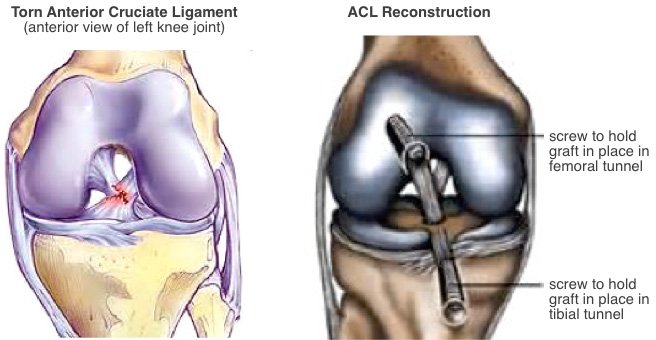
Knee Arthroplasty - Types, Indications, Contraindications

Anatomy and Physiology of Knee Arthroplasty

The knee is a synovial hinge joint with minimal rotational motion. It is comprised of the distal femur, proximal tibia, and the patella. There are 3 separate articulations and compartments: medial femorotibial, lateral femorotibial, and patellofemoral. The stability of the knee joint is provided by the congruity of the joint as well as by the collateral ligaments. The capsule surrounds the entire joint and extends proximally into the suprapatellar pouch. Articular cartilage covers the femoral condyles, tibial plateaus, trochlear groove, and patellar facets. Menisci are interposed in the medial and lateral compartments between the femur and tibia which act to protect the articular cartilage and support the knee.

The mechanical axis of the femur, defined by a line drawn from the center of the femoral head to the center of the knee, is 3 degrees valgus to the vertical axis. The anatomic axis of the femur, defined by a line bisecting the femoral shaft, is 6 degrees valgus to the mechanical axis of the femur and 9 degrees valgus to the vertical axis. The proximal tibia is oriented to 3 degrees of varus. The varus position of the proximal tibia, along with the offset of the hip center of rotation, results in the weight-bearing surface of the tibia is parallel to the ground. The sagittal alignment of the proximal tibia is sloped posteriorly approximately 5 to 7 degrees. The asymmetry of the natural bony anatomy maintains the alignment of the joint and ligamentous tension.

Indications of Knee Arthroplasty

TKA is a well-described treatment option for patients suffering from knee pain secondary to stiffness. সহজ বাংলা: বয়স/ক্ষয়ের কারণে জয়েন্টের ব্যথা।" data-rx-term="osteoarthritis" data-rx-definition="Osteoarthritis is wear-and-tear joint disease causing pain and stiffness. সহজ বাংলা: বয়স/ক্ষয়ের কারণে জয়েন্টের ব্যথা।">osteoarthritis who have failed conservative treatment measures. It is a reliable procedure that provides pain relief and improves the patient’s functional status. Furthermore, the need for correction of a significant or progressive deformity at the knee with evidence of pain and stiffness. সহজ বাংলা: বয়স/ক্ষয়ের কারণে জয়েন্টের ব্যথা।" data-rx-term="osteoarthritis" data-rx-definition="Osteoarthritis is wear-and-tear joint disease causing pain and stiffness. সহজ বাংলা: বয়স/ক্ষয়ের কারণে জয়েন্টের ব্যথা।">osteoarthritis can also be an indication for a TKA. A patient with persistent knee pain without radiographic evidence of knee osteoarthritis should have further workup to exclude other possible sources of their pain.

Clinical symptoms of pain and stiffness. সহজ বাংলা: বয়স/ক্ষয়ের কারণে জয়েন্টের ব্যথা।" data-rx-term="osteoarthritis" data-rx-definition="Osteoarthritis is wear-and-tear joint disease causing pain and stiffness. সহজ বাংলা: বয়স/ক্ষয়ের কারণে জয়েন্টের ব্যথা।">osteoarthritis include

  • Knee pain
  • Pain with activity and improving with rest
  • The pain gradually worsens over time
  • Decreased ambulatory capacity

Clinical evaluation includes

  • Full knee exam including a range of motion and ligamentous testing
  • Knee radiographs include standing anteroposterior, lateral, 45-degree posteroanterior, and skyline view of the patella

Radiographic evidence of pain and stiffness. সহজ বাংলা: বয়স/ক্ষয়ের কারণে জয়েন্টের ব্যথা।" data-rx-term="osteoarthritis" data-rx-definition="Osteoarthritis is wear-and-tear joint disease causing pain and stiffness. সহজ বাংলা: বয়স/ক্ষয়ের কারণে জয়েন্টের ব্যথা।">osteoarthritis include:

  • Joint space narrowing
  • Subchondral sclerosis
  • Subchondral cysts
  • Osteophyte formation

Conservative treatment includes

  • Non-steroidal infection, or irritation, often causing pain, swelling, heat, or redness. সহজ বাংলা: শরীরের প্রদাহ; ব্যথা, ফোলা বা লালভাব হতে পারে।" data-rx-term="inflammation" data-rx-definition="Inflammation is the body’s response to injury, infection, or irritation, often causing pain, swelling, heat, or redness. সহজ বাংলা: শরীরের প্রদাহ; ব্যথা, ফোলা বা লালভাব হতে পারে।">inflammation, pain, or swelling. সহজ বাংলা: প্রদাহ/ফোলা/ব্যথা কমায়।" data-rx-term="anti-inflammatory" data-rx-definition="Anti-inflammatory means reducing inflammation, pain, or swelling. সহজ বাংলা: প্রদাহ/ফোলা/ব্যথা কমায়।">anti-inflammatory medication
  • Activity modification
  • Bracing
  • Physical therapy
  • Viscosupplementation
  • Intra-articular steroid injection

Contraindications of Knee Arthroplasty

Absolute

  • Active or latent (less than 1 year) knee sepsis
  • Presence of active infection elsewhere in the body
  • Extensor mechanism dysfunction
  • Medically unstable patient

Relative

  • Neuropathic joint
  • Poor overlying skin condition
  • Morbid obesity
  • Noncompliance due to major psychiatric disorder, alcohol, or drug abuse
  • Insufficient bone stock for reconstruction
  • Poor patient motivation or unrealistic expectation
  • Severe peripheral vascular disease

Equipment of Knee Arthroplasty

A TKA system will consist of instrumentation that helps the surgeon prepare the ends of the femur, tibia, and patella to receive an implant.  The instrumentation will be specific to the brand and type of implant being used with each company and model having specific intricacies.

In general, the instrumentation will consist of:

  • Intramedullary femoral guide to help establish the distal femoral alignment
  • The distal femoral cutting guide
  • Femoral sizing guide
  • The 4-in-1 femoral cutting guide
  • The extramedullary or intramedullary tibial guide
  • The proximal tibial cutting guide
  • Patella sizing guide
  • Femoral component trial
  • Tibial baseplate trial
  • Patellar button trial
  • Trial plastic bearing

The final implants will come in individual sterile packages and will consist of:

  • Femoral component, typically made of cobalt-chrome
  • Tibial component, typically made of cobalt-chrome or titanium
  • Tibial polyethylene bearing, made of an ultra high molecular weight (UHMW) polyethylene
  • Patellar button, made of UHMW polyethylene

Personnel

  • Anesthesia team
  • Operating room nurse
  • Surgical technician
  • Surgical assistant

Preparation

  • Full medical and drug history before surgery
  • Appropriate pre-surgical workup, clearance, and optimization
  • Pre-operative radiographs of the affected knee
  • Pre-operative templating of the affected knee to estimate the component size
  • Primary TKA system of choice
  • Have various final implant sizes ready and available in the hospital
  • Have increasing prosthesis constraint options ready and available in the hospital
  • Have revision total knee replacement system of choice ready and available if needed
  • +/- bacterial infections. সহজ বাংলা: ব্যাকটেরিয়ার সংক্রমণের ওষুধ।" data-rx-term="antibiotic" data-rx-definition="An antibiotic is a medicine used to treat bacterial infections. সহজ বাংলা: ব্যাকটেরিয়ার সংক্রমণের ওষুধ।">antibiotic cement, surgeon preference

The Technique of Knee Arthroplasty

The goal of TKA is the same regardless of surgeon, implant, or technique. The variability in the procedure lies in the technique.  Some of the variations in operative technique for TKA are listed below.

  • General anesthesia versus regional anesthesia
  • Tourniquet versus tourniquet-less surgery
  • Standard versus patient-specific instrumentation
  • Standard versus patient-specific implants
  • Traditional versus robotic-assisted TKA
  • Traditional versus navigation-assisted TKA
  • Traditional versus sensor-assisted TKA
  • Measured resection versus gap balancing
  • Cruciate-retaining implant versus cruciate stabilized the implant
  • Resurfaced versus non-resurfaced patella
  • Cement versus cement-less (press fit) TKA

Complications of Knee Arthroplasty

Potential complications include:

  • Infection, superficial and deep
  • Blood clot
  • Pulmonary embolism
  • Dislocation
  • Instability
  • Osteolysis resulting in component loosening
  • Vascular injury
  • Nerve injury

References

Doctor visit helper

Prepare before seeing a doctor

A simple rural-patient checklist to help you explain symptoms clearly, ask better questions, and avoid unsafe self-treatment.

Safety note: This is not a prescription or diagnosis. For severe symptoms, pregnancy danger signs, children with serious illness, chest pain, breathing difficulty, stroke-like weakness, or major injury, seek urgent care.

Which doctor may help?

Orthopedic doctor, rheumatologist, or physiotherapist depending on cause.

What to tell the doctor

  • Write which joints hurt, swelling, morning stiffness duration, fever, injury, and walking difficulty.
  • Bring X-ray, uric acid, ESR/CRP, rheumatoid factor, or previous reports if available.

Questions to ask

  • Is this injury, osteoarthritis, rheumatoid arthritis, gout, infection, or another cause?
  • Which exercises, supports, or lifestyle changes are safe?
  • Do I need blood tests or X-ray?

Tests to discuss

  • Joint examination and range of motion
  • X-ray when chronic arthritis or injury is suspected
  • ESR/CRP, uric acid, rheumatoid tests when inflammatory arthritis is suspected

Avoid these mistakes

  • Do not ignore hot swollen joint with fever.
  • Avoid repeated steroid injections/tablets without a clear diagnosis and follow-up.

Medicine safety and first-aid guide

This section is for patient education only. It does not replace a doctor, pharmacist, or emergency care.

Safe first steps

  • Rest, drink safe water, and observe symptoms carefully.
  • Keep a written note of symptoms, duration, temperature, medicines already taken, and allergy history.
  • Seek medical care quickly if symptoms are severe, worsening, or unusual for the patient.

OTC medicine safety

  • For mild pain or fever, ask a registered pharmacist or doctor before using common over-the-counter pain/fever medicines.
  • Do not combine multiple pain medicines without advice, especially if you have kidney disease, liver disease, stomach ulcer, asthma, pregnancy, or take blood thinners.
  • Do not give adult medicines to children unless a qualified clinician advises it.

Avoid these mistakes

  • Do not start antibiotics without a proper medical decision.
  • Do not use steroid tablets or injections casually for quick relief.
  • Do not delay emergency care because of home remedies.

Get urgent help if

  • Severe symptoms, confusion, fainting, breathing difficulty, chest pain, severe dehydration, or sudden weakness need urgent medical care.
Medicine names, dose, and timing must be decided by a qualified clinician or pharmacist after checking age, pregnancy, allergy, other diseases, and current medicines.

For rural patients and family caregivers

Patient health record and symptom diary

Write your symptoms, medicines already taken, test results, and questions before visiting a doctor. This note stays on your device unless you print or copy it.

Doctor to discuss: Doctor / qualified healthcare provider
Tests to discuss with doctor
  • Basic vital signs: temperature, pulse, blood pressure, oxygen level if needed
  • Relevant blood, urine, imaging, or specialist tests only after clinical assessment
Questions to ask
  • What is the most likely cause of my symptoms?
  • Which warning signs mean I should go to emergency care?
  • Which tests are really needed now?
  • Which medicines are safe for my age, pregnancy status, allergy, kidney/liver/stomach condition, and current medicines?

Emergency warning signs such as chest pain, severe breathing difficulty, sudden weakness, confusion, severe dehydration, major injury, or loss of bladder/bowel control need urgent medical care. Do not wait for online information.

Safe pathway to proper treatment

Care roadmap for: Knee Arthroplasty – Types, Indications, Contraindications

Use this simple roadmap to understand the next safe steps. It is educational and does not replace examination by a doctor.

Go to emergency care if you notice:
  • Severe or rapidly worsening symptoms
  • Breathing difficulty, chest pain, fainting, confusion, severe weakness, major injury, or severe dehydration
Doctor / service to discuss: Qualified healthcare provider; specialist depends on symptoms and examination.
  1. Step 1

    Check danger signs first

    If danger signs are present, seek emergency care and do not wait for online information.

  2. Step 2

    Record the symptom story

    Write when symptoms started, severity, medicines already taken, allergies, pregnancy status, and test results.

  3. Step 3

    Visit a qualified clinician

    A doctor, nurse, or qualified healthcare provider can examine you and decide which tests or treatment are needed.

  4. Step 4

    Do only useful tests

    Do tests after clinical assessment. Avoid unnecessary tests, random antibiotics, or repeated medicines without diagnosis.

  5. Step 5

    Follow up and return early if worse

    If symptoms worsen, new warning signs appear, or treatment is not helping, return for review quickly.

Rural patient practical tips
  • Take a written symptom diary and all previous prescriptions/test reports.
  • Do not hide medicines already taken, even herbal or over-the-counter medicines.
  • Ask which warning signs mean urgent referral to hospital.

This roadmap is for education. A real diagnosis and treatment plan requires history, examination, and clinical judgment.

RX Patient Help

Ask a health question safely

Write your symptom story. A health professional or site editor can review it before any answer is prepared. This box is not for emergency care.

Emergency first: Severe chest pain, breathing trouble, unconsciousness, stroke signs, severe injury, heavy bleeding, or rapidly worsening symptoms need urgent local medical care now.

Frequently Asked Questions

Is this article a replacement for a doctor?

No. It is educational content only. Patients should consult a qualified clinician for diagnosis and treatment.

When should I seek urgent care?

Seek urgent care for severe symptoms, rapidly worsening condition, breathing difficulty, severe pain, neurological changes, or any emergency warning sign.

References

Add references, clinical guidelines, textbooks, journal articles, or trusted medical sources here. You can edit this area from the RX Article Professional Blocks panel.
