
Insulin; Super foods Thats Boost Insulin Response

Patient Tools

Read, save, and share this guide

Use these quick tools to make this medical article easier to read, print, save, or share with a family member.

Patient Mode

Understand this article easily

Switch between simple English and easy Bangla patient notes. This is for education and does not replace a doctor consultation.

Insulin is a peptide hormone produced by beta cells of the pancreatic islets; it is considered to be the main anabolic hormone of the body. It regulates the metabolism of carbohydrates, fats and protein by promoting the absorption of, especially glucose from the blood into liver, fat and skeletal muscle cells. In these tissues the absorbed glucose is converted into either glycogen via glycogenesis or fats (triglycerides) via lipogenesis, or, in the case of the liver,...

For severe symptoms, danger signs, pregnancy, child illness, or sudden worsening, seek urgent medical care.

বাংলা রোগী নোট এখনো যোগ করা হয়নি। পোস্ট এডিটরে “RX Bangla Patient Mode” বক্স থেকে সহজ বাংলা সারাংশ যোগ করুন।

এই তথ্য শিক্ষা ও সচেতনতার জন্য। এটি ডাক্তারি পরীক্ষা, রোগ নির্ণয় বা প্রেসক্রিপশনের বিকল্প নয়।

Article Summary

Insulin is a peptide hormone produced by beta cells of the pancreatic islets; it is considered to be the main anabolic hormone of the body. It regulates the metabolism of carbohydrates, fats and protein by promoting the absorption of, especially glucose from the blood into liver, fat and skeletal muscle cells. In these tissues the absorbed glucose is converted into either glycogen via glycogenesis or fats (triglycerides) via lipogenesis, or, in the case of the liver, into both. Glucose production and secretion by the liver is strongly inhibited by high concentrations of insulin in the blood. Circulating insulin also affects...

Key Takeaways

  • This article explains Boosting your body's ability to respond to insulin is your secret weapon for a flatter stomach (and better health). in simple medical language.
  • This article explains References in simple medical language.
Educational health guideWritten for patient understanding and clinical awareness.
Reviewed content workflowUse writer and reviewer profiles for stronger trust.
Emergency safety firstUrgent warning signs are highlighted below.

Seek urgent medical care if you notice

These warning signs are general safety guidance. Local emergency numbers and clinical judgment should always come first.

  • Severe symptoms, breathing difficulty, fainting, confusion, or rapidly worsening illness.
  • New weakness, severe pain, high fever, or symptoms after a serious injury.
  • Any symptom that feels urgent, unusual, or unsafe for the patient.
1

Emergency now

Use emergency care for severe, sudden, rapidly worsening, or life-threatening symptoms.

2

See a doctor

Book a professional medical evaluation if symptoms persist, worsen, recur often, affect daily activities, or occur in a high-risk patient.

3

Learn safely

Use this article to understand possible causes, tests, treatment options, prevention, and questions to ask your clinician.

Before reading

RX Patient Tools

Use these quick guides before reading the article, or return to them when you need help preparing questions for a doctor.

Start here Choose the right pathway for symptoms, reports, medicines, or urgent warning signs. Disease article roadmap Read this topic step by step: meaning, symptoms, warning signs, diagnosis, treatment, prevention, and follow-up. Treatment planner Prepare questions about treatment choices, benefits, risks, side effects, and follow-up. Family & caregiver guide Organize symptoms, reports, medicines, questions, and follow-up safely. Nutrition & diet guide Prepare food, hydration, supplement, and medicine-timing questions safely. Prevention guide Organize risk factors, protective habits, screening, and warning signs. Recovery guide Prepare a safe plan for activity, rehabilitation, warning signs, and follow-up.
Definition

Insulin is a peptide hormone produced by beta cells of the pancreatic islets; it is considered to be the main anabolic hormone of the body. It regulates the metabolism of carbohydrates, fats and protein by promoting the absorption of, especially glucose from the blood into liver, fat and skeletal muscle cells. In these tissues the absorbed glucose is converted into either glycogen via glycogenesis or fats (triglycerides) via lipogenesis, or, in the case of the liver, into both. Glucose production and secretion by the liver is strongly inhibited by high concentrations of insulin in the blood. Circulating insulin also affects the synthesis of proteins in a wide variety of tissues. It is therefore an anabolic hormone, promoting the conversion of small molecules in the blood into large molecules inside the cells. Low insulin levels in the blood have the opposite effect by promoting widespread catabolism, especially of reserve body fat.

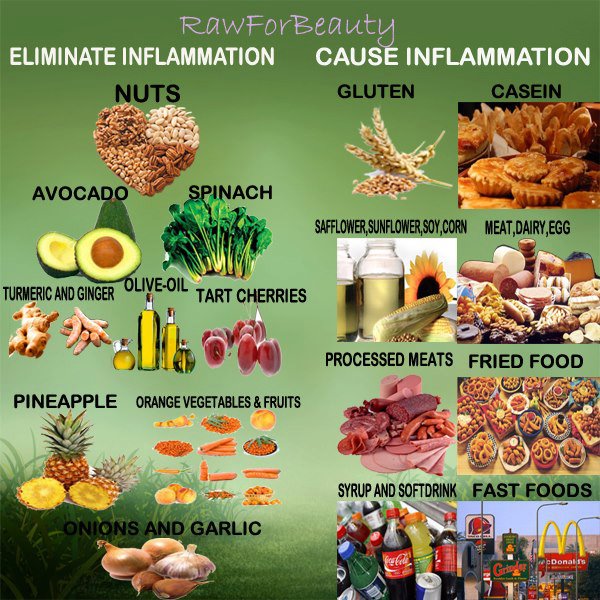
12 Superfoods Thats Boost Insulin Response
Insulin; Super foods Thats Boost Insulin Response
Rx

Boosting your body’s ability to respond to insulin is your secret weapon for a flatter stomach (and better health).

Insulin: Unless you’re a diabetic, it’s probably one of those health terms you’re familiar with but can’t really define. However, if you’re overweight, that needs to change. Even if you’re not one of the 26 million Americans living with type 2 diabetes, insulin issues may still be hindering your health and contributing excess belly fat.When you eat a meal, your body breaks the carbohydrates down into a sugar called glucose, and insulin is the hormone responsible for ushering that glucose into your cells so it can be used for energy. However, lifestyle factors including a diet high in processed carbs and sugary drinks can cause your body to stop responding to insulin effectively, preventing glucose from entering your cells and prompting your pancreas to pump out extra insulin to compensate. The result: excess insulin and sugar in your blood stream that leads to weight gain, especially around your middle. “If your problem area is your love handles, then you likely have high insulin levels,” says Natasha Turner, ND, hormone expert  “Too much insulin encourages your body to store unused glucose as fat, and it also prevents your body from using stored fat for energy.”The good news: Research shows that nixing processed foods and staying active can bring your insulin and blood sugar to healthy levels, and help you drop pounds for good. Even better? Certain foods may give you an extra fat-blasting boost by restoring your body’s sensitivity to insulin. Here are 12 to add to your diet, as adapted from

1. Blueberries

In a groundbreaking study published in the Journal of Nutrition in 2010, researchers discovered that obese, insulin-resistant participants who consumed a blueberry smoothie every day for 6 weeks experienced a 22-percent improvement in insulin sensitivity, compared to only 4.9 percent in the placebo group. Plus, blueberries are low in sugar, high in belly-filling fiber, and packed with anti-aging antioxidants that benefit skin, cognitive function, and heart health.

Slimming Suggestion: The next time you’re in need of a quick breakfast, give this blueberry-orange smoothie recipe a try.

2. Whey protein

Protein is essential for maintaining healthy body composition, blood sugar balance, and muscle growth. Whey protein in particular may also help reduce your food intake: A University of Toronto study found that eating whey protein before a meal provided satiety signals that prevented a group of healthy young adults from overeating.

3. Avocados

High in monounsaturated fats, avocados got an undue bad rap during the recent low-fat era. Yet studies show that people sustain their nutrition program longer and see greater weight loss on a higher-fat diet that’s composed of about 30 percent heart-healthy fats (such as those found in avocados), compared to a low-fat diet. The reason: Fats can help to slow the release of sugars into the bloodstream, which leads to less insulin release. Avocados also contain a unique weight-loss friendly carbohydrate called mannoheptulose that research links to lower insulin secretions.

4. Chia seeds

On a per-gram basis, chia seed is touted to be the highest source of omega-3s in nature, with 65 percent of its total fat from omega-3 fatty acids. The ancient gluten-free grain is also a substantial source of fiber, magnesium, potassium, folic acid, iron, and calcium. Research shows that chia stabilizes blood sugar, manages the effects of insulin is low or not working well. সহজ বাংলা: রক্তে চিনি বেশি থাকার রোগ।" data-rx-term="diabetes" data-rx-definition="Diabetes is a condition where blood sugar stays too high because insulin is low or not working well. সহজ বাংলা: রক্তে চিনি বেশি থাকার রোগ।">diabetes, improves insulin sensitivity, and aids symptoms related to metabolic syndrome, including imbalances in cholesterol, blood pressure, and high blood sugar after meals

5. Flaxseed

A must-have in your smoothie-making arsenal, flaxseed is a nutrient powerhouse rich in thiamin, magnesium, copper, phosphorus, and manganese. Its high fiber content also helps lower blood sugar, improve cholesterol levels, and aid weight loss. What’s more, adding 2 to 3 tablespoons of flaxseed to your smoothies, oatmeal, salads, or cereals can also reduce your cancer risk and provide you with a healthy hit of “good fats.” The oils in flaxseed can go rancid quickly, though, so be sure to purchase ground flaxseed in a vacuum-sealed package and store it in the freezer. Or better yet, grind your own daily.

6. Spices

Your favorite spice mix not only boosts the flavor of your meals, but may also shrink your stomach. Research published in the Journal of Medicinal Food found that a food-seasoning spice mixture significantly reduced blood sugar and insulin levels and improved blood-cholesterol balance in rats. And another study in the Research Journal of Pharmaceutical, Biological and Chemical Sciences found that fenugreek seeds, garlic, onion, and turmeric can lower blood sugar and reduce insulin..

7. Olive oil

Monounsaturated fats like olive oil and avocados encourage the release of the appetite-suppressing hormone leptin, and olive oil in particular has been shown to improve insulin sensitivity. In a 2007 study published in the journal insulin is low or not working well. সহজ বাংলা: রক্তে চিনি বেশি থাকার রোগ।" data-rx-term="diabetes" data-rx-definition="Diabetes is a condition where blood sugar stays too high because insulin is low or not working well. সহজ বাংলা: রক্তে চিনি বেশি থাকার রোগ।">Diabetes Care, 11 subjects with insulin resistance and excess abdominal fat tried three different diets for 28 days each: a diet high in saturated fat, a high-carb diet, and a diet rich in monounsaturated fats, including olive oil. Of the three diets, the one rich in olive oil had the best outcome, preventing not only belly-fat accumulation, but also insulin resistance.

8. Cinnamon

Just a pinch of ceylon cinnamon on top of your yogurt can go a long way toward balancing insulin levels. A study published in the journal insulin is low or not working well. সহজ বাংলা: রক্তে চিনি বেশি থাকার রোগ।" data-rx-term="diabetes" data-rx-definition="Diabetes is a condition where blood sugar stays too high because insulin is low or not working well. সহজ বাংলা: রক্তে চিনি বেশি থাকার রোগ।">Diabetes Care showed that cinnamon can cause muscle and liver cells to respond more readily to insulin, thereby improving weight loss. Just 1/2 teaspoon a day for 20 days is enough to improve your insulin response and lower blood sugar by up to 20 percent.

9. Eggs

It turns out that our grandparents had it right–eggs for breakfast, regardless of how you prepare them, improve appetite control and boost energy levels. In a 2008 study published in the International Journal of Obesity, overweight and obese subjects given two eggs a day for breakfast lost 65 percent more weight than those eating a similar breakfast without eggs. The researchers concluded that eating eggs might control hunger by reducing the post-meal insulin response and control appetite by preventing large fluctuations in both blood sugar and insulin levels.

10. Cherries

Cherries are a wonder food, and not just because they taste great and can satisfy your urge for something sweet with just a few calories. Scientists have identified a group of naturally occurring chemicals called anthocyanins–abundant in cherries and other red fruits–that may help to lower blood sugar levels. In early studies published in the American Chemical Society’s Journal of Agricultural and Food Chemistry, anthocyanins were found to reduce insulin production by 50 percent. Anthocyanins are also potent antioxidants, which may protect against heart disease and cancer.

11. Vinegar

Your salad dressing may play a role in lowering post-meal glucose levels. According to a study in the European Journal of Clinical Nutrition, vinegar can blunt blood sugar and insulin increases, and increase the sensation of fullness after a high-carb meal. The researchers found that the acetic acid that gives vinegar its tart taste improves post-meal insulin sensitivity, even in those who are currently insulin resistant. Just watch out for balsamic vinegar, which contains more sugar than other varieties.

12. Nuts and nut butters

Nuts are a great source of healthy fats, like monounsaturated and polyunsaturated fats, which reduce insulin resistance and improve cholesterol levels. They’re also rich in plant protein and dietary fiber, two macronutrients that help keep you full and curb cravings. Another reason to go, well, nuts: Researchers from the Harvard School of Public Health discovered that women who consumed nuts or peanut butter five times a week or more lowered their risk for type 2 diabetes by nearly 30 percent compared to those who rarely or never ate nuts or peanut butter.

References

Insulin; Super foods Thats Boost Insulin Response

Doctor visit helper

Prepare before seeing a doctor

A simple rural-patient checklist to help you explain symptoms clearly, ask better questions, and avoid unsafe self-treatment.

Safety note: This is not a prescription or diagnosis. For severe symptoms, pregnancy danger signs, children with serious illness, chest pain, breathing difficulty, stroke-like weakness, or major injury, seek urgent care.

Which doctor may help?

Start with a registered doctor or the nearest qualified health center.

What to tell the doctor

  • Write when the problem started and how it changed.
  • Bring old prescriptions, investigation reports, and current medicines.
  • Write allergies, pregnancy status, diabetes, kidney/liver disease, and major past illnesses.
  • Bring one family member if the patient is weak, elderly, confused, or a child.

Questions to ask

  • What is the most likely cause of my symptoms?
  • Which danger signs mean I should go to hospital quickly?
  • Which tests are necessary now, and which can wait?
  • How should I take medicines safely and what side effects should I watch for?
  • When should I come for follow-up?

Tests to discuss

  • Vital signs: temperature, pulse, blood pressure, oxygen saturation
  • Basic physical examination by a clinician
  • CBC, urine test, blood sugar, or imaging only when clinically needed

Avoid these mistakes

  • Do not use antibiotics, steroid tablets/injections, or strong painkillers without proper medical advice.
  • Do not hide pregnancy, kidney disease, ulcer, allergy, or blood thinner use.
  • Do not delay emergency care when danger signs are present.

Medicine safety and first-aid guide

This section is for patient education only. It does not replace a doctor, pharmacist, or emergency care.

Safe first steps

  • Avoid heavy lifting, sudden bending, and prolonged bed rest.
  • Use comfortable posture and gentle movement as tolerated.
  • Discuss physiotherapy, X-ray, or MRI only when clinically needed.

OTC medicine safety

  • For mild back pain, pain-relief medicine may be discussed with a doctor or pharmacist.
  • Avoid repeated painkiller use if you have kidney disease, stomach ulcer, uncontrolled blood pressure, or are taking blood thinners.

Avoid these mistakes

  • Do not start antibiotics without a proper medical decision.
  • Do not use steroid tablets or injections casually for quick relief.
  • Do not delay emergency care because of home remedies.

Get urgent help if

  • Back pain with leg weakness, numbness around private area, loss of urine/stool control, fever, cancer history, or major injury needs urgent care.
Medicine names, dose, and timing must be decided by a qualified clinician or pharmacist after checking age, pregnancy, allergy, other diseases, and current medicines.

For rural patients and family caregivers

Patient health record and symptom diary

Write your symptoms, medicines already taken, test results, and questions before visiting a doctor. This note stays on your device unless you print or copy it.

Doctor to discuss: Doctor / qualified healthcare provider
Tests to discuss with doctor
  • Basic vital signs: temperature, pulse, blood pressure, oxygen level if needed
  • Relevant blood, urine, imaging, or specialist tests only after clinical assessment
Questions to ask
  • What is the most likely cause of my symptoms?
  • Which warning signs mean I should go to emergency care?
  • Which tests are really needed now?
  • Which medicines are safe for my age, pregnancy status, allergy, kidney/liver/stomach condition, and current medicines?

Emergency warning signs such as chest pain, severe breathing difficulty, sudden weakness, confusion, severe dehydration, major injury, or loss of bladder/bowel control need urgent medical care. Do not wait for online information.

Safe pathway to proper treatment

Care roadmap for: Insulin; Super foods Thats Boost Insulin Response

Use this simple roadmap to understand the next safe steps. It is educational and does not replace examination by a doctor.

Go to emergency care if you notice:
  • Severe or rapidly worsening symptoms
  • Breathing difficulty, chest pain, fainting, confusion, severe weakness, major injury, or severe dehydration
Doctor / service to discuss: Qualified healthcare provider; specialist depends on symptoms and examination.
  1. Step 1

    Check danger signs first

    If danger signs are present, seek emergency care and do not wait for online information.

  2. Step 2

    Record the symptom story

    Write when symptoms started, severity, medicines already taken, allergies, pregnancy status, and test results.

  3. Step 3

    Visit a qualified clinician

    A doctor, nurse, or qualified healthcare provider can examine you and decide which tests or treatment are needed.

  4. Step 4

    Do only useful tests

    Do tests after clinical assessment. Avoid unnecessary tests, random antibiotics, or repeated medicines without diagnosis.

  5. Step 5

    Follow up and return early if worse

    If symptoms worsen, new warning signs appear, or treatment is not helping, return for review quickly.

Rural patient practical tips
  • Take a written symptom diary and all previous prescriptions/test reports.
  • Do not hide medicines already taken, even herbal or over-the-counter medicines.
  • Ask which warning signs mean urgent referral to hospital.

This roadmap is for education. A real diagnosis and treatment plan requires history, examination, and clinical judgment.

RX Patient Help

Ask a health question safely

Write your symptom story. A health professional or site editor can review it before any answer is prepared. This box is not for emergency care.

Emergency first: Severe chest pain, breathing trouble, unconsciousness, stroke signs, severe injury, heavy bleeding, or rapidly worsening symptoms need urgent local medical care now.

Frequently Asked Questions

Is this article a replacement for a doctor?

No. It is educational content only. Patients should consult a qualified clinician for diagnosis and treatment.

When should I seek urgent care?

Seek urgent care for severe symptoms, rapidly worsening condition, breathing difficulty, severe pain, neurological changes, or any emergency warning sign.

References

Add references, clinical guidelines, textbooks, journal articles, or trusted medical sources here. You can edit this area from the RX Article Professional Blocks panel.
