
Insulin is a peptide hormone produced by beta cells of the pancreatic islets; it is considered to be the main anabolic hormone of the body. It regulates the metabolism of carbohydrates, fats and protein by promoting the absorption of, especially glucose from the blood into liver, fat and skeletal muscle cells. In these tissues the absorbed glucose is converted into either glycogen via glycogenesis or fats (triglycerides) via lipogenesis, or, in the case of the liver, into both. Glucose production and secretion by the liver is strongly inhibited by high concentrations of insulin in the blood. Circulating insulin also affects the synthesis of proteins in a wide variety of tissues. It is therefore an anabolic hormone, promoting the conversion of small molecules in the blood into large molecules inside the cells. Low insulin levels in the blood have the opposite effect by promoting widespread catabolism, especially of reserve body fat.
12 Superfoods Thats Boost Insulin Response
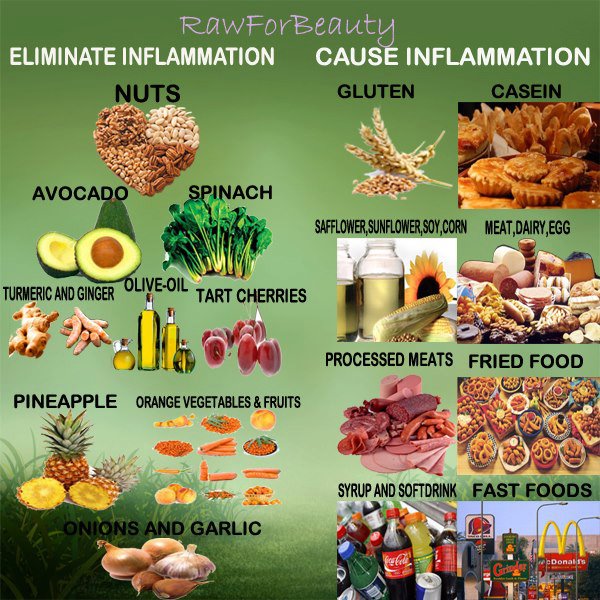
Boosting your body’s ability to respond to insulin is your secret weapon for a flatter stomach (and better health).
12. Nuts and nut butters
Nuts are a great source of healthy fats, like monounsaturated and polyunsaturated fats, which reduce insulin resistance and improve cholesterol levels. They’re also rich in plant protein and dietary fiber, two macronutrients that help keep you full and curb cravings. Another reason to go, well, nuts: Researchers from the Harvard School of Public Health discovered that women who consumed nuts or peanut butter five times a week or more lowered their risk for type 2 diabetes by nearly 30 percent compared to those who rarely or never ate nuts or peanut butter.
References
- Ch38: Ensembl release 89: ENSG00000254647 – Ensembl, May 2017
- GRCm38: Ensembl release 89: ENSMUSG00000000215 – Ensembl, May 2017
- Human PubMed Reference:”.
- “Mouse PubMed Reference:”.
- Koeslag JH, Saunders PT, Terblanche E (June 2003). “A reappraisal of the blood glucose homeostat which comprehensively explains the type 2 diabetes mellitus-syndrome X complex”. The Journal of Physiology (published 2003). 549 (Pt 2): 333–46. doi:10.1113/jphysiol.2002.037895. PMC 2342944
 . PMID 12717005.
 - Drug Information Portal NLM – Insulin human USAN http://druginfo.nlm.nih.gov/drugportal/
- First Successful Laboratory Production of Human Insulin Announced”. News Release. Genentech. 1978-09-06. . “Recombinant DNA technology in the synthesis of human insulin”. Little Tree Publishing. Retrieved 2009-11-03.

