
RX Patient Tools
Use these quick guides before reading the article, or return to them when you need help preparing questions for a doctor.
Kidney failure, also known as end-stage kidney disease, is a medical condition in which the kidneys are functioning at less than 15% of normal. Kidney failure is classified as either acute kidney failure, which develops rapidly and may resolve; and chronic kidney failure, which develops slowly.[rx] Symptoms may include leg swelling, feeling tired, vomiting, loss of appetite, and confusion.[rx] Complications of acute and chronic failure include uremia, high blood potassium, and volume overload.[rx] Complications of chronic failure also include heart disease, high blood pressure, and anemia.[rx][rx]
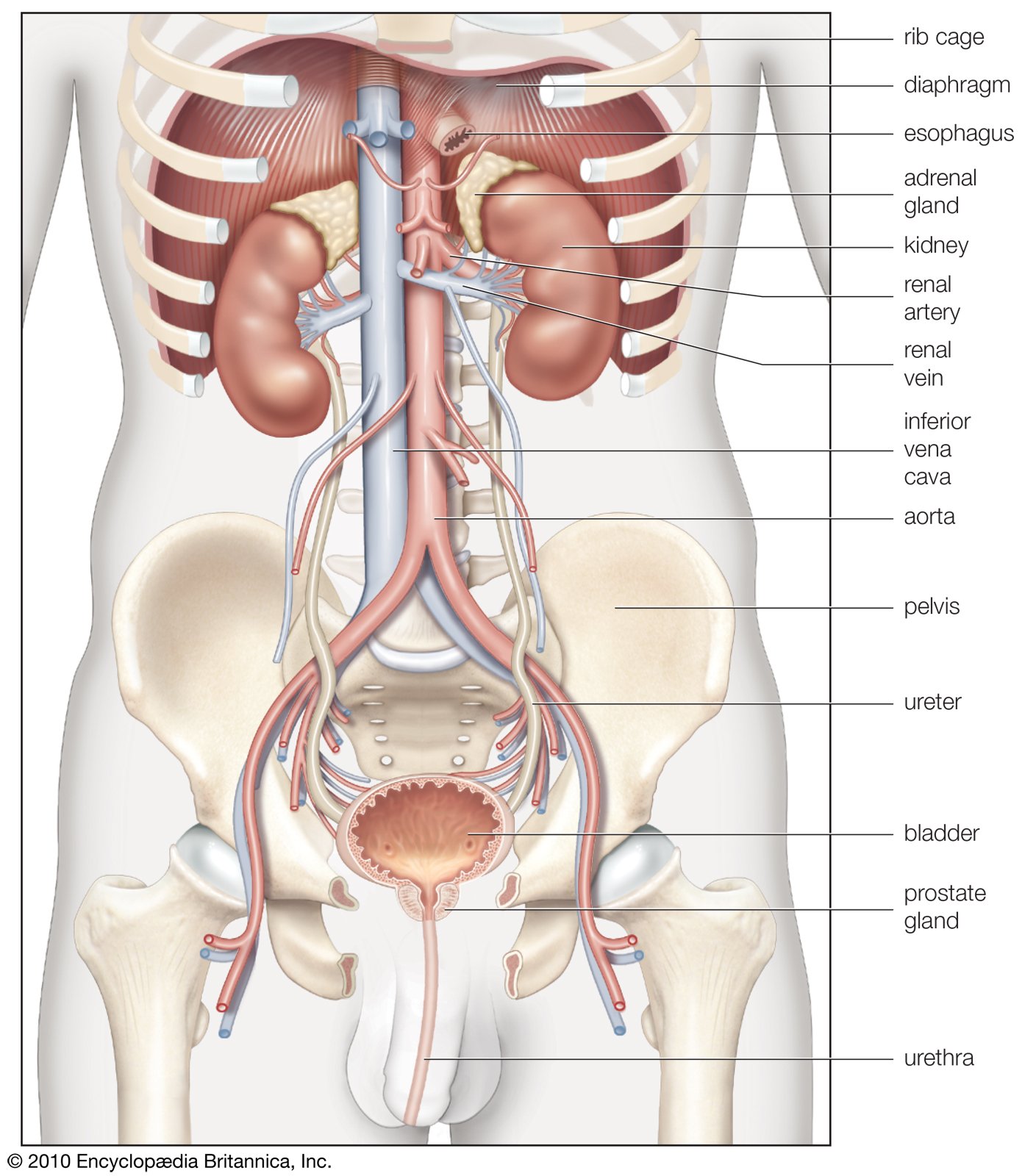
The term renal failure denotes the inability of the kidneys to perform excretory function leading to retention of nitrogenous waste products from the blood. Functions of the kidney are as follows:
-
Electrolyte and volume regulation
-
Excretion of nitrogenous waste
-
Elimination of exogenous molecules, for example, many drugs
-
Synthesis of a variety of hormones, for example, erythropoietin
-
Metabolism of low molecular weight proteins, for example, insulin
Types of Kidney Failure
Acute and chronic renal failure are the two kinds of kidney failure.
Acute Renal Failure (ARF)
- ARF is the syndrome in which glomerular filtration declines abruptly (hours to days) and is usually reversible. According to the KDIGO criteria in 2012, AKI can be diagnosed with any one of the following: (1) creatinine increase of 0.3 mg/dL in 48 hours, (2) creatinine increase to 1.5 times baseline within last 7 days, or (3) urine volume less than 0.5 mL/kg per hour for 6 hours. [rx] Recently the term acute kidney injury (AKI) has replaced ARF because AKI denotes the entire clinical spectrum from a mild increase in serum creatinine to overt renal failure. [rx]
Chronic Renal Failure (CRF)
- CRF or chronic kidney disease (CKD) is defined as a persistent impairment of kidney function, in other words, abnormally elevated serum creatinine for more than 3 months or calculated glomerular filtration rate (GFR) less than 60 ml per minute / 1.73m2. It often involves a progressive loss of kidney function necessitating renal replacement therapy (dialysis or transplantation). When a patient needs renal replacement therapy, the condition is called end-stage renal disease (ESRD). [rx]
CKD classified based on grade
-
Grade 1: GFR greater than 90
-
Grade 2: 60 to 89
-
Grade 3a: 45 to 59
-
Grade 3b: 30 to 44
-
Grade 4: 15 to 29
-
Grade 5: Less than 15
CKD classified based on stage
-
Stage 1: GFR greater than 90
-
Stage 2: 60 to 89
-
Stage 3: 30 to 59
-
Stage 4: 15 to 29
-
Stage 5: Less than 15
Causes of Kidney Failure
Renal Failure Etiopathogenesis
Acute Renal Failure [rx]
-
Prerenal (approximately 60%) – Hypotension, volume contraction (e.g., sepsis, hemorrhage), severe organ failure such as heart failure or liver failure, drugs like non-steroidal inflammation, pain, or swelling. সহজ বাংলা: প্রদাহ/ফোলা/ব্যথা কমায়।" data-rx-term="anti-inflammatory" data-rx-definition="Anti-inflammatory means reducing inflammation, pain, or swelling. সহজ বাংলা: প্রদাহ/ফোলা/ব্যথা কমায়।">anti-inflammatory drugs (NSAIDs), angiotensin receptor blockers (ARB) and angiotensin-converting enzyme inhibitors (ACEI), and cyclosporine
-
Intrarenal (approximately 35%) – Acute tubule necrosis (from prolonged prerenal failure, radiographic contrast material, drugs like aminoglycosides, or nephrotoxic substances), acute interstitial nephritis (drug-induced), connective tissue disorders (vasculitis), arteriolar insults, fat emboli, intrarenal deposition (seen in tumor-lysis syndrome, increased uric acid production and multiple myeloma-Bence-Jones proteins), rhabdomyolysis
-
Postrenal (approximately 5%) – Extrinsic compression (prostatic hypertrophy, carcinoma), intrinsic obstruction (calculus, tumor, clot, stricture), decreased function (neurogenic bladder)
Chronic Renal Failure
-
Diabetes mellitus, especially type 2 diabetes mellitus, is the most frequent cause of ESRD.
-
Hypertension is the second most frequent cause.
-
Glomerulonephritis
-
Polycystic kidney diseases
-
Renal vascular diseases
-
Other known causes, like prolonged obstruction of the urinary tract, nephrolithiasis
-
Vesicoureteral reflux, a condition in which urine to back up into the kidneys
-
Recurrent kidney infections/ pyelonephritis
- Unknown etiology [rx]
Renal failure pathophysiology can be described by a sequence of events that happen while during acute insult in the setting of acute renal failure and also gradually over a period in cases of chronic kidney diseases.
Broadly, AKI can be classified into three groups: [rx]
-
The decrease in renal blood flow (prerenal azotemia): Prerenal AKI occurs secondary to either an absolute reduction in extracellular fluid volume or a reduction in circulating volume despite a normal total fluid volume, e.g., in advanced cirrhosis, heart failure, and sepsis. Normally kidney auto-regulatory mechanism maintains intra-capillary pressure during initial phase by causing dilation of afferent arterioles and constriction of efferent arterioles. When prerenal conditions become severe, renal adaptive mechanisms fail to compensate unmasking the fall in GFR and the increase in BUN and creatinine levels.
-
Intrinsic renal parenchymal diseases (renal azotemia): Intrinsic disorders can be sub-divided into those involving the glomeruli, vasculature, or tubulointerstitium respectively.
-
Obstruction of urine outflow (postrenal azotemia)
The pathophysiology of CRF is related mainly to specific initiating mechanisms. Over the course of time-adaptive physiology plays a role leading to compensatory hyperfiltration and hypertrophy of remaining viable nephrons. As insult continues, sub sequentially histopathologic changes occur which include distortion of glomerular architecture, abnormal podocyte function, and disruption of filtration leading to sclerosis. [rx]
Symptoms of Kidney Failure
Symptoms can vary from person to person. Someone in early-stage kidney disease may not feel sick or notice symptoms as they occur. When the kidneys fail to filter properly, waste accumulates in the blood and the body, a condition called azotemia. Very low levels of azotemia may produce few, if any, symptoms. If the disease progresses, symptoms become noticeable (if the failure is of sufficient degree to cause symptoms). Kidney failure accompanied by noticeable symptoms is termed uremia.[rx]
Symptoms of kidney failure include the following
High levels of urea in the blood, which can result in:
- Vomiting or diarrhea (or both) may lead to dehydration
- Nausea
- Weight loss
- Nocturnal urination (nocturia)
- More frequent urination, or in greater amounts than usual, with pale urine
- Less frequent urination, or in smaller amounts than usual, with dark coloured urine
- Blood in the urine
- Pressure, or difficulty urinating
- Unusual amounts of urination, usually in large quantities
A buildup of phosphates in the blood that diseased kidneys cannot filter out may cause
- Itching
- Bone damage
- Nonunion in broken bones
- Muscle cramps (caused by low levels of calcium which can be associated with hyperphosphatemia)
A buildup of potassium in the blood that diseased kidneys cannot filter out (called hyperkalemia) may cause
- Abnormal heart rhythms
- Muscle paralysis
- Swelling of the hands, legs, ankles, feet, or face
- Shortness of breath due to extra fluid on the lungs (may also be caused by anemia)
Polycystic kidney disease, which causes large, fluid-filled cysts on the kidneys and sometimes the liver, can cause
- Pain in the back or side
- Healthy kidneys produce the hormone erythropoietin that stimulates the bone marrow to make oxygen-carrying red blood cells. As the kidneys fail, they produce less erythropoietin, resulting in decreased production of red blood cells to replace the natural breakdown of old red blood cells. As a result, the blood carries less hemoglobin, a condition known as anemia. This can result in:
- Feeling tired or weak
- Memory problems
- Difficulty concentrating
- Dizziness
- Low blood pressure
Normally proteins are too large to pass through the kidneys. However they are able to pass through when the glomeruli are damaged. This does not cause symptoms until extensive kidney damage has occurred,[20] after which symptoms include:
- Foamy or bubbly urine
- Swelling in the hands, feet, abdomen, and face
Other symptoms include
- Appetite loss, which may include a bad taste in the mouth
- Difficulty sleeping
- Darkening of the skin
- Excess protein in the blood
- With high doses of penicillin, people with kidney failure may experience seizures[21]
Diagnosis of Kidney Failure
The relevant history and physical examination findings associated with renal failure include:
History
-
Detailed present medical illness history
-
Medical history such as diabetes mellitus, hypertension
-
A family history of kidney diseases
-
Review of hospital records
-
Previous renal function
-
Medications especially start date, drug levels of nephrotoxic agents, NSAIDs
-
Any use of a contrast agent or any procedure performed
Physical Examination
-
Hemodynamics including blood pressure, heart rate, weight
-
Volume status, look for edema, jugular venous distention, lung crackles, and S3 gallop
-
Skin: check for any diffuse rash or uremic frost
-
Look for signs of uremia: asterixis, lethargy, seizures, pericardial friction rub, peripheral neuropathies
-
Abdomen exam: check for bladder distention, note any suprapubic fullness
Patients with renal failure have a variety of different clinical presentations as explained in the history and physical exam section. Many patients are asymptomatic and are incidentally found to have an elevated serum creatinine concentration, abnormal urine studies (such as proteinuria or microscopic hematuria), or abnormal radiologic imaging of the kidneys. The key laboratory and imaging studies to be ordered in patients with renal failure follow.
Laboratory Tests
Urinalysis, dipstick, and microscopy
-
Dipstick for blood and protein – microscopy for cells, casts, and crystals
-
Casts – Pigmented granular/muddy brown casts-ATN; WBC casts-acute interstitial nephritis; RBC casts-glomerulonephritis
Urine electrolytes
- Fractional excretion of sodium (FENa) = [(UNa x PCr)/ (PNa x UCr)] x 100, where U is urine, P is plasma, Na is sodium, andCr is Creatinine. If FeNa less than 1, then likely prerenal; greater than 2, then likely intrarenal; greater than 4, then likely postrenal
- If the patient is on diuretics, use FEurea instead of FENa. Complete blood count, BUN, creatinine (Cr), arterial blood gases (ABGs)
- Calculate Cr clearance to ensure that medications are dosed appropriately: Cockcroft-Gault equation Cr clearance (mL/min) = (140-age) x (weight in kilograms) x (0.85 if female)/(72 x serum creatinine)
Special Labs
-
Creatinine Kinase (CK)
-
Immunology antibodies based on the clinical scenario
Imaging
-
Renal ultrasound (US)
-
Doppler-flow kidney US depending upon the clinical scenario
-
An abdominal x-ray (KUB): Rules out renal calculi
More advanced imaging techniques should be considered if initial tests do not reveal etiology
-
Radionucleotide renal scan, CT scan, and/or MRI
-
Cystoscopy with retrograde pyelogram
-
Kidney biopsy
Treatment of Kidney Failure
Treatment options for renal failure vary widely and depend on the cause of failure. Broadly options are divided into two groups: treating the cause of renal failure in acute states versus replacing the renal function in acute or chronic situations and chronic conditions. Below is a summary of renal failure treatment.
Acute Renal Failure
-
The mainstay is treating the underlying cause and associated complications
-
In case of oliguria and no volume, overload is noted, a fluid challenge may be appropriate with diligent monitoring for volume overload
-
In the case of hyperkalemia with ECG changes, IV calcium, sodium bicarbonate, and glucose with insulin should be given. These measures drive potassium into cells and can be supplemented with polystyrene sulfonate, which removes potassium from the body. Hemodialysis is also an emergency method of removal.
-
Oliguric patients should have a fluid restriction of 400 mL + the previous day’s urine output (unless there are signs of volume depletion or overload).
-
If acidosis: Serum bicarbonate intravenous or per oral, versus emergency/urgent dialysis based on the clinical situation
-
If obstructive etiology present treat accordingly and or if bladder outlet obstruction secondary to prostatic hypertrophy may benefit from Flomax or other selective alpha-blockers
General Measures
-
First things first, always review the drug list.
-
Stop nephrotoxic drugs and renally adjust others. Many supplements not approved by the FDA can be nephrotoxic.
-
Always record ins and outs
-
Monitor daily weights
-
Watch for complications, including hyperkalemia, pulmonary edema, and acidosis-all potential reasons to start dialysis
-
Ensure good cardiac output and subsequent renal blood flow.
-
Pay attention to diet: total caloric intake should be 35 to 50 kcal/kg per day to avoid catabolism. Potassium intake restricted to 40 mEq per day; phosphorus restricted to 800 mg per day. If it becomes high, treat with calcium carbonate or another phosphate binder. Magnesium compounds should be avoided.
-
Treat infections aggressively.
Immediate Dialysis Indications
-
Severe hyperkalemia
-
Acidosis
-
Volume overload refractory to conservative therapy
-
Uremic pericarditis
-
Encephalopathy
-
Alcohol and drug intoxications
Chronic Renal Failure
-
Optimize control of specific causes of CKD such as diabetes mellitus and hypertension
-
Measure sequentially and plot the rate of decline in GFR in all patients
-
Any acceleration in the rate of decline should prompt a search for a superimposed acute or subacute process that may be reversible
-
Rule out extracellular fluid volume depletion, uncontrolled hypertension, urinary tract infection, new obstructive uropathy, exposure to nephrotoxic agents (such as NSAIDs or contrast dye), reactivation or flare of the original disease such as lupus or vasculitis
-
Interventions to slow the progression of CKD
-
Reduce intra-glomerular filtration
-
Reduce proteinuria; effective meds include ACE/ARB
-
Strict glycemic control
-
Prevent and treat complications of CKD
-
Discuss renal replacement therapy with patients appropriately and timely
-
Periodically review medications and avoid nephrotoxic medicines. Dose renally excreted medications appropriately.
Complications
-
Volume overload
-
Hyponatremia
-
Hyperkalemia
-
Acidosis
-
Calcium and phosphate balance
-
Anemia
-
Consult nephrology in all cases where the patient has a drop in urine output with elevated creatinine.
Urology consultation for obstructive nephropathies -
Relief of obstruction with retrograde ureteral catheters or percutaneous nephrostomy
-
Surgical consults for placement of hemodialysis catheter
References

Explore this medical topic
Continue through verified related conditions, investigations, medicines, and patient guides. These links are educational and do not replace professional medical advice.

