
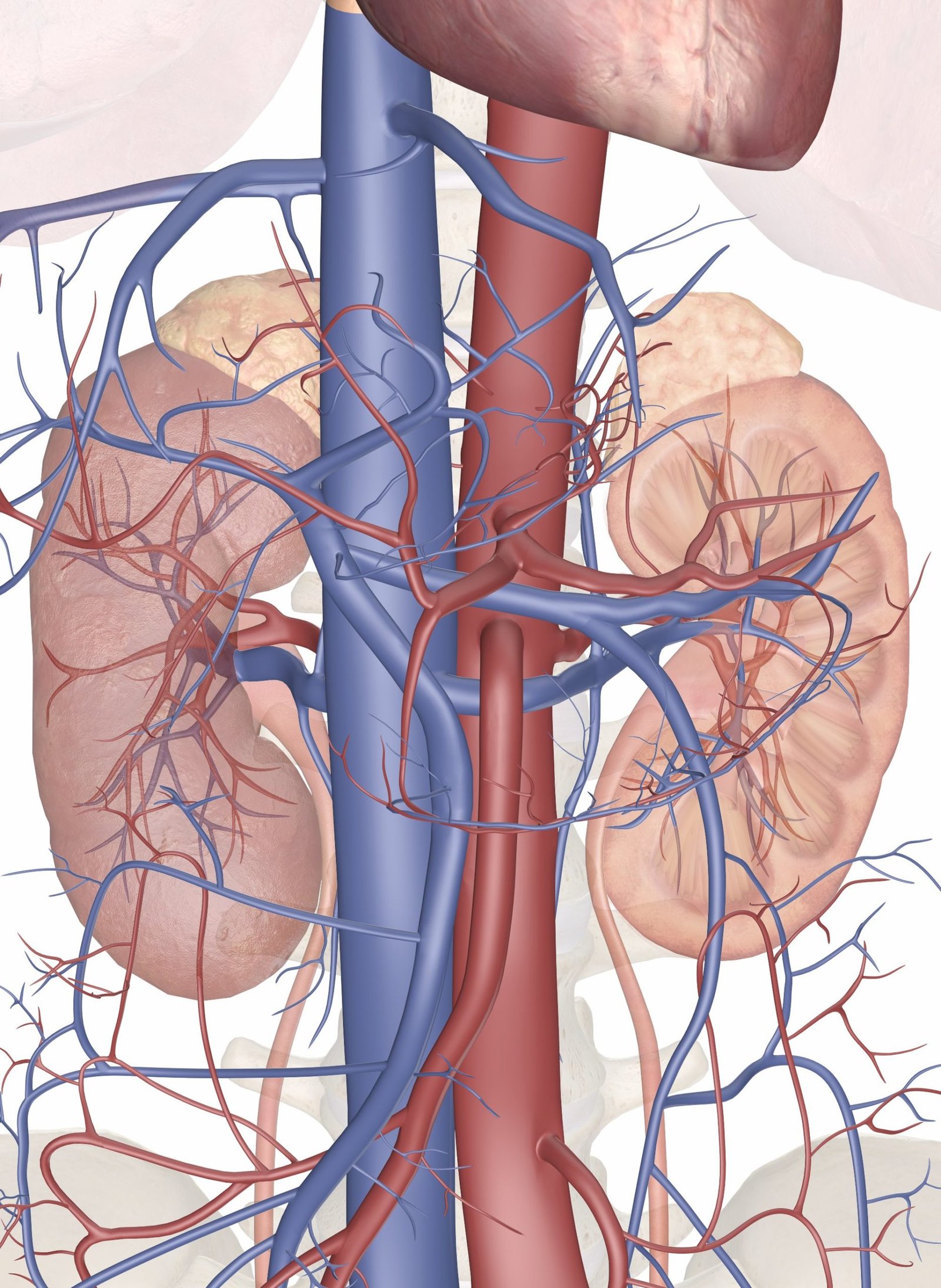
Kidney Function Tests/kidneys play a vital role in the excretion of waste products and toxins such as urea, creatinine and uric acid, regulation of extracellular fluid volume, serum osmolality and electrolyte concentrations, as well as the production of hormones like erythropoietin and 1,25 dihydroxy vitamin D and renin. The functional unit of the kidney is the nephron which consists of the glomerulus, proximal and distal tubules, and collecting duct. Assessment of renal function is important in the management of patients with kidney disease or pathologies affecting renal function. Tests of renal function have utility in identifying the presence of renal disease, monitoring the response of kidneys to treatment, and determining the progression of renal disease. According to the National Institutes of Health, the overall prevalence of chronic kidney disease (CKD) is approximately 14%. Worldwide, the most common causes of CKD are hypertension and diabetes.[rx][rx][rx][rx]
Specimen Collection
Specimen collection requirements are dependant on the procedure or test requested. Generally, for serum creatinine and blood urea nitrogen (BUN) levels, no additional patient preparation is required, and a random blood sample suffices. However, the effect of recent high protein ingestion may increase serum creatinine and urea levels to a significant extent. Also hydration status can have a significant effect on BUN measurement.
For timed urine collections such as the 24-hour urine creatinine clearance, it is essential that urine be collected accurately over the required period as under or over collection will affect final results. Hence, a 5 to 8-hour timed collection is preferable to a 24-hour collection.[5][6][7]
The collection of midstream urine for urine analysis is required as this sample is less likely to be contaminated by epithelial cells and commensal bacteria.
Procedures
Assessment of Renal Function
- There are a number of clinical laboratory tests that are useful in investigating and evaluating kidney function. Clinically, the most practical tests to assess renal function is to get an estimate of the glomerular filtration rate (GFR) and to check for proteinuria (albuminuria).
Glomerular Filtration Rate
The best overall indicator of the glomerular function is the glomerular filtration rate (GFR). The normal GFR for an adult male is 90 to 120 mL per minute. GFR is the rate in milliliters per minute at which substances in plasma are filtered through the glomerulus, in other words, the clearance of a substance from the blood. The characteristics of an ideal marker of GFR are as follows:
-
It should appear endogenously in the plasma at a constant rate
-
It should be freely filtered at the glomerulus
-
It can be neither reabsorbed nor secreted by the renal tubule
-
It should not undergo extrarenal elimination.
As no such endogenous marker currently exists, exogenous markers of GFR are used. Assessment of GFR using inulin, a polysaccharide, is considered the reference method for the assessment of GFR. It involves the infusion of inulin and then the measurement of blood levels after a specified period to determine the rate of clearance of inulin. Other exogenous markers used are radioisotopes such as chromium-51 ethylene-diamine-tetra-acetic acid (51 Cr-EDTA), and technetium-99-labeled diethylene-triamine-pentaacetate (99 Tc-DTPA). The most promising exogenous marker is the non-radioactive contrast agent, iohexol, especially in children.
The inconvenience associated with the use of exogenous markers, specifically that testing has to be performed in specialized centers, and the difficulty to assay these substances, has encouraged the use of endogenous markers.
Creatinine
- The most commonly used endogenous marker for assessment of glomerular function is creatinine. The calculated clearance of creatinine is used to provide an indicator of GFR. This involves the collection of urine over a 24-hour period or preferably over an accurately timed period of 5 to 8 hours since 24-hour collections are notoriously unreliable. Creatinine clearance is then calculated using the equation:
-
C = (U x V) / P
C = clearance, U = urinary concentration, V = urinary flow rate (volume/time ie ml/min), and P = plasma concentration
Creatinine clearance should be corrected for body surface area. Improper or incomplete urine collection is one of the major issues affecting the accuracy of this test, hence timed collection is advantageous. Furthermore, due to tubular secretion, creatinine overestimates GFR by around 10% to 20%.
Creatinine is the by-product of creatine phosphate in muscle, and it is produced at a constant rate by the body. For the most part, creatinine is cleared from the blood entirely by the kidney. Decreased clearance by the kidney results in an increased blood creatinine. The amount of creatinine produced per day depends on muscle bulk, and thus, there is a difference in creatinine ranges between males and females with lower creatinine values in children and those with decreased muscle bulk. Diet also influences creatinine values. Creatinine can change as much as 30% after the ingestion of red meat. As GFR increases in pregnancy lower creatinine values are found in pregnancy. Additionally, serum creatinine is a later indicator of renal impairment-renal function is decreased by 50% before a rise in serum creatinine is observed.
Serum creatinine is also utilized in GFR estimating equations such as the Modified Diet in Renal Disease (MDRD) and the CKD-EPI equation. These eGFR equations are superior to serum creatinine alone since they include race, age, and gender variables. GFR is classified into the following stages based on the kidney disease.
Improving Global Outcomes (KDIGO) stages of chronic kidney disease (CKD)
-
Stage 1 GFR greater than 90 ml/min/1.73 m
-
Stage 2 GFR-between 60 to 89 ml/min/1.73 m
-
Stage 3a GFR 45 to 59 ml/min/1.73 m
-
Stage 3b GFR 30 to 44 ml/min/1.73 m
-
Stage 4 GFR of 15 to 29 ml/min/1.73 m
-
Stage 5-GFR less than 15 ml/min/1.73 m (end-stage renal disease)
These provide an easier estimation of GFR without collection of urine or use of exogenous materials. However, as they utilize serum creatinine, they are also affected by the issues around serum creatinine measurement, hence the correction for race, gender, and age.
Blood Urea Nitrogen (BUN)
- Urea or BUN is a nitrogen-containing compound formed in the liver as the end product or protein metabolism and urea cycle. About 85% of urea is eliminated via kidneys; the rest is excreted via the gastrointestinal (GI) tract. Serum urea is increased in conditions where renal clearance decreased (in acute and chronic renal failure/impairment).
- Urea may also increase in other conditions not related to renal diseases such as upper GI bleeding, dehydration, catabolic states, and high protein diets. Urea may be decreased in starvation, low-protein diet, and severe liver disease. Serum creatinine is a more accurate assessment of renal function than urea; however, urea is increased earlier in renal disease.
The ratio of BUN
- Creatinine can be useful to differentiate prerenal from renal causes when the BUN is increased. In pre-renal disease the ratio is close to 20:1, while in intrinsic renal disease it is closer to 10:1.
Cystatin C
- Cystatin C is a low-molecular-weight protein which functions as a protease inhibitor produced by all nucleated cells in the body. It is formed at a constant rate and freely filtered by the kidneys. Serum levels of cystatin C are inversely correlated with the glomerular filtration rate (GFR). In other words, high values indicate low GFRs, while lower values indicate higher GFRs, similar to creatinine.
- The renal handling of cystatin C differs from creatinine. While both are freely filtered by glomeruli, once cystatin C is filtered, it is reabsorbed and metabolized by proximal renal tubules, unlike creatinine. Thus, under normal conditions, cystatin C does not enter the final excreted urine to any significant degree. Cystatin C is measured in serum and urine.
- The advantages of cystatin C over creatinine are that it is not affected by age, muscle bulk, or diet, and various reports have indicated that it is a more reliable marker of GFR than creatinine particularly in early renal impairment. Cystatin C has also be incorporated into eGFR equations such as the combined creatinine-cystatin KDIGO CKD-EPI equation.
Cystatin C concentration may be affected by the presence of cancer, thyroid disease, and smoking.
Albuminuria and Proteinuria
Albuminuria refers to the presence of urine albumin 30 to 300 mg per day. Microalbumin, considered an obsolete term as there is no such biochemical molecule, is now referred to simply as urine albumin. Albuminuria is used as a marker for detection of incipient nephropathy in diabetics; it is an independent marker for the cardiovascular disease since it connoted increased endothelial permeability and is also a marker of chronic renal impairment. Urine albumin may be measured in 24-hour urine collections or early morning/random specimens as an albumin/creatinine ratio. Presence of albuminuria on two occasions with the exclusion of a urinary infection indicates glomerular dysfunction. The presence of albuminuria for 3 or more months is indicative of chronic kidney disease. Frank proteinuria is defined as greater than 300 mg per day of protein. Normal urine protein up to 150 mg per day (30% albumin; 30% globulins; 40% Tamm Horsfall protein). Increased amounts of protein in urine may be due to:
-
Glomerular proteinuria – Caused by defects in perm selectivity of the glomerular filtration barrier to plasma proteins (for example, glomerulonephritis or nephrotic syndrome)
-
Tubular proteinuria – Caused by incomplete tubular reabsorption of proteins (for example, interstitial nephritis)
-
Overflow proteinuria – Caused by increased plasma concentration of proteins (for example, multiple myeloma-Bence Jones protein, myoglobinuria)
-
Urinary tract inflammation or tumor
Urine protein may be measured using either a 24-hour urine collection or random urine protein: creatinine ratio (early morning sample preferred and more representative of the 24-hour sample).
The KDIGO classification defines 3 stages of albuminuria:
-
A1: Less than 30 mg/g creatinine
-
A2: 30 to 300 mg/g creatinine
-
A3: Greater than 300 mg/g creatinine
In nephrotic syndrome, urine protein excretion exceeds 3.5 g per day and is associated with edema, hypoalbuminemia, and hypercholesterolemia.
Tests of Tubular Function
- The renal tubules play an important role in reabsorption of electrolytes, water, and maintaining acid-base balance. Electrolytes, sodium, potassium, chloride, magnesium, phosphate can be measured in urine as well as glucose. Measurement of urine osmolality allows for assessment of concentrating ability of urine tubules. A urinary osmolality greater than 750 mOsmol/Kg H2O implies a normal concentrating ability of tubules.
- A water deprivation test can be used to exclude nephrogenic diabetes insipidus. Also in distal renal tubular acidosis (dRTA), an ammonium chloride test can be used to confirm the diagnosis of distal RTA with failure to acidify the urine to a pH less than 5.3. In Fanconi’s syndrome, there is aminoaciduria, glycosuria, and phosphaturia and bicarbonate wasting (proximal RTA).
Urine Analysis
- Urine analysis involves an assessment of urine characteristics to aid in disease diagnosis and consists of physical observation, chemical, and microscopic analysis. Physical observation involves assessing color and clarity. The normal color of urine is straw-colored in the presence of dehydration urine is a darker color. Red urine may indicate hematuria or porphyria or represent the dietary intake of food like beets.
- Cloudy urine may be seen in the presence of pyuria due to urinary tract infection. Specific gravity is an indicator of renal concentrating ability that may be measured using refractometry or chemically by the use of urine dipstick. The physiologic range for specific gravity is 1.003 to 1.030 and is increased with concentrated urine and decreased with dilute urine.
- Urine dipstick provides qualitative analysis of different analytes in urine using chemical analysis.
- Dipstick uses dry chemistry methods to detect for the presence of protein, glucose, blood, ketones, bilirubin, urobilinogen, nitrite, and leukocyte esterase. These may be performed as a point-of-care test near a patient. The color changes following interaction of the urine with the chemical reagents impregnated on the paper of the dipstick are compared to the color chart guide to interpret the results.
The microscopic analysis involves a wet-prep analysis of urine to assess in the presence of cells, casts, and crystals as well as micro-organisms. Red blood casts usually denote glomerulonephritis while white blood cell casts are consistent with pyelonephritis. The presence of white blood cells and WBC casts indicates infection; red blood cells indicate renal injury; RBC casts indicate tubular damage or glomerulonephritis. Hyaline casts consist of protein and may occur in glomerular disease. Crystals may also be identified in urine and are indicative of the following conditions:
-
Triple phosphate crystals are rectangular are seen in pseudogout.
-
Uric acid crystals are needle-shaped and are associated with gout.
-
Oxalate crystals are envelope shaped and are present in ethylene glycol poisoning or primary and secondary hyperoxaluria.
-
Cystine crystals are hexagonal and observed in cystinuria.
The best specimen for urine analysis is a freshly voided midstream urine. Midstream urine is utilized as it is less likely to be contaminated by commensal bacteria and epithelial cells.
Acute versus Chronic Renal Impairment
Acute renal impairment or acute kidney injury (AKI) refers to the sudden onset of kidney injury within a period of a few hours or days. Chronic kidney disease (CKD) is caused by long-term diseases such as hypertension and diabetes. Causes of acute kidney injury can be divided into The following:
-
Causes that result in decreased blood flow to the kidneys (pre-renal causes), for example, hypotensive and cardiogenic shock, dehydration, and blood loss from major trauma
-
Causes that result indirect damage to the kidneys (renal /intrinsic causes) such as damage to kidneys by nephrotoxic medication and other toxins, sepsis, cancers such as myeloma, autoimmune diseases or conditions that cause inflammation, or damage to the kidney tubules
-
Causes that result in blockage of the urinary tract such as bladder, prostate, or cervical cancer, large kidney stones, and blood clots in the urinary tract
It is important to note that pre-renal kidney injury may progress to acute tubular necrosis (ATN) and cause intrinsic renal injury.
Urine output is a good tool for evaluating kidney function and is used in guidelines to define (AKI). Patients with AKI present with oliguria (less than 400 ml per day). The RIFLE classification of (risk, injury, failure, loss of kidney function, and end-stage kidney disease) is based on serum creatinine, GFR changes, and urine output determinants. The Acute Kidney Injury Network (AKIN) classification criteria for AKI also uses serum creatinine changes and urine output; however, it does not rely on GFR changes and does not require a baseline serum creatinine.
Other laboratory investigations apart from serum creatinine play a key role in the diagnosis of AKI and assist in differentiating between different types of acute kidney injury. This is important, as it will determine the appropriate patient management, with patients that have pre-renal causes being treated with fluid replacement, while those with renal and post-renal causes would be given fluids more conservatively.
Investigations that assist in determining if the renal injury is pre-renal, renal, or post-renal include the measurement of urine specific gravity increased (greater than 1.020) in dehydration and pre-renal causes. The presence of white and red blood cells, tubular epithelial cells, casts, or crystals in the urinary sediment under light microscopy can assist in the differential diagnosis.
Fractional excretion of sodium (FeNa) is useful in distinguishing acute tubular necrosis from pre-renal uremia. It requires the measurement of serum creatinine and sodium and measurement of creatinine and sodium in spot urine specimens. Fractional excretion is calculated using the following formula: FeNa = 100 x ( urinary sodium x serum creatinine) / (serum sodium x urinary creatinine). A value of less than 1% indicates a pre-renal cause and values greater than 2% indicate intrinsic causes. However, in patients receiving diuretic therapy, the FeNa is not reliable. Spot urine sodium concentrations of less than 20 mmol/l are an indicator of pre-renal AKI. Fractional excretion of urea calculated similarly to FeNa using serum urea and urine urea instead of sodium can also be used to determine the presence of prerenal versus intrinsic AKI, with values less than 35% suggesting pre-renal injury. A urine osmolality of greater than 500 mOsm/Kg is associated with pre-renal causes, while an osmolality similar to serum (approximately 300 mOsm/kg) reflects an intrinsic cause.
Novel Biomarkers
- Several new biomarkers have been reported to be useful for the determination of AKI and have utility in differentiation between AKI and stable CKD and pre-renal and intrinsic AKI.
- These include low-molecular-weight proteins, which are present in the systemic circulation and undergo glomerular filtration (for example, cystatin C, beta2-microglobulin, and retinol-binding protein) and proteins that are produced in response to cellular/tissue injury (NGAL, Kidney injury molecule 1 (KIM-1), L-type fatty acid-binding protein (L-FABP), FGF23, and beta-trace protein). Their optimum clinical utility will be realized with ongoing studies.
Indications
- Indications for the assessment of renal function are varied and range from acute emergency to chronic settings. Primarily renal function tests are performed to identify the renal disease to determine appropriate patient management and prevent further deterioration of renal function.
- Further indications in patients in whom the renal disease has been identified are to stage level or type of renal disease and to monitor the progression of renal disease to ensure that optimal management occurs timeously and to monitor response to interventions.
- In other scenarios, renal function tests may be required to establish and monitor renal function where a known or possibly nephrotoxic therapeutic agent is initiated for patient management. Renal function tests are also indicated in those individuals who are transplant donors to assess the initial donor suitability, and after that, to detect any significant deterioration of renal function post-donation. Tests of renal function can also be utilized to identify which area of the functional unit of the kidney (nephron) is affected, for example, glomerular versus tubular disease.[rx][rx]
References
- https://www.ncbi.nlm.nih.gov/books/NBK538339/
- https://www.ncbi.nlm.nih.gov/books/NBK507821/
- https://www.ncbi.nlm.nih.gov/books/NBK519012/
- https://www.ncbi.nlm.nih.gov/books/NBK535404/
- https://www.ncbi.nlm.nih.gov/books/NBK305/
- https://www.ncbi.nlm.nih.gov/books/NBK554544/
- https://www.ncbi.nlm.nih.gov/books/NBK305/

