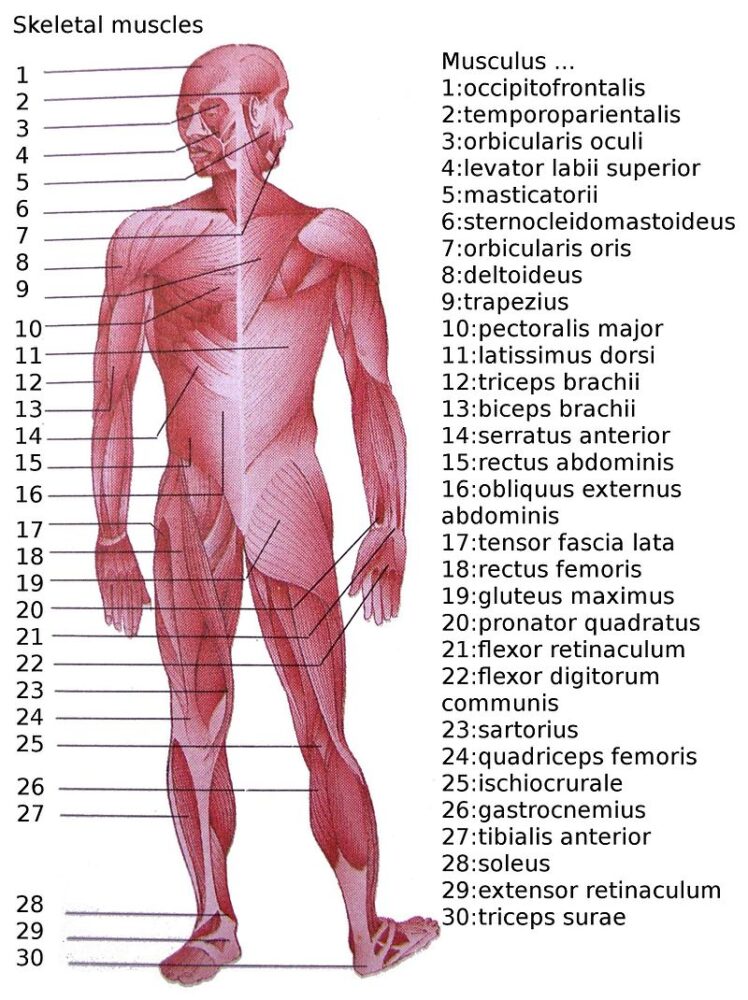
Pyramidalis muscle strain is a lesser-known injury that affects a small triangular muscle in the lower front part of your abdomen. While this muscle is not as well-known as the larger abdominal muscles, a strain here can still cause discomfort and affect your daily activities.
The pyramidalis is a small, triangular muscle found in the lower part of your front abdominal wall. It sits in front of the more familiar rectus abdominis (the “six-pack” muscles) and helps tense the fibrous structure known as the linea alba—a band of connective tissue running down the center of your abdomen. Although the muscle is small and sometimes even absent in some people, it can be involved in injuries when stressed or overworked.
A muscle strain occurs when muscle fibers are overstretched or torn. In the case of the pyramidalis muscle, a strain means that these fibers have been damaged—usually by a sudden, forceful movement or prolonged overuse. Even though this muscle is small, a strain here can cause localized pain, stiffness, and discomfort that might affect your core stability and daily movements.
Pathophysiology of Pyramidalis Muscle Strain
Understanding how a strain affects the pyramidalis muscle means looking at its basic structure and functions:
Structure
- Location: Found in the lower part of the abdomen, in front of the rectus abdominis.
- Shape: A small, triangular muscle.
- Attachment: Originates at the pubic bone and attaches to the linea alba.
Blood Supply
- Primary Source: The muscle receives blood from small branches of nearby arteries such as the inferior epigastric artery. This blood supply helps deliver oxygen and nutrients needed for repair after injury.
Nerve Supply
- Nerve Input: The pyramidalis is supplied by small nerves from the lower intercostal nerves (typically T12 and sometimes L1). These nerves help control muscle contraction and relay pain signals when the muscle is injured.
Functions
- Tensing the Linea Alba: The primary role of the pyramidalis muscle is to help tense the linea alba, contributing to the overall stability of the abdominal wall.
- Minor Contribution to Core Stability: Although not a major muscle, it works in concert with other abdominal muscles during movements that require core strength.
When the muscle is strained, its ability to support these functions is compromised, leading to pain and restricted movement.
Types of Pyramidalis Muscle Strain
Muscle strains are generally categorized by their severity. Although specific classifications for the pyramidalis are not as commonly detailed as for larger muscles, the general principles apply:
- Acute Strain: Occurs suddenly, often during an activity that involves a quick or forceful movement.
- Chronic Strain: Develops over time due to repetitive overuse or poor movement mechanics.
- Graded by Severity:
- Grade I (Mild): Small number of muscle fibers are affected. There is minor discomfort and little or no loss of function.
- Grade II (Moderate): A larger number of fibers are torn. This results in more pain, swelling, and some loss of strength.
- Grade III (Severe): A complete tear of the muscle. This is rare for the pyramidalis but may require more intensive treatment.
Causes of Pyramidalis Muscle Strain
Understanding what might lead to a strain can help you avoid injury. Here are 20 possible causes:
- Sudden Overexertion: Quick, intense movements can stretch the muscle too far.
- Heavy Lifting Without Warm-Up: Lifting weights without proper preparation stresses the muscle.
- Abdominal Trauma: Blows or impacts to the lower abdomen (e.g., from falls or sports collisions).
- Repetitive Strain: Constant overuse from activities like repetitive twisting or bending.
- Improper Exercise Form: Poor technique during exercise can overload the muscle.
- Intense Abdominal Workouts: Overdoing crunches or similar exercises.
- Unaccustomed Physical Activity: Sudden increase in activity level without gradual buildup.
- Direct Blunt Force: Accidents or sports injuries that hit the lower abdomen.
- Muscle Imbalance: Weakness in core muscles can force the pyramidalis to compensate.
- Overstretching: Excessive stretching during warm-ups or exercise.
- Post-Surgical Changes: Scar tissue or altered mechanics after abdominal surgery.
- Poor Posture: Slouching or misaligned posture putting extra stress on the muscle.
- Stress-Induced Tension: Chronic tension from stress or anxiety can lead to overuse.
- Improper Breathing Techniques: Shallow or improper breathing during exercise.
- Twisting Movements: Sudden twisting actions that overstress the abdominal wall.
- Sudden Increase in Exercise Intensity: Not allowing the body time to adapt.
- Incorrect Weight Training Equipment Use: Faulty or misused equipment.
- Inadequate Core Strengthening: Not having a balanced core can overload individual muscles.
- Carrying Heavy Loads Poorly: Lifting or carrying items in a way that strains the lower abdomen.
- Accidental Strain: Unexpected movements during daily activities, such as reaching or bending awkwardly.
Symptoms of Pyramidalis Muscle Strain
Here are 20 symptoms that might indicate a strain in the pyramidalis muscle:
- Sharp or Aching Pain: Localized pain in the lower abdomen.
- Tenderness on Touch: The area feels sore when pressed.
- Muscle Stiffness: Reduced flexibility in the lower abdomen.
- Swelling: Noticeable puffiness or inflammation.
- Bruising: Discoloration in the strained area.
- Limited Range of Motion: Difficulty moving your torso.
- Weakness: A feeling of reduced strength in the abdominal area.
- Pain on Movement: Worsening pain when engaging in physical activity.
- Pulling Sensation: Feeling like the muscle is being stretched too far.
- Abdominal Cramping: Cramp-like discomfort.
- Pain When Coughing or Sneezing: Increased discomfort during sudden movements.
- Tightness: A general feeling of tightness in the lower abdomen.
- Muscle Spasms: Involuntary contractions or twitches.
- Inflammation: Warmth and redness around the muscle.
- Persistent Dull Ache: Continuous, low-level pain.
- Discomfort During Bending: Difficulty bending over without pain.
- Stiffness on Rising: Feeling stiff after sitting or lying down.
- Radiating Pain: Pain that may spread toward the groin area.
- Difficulty in Daily Movements: Trouble with routine activities like walking or climbing stairs.
- Increased Pain with Activity: The pain intensifies during or after exercise.
Diagnostic Tests for Pyramidalis Muscle Strain
While a pyramidalis muscle strain is often diagnosed through a physical exam, several tests can help confirm the injury and rule out other conditions:
- Physical Examination: A doctor will examine your abdomen for tenderness, swelling, and pain.
- Medical History Review: Discussion of your symptoms and recent activities.
- Palpation: Manual examination to locate the source of pain.
- Observation: Visual inspection for signs of swelling or bruising.
- Ultrasound Imaging: Uses sound waves to visualize muscle fibers.
- MRI (Magnetic Resonance Imaging): Provides detailed images of soft tissues.
- CT Scan: Helps rule out other internal injuries.
- X-Ray: Often used to exclude bone-related issues.
- Electromyography (EMG): Measures electrical activity in the muscle.
- Blood Tests: Check for inflammation markers.
- Nerve Conduction Studies: Assess the nerve signals in the affected area.
- Range of Motion Tests: Determine how far you can move without pain.
- Strength Assessment: Evaluates muscle power and endurance.
- Functional Movement Screening: Observes how you perform everyday tasks.
- Abdominal Wall Dynamometry: Measures muscle strength.
- Ultrasound Elastography: Assesses the stiffness of the muscle tissue.
- Trigger Point Examination: Identifies specific areas of muscle tightness.
- Postural Analysis: Evaluates your overall body alignment.
- Lumbosacral Evaluation: Looks at the lower back and pelvis for related issues.
- Manual Muscle Testing: Checks muscle strength through resistance exercises.
Non-Pharmacological Treatments
Many treatment options do not involve medications. These methods can help reduce pain and speed recovery:
- Rest: Avoid activities that worsen the pain.
- Ice Packs: Apply ice to reduce swelling in the first 48 hours.
- Heat Therapy: Use heat after the acute phase to relax the muscle.
- Gentle Stretching: Slowly stretch the muscle to maintain flexibility.
- Physical Therapy: Work with a therapist to guide recovery.
- Core Strengthening Exercises: Strengthen surrounding muscles for better support.
- Abdominal Muscle Relaxation Techniques: Learn methods to reduce muscle tension.
- Massage Therapy: Helps relieve muscle tightness and improve circulation.
- Posture Training: Learn proper posture to reduce strain.
- Gradual Return to Activity: Slowly increase activity as pain lessens.
- Compression Garments: Wear supportive wraps or bands to reduce swelling.
- Staying Hydrated: Proper hydration aids muscle repair.
- Balanced Diet: Nutrition is essential for healing.
- Weight Management: Keeping a healthy weight reduces stress on the muscles.
- Breathing Exercises: Improve relaxation and core stability.
- Pilates: Focus on controlled movements and core stability.
- Yoga: Gentle poses can improve flexibility and strength.
- Acupuncture: May help relieve pain and promote healing.
- TENS (Transcutaneous Electrical Nerve Stimulation): Uses mild electrical currents to relieve pain.
- Biofeedback Techniques: Learn to control body tension.
- Trigger Point Therapy: Target and release tight spots in the muscle.
- Postural Exercises: Specific exercises to improve alignment.
- Active Rest: Incorporate periods of rest between activity bouts.
- Mind-Body Relaxation Techniques: Such as meditation or deep breathing.
- Ergonomic Supports: Use supportive seating and workstations.
- Balance Exercises: Improve overall stability.
- Stability Ball Exercises: Gentle workouts to enhance core strength.
- Foam Rolling: Self-myofascial release to ease tight muscles.
- Warm-Up Routines: Always start with a gentle warm-up before exercise.
- Gradual Cool-Down: End workouts with a cool-down to prevent stiffness.
Drugs Used in Managing Muscle Strains
Although many cases of pyramidalis muscle strain can be managed without drugs, sometimes medications help reduce pain and inflammation. Here are 20 drug options:
- Ibuprofen: A non-steroidal anti-inflammatory drug (NSAID) to reduce pain and swelling.
- Naproxen: Another NSAID that provides longer-lasting pain relief.
- Aspirin: Can help relieve mild pain and inflammation.
- Acetaminophen: An analgesic that helps with pain without reducing inflammation.
- Diclofenac: An NSAID available in oral or topical forms.
- Indomethacin: Used for its strong anti-inflammatory effects.
- Celecoxib: A COX-2 inhibitor that minimizes gastrointestinal side effects.
- Meloxicam: Offers pain relief with a once-daily dose.
- Ketoprofen: Another NSAID option for muscle pain.
- Etodolac: Provides pain relief with a lower risk of stomach upset.
- Tramadol: A pain reliever for moderate to severe pain.
- Cyclobenzaprine: A muscle relaxant that eases muscle spasms.
- Methocarbamol: Helps relieve muscle stiffness and pain.
- Baclofen: Another muscle relaxant used to reduce spasms.
- Tizanidine: Effective in reducing muscle spasticity.
- Topical NSAIDs (e.g., Diclofenac Gel): Applied directly to the painful area.
- Topical Capsaicin Cream: Can help reduce pain by desensitizing nerve receptors.
- Lidocaine Patches: Provide localized pain relief.
- Gabapentin: Sometimes used if there’s a nerve pain component.
- Corticosteroids: Oral or injected steroids to reduce severe inflammation when necessary.
Surgical Options for Severe Cases
Surgery is rarely needed for a pyramidalis muscle strain. However, in cases where there is a severe tear or complications, the following procedures might be considered:
- Muscle Repair Surgery: Reattaches torn muscle fibers.
- Debridement Surgery: Removes damaged or necrotic tissue.
- Hematoma Evacuation: Drains a blood collection that may form after severe injury.
- Abdominal Wall Reconstruction: Repairs a weakened or defective abdominal wall.
- Tension-Free Repair of Abdominal Wall Defect: Restores the integrity of the abdominal muscles without tension.
- Laparoscopic Muscle Repair: Minimally invasive repair of the injured muscle.
- Open Muscle Repair Procedure: Traditional surgery for more extensive damage.
- Scar Tissue Removal: Excision of excess scar tissue that limits muscle function.
- Nerve Decompression Surgery: Addresses nerve entrapment that might be causing chronic pain.
- Surgical Release of Adhesions: Separates scarred tissues that limit movement.
Preventative Measures
Preventing a pyramidalis muscle strain is easier than treating it. Here are ten tips to help avoid injury:
- Warm-Up Exercises: Always begin with a proper warm-up.
- Regular Stretching: Incorporate stretching into your daily routine.
- Strengthen Your Core: Engage in exercises that build balanced core strength.
- Maintain Good Posture: Practice proper alignment in daily activities.
- Avoid Overexertion: Do not push your body too hard, too fast.
- Increase Intensity Gradually: Let your body adapt to more intense exercise.
- Use Proper Technique: Focus on correct form during workouts.
- Stay Hydrated: Adequate water intake supports muscle function.
- Balanced Diet: Proper nutrition supports muscle repair and strength.
- Use Supportive Gear: Consider using abdominal supports during heavy lifting or strenuous activity.
When to See a Doctor
It is important to know when professional help is needed. Consider consulting a doctor if you experience:
- Severe Pain: When the pain is intense and not relieved by rest or home treatment.
- Persistent Symptoms: If pain, swelling, or limited movement continues for several days.
- Inability to Move: Difficulty performing routine activities or sudden loss of strength.
- Signs of Infection: Redness, warmth, or fever accompanying the pain.
- Nerve Symptoms: Numbness, tingling, or radiating pain that might indicate nerve involvement.
- Recurrent Injury: Repeated strains or chronic discomfort in the lower abdomen.
A doctor can perform the necessary tests and recommend treatments to help you recover.
Frequently Asked Questions (FAQs)
Here are 15 commonly asked questions about pyramidalis muscle strain, with simple answers:
-
What is the pyramidalis muscle?
It’s a small, triangular muscle in the lower front of the abdomen that helps tense the central connective tissue called the linea alba. -
What causes pyramidalis muscle strain?
Causes include sudden overexertion, heavy lifting, blunt trauma, repetitive strain, and poor exercise technique. -
How do I know if I have a pyramidalis muscle strain?
Common signs are localized pain, tenderness, swelling, stiffness, and difficulty moving your torso. -
What symptoms should I look out for?
Look for sharp pain, muscle tightness, limited range of motion, cramping, and possibly radiating pain toward the groin. -
How is a pyramidalis muscle strain diagnosed?
Diagnosis is often made through a physical exam, along with imaging tests like ultrasound or MRI if needed. -
What are the first steps in treating this strain?
Start with rest, ice, gentle stretching, and over-the-counter pain relievers as recommended by your doctor. -
Are there non-drug treatments available?
Yes, physical therapy, massage, core strengthening exercises, proper warm-up routines, and other non-pharmacological therapies can help. -
What drugs are typically used to relieve pain?
Common medications include NSAIDs (like ibuprofen), acetaminophen, muscle relaxants, and sometimes topical analgesics. -
Is surgery ever required for a pyramidalis muscle strain?
Surgery is very rare and is usually reserved for severe cases with a complete tear or complications. -
How can I prevent this injury?
Prevent it by warming up properly, using correct exercise techniques, strengthening your core, and maintaining good posture. -
How long does it take to recover from a mild strain?
Recovery time can vary, but a mild strain may improve within a few days to a couple of weeks with proper care. -
What lifestyle changes can help prevent future strains?
Regular core exercises, maintaining a healthy weight, proper nutrition, and avoiding overexertion can all help. -
Can stress contribute to muscle strain?
Yes, stress can cause muscle tension, which may contribute to overuse and strain. -
Is the pyramidalis muscle important for overall core strength?
While it is a small muscle, it works with other abdominal muscles to support the core, so its health is beneficial. -
When should I seek immediate medical attention?
Seek help if you experience severe pain, inability to move, signs of infection, or if the pain worsens over time despite home treatment.
Conclusion
Pyramidalis muscle strain might seem like a minor injury because it involves a small muscle, but its impact on your core stability and overall comfort can be significant. By understanding its structure, causes, symptoms, and the range of available treatments—from non-drug therapies to potential surgical interventions—you can better manage the injury and take steps to prevent future strains. Remember, early diagnosis and proper care are key. If you experience persistent or severe symptoms, consult a healthcare professional for guidance.
The article is written by Team Rxharun and reviewed by the Rx Editorial Board Members More details about authors, please visit to Profile rxharun.com Last Update: March 16, 2025.
Rx Editorial Board Member and Team Rxharun’s Writers Links
Disclaimer: Each person’s journey is unique, treatment plan, life style, food habit, hormonal condition, immune system, chronic disease condition, geological location, weather and previous medical history is also unique. So always seek the best advice from a qualified medical professional or health care provider before trying any treatments to ensure to find out the best plan for you. This guide is for general information and educational purposes only. Regular check-ups and awareness can help to manage and prevent complications associated with these diseases conditions. If you or someone are suffering from this disease condition bookmark this website or share with someone who might find it useful! Boost your knowledge and stay ahead in your health journey. We always try to ensure that the content is regularly updated to reflect the latest medical research and treatment options. Thank you for giving your valuable time to read the article.