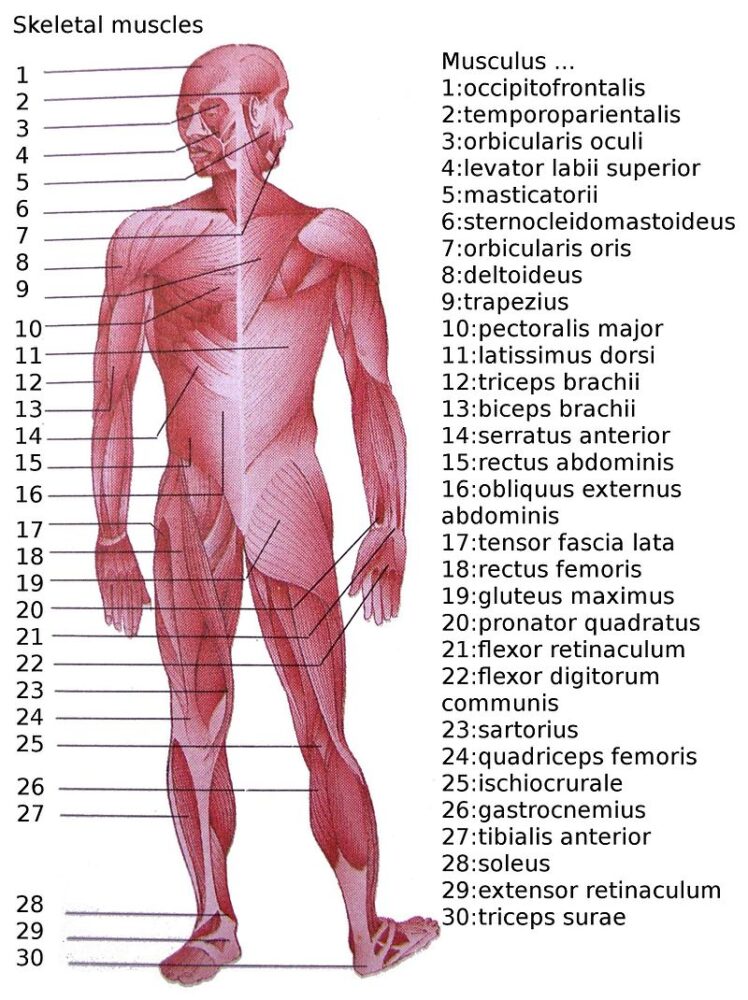
Pyramidalis muscle tendinitis is a condition where the small, triangular pyramidalis muscle located in the lower abdominal wall becomes inflamed. Although this muscle is tiny and often overlooked, inflammation (tendinitis) can lead to pain and discomfort that affects daily activities.
Pyramidalis muscle tendinitis is an inflammation of the small pyramid-shaped muscle in the lower abdomen. This muscle helps tense the central fibrous structure (linea alba) but is not crucial for major body movements. When it becomes inflamed, however, it can cause sharp pain, tenderness, and discomfort that may worsen with activity. Understanding this condition, its causes, and its treatments can help you manage symptoms and improve your quality of life.
Anatomy & Pathophysiology
Structure
- Location: The pyramidalis muscle lies in front of the rectus abdominis (the “six-pack” muscle) near the lower abdominal wall.
- Shape: It is a small, triangular muscle.
- Attachment: It originates from the pubic crest and inserts into the linea alba, a fibrous structure running vertically down the center of the abdomen.
Blood Supply
- The muscle receives blood from small branches of the inferior epigastric artery.
- Adequate blood supply is important for healing, but inflammation can sometimes interfere with normal circulation.
Nerve Supply
- The pyramidalis is innervated by lower thoracoabdominal nerves.
- This nerve supply is what transmits pain signals when the muscle is irritated.
Function
- Tensing the Linea Alba: Its main role is to help tense and stabilize the linea alba during movements.
- Support: While not essential for large movements, the muscle contributes to overall abdominal wall stability.
- Impact of Tendinitis: When inflamed, the muscle can cause localized pain and discomfort, affecting activities such as exercise or even simple movements.
Types of Pyramidalis Muscle Tendinitis
Even though pyramidalis muscle tendinitis is uncommon, it can be thought of in two basic types:
-
Acute Tendinitis:
- Sudden onset of inflammation, often linked to injury or overuse.
- Symptoms appear quickly and can be quite painful.
-
Chronic Tendinitis:
- Long-term or recurrent inflammation, typically due to repetitive strain or an untreated acute episode.
- Can lead to ongoing discomfort and sometimes scar tissue formation.
Causes of Pyramidalis Muscle Tendinitis
- Overuse from repetitive activities such as daily exercise.
- Heavy lifting that strains the lower abdominal muscles.
- Sudden traumatic injury directly to the lower abdomen.
- Poor physical conditioning leading to muscle weakness.
- Incorrect exercise techniques during workouts.
- Repetitive abdominal crunches or sit-ups.
- Excessive stretching or twisting motions.
- Sports injuries, especially in contact sports.
- Direct impact from falls or accidents.
- Post-surgical complications in the abdominal area.
- Prolonged sitting or a sedentary lifestyle.
- Muscle imbalances in the core region.
- Inadequate warm-up before physical activities.
- Sudden increase in physical activity or intensity.
- Overstretching during pregnancy.
- Repetitive twisting movements in daily routines.
- Inadequate recovery time between workouts.
- Genetic predisposition to tendon problems.
- Nutritional deficiencies affecting muscle repair.
- Inflammatory conditions that impact connective tissues.
Symptoms of Pyramidalis Muscle Tendinitis
- Sharp pain in the lower abdominal area.
- Tenderness when pressing on the lower abdomen.
- Localized swelling near the muscle.
- Stiffness in the lower region.
- A burning sensation during movement.
- Pain that worsens with physical activity.
- Increased discomfort during abdominal exercises.
- Pain on stretching the lower abdomen.
- Abdominal cramps that vary in intensity.
- Pain that radiates towards the groin.
- Occasional redness or warmth over the muscle.
- Limited range of motion in the area.
- Feeling of muscle weakness.
- Increased pain after prolonged sitting.
- Morning stiffness in the abdominal region.
- Difficulty performing routine movements.
- Tenderness along the midline of the lower abdomen.
- A constant tightness in the abdominal wall.
- Occasional muscle spasms.
- Discomfort during deep breaths if the muscle is strained.
Diagnostic Tests for Pyramidalis Muscle Tendinitis
- Physical Examination: A detailed check of the abdominal region.
- Medical History Review: Discussing activities, injuries, and symptoms.
- Ultrasound Imaging: To view soft tissue inflammation.
- Magnetic Resonance Imaging (MRI): For detailed images of muscles and tendons.
- X-rays: Mainly to rule out bone-related issues.
- CT Scan: Cross-sectional imaging of the abdominal wall.
- Electromyography (EMG): Measures electrical activity in muscles.
- Nerve Conduction Studies: To check the nerve signals.
- Blood Tests: To detect markers of inflammation.
- C-Reactive Protein (CRP) Test: Measures inflammation levels.
- Erythrocyte Sedimentation Rate (ESR): Another test for inflammation.
- Ultrasound-guided Injection: Helps confirm the source of pain.
- Pain Provocation Tests: Specific movements to reproduce pain.
- Palpation: Manual assessment for tenderness.
- Range of Motion Tests: To identify movement restrictions.
- Muscle Strength Testing: Evaluates the strength of the abdominal muscles.
- Functional Movement Screen: Identifies imbalances.
- Thermography: Detects heat patterns indicating inflammation.
- Diagnostic Ultrasound Elastography: Measures tissue stiffness.
- Comparative Examination: Comparing the affected area with the healthy side.
Non-Pharmacological Treatments
- Rest: Allow the muscle time to heal.
- Ice Therapy: Apply ice packs to reduce swelling.
- Heat Therapy: Use heat after the acute phase to improve blood flow.
- Compression: Wearing compression garments for support.
- Elevation: Keeping the affected area elevated to minimize swelling.
- Physical Therapy: Customized exercise programs for recovery.
- Gentle Stretching Exercises: To keep the muscle flexible.
- Massage Therapy: Helps reduce muscle tension.
- Ultrasound Therapy: Uses sound waves to promote healing.
- Laser Therapy: Reduces inflammation and accelerates tissue repair.
- Shockwave Therapy: Non-invasive treatment to stimulate repair.
- Acupuncture: May help relieve pain and improve circulation.
- Cupping Therapy: Increases blood flow to the area.
- Chiropractic Adjustments: Realigns musculoskeletal structures.
- Core Stabilization Exercises: Strengthens abdominal muscles.
- Proper Warm-Up: Always warm up before exercise.
- Posture Training: Corrects body alignment.
- Ergonomic Adjustments: Improves your workstation setup.
- Yoga: Gentle poses to improve flexibility and reduce tension.
- Pilates: Focuses on core strength and stability.
- Water Therapy/Swimming: Provides low-impact exercise.
- Biofeedback Techniques: Enhances muscle control.
- TENS (Transcutaneous Electrical Nerve Stimulation): Offers pain relief.
- Isometric Exercises: Strengthens muscles without extensive movement.
- Balance Training: Improves overall body stability.
- Myofascial Release: Techniques to loosen tight fascia.
- Postural Exercises: Reinforces correct alignment.
- Deep Breathing Exercises: Promotes relaxation and reduces tension.
- Nutritional Counseling: Helps ensure a diet that supports healing.
- Lifestyle Modifications: Manage stress and overall health to aid recovery.
Drugs Commonly Used
Medications are typically prescribed to reduce inflammation and manage pain. Always consult your doctor before starting any medication.
- Ibuprofen: A common NSAID for pain and inflammation.
- Naproxen: Another NSAID for reducing discomfort.
- Aspirin: Helps with inflammation control.
- Diclofenac: Available as both oral and topical formulations.
- Indomethacin: An NSAID used in certain tendinitis cases.
- Ketoprofen: Effective for pain relief.
- Meloxicam: A selective NSAID option.
- Celecoxib: A COX-2 inhibitor that helps reduce inflammation.
- Acetaminophen: For pain relief when inflammation is less severe.
- Oral Corticosteroids: Used short-term to control severe inflammation.
- Corticosteroid Injections: Directly injected into the affected area.
- Topical NSAIDs: Creams or gels applied over the painful area.
- Muscle Relaxants: Such as cyclobenzaprine to ease muscle spasms.
- Gabapentin: Occasionally used if nerve pain is present.
- Amitriptyline: A low-dose option for chronic pain.
- Pregabalin: Helps with neuropathic pain.
- Short-term Opioids: For severe pain episodes (used cautiously).
- Colchicine: Sometimes used in inflammatory conditions.
- Vitamin D Supplements: To support overall musculoskeletal health.
- Calcium Supplements: To aid in muscle and bone strength.
Surgeries Considered in Severe Cases
Surgery is rarely needed for pyramidalis muscle tendinitis. However, in very rare cases when other treatments have failed and significant tissue damage exists, a doctor might consider one of the following procedures:
- Tendon Debridement: Removal of damaged or inflamed tissue.
- Tendon Repair Surgery: Repairing small tears in the tendon fibers.
- Release of Adhesions: Removing scar tissue that restricts movement.
- Abdominal Wall Reconstruction: In cases affecting overall stability.
- Neurolysis: Releasing entrapped nerves contributing to pain.
- Surgical Decompression: Relieving pressure on the affected tendon.
- Arthroscopic Evaluation: Minimally invasive examination and treatment.
- Exploratory Surgery: To identify and repair unidentified damage.
- Endoscopic Tendon Release: A less invasive option for tendon release.
- Muscle/Tendon Transfer: In extremely rare cases of severe damage.
Preventions for Pyramidalis Muscle Tendinitis
Preventing pyramidalis muscle tendinitis involves maintaining overall abdominal and core health. Here are 10 tips:
- Proper Warm-Up: Always warm up before physical activities.
- Regular Stretching: Keep muscles flexible.
- Strengthening Exercises: Gradually build core strength.
- Maintain Good Posture: Correct alignment can reduce strain.
- Increase Activity Gradually: Avoid sudden increases in exercise intensity.
- Use Correct Technique: Learn proper exercise form.
- Allow Adequate Rest: Give muscles time to recover between workouts.
- Eat a Balanced Diet: Support muscle repair with good nutrition.
- Stay Hydrated: Hydration helps maintain muscle function.
- Avoid Overtraining: Balance exercise with sufficient rest.
When to See a Doctor
It’s important to consult a healthcare provider if you experience:
- Severe or Worsening Pain: Pain that does not improve or worsens over time.
- Persistent Symptoms: Discomfort lasting more than a few weeks despite self-care.
- Swelling or Redness: Noticeable inflammation in the lower abdomen.
- Loss of Strength or Mobility: Difficulty performing daily activities.
- Systemic Symptoms: Fever, chills, or unexplained fatigue alongside abdominal pain.
- Uncertainty About the Cause: If you’re not sure why you’re experiencing the pain, get it evaluated.
- After an Injury: Especially following trauma or heavy lifting.
Frequently Asked Questions (FAQs)
-
What is pyramidalis muscle tendinitis?
It is an inflammation of the small pyramid-shaped muscle in the lower abdomen that causes localized pain and discomfort. -
What causes this condition?
Causes include overuse, repetitive strain, injury, poor exercise technique, and muscle imbalances, among others. -
How common is pyramidalis muscle tendinitis?
It is relatively rare compared to tendinitis in larger muscles, but it can occur with certain types of strain or injury. -
What are the typical symptoms?
Symptoms include sharp pain, tenderness, swelling, stiffness, and discomfort during movement. -
How is it diagnosed?
Diagnosis involves a physical exam, reviewing your medical history, and imaging tests such as ultrasound or MRI, along with blood tests for inflammation. -
What non-drug treatments are recommended?
Treatments include rest, ice and heat therapy, physical therapy, massage, and various exercises like stretching and core strengthening. -
Which medications can help manage the pain?
NSAIDs such as ibuprofen and naproxen are commonly used. In more severe cases, corticosteroids or muscle relaxants may be prescribed. -
Is surgery necessary for this condition?
Surgery is very rarely needed. It is typically considered only when chronic symptoms have not responded to other treatments. -
How long does recovery usually take?
Recovery time varies from a few weeks to several months depending on the severity of the inflammation and how promptly treatment is started. -
Can I prevent pyramidalis muscle tendinitis?
Yes. Preventive measures include proper warm-up, regular stretching, strengthening exercises, good posture, and avoiding overtraining. -
Are there any side effects with corticosteroid treatments?
Yes, long-term use of corticosteroids can lead to side effects; therefore, they are used with caution and for short durations. -
Is physical therapy effective?
Many patients find that a targeted physical therapy program greatly improves pain and function. -
Can this condition come back after recovery?
Recurrent issues can happen if the underlying causes, such as poor technique or overuse, are not addressed. -
What lifestyle changes help manage or prevent this condition?
Incorporating proper exercise techniques, maintaining good posture, balanced nutrition, and adequate rest can all help. -
When should I modify my daily activities?
If you experience pain during specific activities, it’s important to modify or temporarily avoid those movements until you have recovered.
Conclusion
Pyramidalis muscle tendinitis, though not widely known, can significantly impact your daily comfort and activity. This guide has outlined its basic anatomy and functions, provided a detailed list of causes and symptoms, described the diagnostic process, and reviewed a wide range of treatment options—from non-pharmacological methods to medications and even potential surgical interventions for severe cases. Prevention through proper exercise, good posture, and a balanced lifestyle is key, and knowing when to see a doctor can ensure timely treatment.
This article is designed to be easy to understand and highly accessible, whether you are looking for medical information for yourself or a loved one. Remember, while this guide provides detailed information, it does not replace professional medical advice. Always consult with your healthcare provider for a diagnosis and treatment plan that is right for you.
The article is written by Team Rxharun and reviewed by the Rx Editorial Board Members More details about authors, please visit to Profile rxharun.com Last Update: March 16, 2025.
Rx Editorial Board Member and Team Rxharun’s Writers Links
Disclaimer: Each person’s journey is unique, treatment plan, life style, food habit, hormonal condition, immune system, chronic disease condition, geological location, weather and previous medical history is also unique. So always seek the best advice from a qualified medical professional or health care provider before trying any treatments to ensure to find out the best plan for you. This guide is for general information and educational purposes only. Regular check-ups and awareness can help to manage and prevent complications associated with these diseases conditions. If you or someone are suffering from this disease condition bookmark this website or share with someone who might find it useful! Boost your knowledge and stay ahead in your health journey. We always try to ensure that the content is regularly updated to reflect the latest medical research and treatment options. Thank you for giving your valuable time to read the article.