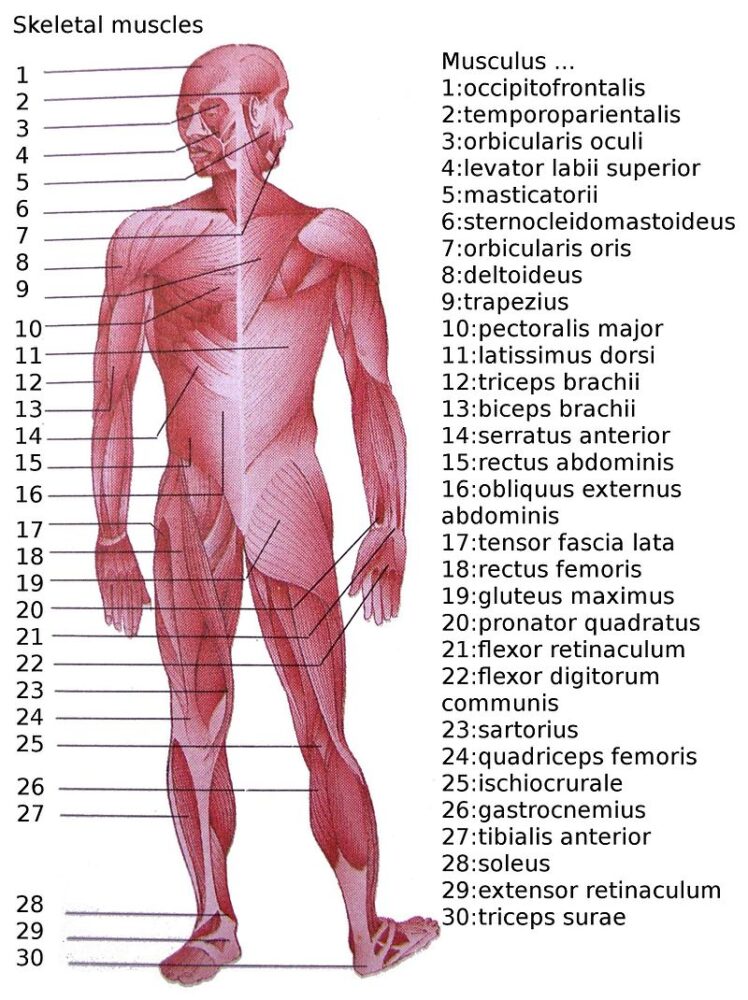
Pyramidalis muscle fibrosis is a condition where the small, triangular pyramidalis muscle located in the lower front of your abdomen develops scar-like (fibrous) tissue. This guide explains what this condition is, how it happens, and what you can do about it—from simple non-drug methods to medical treatments and surgery.
The pyramidalis muscle is a tiny, triangular muscle found in the lower abdominal wall near the pubic bone. Although not everyone even has a well-developed pyramidalis muscle, when it becomes fibrotic, its tissue is replaced by non-functional scar tissue. This fibrosis can lead to discomfort, reduced flexibility, and sometimes pain during movement. In many cases, the fibrosis might be discovered during examinations for other abdominal problems.
Anatomy and Pathophysiology
Understanding the anatomy of the pyramidalis muscle helps explain how fibrosis can affect its function. Here’s a closer look at its structure, blood and nerve supply, and its functions:
Structure of the Pyramidalis Muscle
- Location: It is found in the lower part of the front abdominal wall, in front of the rectus abdominis (the “six-pack” muscles).
- Shape: Small and triangular, it is sometimes absent in a number of people.
- Composition: Made up of skeletal muscle fibers, it has a relatively simple structure compared to larger muscles.
Blood Supply
- Vascular Supply: The pyramidalis muscle generally receives blood from branches of the inferior epigastric artery and other small vessels nearby.
- Importance: A good blood supply is essential for muscle health, but if the blood flow is disrupted, it can contribute to tissue damage and fibrosis.
Nerve Supply
- Innervation: The muscle is usually supplied by lower intercostal nerves and sometimes branches of the iliohypogastric nerve.
- Role of Nerves: These nerves help control the muscle’s movements and provide sensations in the area. When fibrosis sets in, nerve signals can be disrupted, potentially leading to pain or altered muscle function.
Functions of the Pyramidalis Muscle
- Tensing the Linea Alba: Although small, the pyramidalis helps tighten the linea alba (the fibrous structure running down the midline of the abdomen).
- Supporting Abdominal Movements: It plays a minor role in stabilizing the lower abdominal wall during activities like bending or twisting.
- Contribution to Core Stability: Even though its role is limited, healthy muscle tissue supports overall core stability.
Types of Pyramidalis Muscle Fibrosis
Pyramidalis muscle fibrosis can be classified into different types based on how and why the fibrosis develops. Although research on this specific muscle is limited, similar fibrotic changes in muscles are generally divided into:
- Congenital Fibrosis:
- Occurs due to developmental issues in the muscle before birth.
- Traumatic Fibrosis:
- Results from injury or repeated microtrauma that leads to scar formation.
- Post-Surgical Fibrosis:
- Develops after surgery in the lower abdominal region, possibly as a complication of the healing process.
- Inflammatory Fibrosis:
- Associated with chronic inflammation due to infection or autoimmune conditions.
- Ischemic Fibrosis:
- Occurs when blood supply is compromised, leading to tissue damage and scar formation.
Causes of Pyramidalis Muscle Fibrosis
Fibrosis in the pyramidalis muscle can have multiple causes. Here are 20 possible reasons why this condition might develop:
- Direct Trauma: Injury to the abdominal wall.
- Repetitive Microtrauma: Continuous strain from overuse or heavy lifting.
- Surgical Complications: Scar tissue formation after abdominal surgery.
- Infection: Local infections causing inflammation and scarring.
- Autoimmune Diseases: Conditions like polymyositis that cause muscle inflammation.
- Radiation Therapy: Damage from radiation treatments in the pelvic or abdominal area.
- Ischemia: Reduced blood flow due to vascular problems.
- Muscle Strain: Overstretching or tearing during physical activity.
- Poor Posture: Chronic poor posture leading to uneven muscle stress.
- Aging: Age-related degeneration of muscle tissues.
- Genetic Predisposition: Inherited conditions that affect muscle repair.
- Metabolic Disorders: Conditions like diabetes affecting tissue healing.
- Overuse Injury: Repetitive, heavy physical activity.
- Local Trauma from Injections: Injections given in the lower abdominal region.
- Burns or Scalds: Thermal injury causing local tissue damage.
- Chronic Inflammation: Long-standing inflammatory conditions.
- Exposure to Toxins: Certain chemicals that damage muscle tissue.
- Nutritional Deficiencies: Lack of essential nutrients needed for muscle repair.
- Obesity: Extra weight putting strain on the muscle.
- Sedentary Lifestyle: Lack of regular exercise can impair muscle health.
Symptoms of Pyramidalis Muscle Fibrosis
The signs and symptoms of pyramidalis muscle fibrosis can vary from person to person. Here are 20 possible symptoms to watch for:
- Lower Abdominal Pain: A dull or sharp pain in the lower abdomen.
- Stiffness: Reduced flexibility in the abdominal wall.
- Muscle Weakness: Feeling of weakness in the lower abdomen.
- Discomfort During Movement: Pain or discomfort when bending or twisting.
- Localized Swelling: Swelling or thickening in the affected area.
- Tightness: A sensation of the muscle being overly tight.
- Tenderness on Touch: Pain when the area is pressed.
- Cramping: Intermittent cramp-like pain.
- Visible Lump: A small lump or area of firmness.
- Restricted Range of Motion: Difficulty in moving normally.
- Postural Changes: Altered posture due to discomfort.
- Muscle Fatigue: Quick tiring during physical activity.
- Stinging Sensation: A burning or stinging feeling.
- Inflammation: Redness or warmth in the area (in some cases).
- Abdominal Asymmetry: Noticeable difference in muscle tone on one side.
- Difficulty Exercising: Trouble performing routine exercises.
- Numbness: A feeling of numbness if nerves are affected.
- Twitching: Occasional muscle spasms or twitches.
- Heavy Sensation: A feeling that the lower abdomen is “weighed down.”
- General Discomfort: A persistent, nagging discomfort in the lower abdominal wall.
Diagnostic Tests for Pyramidalis Muscle Fibrosis
Diagnosing pyramidalis muscle fibrosis involves a combination of physical examinations and imaging techniques. Here are 20 tests and assessments that may be used:
- Clinical Examination: A doctor checks for tenderness, lumps, and pain.
- Ultrasound Imaging: Uses sound waves to visualize muscle tissue.
- Magnetic Resonance Imaging (MRI): Provides detailed images of soft tissues.
- Computed Tomography (CT) Scan: Offers cross-sectional views of the abdominal wall.
- Electromyography (EMG): Assesses the electrical activity of muscle fibers.
- Blood Tests: Checks for inflammatory markers that might indicate muscle damage.
- Muscle Biopsy: A small sample of muscle tissue is taken for lab analysis.
- X-Ray: May help rule out bone-related causes, though less useful for soft tissue.
- Muscle Strength Test: Measures the force generated by the muscle.
- Range of Motion Test: Evaluates how well the abdominal wall moves.
- Palpation Exam: A manual examination to detect abnormal firmness.
- Nerve Conduction Study: Tests how well nerves send electrical signals.
- Ultrasound Elastography: Measures tissue stiffness.
- Functional Movement Assessment: Observes how the muscle works during activity.
- Physical Therapy Evaluation: Detailed assessment by a therapist.
- Serum Creatine Kinase Test: Detects muscle damage through enzyme levels.
- Inflammatory Cytokine Profile: Measures levels of inflammation markers.
- Genetic Testing: Screens for inherited conditions that affect muscle repair.
- Doppler Ultrasound: Evaluates blood flow to the muscle.
- Positron Emission Tomography (PET) Scan: Assesses metabolic activity in tissues.
Non-Pharmacological Treatments for Pyramidalis Muscle Fibrosis
There are many ways to manage pyramidalis muscle fibrosis without drugs. These treatments focus on improving muscle function, reducing pain, and preventing further damage. Here are 30 non-pharmacological treatments:
- Physical Therapy: Tailored exercises to strengthen and stretch the abdominal muscles.
- Massage Therapy: Helps reduce muscle tension and improve blood flow.
- Heat Therapy: Warm compresses can relax tight muscles.
- Cold Therapy: Ice packs may reduce inflammation in the early stages.
- Ultrasound Therapy: Uses sound waves to promote healing.
- Stretching Exercises: Gentle stretches improve flexibility.
- Myofascial Release: Manual techniques to ease tension in the muscle’s connective tissue.
- Dry Needling: Insertion of thin needles into trigger points to release muscle knots.
- Acupuncture: Traditional therapy that may relieve pain and improve circulation.
- Core Strengthening Exercises: Activities such as planks to support the abdominal wall.
- Yoga: Focused on flexibility, balance, and stress reduction.
- Pilates: Exercises that improve core strength and muscle control.
- Ergonomic Adjustments: Improving posture at work and home to reduce strain.
- Relaxation Techniques: Meditation and deep breathing help manage pain.
- Postural Training: Learning to sit and stand properly to lessen abdominal strain.
- TENS (Transcutaneous Electrical Nerve Stimulation): A device that uses mild electrical impulses to relieve pain.
- Progressive Muscle Relaxation: A technique that systematically relaxes muscle groups.
- Hydrotherapy: Exercises performed in water to ease pressure on the muscles.
- Foam Rolling: Self-massage technique to ease muscle tightness.
- Activity Modification: Adjusting activities that cause strain to the lower abdomen.
- Weight Management: Maintaining a healthy weight to reduce muscle stress.
- Nutritional Counseling: A diet that supports muscle healing and reduces inflammation.
- Breathing Exercises: Improve overall core stability and reduce tension.
- Balance Exercises: Enhance coordination and reduce the risk of further injury.
- Isometric Exercises: Muscle contractions without movement to strengthen without strain.
- Low Impact Aerobics: Activities such as walking or cycling that do not overly stress the abdomen.
- Guided Stretching Programs: Structured routines to gradually improve flexibility.
- Post-Surgical Rehabilitation: Tailored programs for recovery after abdominal surgery.
- Self-Massage Techniques: Simple methods to relieve local muscle tension.
- Stress Management: Counseling or mindfulness practices to reduce overall muscle tension.
Drugs Commonly Used in Managing Pyramidalis Muscle Fibrosis
While non-drug methods are important, sometimes medications are used to reduce pain and inflammation. Here are 20 drugs that might be recommended, keeping in mind that treatment should always be guided by a healthcare professional:
- Ibuprofen: A common non-steroidal anti-inflammatory drug (NSAID) for pain relief.
- Naproxen: Another NSAID that helps reduce inflammation.
- Diclofenac: Often used in both oral and topical forms.
- Celecoxib: An NSAID that may be gentler on the stomach.
- Acetaminophen: Used for pain relief when inflammation is less of a concern.
- Prednisone: A corticosteroid to reduce severe inflammation.
- Methylprednisolone: An alternative corticosteroid, sometimes given as an injection.
- Cyclobenzaprine: A muscle relaxant that eases muscle spasms.
- Baclofen: Helps relax muscles and relieve spasticity.
- Tizanidine: A short-acting muscle relaxant.
- Carisoprodol: Used for muscle pain relief, though usually for short-term use.
- Diazepam: Sometimes used to relieve muscle spasms.
- Tramadol: An opioid-like pain reliever for moderate to severe pain.
- Gabapentin: Helps with nerve pain that may accompany fibrosis.
- Pregabalin: Similar to gabapentin, useful for neuropathic pain.
- Lidocaine Patch: A topical anesthetic for localized pain relief.
- Capsaicin Cream: A topical treatment that can reduce pain after regular use.
- Meloxicam: An NSAID with a longer duration of action.
- Etodolac: Another NSAID option for reducing inflammation.
- Indomethacin: A potent NSAID sometimes used in severe cases.
Surgical Options for Pyramidalis Muscle Fibrosis
Surgery is rarely the first treatment for pyramidalis muscle fibrosis but may be considered when other treatments have failed or if there is severe functional impairment. Here are 10 possible surgical interventions:
- Myofascial Release Surgery: Surgical release of the fibrotic tissue to improve muscle flexibility.
- Debridement: Removal of the scar tissue from the muscle.
- Fasciotomy: A procedure to relieve pressure by cutting the fascia surrounding the muscle.
- Myotomy: Partial cutting of the muscle fibers to reduce tension.
- Open Surgical Excision: Removal of fibrotic tissue through an open incision.
- Endoscopic Muscle Release: A minimally invasive technique to release the fibrotic band.
- Laparoscopic Adhesiolysis: Removing any adhesions (scar tissue) that affect muscle movement.
- Scar Revision Surgery: Improving the appearance and function of the fibrotic area.
- Reconstructive Surgery: Repairing and reconstructing the abdominal wall if the fibrosis has led to significant dysfunction.
- Fasciectomy: Removal of the affected fascia when it contributes to the fibrosis.
Prevention Strategies
Preventing pyramidalis muscle fibrosis often means taking steps to protect your abdominal muscles and improve overall muscle health. Consider these 10 prevention strategies:
- Maintain Proper Posture: Good posture reduces undue stress on the abdominal muscles.
- Engage in Regular Exercise: Strengthen and stretch your core muscles with balanced workouts.
- Avoid Repetitive Strain: Take breaks and vary your movements if you perform repetitive tasks.
- Practice Ergonomics: Use ergonomic furniture and tools at work and home.
- Follow Post-Surgery Rehabilitation: Adhere to physical therapy recommendations after abdominal surgery.
- Manage Inflammation: Eat an anti-inflammatory diet and manage chronic conditions.
- Stay Hydrated: Proper hydration helps maintain healthy tissue.
- Avoid Smoking: Smoking can impair blood flow and healing.
- Maintain a Healthy Weight: Extra weight can strain the abdominal muscles.
- Listen to Your Body: Rest and seek advice if you experience persistent pain or discomfort.
When to See a Doctor
It’s important to know when you should consult a healthcare professional for pyramidalis muscle fibrosis. Consider seeking medical advice if you experience:
- Persistent or Worsening Pain: Especially if it interferes with your daily activities.
- Unexplained Abdominal Swelling or Lumps: These could be signs of scarring or other underlying conditions.
- Limited Mobility: If the stiffness or discomfort makes it hard to move normally.
- Signs of Infection: Such as redness, warmth, or fever in the affected area.
- Ineffective Home Treatment: If non-pharmacological methods do not relieve your symptoms over time.
Frequently Asked Questions (FAQs)
Below are answers to some of the most common questions about pyramidalis muscle fibrosis:
-
What is pyramidalis muscle fibrosis?
It is a condition where the small pyramidalis muscle in the lower abdomen develops fibrous (scar) tissue, which may cause pain and reduced muscle flexibility. -
What causes pyramidalis muscle fibrosis?
Causes vary from direct trauma, repetitive strain, surgical complications, infections, chronic inflammation, to blood supply issues. -
How do I know if I have this condition?
Symptoms include lower abdominal pain, stiffness, muscle weakness, and sometimes a noticeable lump. A doctor may use imaging tests and a physical exam to diagnose it. -
Which diagnostic tests are used?
Common tests include ultrasound, MRI, CT scans, blood tests, EMG, and sometimes a muscle biopsy. -
Can I treat pyramidalis muscle fibrosis without drugs?
Yes. Non-pharmacological treatments like physical therapy, massage, stretching, and yoga are often recommended first. -
What medications help manage the condition?
Drugs such as NSAIDs (ibuprofen, naproxen), muscle relaxants (cyclobenzaprine, baclofen), and corticosteroids may be used to reduce pain and inflammation. -
Is surgery necessary for pyramidalis muscle fibrosis?
Surgery is rarely needed. It is considered only when conservative treatments fail or when the fibrosis severely impacts muscle function. -
How long does it take to recover?
Recovery time depends on the cause and severity. With proper treatment, symptoms can often be managed over weeks to months. -
What lifestyle changes can help?
Regular exercise, good posture, proper nutrition, and avoiding repetitive strain are key preventive measures. -
Can pyramidalis muscle fibrosis recur?
Yes, if underlying causes like repetitive strain or poor posture are not addressed, the fibrosis may return. -
Are there any risks associated with the surgical treatments?
As with any surgery, risks include infection, bleeding, and incomplete relief of symptoms. Your doctor will explain these based on your specific case. -
Can physical therapy really help?
Yes, a tailored physical therapy program can improve muscle strength, flexibility, and overall function, helping to manage and sometimes reduce symptoms. -
What role does diet play in managing this condition?
An anti-inflammatory diet rich in fruits, vegetables, lean proteins, and healthy fats can support healing and reduce chronic inflammation. -
Should I be concerned about other abdominal conditions?
While pyramidalis muscle fibrosis is a specific condition, similar symptoms may occur with other abdominal wall issues. A thorough evaluation helps rule out other causes. -
Where can I find more information or support?
Speak with your healthcare provider, and look for reputable medical websites or support groups focused on muscle or abdominal health.
Conclusion
Pyramidalis muscle fibrosis, although a rare condition, can affect your quality of life by causing pain, stiffness, and discomfort in the lower abdomen. This guide has covered the basic definitions, anatomy, and pathophysiology of the pyramidalis muscle, along with the many possible causes and symptoms of its fibrosis. We have discussed a broad range of diagnostic tests and treatment options—from non-pharmacological methods like physical therapy and lifestyle changes to medications and even surgical interventions for severe cases. Prevention strategies and clear guidelines on when to see a doctor are provided to help you manage your health better.
The article is written by Team Rxharun and reviewed by the Rx Editorial Board Members More details about authors, please visit to Profile rxharun.com Last Update: March 16, 2025.
Rx Editorial Board Member and Team Rxharun’s Writers Links
Disclaimer: Each person’s journey is unique, treatment plan, life style, food habit, hormonal condition, immune system, chronic disease condition, geological location, weather and previous medical history is also unique. So always seek the best advice from a qualified medical professional or health care provider before trying any treatments to ensure to find out the best plan for you. This guide is for general information and educational purposes only. Regular check-ups and awareness can help to manage and prevent complications associated with these diseases conditions. If you or someone are suffering from this disease condition bookmark this website or share with someone who might find it useful! Boost your knowledge and stay ahead in your health journey. We always try to ensure that the content is regularly updated to reflect the latest medical research and treatment options. Thank you for giving your valuable time to read the article.