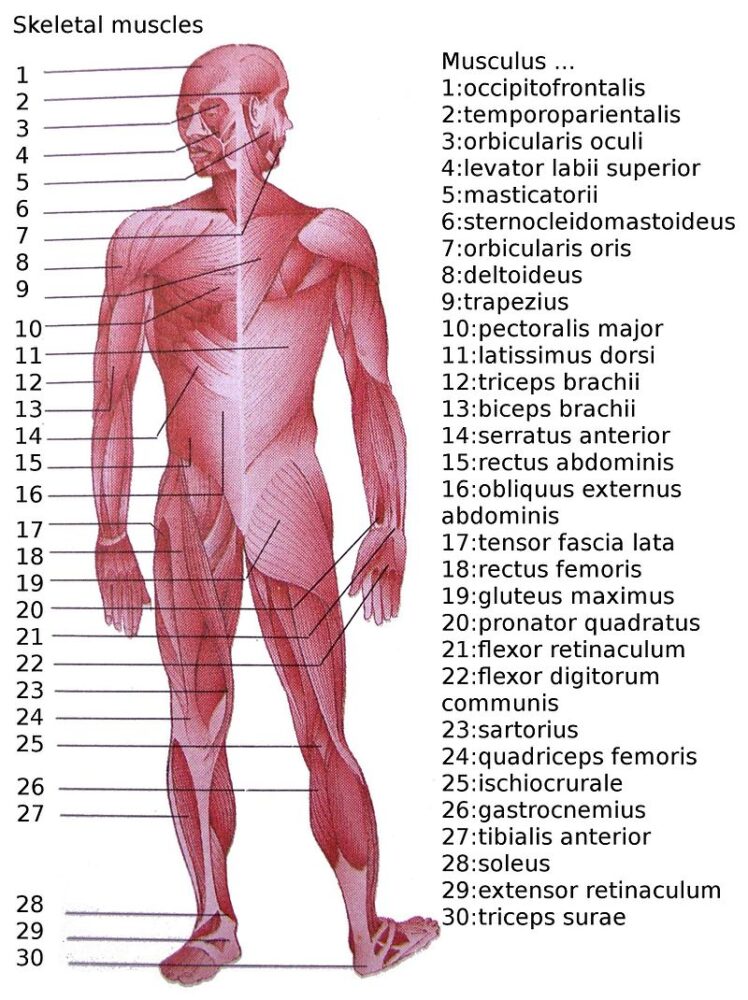
The puborectalis muscle is an important part of the pelvic floor that helps maintain bowel continence and supports the lower part of your digestive tract. An infection in this muscle is rare but can be quite painful and disruptive. In this guide, we will explain what a puborectalis muscle infection is, how it develops, its causes, symptoms, ways to diagnose it, and different treatments.
A puborectalis muscle infection is an inflammation or infection affecting the puborectalis muscle—a key muscle in the pelvic floor. This infection can occur when bacteria or other germs invade the muscle tissue, causing pain, swelling, and sometimes affecting bowel control. Since the puborectalis is part of the complex network of muscles that help hold the rectum in place, an infection here may lead to symptoms that interfere with normal daily activities.
Pathophysiology:
1. Structure and Anatomy
- Location: The puborectalis muscle forms a U-shaped sling around the rectum and is part of the levator ani group of muscles in the pelvic floor.
- Anatomy: It extends from the pubic bone (in the front of the pelvis) to the back of the rectum. Its unique shape is crucial in creating the anorectal angle that helps maintain continence.
2. Blood Supply
- Primary Blood Vessels: The blood supply to the puborectalis comes mainly from branches of the internal iliac arteries. A good blood supply is necessary for delivering oxygen and nutrients to help the muscle function and heal if injured or infected.
3. Nerve Supply
- Nervous Control: The puborectalis muscle is controlled by nerves from the sacral plexus. These nerves are responsible for muscle contraction and help maintain the tone needed for continence.
- Sensory Input: Nerve endings in the muscle also relay pain signals if an infection or injury occurs.
4. Functions
- Maintaining Continence: The puborectalis muscle plays a vital role in keeping the rectum in a loop, creating an angle that prevents involuntary leakage of stool.
- Support for Pelvic Organs: It supports the pelvic organs by contributing to the overall strength and stability of the pelvic floor.
- Facilitating Defecation: During bowel movements, the relaxation of this muscle helps in the proper passage of stool.
Types of Puborectalis Muscle Infection
While infections of the puborectalis muscle are not very common, they can vary in severity and presentation. Here are the types often recognized:
- Acute Bacterial Infection: This is usually sudden and results from a bacterial invasion, causing pain and swelling.
- Chronic Infection: A long-standing infection that may not show severe symptoms initially but can lead to persistent discomfort.
- Abscess Formation: In some cases, the infection may lead to an abscess (a pocket of pus) within the muscle tissue.
- Post-Surgical Infection: Infection that occurs after a pelvic surgery, where the puborectalis muscle is either directly involved or affected by nearby infection.
Common Causes of a Puborectalis Muscle Infection
- Bacterial Contamination from Nearby Infections
- Pelvic Surgery Complications
- Perianal Abscess Spread
- Trauma to the Pelvic Region
- Poor Hygiene in the perineal area
- Sexually Transmitted Infections (STIs) that spread to pelvic tissues
- Urinary Tract Infections spreading into the pelvic muscles
- Inflammatory Bowel Disease complications
- Rectal Procedures or Biopsies
- Childbirth-Related Trauma
- Anal Fissures with subsequent infection
- Foreign Body Insertion causing trauma and infection
- Compromised Immune System (HIV, diabetes, etc.)
- Chronic Constipation leading to straining and micro-tears
- Radiation Therapy for pelvic cancers
- Contaminated Medical Instruments during procedures
- Spread from Prostatitis or other nearby infections
- Intravenous Drug Use with pelvic injection sites
- Abscess Rupture from neighboring tissues
- Uncontrolled Diabetes affecting immune response
Common Symptoms
- Pelvic Pain localized to the lower pelvic area
- Painful Bowel Movements
- Fever and Chills indicating infection
- Swelling in the Pelvic Region
- Redness and Warmth over the affected area
- Difficulty Controlling Bowel Movements (incontinence)
- Sensation of Fullness in the rectal area
- Pain During Sexual Intercourse
- Lower Back Pain
- Pain While Sitting for extended periods
- General Malaise or feeling unwell
- Abdominal Pain that radiates to the groin
- Tenderness on Palpation during a physical exam
- Loss of Appetite
- Fatigue
- Nausea sometimes accompanying the infection
- Pain During Urination if the urinary tract is involved
- Foul-smelling Discharge in severe cases
- Localized Muscle Spasms
- Difficulty Standing Up or Walking
Diagnostic Tests
Diagnosing a puborectalis muscle infection involves a combination of physical exams and imaging tests. Here are 20 common tests:
- Physical Examination: Initial check for tenderness, swelling, and pain in the pelvic area.
- Medical History Review: Understanding previous infections or surgeries.
- Digital Rectal Exam (DRE): Doctor palpates the area to detect abnormalities.
- Ultrasound: Imaging to check for abscesses or fluid collections.
- MRI (Magnetic Resonance Imaging): Detailed images of soft tissues.
- CT Scan (Computed Tomography): High-resolution imaging of pelvic structures.
- X-Ray: Used to rule out bone involvement.
- Blood Tests: To check for infection markers such as white blood cell count and C-reactive protein (CRP).
- Urinalysis: To rule out concurrent urinary tract infections.
- Culture and Sensitivity Tests: Samples from any discharge or abscess to identify bacteria.
- Pelvic Floor Ultrasound: Specialized imaging for pelvic muscles.
- Endoanal Ultrasound: Imaging from inside the anal canal to evaluate muscle integrity.
- Biopsy: In rare cases, tissue samples are taken to rule out other conditions.
- Electromyography (EMG): Assess nerve and muscle function if nerve involvement is suspected.
- Proctoscopy: Visual examination of the rectum.
- Sigmoidoscopy: Check the lower part of the colon and rectum for signs of infection.
- Anorectal Manometry: Measures the function of the muscles in the rectal area.
- Stool Tests: To check for underlying gastrointestinal infections.
- Inflammatory Markers Test: Specific tests for markers like ESR (erythrocyte sedimentation rate).
- Pelvic CT with Contrast: Enhanced imaging for better detail of soft tissues and possible abscesses.
Non-Pharmacological Treatments
These treatments focus on relieving symptoms and helping the muscle heal without relying on medications alone. Always consult your doctor before starting any treatment.
- Rest: Allow the body to heal by reducing physical activity.
- Warm Compress: Apply heat to the pelvic area to ease muscle tension.
- Cold Therapy: Use an ice pack in the early stages to reduce swelling.
- Pelvic Floor Exercises: Gentle exercises to strengthen surrounding muscles.
- Physical Therapy: Work with a specialist for targeted exercises.
- Proper Hydration: Drink plenty of fluids to support healing.
- Nutritional Support: Eat a balanced diet rich in vitamins and minerals.
- Hygiene Care: Keep the perineal area clean to prevent further infection.
- Sitz Baths: Warm water baths that soothe the pelvic region.
- Proper Posture: Maintain good posture to reduce strain on pelvic muscles.
- Stress Management: Practice relaxation techniques such as meditation.
- Yoga: Gentle yoga poses can improve flexibility and reduce tension.
- Mindfulness and Breathing Exercises: Help reduce pain perception and anxiety.
- Ergonomic Adjustments: Ensure seating and workspaces support proper posture.
- Pelvic Massage: Performed by a professional to reduce muscle tension.
- Avoid Heavy Lifting: Reduce activities that strain the pelvic floor.
- Activity Modification: Modify daily routines to avoid pain triggers.
- Warm Baths: Soaking in warm water to relax the muscles.
- Gentle Stretching: Light stretches to improve muscle flexibility.
- Use of Cushions: Special cushions to reduce pressure when sitting.
- Pelvic Floor Relaxation Techniques: Learn to consciously relax the pelvic muscles.
- Biofeedback Therapy: Helps improve muscle control and awareness.
- Lifestyle Changes: Reduce habits that may contribute to chronic strain.
- Acupuncture: An alternative therapy to relieve pain.
- Hydrotherapy: Exercises in water to ease muscle tension.
- Weight Management: Maintain a healthy weight to reduce pressure on the pelvic floor.
- Avoiding Prolonged Sitting: Take regular breaks to move around.
- Use of Supportive Underwear: Designed to support the pelvic region.
- Cognitive Behavioral Therapy (CBT): Helps manage chronic pain by addressing stress.
- Scheduled Follow-Up: Regular check-ins with a healthcare provider to monitor recovery.
Drugs Commonly Used
Medical treatment for puborectalis muscle infection may include a variety of drugs. Always follow your doctor’s advice when taking these medications.
- Antibiotics (e.g., amoxicillin, ciprofloxacin) to fight bacterial infections.
- Nonsteroidal Anti-Inflammatory Drugs (NSAIDs) (e.g., ibuprofen, naproxen) for pain and inflammation.
- Acetaminophen (Paracetamol) for pain relief.
- Topical Antibiotics (creams or ointments) if there is a localized infection.
- Muscle Relaxants (e.g., cyclobenzaprine) to ease muscle spasms.
- Oral Corticosteroids (short-term use) for severe inflammation.
- Topical Steroids to reduce local swelling.
- Opioid Analgesics (short-term, in severe cases) for pain management.
- Antispasmodics (e.g., hyoscine) to reduce cramping.
- Local Anesthetics (e.g., lidocaine patches) for pain relief.
- Combination Analgesics (medications that combine pain relievers).
- Broad-spectrum Antibiotics for mixed bacterial infections.
- Clindamycin for resistant bacterial infections.
- Metronidazole if anaerobic bacteria are suspected.
- Fluoroquinolones for specific bacterial strains.
- Penicillin Derivatives when appropriate.
- Linezolid for resistant infections (used under strict medical supervision).
- Trimethoprim-Sulfamethoxazole (Bactrim) in certain cases.
- Anti-inflammatory Supplements (e.g., omega-3 fatty acids, if advised).
- Probiotics (to maintain gut health during antibiotic treatment).
Surgeries or Invasive Procedures
Surgery for a puborectalis muscle infection is usually considered only in severe or complicated cases, such as when an abscess is present. Options include:
- Incision and Drainage of an Abscess: Surgical opening to drain pus.
- Debridement: Removal of infected or dead tissue from the muscle.
- Drain Placement: Insertion of a drain to remove ongoing fluid buildup.
- Exploratory Surgery: To identify and treat the source of infection.
- Fistulotomy: If an abscess has led to fistula formation.
- Laparoscopic Surgery: Minimally invasive procedure for complex pelvic infections.
- Open Surgical Drainage: When minimally invasive methods are not suitable.
- Surgical Repair: Repairing any damage to the muscle or surrounding tissues.
- Pelvic Floor Reconstruction: In cases with severe structural damage.
- Nerve Release Procedures: If infection causes nerve compression.
Preventive Measures
Preventing puborectalis muscle infection focuses on maintaining pelvic health and minimizing risk factors:
- Practice Good Hygiene: Keep the perineal area clean.
- Follow Post-Surgical Instructions: To reduce infection risk after pelvic surgery.
- Manage Chronic Conditions: Such as diabetes or inflammatory bowel disease.
- Use Proper Lifting Techniques: To avoid pelvic strain.
- Safe Sexual Practices: To reduce the risk of sexually transmitted infections.
- Avoid Unnecessary Pelvic Procedures: When possible, reduce invasive procedures.
- Strengthen the Pelvic Floor: Through regular exercise and physical therapy.
- Regular Medical Check-ups: For early detection of infections.
- Wear Protective Gear: During activities that may impact the pelvic region.
- Maintain a Healthy Diet: Support immune function with proper nutrition.
When to See a Doctor
It is important to consult a healthcare provider if you notice any of the following:
- Persistent or Severe Pelvic Pain: Especially if it interferes with daily activities.
- Fever and Chills: Signs that an infection might be spreading.
- Difficulty with Bowel Movements or Incontinence: Changes in normal function.
- Swelling, Redness, or Warmth: In the pelvic or perineal area.
- Unexplained Fatigue or Loss of Appetite: Accompanied by other symptoms.
- No Improvement with Home Care: If symptoms persist despite rest and basic treatments.
- Signs of an Abscess: Such as a palpable lump or severe localized pain.
- Pain During or After Bowel Movements: Unusual or worsening symptoms.
- Recent Pelvic Surgery: With signs of infection in the area.
- Any Worsening Symptoms: That cause concern or discomfort.
Frequently Asked Questions (FAQs)
1. What is a puborectalis muscle infection?
It is an infection in the pelvic floor muscle called the puborectalis. This muscle helps maintain bowel continence and supports pelvic organs.
2. How does this infection develop?
The infection can develop when bacteria from nearby areas (such as from the urinary tract, rectum, or after surgery) invade the muscle tissue.
3. What are the main symptoms?
Common symptoms include pelvic pain, painful bowel movements, fever, swelling, and sometimes difficulty controlling bowel movements.
4. Who is most at risk for this infection?
Individuals with a history of pelvic surgeries, poor hygiene, chronic illnesses (like diabetes), or those with nearby infections are more at risk.
5. How is a puborectalis muscle infection diagnosed?
Diagnosis is made through physical examinations, imaging tests (ultrasound, MRI, CT scan), blood tests, and sometimes rectal exams.
6. What treatments are available without medications?
Non-pharmacological treatments include rest, warm or cold compresses, physical therapy, pelvic floor exercises, and proper hygiene practices.
7. Which medications are used to treat this infection?
Doctors typically use antibiotics, NSAIDs, muscle relaxants, and sometimes corticosteroids depending on the severity of the infection.
8. When is surgery needed?
Surgery is considered when there is an abscess or if the infection does not improve with antibiotics and conservative treatment.
9. Can this infection affect bowel control?
Yes, because the puborectalis muscle is essential for maintaining the anorectal angle, an infection may lead to incontinence or difficulty controlling bowel movements.
10. How long does recovery usually take?
Recovery depends on the severity. Mild infections may improve in a few weeks, while more severe cases could take longer.
11. Are there any home remedies that can help?
While home remedies like warm baths and gentle exercises may relieve symptoms, they should be used alongside professional medical treatment.
12. How can I prevent this infection from recurring?
Good hygiene, proper post-surgical care, pelvic floor exercises, and regular medical follow-ups can help prevent recurrence.
13. Is pelvic pain always a sign of infection?
No, pelvic pain can result from many conditions. It is important to see a doctor for a proper diagnosis if pain persists.
14. Can physical therapy help with recovery?
Yes, physical therapy is often recommended to strengthen pelvic muscles and improve flexibility during recovery.
15. What should I do if my symptoms worsen?
If you experience worsening symptoms such as increased pain, fever, or difficulty with bowel movements, seek medical attention immediately.
Conclusion
A puborectalis muscle infection, though rare, can significantly impact your quality of life by causing pain, discomfort, and functional problems. Understanding the structure and function of the puborectalis muscle helps in recognizing the importance of early treatment. With a mix of proper diagnosis, a tailored treatment plan (including non-pharmacological and pharmacological methods), and preventive measures, you can manage the condition effectively. Always consult a healthcare provider for personalized advice and treatment, especially if you experience severe or worsening symptoms.
The article is written by Team Rxharun and reviewed by the Rx Editorial Board Members More details about authors, please visit to Profile rxharun.com Last Update: March 19, 2025.
Rx Editorial Board Member and Team Rxharun’s Writers Links
Disclaimer: Each person’s journey is unique, treatment plan, life style, food habit, hormonal condition, immune system, chronic disease condition, geological location, weather and previous medical history is also unique. So always seek the best advice from a qualified medical professional or health care provider before trying any treatments to ensure to find out the best plan for you. This guide is for general information and educational purposes only. Regular check-ups and awareness can help to manage and prevent complications associated with these diseases conditions. If you or someone are suffering from this disease condition bookmark this website or share with someone who might find it useful! Boost your knowledge and stay ahead in your health journey. We always try to ensure that the content is regularly updated to reflect the latest medical research and treatment options. Thank you for giving your valuable time to read the article.