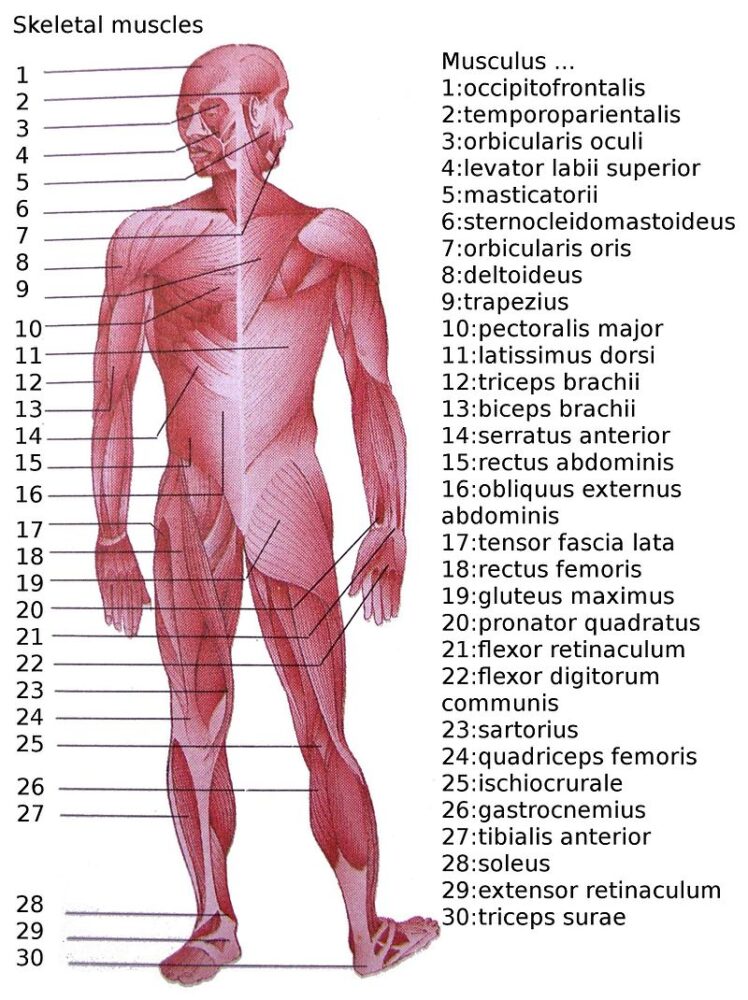
A puborectalis muscle hernia refers to a condition where a portion of the tissue or organ, such as fat or sometimes part of the bowel, pushes through or protrudes near the area of the puborectalis muscle. The puborectalis muscle is a key part of the pelvic floor and plays an important role in maintaining continence and supporting pelvic organs. When a hernia occurs here, it can lead to discomfort, pain, or other pelvic floor dysfunction symptoms.
Understanding this condition is important because the puborectalis muscle is essential for:
- Maintaining Fecal Continence: Helping to control bowel movements.
- Supporting Pelvic Organs: Providing structural support to organs in the lower pelvis.
- Stabilizing the Pelvis: Contributing to the overall stability of the pelvic floor.
A hernia in this area can disrupt these functions and cause significant discomfort or complications if left untreated.
Pathophysiology of Puborectalis Muscle Hernia
Anatomy and Structure of the Puborectalis Muscle
- Location: The puborectalis muscle is located in the pelvic floor. It forms a U-shaped sling around the rectum, pulling it forward to help maintain continence.
- Relationship with Other Muscles: It is a part of the levator ani muscle group, working together with the pubococcygeus and iliococcygeus muscles.
- Role in Pelvic Support: This muscle supports the pelvic organs and helps maintain the angle between the rectum and the anal canal.
Blood Supply
- Primary Sources: The blood supply to the puborectalis muscle comes from branches of the internal iliac arteries. These arteries deliver the oxygen and nutrients needed for muscle function and repair.
- Importance: Good blood flow is essential for muscle health and the healing process after an injury such as a hernia.
Nerve Supply
- Nerve Innervation: The puborectalis muscle is mainly controlled by nerves from the pudendal nerve and branches of the sacral plexus.
- Function: These nerves help manage muscle contraction, sensation, and coordination. They are crucial for maintaining continence and pelvic floor stability.
Functions of the Puborectalis Muscle
- Continence Maintenance: By forming a sling around the rectum, it creates an angle that helps prevent involuntary leakage.
- Support of Pelvic Organs: It plays a role in holding pelvic organs (bladder, uterus, and rectum) in their proper positions.
- Pelvic Stability: Works together with other pelvic muscles to stabilize the pelvis during movement.
- Assisting in Defecation: Helps regulate the passage of stool by controlling the angle of the anorectal junction.
How a Hernia Occurs in This Muscle
A hernia in the region of the puborectalis muscle usually happens when there is a weakness or defect in the pelvic floor. This weakness can be due to:
- Trauma or Injury: Direct blows or repetitive strain.
- Surgical Procedures: Previous pelvic surgeries may weaken the area.
- Chronic Pressure: Long-term straining, obesity, or chronic constipation can put extra pressure on the pelvic floor.
- Aging or Childbirth: Natural weakening of muscles over time or due to childbirth.
The resulting defect allows tissues to push through, forming a hernia.
Types of Puborectalis Muscle Hernia
While puborectalis muscle hernias are not as common as other hernias (like inguinal or umbilical hernias), they can be categorized based on location and severity:
- Primary Puborectalis Hernia
- Develops due to inherent weakness in the pelvic floor muscles without any previous surgical history.
- Secondary or Post-Surgical Hernia
- Occurs as a complication following pelvic surgery or injury.
- Small, Localized Hernia
- Involves only a small portion of tissue protruding through a minor defect.
- Large or Extensive Hernia
- Involves a larger portion of tissue and may affect the function of pelvic organs more significantly.
- Interparietal Hernia
- Occurs between the layers of the pelvic muscles, sometimes making diagnosis more challenging.
Common Causes of Puborectalis Muscle Hernia
- Direct Trauma to the Pelvic Area
- Previous Pelvic Surgery
- Chronic Straining from Constipation
- Heavy Lifting with improper technique
- Obesity increasing intra-abdominal pressure
- Childbirth-Related Injury
- Aging-Related Muscle Weakness
- Repetitive Physical Stress (e.g., intense exercise or manual labor)
- Pelvic Inflammatory Disease
- Genetic Predisposition to weak connective tissue
- Coughing or Sneezing frequently (chronic respiratory issues)
- Excessive Physical Exertion during sports
- Accidents or Falls that impact the lower pelvis
- Postpartum Muscle Laxity
- Connective Tissue Disorders (e.g., Ehlers-Danlos syndrome)
- Previous Hernia Repairs leading to weakness in surrounding tissue
- Radiation Therapy affecting muscle integrity
- Prolonged Sitting with poor posture
- Pelvic Floor Dysfunction due to nerve damage
- Inflammatory Conditions in the pelvic region
Common Symptoms of Puborectalis Muscle Hernia
- Pelvic Pain or discomfort
- Lower Back Pain that may radiate to the groin
- A Feeling of Pressure in the pelvic area
- Bulging or Swelling near the pelvic floor
- Difficulty with Bowel Movements (incontinence or constipation)
- Pain during Defecation
- Urinary Incontinence or urgency
- Discomfort during Sexual Activity
- Sensation of a Lump in the lower abdomen or pelvic area
- Tightness around the pelvic muscles
- Pain when Lifting or Straining
- Weakness in the Pelvic Floor
- Visible Asymmetry in the pelvic area
- Pain while Coughing or Sneezing
- Lower Abdominal Discomfort
- Difficulty Maintaining Posture
- Fatigue in the pelvic region after activity
- Muscle Spasms in the lower pelvis
- Radiating Pain to the thighs or buttocks
- Feeling of Incomplete Evacuation after bowel movements
Diagnostic Tests for Puborectalis Muscle Hernia
Proper diagnosis involves a combination of clinical evaluation and imaging techniques:
- Physical Examination
- Medical History Review
- Pelvic Examination by a specialist
- Digital Rectal Examination (DRE)
- Ultrasound Imaging
- Magnetic Resonance Imaging (MRI)
- Computed Tomography (CT) Scan
- X-ray (to rule out bony abnormalities)
- Defecography (assesses pelvic floor function during defecation)
- Endoanal Ultrasound
- Pelvic Floor Manometry (measures muscle strength)
- Electromyography (EMG) of pelvic muscles
- Dynamic MRI (to see muscle movement and hernia protrusion)
- Contrast Studies (to highlight soft tissue structures)
- Hernia Provocation Tests (assessing pain during Valsalva maneuver)
- Colonoscopy (if bowel involvement is suspected)
- Cystoscopy (if urinary symptoms are present)
- Laboratory Tests (to check for signs of infection or inflammation)
- Pelvic Floor Ultrasound
- Digital Palpation by a trained clinician
Non-Pharmacological Treatments
These treatments focus on strengthening the pelvic floor, reducing symptoms, and preventing further injury without the use of medications. Always consult a healthcare professional before beginning any treatment.
- Rest: Allow the pelvic muscles to recover.
- Ice Therapy: Apply cold packs to reduce inflammation in the initial phase.
- Heat Therapy: Use warm compresses after the initial swelling decreases.
- Pelvic Floor Exercises: Kegel exercises to strengthen the muscles.
- Physical Therapy: Specialized exercises and stretches for pelvic health.
- Biofeedback Training: Helps you learn how to control pelvic floor muscles better.
- Manual Therapy: Hands-on techniques by a physical therapist to improve muscle function.
- Lifestyle Modifications: Reducing heavy lifting and strenuous activities.
- Postural Training: Improving body alignment to reduce pelvic strain.
- Weight Management: Maintaining a healthy weight to reduce pressure on the pelvic floor.
- Hydration and Nutrition: Ensuring proper fluid and nutrient intake for tissue repair.
- Behavioral Therapy: Techniques to manage stress, which can impact muscle tension.
- Avoiding Constipation: Dietary fiber and fluid intake adjustments.
- Bladder Training: Scheduled voiding to improve urinary control.
- Biofeedback-Assisted Relaxation: Using technology to relax pelvic muscles.
- Ergonomic Adjustments: Modifying workstations or home environments to reduce strain.
- Yoga: Gentle poses to enhance pelvic flexibility and strength.
- Pilates: Low-impact exercises to support core and pelvic muscles.
- Swimming: Low-impact aerobic exercise that reduces joint stress.
- Guided Stretching Routines: Focused on pelvic and lower back muscles.
- Mindfulness Meditation: Helps in managing chronic pain and muscle tension.
- Transcutaneous Electrical Nerve Stimulation (TENS): To reduce pain signals.
- Acupuncture: May help relieve pelvic pain in some patients.
- Manual Lymphatic Drainage: To reduce swelling in the pelvic area.
- Herbal Supplements: Under doctor’s advice, supplements that support muscle health.
- Pelvic Support Devices: Such as pessaries or supportive garments.
- Post-Surgical Rehabilitation: Specific exercises after any pelvic surgery.
- Behavioral Modifications: Changing habits that lead to excessive straining.
- Regular Follow-up and Monitoring: Keeping track of symptoms and muscle function.
- Education and Self-Care Strategies: Learning proper techniques for daily activities to protect the pelvic floor.
Drugs Commonly Used (Under Medical Supervision)
Medication use should always be under the guidance of a healthcare provider. The following are drugs that may be used to manage symptoms or complications associated with a puborectalis muscle hernia:
- Nonsteroidal Anti-Inflammatory Drugs (NSAIDs) (e.g., ibuprofen, naproxen)
- Acetaminophen (Paracetamol) for mild to moderate pain
- Muscle Relaxants (e.g., cyclobenzaprine) to ease muscle spasms
- Topical Analgesics (creams or gels) for local pain relief
- Opioid Analgesics (short-term use for severe pain)
- Corticosteroids (Oral or Injected) to reduce inflammation
- Local Anesthetics (e.g., lidocaine patches) for pain control
- Antispasmodics to alleviate cramping
- Gabapentin or Pregabalin (if nerve pain is suspected)
- Tricyclic Antidepressants (for chronic pain management)
- Serotonin-Norepinephrine Reuptake Inhibitors (SNRIs) for pain modulation
- Anticonvulsants (in cases of nerve-related pain)
- Beta-Blockers (if there are associated heart rate issues with pain)
- Local Steroid Injections for inflammation control
- Antibiotics (if an infection complicates the hernia)
- Laxatives or Stool Softeners (to prevent straining during bowel movements)
- Fiber Supplements (to support bowel regularity)
- Vitamin and Mineral Supplements (to support muscle recovery)
- Alpha Blockers (if there is pelvic floor spasm involvement)
- Custom-Formulated Combination Medications tailored to patient needs
Surgeries or Invasive Procedures
Surgery is considered when conservative treatments fail or if the hernia causes significant complications. The following procedures may be recommended by a specialist:
- Hernia Repair Surgery: Closing the defect in the pelvic floor with sutures or mesh.
- Laparoscopic Repair: Minimally invasive surgery to repair the hernia.
- Open Surgical Repair: Traditional surgical method if laparoscopic surgery is not possible.
- Mesh Reinforcement: Using synthetic or biological mesh to strengthen the repair.
- Hernia Sac Excision: Removing the hernia sac to prevent recurrence.
- Pelvic Floor Reconstruction: Rebuilding and reinforcing the pelvic floor muscles.
- Endoscopic Procedures: Using small incisions and a camera to repair the hernia.
- Robotic-Assisted Surgery: A precise method using robotic systems for complex cases.
- Exploratory Surgery: To assess and repair any associated pelvic defects.
- Post-Repair Rehabilitation Procedures: Invasive interventions combined with rehabilitation techniques to ensure long-term repair stability.
Preventive Measures
Preventing a puborectalis muscle hernia focuses on maintaining a strong, healthy pelvic floor and avoiding factors that increase intra-abdominal pressure:
- Practice Proper Lifting Techniques: Always bend at the knees and keep the back straight.
- Strengthen Pelvic Floor Muscles: Regular pelvic exercises (like Kegels) help maintain muscle tone.
- Maintain a Healthy Weight: Reducing pressure on the pelvic floor by staying fit.
- Avoid Chronic Straining: Prevent constipation with a high-fiber diet and proper hydration.
- Use Supportive Garments: Especially after childbirth or surgery.
- Manage Chronic Cough or Respiratory Issues: To avoid excessive pressure on the pelvic muscles.
- Proper Posture: Sitting and standing with good alignment reduces strain.
- Gradual Exercise Progression: Avoid sudden increases in activity intensity.
- Avoid Heavy Lifting: Or use proper technique and assistance when necessary.
- Regular Medical Check-Ups: Early identification and management of pelvic floor weaknesses.
When to See a Doctor
It is important to consult a healthcare professional if you experience any of the following:
- Persistent or Severe Pelvic Pain: Especially if it interferes with daily activities.
- Visible Bulging or Swelling: In the pelvic or lower abdominal area.
- Changes in Bowel or Bladder Function: Such as incontinence or difficulty with defecation.
- Pain During Sexual Activity: Or discomfort that affects intimacy.
- Worsening Symptoms: Despite conservative treatments like exercise and lifestyle modifications.
- Signs of Infection: Such as fever, chills, or redness around the pelvic area.
Early diagnosis and treatment can help prevent further complications and improve quality of life.
Frequently Asked Questions (FAQs)
1. What is a puborectalis muscle hernia?
A puborectalis muscle hernia occurs when tissue—such as fat or a portion of an organ—pushes through a weak spot near the puborectalis muscle, which is a key muscle in the pelvic floor that helps control continence and support pelvic organs.
2. How does a puborectalis muscle hernia happen?
It usually happens when there is a weakness in the pelvic floor due to factors like trauma, surgery, chronic straining, or childbirth. This weakness allows tissue to bulge through the muscle.
3. What are the main functions of the puborectalis muscle?
The puborectalis muscle helps maintain fecal continence, supports pelvic organs, and stabilizes the pelvis. It forms a sling around the rectum, which is critical for normal bowel function.
4. What symptoms should I look for?
Common symptoms include pelvic pain, a feeling of pressure or bulging in the pelvic area, difficulty with bowel movements, urinary incontinence, and discomfort during physical activities or sexual intercourse.
5. How is this hernia diagnosed?
Diagnosis usually involves a physical examination, pelvic exam, digital rectal examination, and imaging tests such as ultrasound, MRI, or CT scans to confirm the presence and extent of the hernia.
6. Are there non-surgical treatments available?
Yes, treatments include pelvic floor exercises, physical therapy, lifestyle modifications, and supportive devices to strengthen the pelvic muscles and reduce symptoms.
7. What role do medications play in managing this condition?
Medications such as NSAIDs, muscle relaxants, and topical analgesics can help manage pain and inflammation. In more severe cases, other drugs might be prescribed under close medical supervision.
8. When is surgery necessary?
Surgery is considered when conservative treatments do not relieve symptoms or when the hernia causes significant complications like severe pain, organ dysfunction, or a risk of incarceration.
9. How can I prevent a puborectalis muscle hernia?
Prevention includes maintaining a strong pelvic floor through regular exercise, using proper lifting techniques, managing weight, and avoiding chronic straining during bowel movements.
10. What lifestyle changes can help manage symptoms?
Lifestyle changes include adopting a high-fiber diet, staying hydrated, avoiding heavy lifting, and incorporating pelvic floor exercises into your routine.
11. Is the condition common in both men and women?
While pelvic floor issues can affect both genders, the incidence and specific causes may vary. Women, especially after childbirth, might be at a higher risk due to pelvic muscle stretching and injury.
12. Can physical therapy help in recovery?
Yes, physical therapy can be very beneficial by providing tailored exercises, manual therapy, and education on proper body mechanics to strengthen the pelvic floor.
13. What are the risks of leaving a puborectalis muscle hernia untreated?
Untreated hernias can lead to chronic pain, worsening pelvic floor dysfunction, and in rare cases, complications like incarceration or strangulation of the herniated tissue.
14. Are there any support groups or resources available?
Many communities have pelvic floor rehabilitation programs, and online support groups can offer advice and shared experiences. Your doctor can also recommend reputable resources.
15. How long does recovery take after treatment?
Recovery time varies depending on the severity of the hernia and the treatment method. Conservative treatment might take several weeks to months, while surgical recovery depends on the complexity of the procedure and individual healing rates.
Conclusion
A puborectalis muscle hernia is a condition that affects the pelvic floor by allowing tissue to bulge through a weakened area near the puborectalis muscle. This muscle is vital for maintaining continence and supporting pelvic organs. Recognizing the symptoms, understanding the causes, and knowing the diagnostic options are key to managing this condition effectively.
There are several non-pharmacological treatments available—from physical therapy and lifestyle modifications to pelvic floor exercises—along with medications and, in more severe cases, surgical interventions. Preventive measures and early medical consultation can help maintain pelvic health and improve overall quality of life.
The article is written by Team Rxharun and reviewed by the Rx Editorial Board Members More details about authors, please visit to Profile rxharun.com Last Update: March 19, 2025.
Rx Editorial Board Member and Team Rxharun’s Writers Links
Disclaimer: Each person’s journey is unique, treatment plan, life style, food habit, hormonal condition, immune system, chronic disease condition, geological location, weather and previous medical history is also unique. So always seek the best advice from a qualified medical professional or health care provider before trying any treatments to ensure to find out the best plan for you. This guide is for general information and educational purposes only. Regular check-ups and awareness can help to manage and prevent complications associated with these diseases conditions. If you or someone are suffering from this disease condition bookmark this website or share with someone who might find it useful! Boost your knowledge and stay ahead in your health journey. We always try to ensure that the content is regularly updated to reflect the latest medical research and treatment options. Thank you for giving your valuable time to read the article.