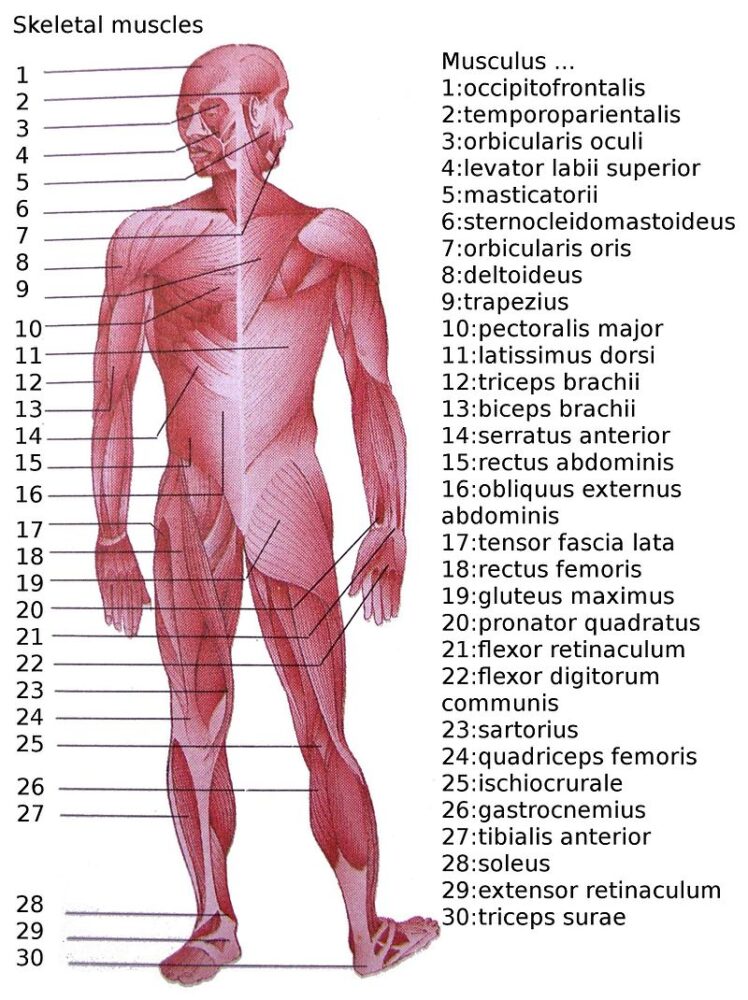
The puborectalis muscle is a key part of the pelvic floor that helps control bowel movements by forming a sling around the rectum. When this muscle becomes weak, injured, or inflamed, it can lead to a variety of conditions that affect your daily life, including incontinence, pelvic pain, and difficulties with bowel movements. In this guide, we explain the details of puborectalis muscle diseases in simple language.
The puborectalis is part of the pelvic floor muscles. It forms a U-shaped sling around the junction of the rectum and the anus. This muscle helps maintain continence (preventing unwanted leakage of stool) by keeping the angle between the rectum and the anal canal tight. When it contracts, it helps “close” the passage, and when it relaxes, it allows for defecation.
These refer to any conditions that affect the puborectalis muscle. Problems may include spasms, inflammation, weakness, or dysfunction that lead to symptoms such as pelvic pain, constipation, or incontinence. Examples include puborectalis syndrome, pelvic floor dysfunction, and other related disorders.
Pathophysiology:
Structure
-
Anatomy:
The puborectalis muscle is part of the levator ani group and is located in the deep pelvis. It originates from the pubic bone and loops around the rectum, attaching again to the same area. This arrangement forms a muscular “sling” that is vital for bowel control. -
Appearance:
It is a robust, thin muscle that is not visible from the outside but plays a critical role in pelvic stability and function.
Blood Supply
- Arterial Supply:
The muscle is supplied by small branches from pelvic arteries such as the internal pudendal artery and other nearby vessels. Good blood flow is essential to supply oxygen and nutrients, support muscle contraction, and aid healing.
Nerve Supply
- Innervation:
Nerves from the pudendal nerve and other branches of the sacral plexus provide the signals that control the puborectalis muscle. These nerves also carry pain signals if the muscle is injured or inflamed.
Functions
- Maintaining Continence:
By forming a loop around the rectum, the puborectalis helps keep the rectum angled correctly, preventing accidental leakage. - Assisting in Defecation:
The muscle relaxes when you need to have a bowel movement, allowing the passage to open. - Supporting Pelvic Organs:
It contributes to overall pelvic floor strength and stability, supporting organs like the bladder, uterus (in women), and rectum. - Contributing to Posture:
As part of the pelvic floor, it also helps in maintaining proper alignment and posture.
Types of Puborectalis Muscle Diseases
While not every condition affecting the puborectalis muscle is classified under a single label, several distinct issues are recognized:
-
Puborectalis Syndrome:
A condition often characterized by chronic pelvic pain and difficulty in coordinating the muscle during bowel movements. -
Pelvic Floor Dysfunction:
A broader term that includes puborectalis issues along with other pelvic floor muscles, leading to symptoms such as incontinence or constipation. -
Muscle Spasms or Hypertonicity:
Excessive tightness or spasm in the puborectalis, which can cause pain and disrupt normal bowel function. -
Muscle Weakness or Hypotonicity:
When the muscle loses strength, it may not be able to maintain continence properly. -
Traumatic Injury or Strain:
Damage from childbirth, surgery, or direct injury can affect the muscle’s function. -
Post-surgical or Post-radiation Changes:
Treatments for other pelvic conditions may lead to scarring or altered function in the puborectalis. -
Neuromuscular Disorders:
Conditions such as multiple sclerosis or spinal cord injuries that affect nerve supply may impair the muscle. -
Inflammatory Conditions:
Inflammation due to infections or autoimmune processes that affect pelvic tissues. -
Pelvic Organ Prolapse-related Issues:
When other pelvic structures are displaced, it may alter the function of the puborectalis. -
Idiopathic Conditions:
Sometimes, the exact cause is not known, and the muscle may simply malfunction without a clear underlying reason.
Common Causes of Puborectalis Muscle Diseases
- Childbirth-Related Trauma: Injury or strain during vaginal delivery.
- Surgical Trauma: Pelvic surgeries that unintentionally affect the muscle.
- Direct Injury: Blunt trauma or accidents impacting the pelvis.
- Overuse or Repetitive Strain: Prolonged sitting, heavy lifting, or intense physical activity.
- Pelvic Inflammatory Disease (PID): Infection that can spread to pelvic tissues.
- Neurological Disorders: Conditions like multiple sclerosis affecting nerve signals.
- Spinal Cord Injury: Disruption in nerve pathways that innervate the pelvic floor.
- Childhood Constipation: Chronic straining that can affect pelvic muscles over time.
- Obesity: Excess weight placing extra pressure on pelvic muscles.
- Aging: Natural weakening and degeneration of muscle tissue.
- Radiation Therapy: Treatment for pelvic cancers that can damage healthy tissue.
- Autoimmune Conditions: Inflammatory diseases that can involve the pelvic floor.
- Muscle Imbalance: Weakness in surrounding muscles leading to compensatory strain.
- Chronic Stress: Increased muscle tension from long-term stress.
- Genetic Predisposition: Inherited connective tissue disorders.
- Infections: Local infections affecting pelvic tissues.
- Constipation and Straining: Repeated forceful bowel movements.
- Prolonged Sitting: Sedentary lifestyle contributing to pelvic floor weakness.
- Hormonal Changes: Fluctuations during menopause that affect muscle tone.
- Traumatic Events: Accidents or falls that directly injure the muscle.
Common Symptoms of Puborectalis Muscle Diseases
- Chronic Pelvic Pain: Persistent discomfort in the lower abdomen or pelvic area.
- Difficulty with Bowel Movements: Pain or trouble passing stool.
- Constipation: Ongoing issues with regular, comfortable defecation.
- Incontinence: Unintentional leakage of stool or gas.
- Sensation of Incomplete Evacuation: Feeling that the bowels are not fully emptied.
- Pelvic Pressure: A heavy or dragging feeling in the pelvic region.
- Pain during Intercourse: Discomfort during sexual activity.
- Muscle Spasms: Sudden, involuntary contractions in the pelvic floor.
- Lower Back Pain: Pain that may extend from the back to the pelvic region.
- Straining during Bowel Movements: Excessive effort required for defecation.
- Abdominal Bloating: Feeling of fullness or swelling in the abdomen.
- Urinary Frequency or Urgency: Increased need to urinate.
- Discomfort when Sitting: Pain or numbness while seated.
- Tightness in the Pelvic Area: General stiffness or rigidity of the pelvic floor.
- Pain with Exercise: Discomfort during physical activity.
- Hemorrhoids: Secondary issues due to straining and increased pressure.
- Recurrent Anal Fissures: Small tears around the anal area.
- Difficulty Relaxing the Muscle: Trouble letting the muscle relax fully.
- Emotional Stress or Anxiety: Chronic pain can lead to stress, which may worsen symptoms.
- Fatigue: Ongoing discomfort leading to tiredness or reduced energy.
Diagnostic Tests for Puborectalis Muscle Diseases
To diagnose problems with the puborectalis muscle, healthcare providers may use several methods:
- Medical History Review: Detailed discussion of symptoms and previous conditions.
- Physical Examination: General pelvic exam to assess muscle tone.
- Digital Rectal Exam (DRE): The doctor manually examines the muscle through the rectum.
- Pelvic Floor Muscle Assessment: Evaluating strength and coordination of pelvic muscles.
- Ultrasound Imaging: Using sound waves to view the pelvic structures.
- Magnetic Resonance Imaging (MRI): Detailed imaging to assess muscle and surrounding tissues.
- Defecography: X-ray or MRI study during bowel movements to see how the muscle functions.
- Manometry: Measuring the pressure within the anal canal and rectum.
- Electromyography (EMG): Testing the electrical activity of pelvic floor muscles.
- Nerve Conduction Studies: Evaluating how well nerves are transmitting signals.
- Endoanal Ultrasound: A probe inserted into the anal canal to view the muscle layers.
- Pelvic CT Scan: Computerized tomography to examine pelvic structures.
- Cystoscopy: In some cases, checking the bladder and urethra if urinary symptoms are present.
- Anorectal Physiologic Testing: Comprehensive tests to assess the mechanics of defecation.
- Stress Tests: Evaluating how the muscle responds under load.
- Vaginal Examination (in women): To check pelvic floor support.
- Provocative Maneuvers: Specific tests to see if certain movements trigger symptoms.
- Endo-anal Manometry: More detailed pressure studies of the anal canal.
- Computed Defecography: A combination of CT imaging and defecation evaluation.
- Laboratory Tests: Blood tests to rule out infection or inflammation.
Non-Pharmacological Treatments
Many strategies focus on improving pelvic floor function without drugs. These methods are generally safe and can be very effective when tailored to the individual.
- Pelvic Floor Exercises (Kegels): Strengthen the pelvic muscles.
- Biofeedback Therapy: Learn to control muscle contraction and relaxation.
- Physical Therapy: Personalized exercise plans with a specialized therapist.
- Trigger Point Release Therapy: Manual therapy to relax tight spots.
- Pelvic Floor Relaxation Techniques: Guided exercises to reduce muscle tension.
- Yoga: Gentle poses to improve flexibility and core strength.
- Pilates: Focused on core stabilization and pelvic alignment.
- Deep Breathing Exercises: Helps reduce overall tension.
- Mindfulness and Meditation: Lower stress levels that can exacerbate pain.
- Heat Therapy: Warm packs to relax the muscle and ease pain.
- Cold Therapy: Ice packs to reduce inflammation in the acute phase.
- Stretching Exercises: Gentle stretches to improve muscle flexibility.
- Postural Training: Learning proper posture to support pelvic health.
- Ergonomic Adjustments: Adapting workspaces and seating for better support.
- Weight Management: Maintaining a healthy weight to reduce pelvic pressure.
- Hydration and Nutrition Counseling: Proper diet to support muscle function.
- Manual Massage: Therapeutic massage of the pelvic area.
- Acupuncture: Traditional therapy that may relieve pain.
- Behavioral Therapy: To manage pain and the psychological impact of chronic symptoms.
- Lifestyle Modifications: Changing daily habits that strain the pelvic floor.
- Bladder Training: Techniques to improve urinary control.
- Bowel Training: Scheduled routines to promote regularity.
- Post-Surgical Rehabilitation: Tailored exercises after pelvic surgeries.
- Support Groups: Sharing experiences with others facing similar issues.
- Use of a Pelvic Floor Trainer Device: At-home devices that guide exercises.
- Education on Proper Bowel Habits: Learning not to strain during defecation.
- Restorative Sleep Practices: Improving sleep to aid healing.
- Avoiding Heavy Lifting: Preventing strain on the pelvic floor.
- Behavioral Modification: Addressing habits that increase pelvic stress.
- Routine Follow-Up Care: Regular check-ins with healthcare professionals to monitor progress.
Drugs Commonly Used
In some cases, medications help manage pain, relax muscles, or treat underlying inflammation. Always follow your doctor’s advice when using these drugs.
- Nonsteroidal Anti-Inflammatory Drugs (NSAIDs) (e.g., ibuprofen, naproxen)
- Acetaminophen (Paracetamol) for mild pain relief
- Muscle Relaxants (e.g., cyclobenzaprine) to ease muscle spasm
- Botulinum Toxin Injections (to temporarily relax an overactive muscle)
- Topical Analgesics (creams or gels for localized relief)
- Oral Corticosteroids (for significant inflammation, short-term use)
- Tricyclic Antidepressants (for chronic pain management)
- Anticonvulsants (e.g., gabapentin for nerve-related pain)
- Opioid Analgesics (for severe pain, used with caution)
- Alpha-Adrenergic Blockers (may help relax smooth muscle in the pelvic region)
- Antispasmodics (to relieve spasmodic contractions)
- Local Anesthetics (for temporary pain relief during procedures)
- Estrogen Creams (in postmenopausal women to improve tissue health)
- Selective Serotonin Reuptake Inhibitors (SSRIs) (sometimes used off-label for chronic pelvic pain)
- Tramadol (a milder opioid for pain control)
- Gabapentinoids (to modulate nerve pain)
- Bisphosphonates (in rare cases if there is an associated bone issue)
- Vitamin D and Calcium Supplements (to support muscle and bone health)
- Magnesium Supplements (may help reduce muscle cramps)
- Topical Lidocaine (patches or gels for localized pain relief)
Surgeries or Invasive Procedures
Surgical interventions for puborectalis muscle diseases are typically reserved for severe or refractory cases. Options include:
- Pelvic Floor Reconstruction: Repairing or reinforcing weakened pelvic muscles.
- Sphincteroplasty: Surgical repair of a weakened anal sphincter.
- Puborectalis Sling Procedures: Creating a supportive sling to improve continence.
- Minimally Invasive Endoscopic Procedures: To release tight muscles or scar tissue.
- Pelvic Nerve Modulation: Procedures to address nerve-related dysfunction.
- Injection of Botulinum Toxin: Although not “surgery” in the traditional sense, this is an invasive procedure to relax the muscle.
- Fascial Plication: Tightening of the supporting tissue around the pelvic floor.
- Repair of Obstetric Injuries: Surgical correction after childbirth trauma.
- Sacral Nerve Stimulation Implantation: To help control pelvic floor function.
- Colo-anal or Anorectal Reconstruction: In complex cases where multiple structures are affected.
Preventive Measures
Preventing puborectalis muscle problems focuses on maintaining a healthy, strong pelvic floor and avoiding activities that put excessive strain on the area.
- Regular Pelvic Floor Exercises: Strengthen the muscles with daily Kegel exercises.
- Proper Lifting Techniques: Bend your knees and keep your back straight.
- Maintain a Healthy Weight: Reduce extra pressure on the pelvic floor.
- Balanced Diet and Hydration: Prevent constipation and reduce straining.
- Avoid Prolonged Sitting: Take breaks to stand and move around.
- Practice Good Posture: Whether sitting or standing.
- Warm-Up Before Exercise: Prepare your muscles for activity.
- Pelvic Floor Physical Therapy: Early intervention if you notice weakness.
- Stress Management: Reduce muscle tension by managing stress.
- Avoid Heavy Straining During Bowel Movements: Use proper techniques.
- Regular Exercise: Overall physical fitness helps support pelvic strength.
- Quit Smoking: Smoking can affect tissue health and healing.
- Manage Chronic Conditions: Proper treatment of conditions that affect muscle tone.
- Use Ergonomic Furniture: Support your back and pelvis at work.
- Limit High-Impact Sports: If you’re at risk, choose low-impact activities.
- Educate Yourself: Learn about pelvic health.
- Routine Health Check-Ups: Early detection of issues.
- Follow Doctor’s Advice After Surgery: Proper rehabilitation is key.
- Pelvic Support Devices: Use supports if recommended by your doctor.
- Avoid Unnecessary Strain: Listen to your body and rest when needed.
When to See a Doctor
It’s important to consult a healthcare provider if you experience any signs that may indicate a problem with your puborectalis muscle. Consider seeking medical advice if:
- Persistent Pelvic or Lower Abdominal Pain: Lasting more than a few days.
- Trouble with Bowel Movements: Chronic constipation or a sensation of incomplete evacuation.
- Incontinence: Unexplained leakage of stool or gas.
- Pain During Intercourse: Discomfort that interferes with sexual activity.
- Muscle Spasms: Frequent or intense spasms that affect daily activities.
- Signs of Infection: Such as fever, redness, or swelling in the pelvic area.
- Postpartum Issues: Persistent pain or dysfunction after childbirth.
- No Improvement with Conservative Measures: When self-care and non-pharmacological treatments do not relieve your symptoms.
Frequently Asked Questions (FAQs)
1. What is the puborectalis muscle and why is it important?
The puborectalis muscle is a key part of the pelvic floor that forms a sling around the rectum, helping to maintain continence and regulate bowel movements.
2. What causes diseases of the puborectalis muscle?
They can be caused by childbirth injuries, surgery, trauma, overuse, infections, neurological issues, chronic constipation, and more.
3. What are common symptoms of puborectalis muscle problems?
Symptoms include pelvic pain, difficulty with bowel movements, constipation, incontinence, muscle spasms, and a feeling of incomplete evacuation.
4. How is a puborectalis muscle disease diagnosed?
Doctors use physical exams, digital rectal exams, imaging tests (ultrasound, MRI), manometry, and other specialized tests to diagnose these issues.
5. Can pelvic floor exercises help with these conditions?
Yes, exercises like Kegels and pelvic floor physical therapy can strengthen the muscle and help manage symptoms.
6. Are there non-drug treatments for puborectalis problems?
Absolutely. Treatments include biofeedback, manual therapy, lifestyle changes, and other non-pharmacological approaches.
7. When should I see a doctor about my pelvic floor?
Seek help if you have persistent pain, incontinence, difficulty with bowel movements, or other symptoms that do not improve with home care.
8. Can surgery fix puborectalis muscle issues?
In severe cases, surgical options like pelvic reconstruction or sphincter repair may be recommended, but most cases are managed with non-invasive treatments.
9. What medications are used to treat puborectalis muscle diseases?
Doctors may prescribe NSAIDs, muscle relaxants, pain relievers, and sometimes specialized injections like botulinum toxin.
10. How long does recovery take for these conditions?
Recovery depends on the severity and type of treatment but can range from a few weeks to several months.
11. Can stress affect my pelvic floor health?
Yes, stress can increase muscle tension and worsen symptoms, which is why stress management is often recommended.
12. What lifestyle changes can improve my pelvic health?
Regular exercise, a high-fiber diet to prevent constipation, proper posture, and weight management all help support pelvic floor strength.
13. How does childbirth affect the puborectalis muscle?
Vaginal delivery can stretch or injure the muscle, sometimes leading to pelvic floor dysfunction postpartum.
14. Are there alternative therapies for managing these conditions?
Some patients benefit from acupuncture, chiropractic care, or other alternative therapies—always consult your doctor first.
15. Is puborectalis muscle disease common?
While many people may experience some pelvic floor dysfunction during their lives, significant puborectalis problems that require medical intervention are less common but still important to recognize and treat.
Conclusion
The health of your pelvic floor—and particularly the puborectalis muscle—is vital for maintaining bowel control and overall pelvic stability. Diseases and dysfunctions in this muscle can lead to a range of symptoms, from chronic pain and constipation to incontinence and sexual discomfort. By understanding the anatomy, common causes, symptoms, and treatment options available, you can take proactive steps toward managing your condition. Whether through targeted physical therapy, lifestyle modifications, medications, or, in more severe cases, surgery, there are many options available to help restore proper function and relieve discomfort.
The article is written by Team Rxharun and reviewed by the Rx Editorial Board Members More details about authors, please visit to Profile rxharun.com Last Update: March 19, 2025.
Rx Editorial Board Member and Team Rxharun’s Writers Links
Disclaimer: Each person’s journey is unique, treatment plan, life style, food habit, hormonal condition, immune system, chronic disease condition, geological location, weather and previous medical history is also unique. So always seek the best advice from a qualified medical professional or health care provider before trying any treatments to ensure to find out the best plan for you. This guide is for general information and educational purposes only. Regular check-ups and awareness can help to manage and prevent complications associated with these diseases conditions. If you or someone are suffering from this disease condition bookmark this website or share with someone who might find it useful! Boost your knowledge and stay ahead in your health journey. We always try to ensure that the content is regularly updated to reflect the latest medical research and treatment options. Thank you for giving your valuable time to read the article.