
Health in Winter – How to Stay Healthy, Safe

Patient Tools

Read, save, and share this guide

Use these quick tools to make this medical article easier to read, print, save, or share with a family member.

Patient Mode

Understand this article easily

Switch between simple English and easy Bangla patient notes. This is for education and does not replace a doctor consultation.

Health in Winter season can be busy and exciting. With so many events like family dinners, holiday parties, and the preparation and planning for gift giving, we have plenty of distractions to keep us from focusing on our health and taking care of ourselves as we...

For severe symptoms, danger signs, pregnancy, child illness, or sudden worsening, seek urgent medical care.

বাংলা রোগী নোট এখনো যোগ করা হয়নি। পোস্ট এডিটরে “RX Bangla Patient Mode” বক্স থেকে সহজ বাংলা সারাংশ যোগ করুন।

এই তথ্য শিক্ষা ও সচেতনতার জন্য। এটি ডাক্তারি পরীক্ষা, রোগ নির্ণয় বা প্রেসক্রিপশনের বিকল্প নয়।

Article Summary

Health in Winter season can be busy and exciting. With so many events like family dinners, holiday parties, and the preparation and planning for gift giving, we have plenty of distractions to keep us from focusing on our health and taking care of ourselves as we would normally. Furthermore, once the holiday season is over, many people experience a lull in their motivation to stay active....

Key Takeaways

  • This article explains Some healthy tips for winters season in simple medical language.
  • This article explains Move more. in simple medical language.
  • This article explains Stay alert. in simple medical language.
  • This article explains Take zinc. in simple medical language.
Educational health guideWritten for patient understanding and clinical awareness.
Reviewed content workflowUse writer and reviewer profiles for stronger trust.
Emergency safety firstUrgent warning signs are highlighted below.

Seek urgent medical care if you notice

These warning signs are general safety guidance. Local emergency numbers and clinical judgment should always come first.

  • Severe symptoms, breathing difficulty, fainting, confusion, or rapidly worsening illness.
  • New weakness, severe pain, high fever, or symptoms after a serious injury.
  • Any symptom that feels urgent, unusual, or unsafe for the patient.
1

Emergency now

Use emergency care for severe, sudden, rapidly worsening, or life-threatening symptoms.

2

See a doctor

Book a professional medical evaluation if symptoms persist, worsen, recur often, affect daily activities, or occur in a high-risk patient.

3

Learn safely

Use this article to understand possible causes, tests, treatment options, prevention, and questions to ask your clinician.

Health in Winter season can be busy and exciting. With so many events like family dinners, holiday parties, and the preparation and planning for gift giving, we have plenty of distractions to keep us from focusing on our health and taking care of ourselves as we would normally.

Furthermore, once the holiday season is over, many people experience a lull in their motivation to stay active. Some people begin to experience depression or feelings of anxiousness over expenses that accumulated throughout the holidays. Others let diet and healthy eating habits fall by the wayside. Often, given the weather, exercise is sacrificed for warm nights spent indoors on the couch.

With shorter days and colder weather, finding the motivation to stay healthy and fit can be difficult. And that can lay the foundation for a weakened immune system, posing a greater risk of developing illness or injury. No wonder they call it the winter blues. What’s more, the colder weather creates a number of safety risks.

Some healthy tips for winters season
Health in Winter -  How to Stay Healthy, Safe

Immunity is the season’s magic word. When temperatures drop and windows and doors stay shut, viruses can thrive indoors; if your immune system isn’t up to the task, you’re likely to catch the latest bug to hit town. This means less energy, the possibility of health complications, and just plain old feeling awful. That’s why it’s essential to ward off the very real threat of colds, flu, and other scary winter germs lurking on every doorknob, in every public bathroom, and on every grab-rail of your morning train to work.

Each winter, these infections put millions of people out of commission, cost employers more than $20 billion in paid sick days, and send more than 200,000 sufferers to the hospital. So how do you protect yourself? We’ve compiled a list of exactly what you need—and what you should avoid—to stay healthy during cold and flu season. These ideas made the cut not because they have fancy names or pack 400% of your daily vitamin allowances, but because they’re safe, they’ve proven their worth in clinical studies, and our trusted experts recommend them. (Want to prevent winter weight gain?

Get a flu shot. 

An influenza vaccination can reduce the risk of flu illness by 50 to 60% in the general population and can decrease the severity and side effects if you get sick. So roll up your sleeve—the government says that this year there will be plenty to go around; the feds recommend flu shots for everyone ages 6 months and older.

The quadrivalent vaccine , inoculates against four different viruses and may offer better protection than the trivalent shot, which protects against three viruses. The best time to get inoculated is in October or November, a few weeks before flu season begins to peak,

Health in Winter -  How to Stay Healthy, Safe

 Stock up on pens.

Cold and flu germs are easily passed through hand-to-hand contact, says Schachter, so any way you can avoid touching public objects—such as the communal pen at the bank—will cut your risk. Having your own supply of dime-a-dozen plastic ballpoints might just keep you from picking up a virus.

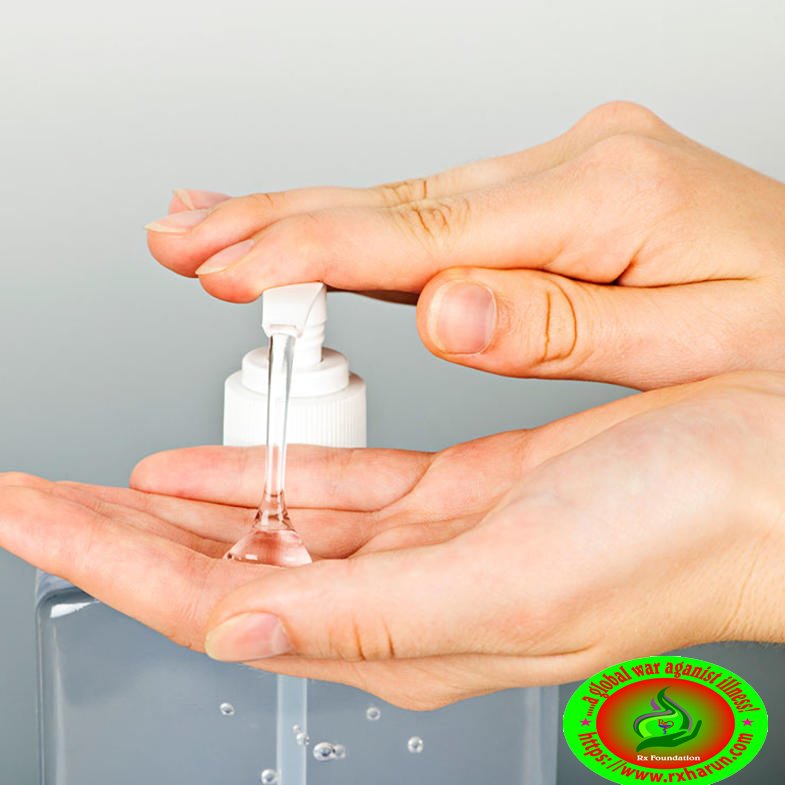
  Buy plenty of hand sanitizer.

When researchers from Children’s Hospital in Boston studied 292 families for 5 months, they found that those who carried hand sanitizer with them had 59% fewer cases of stomach bugs than nonusers. That’s because, when used correctly—squirt out enough gel so your hands still feel damp after rubbing together for 10 to 15 seconds—these products nearly eliminate germs.

A bottle stashed in your purse (and in your husband’s briefcase and the kids’ book bags) is an excellent alternative to washing if you’ve just shaken a bunch of hands and can’t get to a sink;

 Join a club.

You know that friendships counteract the harmful effects of stress hormones, but new research says the more friends you have, the healthier you’ll be. Carnegie Mellon doctors gave 83 college freshmen an influenza vaccine and found that those with larger social networks produced more flu-fighting antibodies than those who hung out in smaller groups. Students who reported feeling lonely produced fewer antibodies, as well. Start a book group or cultivate group-friendly hobbies.

Health in Winter -  How to Stay Healthy, Safe

Express yourself.

A constructive argument with your spouse can actually increase immunity, say UCLA researchers. They asked 41 happy couples to discuss a problem in their marriage for 15 minutes. The researchers detected surges in blood pressure, heart rate, and immune-related white blood cells, all of which were similar to the benefits seen with moderate exercise. But you still have to play nice: Couples who frequently use sarcasm, insults, and put-downs have fewer virus-fighting natural killer cells, have higher levels of stress hormones, and take up to 40% longer to recover from injuries than those who manage to stay positive and affectionate during their quarrels.

Health in Winter -  How to Stay Healthy, Safe

Set goals.

Challenging situations can work to your advantage: “When we’re facing adversity, we become hyperalert and our bodies guard themselves against enemies—whether that’s a predator or a virus,” says Monika Fleshner, PhD, an associate professor of neuroimmunophysiology at the University of Colorado at Boulder.So, even though unresolved stress can make you sick by suppressing immunity, raising blood pressure, and increasing your risk of heart disease, the ups and downs of everyday life, such as working toward a deadline or a promotion, will actually provide a health boost. The best prescription is to set your sights on a reachable target, says Fleshner. At the beginning of each week, give yourself at least one challenge at your job that you’ll aim to accomplish by Friday.

Health in Winter -  How to Stay Healthy, Safe

Sign up for a rubdown.

Massage therapy has been shown to improve immune function and energy levels in cancer patients. In a 500-person review study, massage lowered cortisol levels by up to 53%. Experts believe this boost can extend even to those who are simply dealing with the daily pressures of life. A weekly kneading, whether it’s a professional massage or simply a back rub from your significant other, can also increase serotonin and dopamine, mood boosters that may help protect your immunity, as well.

Health in Winter -  How to Stay Healthy, Safe

Take a daily multivitamin.

Look for one with 100% of the recommended daily values of vitamins A, B6, B12, C, and D and the minerals chromium, copper, folic acid, selenium, calcium, and zinc. Take your multi during a meal that contains a bit of fat so you can absorb the nutrients better; a glass of water will help the pill dissolve.

Health in Winter -  How to Stay Healthy, Safe

Pop astragalus.

This Chinese root—pills are available in health food stores—has a long track record as an immunity booster. Research suggests that it stimulates the bone marrow to produce more disease-fighting white blood cells, which in turn produce antibodies and interferon, an antiviral protein.Health in Winter -  How to Stay Healthy, Safe

In a Chinese study, 3 to 4 months of astragalus injections raised lymphocyte (a type of white blood cell) activity by up to 45% in people who had a virus that can cause meningitis and heart infection, or irritation, often causing pain, swelling, heat, or redness. সহজ বাংলা: শরীরের প্রদাহ; ব্যথা, ফোলা বা লালভাব হতে পারে।" data-rx-term="inflammation" data-rx-definition="Inflammation is the body’s response to injury, infection, or irritation, often causing pain, swelling, heat, or redness. সহজ বাংলা: শরীরের প্রদাহ; ব্যথা, ফোলা বা লালভাব হতে পারে।">inflammation. Other studies suggest astragalus’s immune-stimulating compounds are also active when taken orally. To maintain disease-fighting levels of the herb in your system, use it for at least 3 months (up to 2 years at a time) for best results. Take two 500 mg capsules of dried astragalus root, 3 times each day.

Move more.

University of South Carolina researchers discovered that men who got in 3 hours a day of moderate activity (the equivalent of walking briskly, climbing stairs, or playing tennis) were 35% less likely to catch a cold, compared with those who did only 1 hour. The good news? You may not have to breathe hard every day: UCLA researchers have found that tai chi, the Chinese art of slow movements, meditation, and breathing, decreases the release of catecholamine, a neurotransmitter that dampens the immune system; in one study, 3 sessions a week for 4 months enhanced immune cell function by 45% in adults with shingles. Health in Winter -  How to Stay Healthy, Safe

Wash your hands—a lot.

Researchers from the Naval Health Research Center in San Diego saw a decrease in respiratory illness of 45% from the previous year among 45,000 recruits who had been instructed to wash their hands at least 5 times a day (soap dispensers were installed, and the students were lectured monthly on the importance of hand washing).

Similar results would be likely in schools, homes, and workplaces where regular hand washing is adopted, says William Schaffner, MD, chair of the preventive medicine department at Vanderbilt University School of Medicine. “I’m not talking about just before dinner,” he adds. “We have a rule in my house: Anytime you walk in the door, you hang your coat and march to the sink to wash your hands.” Such frequency may not be necessary for all families, but experts agree that simple soap-and-water hand washing is an easy and effective way to stay healthy year-round.

Turn in.

Getting enough sleep is the most important thing to do this season, because any other precautions you take against cold or flu—the right food, supplements, even vaccinations—won’t offer the same protection if your body’s too tired to use them properly.University of Chicago researchers found that men who had slept only 4 hours a night for 1 week produced only half the amount of flu-fighting antibodies in their blood), compared with those who slept 7 1/2 to 8 1/2 hoursHealth in Winter -  How to Stay Healthy, Safe

Stay alert.

If a viral outbreak hits your community, says Schaffner, the best thing you can do is avoid crowds. “When you read about it in the paper or see it on the news, that’s the time to rent a movie and watch it at home, instead of going out to the theater.” To find out if the flu is headed to your state, check out the CDC’s flu map, updated weekly.

Health in Winter -  How to Stay Healthy, Safe

Take zinc.

At the first sign of symptoms, zinc may help prevent or lessen the duration of a cold; it also helps when used shortly after possible exposure to the virus (a plane trip or a visit to a sick friend). Schachter uses it just before he flies because zinc has consistently positive study results. Taken as a lozenge, zinc releases ions that prevent the common cold virus from maturing and attaching to airways. Choose zinc gluconate or zinc acetate without flavoring agents such as citric and tartaric acids—they appear to stunt its preventive powers. Take it only once or twice a day for a week at a time.

Health in Winter -  How to Stay Healthy, Safe

Get an Rx.

If you feel the flu’s aches and fatigue coming on, ask your doctor about an antiviral medication such as Tamiflu or Relenza. Both are 60 to 90% effective if they are taken within 48 hours of exposure but useless before or after that window. Some doctors may prescribe the drugs over the phone, but see yours in person first; it’s important to distinguish the flu from the common cold to avoid paying for—or experiencing side effects from—unnecessary medications.Health in Winter -  How to Stay Healthy, Safe

Medicate at night

Don’t let your cold symptoms keep you from getting a healing night’s sleep. Numerous medications for colds are available without a prescription. Some treat specific symptoms. Others, like NyQuil and Contac, contain a combination of drugs—plus alcohol, in some cases—aimed at treating a wide range of symptoms. These combination drugs, however, can have many uncomfortable side effects, such as nausea and drowsiness, says Van Ert. “I recommend taking these at night, since you won’t feel the side effects while you’re sleeping.” If you need to be on medications during the day, he suggests using those that treat just the symptoms you’re experiencing. Be sure to follow the instructions carefully, he advises. Here’s what to reach for:

 Aspirin or acetaminophen.

To stop sneezing and dry up your runny nose and watery eyes, take an antihistamine, which blocks your body’s release of histamine, a chemical that causes these symptoms. Look for products, like Chlor-Trimeton, that are available over-the-counter, advises Diane Casdorph, BS, PharmD, a clinical assistant professor in the department of clinical pharmacy at West Virginia University School of Pharmacy in Morgantown. Warning: Antihistamines frequently cause drowsiness, so save these for bedtime or for when you won’t be driving or doing anything that requires quick reactions. If drowsiness is a problem, talk with your doctor about nondrowsy antihistamines, which are available by prescription.

 Decongestant.

First, check your medicine cabinet and make sure you aren’t taking an old product that contains phenylpropanolamine, which was voluntarily withdrawn by manufacturers when the FDA warned that it was associated with an increased risk of stroke, especially in women. Products currently on the market that do not contain phenylpropanolamine include Sudafed, Actifed, Dristan, and Contac. Before taking a nonprescription antihistamine or decongestant, contact your doctor or pharmacist.

Nasal sprays and drops

Afrin and Neo-Synephrine, are also effective decongestants. But they shouldn’t be used for longer than 3 days, says Peters. Overuse can result in a “rebound effect,” meaning your nose becomes more congested than ever, requiring more medication.

To relieve a cough, try cough drops and syrups . Look for a product that contains cough-suppressing antitussives such as dextromethorphan, says Casdorph. These include Vicks cough drops and Robitussin DM cough syrup, which also contains an expectorant to loosen phlegm.

Lozenges 

Can also combat coughs. Many of them contain topical anesthetics that slightly numb your sore throat, says Van Ert, which relieves your need to cough. Sucrets, Cepacol, and Cepastat sore throat decongestant lozenges are among them.

Menthol or camphor rubs 

Have a soothing, cooling effect and may relieve congestion and help you breathe more easily, especially at bedtime. Apply Vicks VapoRub or a similar product to your bare chest, cover up, and get a good night’s sleep,

References

  1. “International Ice Swimming Association – Home”www.internationaliceswimming.com. Retrieved 2017-10-05.
  2. “IWSA – International Winter Swimming Association”iwsa.world. Retrieved 2017-10-05.
  3. “Water Classification – International Winter Swimming Association”iwsa.world. Retrieved 2017-10-05.
  4. “IISA RULES | IISA”www.internationaliceswimming.com. Retrieved 2017-10-05.
  5. “Winter swimming”. Tampere.fi. 22 May 2007. Archived from the originalon 8 June 2008.
  6. http://www.brontesplashers.com.au/
  7. http://www.wsaainc.com/
  8. Hennau, Marc (15 January 2015). “Traversée de la Meuse à la nage”. Retrieved 11 August 2015.
  9. Andrew Keh (15 December 2016). “For Swimmers With Ice Water in Their Veins, an Event to Match”New York Times. Retrieved 19 December 2016.
  10.  Ankov, Vitaly (17 January 2013). “Tips for Braving Icy Swim on Russian Holiday”. RIA Novosti. Retrieved 11 August 2013.
  11. Venyavsky, Sergey (19 January 2010). “Tens of thousands bathe in icy water on Epiphany in Russia”. RIA Novosti. Retrieved 11 August 2013.
  12. Moskvitch, Katia (22 March 2011). “Russia’s trend for dipping children in frozen rivers”. BBC News. Retrieved 11 August 2013.
  13. Watson, Leon (19 January 2013). “Come on in, the water’s lovely! Hundreds of Russian Orthodox Christians plunge into icy pool to celebrate baptism of Jesus”. London: The Daily Mail. Retrieved 11 August 2013.
  14. Ward, Clarissa. “Ice Swimming With ‘Walruses’ in Russia”. ABC News. Retrieved 11 August 2013.
  15. “Orthodox Believers Celebrate Epiphany 2013 With Icy Dip Seeking Crucifix (PHOTOS)”. The Huffington Post. 6 January 2013. Retrieved 11 August2013.

Health in Winter -  How to Stay Healthy, Safe

Doctor visit helper

Prepare before seeing a doctor

A simple rural-patient checklist to help you explain symptoms clearly, ask better questions, and avoid unsafe self-treatment.

Safety note: This is not a prescription or diagnosis. For severe symptoms, pregnancy danger signs, children with serious illness, chest pain, breathing difficulty, stroke-like weakness, or major injury, seek urgent care.

Which doctor may help?

Start with a registered doctor or the nearest qualified health center.

What to tell the doctor

  • Write when the problem started and how it changed.
  • Bring old prescriptions, investigation reports, and current medicines.
  • Write allergies, pregnancy status, diabetes, kidney/liver disease, and major past illnesses.
  • Bring one family member if the patient is weak, elderly, confused, or a child.

Questions to ask

  • What is the most likely cause of my symptoms?
  • Which danger signs mean I should go to hospital quickly?
  • Which tests are necessary now, and which can wait?
  • How should I take medicines safely and what side effects should I watch for?
  • When should I come for follow-up?

Tests to discuss

  • Vital signs: temperature, pulse, blood pressure, oxygen saturation
  • Basic physical examination by a clinician
  • CBC, urine test, blood sugar, or imaging only when clinically needed

Avoid these mistakes

  • Do not use antibiotics, steroid tablets/injections, or strong painkillers without proper medical advice.
  • Do not hide pregnancy, kidney disease, ulcer, allergy, or blood thinner use.
  • Do not delay emergency care when danger signs are present.

Medicine safety and first-aid guide

This section is for patient education only. It does not replace a doctor, pharmacist, or emergency care.

Safe first steps

  • Avoid heavy lifting, sudden bending, and prolonged bed rest.
  • Use comfortable posture and gentle movement as tolerated.
  • Discuss physiotherapy, X-ray, or MRI only when clinically needed.

OTC medicine safety

  • For mild back pain, pain-relief medicine may be discussed with a doctor or pharmacist.
  • Avoid repeated painkiller use if you have kidney disease, stomach ulcer, uncontrolled blood pressure, or are taking blood thinners.

Avoid these mistakes

  • Do not start antibiotics without a proper medical decision.
  • Do not use steroid tablets or injections casually for quick relief.
  • Do not delay emergency care because of home remedies.

Get urgent help if

  • Back pain with leg weakness, numbness around private area, loss of urine/stool control, fever, cancer history, or major injury needs urgent care.
Medicine names, dose, and timing must be decided by a qualified clinician or pharmacist after checking age, pregnancy, allergy, other diseases, and current medicines.

For rural patients and family caregivers

Patient health record and symptom diary

Write your symptoms, medicines already taken, test results, and questions before visiting a doctor. This note stays on your device unless you print or copy it.

Doctor to discuss: Doctor / qualified healthcare provider
Tests to discuss with doctor
  • Basic vital signs: temperature, pulse, blood pressure, oxygen level if needed
  • Relevant blood, urine, imaging, or specialist tests only after clinical assessment
Questions to ask
  • What is the most likely cause of my symptoms?
  • Which warning signs mean I should go to emergency care?
  • Which tests are really needed now?
  • Which medicines are safe for my age, pregnancy status, allergy, kidney/liver/stomach condition, and current medicines?

Emergency warning signs such as chest pain, severe breathing difficulty, sudden weakness, confusion, severe dehydration, major injury, or loss of bladder/bowel control need urgent medical care. Do not wait for online information.

Safe pathway to proper treatment

Care roadmap for: Health in Winter – How to Stay Healthy, Safe

Use this simple roadmap to understand the next safe steps. It is educational and does not replace examination by a doctor.

Go to emergency care if you notice:
  • Severe or rapidly worsening symptoms
  • Breathing difficulty, chest pain, fainting, confusion, severe weakness, major injury, or severe dehydration
Doctor / service to discuss: Qualified healthcare provider; specialist depends on symptoms and examination.
  1. Step 1

    Check danger signs first

    If danger signs are present, seek emergency care and do not wait for online information.

  2. Step 2

    Record the symptom story

    Write when symptoms started, severity, medicines already taken, allergies, pregnancy status, and test results.

  3. Step 3

    Visit a qualified clinician

    A doctor, nurse, or qualified healthcare provider can examine you and decide which tests or treatment are needed.

  4. Step 4

    Do only useful tests

    Do tests after clinical assessment. Avoid unnecessary tests, random antibiotics, or repeated medicines without diagnosis.

  5. Step 5

    Follow up and return early if worse

    If symptoms worsen, new warning signs appear, or treatment is not helping, return for review quickly.

Rural patient practical tips
  • Take a written symptom diary and all previous prescriptions/test reports.
  • Do not hide medicines already taken, even herbal or over-the-counter medicines.
  • Ask which warning signs mean urgent referral to hospital.

This roadmap is for education. A real diagnosis and treatment plan requires history, examination, and clinical judgment.

RX Patient Help

Ask a health question safely

Write your symptom story. A health professional or site editor can review it before any answer is prepared. This box is not for emergency care.

Emergency first: Severe chest pain, breathing trouble, unconsciousness, stroke signs, severe injury, heavy bleeding, or rapidly worsening symptoms need urgent local medical care now.

Frequently Asked Questions

Is this article a replacement for a doctor?

No. It is educational content only. Patients should consult a qualified clinician for diagnosis and treatment.

When should I seek urgent care?

Seek urgent care for severe symptoms, rapidly worsening condition, breathing difficulty, severe pain, neurological changes, or any emergency warning sign.

References

Add references, clinical guidelines, textbooks, journal articles, or trusted medical sources here. You can edit this area from the RX Article Professional Blocks panel.
