
Your Sleeping Position is Responsible For Back Pain, Generally, the best sleeping position for you is the one that allows you to have the most REM sleep (that magical “deep sleep” when you dream and when your eyes dart from side-to-side). All parts of the sleep cycle are important, but REM sleep is the most restorative and vital for memory retention. Without enough of it throughout the night, you can wake up with a headache and achy feeling all over. Seriously, the long-term effects of sleep deprivation and consistent low-quality sleep are just scary
Wondering which sleep spot is best? Check out the rankings, below, from best to worst.
Back Care for Sleeping Position
Though it’s not the most popular position—only eight percent of people sleep on their backs—it’s still the best. By far the healthiest option for most people, sleeping on your back allows your head, neck, and spine to rest in a neutral position. This means that there’s no extra pressure on those areas, so you’re less likely to experience pain. Sleeping facing the ceiling also ideal for warding off acid reflux. Just be sure to use a pillow that elevates and supports your head enough—you want your stomach to be below your esophagus to prevent food or acid from coming up your digestive tract. However, snoozing on your back can cause the tongue to block the breathing tube, making it a dangerous position for those who suffer from sleep apnea (a condition that causes periods of breathlessness). This position can also make snoring more severe.
Side Sleepers
- Side sleepers are numerous (making up a whopping 63 percent of all sleepers). We’re a versatile bunch, with all kinds of subsets including the log, the yearner, and the fetal position (more on that last one below).
Side Sleeping Benefits
- Sleeping on your side is great for cuddling and pillow-talk. Additionally, research suggests that sleeping on your left side is preferable to your right. Thanks to the unique arrangement of your internal organs, left-side sleepers may see benefits in improved digestion and blood flow. It can also help reduce heartburn.

Side Sleeping Cons
- One of the biggest drawbacks to sleeping on your side is the dreaded numb arm. Also, it can lead to shoulder pain, hip pain, and back pain if your spine, neck, and hips aren’t properly aligned throughout the night. It also puts more strain on your pressure points. All of these symptoms can be lessened with the help of a quality mattress and various arrangements of pillows to suit your personal style.
- Side sleeping can lead to more face wrinkles (because you’re pressing your face against the pillow all night) and saggy breasts (because…gravity).
How to Sleep on Your Side Like a Pro
- The side sleeper secret is to keep your back as straight as possible. The best way to achieve this, big surprise, is with a great mattress. Find a mattress that provides support for the curvature of your body while still embracing the pressure points of your shoulders and hips.
- Other helpful side-sleeping techniques are to position a pillow between your legs and use a tall pillow that aligns your neck better with your back (as opposed to sleeping with your head cocked to one side like you can’t understand what I’m saying but you’re going to pretend as you do anyway).
Fetal Position Sleepers
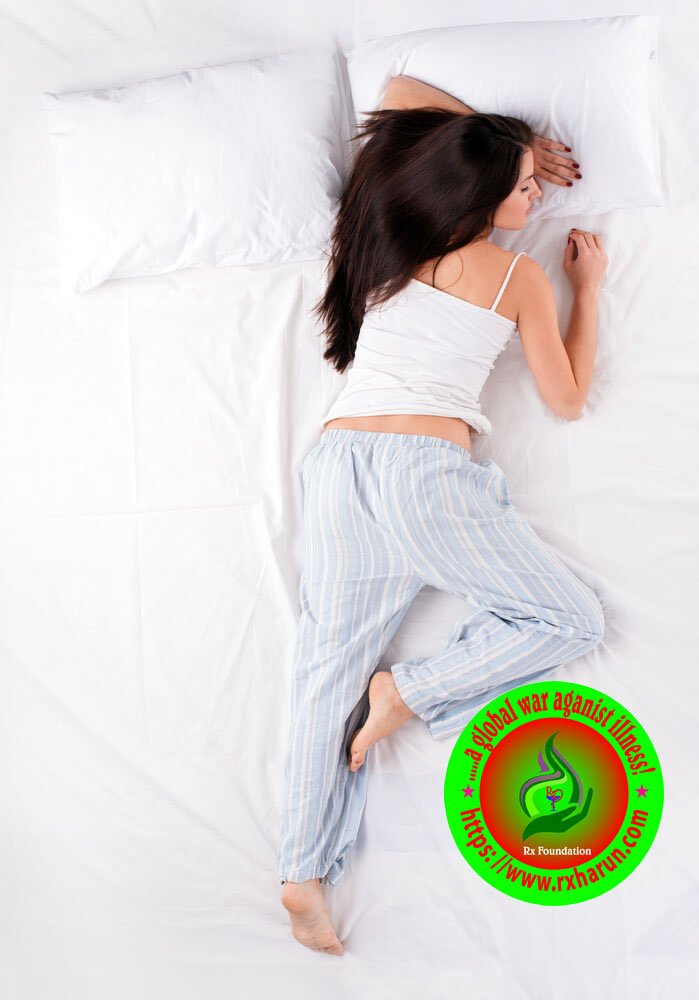
- The fetal position is the close, adorable cousin to the side sleeper. While some of us only curl up in a fetal position when we’d rather not be adults for a while, a whopping 41 percent of people prefer this style of sleep position.
Fetal Position Sleeping Benefits
- The most obvious benefit of sleeping in a fetal position is that it makes you a great little spoon. There’s also evidence that fetal-sleepers are shy and sensitive, but with a hard shell on the outside that can be tough to crack, but totally worth it. We get it, fetal-position sleepers, you’re super cute. Beyond that, you get all the benefits of the side sleeper, as well. It’s an all-around solid sleep choice!

Fetal Position Sleeping Cons
- Being too curled up in the fetal position can cause your lower back to arch in an unnatural manner, leading to aches and pains in the morning.
How to Make the Most of the Fetal Position
- Try to bring those legs down a touch so that your body is straighter. And put a small pillow between your legs to relieve some pressure on your spine so you can cuddle the night away.
Back Sleepers
- If you’re a back sleeper, take some pleasure in knowing that sleeping on your back is often recommended as the best position for preventing aches and pains in the morning.
Back Sleeping Benefits
- Sleeping on your back gives you your best shot at resting your spine in its most natural position. In fact, your entire skeleton will thank you for sleeping on your back, because your arms, shoulders, and legs won’t be jammed under the weight of your body or contorted in some bizarre amusement-park-ride pose.
Back Sleeping Cons
- Unfortunately, back sleepers don’t have it all good. It can lead to problems with snoring since gravity pulls your tongue to the back of your throat, and it isn’t recommended for people who suffer from sleep apnea.
- In young adults, scientists have noted that poor sleepers typically spend more time on their backs than other positions, so sleeping on your back doesn’t necessarily mean you’ll get the best night’s rest of your life.
How to Make the Most of Sleeping on Your Back
- If snoring is a problem, either find another position (or another sleep partner) OR rock some snoring aids like nasal strips and mouthpieces. And don’t forget to find that ideal mattress that provides the best spinal alignment.
Stomach Sleepers
- If you’re one of 7 percent of the population who sleep on their stomach, you’re a special breed. More often, you’re brash and gregarious. You also don’t like criticism, so we’re not going to chastise you for sleeping in the least-recommended position.
Stomach Sleeping Benefits
- Stomach-sleeping can reduce snoring and help in some cases of sleep apnea. Unfortunately, there isn’t much of a benefit beyond that.
Stomach Sleeping Cons
- If you’re a stomach sleeper, we love you, but your sleep style probably isn’t doing you any favors. Having your head jammed to the side all night can lead to a sore neck in the morning. Lying chest-down straightens your spine into an unnatural position, leading to all kinds of lower back pain. And if you’re pregnant? Fuhgeddaboudit.
How to Make the Most of Stomach Sleeping
If sleeping on your stomach really is the best way you can get a quality night’s rest, then here are a few ways to make it more comfortable:
- Switch out that thick pillow for a razor-thin one (or no pillow at all)
- Prop a pillow under your pelvis to add some curve to your spine
- Do some stretches in the morning to ease back pain
Best Sleep Positions for Couples
Adding another person into the mix can definitely throw your sleep position game off, but it doesn’t have to. In fact, 94 percent of couples who cuddle (or at least have some kind of physical contact) through the night report being happy with their relationship. Meanwhile, only 68 percent of couples who don’t touch through the night report relationship satisfaction. So, while there are plenty of variations of the above sleeping positions for couples, the best position for you and your partner is the one where:
- You both get the best, high-quality rest
- You touch in some way (unless that interferes with the above point)
- A child or pet isn’t kicking you all night and commandeering the entire mattress
Also, a king size bed is the largest and best bed for couples, then you can sleep in any position you want.

The Best Sleep Position for Pregnant Women
If you’ve got a bundle of joy cradled inside your abdomen, it can make finding a comfortable sleeping position just a tad challenging. Also, you want to be sure that you’re not doing anything that could cause problems with your pregnancy or harm your baby in any way.
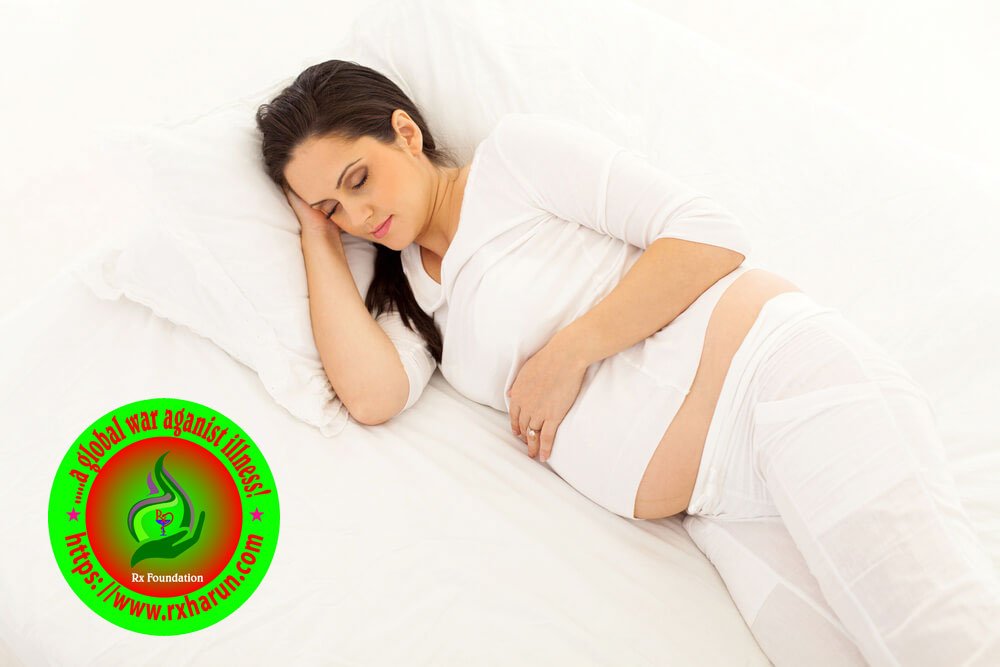
So what’s the best sleep position for pregnant women? As it turns out, sleeping on your left side is the best. It improves blood circulation and doesn’t put pressure on your liver. It’s even better to have your legs bent (again, to aid in good blood circulation) with a small pillow between your knees.

If you find it difficult to sleep on your left side during pregnancy (after all, many aspects of pregnancy are going to be uncomfortable, what with a sentient being growing inside you and all) try propping up various parts of your body with pillows. Pillows are your best friend. Stack ‘em up all around you until you find the comfort you so desire.
Tips for Transitioning to a New Sleep Position
The inevitable transition period required to get used to a new sleep position can be difficult. That’s in large part because you’ll likely be getting some pretty lousy sleep while your body gets used to your new position.
But, if you’re determined to change the way you sleep, here are some tips to shorten the transition period and start your new life of sleeping bliss!
- Block out all natural light in your room and banish electronic devices from your life for the two hours leading up to your bedtime.
- Sleep on the opposite side of your bed from what you usually do. Your body may be less likely to revert automatically to your old position.
- Don’t skimp on extras like a high-quality pillow and stretchy mattress covers and sheets.
You might have to be persistent for a while if you truly want to make a change to your sleeping habits. But if your goal is to reduce back pain and ultimately improve the quality of your sleep, it may be well worth it.
Sleeping bad habit that must be change
- Don’t go to bed with cold feet – Warm your feet every time before going to bed
- Not having a bedtime routine – Set up a routine before going to bed to teach your brain when is time to sleep, like brushing your teeth, washing your face, etc.
- Avoid drinking coffee 4 hours before going to bed – Caffeine is very bad and keep you awake for a longer time.
- Avoid certain sleeping positions – Experts advise sleeping on the left side as a better position for your body to rest.
- Keep the electronic devices away from the bed – Scrolling on your phone or tablet before going to bed can have a very negative effect because the brightness from the screen prevents the brain from falling asleep.
- Believe it or not, you should avoid books as well – Reading before bedtime is also known as a way to keep you awake for a longer period of time.
- Avoid a bright alarm clock – Light or anything similar can drag your attention and disturb your sleep and you will not wake up rested in the morning.
- Don’t drink any fluids an hour before going to bed – Fluids make you go to the bathroom more often and it will disturb your sleep.
- Avoid afternoon naps – Afternoon naps make you feel rested longer and your body doesn’t need sleep. It also changes your sleeping routine so try to avoid them.
- Don’t sleep on a low-quality mattress – Quality mattresses are very important for a night of good night sleep. You will wake up rested and energized.
- Don’t eat 2 hours before going to bed – When you lie down with a full stomach, you won’t fall asleep fast as the digestion process keeps the body awake.
- Avoid exercising 3 hours before going to bed – When you exercise your body fills with adrenaline and this is the reason you can’t go to sleep quickly.
References
- https://www.ncbi.nlm.nih.gov/pubmed/1579788
- https://www.ncbi.nlm.nih.gov/pmc/articles/PMC1119282/
- https://www.ncbi.nlm.nih.gov/pubmed/1579788
- https://web.archive.org/web/20130906060422/
- http://www.cbc.ca/news/background/health/sleep.html
- http://ije.oxfordjournals.org/cgi/reprint/dyi088v1.pdf?
- https://www.ncbi.nlm.nih.gov/pubmed/20036076

