Chronic disease are on the rise in the United States, leaving healthcare payers with the challenge of covering care for patients with these expensive, long-term conditions. Chronic diseases are such a costly healthcare endeavor that experts such as the AMA have asked private and public payers to fund chronic disease management programs, and other stakeholders have established chronic disease management funds that provides Medicare beneficiaries financial support to pay for the high costs of chronic care and treatment.
| Sources, Definitions, and Key Components | |
|---|---|
| Hwang et al, 2001 ( rx ) | |
|
We defined a person as having a chronic condition if that person’s condition had lasted or was expected to last 12 or more months and resulted in functional limitations and/or the need for ongoing medical care. |
|
Duration: ≥12 months |
| Functional limitation: yes | |
| Need for ongoing medical care: yes | |
|
Authors noted that they defined “chronic condition” broadly for several reasons, including the following: 1) a high proportion of individuals who have a chronic condition have more than 1 chronic condition; 2) functional limitations and other consequences of health problems often are independent of specific diseases; and 3) whereas diagnoses are important for medical management, a diagnosis alone may provide incomplete information on morbidity because of variations in condition-specific severity. |
| Bernstein et al, 2003 ( rx ) | |
|
A chronic disease or condition has 1 or more of the following characteristics: is permanent; leaves residual disability; is caused by nonreversible pathological alteration; requires special training of the patient for rehabilitation; or may be expected to require a long period of supervision, observation, or care. |
|
Duration: permanent |
| Functional limitation: yes (residual disability) | |
| Need for ongoing medical care: yes | |
|
Includes a broad spectrum of factors affecting health and functional status. |
| Warshaw, 2006 ( rx ) | |
|
According to a common definition, chronic illnesses are “conditions that last a year or more and require ongoing medical attention and/or limit activities of daily living” (rx). |
|
Duration: ≥1 year |
| Functional limitation: yes | |
| Need for ongoing medical care: yes | |
|
Authors used a modified version of the definition in Hwang et al (rx). |
| Friedman et al, 2008 ( rx ) | |
|
The chronic condition is defined as a condition that lasts 12 months or longer and meets 1 or both of the following tests: 1) it places limitations on self-care, independent living, and social interactions; and 2) it results in the need for ongoing intervention with medical products, services, and special equipment. |
|
Duration: ≥12 months |
| Functional limitation: yes | |
| Need for ongoing medical care: yes | |
|
Definition combines minimum duration with function and needs for treatment. |
| Anderson, 2010 ( rx ) | |
|
The chronic condition is a general term that includes chronic illnesses and impairments. It includes conditions that are expected to last a year or longer, limit what one can do, and/or may require ongoing medical care. Serious chronic conditions are a subset of chronic conditions that require ongoing medical care and limit what a person can do. |
|
Duration: ≥1 year |
| Functional limitation: yes | |
| Need for ongoing medical care: yes | |
|
The definition further differentiates the level of severity of the condition. |
| National Center for Health Statistics, 2011 ( rx ) | |
|
A health condition is a departure from a state of physical or mental well-being. In the National Health Interview Survey, each condition reported as a cause of an individual’s activity limitation has been classified as chronic, not chronic, or unknown if chronic, based on the nature and duration of the condition. Conditions that are not cured once acquired (such as heart disease, diabetes, and birth defects in the original response categories, and amputee and old age in the ad hoc categories) are considered chronic, whereas conditions related to pregnancy are not considered chronic. Other conditions must have been present for 3 months or longer to be considered chronic. An exception is made for children aged less than 1 year who have had a condition since birth: such conditions are always considered chronic. |
|
Duration: not cured once acquired or lasts ≥ 3 months |
| Functional limitation: no | |
| Need for ongoing medical care: no | |
|
Combines multiple factors, including duration, nonamenability of condition to cure, and others. |
| US Department of Health and Human Services (HHS), 2010 ( rx ) | |
|
Chronic illnesses are “conditions that last a year or more and require ongoing medical attention and/or limit activities of daily living.” |
|
Duration: ≥1 year |
| Functional limitation: yes | |
| Need for ongoing medical care: yes | |
|
This definition, adapted from other sources (rx,rx), incorporates elements of duration, medical requirements, and functional status. It also has the advantage of being compact. The HHS Strategic Framework (rx) also adopts the definition of “multiple” used in another source (rx) as 2 or more concurrent chronic conditions. |
| McKenna and Collins, 2010 ( rx ) | |
|
They are generally characterized by uncertain etiology, multiple risk factors, a long latency period, a prolonged course of illness, noncontagious origin, functional impairment or disability, and incurability. |
|
Duration: the prolonged course of illness or “incurability” |
| Functional limitation: yes (“functional impairment or disability”) | |
| Need for ongoing medical care: no | |
|
The most recent definition in this well known, practice-oriented guide evolved from the definition in the guide’s first edition in 1993: “those that have a prolonged course, that do not resolve spontaneously, and for which a complete cure is rarely achieved.” |
| World Health Organization, 2011 ( rx ) | |
|
Chronic diseases are diseases of long duration and generally slow progression. |
|
Duration: “long duration” |
| Functional limitation: no | |
| Need for ongoing medical care: no | |
|
Generic, highlighting progression. |
| Florida Department of Health, 2011 ( rx ) | |
|
Chronic diseases have a long course of illness. They rarely resolve spontaneously, and they are generally not cured by medication or prevented by a vaccine. |
|
Duration: “long course” |
| Functional limitation: no | |
| Need for ongoing medical care: no | |
|
The definition of chronic disease includes an element of treatment. |
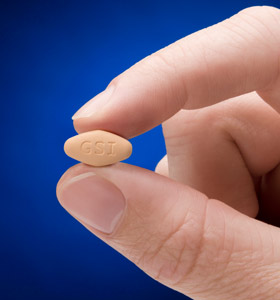
1. Hepatitis C Virus: Advances Are Significant
2. Low Back Pain and Neck Pain

3. High Blood Pressure: Often Undetected

4. Diabetes: The Top Cost

5. Costs of Osteoarthritis & Joint Problems


7. Heart Disease: The no 1 Killer

Heart disease is the number one cause of death in the United States, killing over 370,000 people a year. As reported in 2016 by the American Heart Association, costs of cardiovascular diseaseand stroke total more than $316.6 billion, including health expenditures and lost productivity. After diabetes, ischemic heart disease (coronary artery disease) ranks as the nation’s 2nd most costly medical condition with a grand expenditure of just over $88 billion per year.
Hospitalization, surgery, diagnostic tests, monitoring, specialist doctor visits and medicines all contribute to the price. To reduce your risk of heart disease, adjust your lifestyle by maintaining a normal weight, eating a healthy diet, not smoking, and getting regular exercise. Preventing and controlling high blood pressureand high cholesterol also play a significant role in heart health.
8. Chronic Obstructive Pulmonary Disease (COPD) and Asthma

Can’t catch your breath? Here’s why. Long term breathing problems including asthma, bronchitis and emphysema/COPDmake up this group with costs of care totaling almost $86 billion per year.
Roughly 11 million American adults are living with some form of COPD, and 25 million have asthma. Smoking tobacco is the main cause of COPD but air pollutants and genetics are also culprits. There is no cure for COPD and costs incurred are from medications, frequent doctor visits, and in severe cases, hospitalization. For current smokers, smoking cessation is essential for preventing and managing COPD. To control asthma attacks, avoid triggers, like tobacco smoke, dust mites, and pollution. Take anti-inflammatory inhalers or other medications as instructed and exercise regularly.
9. Mental & Behavioral Health Disorders

Mental health disorders encompass many different conditions. Annual U.S. medical cost for depression is roughly $71 billion, according to the JAMA report from 2016. About 15 million live with major depressive disease. Anxiety disodrers results in a cost of over $29 billion, and attention-deficit hyperactivity disorder (ADHD) tallies $23 billion per year.
Medicines are expensive and doctors’ visits frequent. But noncompliance and lack of follow up with doctors can be high in this group of patients, too, adding to the total healthcare dollar.
Cancer: Advances Lead to Increased Survival

Every year, cancer ends the lives of more than 500,000 Americans. In fact, 1 in every 4 deaths in the US is due to a cancer-related illness. According to a JAMA report published in 2016, the top 4 cancer costs include colorectal cancers, breast cancer, other neoplasms, and non-melanoma skin cancers.
Costs exceed $50 billion just for these top 4 cancers. Based on the continued aging and growth of the U.S. population, costs of new immunotherapy agents, and new diagnostic tools, these costs are predicted to increase. It’s not all bad news though – the cancer death rate has significantly decreased over the last decade. Factors driving this drop include less tobacco use, sun protection, eating well, regular exercise, earlier detection and better
Chronic Disease Prevention
In this section, we briefly review dietary and lifestyle changes that reduce the incidence of chronic disease. The potential magnitude of benefit is also discussed.
Recommended Lifestyle Changes
- Specific changes in diet and lifestyle and likely benefits are summarized. These relationships and supporting evidence are summarized here.
- Convincing and Probable Relationships between Dietary and Lifestyle Factors and Chronic Diseases.
Avoid Tobacco Use
- Avoidance of smoking by preventing initiation or by cessation for those who already smoke is the single most important way to prevent CVD and cancer (rx). Avoiding the use of smokeless tobacco will also prevent a good deal of oral cancer.
Maintain a Healthy Weight
- Obesity is increasing rapidly worldwide (rx). Even though obesity—a body mass index (BMI) of 30 or greater—has received more attention than overweight, overweight (BMI of 25 to 30) is typically even more prevalent and also confers elevated risks of many diseases. For example, overweight people experience a two- to threefold elevation in the risks of CAD and hypertension and a more than tenfold increase in the risk of type 2 diabetes compared with lean individuals (BMI less than 23) (Willett, Dietz, and Colditz 1999). Both overweight and obese people also experience elevated mortality from cancers of the colon, breast (postmenopausal), kidney, endometrium, and other sites (Calle and others 2003).
- Many people with a BMI of less than 25 have gained substantial weight since they were young adults and are also at increased risk of these diseases, even though they are not technically overweight (Willett, Dietz, and Colditz 1999). For example, in rural China, where the average BMI was less than 21 for both men and women, F. B. Hu and others (2000) found that the prevalence of hypertension was nearly five times greater for those with a BMI of approximately 25 than for the leanest people. Because many Asians are experiencing adverse consequences of excess body fat with a BMI of less than 25, the definition of overweight for Asia has recently been expanded to include a BMI of 23 to 25 (WHO 2000). For most people, unless obviously malnourished as an adolescent or young adult, bodyweight should ideally not increase by more than 2 or 3 kilograms after age 20 to maintain optimal health (Willett, Dietz, and Colditz 1999). Thus, a desirable weight for most people should be within the BMI range of 18.5 to 25.0, and preferably less than 23.
- Additional valuable information can be obtained by measuring waist circumference, which reflects abdominal fat accumulation. In many studies, waist circumference is a strong predictor of CAD, stroke, and type 2 diabetes, even after controlling for BMI (Willett, Dietz, and Colditz 1999). A waist circumference of approximately 100 centimeters for men and 88 centimeters for women has been used as the criterion for the upper limit of the healthy range in the United States, but for many people this extent of abdominal fat would be far above optimal. Because abdominal circumference is easily assessed, even where scales may not be available, further work to develop locally appropriate criteria could be worthwhile. In the meantime, increases of more than 5 centimeters can be used as a basis for recommending changes in activity patterns and diet.
- Views about the causes of obesity and ways to prevent or reduce it have been controversial. Diets low in fat and high in carbohydrates were believed to limit caloric intake spontaneously and thus to control adiposity, but such diets have not reduced bodyweight in trials that have lasted for a year or more (Willett and Leibel 2002). Some researchers have suggested that diets with a high energy density, referring to the amount of energy per volume, offer an alternative explanation for the observed increases in obesity (Swinburn and others 2004), but long-term studies have not examined this theory. Sugar-sweetened beverages contribute significantly to the overconsumption of calories, in part because calories in fluid form appear to be poorly regulated by the body (E. A. Bell, Roe, and Rolls 2003). In children, an increase in soda consumption of one serving per day was associated with an odds ratio of 1.6 for incidence of obesity (Ludwig, Peterson, and Gortmaker 2001), and in a randomized trial, replacement of a standard soda with a zero-calorie diet soda was associated with significant weight loss (Raben and others 2002). Reductions in dietary fiber and increases in the dietary glycemic load (large amounts of rapidly absorbed carbohydrates from refined starches and sugar) may also contribute to obesity (Ebbeling and others 2003; Swinburn and others 2004).
- Aspects of the food supply unrelated to its macronutrient composition are also likely to be contributing to the global rise in obesity. Inexpensive food energy from refined grains, sugar, and vegetable oils has become extremely plentiful in most countries. Food manufacturers and suppliers use carefully researched methods to make products based on these cheap ingredients maximally convenient and attractive.
Maintain Daily Physical Activity and Limit Television Watching
- Contemporary life in developed nations has markedly reduced people’s opportunities to expend energy, whether in moving from place to place, in the work environment or at home (Koplan and Dietz 1999). Dramatic reductions in physical activity are also occurring in developing countries because of urbanization, increased availability of motorized transportation to replace walking and bicycle riding, and mechanization of labor. However, regular physical activity is a key element in weight control and prevention of obesity (IARC 2002; Swinburn and others 2004). For example, among middle-aged West African women, more walking was associated with a three-unit lower BMI (Sobngwi, Gautier, and Mbanya 2003), and in China, car owners are 80 percent more likely to be obese (Hu 2002).
- In addition to its key role in maintaining a healthy weight, regular physical activity reduces the risk of CAD, stroke, type 2 diabetes, colon and breast cancer, osteoporotic fractures, osteoarthritis, depression, and erectile dysfunction (table 44.1). Important health benefits have even been associated with walking for half an hour per day, but greater reductions in risk are seen with longer durations of physical activity and more intense activity.
- The number of hours of television watched per day is associated with increased obesity rates among both children and adults (Hernandez and others 1999; Ruangdaraganon and others 2002) and with a higher risk of type 2 diabetes and gallstones (F. B. Hu, Leitzmann, and others 2001; Leitzmann and others 1999). This association is likely attributable both to reduced physical activity and to increased consumption of foods and beverages high in calories, which are typically those promoted on television. Decreases in television watching reduce weight (Robinson 1999), and the American Academy of Pediatrics recommends a maximum of two hours of television watching per day.
Eat a Healthy Diet
- Medical experts have long recognized the effects of diet on the risk of CVD, but the relationship between diet and many other conditions, including specific cancers, diabetes, cataracts, macular degeneration, cholelithiasis, renal stones, dental disease, and birth defects, have been documented more recently. The following list discusses six aspects of diet for which strong evidence indicates important health implications. These goals are consistent with a detailed 2003 World Health Organization (WHO) report (WHO and FAO 2003).
-
Replace saturated and trans fats with unsaturated fats, including sources of omega-3 fatty acids – Replacing saturated fats with unsaturated fats will reduce the risk of CAD (F. B. Hu and Willett 2002; Institute of Medicine 2002; WHO and FAO 2003) by reducing serum low-density lipoprotein (LDL) cholesterol. Also, polyunsaturated fats (including the long-chain omega-3 fish oils and probably alpha-linoleic acid, the primary plant omega-3 fatty acid) can prevent ventricular arrhythmias and thereby reduce fatal CAD. In a case-control study in Costa Rica, where fish intake was extremely low, the risk of myocardial infarction was 80 percent lower in those with the highest alpha-linoleic acid intake (Baylin and others 2003). Intakes of omega-3 fatty acids are suboptimal in many populations, particularly if fish intake is low and the primary oils consumed are low in omega-3 fatty acids (for example, partially hydrogenated soybean, corn, sunflower, or palm oil). These findings have major implications because changes in the type of oil used for food preparation are often quite feasible and not expensive.
- Trans fatty acids produced by the partial hydrogenation of vegetable oils have uniquely adverse effects on blood lipids (F. B. Hu and Willett 2002; Institute of Medicine 2002) and increase risks of CAD (F. B. Hu and Willett 2002); on a gram-for-gram basis, both the effects on blood lipids and the relationship with CAD risk are considerably more adverse than for saturated fat. In many developing countries, trans fat consumption is high because partially hydrogenated soybean oil is among the cheapest fats available. In South Asia, vegetable ghee, which has largely replaced traditional ghee, contains approximately 50 percent trans fatty acids (Ascherio and others 1996). Independent of other risk factors, higher intakes of trans fat and lower intakes of polyunsaturated fat increase risk of type 2 diabetes (F. B. Hu, van Dam, and Liu 2001).
-
Ensure generous consumption of fruits and vegetables and adequate folic acid intake –Strong evidence indicates that high intakes of fruits and vegetables will reduce the risk of CAD and stroke (Conlin 1999). Some of this benefit is mediated by higher intakes of potassium, but folic acid probably also plays a role (F. B. Hu and Willett 2002). Supplementation with folic acid reduces the risk of neural tube defect pregnancies. Substantial evidence also suggests that low folic acid intake is associated with greater risk of colon—and possibly breast—cancer and that use of multiple vitamins containing folic acid reduces the risk of these cancers (Giovannucci 2002). Findings relating folic acid intake to CVD and some cancers have major implications for many parts of the developing world. In many areas, consumption of fruits and vegetables is low. For example, in northern China, approximately half the adult population is deficient in folic acid (Hao and others 2003).
-
Consume cereal products in their whole-grain, high-fiber form –Consuming grains in a whole-grain, high-fiber form has double benefits. First, consumption of fiber from cereal products has consistently been associated with lower risks of CAD and type 2 diabetes (F. B. Hu, van Dam, and Liu 2001; F. B. Hu and Willett 2002), which may be because of both the fiber itself and the vitamins and minerals naturally present in whole grains. High consumption of refined starches exacerbates the metabolic syndrome and is associated with higher risks of CAD (F. B. Hu and Willett 2002) and type 2 diabetes (F. B. Hu, van Dam, and Liu 2001). Second, higher consumption of dietary fiber also appears to facilitate weight control (Swinburn and others 2004) and helps prevent constipation.
-
Limit consumption of sugar and sugar-based beverages – Sugar (free sugars refined from sugarcane or sugar beets and high-fructose corn sweeteners) has no nutritional value except for calories and, thus, has negative health implications for those at risk of overweight. Furthermore, sugar contributes to the dietary glycemic load, which exacerbates the metabolic syndrome and is related to the risk of diabetes and CAD (F. B. Hu, van Dam, and Liu 2001; F. B. Hu and Willett 2002; Schulze and others 2004). WHO has suggested an upper limit of 10 percent of energy from sugar, but lower intakes are usually desirable because of the adverse metabolic effects and empty calories.
-
Limit excessive caloric intake from any source – Given the importance of obesity and overweight in the causation of many chronic diseases, avoiding excessive consumption of energy from any source is fundamentally important. Because calories consumed as beverages are less well-regulated than calories from solid food, limiting the consumption of sugar-sweetened beverages is particularly important.
-
Limit sodium intake –The principal justification for limiting sodium is its effect on blood pressure, a major risk factor for stroke and coronary disease. WHO has suggested an upper limit of 1.7 grams of sodium per day (5 grams of salt per day) (WHO and FAO 2003).
Potential of Dietary and Lifestyle Factors to Prevent Chronic Diseases
- Several lines of evidence indicate that realistic modifications of diet and lifestyle can prevent most CAD, stroke, diabetes, colon cancer, and smoking-related cancers. Less progress has been made in identifying practically modifiable causes of breast and prostate cancers.
- One line of evidence is based on declines in CAD in countries that have implemented preventive programs. Rates of CAD mortality have been cut in half in several high-income countries, including Australia, the United Kingdom, and the United States.
- Success in Finland. Finland provides one of the best-documented examples of community intervention. In 1972, Finland had the world’s highest CVD mortality rate. Planners examined the policy and environmental factors contributing to CVD and sought appropriate (more…)
- Other evidence derives from randomized intervention studies. These often have serious limitations for estimating the potential magnitude of benefits, because typically only one or a few factors are modified, durations are usually only a few years, and noncompliance with lifestyle change is often substantial. Nevertheless, some examples are illustrative of the potential benefit. In two randomized studies among adults at high risk of type 2 diabetes, those assigned to a program emphasizing dietary changes, weight loss, and physical activity experienced only half the risk of incident diabetes (Knowler and others 2002; Tuomilehto and others 2001). The Lyon Heart Study, conducted among those with existing heart disease, found a Mediterranean-type diet high in omega-3 fatty acids reduced recurrent infarction by 70 percent compared with an American Heart Association diet (de Lorgeril and others 1994).
- A third approach is to estimate the percentage of disease that is potentially preventable by reducing multiple behavioral risk factors using prospective cohort studies. Among U.S. adults, more than 90 percent of type 2 diabetes, 80 percent of CAD, 70 percent of stroke, and 70 percent of colon cancer are potentially preventable by a combination of nonsmoking, avoidance of overweight, moderate physical activity, healthy diet, and moderate alcohol consumption (Willett 2002).
Collectively, these findings indicate that the low rates of these diseases suggested by international comparisons and time trends are attainable by realistic, moderate changes that are compatible with 21st-century lifestyles.
Interventions
- Interventions aimed at changing diet and lifestyle factors include educating individuals, changing the environment, modifying the food supply, undertaking community interventions, and implementing economic policies. In most cases, quantifying the effects of the intervention is difficult, because behavioral changes may take many years and synergies are potentially important but hard to estimate in formal studies. Substantial nihilism often exists regarding the ability to change populations’ diets or behaviors, but major changes are possible over extended periods of time. For example, per capita, egg consumption in the United States decreased from approximately 420 to 270 per year between 1940 and 1990 following recommendations for preventing CAD (though in reality, the evidence for benefits was meager). Similarly, the prevalence of smoking, despite its being a physically addictive behavior, halved among men in the United States between 1965 and 2000. Because changing behaviors related to diet and lifestyle requires sustained efforts, long-term persistence is needed. However, opportunities exist that do not require individual behavior changes, and these can lead to more rapid benefits.
Educational Interventions
- Efforts to change diets, physical activity patterns and other aspects of lifestyle have traditionally attempted to educate individuals through schools, health care providers, worksites, and general media. These efforts will continue to play an important role, but they can be strongly reinforced by policy and environmental changes.
School-based Programs
- School-based programs include the roles of nutrition and physical activity in maintaining physical and mental health. School food services should provide healthy meals, both because they directly affect health and because they provide a special opportunity to teach by example. In many countries, school-based physical education remains a significant source of physical activity for young people. In China, 72 percent of children age 6 to 18 engage in moderate to vigorous physical activity for a median of 90 to 100 minutes per week (Tudor-Locke and others 2003). Maintaining these programs should be a high priority because they have likely contributed to the historically low rates of obesity in such countries.
- The Planet Health Program. Planet Health, developed for middle school students, in the United States, has an immediate goal of reducing television viewing time with the long-range goal of preventing unhealthy weight gain (Gortmaker and others 1999). Teachers (more…)
Worksite Interventions
- Worksite interventions can efficiently include a wide variety of health promotion activities because workers spend a large portion of their waking hours and eat a large percentage of their food there. Interventions can include educating employees; screening them for behavioral risk factors; offering incentive programs to walk, ride a bicycle, or take public transportation to work; offering exercise programs during breaks or after work; improving the physical environment to promote activity; and providing healthier foods in cafeterias. Worksite health promotion can result in a positive return on investment through lower health costs and fewer sick days.
Interventions by Health Care Providers
- Controlled intervention trials for smoking cessation and physical activity have shown that physician counseling, especially when accompanied by supporting written material, can be efficacious in modifying behavior. Studies of dietary counseling by physicians indicate that even brief messages about nutrition can influence behavior and that the magnitude of the effect is related to the intensity of the intervention (Pignone and others 2003). Identifying patients who are overweight or obese, or who are gaining weight but are not yet overweight, is an initial step in preventing and treating overweight. However, many physicians are not well trained to measure and calculate BMI and identify weight problems.
Transportation Policy and Environmental Design
- Transportation policies and the design of urban environments are fundamental determinants of physical activity and therefore influence the risks of obesity and other chronic diseases. Countries can take a number of steps to make positive changes.
Limit the Role of Automobiles
- In wealthy countries, the automobile has strongly influenced the trend toward low-density, automobile-based suburban developments, many built without sidewalks. These sprawling settlements tend to have few services within walking distance and are usually not linked to public transportation. Dependence on automobiles affects physical activity, because those who use public transportation tend to walk more. In a prospective study in eight provinces in China, 14 percent of households acquired a car between 1889 and 1997, and the likelihood of men becoming obese during the same period was twice as great in households that acquired a car than in those that did not (A. C. Bell, Ge, and Popkin 2002).
- National policies strongly influence automobile use and dependency. In the United States, low taxes on gasoline, free parking, and wide streets encourage car ownership: almost 92 percent of U.S. households own at least one car, and 59 percent own two or more cars (Pucher and Dijkstra 2003). In contrast, in most of Western Europe, narrow streets, limited parking, and high gasoline prices make the costs of automobile use almost double those in the United States (Pucher and Dijkstra 2003). As a result, Europeans walk or bike more and use their cars approximately 50 percent less than their American counterparts. Investment in roads rather than in public transportation creates a vicious cycle: poor public transportation systems lead to more dependency on the automobile.
- Reducing Automobile Use in Brazil. Curitiba, Brazil, provides an example of the benefits of a strategy that reduces automobile use and increases the use of public transportation. In 1965, city planners adopted a master plan that promoted development along (more…)
Promote Walking and Bicycle Riding
- Walking or cycling for transportation and leisure are effective and practical means of engaging in physical activity and are still the most common ways to travel in many developing countries. In Bangkok and Manila, only 25 percent of travel is by car, motorcycle, or taxi, compared with 75 percent by public transportation or walking (Pendakur 2000). In Madras, India, only 8 percent of the population travels by private, motorized transportation; 22 percent of people walk; 20 percent bike; and the rest use public transportation (Pendakur 2000). In China, approximately 90 percent of the urban population walks or rides a bicycle to work, shopping, or school each day (G. Hu and others 2002). Walking or biking is more likely to be prevalent in smaller cities—that is, those with 1 million to 5 million people—than in larger ones.
- Bicycle riding and walking are also important for children’s health. Most American children do not walk or bike to school, even when distances are short. In contrast, almost 90 percent of Chinese children under 12 walk or ride a bicycle to school (Hu 2002).
- Walking and Cycling to School. One of the most effective ways to promote walking and cycling is through local schools. The Safe Routes to School program (http://www.saferoutestoschools.org/), established in Marin County, California, is a private-public (more…)
- In many areas, the shift toward private car use has not yet begun and can perhaps be forestalled by policies that benefit walkers and cyclists rather than drivers. Such policies include implementing road designs that promote a safe and well-lit environment for walking and cycling, including traffic-calming measures to reduce automobile speeds.
- Many Western European countries have taken steps to increase safety for cyclists and walkers. In Germany and the Netherlands, bike paths serve as travel routes, not just weekend recreational destinations as they do in the United States. The former countries have invested heavily in bike paths and have also created extensive car-free areas in cities, with well-lit sidewalks, clearly marked crosswalks, and pedestrian islands that have improved safety. Both countries have increased the number of bicycle-friendly streets (on which cars are permitted but bicycles have the right of way) and have created systems to separate streams of traffic, including cars, pedestrians, and bicycles. A meta-analysis of selected traffic-calming studies in many countries reported reductions in traffic speed, accidents, injuries, and fatalities and an increase in bicycle use and walking (Bunn and others 2003).
Design Cities and Towns to Promote Health
- Handy and others’ (2002) comprehensive assessment of recent research on urban planning concludes that a combination of urban design, land-use patterns, and transportation systems that promotes walking and bicycling will help create active, healthier, and more livable communities. In densely developed cities that have been built around public transportation rather than away from it, individuals are much more likely to take public transit, walk, or bicycle than in other areas and to weigh less and be less likely to suffer from hypertension (Ewing, Schieber, and Zegeer 2003; Lopez 2004; Saelens, Sallis, and Frank 2003).
- Those living in walker-friendly neighborhoods also appear to be more mentally healthy and are more likely to know their neighbors, to be socially active, and to participate in the political process (Leyden 2003). In contrast, urban sprawl has been linked to decreases in mental health and social capital (Frumkin 2002) as well as anger and frustration over long commutes (Surface Transportation Policy Project 1999). Sprawl adversely affects the elderly in particular because they are unable to walk to places of interest and many cannot drive. Such isolation does not promote good physical or mental health.
- The so-called smart growth movement has resulted from concerns about urban sprawl and unsustainable development and is encouraging governments worldwide to rethink how they develop new areas and redevelop older suburbs and cities. Smart growth principles include mixing land uses, using compact building designs, including a range of transportation and housing choices, building walker-friendly neighborhoods in attractive communities with a distinctive sense of place, and implementing a philosophy of directing development toward existing communities and the preservation of open space (Office of the Administrator 2001) (box 44.7).
- Enhancing Urban Life in the Republic of Korea. In Seoul, the government is managing growth by creating six satellite communities with high-rise residential buildings outside the city center. These communities are intended to become new job-creation centers (more…)
- The involvement of public health practitioners in transportation planning and building design is becoming more common. In Edinburgh, a health impact assessment conducted on proposed options for transportation policy showed the effects of specific choices on both affluent members of the community and the poor. Its recommendations, now adopted, included new spending on pedestrian safety, a citywide bicycle network, more greenways and park-and-ride programs, and more rail transportation or bus services. Priorities are to benefit pedestrians first, cyclists second, public transportation users third, freight and delivery people fourth, and car users last. Establishing criteria for building design can also lead to increases in physical activity. For example, increasing signage promoting stair use, as well as the attractiveness of the facilities themselves, encourages people to use the stairs (Boutelle and others 2001).
Improved Food Supply
- People’s diets can be enhanced by improving the food supply. The usual position of the food industry is that it simply provides whatever consumers demand, but this argument is misleading because the industry spends more than US$12 billion annually to influence consumer choices just within the United States and many times this amount globally. Much of this sum goes to promote foods with adverse health effects, and children are primary targets.
Improving Processing and Manufacturing
- Altering the manufacturing process can rapidly and effectively improve diets because such action does not require the slow process of behavioral change. One example is eliminating the partial hydrogenation of vegetable oils, which destroys essential omega-3 fatty acids and creates trans fatty acids. European manufacturers have largely eliminated trans fatty acids from their food supply by altering production methods.
- Regulations can facilitate changes in manufacturing directly or indirectly by providing an incentive for manufacturers to change their processes. For example, in 2003, the U.S. Food and Drug Administration announced that food manufacturers had to include trans fatty acid content on the standard food label. Following the imposition of this requirement, several large food companies said that they would reduce or eliminate trans fats, and many more are planning to do so (U.S. Food and Drug Administration 2003). In Mauritius, the government required a change in the commonly used cooking oil from mostly palm oil to soybean oil, which changed people’s fatty acid intake and reduced their serum cholesterol levels (Uusitalo and others 1996). Changes in types of fat can often be almost invisible and inexpensive. Omega-3 fatty acid intakes can be increased by incorporating oils from rapeseed, mustard, or soybean into manufactured foods, cooking oils sold for use at home, or both. Selective breeding and genetic engineering provide alternative ways to improve the healthfulness of oils by modifying their fatty acid composition.
- When the consumption of processed food is high, a reduction in salt consumption will usually require changes at the manufacturing level, because processed food is a major salt source. If the salt content of foods is reduced gradually, the change is imperceptible to consumers. Coordination among manufacturers or government regulation is needed; otherwise, producers whose foods are lower in salt may be placed at a disadvantage. Unfortunately, good examples are not available. Another example of improved processing would be to reduce the refining of grain products, which can be done in small, almost invisible decrements.
Fortifying Food
- Food fortification has eliminated iodine deficiency, pellagra, and beriberi in much of the world. In regions where iodine deficiency remains a serious problem, fortification should be a high priority. Folic acid intake is suboptimal in many regions of both developing and developed countries. Fortifying foods with folic acid is extremely inexpensive and could substantially reduce the rates of several chronic diseases. Grain products—such as flour, rice, and pasta—are usually the best foods to fortify, and in many countries, they are already being fortified with other B vitamins. Since 1998, grain products in the United States have been fortified with folic acid, which has almost eliminated folate deficiency, and rates of neural tube defect pregnancies have declined by about 19 percent (Honein and others 2001). Where intakes of vitamins B12 and B6 are also low and contribute to elevations of homocysteine, as among vegetarian populations in India, simultaneous fortification of food with these vitamins should be considered. The effects of fortification on reducing CVD are not considered proven, but the potential benefits are huge; therefore, intervention trials to evaluate the effects of fortification should be a high priority.
Increasing the Availability and Reducing the Cost of Healthy Foods
- Policies regarding the production, importation, distribution, and sale of specific foods can influence their cost and availability. Policies may be directed at the focus of agricultural research and the types of production promoted by extension services. Policies often promote grains, dairy products, sugar, and beef, whereas those that encourage the production and consumption of fruits, vegetables, nuts, legumes, whole grains, and healthy oils would tend to enhance rather than reduce health.
Promoting Healthy Food Choices and Limiting Aggressive Marketing to Children
- Almost every national effort to improve nutrition incorporates the promotion of healthy food choices, such as fruits, vegetables, and legumes. Ideally, such efforts are coordinated among government groups, retailers, professional groups, and nonprofit organizations, and investment in such efforts should include careful testing and refining of social marketing strategies.
- Another strategy is to protect consumers from aggressive marketing of unhealthy foods. Producers spend billions of dollars a year encouraging children to consume foods that are detrimental to their health. Manufacturers and fast-food chains personify food products with cartoon characters; display food brands on toys; and issue “educational” card games that subvert children’s natural gift for play, storytelling, and make-believe. The willingness to limit advertising depends on a country’s political culture, but the public clearly distinguishes between advertising aimed at adults and that targeted at children. For example, in the United States, 46 percent of adults surveyed supported restrictions on advertising to children (Blendon 2002). Restrictions can range from banning advertising to children to limiting the types of products that advertisers may promote to this audience.
Modeling Likely Interventions
- Primary targets for reducing lifestyle diseases include changing the fat composition of the diet, limiting sodium intake, and engaging in regular physical activity.
- Using available data, we calculated a range of estimates under given assumptions for the cost-effectiveness of replacing dietary saturated fat with monounsaturated fat, replacing trans fat with polyunsaturated fat, and reducing salt intake. An increase in moderate physical activity by three to five hours per week is considered likely to lower the risk of many diseases, but data to model the cost-effectiveness of this intervention are not currently available. For further details of methods and assumptions underlying the analyses presented here, see the Web site version of this book.
Reducing Saturated Fat Content
- In the base case, assuming a 3 percent drop in cholesterol and a US$6 per person cost of the intervention, averting one disability-adjusted life year (DALY) would cost as little as US$1,865 in South Asia and as much as US$4,012 in the Middle East and North Africa. The intervention’s effectiveness could be increased by replacing part of the saturated fat with polyunsaturated fat, which has additional beneficial effects mediated by mechanisms other than LDL cholesterol
Replacing Dietary Trans Fat from Partial Hydrogenation with Polyunsaturated Fat
- We could not use the model for saturated fat to estimate the effects of replacing trans fat with polyunsaturated fat because only a small part of the benefit is attributable to reducing LDL cholesterol (F. B. Hu and Willett 2002). Trans fats also adversely affect high-density lipoprotein (HDL) cholesterol, triglycerides, endothelial function, and inflammatory markers. In addition, increases in polyunsaturated fat (assuming a mix of N-6 and omega-3 fatty acids) will reduce LDL cholesterol, insulin resistance, and probably fatal cardiac arrhythmias.
- In calculations that are based only on the adverse effects on LDL and HDL, replacing 2 percent of the energy from trans fat with polyunsaturated fat was estimated to reduce CAD by 7 to 8 percent (Grundy 1992; Willett and Ascherio 1994). Epidemiological studies, which include the contributions of the additional causal pathways, suggest a much greater reduction, from about 25 to 40 percent (F. B. Hu and others 1997; Oomen and others 2001). Another likely benefit is a reduction in the incidence of type 2 diabetes: estimates indicate that the same 2 percent reduction would reduce incidence by 40 percent (Salmeron and others 2001).
- Because voluntary action by industry (as has nearly been achieved in the Netherlands) or by regulation (as occurred in Denmark) can eliminate partially hydrogenated fat from the diet, this initiative does not require consumer education, and the costs can be extremely low. In an analysis required before implementing food labeling, the U.S. Food and Drug Administration (2003) estimated that trans fat labeling would be highly cost-effective. Even though the effect of labeling itself was estimated to have only a modest effect on consumer behavior, as noted earlier, it is having a major effect on manufacturers’ behavior.
- The potential for reducing CVD rates by replacing trans fats with polyunsaturated fats will depend on the diets of specific populations. Whereas the intake of trans fat is low in China, it is likely to be high in parts of India, Pakistan, and other Asian countries because of the extraordinarily high content in commonly used cooking fats.
Reducing the Salt Content of Manufactured Foods through Legislation and an Accompanying Education Campaign
- The actual blood pressure reduction from lower salt consumption could vary from the base-case assumption, as could the costs of the education campaign. Shows the results of lower costs of the education campaign and higher or lower effects of the intervention on blood pressure. These results may argue for initial efforts to focus on reductions in the use of salt during the manufacturing process with no public education campaign. The cost-effectiveness of such a change is high and could be augmented with a public education campaign only if needed to support the legislated change. At lower implementation costs, the intervention is highly cost-effective, even with half the assumed effect on blood pressure.
Adopting Physical Activity Interventions
- Even though health experts believe that physical activity interventions are effective in reducing the risk of lifestyle diseases, no studies of their cost-effectiveness are available from developing countries. If people walk voluntarily (the model assumes no opportunity cost), a net economic benefit would accrue to all segments of the U.S. population. If we project the economic benefits to the entire U.S. population and assume 25 percent compliance by the sedentary population, the voluntary program would generate US$6.8 billion in savings (in 2001 U.S. dollars).
Aggregate Costs of Obesity and Unhealthy Lifestyles
- A series of U.S. studies appear to confirm that the avoidable costs of chronic diseases are substantial, although many developing countries have not yet experienced the full demands on their health sectors resulting from these conditions. Colditz (1999) estimates that obesity is responsible for 7 percent of all U.S. direct health care costs and that inactivity is responsible for an additional 2.4 percent of all health care costs. Indirect costs associated with obesity and inactivity account for another 5 percent of health care costs. Pronk and others (1999) assess the difference in health care costs between adult patients with and without risk factors for noncommunicable diseases (physical activity, BMI, and smoking status) and find that a healthier lifestyle of physical activity three times per week, a moderate BMI, and nonsmoking status reduce health care costs by 49 percent compared with an unhealthy lifestyle.
References
- https://www.ncbi.nlm.nih.gov/pmc/articles/PMC2231531/
- https://www.ncbi.nlm.nih.gov/pmc/articles/PMC3151462/
- https://www.ncbi.nlm.nih.gov/books/NBK11795/
- https://www.ncbi.nlm.nih.gov/pmc/articles/PMC3652713/
- https://www.ncbi.nlm.nih.gov/pmc/articles/PMC4508259/
- https://www.ncbi.nlm.nih.gov/pmc/articles/PMC3136976/
- https://www.ncbi.nlm.nih.gov/mesh?
- https://www.ncbi.nlm.nih.gov/pmc/articles/PMC4241367/
- https://www.ncbi.nlm.nih.gov/pmc/articles/PMC5759778/
- https://www.ncbi.nlm.nih.gov/pmc/articles/PMC4768563/