
The medial tibial plateau fracture means the injury, soft tissue trauma, dislocation with bleeding of the medial tibial plateau due to high compression injury, fall from height, gunshot wound, football, cricket-playing, and athlete in the medial bony surface on the top of the lower leg (shin) bone that connects with the thigh bone (femur). The medial tibial plateau is the surface on the side corresponding to your big toe, whereas the lateral tibial plateau is on the side corresponding to your pinky toe. It is usually the result of a high energy injury with complex varus and valgus forces acting upon the tibial plateau. May include injuries to the anterior cruciate ligament and collateral ligaments
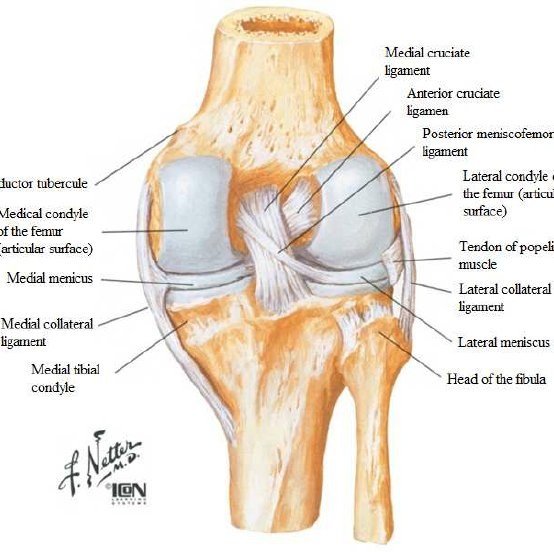
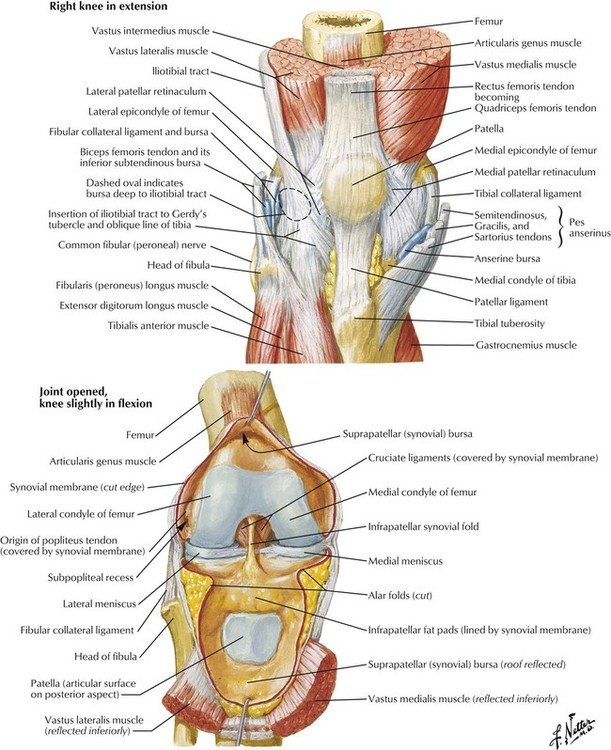
Tibial plateau fractures may be associated with injury to the proximal tibial surface on which the femur rests, nearby structures including vasculature, nerves, ligaments, meniscus, skin around the knee, and adjacent compartments. The tibial plateau is divided into two articular sections, one for each femoral condyle and fibrocartilagenous rings around the periphery of these articular facets joint, the medial and lateral menisci.
The primary mechanism of injury may be a varus or valgus load alongside or without an axial load. Tibial plateau fractures could also be lateral, medial, or bicondylar. Injuries to the lateral part of the tibial plateau are most typically occur and may be a consequence of an immediate blow to the lateral aspect of the knee. Injuries to the medial plateau require more force. They are sustained from high-energy mechanisms, including axial load from falling from a height and landing on the feet, automobile collisions, and other sources of direct trauma. Bicondylar fractures are more common than isolated medial plateau fractures with high-energy instruments like these. As a result of low energy mechanisms, Tibial plateau fractures are more likely to occur within the elderly or other populations with the osteoporotic disease.
Classification
None of the tibial plateau fracture classification systems are ideal. [rx][rx] Tibial plateau fractures can be classified based on the Schatzker Classification system, summarized below:
-
Schatzker I: Lateral plateau split fracture
-
Schatzker II: Lateral plateau split-depressed fracture
-
Schatzker III: Lateral plateau pure depression fracture
-
Schatzker IV: Medial plateau fracture
-
Schatzker V: Bicondylar plateau fracture
-
Schatzker VI: Metaphyseal-diaphyseal dissociation
10% of all tibial plateau fractures can not be classified based on Schatzker’s classification. Especially fractures associated with fracture-dislocations or knee instability. Hohl and Moore suggested an alternative classification of tibial plateau fractures are following:
-
Type I: Coronal split fracture
-
Type II: Entire condylar fracture
-
Type III: Rim avulsion fracture of the lateral tibial plateau
-
Type IV: Rim compression fracture
-
Type V: Four-part fracture
Hohl and Moore Classification
|
Hohl and Moore Classification of proximal tibia fracture-dislocations
|
||
|
Type I
|
|
|
|
Type II
|
|
|
|
Type III
|
|
|
|
Type IV
|
|
|
|
Type V
|
|
|
Causes of Medial Tibial Plateau Fracture
Causes of Medial Tibial Plateau Fracture
- The repetitive impact – to the lower limb bone with weight-bearing exercises occupational work cause microfractures, which consolidate to stress fractures. [rx]
- Heavy influence – The force of a jump or fall from height can result in a broken ankle. It can happen in foot bone fractures even if you jump from a low altitude.
- Missteps – You can cause a fracture of the ankle if you put your foot down awkwardly abnormally. Your ankle might twist or roll your foot joint to the side as you put weight on it. It can also happen in stare up or stare down unawkwardly.
- Sports – High-impact sports such as football, cricket, hockey, volley boll involve intense movements that place stress on the joints, including the ankle bone fracture examples of high-impact sports include cricket, racer of the bike, soccer, football, Horseback riding, Hockey, Skiing Snowboarding In-line skating, Jumping on a trampoline and basketball.
- Car collisions – The sudden, heavy impact of a car accident bike accident can cause metatarsal bone fractures. Often, these types of injuries need surgical repair. The crushing injuries common in car accidents may cause breaks that require surgical repair.
- Falls from height – Tripping and falling when walking on uneven surfaces can break bones in your ankles and metatarsal bone, phalanges fractures, as can landing on your feet after jumping down from just a slight height, sudden landings from the plane in the war field, violent trauma, etc.
- Driving and compressing in the break is one of the significant causes of foot microtrauma for the driver of the car, motorbike, truck, bus, and bicycle runner. During driving, such a kind of vehicle frequently has to compress breaks to maintain the car’s speed. Repeated compression causes microtrauma, tendon, cartilage, ligament degeneration, and weakness that may lead to injury in the foot.
- Missteps – Sometimes, just putting your foot down the wrong way can result in a twisting injury that can cause a broken bone. Fracture also occurs when stairs up or stairs down, especially older people.
- Unconsciously Toilet Use – A widespread and daily increasing incidence of rupture of the ankle joint, foot bone, metatarsal bones, tarsal bone, phalanges, exceptionally high comodo using time and lower limb fractures.
- High hell Use – It is the most common cause of fracture in the ankle, foot, lower limb fracture, especially for women, abnormal arch, foot angle, the lake of the flat foot, abnormal sole of your footwear, muscle, tendon, cartilage, ligament weakness in the knee, ankle joints.
- With the increasing technology of nuclear weapons on the battlefield, one country is involved in the war from one country to another country. On the battlefield, millions of armies and general people are falling in injury that is gradually causing ankle, foot, metatarsal, tarsal bone fractures.
- Have osteoporosis – a disease of your bone that weakens your bones gradually due to inadequate intake of calcium or vitamin D.
- Weak low muscle mass or poor muscle strength – lack agility or older age muscle strength, mass, power, endurance become weak, and poor balance conditions make you more likely to fall and cause a fracture.
- Walk or do other activities in the snow or on the ice – or do activities that require a lot of forwarding momenta, such as in-line skating and skiing, Skiing, Snowboarding, in-line skating, Jumping, playing lead to fracture of the bone in the lower limb.
- Insufficient vitamin D and sunlight – Insufficient vitamin D and sunlight decrease the intestinal absorption of calcium, leading to abnormal regulation of parathyroid hormone (PTH). Vitamin D also works to upregulate the transcription of genes involved in neovascularization in areas of endochondral ossification, such as a healing fracture site. Vitamin D deficiency is typically characterized as a serum level of 25-hydroxyvitamin D3 of less than 20 ng/mL, and sufficiency is between 20 and 31 ng/mL.[rx]
Symptoms of Medial Tibial Plateau Fracture
Symptoms of Medial Tibial Plateau Fracture include
- Intense pain, swelling, tenderness, limited range of motion is the first
- May present with pain, swelling, tenderness, hematoma directly over the mid-foot in athletes. Construction workers may present various pain and swell over the foot, worsening with exercise and walking.
- Pain with or after regular activity
- Pain that goes away when resting time and then returns when standing, walking, or during activity
- Pinpoint pain at the site of the fracture when touched
- Swelling but no bruising may be present if it becomes microtrauma
- Bruising or discoloration that extends to nearby parts of the foot bones.
- Pain with walking and weight-bearing
- Swelling in the heel area
- Pain may decrease with rest but increases again with activity.
- Pain at the fracture site, which in some cases can extend from the foot to the knee.
- Significant swelling may occur along the length of the leg or may be more localized.
- Blisters may occur over the fracture site after some days.
- Bruising that develops soon after the injury time.
- Inability to walk; it is possible to walk with less severe breaks and fractures, so never rely on walking as a test of whether or not a bone has been fractured.
- Change in the color and appearance of the ankle will look different from the other ankle.
- Bone protruding fracture through the skin signifies that immediate emergency care is needed. Fractures that pierce the skin require attention because they can lead to severe infection and take a prolonged time to recover.
- This pain may occur or feel in the setting of acute trauma or repetitive microtrauma over weeks to months. One should be suspicious of stress fracture with discomfort or pain of worsening quality or duration over time.
Diagnosis of Medial Tibial Plateau Fracture
History
Your doctor in the emergency department may ask the following questions
- How – How was the fracture created, and, if chronic, why is it still open? (underlying etiology)
- When – How long has this fracture been present? (e.g., regular less than one month acute, more than six months chronic)
- What – What anatomy and structure do it involve? (e.g., epidermis, dermis, subcutaneous tissue, fascia, muscle, tendon, bone, arteries, nerves). What comorbidities, economic or social factors do the patient have which might affect their ability to heal the fracture?
- Where – Where on the body parts is it located? Is it difficult to offload, complicated, or keep clean? Is it in an area of high skin tension? Is it near any vital organ and structures such as a major artery?
- What is your Past – Has your previous medical history of fracture? Are you suffering from any chronic disease, such as hypertension, blood pressure, diabetes mellitus, previous major surgery? What kind of medicine did you take? What is your food habits, geographic location, Alcohol, tea, coffee consumption habit, anabolic steroid uses for athletes, etc.?
Physical Examination
Physical examination is done by your doctor, consisting of palpation of the fracture site, eliciting boney tenderness, edema, swelling. If the fracture is in the dept of a joint, the joint motion, normal movement will aggravate the pain.
- Inspection – Your doctor also checks superficial tissue skin color, involving or not only the epidermal layer or Partial-thickness affects the epidermis and extend into the dermis, but full-thickness also extends through the dermis and into the adipose tissues or full-thickness spreads through the dermis. The skin should be examined circumferentially to gauge compound fracture, lacerations, or puncture wounds. Adipose exposes muscle to bone and evaluates and measures the fracture’s depth, length, and width. Access surrounding skin tissue, fracture margins for tunneling, rolled, undermining fibrotic changes, and if unattached, evaluate for signs and symptoms of infect warm, pain, and delayed healing.
- Palpation – Physical examination may reveal tenderness to palpation, swelling, edema, tenderness, worm, temperature, open fracture, closed fracture, microtrauma, and ecchymosis at the site of fracture. Condition of the surrounding skin and soft tissue, quality of vascular perfusion and pulses, and the integrity of nerve function.
- Motor function – Your doctor may ask the patient to move the injured area to assist in assessing muscle, ligament, and tendon function. The ability to move the joint means that the muscles and tendons work correctly and do not guarantee bone integrity or stability. The concept that “it can’t be fractured because you can move it” is incorrect. The jerk and manual tests are also performed to investigate the motor function.
- Sensory examination – assesses sensations such as light touch, worm, paresthesia, itching, numbness, and pinprick sensations, in its fracture side. Sensation, motor function, and distal pulses should be assessed manually. There should be a coffee threshold to live Ankle-brachial indices should there be a difference in vibrations between extremities with sensory 2-point discrimination
- Range of motion – A range of motion examination of the fracture associate joint and its surrounding joint may help assess the muscle, tendon, ligament, cartilage stability. Active assisted, actively resisted exercises are performed around the communal injured area.
- Blood pressure and pulse check – Blood pressure is the term used to describe the strength of blood with which your blood pushes on the sides of your arteries as it’s pumped around your body. An examination of the circulatory system, feeling for pulses, blood pressure, and assessing how quickly blood returns to the tip of a toe to heart. It is pressed, the toe turns white (capillary refill).
- Knee effusion – If there’s a big outflow, the knee could also be aspirated to gauge for hemarthrosis and therefore the presence of lipids or bone marrow elements, suggesting intraarticular fracture.
- Compartments – All compartments should be palpated; a firm, tense chamber suggests compartment syndrome, which may be further evaluated by measuring intra compartmental pressure.
- Laxity tests – quite 10 degrees of laxity at the joint line with varus/valgus stress testing suggests a tear of the collateral ligaments. Laxity below the common line is indicative of a fracture.
Lab Test
Laboratory tests should be done as an adjunct in overall medical status for surgical treatment.
- CBC, ESR test
- Random blood sugar, glucose, and routine diabetes test if the patient has diabetes mellitus.
- Microscopic urine examination test and stool test.
- ECG, EKG test for heart abnormality is present
- Ultrasonography test in some cases.
- Normalized hemoglobin, hematocrit test
- Coagulation profile with bleeding time and coagulation time test, prothrombin time (PT) test for surgery if needed,
- Thromboplastin time and platelet counts will be required for operative intervention.
- Serum creatinine test,
- Serum lipid profile
- Serum uric acid test
Imaging Test
- Plain radiographs – should include anterior-posterior, lateral, and intercondylar notch views. The anteroposterior views may show sclerotic bands implicational compression, joint malalignment, or depression of the articular surface. The lateral views can help spot posteromedial fracture lines. Other additional statements can include oblique views and tibial plateau views (10 degrees caudal tilt), which may help determine the quantity of articular surface depression. However, these views are getting less critical within the presence of CT scans. Also, tibial plateau fractures are often challenging to ascertain on plain films, with a sensitivity of 85%. Some radiographic signs are related to injuries to the lateral meniscus, lateral collateral ligament injuries, or posterior cruciate ligament injuries that have articular surface depression of quite 6mm and articular widening of quite 5 mm. When depression and widening is quite 8 mm, the medial meniscal injury was frequently reported
- CT scan – assesses articular surface depression and comminution. Also, it delineates fracture pattern, size of fracture fragment, shape, and site for surgical planning. A lipohemarthrosis is a sign of an occult fracture. CT scan can alter fracture classification and a treatment plan formulated supported the initial radiographs.
- MRI scan – would be indicated to gauge meniscal and ligamentous pathologies. The knee should be evaluated for fracture lines, displacement, depression of the tibial plateau, and associated ligamentous or meniscal injury.
Treatment of Medial Tibial Plateau Fracture
Initial Treatment Includes
- Get medical help immediately – If you fall on an outstretched leg, play cricket, get into a car accident, or are hit while playing a sport and feel intense pain in your leg area, then get medical care immediately. Cause significant pain in your leg, foot, ankle joint, and part of your leg closer to the base of your shank. If the accident is substantial, you keep your leg at the same heart position and then clean and treat any wounds on the skin of the injured leg.
- Aggressive wound care is essential for patients to reach a safe place with the proper ventilation needed for contaminated wounds. Injured are clear with disinfectant material [rx]
- ICE and elevation – It help for prevention swelling edema
- Rest – Sometimes, rest is all that is needed to treat a traumatic fracture of the foot, ankle, tarsal and metatarsal fracture. Sometimes rest is the only treatment required to eradicate healing of a stress or traumatic fracture of a metatarsal bone fracture.
- Compression – a bandage will limit swelling edema and help to rest the joint. A tubular compression bandage is frequently used but should be removed at night by easing it off gradually. Please put it on again before you are out of bed in the morning. Mild to moderate pressure that is not too uncomfortable or too tight, and does not stop blood flow, is ideal. Depending on the amount of swelling. Pain, edema, you may be advised to remove the bandage for good after 48 hours.
- Elevation – Elevation initially aims to limit and reduce any swelling. For example, keep the foot upright on a chair or pillow to at least hip level when sitting. When you are in bed, put your foot on a pillow. Sometimes rest is the only treatment that is needed, even in fractures.
- Splinting – The toe may be fitted with a splint to keep it in a fixed position.
- Rigid or stiff-soled shoes – Wearing stiff-soled solid shoes to protect the toe and help properly position it. A postoperative splint, shoe, or boot walker is also helpful.
- Avoid the offending activity – Because fractures result from repetitive stress trauma, it is essential to avoid the movement that led to the rupture more seriously. Crutches, a wheelchair, or other types of supporting splint are sometimes required to offload weight from the foot to give it time to heal.
- Immobilization, casting, or rigid shoe – A stiff-soled shoe or another form of immobilization may be used to protect the fractured bone while it is healing. The use of a postoperative shoe or boot walker is also helpful.
- Casting or rigid shoe – A stiff-soled shoe or another form of immobilization may be used to protect the fractured bone while it is healing. The use of a postoperative shoe or boot walker is also helpful.
- Stop stressing the foot – If you’ve been diagnosed with a stress fracture, avoiding the activity that caused it is essential for healing. This may mean using crutches or even a wheelchair.
Do no HARM for 72 hours after injury.
- Heat – Heat applied to fracture and injured side by hot baths, electric heat, saunas, heat packs, etc., has the opposite effect on the blood flow. Heat may cause more fluid accumulation in the fracture joints by encouraging blood flow. Heat should be avoided when inflammation is developing in the acute stage. However, after about 72 hours, no further inflammation is likely to create, and warmth can be soothing.
- Alcohol – stimulates the central nervous system, can increase bleeding and swelling, and decrease healing.
- Running and movement – Running and walking may cause further damage and causes healing delay.
- Massage – A massage also may increase bleeding and swelling. However, after 72 hours of your fracture, you can take a simple message, and applying heat may soothe the pain.
Medication
Your doctor may consider the following medications to relieve acute and immediate pain, long term treatment
- Antibiotic – Cefuroxime or Azithromycin, or Flucloxacillin or any other cephalosporin/quinolone, meropenem antibiotic must be used to prevent infection or clotted blood removal from preventing further swelling, inflammation, and edema. [rx] Antibiotics should be administered as soon as possible within the prehospital setting or emergency department if antibiotics got within 66 minutes of injury, the infection rate was 0%, but increased to 17% if antibiotics were delayed beyond this point frame.[rx]
- NSAIDs – Prescription-strength drugs that reduce both pain and inflammation. Pain medicines and anti-inflammatory drugs help relieve pain and stiffness, allowing for increased mobility and exercise. There are many common over-the-counter medicines called non-steroidal anti-inflammatory drugs (NSAIDs). They include first choice NSAIDs is Ketorolac, then Etoricoxib, then Aceclofenac, naproxen. As you are taking pain medication or NSAIDs, your doctor must prescribe a standard anti-ulcer drug, such as omeprazole, pantoprazole, esomeprazole, dexlansoprazole, etc.
- Muscle Relaxants – These medications relieve spinal muscle spasms spasticity. Muscle relaxants, such as baclofen, tolperisone, eperisone, methocarbamol, carisoprodol, and cyclobenzaprine, may be prescribed to control postoperative muscle spasms, spasticity, stiffness, contracture.
- Calcium & vitamin D3 – To improve bone health, blood clotting, helping muscles contract, regulating heart rhythms, nerve functions, and healing fractures. As a general rule, too absorbed more minerals for men and women aged 50 and older should consume 1,200 milligrams of calcium and 600 international units of vitamin D a day to heal back pain, fractures, and osteoarthritis.
- Neuropathic Agents – Drugs(pregabalin & gabapentin) address neuropathic—or nerve-related—pain. This includes burning, numbness, tingling sensation, and paresthesia.
- Glucosamine & Diacerein, Chondroitin sulfate – To tighten the loose tendon, cartilage, ligament, and cartilage, ligament regenerates cartilage or inhabits the further degeneration of cartilage, ligament. The dosage of glucosamine is 15oo mg per day in divided dosage and chondroitin sulfate approximately 500mg per day in different dosages. Diacerein minimum of 50 mg per day may be taken if the patient suffers from osteoarthritis, rheumatoid arthritis, and any degenerative joint disease.[rx]
- Topical Medications and essential oil – These prescription-strength creams, gels, ointments, patches, and sprays help relieve pain and inflammation in acute trauma, pain, swelling, tenderness through the skin. If the fracture is closed and not open, you can use this item.
- Antidepressants – A drug that blocks pain messages from your brain and boosts the effects of endorphins in your body’s natural painkillers. It also helps in neuropathic pain, anxiety, tension, and proper sleep.
- Corticosteroids – Also known as oral steroids, these medications reduce inflammation. To heal the nerve inflammation and clotted blood in the joints.
- Dietary supplement – To eradicate the healing process from fracture, your body needs a considerable amount of vitamin C and vitamin E. From your dietary supplement, you can get it, and also need to remove general weaknesses & improved health.
- Cough Syrup – If your doctor finds any chest congestion or fracture-related injury in your chest, dyspnoea, post-surgical breathing problem, then advice you to take bronchodilator cough syrup.
- Teriparatide – Teriparatide may be a recombinant human parathormone (PTH) that stimulates osteoblasts to grow new bone cells when given intermittently. Use in treatment for osteoporosis, osteoarthritis, and all kinds of fractures are successful results. There are now some scientists to support its use in treating fractures and nonunions. The medication was administered via daily injections of 20 μg about a month[rx] [rx]
What To Eat and What to avoid
Eat Nutritiously During Your Recovery
All bones and tissues in the body need certain micronutrients to heal appropriately and promptly. Eating a nutritious and balanced diet that includes lots of minerals and vitamins is proven to help heal broken bones and all types of fractures. Therefore, focus on eating lots of fresh food (fruits and veggies), whole grains, cereal, beans, lean meats, seafood, and fish to give your body the building blocks needed to repair your fracture correctly. In addition, drink plenty of purified mineral water, milk, and other dairy-based beverages to augment what you eat.
- Broken bones or fractures need abundant minerals (calcium, phosphorus, magnesium, boron, selenium, omega-3) and protein to become strong and healthy again.
- Excellent sources of minerals/protein include dairy products, tofu, beans, broccoli, nuts and seeds, sardines, sea fish, and salmon.
- Essential vitamins that are needed for bone healing include vitamin C (needed to make collagen that your important body element), vitamin D (crucial for mineral absorption, or machine for mineral absorber from your food), and vitamin K (binds calcium to bones and triggers more quickly collagen formation).
- Conversely, don’t consume food or drink that is known to impair bone/tissue healing, such as alcoholic beverages, sodas, fried fast food, most fast food items, and foods made with lots of refined sugars and preservatives.
Surgery
Surgically treatment depends on the individual fracture characteristics, the size of fractures, the degree of displacement, the location, comminution, the condition of integrity of the soft tissues of the foot, the presence of associate bones, ligament injuries on the foot, comorbidities, and overall functional movement status. [rx]
Operative Management
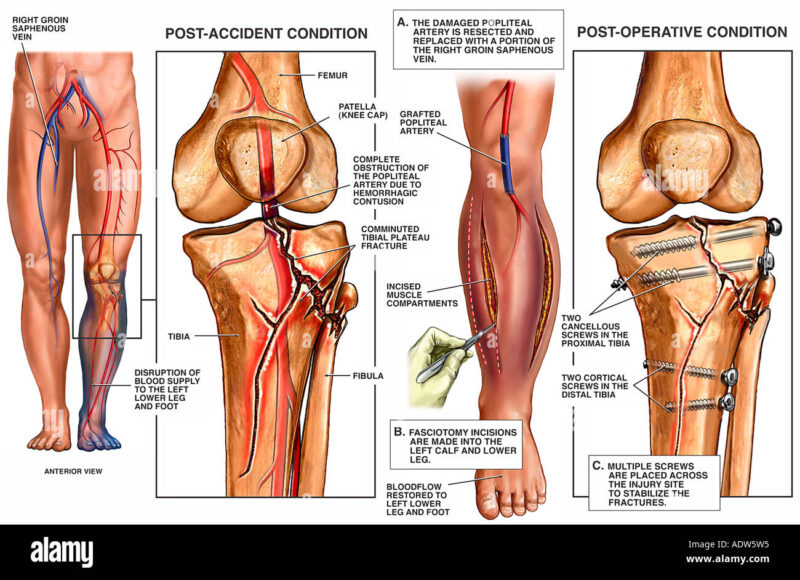
Open reduction and internal fixation (ORIF): This is indicated for tibial plateau fractures with significant articular step-off, condylar widening, ligamentous instability, and for Schatzer IV, V, and VI injuries.
The approach is ready-made supports the fracture pattern. A lateral direction with a straight or sports implement anterolateral incision is usually performed. Posteromedial incision utilizing the interval between pes anserinus and medial head of gastrocnemius has been described for medial plateau fractures and people with posteromedial extensions. Dual incision medial and lateral is indicated for bicondylar fractures. With posterior approaches reserved for posterior shearing fractures.
Reduction (Direct or indirect): It focuses on restoring articular surface continuity and congruity. Any metaphyseal voids should be crammed with bone grafts or cement. Bone grafts might be autogenous, allogenic, or artificial substitutes. Phosphate cement has shown high compressive strengths when filling out metaphyseal defects.
Internal fixation is often achieved with a spread of constructs, either screws alone or plate (locked vs non-locked), to achieve absolute stability to take care of the articular surface. Isolated screw fixation is often used for uncomplicated split fractures or depression fractures that are elevated percutaneously. Non locked plate during a buttress mode would be ideal for easy fracture patterns in healthy bones. A complex and fast angle construct like a locked plate would be more beneficial in fracture patterns and poor bone quality with less compression of periosteum and soft tissues.
Postoperatively, a hinged brace is applied and advised of an early passive range of motion and non-weight bearing for six weeks followed by partial weight-bearing for a further six weeks, then weight-bearing as tolerated.
External fixation with limited open/percutaneous fixation of the articular segment: This is often indicated in significantly comminuted or highly contaminated open fractures. The principle is to perform articular surface reduction percutaneously or with mini incisions then stabilize the reduction with subchondral lag screws or wires. After which, an external fixator or a hybrid ring fixator is applied. It allows knee range of motion and reduces soft tissue insult. Patients are permitted weight-bearing after callus formation, and therefore the fixator stays for 2 to four months. This treatment modality has been reported to be related to a high malunion rate.
Staged or Sequential fixation: Bridging external fixation with delayed ORIF: could also be performed as a temporizing measure when there’s significant soft tissue injury or if the patient has sustained other serious injuries that need control orthopedics. The external fixator is applied by inserting two 4.5 or 5 mm half pins within the middle to the distal femur and, therefore, the seat to the distal tibia. They then reduced the fracture by axial traction and locking the fixator in slight flexion. Bars should be placed in two planes to permit control over the varus-valgus and flexion-extension forces. The external fixators allow soft tissue resuscitation before definitive fixation with the benefits of decreased infection rate and wound healing complications. The most significant disadvantage of this approach is the residual knee stiffness.
Arthroscopically assisted reduction and internal fixation: this will provide equally satisfactory open reduction and internal fixation results. Especially in Schatzker I to III fractures. Primary Total Knee Arthroplasty might be an option for patients with specific fracture patterns.
References
- https://www.ncbi.nlm.nih.gov/books/NBK448083/
- https://www.ncbi.nlm.nih.gov/pmc/articles/PMC3687911/
- https://www.ncbi.nlm.nih.gov/pmc/articles/PMC6531999/
- https://www.mdpi.com/2076-3417/11/10/4395
- https://www.cambridge.org/core/journals/journal-of-glaciology/article/novel-method-for-predicting-fracture-in-floating-
- https://www.amazon.com/Biomechanics-Orthopaedic-Trauma-Fracture-Fixation/dp/1853171085
- https://www.amazon.com/Fracture-Management-Primary-Care-Updated/dp/0323546552
- https://online.boneandjoint.org.uk/journal/bjo
- https://medlineplus.gov/
- https://books.google.com.bd/books?id=XvbsDwAAQBAJ&pg
- https://en.wikipedia.org/wiki/Bone_fracture
- https://en.wikipedia.org/wiki/Fracture
- https://www.ncbi.nlm.nih.gov/pmc/articles/PMC6667981/
- https://www.ncbi.nlm.nih.gov/books/NBK448147/
- https://www.ncbi.nlm.nih.gov/pmc/articles/PMC5903328/
- https://www.ncbi.nlm.nih.gov/pmc/articles/PMC5961267/
- https://www.ncbi.nlm.nih.gov/pmc/articles/PMC6379735/
- https://www.ncbi.nlm.nih.gov/books/NBK542250/
- https://www.ncbi.nlm.nih.gov/books/NBK549912/
- https://www.ncbi.nlm.nih.gov/pmc/articles/PMC3445231/
- https://www.ncbi.nlm.nih.gov/books/NBK542221/
- https://www.sciencedirect.com/science/article/pii/S1930043315301862
- https://www.ncbi.nlm.nih.gov/pmc/articles/PMC5903328/
- https://www.ncbi.nlm.nih.gov/pmc/articles/PMC5961267/
- https://www.ncbi.nlm.nih.gov/pmc/articles/PMC5721952/
- https://www.ncbi.nlm.nih.gov/pmc/articles/PMC5961263/
- https://www.ncbi.nlm.nih.gov/pmc/articles/PMC6179081/
- https://www.ncbi.nlm.nih.gov/pmc/articles/PMC5961262/
- https://www.ncbi.nlm.nih.gov/pmc/articles/PMC5481613/
- https://www.ncbi.nlm.nih.gov/pmc/articles/PMC8241249/
- https://www.ncbi.nlm.nih.gov/books/NBK430861/
- https://www.ncbi.nlm.nih.gov/pmc/articles/PMC3360186/
- https://www.ncbi.nlm.nih.gov/pmc/articles/PMC5357522/
- https://www.ncbi.nlm.nih.gov/pmc/articles/PMC6583145/
- https://en.wikipedia.org/wiki/Calcaneal_fracture
- https://www.ncbi.nlm.nih.gov/books/NBK430861/
- https://www.ncbi.nlm.nih.gov/books/NBK430861/figure/article-18765.image.f3/
- https://www.ncbi.nlm.nih.gov/books/NBK77454/
- https://www.ncbi.nlm.nih.gov/pmc/articles/PMC5961258/
- https://www.ncbi.nlm.nih.gov/pmc/articles/PMC2551728/
- https://www.ncbi.nlm.nih.gov/pmc/articles/PMC5017091/
- https://www.ncbi.nlm.nih.gov/pmc/articles/PMC5090255/
- https://www.ncbi.nlm.nih.gov/pmc/articles/PMC6178141/
- https://www.ncbi.nlm.nih.gov/pmc/articles/PMC7330149/
- https://www.ncbi.nlm.nih.gov/pmc/articles/PMC1317258/
- https://www.ncbi.nlm.nih.gov/pmc/articles/PMC7767678/
- https://www.ncbi.nlm.nih.gov/books/NBK482332/
- https://en.wikipedia.org/wiki/Trimalleolar_fracture
- https://www.ncbi.nlm.nih.gov/pmc/articles/PMC7864963/
- https://en.wikipedia.org/wiki/Tillaux_fracture
- https://www.sciencedirect.com/science/article/abs/pii/S1067251696800299
- https://www.ncbi.nlm.nih.gov/books/NBK562254/
- https://www.ncbi.nlm.nih.gov/books/NBK470593/
- https://www.ncbi.nlm.nih.gov/pmc/articles/PMC8152440/
- https://www.ncbi.nlm.nih.gov/books/NBK542324/
- https://www.ncbi.nlm.nih.gov/books/NBK470591/
- https://www.ncbi.nlm.nih.gov/pmc/articles/PMC3427429/
- https://www.ncbi.nlm.nih.gov/pmc/articles/PMC2903122/
- https://www.ncbi.nlm.nih.gov/pmc/articles/PMC6502107/

