
Persea americana/Avocado is a very potent, incredibly nutritious, and filling plant. They are commercially valuable and are cultivated in tropical and Mediterranean climates throughout the world. They have a green-skinned, fleshy body that may be pear-shaped, egg-shaped, or spherical. It is rich in many minerals, vitamins, and different plant compounds, and is also beneficial for heart health and prevents arthritis. In case you are a person leading a healthy lifestyle, you can easily incorporate avocado into your diet. With all these great health benefits, is it no wonder that avocados are becoming such a popular choice for healthy dishes.
| Avocado Quick Facts | |
|---|---|
| Name: | Avocado |
| Scientific Name: | Persea Americana |
| Origin | Central America – probably Mexico, Guatemala, and Honduras |
| Colors | Yellow-green, deep-green or very dark-green, reddish-purple, or so dark a purple as to appear almost black, and is sometimes speckled with tiny yellow dots. |
| Shapes | Large, usually pear-shaped, sometimes ovoid or globose, 8–18 cm; |
| Flesh colors | Typically greenish yellow to golden yellow when ripe |
| Taste | Buttery and bland or nutlike |
| Calories | 50 Kcal./cup |
| Major nutrients | Total Fat (13.20%) Vitamin B5 (8.78%) Vitamin B9 (6.75%) Vitamin B6 (6.62%) Copper (5.67%) |
| Health benefits | Help Prevent Cancer, Protects Your Eyesight, Provides Dental Care, Contain More Potassium than Bananas, Beneficial for Pregnant Women, Good for Constipation, Can Lower Cholesterol and Triglyceride Levels, Protects Liver from Disease, Kidney Health, Encourages Longevity, Morning Sickness, Reduces Symptoms of Arthritis, Anti-Aging, Incredibly Nutritious, Good for Your Bones, Causes Satiety and Weight Loss, Protect the Eyes, Loaded With Fiber, Wound-Healing Activities, Great for Your Skin, Improves Your Mood, Lower risk of depression |
Avocado scientifically known as Persea Americana is a tree that is native to Central America and Mexico and classified in the flowering plant family Lauraceae. The word “avocado” is said to be derived from the Nahuatl word “ahuacatl”, which means “testicle”. Obviously, it describes the fruit shape and likely refers to the potency of avocado, which is supposed to be aphrodisiac. Apart from Avocado, it is also known as Alligator Pear, Alligator Pear, Avocado, Avocado Pear, Butter Pear, Guatemalan Avocado, Lowland Avocado, Mexican Avocado, Midshipman’s Butter, Trapp Avocado, Vegetable Marrow, and West Indian Avocado. Avocado is rich in monounsaturated fats, which make its texture creamy and smooth. Compared to most other fruits, avocado is much higher in fat. Avocados are called climacteric fruits because they only ripen after harvesting, just like bananas.
Avocado facts
| Name | Avocado |
|---|---|
| Scientific Name | Persea Americana |
| Native | Central America – probably Mexico, Guatemala and Honduras |
| Common Names | Alligator Pear, Alligator Pear, Avocado, Avocado Pear, Butter Pear, Guatemalan Avocado, Lowland Avocado, Mexican Avocado, Midshipman’s Butter, Trapp Avocado, Vegetable Marrow, West Indian Avocado |
| Name in Other Languages | Amharic: Avocado Aztec : Ahuacaquahuitl, Ahuacatl Brazil : Abacate, Abacateiro Burmese : Htaw Bat, Kyese Chamorro: Alageta Chinese : E Li, Huang You Li, You Li, Xi Yin Du Lao Li, Zhang Li Cook Islands : ‘Āpoka, Āpuka , ‘Āvōta ( Maori ) Creole: Zabka Croatian: Americhki Avocado Czech : Hruškovec Přelahodný Danish: Avocado, Avogatpære Dutch: Advocaat English: Ashue, avocado, Avocado pear, Butter Fruit, west Indian avocado Finnish: Avokado French : Avocat, Avocatier, Avocatier Du Guatemala, Avogado, Zaboka,Zabelbok, Avocatier d’Amérique German : Alligatorbirne, Avocado, Avocadobaum, Avocadobirne, Avocadopalme, Avocato- Birne Honduras: Hayi , Narimu, Zial Hungarian : Avokádó, Mexikói Avocado Icelandic: Avókadó Indonesia : Adpukat, Avocad, Avokad, Buah Apokat Italian: Avocado Japanese : Abokado, Perusea Khmer: ‘Avôkaa Korean: Ah Bo K’a Do Malaysia : Avocado, Buah Apukado, Buah Mantega Mangarevan: Avoka Maori (Cook Islands): ‘āpoka, ‘āpuka, ‘āvōta Mandinka: Ovacado Marquesan : Avoka, Avoka Maya: On Nepali: Gheu Phal Nicaragua : Aguacate, Cura, Cupandra, Devora, Kulup, Sikia Niuean: Avoka Norwegian: Avokado Palauan: Bata Papua New Guinea: Bata Peru : Okh, Palta, Palto, Pultas Philippines: Abokado ( Cebu) , Aguacate ( Spanish) Polish : Awokado, Smaczliwka Pohnpeian: apakahdo, apokado Portuguese : Abacate, Abacateiro Russian: Avokado Shona: Mukotapeya Samoan: ‘Avoka Spanish : Aguacate, ahuacate, Aguacate Olorosa, Avocado, Cura, Cupandra, Palta, Palto, bego Swahili : Mparachichi, Mpea, Mwembe, Mafuta Swedish : Avokado, Advokatpäron, Aguakate, Aligatorpäron, Avocato Tahitian : Avoka, Avoka, Avoka, Avota Tagalog: Abukado. Taiwan: Lao Li Thai: Awokhado Tongan: ‘Avoka Vietnamese: Bó, Lê Daù Wallisian: Avoka West Africa: Avocado ( Mandinka ) |
| Plant Growth Habit | An erect, dense, evergreen,medium tree |
| Growing Climate | Thrive and perform well in climatic conditions ranging from true tropical to warmer parts of the temperate zone. |
| Soil | Loose, decomposed granite or sandy loam best. They will not survive in locations with poor drainage. The trees grow well on hillsides and should never be planted in stream beds. They are tolerant of acid or alkaline soil. In containers use a planting mix combined with topsoil. Plastic containers should be avoided. It is also useful to plant the tub with annual flowers to reduce excess soil moisture and temperature. Container plants should be leached often to reduce salts. |
| Plant Size | Usually, 10–12 m tall and may reach 20 m. |
| Bark | Gray-green, longitudinally fissured bark. |
| Trunk | 30–60 cm across |
| Leaf | Alternate; petiole 2–5 cm, sparsely pubescent. Leaf-blade is simple, variable in shape, narrowly elliptic, elliptic, ovate, or obovate, 8–20 × 5–12 cm, usually somewhat glaucous lower surface, deep green above, leathery, sparsely yellowish brown pubescent above but very densely so below when mature, midrib conspicuously raised below, lateral veins 5–7 pairs, distinctly raised below, slightly elevated above, base cuneate or acute to subrounded, apex acute, margin entire. |
| Flower | Yellow-greenish, 5–6 mm on 6 mm densely yellowish brown pubescent pedicels. |
| Fruit Shape & Size | Smooth or pebbled, glossy or dull, thin or leathery and up to 6 mm thick, pliable or granular and brittle, large, usually pear-shaped, sometimes ovoid or globose, 8–18 cm; |
| Fruit Color | Yellow-green, deep-green or very dark-green, reddish-purple, or so dark a purple as to appear almost black, and is sometimes speckled with tiny yellow dots. |
| Fruit Skin | Very thick, glossy skin |
| Fruit Weight | Between 8 ounces to 3 lbs. (226 grams to 1.3 kilograms) |
| Flesh Color | Typically greenish yellow to golden yellow when ripe |
| Taste | Buttery and bland or nutlike taste |
| Seed | Oblate, round, conical or ovoid, large, 5–6.4 cm(2.0–2.5 in) long, hard and heavy, |
| Seed Color | Ivory in color |
| Varieties |
|
| Health benefits |
|
| Major Nutrition | Total Fat (lipid) 4.62 g (13.20%) Vitamin B5 (Pantothenic acid) 0.439 mg (8.78%) Vitamin B9 (Folate) 27 µg (6.75%) Vitamin B6 (Pyridoxine) 0.086 mg (6.62%) Copper, Cu 0.051 mg (5.67%) Total dietary Fiber 2 g (5.26%) Vitamin K (phylloquinone) 6.3 µg (5.25%) Vitamin E (alpha-tocopherol) 0.59 mg (3.93%) Vitamin B3 (Niacin) 0.574 mg (3.59%) Vitamin B2 (Riboflavin) 0.043 mg (3.31%) |
| Calories in 1 serving (30 g) | 50 Kcal |
Avocado Scientific Classification
Scientific Name: Persea Americana
| Rank | Scientific Name & (Common Name) |
|---|---|
| Kingdom | Plantae (Plants) |
| Subkingdom | Tracheobionta (Vascular plants) |
| Infrakingdom | |
| Superdivision | Spermatophyta (Seed plants) |
| Division | Magnoliophyta (Flowering plants) |
| Class | Magnoliopsida (Dicotyledons) |
| Subclass | Magnoliidae |
| Order | Laurales |
| Family | Lauraceae (Laurel family) |
| Genus | Persea Mill. (Bay) |
| Species | Persea americana Mill. (Avocado) |
| Synonyms |
|
Plant
The avocado is an erect, dense, evergreen, medium tree, shedding many leaves in early spring. It is fast-growing and is 10–12 m tall and may reach 20 m, and generally branches to form a broad tree. Some cultivars are columnar, others selected for nearly prostrate form. One cultivar makes a good espalier. Growth is in frequent flushes during warm weather in southern regions with only one long flush per year in cooler areas. Roots are coarse and greedy and will raise pavement with age. Grafted plants normally produce fruit within one to two years compared to 8 – 20 years for seedlings. They normally thrive and perform well in climatic conditions ranging from true tropical to warmer parts of the temperate zone. They prefer loose, decomposed granite or sandy loam. They will not survive in locations with poor drainage. The trees grow well on hillsides and should never be planted in stream beds. They are tolerant of acid or alkaline soil. In containers use a planting mix combined with topsoil. Plastic containers should be avoided. It is also useful to plant the tub with annual flowers to reduce excess soil moisture and temperature. Container plants should be leached often to reduce salts.
Foliage
Avocado leaves are alternate; petiole 2–5 cm, sparsely pubescent. Leaf-blade is simple, variable in shape, narrowly elliptic, elliptic, ovate, or obovate, 8–20 × 5–12 cm, a usually somewhat glaucous lower surface, deep green above, leathery, sparsely yellowish brown pubescent above but very densely so below when mature, midrib conspicuously raised below, lateral veins 5–7 pairs, distinctly raised below, slightly elevated above, base cuneate or acute to subrounded, apex acute, margin entire. The leaves are high in oils and slow to compost and may collect in mounds beneath trees.
Flowers
Avocado flowers appear in January – March before the first seasonal growth, in terminal panicles of 200 – 300 small yellow-green blooms. Flowers are yellow-greenish; 5–6 mm on 6 mm densely yellowish brown pubescent pedicels. Each panicle will produce only one to three fruits. The flowers are perfect, but are either receptive to pollen in the morning or shed pollen the following afternoon (type A), or are receptive to pollen in the afternoon, and shed pollen the following morning (type B). About 5% of flowers are defective in form and sterile. Production is best with cross-pollination between types A and B. The flowers attract bees and hoverflies and pollination is usually good except during cool weather. Off-season blooms may appear during the year and often set fruit. Some cultivars bloom and set fruit in alternate years.
Fruits
Fruit is normally yellow-green, deep-green or very dark-green, reddish-purple, or so dark a purple as to appear almost black, and is occasionally speckled with tiny yellow dots, it may be smooth or pebbled, glossy or dull, thin or leathery and up to 6 mm thick, pliable or granular and brittle, large, usually pear-shaped, sometimes ovoid or globose, 8–18 cm; exocarp corky; mesocarp, bright-green fleshy, but generally entirely pale to rich-yellow, buttery and bland or nutlike in flavor. The flesh of avocados is deep green near the skin, becoming yellowish nearer the single large, inedible ovoid seed. The flesh is hard when harvested but softens to a buttery texture. Off-season fruit should not be harvested with the main crop but left on the tree to mature.
The single seed is oblate, round, conical, or ovoid, large, 5–6.4 cm long, hard and heavy, ivory in color but enclosed in two brown, thin, papery seed coats often adhering to the flesh cavity, while the seed slips out readily.
History
The avocado originated in south-central Mexico between 7,000 and 5,000 B.C. This wild avocado tree was not domesticated until several thousand years later. Domesticated avocado seeds have been found buried with Incan mummies dating back to 750 B.C. and avocados may have been cultivated in Mexico around 500 B.C. Spanish conquistadores in central America could not pronounce the Aztec word ahuacatl, so they changed it to aguacate. Sir Henry Sloan first mentioned the avocado by its English spelling in 1696.
Since they are native to Central and South America they did not appear in the UK until the mid-1900s. They are now commercially produced in the US, Caribbean, Mexico, Brazil, Israel, and Australia. Sadly the climate restricts avocados from growing in the UK.
Nutritional Value
Apart from their buttery and bland or nutlike taste, avocado is a good source of nutrients, vitamins, and minerals. Consuming 30 gram of avocado offers 4.62 g of Total Fat, 0.439 mg of Vitamin B5, 27 µg of Vitamin B9, 0.086 mg of Vitamin B6, 0.051 mg of Copper, 2 g of Total Dietary Fiber, 6.3 µg of Vitamin K, 0.59 mg of Vitamin E, 0.574 mg of Vitamin B3 and 0.043 mg of Vitamin B2. Moreover many Amino acids 0.007 g of Tryptophan, 0.022 g of Threonine, 0.025 g of Isoleucine, 0.042 g of Leucine, 0.039 g of Lysine, 0.011 g of Methionine and 0.008 g of Cystine are also found in 30 grams of avocado.
Types of Avocado
There are numerous avocado types in the marketplace nowadays. Even though basically the same fruit, there are actually delicate variations between the types regarding flavor, color, and also dimension. Chefs would take advantage of learning these types of variations in order to more confidently manage the fruit.
1. Hass Avocado
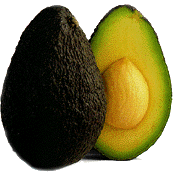 The Hass variety is one of the year-round avocados obtainable in stores. It is special because of its skin which turns from green to purplish-black whenever ripe, the Hass is currently the main variety of California Avocado and it has a fantastic life expectancy. The Hass has been extremely marketed and is also grown throughout the entire globe. It is extremely well-known for its crazy taste and also good handling features.
2. Bacon Avocado
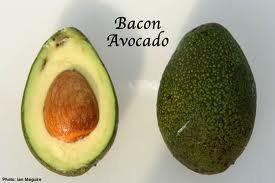 Bacon Avocados usually are cultivars from the “B Group” and were created in 1954 by a farmer called James Bacon. Medical Binomial Name: Persea americana “Bacon”. It really is utilized in hamburgers, Salads, sandwiches, dressings, and guacamole. The Bacon avocado is green having smooth skin. Signs and symptoms of ripeness vary by variety, yet almost all options deliver to gentle pressure whenever ripe. (Softer for guacamole, more firm for slicing). To ripen an avocado, put it within a covered plastic bag using a ripe banana at room temperature. Yet another way is usually to hide the avocado totally within a jar of flour. Usually do not chill avocados till they’re ripe.
3. Fuerte Avocado
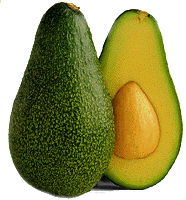 The Fuerte variety is definitely a well-known avocado favorite. It is really a California winter variety that has a fantastic taste. The title Fuerte, which implies powerful in Spanish, was presented after this variety was one of the main versions to live freezing temperatures. Harvested late fall through spring, the Fuerte is definitely the unique top-quality California Avocado. The Fuerte is really an even skin variety and is also on the verge of being categorized within the “avocado other” group. There are not very few trees planted that it’s no more promoted to the customer via retail stores.
4. Pinkerton Avocado
 The Pinkerton avocado receives its title from the Pinkerton Ranch in Saticoy, California, exactly where it very first seemed during the early 1970s. Its Medical Binomial Name: Persea Americana “Pinkerton” It really is mainly utilized in Salads, guacamole, dressings. The Pinkerton avocado is green having a medium-thick and also pebbly skin. Indications of ripeness vary by variety, yet almost all types produce gentle pressure whenever ripe. (Softer for guacamole, much more firm for slicing).
5. Shepard Avocado
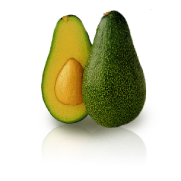 Shepard avocados have got smooth green skin and also golden buttery flesh that doesn’t change brown whenever cut. The typical weight of the Shepard avocado is 200 – 320 g. Produced just within the hotter Bundaberg and also Atherton regions, this variety can be obtained at the start of the autumn, along with peak expansion from February to April.
6. Reed Avocado
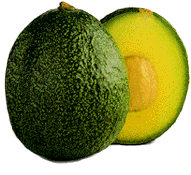 The Reed avocado is really a summertime variety that expands into late fall. It is really a big, spherical fruit that is recognized for its softball design. Throughout their prime, this particular variety tastes outstanding. It is hardly ever accessible and just seen in a few Southern California stores. The Reed is great for slicing and also eating. One of the more preferred utilizes is a complete meal alternative. The size of this particular fruit and also the round shape allow it to be favorable for the make-shift bowl. Eliminate the pit and also fill the middle together with your preferred ingredients and luxuriate in.
7. Sharwil Avocado
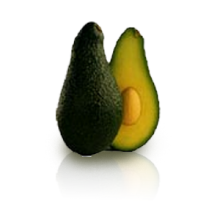 Sharwil avocados are usually smaller sized and much more pear-shaped as compared to various other types. This particular type weighs between 200 – 370 g and it has a small seed. Because of its especially rich, nutty flavor, the Sharwil is usually promoted like a gourmet avocado. This particular variety comes into season from late April to August, across the east coast of Australia.
8. Wurtz Avocado
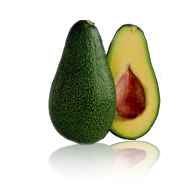 Wurtz avocado is really a smaller-sized fruit that has a harder skin texture as compared to various other varieties. The typical fruit weighs between 230 – 280 g and grows mainly across the Queensland coast from June to October. In central Queensland, the season begins earlier, by the end of April.
9. Yamagata Avocado
 Yamagata variety is extremely earlier. It ripens within Florida in March-April while hardly any other varieties generate fruit. Can easily ripen more than a long season, from March through July. Fruit is big, having a tiny seed and also green skin. Flesh green, smooth, taste nutty. It’s really a very fine, gourmet Hawaiian avocado titled for agriculture specialist Heiji Yamagata, who developed it. In accordance with the University of Hawaii consumer poll, Yamagata was chosen as one of the best Hawaiian cultivars. Moderate to lower cold hardiness. Extremely energetic and also a vertical growing tree.
10. Poncho Avocado
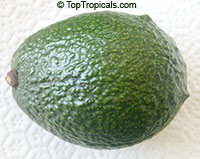 Generates moderate to huge green fruit. Cool sturdy to 15F.May take temperature ranges right down to 15F for a short time period without substantial harm.
11. Simmonds Avocado
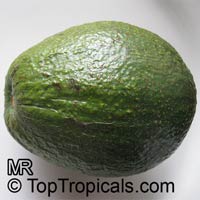 Simmonds avocado is South Florida’s most widely used early-season avocado. Fruit is huge, oblong-oval to pyriform. Skin is even, light green. The flesh of excellent taste, oil content 3-6%. Seed medium size, generally tight. Excellent production, outstanding trade acceptance, and outstanding consuming quality allow it to be a great option for the home garden or grove.
12. Russel Avocado
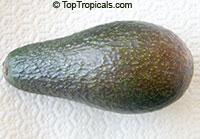 Russel is definitely identified by its gourd-like design. The fruit and then the tree is extremely well-liked by the Latin communities of South Florida. Light production discourages industrial growers; however, it remains an outstanding option for the lover. Big fruit, 24-36 Oz. Long fruit as much as 13 inches. Skin is green, even, glossy, thin, and leathery. Flesh yellow, superior quality. Seed little, cavity lower in the broad end of the fruit, normally a solid neck of flesh 5-6 inches long.
13. Pollock Avocado
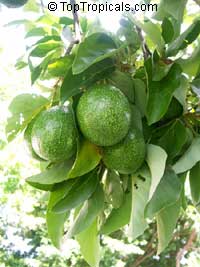 Oblong to pear-shaped fruit. Really large, as much as 5 lbs. Green skin, even, shiny. Flesh firm, smooth, and also fin in texture. Deep yellow changing to yellowish-green near to the skin. Consists of 3-5% oil. Seed large, often loose in the cavity. Early season, July to August. Shy-bearing. Fruit too big yet of good quality. Originated from Miami on the property of H.S. Pollock.
14. Nishikawa Avocado
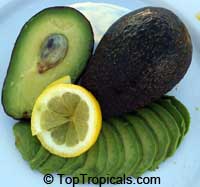 Nishikawa variety of Avocado is originated from Hawaii. It is a mixture of Guatemalan and also Mexican avocado types. Typical cold hardiness. Ripen in December-January (in Florida), type B. Oval fruit nearly looks like Hass variety of avocado, yet bigger. Has quite high oil content. Energetic as well as a vertical growing tree.
15. Mexicola Avocado
 Really small fruit 3-5 Oz. Skin black, slim, smooth. Superb taste. Seed huge. Very heat- and cold-resistant. It’s the coldest hardy variety, may possibly endure temperature ranges within the low 20s. Much utilized as a parent in California breeding programs. Started in Pasadena, California.
16. Lula Avocado
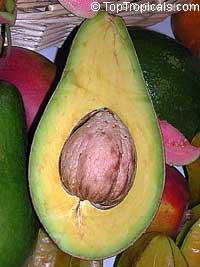 Fruit pear-shaped, occasionally with a neck, medium-large. Skin nearly even. Flesh pale to greenish-yellow. Oil content 12-16%. Seed big, limited. Season medium-late (November-December). The tree is taller, bears early as well as intensely. Cold-resistant, effective in Central and South Florida exactly where it’s previously the leading industrial cultivar. More frost tolerant as compared to most. It really is well-known because of its capability to withstand severe winters, as well as for its extremely long harvesting time period. This will make Lula an excellent option for homeowners around Orlando. Comes from seed from parent tree planted 1915 by Mrs. Lula Cellon at Miami, Florida
17. Lila Avocado
 Generates moderate size, green fruit. Season: September-October. Do not befuddle this particular variety along with Lula, which is well-liked in Florida and utilized for rootstock (that one is cold hardy to simply 25F). Usually takes temperatures down to 15F for a short time period without substantial injury.
18. Joey Avocado
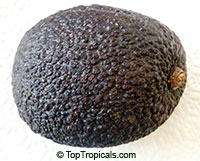 Chosen by Joey Ricers in Uvalde, Texas. Generates moderate size, egg-formed purple-black fruit. It’s got superb taste. Heavy bearer. Season: September-October. May take temperatures right down to 15F for a short time period without substantial harm.
19. Hall Avocado
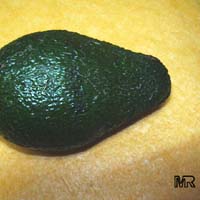 Huge, delicious pear-shaped fruit. Skin vibrant green, appealing, smooth, relatively thicker. Flesh deep yellow, oil content 12-16%, seed medium-large, limited. Good for the limited fancy-fruit market. An alternative yet large bearer. Tree exhibits outstanding ability to tolerate the cold. Originated from Miami, Florida, by Willis Hall.
20. Golden Avocado
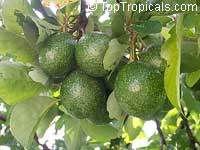 Local Florida variety originated from Wauchula, which is a cold location, compared to South Florida. This particular variety lasted winter of 2009 in Wauchula, whenever temperatures decreased to low 20sF, with no substantial injuries. Very uncommon moderate size fruit – spherical yellow and also smooth skin; creamy-yellow flesh.
21. Fantastic Avocado
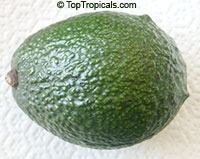 Very cold sturdy variety, apparently the coldest sturdy of all avocados. Creates green, paper-thin skin. The fruit includes a creamy consistency. May take temperatures right down to 15F for a brief time period without substantial injury.
22. Day Avocado
 Day avocado is usually green, even skin, and is also in the shape of a club. The fruit is of high quality and it has a pleasant buttery consistency. The slim tree is extremely cold-resistant and also generates July through September.
23. Choquette Avocado
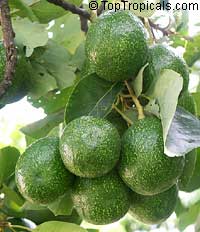 Choquette is really a late-season preferred Florida avocado generating large fruits. 30-40 Oz fruit. Skin shiny, even, dark green, somewhat leather-like. Flesh thicker, yellow-colored, high quality. Oil content 13%. Seed moderate, restricted. Resistant against typical avocado illnesses. Suitable for home plantings in Florida. This particular avocado is where quality intersects amount, and it’s also rapidly learning to be preferred to Florida’s winter citizens.
24. Brogdon Avocado
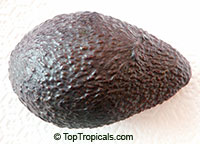 Brogdon has got red-purple-colored pear-shaped fruit. Weight 7 to 15 Oz. Skin is extremely slim. Yellow buttery flesh. It is really an outstanding option for guacamole lovers. Fruit ripens at the end of summer fall. Cold sturdy. Great for Central Florida. Originated from Winter have, Florida, by Tom Brogdon.
25. Brazos Belle Avocado
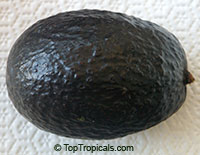 Creates medium-large, purple-black long fruit. Season: October-November.May take temperatures right down to 15F for a brief time period without substantial injury.
26. Wurtz (Little Cado) Avocado
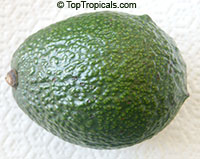 Dwarf crossbreed. Fruit 8-12 oz. Skin medium-thick. Quality great, oil content 18%. It is extremely compact and also slows developing, achieving just about 8-12 feet at maturation. Exclusive weeping growth habit. Suited to planters, containers, patios, greenhouse use. Ideal for dooryard or even container growing. The tree is designed for temperature ranges to 25(F) degrees. The seed is small, and the fruit skin is even. Fruits ripen green from May to September. The taste is excellent. Production is nice and it’s also a regular bearer. Bears reasonably yet frequently. Originated from Encinitas (California) by Roy Wurtz.
27. Winter Mexican Avocado
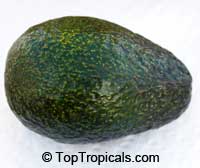 Fruit 12-18 Oz., skin thicker, leather-like, dark green. Seed moderate, tight in cavity. Winter Mexican variety is just one of most cool robust types. Mature trees might tolerate temperature ranges within the mid-20s. Oblong fruit, 12 to 18 Oz, thick green skin, medium seed. Very energetic tree, contains heavily and frequently. Originated from Palm Beach, Florida.
Nutritional value of Avocados, raw, California
Calories 50 Kcal. Calories from Fat 41.58 Kcal.
| Proximity | Amount | % DV |
|---|---|---|
| Water | 21.7 g | N/D |
| Energy | 50 Kcal | N/D |
| Energy | 209 kJ | N/D |
| Protein | 0.59 g | 1.18% |
| Total Fat (lipid) | 4.62 g | 13.20% |
| Ash | 0.5 g | N/D |
| Carbohydrate | 2.59 g | 1.99% |
| Total dietary Fiber | 2 g | 5.26% |
| Total Sugars | 0.09 g | N/D |
| Sucrose | 0.02 g | N/D |
| Glucose (dextrose) | 0.02 g | N/D |
| Fructose | 0.02 g | N/D |
| Galactose | 0.02 g | N/D |
| Starch | 0.03 g | N/D |
| Minerals | Amount | % DV |
|---|---|---|
| Calcium, Ca | 4 mg | 0.40% |
| Iron, Fe | 0.18 mg | 2.25% |
| Magnesium, Mg | 9 mg | 2.14% |
| Phosphorus, P | 16 mg | 2.29% |
| Potassium, K | 152 mg | 3.23% |
| Sodium, Na | 2 mg | 0.13% |
| Zinc, Zn | 0.2 mg | 1.82% |
| Copper, Cu | 0.051 mg | 5.67% |
| Manganese, Mn | 0.045 mg | 1.96% |
| Selenium, Se | 0.1 µg | 0.18% |
| Vitamins | Amount | % DV |
|---|---|---|
| Water-soluble Vitamins | ||
| Vitamin B1 (Thiamin) | 0.022 mg | 1.83% |
| Vitamin B2 (Riboflavin) | 0.043 mg | 3.31% |
| Vitamin B3 (Niacin) | 0.574 mg | 3.59% |
| Vitamin B5 (Pantothenic acid) | 0.439 mg | 8.78% |
| Vitamin B6 (Pyridoxine) | 0.086 mg | 6.62% |
| Vitamin B9 (Folate) | 27 µg | 6.75% |
| Folate, food | 27 µg | N/D |
| Folate, DEF | 27 µg | N/D |
| Choline | 4.3 mg | 0.78% |
| Vitamin C (Ascorbic acid) | 2.6 mg | 2.89% |
| Fat-soluble Vitamins | ||
| Vitamin A, RAE | 2 µg | 0.29% |
| Vitamin A, IU | 44 IU | N/D |
| Beta Carotene | 19 µg | N/D |
| Alpha Carotene | 7 µg | N/D |
| Beta Cryptoxanthin | 8 µg | N/D |
| Betaine | 0.2 mg | N/D |
| Lutein + zeaxanthin | 81 µg | N/D |
| Vitamin E (alpha-tocopherol) | 0.59 mg | 3.93% |
| Tocopherol, beta | 0.01 mg | N/D |
| Tocopherol, gamma | 0.1 mg | N/D |
| Tocopherol, delta | 0.01 mg | N/D |
| Vitamin K (phylloquinone) | 6.3 µg | 5.25% |
| Lipids | Amount | % DV |
|---|---|---|
| Fatty acids, total saturated | 0.638 g | N/D |
| Palmitic acid 16:00 (Hexadecanoic acid) | 0.623 g | N/D |
| Stearic acid 18:00 (Octadecanoic acid) | 0.015 g | N/D |
| Fatty acids, total monounsaturated | 2.94 g | N/D |
| Palmitoleic acid 16:1 (hexadecenoic acid) | 0.209 g | N/D |
| Heptadecenoic acid 17:1 | 0.003 g | N/D |
| Oleic acid 18:1 (octadecenoic acid) | 2.72 g | N/D |
| Gadoleic acid 20:1 (eicosenoic acid) | 0.007 g | N/D |
| Fatty acids, total polyunsaturated | 0.545 g | N/D |
| Linoleic acid 18:2 (octadecadienoic acid) | 0.502 g | N/D |
| Linolenic acid 18:3 (Octadecatrienoic acid) | 0.037 g | N/D |
| 18:3 n-3 c,c,c (ALA) | 0.033 g | N/D |
| 18:3 n-6 c,c,c | 0.004 g | N/D |
| 20:3 undifferentiated | 0.005 g | N/D |
| Stigmasterol | 1 mg | N/D |
| Campesterol | 2 mg | N/D |
| Beta-sitosterol | 23 mg | N/D |
| Amino acids | Amount | % DV |
|---|---|---|
| Tryptophan | 0.007 g | 1.59% |
| Threonine | 0.022 g | 1.25% |
| Isoleucine | 0.025 g | 1.50% |
| Leucine | 0.042 g | 1.14% |
| Lysine | 0.039 g | 1.17% |
| Methionine | 0.011 g | N/D |
| Cystine | 0.008 g | N/D |
| Phenylalanine | 0.029 g | N/D |
| Tyrosine | 0.014 g | N/D |
| Valine | 0.032 g | 1.52% |
| Arginine | 0.026 g | N/D |
| Histidine | 0.014 g | 1.14% |
| Alanine | 0.032 g | N/D |
| Aspartic acid | 0.07 g | N/D |
| Glutamic acid | 0.085 g | N/D |
| Glycine | 0.031 g | N/D |
| Proline | 0.029 g | N/D |
| Serine | 0.034 g | N/D |
*Above mentioned Percent Daily Values (%DVs) are based on 2,000 calorie diet intake. Daily values (DVs) may be different depending upon your daily calorie needs. Mentioned values are recommended by the U.S. Department of Agriculture. They are not rxharun.com recommendations. Calculations are based on average age of 19 to 50 years and weigh 194 lbs. Source: https://ndb.nal.usda.gov/
Health benefits of Avocado
Avocados contain nearly 20 vitamins and minerals including potassium, vitamin E, vitamin C, B vitamins, and folic acid. They are rich sources of heart-healthy monounsaturated fat and dietary fiber with roughly 50 calories per 1-ounce serving. The high-fat content of avocados promotes satiety; helps regulate blood sugar, aids in hormone regulation, and in the absorption of essential fat-soluble vitamins.
In addition to monounsaturated fat, avocados also contain phytosterols, plant sterols that compete with cholesterol for absorption, thus helping reduce blood cholesterol levels. What’s more, research suggests that avocados may reduce markers of inflammation associated with heart disease.
Numerous studies show that it has powerful beneficial effects on health. Here are some of the health benefits of avocado that are supported by scientific research.
1. Help Prevent Cancer
There is limited proof that avocado may be beneficial in preventing cancer. One research showed that it may help reduce the side effects of chemotherapy in human lymphocytes. Avocado extract has also been shown to prevent the growth of prostate cancer cells. However, keep in mind that these researches were done in isolated cells and don’t really prove anything about what happens in a living, breathing human. (1), (2)
2. Protects Your Eyesight
Not only does avocado help you with antioxidant absorption from other foods, but the fruit is also rich in antioxidants itself. Some of the antioxidants found in avocado are Lutein and Zeaxanthin, which are vital for eye health and eyesight. Some researchers have come up with results where these antioxidants are associated with the reduced risk of cataracts and macular degeneration, particularly common in the elderly. As a result, consuming a sufficient amount of avocado will provide your body with benefits for your eyes over the long term.(3), (4), (5), (6)
3. Provides Dental Care
Consumption of avocado will bring back the freshness in your breath. Many people struggle with bad breath due to indigestion or an upset stomach. Halitosis is the main cause of bad breath, but it can be removed by improving digestive health.
The antibacterial and antioxidant properties of flavonoids found in avocado help you get rid of bad breath because they have the ability to kill the bacteria in your mouth. Additionally, avocado has been related to preventing oral cancers.(7)
4. Contain More Potassium than Bananas
Potassium is a nutrient that most people aren’t getting enough of. This nutrient helps maintain electrical gradients in the body’s cells and serves various important functions. Avocados are actually very high in potassium… with a 100 gram (3.5 ounces) serving containing 14% of the RDA, compared to 10% in bananas, which are a typical high potassium food. Several studies show that having a high potassium intake is related to reduced blood pressure, a major risk factor for heart attacks, strokes, and kidney failure.(8), (9), (10)
5. Beneficial for Pregnant Women
One research concluded that avocado is a great choice for pregnant women because it contains a great amount of folic acid, which is significant for preventing birth defects such as spina bifida and neural tubes. The B vitamin is essential and this is the reason why doctors recommend high amounts of avocado intake before and during pregnancy. Avocado contains around 45 mcg of folate per half-cup; more than any other fruit. Vitamin K is yet another valuable nutrient for pregnant women.
Luckily for moms-to-be, it is also found in high concentrations in avocado. Deficiency in vitamin K causes bleeding, or VKDB, which is a condition where newborn babies cannot stop bleeding because their blood does not contain enough Vitamin K. Consuming vitamin K-rich fruits during pregnancy help you pass more of it to your unborn child.(11)
6. Good for Constipation
Despite their creamy texture, avocados are actually a high fiber food, with 8 grams of both soluble and insoluble fiber per cup of fresh fruit.
This fiber is beneficial for improving digestion, encouraging regular bowel movements, and well known to help prevent constipation. In fact, avocados are often recommended as a mild laxative for people having trouble going to the toilet. If you’ve been having problems with elimination, whether constipation or diarrhea, then getting more fiber-rich foods like avocados can definitely help keep you regular.
The fiber in avocados isn’t just good for constipation either, it also helps lower your risk of colon cancer and can even assist in losing weight by making you feel more full and wanting to eat less.
7. Can Lower Cholesterol and Triglyceride Levels
Heart disease is the most common cause of death in the world. It is known that several blood markers are linked to an increased risk. This includes cholesterol, triglycerides, inflammatory markers, blood pressure and various others. The effect of avocado on some of these risk factors has been studied in 8 human controlled trials. These are studies where people are split into groups… one group is instructed to eat avocados, while the other is not. Then researchers see what happens to their blood markers over time.
Researches have shown that avocados can:
- Reduce total cholesterol levels significantly.
- Reduce blood triglycerides by up to 20%.
- Lower LDL cholesterol by up to 22%.
- Increase HDL (the “good”) cholesterol by up to 11%.
One of the studies showed that including avocado in a low-fat vegetarian diet led to improvements in the cholesterol profile. Unfortunately, all of the human studies were small (13-37 subjects) and short-term (1-4 weeks), but the results were impressive, however.(12), (13), (14), (15), (16), (17), (18), (19), (20)
8. Protects Liver from Disease
Avocado is very good when it comes to reducing liver damage because of its organic compounds that improve liver health. The main cause of liver damage is usually Hepatitis C. Recent research suggests that avocado plays an important role in protecting the liver from a wide spectrum of conditions.(21), (22)
9. Kidney Health
Your diet plays a very important role in maintaining the balance of minerals and fluids in those who suffer from chronic kidney disorders. Potassium is one of the minerals that help in maintaining a normal heart rate. Avocados are a good source of potassium and their inclusion in your diet provides other benefits too. It is important to make sure that potassium levels are not too high as that can also be dangerous for the heart. Potassium is a key aspect of maintaining fluid balance through chemical channels for cells and organs. This balance of fluid is also vital for the functioning of the kidney, which handles the movement of fluid and toxins through the body.(23)
10. Encourages Longevity
Avocado is one of the fruits related to healthy aging and longevity because of its effective compounds that regenerate your body. One of these potent compounds is a xanthophyll, which is a powerful antioxidant. According to one research study, an intake of xanthophyll is likely to decrease signs of the aging process on different parts of your body.(24)
11. Morning Sickness
During pregnancy, morning sickness is very common. Avocados help to overcome nausea and queasiness during pregnancy since it contains vitamin B6, which is commonly linked to reducing nausea and vomiting.(25)
12. Reduces Symptoms of Arthritis
Arthritis has become one of the most common diseases in Western countries. It is considered by progressive deterioration of the joint cartilage. Since it is progressive, it can also be progressively treated. Some of the treatments are supplements made from avocado and soybean oils. Avocado oil (33%) and soybean oil (66%) are mostly used to suppress and finally treat symptoms in people suffering from Arthritis. According to numerous researches, these supplements have been reported to reduce symptoms of arthritis, especially in the knee and hip areas.(26), (27), (28), (29), (30)
13. Anti-Aging
Consuming avocados is associated with healthy aging. It contains compounds such as xanthophyll, which have antioxidant properties. Research studies suggest that an intake of xanthophyll may decrease signs of the aging process on various parts of your body.(31)
14. Incredibly Nutritious
Avocado is the fruit of the avocado tree, called Persea Americana. This fruit is valued for its high nutrient value and is added to all sorts of dishes due to its good flavor and rich texture. It is the main ingredient in guacamole. Avocado has become an incredibly popular food among health conscious individuals. It is often referred to as a superfood which is not surprising given its health properties. It is quite nutritious and is beneficial for all those health-conscious people.(32), (33)
15. Good for Your Bones
Avocado contains carotenoids such as zeaxanthin and lutein. These are linked to a reduced risk of cartilage defects – the symptom of osteoarthritis. Consumption of foods such as avocado, soy, or both may help in lowering the risk of osteoarthritis. Research investigating avocado and its effects on osteoarthritis suggests that 300 mg of avocado or soy supplements appear to be beneficial for patients with hip or knee osteoarthritis. Additionally, the levels of essential minerals in avocados are substantial; they include phosphorus, copper, zinc, and trace amounts of selenium and calcium. Because of these compounds, the risk of osteoporosis is reduced and improvements in bone mineral density come as a natural consequence.(34), (35), (36)
16. Causes Satiety and Weight Loss
There is a misconception about avocados when it comes to weight loss programs and diets. Some people think that avocados should be avoided in calorie-restricted diets because of the fact they are high in fats. On the contrary, eating and incorporating avocados into your diet is not going to prevent you from losing weight. In fact, including avocados in your meals will help you feel more satiated, which will eventually reduce your desire to eat more and eat more often. It’s been proven that similar meals without avocados do not cause as much satiety. It is clear that avocados may be an excellent supplement to an effective weight loss diet. Plus, what makes avocado a weight-loss-friendly food is the fact it is high in fiber, low in carbs, and does not raise blood sugar levels.(37), (38), (39), (40)
17. Protect the Eyes
Not only do avocados increase antioxidant absorption from other foods, they are also high in antioxidants themselves. This includes nutrients called Lutein and Zeaxanthin, which are extremely important for eye health. Researches show that these nutrients are linked to a considerably reduced risk of cataracts and macular degeneration, which are common in the elderly. Thus, eating avocados should have benefits for eye health over the long term.(41), (42), (43), (44)
18. Loaded With Fiber
Fiber is another nutrient found in relatively large amounts in avocado. Fiber is indigestible plant matter that can contribute to weight loss, reduce blood sugar spikes, and is strongly linked to a lower risk of many diseases. A difference is often made between soluble and insoluble fiber. Soluble fiber is known to be able to feed the friendly gut bacteria in the intestine, which are very important for the optimal function of our bodies. A 100 gram (3.5 ounces) serving of avocado contains 7 grams of fiber, which is 27% of the recommended daily amount. About 25% of the fiber in avocado is soluble, while 75% is insoluble.(45), (46), (47), (48), (49)
19. Wound-Healing Activities
Being an excellent source of enrichment for dry, chapped, or damaged skin, avocado can also heal wounds all over your body. According to a study, avocado has been recommended to heal wounds in rats. Namely, the rats were divided into four groups of five and received either topical or oral treatment. As a result, complete healing was observed in the rats who received either treatment type.(50)
20. Great for Your Skin
Avocados are high in fat, but these are the “good” polyunsaturated and monounsaturated fats that are healthy for your system, not the saturated fats that block your arteries and are bad for your circulation. The “good” fats in avocados can actually protect your skin. Polyunsaturated fats keep your skin protected from sun damage and inflammation.
Monounsaturated fats keep the top layer of skin moisturized so that it’s healthy and guarded against premature wrinkles. The Vitamin C and E in avocados also protect your skin cells by keeping your skin hydrated. Many people use mashed, raw avocado as a face mask since it contains so many good fats and oils for the skin. Ingesting these oils and vitamins by adding avocados to sandwiches and salads can also protect your skin and keep it looking radiant!
21. Improves Your Mood
Avocados are high in folate, which falls into the family of B vitamins. You may have heard that pregnant women should get enough folate in their diet, but this substance is good for everyone when it comes to regulating mood. Homocysteine naturally forms in the body, but too much of this substance will block the production of serotonin and dopamine; these chemicals regulate mood, as well as encourage restful sleep at night.
Folate in avocados helps to prevent excessive amounts of homocysteine from forming in your body so that it can produce serotonin and dopamine. In turn, you’re at less risk from depression. Being able to sleep soundly and regularly can also mean a healthier, happier mood, as you’re less fatigued and will have more energy after a good night’s sleep. By eating more avocados, you may see that you sleep more soundly and feel more rested and energetic throughout the day, and have a better mood as well.
22. Lower risk of depression
Foods containing high levels of folate may help to decrease the risk of depression as folate helps to prevent the build-up of homocysteine, a substance that can impair circulation and delivery of nutrients to the brain. Excess homocysteine can also interfere with the production of serotonin, dopamine, and norepinephrine, which regulate mood, sleep and appetite.
The Medicinal Uses of Avocado
The seeds, shoots, root bark, and leaves of avocado are used for medicinal uses. The fruit extracts are used for skin care and cosmetic products to soften dry skin.
The Leaves of Avocado
The avocado leaves have antibiotic properties which help to treat vermifuge, antihelminthics, and dysentery. The pyorrhea can be treated if chewed. The wounds can be cured if leaves poultices are applied. The avocado leaves if decoction helps to cure sore throat, manage menstruation, the stomach is, diarrhea and hemorrhage.
The Seeds of Avocado
The avocado seeds have fungicidal, insecticidal, and anti-microbial properties. The extracts of avocado seeds are used as ink and have colorant qualities. It also cures toothache and oral bacterial illnesses. Dandruff can be blocked by the use of powder seed. Skin outbreaks can be treated with avocado oil extracts.
How to Buy Avocado
The first thing you need to know when buying avocado is its origin. If you are going to use an avocado for an immediate purpose, select a ripe, ready-to-eat avocado. However, if you are going to buy an avocado in advance, it would be better if you buy the firm types and then have them ripen and ready to eat at home.
You should avoid buying avocados that are overly soft and mushy. This means that the fruit is too ripe. Dark blemishes, bruises, dents, and brown spots should also be avoided when selecting an avocado.
Be mindful of the attributes of the avocados that you are going to buy
Ripeness: One of the most important things when buying an avocado is its ripeness. You may check it by holding the avocado in your hand and gently squeezing it. However, you should be careful not to press the avocado with your fingertips too much as it can cause bruising. If you are holding a ripe avocado, it will not be overly squishy. If it was a bit hard, then it is probably under-ripe and needs a few days to ripen. Nonetheless, you can still buy an under-ripe avocado and ripen it at home.
Look: Another attribute to check for is the look of an avocado. Opt for avocado with unblemished skin. Avocados that are too shiny are still under-ripe. But, once again, you may choose to buy these and ripen them at home.
Color: Color is also an important attribute and can vary depending on the variety. California Hass avocados are distinctive for their color, which usually turns dark green or purplish-black as they ripen. On the other hand, Florida avocados have lighter-green skin combined with a yellowish tone even when they are already ripe.
How to Store Avocado
If you have a fresh avocado, you can store it in its cut and uncut form. Time will vary when it comes to how long you can store fresh fruit. Be it cut or uncut, ripe or unripe, all of these factors will play a role in how long the fruit can be stored. Cut avocados are naturally susceptible to oxidizing if left unprotected, thus turning brown.
When you cut an avocado, its cellular walls get broken which causes oxidation to occur.
However, this process of oxidation can be prevented. All you have to do is add an acidic agent to the avocado and limit the surface area that is exposed to the air.
Here are some of the best suggested acidic agents:
- Orange juice
- Lime juice
- Lemon juice
- Onion
- Tomatoes
- Vinegar
You can limit the exposed surface area by covering it tightly with clear plastic wrap or placing it in an air-tight container.
Also, leaving in the avocado pit or seed can cause the protection of the surface area exposed to air.
However, it is recommended that you use the first method mentioned for best results.
Store Cut Unripe Avocados – If you are holding a Hass avocado that is unripe, you should sprinkle the exposed flesh of the avocado with lime or lemon juice, place two halves together, and cover tightly with clear plastic wrap before leaving it in the refrigerator.
Remember to check the avocado from time to time to see if it has softened up enough and become edible.
The ripening process of the avocado will differ depending on temperature conditions and the firmness of the fruit.
Store Cut Ripe Avocados – In case you want to store a cut ripe avocado, you should first add lemon or lime juice or another acidic agent to the avocado and place it in an air-tight container or some tightly-covered clear plastic wrap.
Once you have done that, you can store the fruit in your refrigerator for a day.
Store Ripe Uncut Avocados – In case your avocado is ripe and you have not cut it open, you can store it in the refrigerator for two to three days.
Store Unripe Uncut Avocados – If you want to have your avocado ripen; store it at room temperature for four to five days.
You should avoid storing it in the refrigerator because it can slow the ripening.
You will get the best results if you store unripe fruit at room temperature.
Avoid storing it if the room conditions exceed the range of 65-75 degrees F.
How to Eat
- Ripe avocado pulp is eaten fresh.
- The high oil content of the ripe avocado imparts a smooth, buttery texture to the flesh.
- High oil content makes the avocado popular in vegetarian cuisine substituting for meat in sandwiches and salads.
- Avocados are primarily served as salad vegetables in North America.
- Avocado flesh may be sliced or diced and combined with tomatoes, cucumbers, or other vegetables and served as a salad.
- Avocados are halved and garnished with seasonings, lime juice, lemon juice, vinegar, mayonnaise, or other dressings and often the halves are stuffed with shrimp, crab, or other seafood.
- Caesar salad contains large slices of ripe avocado in Chile.
- Avocado is consumed as a fruit, and is eaten alone, or mixed with other fruits in a fruit salad, or as part of a vegetable salad in Kenya.
- Seasoned or unseasoned flesh is often used as a sandwich filling.
- A common breakfast in areas where avocados are grown is avocado on toast. This is made by mashing the avocado with some lemon juice, salt, and pepper and spreading it on hot, freshly toasted bread.
- It is commonly served in sandwiches, on toast, or often with chicken in Australia and New Zealand.
- Avocado is eaten alone in sliced bread as a sandwich in Ghana.
- Avocado, cream cheese, and pineapple juice may be blended as a creamy dressing for fruit salads.
- Avocado is a major ingredient in California rolls and other Makizushi (“Maki”, or rolled sushi).
- It is common for halved avocado sprinkled with salt and consumed with tortillas and a cup of coffee as a complete meal in Latin American.
- Avocado is sweetened with sugar and eaten combined with fruits such as pineapple, orange, grapefruit, dates, or banana in Hawaii.
- Avocados are consumed with tequeños (rolled bread dough with white cheese) as mayonnaise, served as a side dish with parrillas (grilled dish), used in salads and sandwiches, or as a whole dish when filled with tuna, shrimps, or chicken in Peru.
- Avocado is pureed and used in chicken, hamburgers, and hot dogs; and in slices for celery or lettuce salads in Chile.
- Avocado slices are often added to hamburgers, tortas (Mexican sandwiches), hot dogs, and carne asada (marinated steak) or combined with eggs (in scrambled eggs, tortillas, or omelets) in Mexico.
- Avocados are served mixed with white rice, in soups, salads, or on the side of chicken and meat in Mexico and Central America.
- Avocado is also eaten as an uncooked savory dish mixed with herbs and/or spices, or as a sweetened dessert.
- Avocado Ritz is a common dish in Southern Africa.
- Ripe avocado pulp is the key ingredient in the very popular dip, guacamole, widely used for crackers, potato chips, bread, or other snacks.
- The recipe for guacamole comprises ripe avocados, tomatoes, onion, lime or lemon juice, and salt.
- Chunks of avocado may be added to hot foods such as soup, stew, chili, or omelets just before serving.
- A ripe avocado is placed on the table when a hot dish is served and the diner scoops out the flesh and adds it in just before eating in Guatemalan restaurants.
- For a gourmet breakfast, avocado halves are warmed in an oven at low heat, and then topped with scrambled eggs and anchovies.
- Diced avocado can be added to lemon-flavored gelatin after cooling and before it is set or heated ice cream mixes and boiled custards after cooling.
- Avocado is regarded more as a true fruit than as a vegetable and is used mostly mashed in sherbet, sorbets, ice cream, or milkshakes in Brazil.
- A popular dessert drink is made with pureed avocado, sugar, milk, or water, and chocolate syrup is sometimes added in Vietnam, the Philippines, and Indonesia.
- Avocado flesh is thoroughly mixed with strong black coffee, sweetened, and eaten as a dessert in Java.
- A New Zealand recipe for avocado ice cream consists of avocado, lemon juice, orange juice, grated orange rind, milk, cream, sugar, and salt.
- Avocado puree is used to thicken and flavor the liqueur Advocaat in Suriname and Recife.
- A decoction of the leaves has been used as a tea but more for medicinal purposes.
Traditional uses and benefits of Avocado
- The plant is used in traditional medicine for the treatment of various ailments, such as menorrhagia, hypertension, stomach ache, bronchitis, diarrhea, and diabetes.
- Fruit skin is antibiotic and has been used as a vermifuge and remedy for dysentery.
- Pulp is supposed to promote menstruation.
- Avocado is used in traditional medicine in Aboudé-Mandéké in the region of Agboville in Côte-d’Ivoire (West Africa) to treat diabetes.
- Various morphological parts of Avocado are widely used in African traditional medicines for the treatment, management, and/or control of a variety of human ailments, including childhood convulsions and epilepsy.
- Avocado is said to have spasmolytic and abortive properties.
- Oil extracted from the seeds has astringent properties, and an oral infusion of the leaves is used to treat dysentery.
- Seed is ground and made into an ointment used to treat various skin afflictions, such as scabies, purulent wounds, lesions of the scalp, and dandruff.
- Pulverized seeds or bark, mixed with oil are applied to the affected area as a counterirritant for rheumatism and neuralgia.
- Seed decoction is put into a tooth cavity to relieve toothache.
- Leaves have been reported as an effective antitussive, anti-diabetic, and relief for arthritis pain by traditional medicine practitioners of the Ibibio tribe in South Nigeria.
- It is recommended for anemia, exhaustion, hypercholesterolemia, hypertension, gastritis, and gastroduodenal ulcers.
- Leaves are chewed as a remedy for pyorrhea.
- Leaf poultices are applied to wounds.
- Heated leaves are applied on the forehead to relieve neuralgia.
- The leaf juice has antibiotic activity.
- Aqueous extract of the leaves has a prolonged hypertensive effect.
- Leaf decoction is taken as a remedy for diarrhea, sore throat, and hemorrhage; it allegedly stimulates and regulates menstruation.
- It is also drunk as a stomachic.
- Decoction of the new shoots is a cough remedy in Cuba.
- A boiled decoction of leaves or shoots of the purple-skinned type serves as an abortifacient.
- Sometimes a piece of the seed is boiled with the leaves to make the decoction.
Other Facts
- Surplus avocado fruit is an important food source for pigs and other livestock.
- The unripe fruit is poisonous and the ground-up seed mixed with cheese is used as a rat and mouse poison.
- Watery extracts of the avocado leaves contain a yellowish-green essential oil.
- Honeybees gather a moderate amount of pollen from avocado flowers and provide dark, thick honey favored by those who like buckwheat honey or sugarcane syrup.
- Seeds furnish a black sap, used as indelible ink.
- Ink has also been used to mark cotton and linen textiles.
- Avocado oil expressed from the pulp and seeds is used as hair-dressing and is employed in making facial creams, hand lotions, and fine soap and pharmaceutical products.
- 30% of the avocado crop is processed for oil, two-thirds of which is utilized in soap, one-third in cosmetics in Brazil.
- Pulp residue after oil extraction is used as stock feed.
- Avocado wood has been used for house building, light construction, furniture, cabinet making, agricultural implements, carving, sculptures, musical instruments, paddles, small articles like pen and brush holders, jewelry boxes, and novelties.
- It also produces a good-quality veneer and plywood.
- Avocado is colloquially known as the alligator pear because of its shape and the leather-like appearance of its skin.
- Avocados were once a luxury food that was reserved for royalty.
- A single avocado tree in California can produce up to 500 avocados each year.
- Avocado flesh is usually not cooked as it becomes too bitter when cooked due to its tannin content and the flavor is impaired.
Precautions
- Surplus avocado fruit is an important food source for pigs and other livestock.
- The unripe fruit is poisonous and the ground-up seed mixed with cheese is used as a rat and mouse poison.
- Watery extracts of the avocado leaves contain a yellowish-green essential oil.
- Honeybees gather a moderate amount of pollen from avocado flowers and provide dark, thick honey favored by those who like buckwheat honey or sugarcane syrup.
- The seeds furnish a black sap, used as indelible ink.
- The ink has also been used to mark cotton and linen textiles.
- Avocado oil expressed from the pulp and seeds is used as hair-dressing and is employed in making facial creams, hand lotions and fine soap, and pharmaceutical products.
- In Brazil, 30% of the avocado crop is processed for oil, two-thirds of which is utilized in soap, one-third in cosmetics.
- The pulp residue after oil extraction is used as stock feed.
- Avocado wood has been used for house building, light construction, furniture, cabinet making, agricultural implements, carving, sculptures, musical instruments, paddles, small articles like pen and brush holders, jewelry boxes, and novelties.
- It also yields a good-quality veneer and plywood.
- The avocado is colloquially known as the alligator pear because of its shape and the leather-like appearance of its skin.
- Avocados were once a luxury food that was reserved for royalty.
- A single avocado tree in California can produce up to 500 avocados each year.
- Avocado flesh is usually not cooked as it becomes too bitter when cooked due to its tannin content and the flavor is impaired.
Precautions
- If you are on a low-calorie diet, you should avoid eating high amounts of avocado because it is a high-calorie food.
- If you are experiencing symptoms such as mouth itches, swollen tongue, heavy breathing, or stomach pain, you may be allergic to avocado and should seek medical help.
- If you are allergic to latex, that may be an indicator that you are allergic to avocado because there are findings that suggest a connection between the two.
- In addition, the risk of being allergic to avocado is increased in case you are allergic to potatoes, tomatoes, bananas, kiwi, melons, or peaches.
- Also, be mindful when taking medications.
- If you take Warfarin, an anticoagulant, on a daily basis, it may cause an interaction.
- It is high in calories, which means that eating more than one avocado per day may cause harmful symptoms to your body, such as diarrhea or nausea.
References
- https://www.ncbi.nlm.nih.gov/pmc/articles/PMC3649719/
- https://www.ncbi.nlm.nih.gov/pmc/articles/PMC6315720/
- https://www.ncbi.nlm.nih.gov/pmc/articles/PMC3419346/
- https://www.ncbi.nlm.nih.gov/books/NBK11795/
- https://www.ncbi.nlm.nih.gov/pmc/articles/PMC5291486/
- https://fruits.edpsciences.org/articles/fruits/abs/2012/05/fruits120033/fruits120033.html
- http://www.fao.org/3/cb2395en/CB2395EN.pdf
- https://www.fao.org/in-action/inpho/crop-compendium/fruits-vegetables/en/
- https://www.fao.org/3/cb2395en/online/src/html/fruit-and-vegetables.html
- http://www.fao.org/3/cb2395en/CB2395EN.pdf
- https://en.wikipedia.org/wiki/Fruit
- https://en.wikipedia.org/wiki/List_of_food_plants_native_to_the_Americas
- https://en.wikipedia.org/wiki/List_of_culinary_fruits
- https://www.hsph.harvard.edu/nutritionsource/what-should-you-eat/vegetables-and-fruits/
- https://www.betterhealth.vic.gov.au/health/healthyliving/fruit-and-vegetables
- https://www.cdc.gov/healthyweight/healthy_eating/fruits_vegetables.html
- https://www.botanical-online.com/en/botany/fruits-types-characteristics
- https://www.fda.gov/food/laboratory-methods-food/mpm-v-9-fruits-and-fruit-products-v-51-v-78
- https://www.fda.gov/food/food-labeling-nutrition/nutrition-information-raw-fruits-vegetables-and-fish
- https://onlinelibrary.wiley.com/doi/abs/10.1111/mcn.12208
- http://news.discovery.com/earth/
- https://www.cabi.org/isc/datasheet/
- https://www.science.org/
- https://plants.ces.ncsu.edu/plants/
- https://www.sciencedirect.com/topics/agricultural-and-biological-sciences/fruit-vegetable
- https://www.researchgate.net/publication/
- https://www.ams.usda.gov/grades-standards/fruits
- https://www.aphis.usda.gov/aphis/resources/traveler/intl-travel/fruits-vegetables/fruits-vegetables
- https://snaped.fns.usda.gov/seasonal-produce-guide
- https://www.nass.usda.gov/Publications/Highlights/2015/FruitsNutsBerries_AgCensusHighlights.pdf
- https://plants.usda.gov/home/plantProfile?
- https://www.fs.fed.us/wildflowers/ethnobotany/food/nuts.shtml
- https://downloads.usda.library.cornell.edu/usda-esmis/files/zs25x846c/sf269213r/6t054c23t/ncit0521.pdf
- https://agr.wa.gov/departments/business-and-marketing-support/farm-to-school-toolkit/
- https://health.gov/sites/default/files/2020-01/DGA2000.pdf
- https://www.farmers.gov/archived/cfap2/specialty
- https://www.hsph.harvard.edu/nutritionsource/
- https://www.foodsafety.gov/food-safety-charts/food-safety-during-power-outage
- https://clinicaltrials.gov/ct2/show/
- https://botany.org/home/careers-jobs/careers-in-botany/what-is-botany.html
- https://www.healthbenefitstimes.com/category/fruits
- http://www.hear.org/pier/species/
- https://www.itis.gov/servlet/SingleRpt/SingleRpt?
- http://www.theplantlist.org/tpl1.1/record/
- https://www.fs.fed.us/database/feis/plants/tree/
- https://www.itis.gov/servlet/SingleRpt/SingleRpt?
- https://eol.org/pages/
- https://www.crfg.org/pubs/ff/avocado.html
- http://www.well-beingsecrets.com/health-benefits-of-avocado/
- http://www.livescience.com/45209-avocado-nutrition-facts.html
- http://www.healthyeating.org/Healthy-Eating/All-Star-Foods/Sweets-Fats/Article-Viewer/Article/209/Health-Benefits-of-Avocados.aspx
- https://whatscookingamerica.net/avocado.htm
- http://www.cookinglight.com/cooking-101/essential-ingredients/all-about-avocado
- https://en.wikipedia.org/wiki/Avocado
- http://www.californiaavocado.com/nutrition
- http://davesgarden.com/guides/pf/go/2092/
- http://www.hear.org/pier/species/persea_americana.htm
- https://npgsweb.ars-grin.gov/gringlobal/taxonomydetail.aspx?id=2739
- http://www.missouribotanicalgarden.org/PlantFinder/PlantFinderDetails.aspx?taxonid=281661&isprofile=0&
- http://www.ars-grin.gov/misc/mmpnd/Persea.html
- https://www.drugs.com/npp/avocado.html

