
Grapefruit is a widely known citrus fruit that is a great source of fiber, vitamins, and others. It has antioxidant as well as immunity-enhancing properties along with cholesterol-reducing benefits. Grapefruit is rich in vitamins C and A, folate, choline, fiber, lycopene, limonins. This fruit is widely used as a diet food as it enhances weight loss. The fruit is consumed fresh or added to the salads. It is also processed to make juice or canning.
| Grapefruit Quick Facts | |
|---|---|
| Name: | Grapefruit |
| Scientific Name: | Citrus paradisi |
| Origin | Grapefruit was thought to be originated from pummelo. |
| Colors | 5 cm (2 inch), white, four petals (Fruit) |
| Shapes | Oblate-globose; Diameter: 10-15 cm (3.9-5.9 inches) (Fruit) |
| Flesh colors | White, red and pink |
| Taste | Fragrant, acidic |
| Calories | 97 Kcal. Kcal./cup |
| Major nutrients | Vitamin C (79.78%) Lycopene (65.28%) Vitamin A (19.00%) Carbohydrate (18.86%) Vitamin B5 (12.06%) |
| Health benefits | Loss of appetite, Influenza, Treats malaria, Treats fever, Cures fatigue |
Grapefruit is the fruit of the citrus species Citrus × paradise in the family Rutaceae. Grapefruit is a hybrid of pummelo (Citrus maxima) and orange (Citrus sinensis). Common names of Grapefruit: Common Grapefruit, Pomelo, Grapefruit, Paradisapfel, yuan you, Toronja, pink grapefruit, and grapefruit peel. It is the fruit of the citrus tree which is well known for its sweet to sour fruit. In the late 19th century, this fruit was widely known and was cultivated as an ornamental plant. The United States was considered as the primary producer of Grapefruit with fruit farms in Texas, Florida, California, and Arizona. In the 18th century, the fruit was developed as a cross of orange and pomelo. As it grows in clusters like grapes, the name occurred as Grapefruit. The varieties of Grapefruit are Oro Blanco, Pink, Ruby Red, Thompson, Flame, White Marsh, Star Ruby, Pummelo HB, and Duncan.
GRAPEFRUIT FACTS
| Name | Grapefruit |
|---|---|
| Scientific Name | Citrus paradisi |
| Native | Grapefruit was thought to be originated from pummelo. In the mid to late 19th century, cultivation got started massively in the USA. Today it is cultivated on all the citrus growing extent of the world. |
| Common/English Name | Common Grapefruit, Pomelo, Grapefruit, Paradisapfel, yuan you, Toronja, pink grapefruit, grapefruit peel |
| Name in Other Languages | Brazil: Toranja; Chinese: Yuan You; Czech: Citroník Grapefruit; Danish: Pompelmus; Dutch: Pompelmoes; Eastonian: Kreibipuu; Finnish: Greippi; French: Pamplemoussier; German: Pampelmusenbaum; Hungarian: Citrancs; Indonesia: Limau Gedang; Italian: Arancio Maggiore; Japanese: Gureepufuruutsu; Khmer: Krôôch Thlông; Laotian: Kièngz S’aangz; Norwegian: Grapefrukt; Philippines(Tagalog): Toronja; Portuguese: Pomelo; Russian: Pompel’mus; Spanish: Toronja; Swedish: Pompelmus; Thai: Grapefruit; Turkish: Greyfurt; Vietnamese: Quả Bưởi Chum |
| Plant Growth Habit | Evergreen armed tree |
| Growing Climate | Warm subtropical climate |
| Soil | Well drained |
| Plant Size | Height: 5-6 m; trunk diameter: 15 cm |
| Stem | Thorny, prickly |
| Leaf | Alternate, elliptic to ovate, glossy, dark green; Length: 15 centimeters (5.9 inch) |
| Flowering Season | February |
| Flower | 5 cm (2 inch), white, four petals |
| Fruit shape & size | Oblate-globose; Diameter: 10-15 cm (3.9-5.9 inches) |
| Fruit weight | 1 lb. (0.5 kg) |
| Fruit color | Pale green, pink, yellow |
| Flesh color | White, red and pink |
| Fruit peel | Yellow to orange |
| Flavor/aroma | Sour, sweet, tart |
| Fruit Taste | Fragrant, acidic |
| Seed | Few, numerous embryos |
| Varieties/Types |
|
| Fruit Season | December |
| Major Nutritions | Vitamin C (Ascorbic acid) 71.8 mg (79.78%) Lycopene 3264 µg (65.28%) Vitamin A, RAE 133 µg (19.00%) Carbohydrate 24.52 g (18.86%) Vitamin B5 (Pantothenic acid) 0.603 mg (12.06%) Total dietary Fiber 3.7 g (9.74%) Vitamin B6 (Pyridoxine) 0.122 mg (9.38%) Vitamin B1 (Thiamin) 0.099 mg (8.25%) Copper, Cu 0.074 mg (8.22%) Vitamin B9 (Folate) 30 µg (7.50%) |
| Health Benefits |
|
| Calories in 1 cup sections (with juice), 230 g | 97 Kcal. |
| Traditional uses |
|
| Precautions |
|
| How to Eat |
|
| Other Facts |
|
Grapefruit Scientific Classification
Scientific Name: Citrus paradisi
| Rank | Scientific Name & (Common Name) |
|---|---|
| Kingdom | Plantae (Plants) |
| Subkingdom | Tracheobionta (Vascular plants) |
| Superdivision | Spermatophyta (Seed plants) |
| Division | Magnoliophyta (Flowering plants) |
| Class | Magnoliopsida (Dicotyledons) |
| Subclass | Rosidae |
| Order | Sapindales |
| Family | Rutaceae (Rue family) |
| Genus | Citrus L. (Citrus) |
| Species | Citrus ×paradisi Macfad. (pro sp.) [maxima × sinensis] (Grapefruit) |
| Synonyms |
|
History
Grapefruit was thought to be originated from pummelo. James MacFayden separated it from pummelo in 1837 in Flora of Jamaica. Then he gave it the name Citrus paradisi. In 1948, the researchers understood that Grapefruit is a hybrid of pummelo (Citrus maxima) and orange (Citrus sinensis). The name was changed to Citrus x paradisi in order to match hybrid nature. Grapefruit is extensively cultivated in tropical and subtropical countries. Southern USA, Caribbean Island, Philippines, Israel, Morocco, South Africa, Argentina, Brazil and Australia are the most relevant countries of growing Grapefruit.
Grapefruit is native to Malaysia and Indonesia. In 1870, the big golden groups attracted John A. MacDonald, who lived in Florida, Orange County. John set up a garden center. In 1885, Florida delivered Grapefruits to Philadelphia and New York which produced curiosity to make an industry of Grapefruit business. Later 1800s, the trees of Grapefruit was cultivated within Southern Texas. By 1910, Grapefruit became successful in California, Arizona and Rio Grande Valley of Texas. The pink varieties of Grapefruit was also produced. In Jamaica, Grapefruit was blended with tangerine in order to form ugli. In 1929, a citrus farmer of Texas recognized a red Grapefruit growing in pink Grapefruit tree as Ruby Red cultivar. Since 1940s, Grapefruit has a home endorsed in the U.S. The peak season of Grapefruit in U.S. is October-June.
It was firstly recorded in 1823 and got its name in 1830 as Citrus paradise. In mid to late 19th century, the cultivation got started massively in USA. Today it is cultivated on all the citrus growing extent of the world.
Plant
Grapefruit is an evergreen armed tree which prefers warm subtropical climate and thrives in well-drained soil. The tree usually grows upto 5-6 m in height with trunk diameter: 15 cm. It could reach up to 13-15 m (43-49 ft). The flowers have four white petals and are 5 cm (2 inch) in size. Flowers grow in 2 to 6 axillary clusters. The petals are four linear and oblong rounded. It has 25 to 26 stamens with definite yellow anthers. It has thorny and prickly stems. The elliptic to ovate leaves are alternate, glossy, dark green and 15 centimeters (5.9 inch) long.
Fruit
The white flowers turn into oblate to globose fruit having a diameter of 10-15 cm (3.9-5.9 inches). The color of the fruit ranges from pale green, pink to yellow. The flesh inside the fruit differs from white, red to pink. The outer peel of the fruit ranges from yellow to orange. Each fruit weighs about 1 lb. (0.5 kg). The flesh covers few seeds with numerous embryos. It has sour sweet to tart flavor and fragrant to acidic taste.
Nutritional Value
The serving size of 230 grams provides 97 calories, 202.54 grams of moisture, 1.77 grams of protein, 0.32 grams of total fat, 1.83 grams of ash, 24.52 grams of carbohydrate, 3.7 grams of total dietary fiber, 15.85 grams of total sugar, 8.07 grams of sucrose, 3.7 grams of glucose and 4.07 grams of fructose. It provides 79.78% of Vitamin C, 65.28% of lycopene, 19% of Vitamin A, 18.86% of carbohydrate, 12.06% of Vitamin B5, 9.74% of total dietary fiber, 9.38% of Vitamin B6, 8.25% of Vitamin B1, 8.22% of copper and 7.50% of vitamin B9.
Nutritional value of Grapefruit, raw, pink, and red, all areas
Calories 97 Kcal. Calories from Fat 2.88 Kcal.
| Proximity | Amount | % DV |
|---|---|---|
| Water | 202.54 g | N/D |
| Energy | 97 Kcal | N/D |
| Energy | 405 kJ | N/D |
| Protein | 1.77 g | 3.54% |
| Total Fat (lipid) | 0.32 g | 0.91% |
| Ash | 0.83 g | N/D |
| Carbohydrate | 24.52 g | 18.86% |
| Total dietary Fiber | 3.7 g | 9.74% |
| Total Sugars | 15.85 g | N/D |
| Sucrose | 8.07 g | N/D |
| Glucose (dextrose) | 3.7 g | N/D |
| Fructose | 4.07 g | N/D |
| Minerals | Amount | % DV |
|---|---|---|
| Calcium, Ca | 51 mg | 5.10% |
| Iron, Fe | 0.18 mg | 2.25% |
| Magnesium, Mg | 21 mg | 5.00% |
| Phosphorus, P | 41 mg | 5.86% |
| Potassium, K | 310 mg | 6.60% |
| Sodium, Na | 0 mg | 0.00% |
| Zinc, Zn | 0.16 mg | 1.45% |
| Copper, Cu | 0.074 mg | 8.22% |
| Manganese, Mn | 0.051 mg | 2.22% |
| Selenium, Se | 0.2 µg | 0.36% |
| Vitamins | Amount | % DV |
|---|---|---|
| Water-soluble Vitamins | ||
| Vitamin B1 (Thiamin) | 0.099 mg | 8.25% |
| Vitamin B2 (Riboflavin) | 0.071 mg | 5.46% |
| Vitamin B3 (Niacin) | 0.469 mg | 2.93% |
| Vitamin B5 (Pantothenic acid) | 0.603 mg | 12.06% |
| Vitamin B6 (Pyridoxine) | 0.122 mg | 9.38% |
| Vitamin B9 (Folate) | 30 µg | 7.50% |
| Folic Acid | 0 µg | N/D |
| Folate, food | 30 µg | N/D |
| Folate, DEF | 30 µg | N/D |
| Choline | 17.7 mg | 3.22% |
| Vitamin C (Ascorbic acid) | 71.8 mg | 79.78% |
| Fat-soluble Vitamins | ||
| Vitamin A, RAE | 133 µg | 19.00% |
| Vitamin A, IU | 2645 IU | N/D |
| Beta Carotene | 1578 µg | N/D |
| Alpha Carotene | 7 µg | N/D |
| Beta Cryptoxanthin | 14 µg | N/D |
| Betaine | 0.2 mg | N/D |
| Lycopene | 3264 µg | 65.28% |
| Lutein + zeaxanthin | 12 µg | N/D |
| Vitamin E (alpha-tocopherol) | 0.3 mg | 2.00% |
| Lipids | Amount | % DV |
|---|---|---|
| Fatty acids, total saturated | 0.048 g | N/D |
| Palmitic acid 16:00 (Hexadecanoic acid) | 0.041 g | N/D |
| Stearic acid 18:00 (Octadecanoic acid) | 0.005 g | N/D |
| Fatty acids, total monounsaturated | 0.046 g | N/D |
| Palmitoleic acid 16:1 (hexadecenoic acid) | 0.005 g | N/D |
| Oleic acid 18:1 (octadecenoic acid) | 0.041 g | N/D |
| Fatty acids, total polyunsaturated | 0.083 g | N/D |
| Linoleic acid 18:2 (octadecadienoic acid) | 0.067 g | N/D |
| Linolenic acid 18:3 (Octadecatrienoic acid) | 0.018 g | N/D |
| Amino acids | Amount | % DV |
|---|---|---|
| Tryptophan | 0.018 g | 4.09% |
| Threonine | 0.03 g | 1.70% |
| Isoleucine | 0.018 g | 1.08% |
| Leucine | 0.034 g | 0.92% |
| Lysine | 0.044 g | 1.32% |
| Methionine | 0.016 g | N/D |
| Cystine | 0.018 g | N/D |
| Phenylalanine | 0.03 g | N/D |
| Tyrosine | 0.018 g | N/D |
| Valine | 0.034 g | 1.61% |
| Arginine | 0.2 g | N/D |
| Histidine | 0.018 g | 1.46% |
| Alanine | 0.055 g | N/D |
| Aspartic acid | 0.317 g | N/D |
| Glutamic acid | 0.453 g | N/D |
| Glycine | 0.034 g | N/D |
| Proline | 0.145 g | N/D |
| Serine | 0.064 g | N/D |
| Flavanones | Amount | % DV |
|---|---|---|
| Hesperetin | 0.8 mg | N/D |
| Naringenin | 75.1 mg | N/D |
| Flavones | Amount | % DV |
|---|---|---|
| Luteolin | 1.4 mg | N/D |
| Flavonols | Amount | % DV |
|---|---|---|
| Quercetin | 0.8 mg | N/D |
*Above mentioned Percent Daily Values (%DVs) are based on 2,000 calorie diet intake. Daily values (DVs) may be different depending upon your daily calorie needs. Mentioned values are recommended by the U.S. Department of Agriculture. They are not rxharun.com recommendations. Calculations are based on average age of 19 to 50 years and weigh 194 lbs. Source: https://ndb.nal.usda.gov/
Health Benefits of Grapefruit
Grapefruits are rich in nutrients, Vitamin C, and low in calories. These fruits provide healthy skin and reduce the chances of various diseases and ailments. It also supports weight loss when added to the diet. The intake of vegetables and fruits is correlated with the reduction in the chances of health problems. The studies show that a high intake of Grapefruit lowers the chances of diabetes, obesity, mortality, and heart disease. It stimulates complexion health, boosts energy along with overall health. It enhances circulation, vitalizes the lymphatic system, cleanses kidneys, and regulates the bodyweight with its daily use. The essential oil extracted from Grapefruit helps to humidify appetite and lower the display of cellulite in the areas such as thighs and belly. The oil is also used in the massage blends as a skin toner and provokes the lymphatic system. It also treats stiffness, fatigue, fluid retention, acne, and enhance skin tone.
- Loss of appetite
Grapefruit is a great appetite suppressant in comparison to other foods. The smell of Grapefruit lowers hunger so Grapefruit is often included in weight-loss diets. This fruit is rich in fiber which helps to please hunger and also avoids overconsumption. It triggers the release of cholecystokinin which is a hormone that organizes digestive juices and helps to suppress hunger. (1)
- Influenza
Grapefruit is an aid for influenza which helps to decrease acidity. Grapefruits contain naringin that tones the system as well as the digestive process. Naringin is a flavonoid that serves as antioxidant properties. It has antifungal, antiviral, anticancer, antibacterial, and anti-inflammatory properties. It prevents influenza and other health conditions. (2) (3)
- Treats malaria
The fruit and the juice obtained from it possess quinine that is favorable for treating malaria. From a long time ago, it helps to treat lupus, nocturnal leg cramps, arthritis, and malaria. Quinine is extracted from Grapefruits by boiling grapefruit and then the pulp is strained. (4)
- Treats fever
The fever patients should consume the juice or pulp of Grapefruit and it lowers the burning sensation which is occurred due to the high temperature. It helps to enhance the immune system against illnesses and colds. The mixture of water and juice of Grapefruit is a great thirst quencher and hydrates for a long time. These benefits arise due to the high presence of Vitamin C found in Grapefruits that operates as an immune defense system and also fights against fevers. (5)
- Cures fatigue
Grapefruits help to treat fatigue and eliminate tiredness which is caused due to work. The intake of the mixture of equal amounts of lemon juice and Grapefruit juice helps to refresh the energy levels. Grapefruit contains Nootkatone which is a vital and rare compound. It promotes the metabolism of energy through the activation of AMPK. This concludes in higher energy and endurance, lower diabetes, and enhanced weight loss. (6)
- Assist digestion
Grapefruit helps to cure indigestion. It helps to soothe irritation and heat in the stomach. It enhances the digestive juice flow that relaxes an irritation and heat caused due to indigestion. It promotes the digestive juice flow and comforts the bowel movements and also regulates the excretory system. It is due to the high content of fiber in Grapefruits which adds bulk to bowels. (7)
- Insomnia
The juice of Grapefruit enhances sound sleep and relieves the repercussions and symptoms of insomnia. Grapefruits have tryptophan which enhances sleep after the consumption of big meals. Tryptophan has a high amount of tryptophan that provides peaceful sleep. (8)
- Treat diabetes
Patients with diabetes could safely consume Grapefruit which helps to lower the starch level in the body. Diabetic patients should consume grapefruit to manage the sugar flow in the body. The studies show that there is an effective relationship between Grapefruits and diabetes as it contains flavonoids along with beneficial compounds. (9)
- Acidity problem
The juice of Grapefruit generates an alkaline reaction after digestion. It enhances the response of alkalinity reaction after digestion. The juice which is extracted from Grapefruit helps to prevent the formation of acid and disease which is caused by the existence of over-acidity in the body. (10)
- Constipation
The intake of Grapefruit juice early in the morning helps to aid constipation. The juice encourages the colon and other body parts associated with the digestive system. It is caused due to the stimulation and secretion of gastric juices that comforts constriction of the digestive tract and promotes bowel movement. (11)
- Relief from flatulence
One could get relief from stomach discomfort and flatulence if 10-20 drops of Grapefruit juice is consumed before three meals in a day. But further research is still needed on an exact mechanism. It is believed that Grapefruits contain flavonoid content. (12)
- Urinary ailments
The juice of Grapefruit is high in Vitamin C and Potassium due to which is effective for kidney, liver, or heart problems. In addition, it is rich in potassium which acts as a vasodilator that relaxes arteries and blood vessels. It also lowers blood pressure, chances of strokes, and heart attacks. It is rich in potassium which is related to high cognitive function. (13)
- Natural medicine
Grapefruits are considered a natural medicine as it assists the body to counteract diseases. It is far better than artificial pharmaceuticals to get relief from health ailments. It allows the body to manage cholesterol levels. It lowers the chances of cardiovascular ailments caused due to cholesterol problems. The intake of grapefruit lowers bad cholesterol and harmful triglycerides. (14)
Traditional uses
- Flowers essence is used as a stomachic, cardiac tonic and also treats insomnia.
- The pulp is an aid for treating urinary ailments.
- The seed extract of Grapefruit is used for anti-fungal purposes.
- The beverage made from Grapefruit is a cardiac tonic.
- Grapefruit helps to provide relief from gas and indigestion.
- The fruit possesses diuretic properties that help to cure water retention as well as liver and gall bladder ailments.
- Grapefruit is rubbed on the skin as an aid for acne and oily skin.
- Grapefruit pulp, because of its acidic nature, is an effective treatment for urinary infections.
- The leaves of the Grapefruit tree possess antibiotic properties.
- The flesh helps to treat poisoning.
- The seed extract treats cataracts, ulcers, alimentary tract, and urinary infections.
- It helps to prevent flu and colds.
- It eliminates excess water and is helpful for cellulite.
- It helps to uplift mood and combat stress as well as depression.
- It also combats stiffness and muscle fatigue.
- Grapefruit promotes hair growth and enhances hair care.
- The juice of Grapefruit is useful for high cholesterol, cancer, and skin diseases.
- The seed extract of Grapefruit has viral, bacterial, and fungal infections.
- It also treats flu and the common cold.
- The seed extract acts as an aid for skin irritations and vaginal yeast infections.
- The vapor of Grapefruit is inhaled to treat stress, headache, and depression, and lung infections.
Precautions
- Some drugs could interact with Grapefruit.
- People who intake statins should avoid grapefruit.
- Grapefruit could interact with certain medications such as calcium channel blockers and statins.
- The excessive use of Grapefruit can wipe out all intestinal bacteria such as conventional antibiotics.
- One should consult the physician before the use of grapefruit.
How to Eat
- The fruit could be made into juices.
- It could be added to the salads.
- The segments of Grapefruit could be combined with sliced scallions, shredded Napa cabbage, lime juice, toasted pecans, and olive oil.
- Cooked shrimp could be tossed with tarragon and mayonnaise and then served with sliced avocado and Grapefruit segments.
- The segments of Grapefruit and sliced beets (cooked) should be arranged on a plate. Goat cheese and olive oil should be used as a topping.
- The halves of Grapefruit should be spread with honey and broil till it is browned in spots.
- The segments of Grapefruit should be cooked lightly in a skillet by adding sugar and vanilla extract. Then serve it over pound cake or ice cream.
- Sour cream should be mixed with brown sugar. Lump on the segments of grapefruit and scatter the chopped ginger.
- The juice of Grapefruit should be combined with crushed mint leaves and club soda.
- The pulp may be consumed by adding brown, white sugar and honey.
- Grapefruit is consumed as an appetizer.
- The fruits are used in fruit salads, fruit cups, gelatins, jellies puddings, and tarts.
- The fruits are canned in the form of syrup.
- In Australia, Grapefruit is prepared as marmalade.
- In Costa Rica, Grapefruit is cooked to make sweets.
- The juice of Grapefruit is used as a fresh beverage and canned juice.
- The fruits can be fermented to make wine.
- The peel of Grapefruit peel is used to make candies.
- The peel is used to provide flavor to chewing gum, soft drinks, sweets, candies, desserts, ice cream, baked goods, etc.
- The peel of Grapefruit could be used as candied.
- The juice of Grapefruit is used In Haiti to make jam.
- The mixture of coconut, brown sugar, and flaked almonds should be sprinkled over the fruit and grilled till it is lightly browned.
Other Facts
- Florida is the largest producer of Grapefruit in the world.
- 100 g of Grapefruit provides a 60% daily value of vitamin C.
- It contains lycopene which provides pink color to the fruit.
- The consumption of Grapefruit helps to reduce fat and weight.
- Grapefruits are also available in the form of red, pink, golden, and white.
- It is called forbidden fruit and is confused with the pomelo.
- Botanically, Grapefruit is a berry.
- Grapefruit is considered one of the Seven Wonders of Barbados.
- February is considered National Grapefruit Month.
- Grapefruit trees can reach 25 to 30 feet tall.
- An individual Grapefruit tree bears about 1,500 pounds of fruit.
Types of Grapefruits
Grapefruit also called citrus paradise is a member of the citrus family which is regarded as a crossbreed of pummelo and orange according to Purdue University Center for New Crops and Plant Products. Within the 1700s, Grapefruit was found in West Indies, and in the 1820s, it was taken to Florida. Grapefruit grows like grapes. Moreover, they provide various health benefits such as vitamin C, potassium, and dietary fiber. There are various types of Grapefruit with a different physical appearances and unique flavors.
Pink Grapefruit
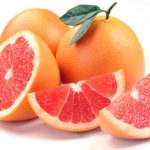
Thompson and Foster’s grapefruit are the two types of pink grapefruit. It is also known as Pink Marsh grapefruit. In 1913, Thompson grapefruit was found by W.R. Thompson according to Purdue University Center for New Crops and Plant Products. The fruits do not have seeds and have a light yellow peel and pink flesh. It has a low bitter taste. Foster Pink Flesh is the less known type of Pink Grapefruit which was found in 1906 in Florida. It has a light yellow peel with lift buff-colored pulp. Foster grapefruit is succulent and soft. It possesses more than 50 seeds in the moderate dimension.
White Grapefruit
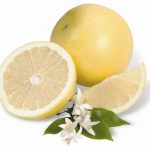
White Marsh grapefruit is the fruit with light yellow peel and buff-colored pulp with no seeds. It is delicious and rich in taste. Duncan is a white grapefruit with seeds but is very juicy. It has a light yellow peel with buff-colored pulp.
Red Grapefruit
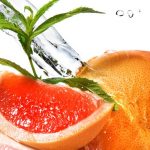
Ruby Red and Star Ruby are the types of Red grapefruit. Ruby Red grapefruit is also known as Red blush which is found on a Thompson pink grapefruit tree in the 1920s. It has light yellow skin, bright red flesh, and is seedless. The taste ranges from bitter to sweet to sour. Ruby Red is mostly cultivated in Southeastern Florida.
In Texas, within the mid-1930, other red grapefruit varieties called Hudson Red is based on has a yellow peel and bright red flesh. It has simple and strong pulp. Star Ruby is seedless and has a flavor with more sugar and acid if compared to Ruby Red varieties.
Yellow Grapefruit

Within the 1830s, Duncan’s selection of Grapefruit was found in Florida. By 1890 it was commercially developed. The flesh and juice are light yellows which is also called White Grapefruit. Duncan is the most used for juice, syrups, and salads. It is spherical in shape and 9-12.5 cm broad.
Marsh Grapefruit
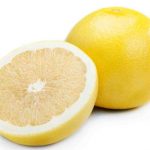
In 1860, Marsh grapefruit is invented in Florida. It is spherical, medium-sized which is about 9-12 cm broad. It is grown in a warm environment. It is nearly seedless.
Pomelo Grapefruit
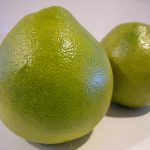
Pomelo is also called pomelo, pomelo, haddock, and Chinese grapefruit. It is the biggest citrus fruit. It is considered that pomelo is a cross between a pomelo and wild orange. Pomelo has a sweet flavor.
Oroblanco Grapefruit
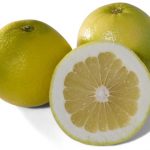
Oroblanco is a mixture of Marsh grapefruit and Siamese Sweet Pomelo. It is seedless and seedless. Sweeties are called oroblanco grapefruit from Israel.
Jaffa Sweetie Grapefruit
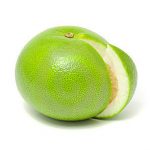
Jaffa Sweetie is grapefruit from Israel. It has a sweet flavor like Pomelo. They are sweet due to the deficiency of acid. They are low in calories. Every fruit possesses 24-40 calories.
MeloGold Grapefruit
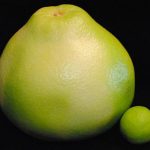
In 1958, MeloGold was created at the University of California Riverside. They are sturdy and subtropical. Melogold is a crossbreed of the Oroblanco variety. The fruit is sweet in taste, seedless and delicious with pale yellow flesh. Melogold has green pebbly skin with pale yellow flesh. It usually weighs about two pounds.
Recipes or Ways to Eat Grapefruits
1. The Typical Way
Slice the Grapefruit in two and spoon out. It is the most satisfying method.
2. Grapefruit with Sugar
Due to the sour flavor, few sugars could be added. It provides 100% of daily of Vitamin C. It provides various vitamins and minerals with the Grapefruit diet.
3. Dried Grapefruit
Grapefruit could be dried by evaporating water from a grapefruit.
4. Grapefruit and Wine
Fresh grapefruit are added to make wine.
5. Grapefruit in a Smoothie
Fruit shakes can be made from Grapefruit. The Grapefruit smoothie helps to enhance the diet. Grapefruit is added with bananas, strawberries, milk, yogurt and orange.
6. Grapefruit Salsa
Including Grapefruit along with avocado in the salsa. It helps to promote chip dip.
7. Grapefruit Margaritas
Include a juiced grapefruit to the mixture of margarita which helps to increase the consumption of vitamin.
8. Recipes
Grapefruits could be added to various dishes. Make higher Roasted Salmon or Grapefruit Risotto with Basil and Grapefruit. Grapefruit provides flavor to these dishes.
References
- https://www.ncbi.nlm.nih.gov/pmc/articles/PMC3649719/
- https://www.ncbi.nlm.nih.gov/pmc/articles/PMC6315720/
- https://www.ncbi.nlm.nih.gov/pmc/articles/PMC3419346/
- https://www.ncbi.nlm.nih.gov/books/NBK11795/
- https://www.ncbi.nlm.nih.gov/pmc/articles/PMC5291486/
- https://fruits.edpsciences.org/articles/fruits/abs/2012/05/fruits120033/fruits120033.html
- http://www.fao.org/3/cb2395en/CB2395EN.pdf
- https://www.fao.org/in-action/inpho/crop-compendium/fruits-vegetables/en/
- https://www.fao.org/3/cb2395en/online/src/html/fruit-and-vegetables.html
- http://www.fao.org/3/cb2395en/CB2395EN.pdf
- https://en.wikipedia.org/wiki/Fruit
- https://en.wikipedia.org/wiki/List_of_food_plants_native_to_the_Americas
- https://en.wikipedia.org/wiki/List_of_culinary_fruits
- https://www.hsph.harvard.edu/nutritionsource/what-should-you-eat/vegetables-and-fruits/
- https://www.betterhealth.vic.gov.au/health/healthyliving/fruit-and-vegetables
- https://www.cdc.gov/healthyweight/healthy_eating/fruits_vegetables.html
- https://www.botanical-online.com/en/botany/fruits-types-characteristics
- https://www.fda.gov/food/laboratory-methods-food/mpm-v-9-fruits-and-fruit-products-v-51-v-78
- https://www.fda.gov/food/food-labeling-nutrition/nutrition-information-raw-fruits-vegetables-and-fish
- https://onlinelibrary.wiley.com/doi/abs/10.1111/mcn.12208
- http://news.discovery.com/earth/
- https://www.cabi.org/isc/datasheet/
- https://www.science.org/
- https://plants.ces.ncsu.edu/plants/
- https://www.sciencedirect.com/topics/agricultural-and-biological-sciences/fruit-vegetable
- https://www.researchgate.net/publication/
- https://www.ams.usda.gov/grades-standards/fruits
- https://www.aphis.usda.gov/aphis/resources/traveler/intl-travel/fruits-vegetables/fruits-vegetables
- https://snaped.fns.usda.gov/seasonal-produce-guide
- https://www.nass.usda.gov/Publications/Highlights/2015/FruitsNutsBerries_AgCensusHighlights.pdf
- https://plants.usda.gov/home/plantProfile?
- https://www.fs.fed.us/wildflowers/ethnobotany/food/nuts.shtml
- https://downloads.usda.library.cornell.edu/usda-esmis/files/zs25x846c/sf269213r/6t054c23t/ncit0521.pdf
- https://agr.wa.gov/departments/business-and-marketing-support/farm-to-school-toolkit/
- https://health.gov/sites/default/files/2020-01/DGA2000.pdf
- https://www.farmers.gov/archived/cfap2/specialty
- https://www.hsph.harvard.edu/nutritionsource/
- https://www.foodsafety.gov/food-safety-charts/food-safety-during-power-outage
- https://clinicaltrials.gov/ct2/show/
- https://botany.org/home/careers-jobs/careers-in-botany/what-is-botany.html
- https://www.healthbenefitstimes.com/category/fruits
- http://www.hear.org/pier/species/
- https://www.itis.gov/servlet/SingleRpt/SingleRpt?
- http://www.theplantlist.org/tpl1.1/record/
- https://www.fs.fed.us/database/feis/plants/tree/
- https://www.itis.gov/servlet/SingleRpt/SingleRpt?
- https://eol.org/pages/
- https://npgsweb.ars-grin.gov/gringlobal/taxonomydetail.aspx?id=10772
- http://www.vegparadise.com/highestperch63.html
- http://jpsionline.com/admin/php/uploads/68_pdf.pdf
- http://www.webmd.com/vitamins-supplements/ingredientmono-946-grapefruit.aspx?activeingredientid=946&
- http://www.livescience.com/54746-grapefruit-nutrition.html
- http://www.anniesremedy.com/herb_detail28.php
- http://www.cloverleaffarmherbs.com/grapefruit-seed-extract/
- http://www.nutrition-and-you.com/grapefruit.html
- http://www.realsimple.com/food-recipes/cooking-tips-techniques/ways-cook-grapefruit
- http://www.freshforkids.com.au/fruit_pages/grapefruit/grapefruit.html
- http://www.thejuicenashville.com/blogs/news/11976301-top-5-facts-about-grapefruit
- http://topfoodfacts.com/fact-of-the-day-grapefruit/
- http://indianriverselect.com/13-fun-facts-grapefruit/
- http://mobile-cuisine.com/did-you-know/grapefruit-fun-facts/

