
High blood pressure, or hypertension, is a serious condition that affects about one in three American adults, and two-thirds of people over age 65. Blood pressure is the force of blood as it pumps through your arteries. The more blood your heart pumps and the narrower your arteries are, the higher the blood pressure.
Normal blood pressure is an average systolic blood pressure of less than 120 mm Hg and an average diastolic pressure of less than 80 mm Hg, “120 over 80.” The top number measures the pressure in arteries when your heart beats. The bottom number measures the pressure between beats. Someone has high blood pressure when the average top number is above 140 mm Hg, the bottom number is above 90 mm Hg, or both.
High blood pressure raises the risk of heart disease and stroke, the leading causes of death among Americans. It is called the “silent killer” because most people dont have any symptoms when blood pressure is too high. Hypertension, high cholesterol, and obesity are the biggest reasons people get atherosclerosis, or hardening of the arteries.
Most people can control their high blood pressure and reduce their risk of heart disease. Talk to your doctor about how to lower your high blood pressure. In some cases, making changes in your diet and exercising can get blood pressure under control. In other cases, you may need medications.
Signs and Symptoms
Most people do not know they have high blood pressure because they have no symptoms. Rarely, some people may have a mild headache when their blood pressure is high. Advanced cases of hypertension may cause these symptoms:
- Severe headache
- Confusion
- Nausea
- Visual disturbances
- Seizure
Causes
There are two major types of high blood pressure: essential, or primary, and secondary. Primary hypertension is the most common. It makes up more than 95% of all cases. Scientists do not know what causes it. A number of things may be involved, including:
- Genes for high blood pressure
- Low levels of nitric oxide, a substance in your body that makes blood vessels open
- Insulin resistance
- Being overweight or obese
Secondary hypertension has an underlying cause, which may include:
- Kidney problems
- Endocrine diseases, such as Cushing syndrome
- Sleep apnea, where breathing stops for a moment while you are asleep because your airway is obstructed
- Long-term heavy alcohol use
- Taking nonsteroidal anti-inflammatory drugs (NSAIDs), such as ibuprofen (Motrin, Advil) and naproxen (Aleve), over a long period of time
- Certain medicines, including some birth control pills, pseudoephedrine, hormone replacement therapy, and steroids
- Use of cocaine, nicotine, or other stimulants or the herb licorice ( Glycyrrhiza glabra ) can cause high blood pressure or make it worse.
Risk Factors
The following factors increase your risk for high blood pressure:
- Being overweight
- Not getting enough exercise
- Having a family history of hypertension
- Being African-American
- Being older
- Drinking too much alcohol or smoking
- Eating a lot of salt (sodium)
- Stress
- Having long-lasting conditions such as diabetes, kidney disease, or high cholesterol

Diagnosis
Each time your heart beats, or contracts, it pumps blood into your arteries. The pressure of the blood against the artery walls is called systolic blood pressure, when blood pressure is at its maximum. When your heart is at rest, between beats, the blood pressure falls, which is known as the diastolic pressure. A person with high blood pressure has an average systolic blood pressure above 140 mm Hg and/or a diastolic blood pressure above 90 mm Hg, usually written as 140/90.
To diagnose hypertension, your doctor will check your blood pressure using an inflatable cuff and a stethoscope. If it is high, your doctor will check your pulse rate, examine your neck for swollen veins or an enlarged thyroid gland, listen to your heart for murmurs, and look at your eyes for damaged blood vessels in the retina. If your doctor thinks you have high blood pressure, you may be asked to measure your blood pressure at home or to come back for another appointment. Additional laboratory and blood tests can determine whether it is secondary or primary hypertension.
Preventive Care
There are several ways you can prevent high blood pressure.
Stay at a proper weight
A number of large-scale studies have found that being overweight is one of the strongest predictors of high blood pressure. That is true for teens and young adults as well as adults. Staying at a healthy weight is one of the best things you can do to prevent hypertension. If you are overweight, ask your doctor or nutritionist how to safely lose weight by eating a balanced diet. Even losing just as few pounds may help.
Cut back on salt
Cutting back on salt can help lower blood pressure for some people. Healthy people should get no more than 2,400 mg per day, and less is better. Even if you do not add salt to your food, you may be getting much more than that from canned, processed, and restaurant foods.
Get more exercise

Several studies found that people who do not get much physical activity may be at higher risk of developing hypertension. According to some studies, men who lead physically active lives can lower their risk of developing hypertension by 35 to 70 %. Regular exercise also helps keep your weight in check. Aim for at least 30 minutes of moderate exercise, such as a brisk walk, every day. Ask your doctor before starting a new exercise routine.
Limit alcohol
Studies suggest that people who have three or more alcoholic drinks per day have a greater chance of developing hypertension. If you drink alcohol, have no more than one drink per day if you are a woman and two if you are a man.
Eat a diet rich in fruits and vegetables
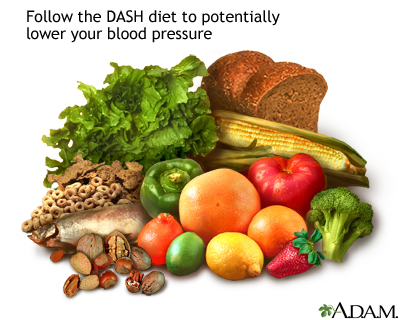
Most Americans eat too much saturated fat and not enough fruits and vegetables. The Dietary Approaches to Stop Hypertension (DASH) diet, which recommends fruits, vegetables, whole grains and low-fat dairy, is often suggested for those who have high blood pressure. It also can help people who are at risk of developing the condition.
Treatment
If you have high blood pressure, work with your doctor to reduce the risk of serious complications, including heart disease and stroke, by getting it under control. Ideally, you want your blood pressure to be 120/80 mm Hg, but even modest reduction in pressure can help.
In the early stages of hypertension when blood pressure is not very high, your doctor may tell you to make lifestyle changes for 6 to 12 months. After this time, if blood pressure is still high, you will probably need medication. You will still need to make changes to your diet and exercise habits, even if your doctor prescribes medication.
Medications
Several medications are available to treat high blood pressure. Ten percent of people with hypertension may need as many as three drugs to control their condition.
Some of the most commonly prescribed medications include:
Diuretics
Diuretics help the kidneys eliminate sodium and water from the body. This lowers the amount of blood in the body and brings down blood pressure.
There are three types of diuretics: thiazide, loop, and potassium-sparing.
- Thiazide diuretics may lower potassium levels and may increase cholesterol and blood sugar. Hydrochlorothiazide (HCTZ) is the most common.
- Loop diuretics also tend to lower potassium levels. Furosemide (Lasix) and bumetanide (Bumex) are loop diuretics.
- Potassium-sparing diuretics do not lower potassium. Amiloride (Midamor) and triamterene (Maxzidel) are this type of drug.
Other medications
Other medications used to treat hypertension include:
Beta blockers: Slow down the heart rate, reducing how hard your heart has to work. They also reduce stress hormones in the body, which allows blood vessels to relax. Beta blockers are not as effective in African-Americans, but they do work when taken with a thiazide diuretic. Beta blockers include:
- Atenolol (Tenormin)
- Bisoprolol (Zebeta)
- Metoprolol (Lopressor, Toprol XL)
- Nadolol (Corgard)
- Nebivolol (Bystolic)
- Timolol (Blocadren)
Angiotensin-converting enzyme (ACE) inhibitors: Block your body from making the chemical angiotensin, which helps stop blood vessels from narrowing. As blood vessels relax, blood pressure goes down. Like beta blockers, ACE inhibitors alone do not work as well in African-Americans, but do work when combined with a thiazide diuretic. ACE inhibitors include:
- Benazepril (Lotensin)
- Captopril (Capoten)
- Enalapril (Vasotec)
- Fosinopril (Monopril)
- Lisinopril (Prinivil, Zestril)
- Moexipril (Univasc)
- Perindopril (Aceon)
- Quinapril (Accupril)
- Ramipril (Altace)
- Trandolapril (Mavik)
Calcium-channel blockers (CCBs): Relax blood vessels and lower blood pressure by stopping calcium from getting into heart cells and arteries. Side effects may include constipation, nausea, and headache. Grapefruit juice interacts with some calcium-channel blockers, so DO NOT drink it if you take these drugs. CCBs include:
- Amlodipine (Norvasc)
- Bepridil (Vascor)
- Diltiazem (Cardizem)
- Felodipine (Plendil)
- Nifedipine (Adalat, Procardia)
- Nicardipine (Cardene)
- Verapamil (Calan, Isoptin)
Angiotensin II receptor blockers (ARBs): Block the effects of the chemical angiotensin in the body, lowering blood pressure. ARBs are sometimes used when a person cannot take ACE inhibitors. These drugs include:
- Candesartan (Atacand)
- Eprosartan (Tevetan)
- Irbesartan (Avapro)
- Losartan (Cozaar)
- Telmisartan (Mycardis)
- Valsartan (Diovan)
Complementary and Alternative Therapies
Whether or not your doctor prescribes medication to lower your blood pressure, you need to make changes in your diet and lifestyle. Your treatment plan may also include a range of complementary and alternative therapies (CAM). Ask your doctor how to incorporate these therapies into your overall treatment plan.
DO NOT stop taking your medication without your doctor’s supervision. Quickly stopping some types of blood pressure medications can cause blood pressure to rise extremely high, which could cause stroke, heart attack, or other medical complications. Always tell your health care provider about the herbs and supplements you are using or considering using.
The following lifestyle changes will help treat high blood pressure:
- Lose weight if you need to. Losing even a few pounds can help lower your blood pressure.
- Stay physically active. Get 30 minutes of exercise each day. Breaking exercise up into 10 minute-spurts throughout the day still offers the same benefits. If you are just starting, begin slowly and work your way up to 30 minutes a day. Walking is an easy way to get exercise. If you have been diagnosed with high blood pressure, talk to your doctor before beginning an exercise program.
- If you smoke, quit. Talk to your doctor if you need help.
Nutrition and Dietary Supplements
Eating a healthy diet that is low in saturated fat and salt can help lower blood pressure. Following these nutritional tips may help:
- Try the DASH diet, which emphasizes eating fresh fruits and vegetables, whole grains, and low-fat dairy, and cutting down on salt.
- Eat antioxidant foods, including fruits (such as blueberries, cherries, and tomatoes) and vegetables (such as squash and bell peppers).
- Eat foods high in B-vitamins and calcium, such as almonds, beans, whole grains, and dark leafy greens (such as spinach and kale).
- Avoid refined foods, such as white breads, pastas, and especially sugar.
- Eat fewer red meats and more lean meats, cold-water fish, tofu (soy, if no allergy), or beans for protein.
- Use healthy oils, such as olive oil.
- Reduce or eliminate trans fats, found in commercially-baked goods such as cookies, crackers, cakes, French fries, onion rings, donuts, processed foods, and margarine.
- Drink 6 to 8 glasses of filtered water daily.
Some vitamins and supplements may help lower blood pressure, although scientific evidence is mixed. Be sure to talk to your doctor before taking any vitamins or supplements, especially if you take medicine for high blood pressure.

- Omega-3 fatty acids , such as fish oil, help reduce cholesterol, and may help lower blood pressure. In most studies where people lowered their blood pressure, extremely high doses were used. It is not clear whether lower doses would work as well. At high doses, fish oil can cause an increased risk of bleeding, especially if you are also taking blood thinners such as warfarin (Coumadin), clopidogrel (Plavix), or daily aspirin. Adding more fish to your diet is safe. The American Heart Association recommends eating fish twice a week. Cold-water fish, such as salmon or halibut, are good sources of omega-3 fatty acids.
- Coenzyme Q10 (CoQ10) was shown to reduce blood pressure slightly in several studies. CoQ10 might help the blood clot better, which could mean that blood-thinners such as warfarin (Coumadin), clopidogrel (Plavix), and aspirin would not work as well.
- Magnesium citrate may help control blood pressure slightly, although evidence is mixed. People who take potassium-depleting diuretics may have lower levels of magnesium. Magnesium may cause loose stools and interact with some medications, including blood pressure medications. Ask your doctor if a magnesium supplement is right for you.
- Green coffee extract , made from coffee beans before they are roasted, may help lower blood pressure in people with mild hypertension. Researchers need to do more studies, but two studies found that green coffee extract worked better than placebo to lower blood pressure slightly. Some green coffee extracts have caffeine, which can interact with many prescription drugs. Caffeine might also raise blood pressure. To be safe, ask your doctor before taking green coffee extract.
- Calcium may help lower blood pressure a little, although evidence is mixed. More studies are needed. Calcium can interfere with many medications so make sure you talk to your doctor before taking a calcium supplement.
- L-arginine may help blood vessels dilate, lowering blood pressure. Arginine increases blood flow and may interact with medications for high blood pressure, including nitrates. It may also interact with medications for erectile dysfunction. L-arginine may make herpes worse. It also may lower blood pressure, raising the risk that your blood pressure could drop too low.
- Potassium , by prescription, may lower blood pressure slightly. Not all studies agree, and you need a prescription to get the right amount of potassium. People who take potassium-sparing diuretics should not take extra potassium. Talk to your doctor before taking any potassium, even at a low dose.
- Vitamin D may help lower blood pressure. Studies link high levels of vitamin D in the blood with a reduced risk of high blood pressure.
Herbs
Herbs may strengthen and tone the body’s systems. As with any therapy, you should work with your health care provider before starting treatment. You may use herbs as dried extracts (capsules, powders, or teas), glycerites (glycerine extracts), or tinctures (alcohol extracts). Unless otherwise indicated, make teas with 1 tsp. herb per cup of hot water. Steep covered 5 to 10 minutes for leaf or flowers, and 10 to 20 minutes for roots. Drink 2 to 4 cups per day. You may use tinctures alone or in combination as noted.
Talk to your doctor before taking any herbs to treat hypertension, especially if you already take medication to control blood pressure.
- Yarrow ( Achillea wilhelmsii ) in a tincture, may help lower blood pressure, according to one double-blind study. However, more research is needed. Achillea may interact with blood thinners such as warfarin (Coumadin), clopidogrel (Plavix), and aspirin. It may also interact with lithium and some sedatives. Pregnant women should not take Achillea. People with allergies to ragweed should be careful when taking Achillea.
- Hibiscus ( Hibiscus sabdariffa ) tea helped lower blood pressure according to one study. Pregnant women should not take hibiscus.
- Reishi mushroom ( Ganoderma lucidum ) may help lower blood pressure, although evidence is weak. You may also take a tincture of this mushroom extract. Reishi can interact with other medications and may increase the risk of bleeding.
- Garlic ( Allium sativum ) may help lower blood pressure slightly, although not all studies agree. Garlic may interact with blood thinners such as warfarin (Coumadin), clopidogrel (Plavix), and aspirin. It can also interact with many other medications, including some medications used to treat HIV/AIDS.
Homeopathy
Few studies have examined the effectiveness of specific homeopathic remedies. A professional homeopath, however, may recommend one or more of the following treatments for hypertension based on their knowledge and clinical experience. Before prescribing a remedy, homeopaths take into account a person’s constitutional type, includes your physical, emotional, and intellectual makeup. An experienced homeopath assesses all of these factors when determining the most appropriate remedy for a particular person.
- Argentum nitricum , for people whose blood pressure increases when they feel anxious or nervous. They may be warm blooded and subject to claustrophobia and strong carvings for sweets and salty food.
- Aurum metallicum , for people who are serious in demeanor and who concentrate on their career. There is a general tendency to feel worse at the end of the day. They may have a strong desire for alcohol, and feel angry or depressed when they believe they have failed.
- Calcarea carbonica , for people who often feel tired and overwhelmed when sick. They may have clammy hands and feet and often feel chilly. They may crave sweets and eggs, and may be overweight.
- Lachesis , for people who are often talkative and agitated, with a fear of disease. They may be suspicious and jealous, and feel tightness in the chest. They feel worse after sleeping, and may not be able to tolerate clothing around their necks.
- Nux vomica , for people who are impatient, do not like to be delayed, and are ambitious and driven. They may have a strong desire for coffee and other stimulants, and may be sensitive to light.
Acupuncture
Several studies suggest the using acupuncture helps lower blood pressure. More research is needed.
Massage and Physical Therapy
Massage may help people with high blood pressure cope with stress. One study found that people with hypertension who got massage had lower blood pressure and steroid hormones, an indicator of stress. People with hypertension who tend to have high levels of stress may be helped by massage therapy.
Mind-Body Medicine
The association between stress and hypertension is complicated and somewhat controversial. The best evidence of a relaxation technique that reduces blood pressure is for transcendental meditation (TM). Several studies also say that yoga may help lower blood pressure.
Other Considerations
Pregnancy
Your doctor will check your blood pressure often while you are pregnant. Some women get hypertension for the first time during pregnancy. If this happens, you may need medication. Preeclampsia, which involves high blood pressure during pregnancy, can be life threatening. In preeclampsia, high blood pressure happens along with other symptoms, such as swelling of the ankles and legs, blurred vision, liver test abnormalities, and protein in the urine.
Warnings and Precautions
- Avoid fish high in mercury, which may raise blood pressure.
- The use of cocaine, nicotine, or licorice ( Glycyrrhiza glabra ) can cause high blood pressure or make it worse.
- Caffeine can make high blood pressure worse.
Prognosis and Complications
If not treated, hypertension can cause serious complications, including:
- Stroke
- Heart disease and heart attack
- Congestive heart failure
- Kidney problems
- Problems with the retina, which can cause vision loss
- Impotence in men and decreased orgasm in women
- Memory problems and dementia
Fortunately, there are several treatment options for hypertension. Comprehensive treatment, including lifestyle changes and blood pressure medications, usually controls high blood pressure and results in a good prognosis.

