
Aplastic anemia is a rare disease in which the bone marrow and the hematopoietic stem cells that reside there are damaged. This causes a deficiency of all three blood cell types (pancytopenia) red blood cells (anemia), white blood cells (leukopenia), and platelets (thrombocytopenia). Aplastic refers to the inability of the stem cells to generate mature
Aplastic anemia is a condition that occurs when your body stops producing enough new blood cells. The condition leaves you fatigued and more prone to infections and uncontrolled bleeding. A rare and serious condition, aplastic anemia can develop at any age.
Epidemiology
- The annual incidence of aplastic anemia is about two cases per million population.
- Aplastic anemia is 2-3 times more common in Asia than in the West.
- Acquired aplastic anemia most commonly presents between the ages of 15 years and 25 years but there is a second smaller peak in incidence after age 60 years.
- Certain histocompatibility locus specificities, especially HLA DR2, are associated with an underlying predisposition to acquired aplastic anemia.

Types
1.Moderate aplastic anemia(MAA)
If you have moderate aplastic anemia
- You may have low blood cells counts, but not as low as with severe aplastic anemia.
- You may have few or no symptoms.
- Your doctor may not recommend treatment. Instead, your doctor may just keep an eye on your blood counts.
- Your condition may stay the same for many years.
2.Severe Aplastic Anemia (SAA)
If you have severe aplastic anemia, at least two of the following are true:
- Your neutrophil count is less than 500 cells per microliter.
- Your reticulocyte (young red blood cell) count is less than 20,000 per microliter.
- Your platelet count is less than 20,000 per microliter.
3. Very Severe Aplastic Anemia (VSAA)
If you have very severe aplastic anemia:
- Your neutrophil count is less than 200 per microliter.
- Your blood counts are otherwise like those of someone with severe aplastic anemia.
Causes of Aplastic Anemia
Acquired Aplastic Anemia
Acquired aplastic anemia is usually considered an autoimmune disease. Normally, your immune system attacks only foreign substances. When your immune system attacks your own body, you are said to have an autoimmune disease. Other autoimmune diseases include rheumatoid arthritis and lupus.
Acquired aplastic anemia can begin at any time in life. About 75 out of 100 cases of acquired aplastic anemia are idiopathic. This means they have no known cause. In the remaining cases, the cause can often be linked to
- Toxins, such as pesticides, arsenic, and benzene
- Radiation and chemotherapy used to treat cancer
- Treatments for other autoimmune diseases, such as rheumatoid arthritis and lupus
- Pregnancy – sometimes, this type of aplastic anemia improves on its own after the woman gives birth
- Infectious diseases, such as hepatitis, Epstein-Barr virus, cytomegalovirus (si-to-MEG-ah-lo-VI-rus), parvovirus B19 and HIV.
- Sometimes, cancer from another part of the body can spread to the bone marrow and cause aplastic anemia.
Hereditary Aplastic Anemia
Hereditary aplastic anemia is passed down through the genes from parent to child. It is usually diagnosed in childhood and is much less common than acquired aplastic anemia.
Some inherited conditions can damage cells stem and lead to aplastic anemia, including:
- Fanconi anemia
- Shwachman- Diamond syndrome
- Dyskeratosis (DIS-ker-ah-TO-sis) congenital.
- Diamond- Blackfan anemia
Factors that can temporarily or permanently injure bone marrow and affect blood cell production include:
- Radiation and chemotherapy treatments – While these cancer-fighting therapies kill cancer cells, they can also damage healthy cells, including stem cells in the bone marrow. Aplastic anemia can be a temporary side effect of these treatments.
- Exposure to toxic chemicals – Exposure to toxic chemicals, such as some used in pesticides and insecticides, may cause aplastic anemia. Exposure to benzene — an ingredient in gasoline — also has been linked to aplastic anemia. This type of anemia may get better on its own if you avoid repeated exposure to the chemicals that caused your initial illness.
- Use of certain drugs – Some medications, such as those used to treat rheumatoid arthritis and some antibiotics, can cause aplastic anemia.
- Autoimmune disorders – An autoimmune disorder, in which your immune system begins attacking healthy cells, may involve stem cells in your bone marrow.
- A viral infection – Viral infections that affect bone marrow may play a role in the development of aplastic anemia in some people. Viruses that have been linked to the development of aplastic anemia include hepatitis, Epstein-Barr, cytomegalovirus, parvovirus B19, and HIV.
- Pregnancy – Aplastic anemia that occurs in pregnancy may be related to an autoimmune problem — your immune system may attack your bone marrow during pregnancy.
- Unknown factors – In many cases, doctors aren’t able to identify the cause of aplastic anemia. This is called idiopathic aplastic anemia.
- Drugs – eg, chloramphenicol, sulfonamides, gold, penicillamine, indomethacin, diclofenac, naproxen, piroxicam, phenytoin, carbamazepine, carbimazole, thiouracil, dosulepin, phenothiazines, chlorpropamide, chloroquine.
- Blood loss (this can be slow constant bleeding such as from the intestine or bladder; or fast bleeding, like heavy menstruation or bleeding from a stomach ulcer)
- Missing certain vitamins or minerals in the diet
- Low iron levels in the blood
- Major organ problems (including severe heart, lung, kidney, or liver disease)
- Red blood cells (RBCs) being destroyed by the body before they’re replaced
- Chronic kidney disease
- The body making fewer RBCs
- Sickle cell disease or thalassemia (inherited disorders that cause the body to destroy too many red blood cells)
- A combination of any of these factors
- Platinum-based chemotherapy (this is a certain group of chemo drugs)
- Certain tumor types (such as lung or ovary tumors)
- Having a low hemoglobin level before you had cancer.
Symptoms of Aplastic Anemia
Aplastic anemia symptoms may include:

- Fatigue
- Shortness of breath with exertion
- Rapid or irregular heart rate
- Pale skin
- Frequent or prolonged infections
- Unexplained or easy bruising
- Nosebleeds and bleeding gums
- Prolonged bleeding from cuts
- Skin rash
- Dizziness
- A headache
Tests /Diagnosis of Aplastic Anemia
A complete blood count (CBC) is a blood test that measures your hemoglobin level and other characteristics of your red blood cells (such as their size). You might also need other tests to help to find what is causing it. These could include:
- Blood chemistry tests to check organ function and levels of vitamins and minerals
- A blood test called a reticulocyte count (Reticulocytes are very young red blood cells just released from the bone marrow, so this test shows how many new red cells your body is making.)
- A bone marrow exam
- FBC, reticulocyte count, blood film.
- HbF estimation in children.
- Bone marrow aspirate and trephine biopsy, including cytogenetics.
- Peripheral blood cytogenetics to exclude Fanconi’s anemia if under 35 years old.
- Flow cytometry has to a large extent replaced Ham’s test to exclude paroxysmal nocturnal hemoglobinuria (PNH) clones (50% of patients with aplastic anemia have small PNH clones).
- Urine haemosiderin if Ham’s test is positive or there is phosphatidylinositol glycan-anchored protein deficiency.
- Vitamin B12 and folate.
- LFTs.
- Viral studies: hepatitis A, B, and C, Epstein-Barr virus, cytomegalovirus (CMV).
- Antinuclear antibody and anti-dsDNA.
- CXR: to exclude infection.
- Abdominal ultrasound scan: an enlarged spleen and/or enlarged lymph nodes raise the possibility of a malignant hematological disorder as the cause of the pancytopenia. In younger patients, abnormal or anatomically displaced kidneys are features of Fanconi’s anemia
- X-rays, computed tomography (CT) scans, or ultrasound imaging tests: enlarged lymph nodes (sign of lymphoma), kidneys and bones in arms and hands (abnormal in Fanconi anemia)
- Chest X-ray: infections
- Liver tests: liver diseases
- Viral studies: viral infections
- Vitamin B12 and folate levels: vitamin deficiency
- Blood tests for paroxysmal nocturnal hemoglobinuria
- Test for antibodies: immune competent
Treatment of Aplastic Anemia
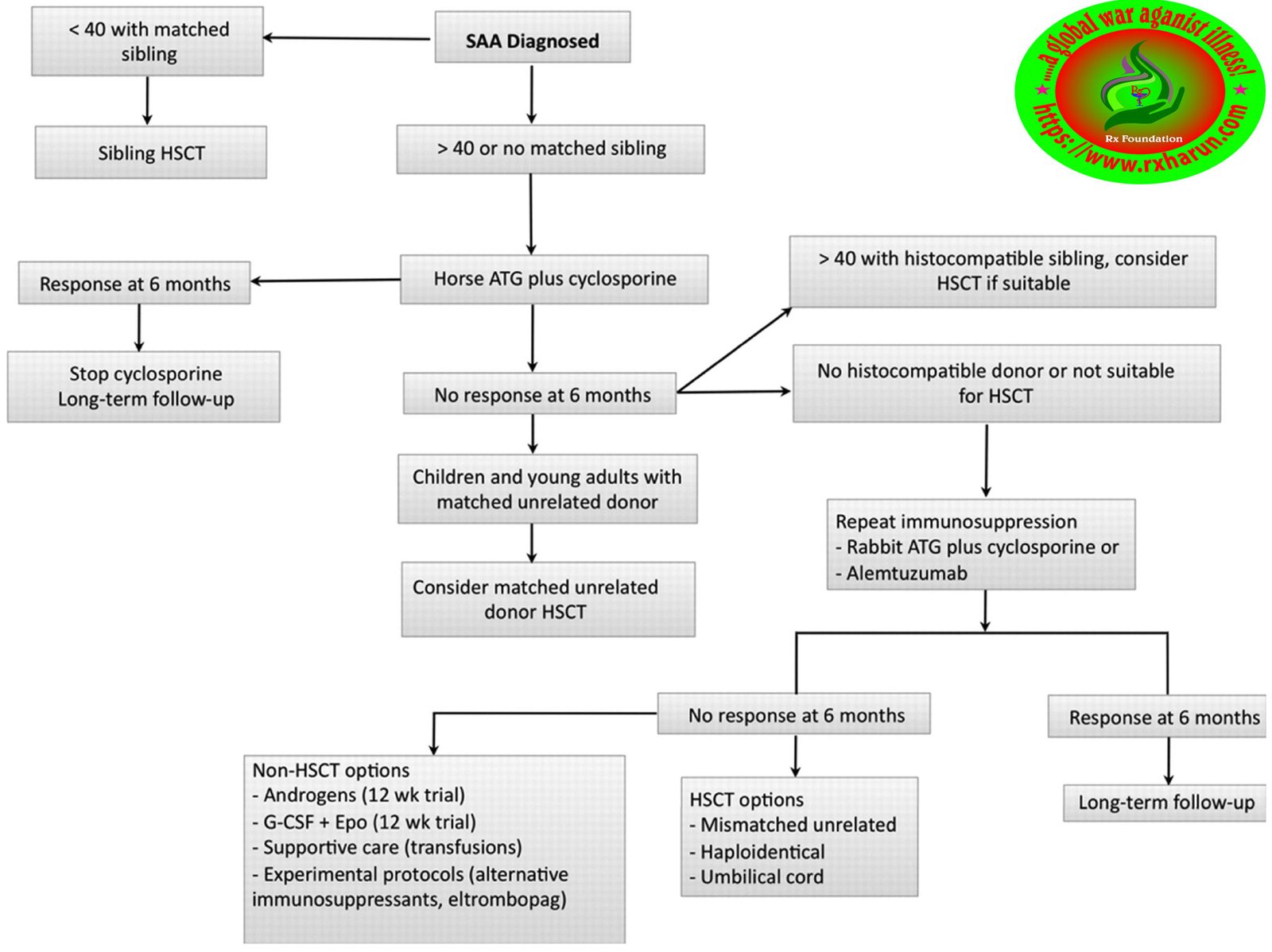
Treatments for aplastic anemia may include observation for mild cases, blood transfusions and medications for more serious cases, and in severe cases, bone marrow transplantation. Severe aplastic anemia, in which your blood cell counts are extremely low, is life-threatening and requires immediate hospitalization for treatment.
Blood transfusions
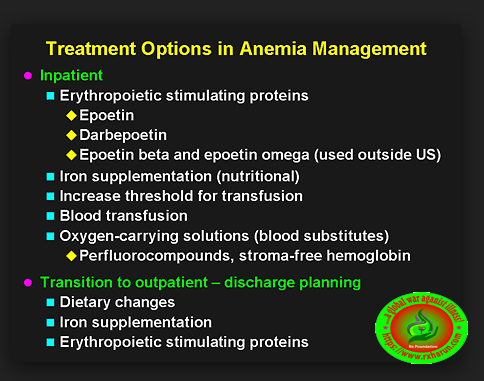
Treatment for aplastic anemia usually involves blood transfusions to control bleeding and relieve anemia symptoms. Blood transfusions aren’t a cure for aplastic anemia. But they do relieve signs and symptoms by providing blood cells that your bone marrow isn’t producing. A transfusion may include:
- Red blood cells. Transfusions of red blood cells raise red blood cell counts. This helps relieve anemia and fatigue.
- Platelets. Transfusions of platelets help prevent excessive bleeding.
While there’s generally no limit to the number of blood cell transfusions you can have, complications can sometimes arise with multiple transfusions. Transfused red blood cells contain iron that can accumulate in your body and can damage vital organs if an iron overload isn’t treated. Medications can help your body get rid of excess iron.
Over time, your body may develop antibodies to transfused blood cells, making them less effective at relieving symptoms. The use of immunosuppressant medication makes this complication less likely.
Stem cell transplant
A stem cell transplant to rebuild the bone marrow with stem cells from a donor may offer the only successful treatment option for people with severe aplastic anemia. A stem cell transplant, which is also called a bone marrow transplant, is generally the treatment of choice for people who are younger and have a matching donor — most often a sibling.
If a donor is found, your diseased bone marrow is first depleted with radiation or chemotherapy. Healthy stem cells from the donor are filtered from the blood. The healthy stem cells are injected intravenously into your bloodstream, where they migrate to the bone marrow cavities and begin generating new blood cells. The procedure requires a lengthy hospital stay. After the transplant, you’ll receive drugs to help prevent the rejection of the donated stem cells.
Immunosuppressants
Drugs such as cyclosporine (Gengraf, Neoral, Sandimmune) and anti-thymocyte globulin are examples. These drugs suppress the activity of immune cells that are damaging your bone marrow. This helps your bone marrow recover and generate new blood cells. Cyclosporine and anti-thymocyte globulin are often used in combination.
Corticosteroids
Such as methylprednisolone (Medrol, Solu-Medrol), are often given at the same time as these drugs. Some patients will be treated with immunosuppressive medications instead of bone marrow transplantation. These medicines include anti-thymocyte globulin (Thymoglobulin), known as ATG; anti-lymphocyte globulin (ALG); prednisone (Deltasone, Orasone, Meticorten) and cyclosporine (Neoral, Sandimmune, SangCya). The blood-cell production also can be stimulated with erythropoietin, granulocyte colony-stimulating factor (G-CSF), granulocyte-macrophage-colony-stimulating factor (GM-CSF) or other hematopoietic growth factor medications.
Bone marrow stimulants
Certain drugs — including colony-stimulating factors, such as sargramostim (Leukine), filgrastim (Neupogen) and pegfilgrastim (Neulasta), and epoetin alfa (Epogen, Procrit) — may help stimulate the bone marrow to produce new blood cells. Growth factors are often used in combination with immune-suppressing drugs.
Supportive care
Transfusions
- Platelet transfusions should be considered when the platelet count is <10 x 109/L (or <20 x 109/L in the presence of fever).
- Risks and benefits also need careful evaluation in view of potential complications – eg, CMV infection.
- For patients in whom marrow transplantation may be attempted or who are immunosuppressed, irradiated blood components should be given.
- For patients with life-threatening neutropenic sepsis, consider transfusion of irradiated granulocytes.
- Iron overload can cause significant problems in heavily transfused patients. Consider iron chelation therapy if the serum ferritin is >1000 μg/L.
- There have been anecdotal reports of vaccination producing bone marrow failure or triggering a relapse of aplastic anemia, so vaccinations, including influenza vaccinations, should only be given when absolutely necessary.
- Growth factors: erythropoietin is no longer recommended but granulocyte colony-stimulating factor (G-CSF) should be considered in patients with overwhelming infection who have not responded to the appropriate intravenous antibacterial or antifungal treatment. This should be stopped after one week if there is no demonstrable increase in neutrophil count. One study reported the successful use of granulocyte transfusions combined with G-CSF in patients with severe aplastic anemia who had contracted severe infections.
Antibiotics
- Overwhelming sepsis caused by bacteria or fungi (especially aspergillus) is the most frequent cause of death from aplastic anemia.
- In most circumstances, prophylactic antibiotics are unnecessary.
- Patients with a high risk of infection should be managed in isolation when in hospital and should receive prophylactic antibiotics and antifungals, regular mouth care including an antiseptic mouthwash such as chlorhexidine, and food of low bacterial content.
- For patients with absolute neutrophil counts consistently lower than 0.5 x 10⁹/L, oral prophylaxis with an antibiotic should be given.
- Patients with febrile neutropenia should be treated promptly with broad-range antibiotics; in those with persistent fever after the initiation of antibacterial drugs, intravenous amphotericin should be added.
- Prophylaxis for Pneumocystis jirovecii pneumonia should be given to all patients for at least six months after bone marrow transplantation but is not routinely given after ATG in Europe.
Ayurvedic treatment and natural cures
- Protecting yourself from germs – People easily get infections when they do not wash their hands regularly. If you want to stay away from infections, then you must wash your hands very frequently. Also, people who are sick can make you get infections. You should not be in near area with sick people if you do not want to get aplastic anemia disease.
- Bananas – People who suffer from anemia are consuming ripe bananas. Also, they add honey to it. You should eat it two times per day. This aplastic anemia home remedy is rich in iron which means that it will stimulate hemoglobin production in your blood.
- Vitamin B12 – Many people who have a deficiency in Vitamin B12 are having increased chances of getting anemia. This aplastic anemia home remedy is water-soluble which means that it will not cause any side effects to these people if they want to use it as a supplement. But you should talk with your doctor about the recommended dose.
Avoiding contact sports

When you suffer from aplastic anemia, then you have an increased risk of bleeding. This is possible because in your body there is small number of the platelet. This is a reason why you should avoid sports and activities in which you can fall or cut.
Foods to avoid – You should avoid chocolate because it has a substance that can remove the iron from your body. When you are trying to increase the iron levels in your body, then you should not eat chocolates. Bran is rich with insoluble fiber. When you are consuming iron food, then the insoluble fiber is trapping and removing the iron during the digestion process. You should avoid soda because this product has high amounts of sugar and poor amounts of nutrients which are blocking the iron absorption. You should not drink more than one cup per day of black tea and coffee because they are blocking the absorption of iron.

Blackstrap molasses – This aplastic anemia home remedy has high amounts of iron. This is one of the best home remedies for anemia. Its nutrient content will help you to beat the anemia.
Be vocal – When you suffer from aplastic anemia disease, then you should not be afraid to ask your doctor for any problem or symptom that you have. You must talk with him or her as much as you can because they can help you with this disease.
Beef liver – If you suffer from anemia, then you should add this aplastic anemia home remedy beef liver in your diet because it is rich in iron. You should avoid foods that are interrupting the body’s natural iron absorption process such as red wine, wheat bran, tea, coffee, candy bars, and chocolate.
Ask questions – If you suffer from aplastic anemia disease, then you should talk with your doctor as much as you can. If you do not understand some symptom, then you should not doubt to ask him or her. Also, you can ask your doctor about any part of your treatment. It is a very good idea to write down or record the words that your doctor has told you about your treatment.
Beetroot – If you want to have an effective natural remedy for anemia, then you should mix one cup of apple juice, beetroot and add honey in it. You should drink this aplastic anemia home remedy mixture once per day. Beetroot has high amounts of iron and carotene which can help people who suffer from anemia.
Research your disease – If you suffer from aplastic anemia disease, then you should search for this disease. It is always the best idea to know more about this disease because in this way you will be prepared for it.
What you should avoid – In most cases when people want to prevent the aplastic anemia disease, then there is not prevention. But you should avoid paint removers, herbicides, insecticides, organic solvents, and other toxic chemicals because these chemicals can increase your risk of getting aplastic anemia disease.
Spinach – This is a kind of vegetable which has high amounts of iron and folic acid. The mentioned components are used as aplastic anemia home remedy for anemia many years ago.
Homeopathic treatment

These kinds of medicines will help you to have a healthy portion of the bone marrow which means that they will improve cell production. This aplastic anemia home remedy can help you to control the bleeding disorders which are associated with aplastic anemia disease.
- Vitamin C – This kind of vitamin can aid in the absorption of iron. You should add Vitamin C to your diet. You should eat foods which are rich in Vitamin C. People who suffer from anemia should have a balanced diet because in this way they can have improvements in their condition and to rid of this kind of disease.
- Leafy vegetables – The best home remedy which you can use if you suffer from anemia is to have a rich diet of leafy vegetables. They are rich in iron. This aplastic anemia home remedy property will help you to get rid of the anemia.
- Beets – This is also a very effective home remedy if you suffer from anemia. They are rich in nutrients where we can include iron, folic acid, potassium, and fiber. If their skin is left intact, then they will help you to have better nutritional value in your body. The part of the beets which is under the skin is having the biggest nutritional value.
- Resting when you need to – When you suffer from aplastic anemia you can feel that you have shortness of breath or fatigue even if you do a mild exertion. This is a reason why you must rest as much as you need. You should not be exhausted. Take a break in every moment that you feel exhausted.
- Dry cereals – These kinds of cereals are rich in folic acid and iron. This is a reason why you should add them to your diet. These aplastic anemia home remedies will help you to win against the anemia. It is recommended to check the ingredients before you buy them. In this way, you will know that you consume healthy products which can help you to win against anemia and that you do not consume ingredients that can worsen your condition.
- Take care of yourself – If you want to optimize the blood products, then you should have proper sleep and nutrition. These are the most important keys to have normal production of the blood cells.
- Honey – This is a very effective home remedy for people who suffer from anemia. It can help you to increase the hemoglobin content in your blood which can help you to win against this disease. Also, this aplastic anemia home remedy is rich in iron, copper, and manganese which are essential minerals for our body.
- Seek support – If you discover that you suffer from aplastic anemia disease, then you must talk with your friends and family. They will give you the best emotional support which you need to have in that difficult time. Also, you can ask them to become bone marrow donors or blood donors. Also, you can join in some aplastic anemia support group because in this way you will have more people around you who can help you to know more information about this disease. You should talk with your doctor if he or she knows local support groups because they will help you a lot in the finding the best aplastic anemia home remedy.
References
- Merck Manual, Professional Edition, Aplastic Anemia (Hypoplastic Anemia)
- doi:10.1002/14651858.CD006407.pub2. PMID 23881658.
- “Marie Curie – The Radium Institute (1919-1934): Part 3”. American Institute of Physics.[permanent dead link]
- Clark, Michael; Kumar, Parveen, eds. (July 2011). Kumar & Clark’s clinical medicine (7th ed.). Edinburgh: Saunders Elsevier. ISBN 978-0-7020-2992-9.
- Aplastic Anemia: New Insights for the Healthcare Professional. ScholarlyEditions. 22 July 2013. p. 39. ISBN 9781481663182.
- “NIH Clinical Center: Clinical Center News, NIH Clinical Center”. Retrieved 2007-12-04.
- DeZern, Amy E; Brodsky, Robert A (10 January 2014). “Clinical management of aplastic anemia”. Expert Review of Hematology. 4 (2): 221–230. doi:10.1586/ehm.11.11. PMC 3138728 .
- cheinberg, Phillip; Young, Neal S. (April 19, 2012). “How I treat acquired aplastic anemia”. Blood. 120 (6): 1185–96. doi:10.1182/blood-2011-12-274019. PMC 3418715 . PMID 22517900. Free Text
- “Relapse of aplastic anemia in children after immunosuppressive therapy: a report from the Japan Childhood Aplastic Anemia Study Group”. Haematologica. 96 (6): 814–819. doi:10.3324/haematol.2010.035600. PMC 3105642 . PMID 21422115.
In the present study, the cumulative


