
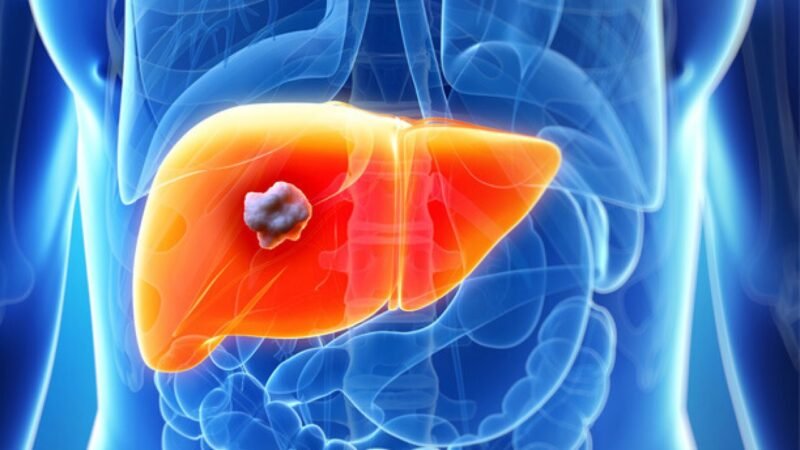
Liver Cancer: Symptoms, Causes, Treatment, and Prognosis

Patient Tools

Read, save, and share this guide

Use these quick tools to make this medical article easier to read, print, save, or share with a family member.

On this page19 sections

Article Summary

    Introduction Liver cancer is one of the most challenging cancers worldwide, known for its aggressive nature and often late diagnosis. The liver, a vital organ responsible for detoxifying the body, storing energy, and producing proteins, can develop tumors that disrupt its essential functions. Understanding liver cancer from early symptoms to advanced stages can improve awareness, detection, and treatment outcomes.   What Is Liver...

Key Takeaways

  • This article explains Introduction in simple medical language.
  • This article explains What Is Liver Cancer? in simple medical language.
  • This article explains Causes of Liver Cancer in simple medical language.
  • This article explains Early Signs and Symptoms of Liver Cancer in simple medical language.
Before reading

RX Patient Tools

Use these quick guides before reading the article, or return to them when you need help preparing questions for a doctor.

Start here Choose the right pathway for symptoms, reports, medicines, or urgent warning signs. Disease article roadmap Read this topic step by step: meaning, symptoms, warning signs, diagnosis, treatment, prevention, and follow-up. Treatment planner Prepare questions about treatment choices, benefits, risks, side effects, and follow-up. Family & caregiver guide Organize symptoms, reports, medicines, questions, and follow-up safely. Nutrition & diet guide Prepare food, hydration, supplement, and medicine-timing questions safely. Prevention guide Organize risk factors, protective habits, screening, and warning signs. Recovery guide Prepare a safe plan for activity, rehabilitation, warning signs, and follow-up.
Educational health guideWritten for patient understanding and clinical awareness.
Reviewed content workflowUse writer and reviewer profiles for stronger trust.
Emergency safety firstUrgent warning signs are highlighted below.
Choose your reading view

Patient View highlights a simple learning journey. Clinical View reveals structure, evidence, and editorial completeness.


Liver Cancer: Symptoms, Causes, Treatment, and Prognosis

Introduction

cancer is one of the most challenging cancers worldwide, known for its aggressive nature and often late . The liver, a vital organ responsible for detoxifying the body, storing energy, and producing proteins, can develop tumors that disrupt its essential functions. Understanding liver cancer from early symptoms to advanced stages can improve awareness, detection, and treatment outcomes.


What Is Liver Cancer?

Liver cancer, also called cancer of the liver, occurs when abnormal cells grow uncontrollably in liver tissue. The most common type is hepatocellular (HCC), accounting for the majority of cases. Other types include cholangiocarcinomahepatoblastoma (more common in children), and rare cancers such as fibrolamellar carcinoma.

When cancer originates elsewhere but spreads to the liver, it is called secondary liver cancer or metastatic liver cancer. For example, , lung, pancreatic, or breast cancers often spread to the liver.


Causes of Liver Cancer

Several risk factors contribute to liver cancer development:

  • of the liver (scarring from long-term damage)
  • B or C infections
  • Alcohol abuse
  • Non-alcoholic
  • Exposure to aflatoxins (toxins from moldy grains or nuts)
  • Obesity and
  • factors (some forms can be )

For women, hormonal factors and liver conditions may increase risk, while in men, alcohol-related cirrhosis remains a leading cause.

Early Signs and Symptoms of Liver Cancer

The first signs of liver cancer are often subtle and easily overlooked. Early symptoms of liver cancer may include:

  • Unexplained
  • Persistent
  • Abdominal or (especially in the right upper )
  • (yellowing of skin and eyes)
  • and
  • Unusual skin rashes in some cases

In women, liver cancer symptoms can mimic hormonal changes or digestive issues, delaying diagnosis. In men, symptoms often overlap with alcohol-related liver disease.

Stages of Liver Cancer

Doctors use liver cancer stages to determine and treatment:

  1. Stage 1:  confined to the liver, no blood vessel invasion.
  2. Stage 2: Tumor grows into blood vessels or multiple small tumors form.
  3. Stage 3: Larger tumors spread to nearby structures but not beyond the liver.
  4. Stage 4: liver cancer: Advanced stage, cancer spreads to distant organs like the lungs, bones, or brain.
  5. Stage 5: liver cancer symptoms often include pain, fluid buildup in the abdomen, , and bleeding issues.

Diagnosis of Liver Cancer

Doctors rely on several methods:

  • and of the liver
  • imaging
  • Blood tests, including AFP (alpha-fetoprotein) level charts
  • Biopsy (confirming presence of cancer cells)

Some cases are caught during routine monitoring for cirrhosis or hepatitis. Early detection improves survival.

Treatment Options for Liver Cancer

Treatment depends on the stage, overall health, and whether the cancer is primary or secondary.

  • Surgery (liver resection or transplant): Curative in early stages.
  • Ablation therapy: Destroys tumors using heat, cold, or alcohol injections.
  • Embolization (TACE or Y-90 therapy): Blocks blood flow to tumors.
  • Radiation therapy (SBRT or proton therapy): Used when surgery isn’t possible.
  • Immunotherapy and targeted therapy (Opdivo, sorafenib, lenvatinib): Promising options for advanced disease.
  • Chemotherapy: Less effective in liver cancer but sometimes used for metastatic disease.

Liver transplant for cancer remains one of the most successful long-term treatments when patients qualify.

Prognosis and Survival Rates

Liver cancer prognosis depends heavily on stage, liver function, and response to treatment.

  • Survival rate of liver cancer (overall): About 20% at 5 years.
  • Stage 4 liver cancer survival rate: Often less than 5%, though some live longer with modern therapies.
  • Liver cancer survival rate by age: Younger patients often fare better due to stronger overall health.
  • Metastatic liver cancer prognosis: Poor, especially when cancer spreads to bones or brain.

Survival statistics for liver cancer vary worldwide. Some patients live several years with treatment, while others face only months, especially with end-stage liver cancer symptoms like confusion, bleeding, or severe swelling.

Life Expectancy and Complications

Patients often ask:

  • How long can you live with liver cancer?
  • Without treatment, survival may be months. With treatment, years are possible.
  • Is stage 4 liver cancer a death sentence?
  • Not always some therapies extend life, though cure is rare.
  • When cancer spreads to the bones or brain, how long to live?
  • Usually a few months to a year.
  • What is the longest someone has lived with liver cancer?
  • Some live more than 10 years, especially after a liver transplant.

Special Cases

  • Colon cancer spread to liver: Life expectancy depends on tumor burden and resectability.
  • Pancreatic cancer spread to liver: Often signals poor prognosis.
  • Lung cancer metastasis to liver: Treatment focuses on slowing spread and symptom relief.

Why Is Liver Cancer So Deadly?

Unlike other cancers, liver cancer often develops in already damaged organs (due to cirrhosis, hepatitis, or fatty liver). This makes aggressive treatments risky. The liver’s central role in metabolism also means cancer quickly disrupts critical body functions.

Prevention and Awareness

  • Hepatitis B vaccination
  • Avoiding hepatitis C (safe needles, safe sex)
  • Limiting alcohol use
  • Maintaining healthy weight
  • Screening for cirrhosis and high-risk groups

Liver Cancer Awareness Month highlights prevention, education, and research funding.

Conclusion

Liver cancer remains a deadly disease but is not without hope. Advances in surgery, targeted therapies, and immunotherapy improve outcomes. Early detection is key knowing the symptoms of liver cancer, the causes, and treatment options can save lives.

For those facing advanced disease, palliative care focuses on comfort and dignity. While the statistics may seem grim, survival stories remind us that research, treatment, and resilience continue to change what is possible.

5 FAQs

1. What are the common symptoms of liver cancer?

Liver cancer in its early stages often has no symptoms.1 When they do appear, they can include:

  • Jaundice: A yellowing of the skin and eyes.
  • Abdominal pain: A lump or pain in the upper right part of the abdomen.
  • Unexplained weight loss and loss of appetite.
  • Nausea and vomiting.
  • Feeling tired or having no energy.
  • A swollen abdomen, which can be due to a buildup of fluid (ascites).

2. What are the main risk factors for developing liver cancer?

Most cases of liver cancer are linked to long-term liver damage. Key risk factors include:

  • Chronic viral hepatitis: Long-term infection with Hepatitis B or Hepatitis C is the most common cause worldwide.
  • Cirrhosis: This is a condition where healthy liver tissue is replaced by scar tissue, often caused by chronic hepatitis or heavy alcohol consumption.
  • Non-alcoholic fatty liver disease (NAFLD): A condition where fat builds up in the liver, which can lead to inflammation and damage.
  • Heavy alcohol consumption.
  • Diabetes and obesity.

3. How is liver cancer diagnosed?

Diagnosing liver cancer typically involves a combination of tests:

  • Blood tests: To check for liver function and for specific tumor markers, like alpha-fetoprotein (AFP).
  • Imaging tests: Such as ultrasound, CT scans, and MRIs, which create detailed pictures of the liver to locate tumors.
  • Biopsy: A small tissue sample is removed from the liver and examined under a microscope to confirm the presence of cancer. A biopsy may not be necessary if imaging tests and blood work provide a clear diagnosis.

4. What are the treatment options for liver cancer?

Treatment options depend on the stage of the cancer, the patient’s overall health, and the health of their liver. Options may include:

  • Surgery: Removing the tumor and a small portion of the healthy liver (resection) or a liver transplant to replace the entire diseased liver. Surgery is only an option for a small percentage of patients.
  • Local therapies: Procedures that destroy the cancer cells without removing them, such as ablation (using heat or cold), or embolization (blocking the blood supply to the tumor).
  • Systemic therapies: Drugs that travel through the bloodstream, such as chemotherapytargeted therapy, or immunotherapy, to kill cancer cells throughout the body.

5. Can liver cancer be cured?

A cure for liver cancer is possible, especially if it is diagnosed at an early stage and can be completely removed with surgery or a liver transplant. However, many cases are diagnosed at an advanced stage when a cure is no longer possible. In these cases, the goal of treatment is to control the cancer’s growth, manage symptoms, and improve the patient’s quality of life. Regular screening is recommended for people with high-risk factors to catch the disease early.


RX Medical Knowledge Graph

Explore this medical topic

Continue through verified related conditions, investigations, medicines, and patient guides. These links are educational and do not replace professional medical advice.

RX Clinical Pathway Engine

Continue through a complete learning pathway

Move from understanding the topic to symptoms, tests, treatment, medicines, monitoring, and prevention.

Search the complete library
  1. Understand the condition Begin with the essential facts and a clear explanation of the topic.
  2. Recognize symptoms Learn common symptoms, signs, and patterns of presentation.
  3. Know when to seek help Review urgent warning signs and when professional assessment may be needed.
  4. Understand causes and risks Explore causes, risk factors, mechanisms, and contributing conditions.
  5. Explore tests and diagnosis Learn how clinicians assess the condition and which investigations may be discussed.
  6. Learn treatment approaches Review general treatment categories and management principles.
  7. Understand medicines safely Continue to medicine education, uses, precautions, and monitoring.
  8. Plan monitoring and follow-up Understand monitoring, complications, rehabilitation, and follow-up learning.
  9. Review prevention and self-care Explore prevention, healthy routines, and questions to discuss with a clinician.

Conditions & Diseases

Background, symptoms, causes, diagnosis, and care.

Explore this library

Tests & Investigations

Laboratory, imaging, screening, and diagnostic education.

Explore this library

Medicines

Uses, safety, monitoring, and related medicine knowledge.

Explore this library

Cancer Knowledge

Cancer types, screening, oncology, and treatment education.

Explore this library
Doctor visit helper

Prepare before seeing a doctor

A simple rural-patient checklist to help you explain symptoms clearly, ask better questions, and avoid unsafe self-treatment.

Safety note: This is not a prescription or diagnosis. For severe symptoms, pregnancy danger signs, children with serious illness, chest pain, breathing difficulty, stroke-like weakness, or major injury, seek urgent care.

Which doctor may help?

Orthopedic doctor, spine specialist, neurologist, or physiotherapist depending on severity.

What to tell the doctor

  • Mark pain area and whether pain travels to leg.
  • Write numbness, weakness, bladder/bowel problem, fever, injury, or night pain if present.
  • Bring previous X-ray/MRI and medicine list.

Questions to ask

  • Is this muscle pain, disc problem, nerve pressure, arthritis, infection, or another cause?
  • Do I need X-ray or MRI now?
  • Which activities should I avoid and which exercises are safe?
  • When can I return to work?

Tests to discuss

  • Spine and neurological examination
  • Straight leg raise or similar nerve tension tests
  • X-ray if trauma/deformity/chronic pain is suspected
  • MRI if leg weakness, sciatica, or red flags are present

Avoid these mistakes

  • Avoid heavy lifting, long bed rest, and untrained spinal manipulation.
  • Avoid NSAIDs if ulcer, kidney disease, blood thinner use, pregnancy, or allergy unless doctor says safe.

Medicine safety and first-aid guide

This section is for patient education only. It does not replace a doctor, pharmacist, or emergency care.

Safe first steps

  • Rest, drink safe water, and observe symptoms carefully.
  • Keep a written note of symptoms, duration, temperature, medicines already taken, and allergy history.
  • Seek medical care quickly if symptoms are severe, worsening, or unusual for the patient.

OTC medicine safety

  • For mild pain or fever, ask a registered pharmacist or doctor before using common over-the-counter pain/fever medicines.
  • Do not combine multiple pain medicines without advice, especially if you have kidney disease, liver disease, stomach ulcer, asthma, pregnancy, or take blood thinners.
  • Do not give adult medicines to children unless a qualified clinician advises it.

Avoid these mistakes

  • Do not start antibiotics without a proper medical decision.
  • Do not use steroid tablets or injections casually for quick relief.
  • Do not delay emergency care because of home remedies.

Get urgent help if

  • Severe symptoms, confusion, fainting, breathing difficulty, chest pain, severe dehydration, or sudden weakness need urgent medical care.
Medicine names, dose, and timing must be decided by a qualified clinician or pharmacist after checking age, pregnancy, allergy, other diseases, and current medicines.

For rural patients and family caregivers

Patient health record and symptom diary

Write your symptoms, medicines already taken, test results, and questions before visiting a doctor. This note stays on your device unless you print or copy it.

Doctor to discuss: Doctor / qualified healthcare provider
Tests to discuss with doctor
  • Basic vital signs: temperature, pulse, blood pressure, oxygen level if needed
  • Relevant blood, urine, imaging, or specialist tests only after clinical assessment
Questions to ask
  • What is the most likely cause of my symptoms?
  • Which warning signs mean I should go to emergency care?
  • Which tests are really needed now?
  • Which medicines are safe for my age, pregnancy status, allergy, kidney/liver/stomach condition, and current medicines?

Emergency warning signs such as chest pain, severe breathing difficulty, sudden weakness, confusion, severe dehydration, major injury, or loss of bladder/bowel control need urgent medical care. Do not wait for online information.

Safe pathway to proper treatment

Care roadmap for: Liver Cancer: Symptoms, Causes, Treatment, and Prognosis

Use this simple roadmap to understand the next safe steps. It is educational and does not replace examination by a doctor.

Go to emergency care if you notice:
  • Severe or rapidly worsening symptoms
  • Breathing difficulty, chest pain, fainting, confusion, severe weakness, major injury, or severe dehydration
Doctor / service to discuss: Qualified healthcare provider; specialist depends on symptoms and examination.
  1. Step 1

    Check danger signs first

    If danger signs are present, seek emergency care and do not wait for online information.

  2. Step 2

    Record the symptom story

    Write when symptoms started, severity, medicines already taken, allergies, pregnancy status, and test results.

  3. Step 3

    Visit a qualified clinician

    A doctor, nurse, or qualified healthcare provider can examine you and decide which tests or treatment are needed.

  4. Step 4

    Do only useful tests

    Do tests after clinical assessment. Avoid unnecessary tests, random antibiotics, or repeated medicines without diagnosis.

  5. Step 5

    Follow up and return early if worse

    If symptoms worsen, new warning signs appear, or treatment is not helping, return for review quickly.

Rural patient practical tips
  • Take a written symptom diary and all previous prescriptions/test reports.
  • Do not hide medicines already taken, even herbal or over-the-counter medicines.
  • Ask which warning signs mean urgent referral to hospital.

This roadmap is for education. A real diagnosis and treatment plan requires history, examination, and clinical judgment.

Internal learning pathway

Explore related RX articles

Related guides from RX Harun are grouped to help readers move from overview to symptoms, tests, treatment, and safe next steps.

Degenerative Bones, Joints, and Spine Care (A - Z)
  1. Undescended Shoulder Disease DefinitionUndescended shoulder disease is not the usual medical name. Doctors usually call this condition Sprengel deformity,…
  2. Sprengel Deformity DefinitionSprengel deformity is a birth condition in which one shoulder blade?, called the scapula?, stays higher…
  3. High Shoulder Blade DefinitionA high shoulder blade? usually means one shoulder blade sits higher than normal from birth. The…
  4. High Scapula DefinitionHigh scapula? is a condition where one shoulder blade? sits higher than normal on the back…
  5. Upward Displacement of the Scapula DefinitionUpward displacement of the scapula? usually means congenital? elevation of the scapula, which is most often…
  6. Congenital Elevation of Scapula DefinitionCongenital? elevation of scapula? means a baby is born with one shoulder blade? sitting higher than…