
Kelp – Health Benefits, Dosage, Side Effects

Patient Tools

Read, save, and share this guide

Use these quick tools to make this medical article easier to read, print, save, or share with a family member.

Patient Mode

Understand this article easily

Switch between simple English and easy Bangla patient notes. This is for education and does not replace a doctor consultation.

Kelp is an edible brown seaweed that is rich in vitamins and minerals especially iodine. Kelp has been traditionally used as natural iodine source and largely known for its health benefits for proper thyroid functions. Scientific Name: Saccharina japonica Also knows as: Kombu, konbu (Japanese),...

For severe symptoms, danger signs, pregnancy, child illness, or sudden worsening, seek urgent medical care.

বাংলা রোগী নোট এখনো যোগ করা হয়নি। পোস্ট এডিটরে “RX Bangla Patient Mode” বক্স থেকে সহজ বাংলা সারাংশ যোগ করুন।

এই তথ্য শিক্ষা ও সচেতনতার জন্য। এটি ডাক্তারি পরীক্ষা, রোগ নির্ণয় বা প্রেসক্রিপশনের বিকল্প নয়।

Article Summary

Kelp is an edible brown seaweed that is rich in vitamins and minerals especially iodine. Kelp has been traditionally used as natural iodine source and largely known for its health benefits for proper thyroid functions. Scientific Name: Saccharina japonica Also knows as: Kombu, konbu (Japanese), dashima (Korean: 다시마) or haidai (simplified Chinese: 海带; traditional Chinese: 海帶; pinyin: Hǎidài). "Kelp" is the general term given for...

Key Takeaways

  • This article explains Kelp Traditional Medicinal Uses in simple medical language.
  • This article explains Other Scientific Studies Relating to Kelp / Kombu in simple medical language.
  • This article explains Kelp / Kombu Usage, Dosage, Warnings and Side Effects in simple medical language.
Educational health guideWritten for patient understanding and clinical awareness.
Reviewed content workflowUse writer and reviewer profiles for stronger trust.
Emergency safety firstUrgent warning signs are highlighted below.

Seek urgent medical care if you notice

These warning signs are general safety guidance. Local emergency numbers and clinical judgment should always come first.

  • Severe symptoms, breathing difficulty, fainting, confusion, or rapidly worsening illness.
  • New weakness, severe pain, high fever, or symptoms after a serious injury.
  • Any symptom that feels urgent, unusual, or unsafe for the patient.
1

Emergency now

Use emergency care for severe, sudden, rapidly worsening, or life-threatening symptoms.

2

See a doctor

Book a professional medical evaluation if symptoms persist, worsen, recur often, affect daily activities, or occur in a high-risk patient.

3

Learn safely

Use this article to understand possible causes, tests, treatment options, prevention, and questions to ask your clinician.

Kelp is an edible brown seaweed that is rich in vitamins and minerals especially iodine. Kelp has been traditionally used as natural iodine source and largely known for its health benefits for proper thyroid functions.

Scientific Name: Saccharina japonica

Also knows as:

Kombu, konbu (Japanese), dashima (Korean: 다시마) or haidai (simplified Chinese: 海带; traditional Chinese: 海帶; pinyin: Hǎidài).

“Kelp” is the general term given for large seaweeds that belong to the brown algae in the Order Laminariales. Kelp or Kombu as the Japanese would call them, grows in shallow cold water (6 feet to 90 feet) called “kelp forest” that receives much sunlight and nutrients from ocean currents.

Kelp does not only benefits marine and animal life but kelp has been harvested for food by man since ancient times and many benefits are derived from it. Kelp contains alginates that are now commercially used as thickeners for ice creams, toothpaste, and other food products. The kelp thallus (or body) consists of blades that are leaf-like structures growing from stipes that are stem-like structures. The holdfast is a root-like structure that anchors the kelp to the substrate of the ocean. Some of the popular kelp species are the giant kelp, bull kelp, and southern kelp. Kelp can grow to as much as 2 feet per day reaching up to 200 feet in length.

Kelp Traditional Medicinal Uses

Kelp is largely used in traditional medicine for various conditions.

  • Kelp is a good source of glutamic acid, an amino acid responsible for its taste.
  • Kelp or kombu contains extremely high levels of iodine. While this mineral is essential for normal growth and development, the extremely high levels can cause overdoses resuting to thyroid gland makes too much hormone. সহজ বাংলা: থাইরয়েড হরমোন বেশি।" data-rx-term="hyperthyroidism" data-rx-definition="Hyperthyroidism means the thyroid gland makes too much hormone. সহজ বাংলা: থাইরয়েড হরমোন বেশি।">hyperthyroidism.
  • Another health benefit from Kelp is that it is also a source of dietary fiber.
  • Algae including kelp also contain enzymes that break down complex sugars that are normally indigestible in the human gut.

Other Scientific Studies Relating to Kelp / Kombu

Kelp is a Natural Source of Iodine

Kelp is rich in natural iodine. Iodine is an essential need of the human body to be healthy. Iodine deficiency is the leading cause of mental retardation according to World Health Organization and symptoms may include dry, scaly skin and scalp, constipation, fatigue, dysfunctional thyroid operation, infertility, increased rate of still births and growth abnormalities.

Because of high iodine content, another kelp benefit is the protection against radiation poisoning. Iodine is also important for the thyroid, immune system, and female hormone regulation.

Kelp is rich in Vitamins and Minerals

Kelp benefits the whole body because in addition to iodine, kelp contains vitamins B1, B2, and B12 and minerals such as potassium, calcium and iron.

Kelp Benefits for Thyroid Health

Iodine benefits include the proper functioning of the thyroid glands. The high level of iodine in kelp regulates thyroid hormones. Although synthetic medications have long replaced iodine diet in the treatment of thyroid gland problems, the use of kelp or iodine rich diet can supplement the treatment.

Statistics have shown that Japanese women have lower rates of reported ovarian, breast and endometrial cancers. In a study conducted examining the diets of Japanese women, it has been found that Japanese eat more of natural foods including kelp and soya. In related investigations, it has been found that  a diet containing kelp lowered serum estradiol levels in women and had phytoestrogenic properties. [1]

Anti Cancer Benefits from Kelp

Kelp belongs to the group of brown seaweeds that has been found to contain fucoidan, a sulfated polysaccharide that has been isolated to exhibits the ability to induce human lymphoma HS-Sultan cell lines apoptosis (cell death). [2]

infection, or irritation, often causing pain, swelling, heat, or redness. সহজ বাংলা: শরীরের প্রদাহ; ব্যথা, ফোলা বা লালভাব হতে পারে।" data-rx-term="inflammation" data-rx-definition="Inflammation is the body’s response to injury, infection, or irritation, often causing pain, swelling, heat, or redness. সহজ বাংলা: শরীরের প্রদাহ; ব্যথা, ফোলা বা লালভাব হতে পারে।">inflammation, pain, or swelling. সহজ বাংলা: প্রদাহ/ফোলা/ব্যথা কমায়।" data-rx-term="anti-inflammatory" data-rx-definition="Anti-inflammatory means reducing inflammation, pain, or swelling. সহজ বাংলা: প্রদাহ/ফোলা/ব্যথা কমায়।">Anti-Inflammatory Benefits from Kelp

Kelp contains fucoidan, a sulfated polysaccharide that displays a wide variety of internal biological activities. A study done in the Department of Pharmacy, Pusan National University, Busan Korea indicated that fucoidan treatment significantly inhibited excessive production of nitric oxide and prostaglandin in LPS-stimulated BV2 microglia that is the precursor of infection, or irritation, often causing pain, swelling, heat, or redness. সহজ বাংলা: শরীরের প্রদাহ; ব্যথা, ফোলা বা লালভাব হতে পারে।" data-rx-term="inflammation" data-rx-definition="Inflammation is the body’s response to injury, infection, or irritation, often causing pain, swelling, heat, or redness. সহজ বাংলা: শরীরের প্রদাহ; ব্যথা, ফোলা বা লালভাব হতে পারে।">inflammation.

Kelp Benefits for Neurodegenerative Diseases

From the same study, fucoidan extracted from kelp attenuated expression of inducible nitric oxide synthase (iNOS), cyclooxygenase (COX)-2, monocyte chemoattractant protein-1 (MCP-1), and pro-inflammatory cytokines, including interleukin-1β (IL-1β) and tumor necrosis factor (TNF)-α. Moreover, fucoidan exhibited infection, or irritation, often causing pain, swelling, heat, or redness. সহজ বাংলা: শরীরের প্রদাহ; ব্যথা, ফোলা বা লালভাব হতে পারে।" data-rx-term="inflammation" data-rx-definition="Inflammation is the body’s response to injury, infection, or irritation, often causing pain, swelling, heat, or redness. সহজ বাংলা: শরীরের প্রদাহ; ব্যথা, ফোলা বা লালভাব হতে পারে।">inflammation, pain, or swelling. সহজ বাংলা: প্রদাহ/ফোলা/ব্যথা কমায়।" data-rx-term="anti-inflammatory" data-rx-definition="Anti-inflammatory means reducing inflammation, pain, or swelling. সহজ বাংলা: প্রদাহ/ফোলা/ব্যথা কমায়।">anti-inflammatory properties by suppression of nuclear factor-kappa B (NF-κB) activation and down-regulation of extracellular signal-regulated kinase (ERK), c-Jun N-terminal kinase (JNK), p38 mitogen-activated protein kinase (MAPK), and AKT pathways. These finding suggest that fucoidan may offer substantial therapeutic potential for treatment of neurodegenerative diseases that are accompanied by microglial activation. [3]

Antioxidants Benefits from Kelp

Studies have found that sea vegetables including kelp contain antioxidants that can protect fight free radicals and other potentially hazardous elements.

Kelp / Kombu Usage, Dosage, Warnings and Side Effects

Where can I get or buy kelp?
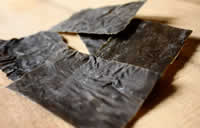
Kelp - Health Benefits, Dosage, Side EffectsKelp is a type of seaweed readily found in most health foods stores. Kelp comes in various forms, such as dried powder, sheets, noodles and even in capsule and tablet forms.

Kelp is available in online stores such ebay and amazon such as Organic Kelp Power, 1-pound BagsKelp - Health Benefits, Dosage, Side Effects

Warnings and Side Effects

When cooked and properly prepared, eating kelp has been proven beneficial even for young children, pregnant women and breast feeding mothers.

However, some people are sensitive to seaweeds and sea vegetables and eating kelp may trigger allergic reactions such as itching, skin rash, hives, watery or itchy eyes, runny nose, and shortness of breath. Gastro-intestinal problems like nausea and diarrhea.

Adverse side effects from kelp almost always resulted to improper use of kelp supplements. Always follow directions from a competent medical practitioner or from the product label when using kelp supplements.

Reports of over dosage of kelp supplements have resulted to a side effect that disrupts the thyroid balance resulting to hyperthyroidism, Another side effect of overuse of kelp supplement is reduced fertility in women, the inability of the body to absorb vital nutrients like iron, potassium and sodium.

There also reports that prolonged use of kelp may also lead to heavy metal poisoning such as arsenic to which kelp has been exposed due to seawater pollutants.

Doctor visit helper

Prepare before seeing a doctor

A simple rural-patient checklist to help you explain symptoms clearly, ask better questions, and avoid unsafe self-treatment.

Safety note: This is not a prescription or diagnosis. For severe symptoms, pregnancy danger signs, children with serious illness, chest pain, breathing difficulty, stroke-like weakness, or major injury, seek urgent care.

Which doctor may help?

Start with a registered doctor or the nearest qualified health center.

What to tell the doctor

  • Write when the problem started and how it changed.
  • Bring old prescriptions, investigation reports, and current medicines.
  • Write allergies, pregnancy status, diabetes, kidney/liver disease, and major past illnesses.
  • Bring one family member if the patient is weak, elderly, confused, or a child.

Questions to ask

  • What is the most likely cause of my symptoms?
  • Which danger signs mean I should go to hospital quickly?
  • Which tests are necessary now, and which can wait?
  • How should I take medicines safely and what side effects should I watch for?
  • When should I come for follow-up?

Tests to discuss

  • Vital signs: temperature, pulse, blood pressure, oxygen saturation
  • Basic physical examination by a clinician
  • CBC, urine test, blood sugar, or imaging only when clinically needed

Avoid these mistakes

  • Do not use antibiotics, steroid tablets/injections, or strong painkillers without proper medical advice.
  • Do not hide pregnancy, kidney disease, ulcer, allergy, or blood thinner use.
  • Do not delay emergency care when danger signs are present.

Medicine safety and first-aid guide

This section is for patient education only. It does not replace a doctor, pharmacist, or emergency care.

Safe first steps

  • Use oral rehydration solution and safe fluids to prevent dehydration.
  • Continue safe, light food as tolerated.
  • Seek care for children, older adults, pregnancy, or chronic illness.

OTC medicine safety

  • ORS is usually safer than unnecessary antibiotics for simple watery diarrhea.
  • Do not use anti-diarrhea stopping medicines if there is blood in stool or high fever unless a doctor advises.

Avoid these mistakes

  • Do not start antibiotics without a proper medical decision.
  • Do not use steroid tablets or injections casually for quick relief.
  • Do not delay emergency care because of home remedies.

Get urgent help if

  • Blood in stool, severe dehydration, persistent vomiting, very low urine, or lethargy needs urgent care.
Medicine names, dose, and timing must be decided by a qualified clinician or pharmacist after checking age, pregnancy, allergy, other diseases, and current medicines.

For rural patients and family caregivers

Patient health record and symptom diary

Write your symptoms, medicines already taken, test results, and questions before visiting a doctor. This note stays on your device unless you print or copy it.

Doctor to discuss: Doctor / qualified healthcare provider
Tests to discuss with doctor
  • Basic vital signs: temperature, pulse, blood pressure, oxygen level if needed
  • Relevant blood, urine, imaging, or specialist tests only after clinical assessment
Questions to ask
  • What is the most likely cause of my symptoms?
  • Which warning signs mean I should go to emergency care?
  • Which tests are really needed now?
  • Which medicines are safe for my age, pregnancy status, allergy, kidney/liver/stomach condition, and current medicines?

Emergency warning signs such as chest pain, severe breathing difficulty, sudden weakness, confusion, severe dehydration, major injury, or loss of bladder/bowel control need urgent medical care. Do not wait for online information.

Safe pathway to proper treatment

Care roadmap for: Kelp – Health Benefits, Dosage, Side Effects

Use this simple roadmap to understand the next safe steps. It is educational and does not replace examination by a doctor.

Go to emergency care if you notice:
  • Severe or rapidly worsening symptoms
  • Breathing difficulty, chest pain, fainting, confusion, severe weakness, major injury, or severe dehydration
Doctor / service to discuss: Qualified healthcare provider; specialist depends on symptoms and examination.
  1. Step 1

    Check danger signs first

    If danger signs are present, seek emergency care and do not wait for online information.

  2. Step 2

    Record the symptom story

    Write when symptoms started, severity, medicines already taken, allergies, pregnancy status, and test results.

  3. Step 3

    Visit a qualified clinician

    A doctor, nurse, or qualified healthcare provider can examine you and decide which tests or treatment are needed.

  4. Step 4

    Do only useful tests

    Do tests after clinical assessment. Avoid unnecessary tests, random antibiotics, or repeated medicines without diagnosis.

  5. Step 5

    Follow up and return early if worse

    If symptoms worsen, new warning signs appear, or treatment is not helping, return for review quickly.

Rural patient practical tips
  • Take a written symptom diary and all previous prescriptions/test reports.
  • Do not hide medicines already taken, even herbal or over-the-counter medicines.
  • Ask which warning signs mean urgent referral to hospital.

This roadmap is for education. A real diagnosis and treatment plan requires history, examination, and clinical judgment.

RX Patient Help

Ask a health question safely

Write your symptom story. A health professional or site editor can review it before any answer is prepared. This box is not for emergency care.

Emergency first: Severe chest pain, breathing trouble, unconsciousness, stroke signs, severe injury, heavy bleeding, or rapidly worsening symptoms need urgent local medical care now.

Frequently Asked Questions

Kelp Traditional Medicinal UsesKelp is largely used in traditional medicine for various conditions.Kelp is a good source of glutamic acid, an amino acid responsible for its taste. Kelp or kombu contains extremely high levels of iodine. While this mineral is essential for normal growth and development, the extremely high levels can cause overdoses resuting to hyperthyroidism. Another health benefit from Kelp is that it is also a source of dietary fiber. Algae including kelp also contain enzymes that break down complex sugars that are normally indigestible in the human gut.Other Scientific Studies Relating to Kelp / KombuKelp is a Natural Source of Iodine Kelp is rich in natural iodine. Iodine is an essential need of the human body to be healthy. Iodine deficiency is the leading cause of mental retardation according to World Health Organization and symptoms may include dry, scaly skin and scalp, constipation, fatigue, dysfunctional thyroid operation, infertility, increased rate of still births and growth abnormalities.Because of high iodine content, another kelp benefit is the protection against radiation poisoning. Iodine is also important for the thyroid, immune system, and female hormone regulation. Kelp is rich in Vitamins and Minerals Kelp benefits the whole body because in addition to iodine, kelp contains vitamins B1, B2, and B12 and minerals such as potassium, calcium and iron. Kelp Benefits for Thyroid Health Iodine benefits include the proper functioning of the thyroid glands. The high level of iodine in kelp regulates thyroid hormones. Although synthetic medications have long replaced iodine diet in the treatment of thyroid gland problems, the use of kelp or iodine rich diet can supplement the treatment. Kelp Prevents Estrogen-Related Cancer Statistics have shown that Japanese women have lower rates of reported ovarian, breast and endometrial cancers. In a study conducted examining the diets of Japanese women, it has been found that Japanese eat more of natural foods including kelp and soya. In related investigations, it has been found that  a diet containing kelp lowered serum estradiol levels in women and had phytoestrogenic properties. [1] Anti Cancer Benefits from Kelp Kelp belongs to the group of brown seaweeds that has been found to contain fucoidan, a sulfated polysaccharide that has been isolated to exhibits the ability to induce human lymphoma HS-Sultan cell lines apoptosis (cell death). [2] Anti-Inflammatory Benefits from Kelp Kelp contains fucoidan, a sulfated polysaccharide that displays a wide variety of internal biological activities. A study done in the Department of Pharmacy, Pusan National University, Busan Korea indicated that fucoidan treatment significantly inhibited excessive production of nitric oxide and prostaglandin in LPS-stimulated BV2 microglia that is the precursor of inflammation. Kelp Benefits for Neurodegenerative Diseases From the same study, fucoidan extracted from kelp attenuated expression of inducible nitric oxide synthase (iNOS), cyclooxygenase (COX)-2, monocyte chemoattractant protein-1 (MCP-1), and pro-inflammatory cytokines, including interleukin-1β (IL-1β) and tumor necrosis factor (TNF)-α. Moreover, fucoidan exhibited anti-inflammatory properties by suppression of nuclear factor-kappa B (NF-κB) activation and down-regulation of extracellular signal-regulated kinase (ERK), c-Jun N-terminal kinase (JNK), p38 mitogen-activated protein kinase (MAPK), and AKT pathways. These finding suggest that fucoidan may offer substantial therapeutic potential for treatment of neurodegenerative diseases that are accompanied by microglial activation. [3] Antioxidants Benefits from Kelp Studies have found that sea vegetables including kelp contain antioxidants that can protect fight free radicals and other potentially hazardous elements.Kelp / Kombu Usage, Dosage, Warnings and Side EffectsWhere can I get or buy kelp?

Kelp is a type of seaweed readily found in most health foods stores. Kelp comes in various forms, such as dried powder, sheets, noodles and even in capsule and tablet forms. Kelp is available in online stores such ebay and amazon such as Organic Kelp Power, 1-pound Bags

References

Add references, clinical guidelines, textbooks, journal articles, or trusted medical sources here. You can edit this area from the RX Article Professional Blocks panel.
