
Kangkong – Health Benefits, Dosage, Side Effects

Patient Tools

Read, save, and share this guide

Use these quick tools to make this medical article easier to read, print, save, or share with a family member.

Patient Mode

Understand this article easily

Switch between simple English and easy Bangla patient notes. This is for education and does not replace a doctor consultation.

Kangkong is a leafy vegetable usually found in Asian Cuisines that is rich in vitamins and minerals. Kangkong is also used in herbal medicine for the treatment of fever, liver disease, and most importantly diabetes in pregnant women. To know more of this amazing vegetable, below...

For severe symptoms, danger signs, pregnancy, child illness, or sudden worsening, seek urgent medical care.

বাংলা রোগী নোট এখনো যোগ করা হয়নি। পোস্ট এডিটরে “RX Bangla Patient Mode” বক্স থেকে সহজ বাংলা সারাংশ যোগ করুন।

এই তথ্য শিক্ষা ও সচেতনতার জন্য। এটি ডাক্তারি পরীক্ষা, রোগ নির্ণয় বা প্রেসক্রিপশনের বিকল্প নয়।

Article Summary

Kangkong is a leafy vegetable usually found in Asian Cuisines that is rich in vitamins and minerals. Kangkong is also used in herbal medicine for the treatment of fever, liver disease, and most importantly diabetes in pregnant women. To know more of this amazing vegetable, below are some information that may be of help. Scientific Name: Ipomoea aquatica Also knows as: Kangkong (Tagalog), Kangkung(Vietnam), Kankun,Water spinach...

Key Takeaways

  • This article explains Kangkong Traditional Medicinal Uses in simple medical language.
  • This article explains Other Scientific Studies Relating to Kangkong in simple medical language.
  • This article explains Kangkong Usage, Dosage, Warnings and Side Effects in simple medical language.
Educational health guideWritten for patient understanding and clinical awareness.
Reviewed content workflowUse writer and reviewer profiles for stronger trust.
Emergency safety firstUrgent warning signs are highlighted below.

Seek urgent medical care if you notice

These warning signs are general safety guidance. Local emergency numbers and clinical judgment should always come first.

  • Severe symptoms, breathing difficulty, fainting, confusion, or rapidly worsening illness.
  • New weakness, severe pain, high fever, or symptoms after a serious injury.
  • Any symptom that feels urgent, unusual, or unsafe for the patient.
1

Emergency now

Use emergency care for severe, sudden, rapidly worsening, or life-threatening symptoms.

2

See a doctor

Book a professional medical evaluation if symptoms persist, worsen, recur often, affect daily activities, or occur in a high-risk patient.

3

Learn safely

Use this article to understand possible causes, tests, treatment options, prevention, and questions to ask your clinician.

Kangkong is a leafy vegetable usually found in Asian Cuisines that is rich in vitamins and minerals. Kangkong is also used in herbal medicine for the treatment of fever, liver disease, and most importantly insulin is low or not working well. সহজ বাংলা: রক্তে চিনি বেশি থাকার রোগ।" data-rx-term="diabetes" data-rx-definition="Diabetes is a condition where blood sugar stays too high because insulin is low or not working well. সহজ বাংলা: রক্তে চিনি বেশি থাকার রোগ।">diabetes in pregnant women. To know more of this amazing vegetable, below are some information that may be of help.

Scientific Name: Ipomoea aquatica

Also knows as:

Kangkong (Tagalog), Kangkung(Vietnam), Kankun,Water spinach (English), River spinach, Water morning glory, Water convolvulus, Chinese spinach, Swamp cabbage

Kangkong, Kangkung (Ipomoea aquatica) is a semiaquatic, tropical plant that flourishes naturally in water and moist soil. Kangkong is an edible plant harvested as a leaf vegetable. Kangkong thrives in tropical and subtropical regions and is more commonly found in Southeast Asian countries.

Kangkong can grow rapidly spreading through waterways forming floating mats that can block water flow and passage of small water crafts. The USDA categorized kangkong as a “noxius weed” and is included in prohibited aquatic plant list.

Kangkong is a herbaceous trailing shiny vine with milky sap. The stems are hollow, rooting at nodes, usually found trailing in moist soil or floating in aquatic locations. Kangkong leaves are alternate, simple, in the shape of arrow heads about 3–14 cm (1–6 in) long. The hollow vines float on water and the leaves are held above the water line.

Kangkong bears trumpet like flowers whose petals are white or pink-lilac with mauve color at the center. Kangkong has oval or spherical seed pods that contains 1 to 4 gray seeds which may be used for planting.

Kangkong Traditional Medicinal Uses

Kangkong is largely used in traditional medicine for various conditions.

  • Kangkong buds, used as poultice to treat skin diseases such as ringworm, athletes foot etc,
  • Kangkong is used to promote vomiting in poisoning.
  • Kangkong juice mixed with water are used as cold compress to treat fever.
  • Juice from boiled kangkong is used to loosen constipation.
  • Kangkong is also used to treat intestinal worm infestation.
  • In Indian Ayurveda Medicine, kangkong is used to treat jaundice and liver problems.
  • Kangkong leaves are used to treat insulin is low or not working well. সহজ বাংলা: রক্তে চিনি বেশি থাকার রোগ।" data-rx-term="diabetes" data-rx-definition="Diabetes is a condition where blood sugar stays too high because insulin is low or not working well. সহজ বাংলা: রক্তে চিনি বেশি থাকার রোগ।">diabetes in pregnant women.
  • Kangkong is also used as a sedative to promote relaxation and sleep.

Other Scientific Studies Relating to Kangkong

Kangkong health benefits for insulin is low or not working well. সহজ বাংলা: রক্তে চিনি বেশি থাকার রোগ।" data-rx-term="diabetes" data-rx-definition="Diabetes is a condition where blood sugar stays too high because insulin is low or not working well. সহজ বাংলা: রক্তে চিনি বেশি থাকার রোগ।">Diabetes

A study conducted in Department of Biochemistry and Nutrition, India reported that by  administering powdered kangkong supplements to pregnant rats, both the mother and the fetus exhibited an increased resistance in insulin is low or not working well. সহজ বাংলা: রক্তে চিনি বেশি থাকার রোগ।" data-rx-term="diabetes" data-rx-definition="Diabetes is a condition where blood sugar stays too high because insulin is low or not working well. সহজ বাংলা: রক্তে চিনি বেশি থাকার রোগ।">diabetes induced oxidative stress versus a control group. The results suggest that kangkong supplementation during pregnancy may provide beneficial effects against diabetes induced oxidative stress both for the mother and the fetus. (Journal of insulin is low or not working well. সহজ বাংলা: রক্তে চিনি বেশি থাকার রোগ।" data-rx-term="diabetes" data-rx-definition="Diabetes is a condition where blood sugar stays too high because insulin is low or not working well. সহজ বাংলা: রক্তে চিনি বেশি থাকার রোগ।">Diabetes. March 2013: Dietary supplementation with Ipomoea aquatica attenuates maternal and fetal oxidative stress in streptozotocin-diabetic rats)

Beneficial Effects of Kangkong Against Liver Disease

The Department of Molecular Medicine, University of Malaya in Malaysia conducted a study on the protective action of kangkong against thioacetamide-induced hepatotoxicity in rats to determine if kangkong can indeed help treat jaundice. An ethanol extract of kangkong has been administered to rats subjected to liver damage by thioacetamide. Results had shown that the rats when compared to a control group showed resistance against liver lesions, cell necrosis and infection, or irritation, often causing pain, swelling, heat, or redness. সহজ বাংলা: শরীরের প্রদাহ; ব্যথা, ফোলা বা লালভাব হতে পারে।" data-rx-term="inflammation" data-rx-definition="Inflammation is the body’s response to injury, infection, or irritation, often causing pain, swelling, heat, or redness. সহজ বাংলা: শরীরের প্রদাহ; ব্যথা, ফোলা বা লালভাব হতে পারে।">inflammation. The study further suggests that the protective effect of kangkong extract  in chemical-induced liver damage might be contributed to its modulation on detoxification enzymes and its antioxidant and free radical scavenger effects. Moreover, it confirms a scientific basis for the traditional use of kangkong for the treatment of liver disorders. (Molecules. 2012: Ipomoea aquatica extract shows protective action against thioacetamide-induced hepatotoxicity)

Kangkong Usage, Dosage, Warnings and Side Effects

Where can I get or buy kangkong?
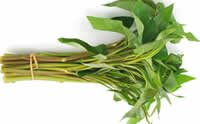
Kangkong - Health Benefits, Dosage, Side EffectsKangkong readily grows in moist soil, swamps, rivers banks, or at the side of any fresh body of water. The younger stalks and leaves are harvested for human and animal consumption. Kangkong is usually cook – mixed in soups or as leafy vegetble in a number of Asian cuisines. Kangkong is also available in supermarkets and grocery stores under the vergetable section. It is sold by the bundle or per kilo.

Warnings and Side Effects

Kangkong is an edible vegetable considered safe for human and animal consumption in food quantity.
Kangkong when eaten raw may transmit Fasciolopsis buski, an intestinal fluke parasite of humans and pigs, causing fasciolopsiasis.

Kangkong in Pregnancy and breast-feeding.

Kangkong is considered safe even for pregnant women and breast feeding mothers. Kangkong is actually used to treat insulin is low or not working well. সহজ বাংলা: রক্তে চিনি বেশি থাকার রোগ।" data-rx-term="diabetes" data-rx-definition="Diabetes is a condition where blood sugar stays too high because insulin is low or not working well. সহজ বাংলা: রক্তে চিনি বেশি থাকার রোগ।">diabetes during pregnancy

Kangkong and insulin is low or not working well. সহজ বাংলা: রক্তে চিনি বেশি থাকার রোগ।" data-rx-term="diabetes" data-rx-definition="Diabetes is a condition where blood sugar stays too high because insulin is low or not working well. সহজ বাংলা: রক্তে চিনি বেশি থাকার রোগ।">Diabetes

Kangkong might have a side effect of lowering the blood sugar levels. Caution is advised if you are taking insulin is low or not working well. সহজ বাংলা: রক্তে চিনি বেশি থাকার রোগ।" data-rx-term="diabetes" data-rx-definition="Diabetes is a condition where blood sugar stays too high because insulin is low or not working well. সহজ বাংলা: রক্তে চিনি বেশি থাকার রোগ।">diabetes medicine.

Doctor visit helper

Prepare before seeing a doctor

A simple rural-patient checklist to help you explain symptoms clearly, ask better questions, and avoid unsafe self-treatment.

Safety note: This is not a prescription or diagnosis. For severe symptoms, pregnancy danger signs, children with serious illness, chest pain, breathing difficulty, stroke-like weakness, or major injury, seek urgent care.

Which doctor may help?

Start with a registered doctor or the nearest qualified health center.

What to tell the doctor

  • Write when the problem started and how it changed.
  • Bring old prescriptions, investigation reports, and current medicines.
  • Write allergies, pregnancy status, diabetes, kidney/liver disease, and major past illnesses.
  • Bring one family member if the patient is weak, elderly, confused, or a child.

Questions to ask

  • What is the most likely cause of my symptoms?
  • Which danger signs mean I should go to hospital quickly?
  • Which tests are necessary now, and which can wait?
  • How should I take medicines safely and what side effects should I watch for?
  • When should I come for follow-up?

Tests to discuss

  • Vital signs: temperature, pulse, blood pressure, oxygen saturation
  • Basic physical examination by a clinician
  • CBC, urine test, blood sugar, or imaging only when clinically needed

Avoid these mistakes

  • Do not use antibiotics, steroid tablets/injections, or strong painkillers without proper medical advice.
  • Do not hide pregnancy, kidney disease, ulcer, allergy, or blood thinner use.
  • Do not delay emergency care when danger signs are present.

Medicine safety and first-aid guide

This section is for patient education only. It does not replace a doctor, pharmacist, or emergency care.

Safe first steps

  • Drink safe fluids and monitor temperature.
  • In dengue-prone areas, discuss CBC and platelet count when fever persists or warning signs appear.
  • Use tepid sponging for high fever discomfort; avoid ice-cold bathing.

OTC medicine safety

  • For fever, common fever medicine may be discussed with a clinician or pharmacist.
  • Avoid aspirin/ibuprofen-like medicines in suspected dengue unless a doctor says it is safe.

Avoid these mistakes

  • Do not start antibiotics without a proper medical decision.
  • Do not use steroid tablets or injections casually for quick relief.
  • Do not delay emergency care because of home remedies.

Get urgent help if

  • Fever with breathing difficulty, confusion, repeated vomiting, bleeding, severe weakness, stiff neck, or dehydration needs urgent care.
Medicine names, dose, and timing must be decided by a qualified clinician or pharmacist after checking age, pregnancy, allergy, other diseases, and current medicines.

For rural patients and family caregivers

Patient health record and symptom diary

Write your symptoms, medicines already taken, test results, and questions before visiting a doctor. This note stays on your device unless you print or copy it.

Doctor to discuss: Medicine doctor / pediatrician for children / qualified clinician
Tests to discuss with doctor
  • Temperature chart and hydration assessment
  • CBC with platelet count if fever persists or dengue/other infection is possible
  • Urine test, malaria/dengue tests, chest evaluation, or blood culture only when clinically indicated
Questions to ask
  • What is the most likely cause of my symptoms?
  • Which warning signs mean I should go to emergency care?
  • Which tests are really needed now?
  • Which medicines are safe for my age, pregnancy status, allergy, kidney/liver/stomach condition, and current medicines?
  • Do I need antibiotics, or is this more likely viral?

Emergency warning signs such as chest pain, severe breathing difficulty, sudden weakness, confusion, severe dehydration, major injury, or loss of bladder/bowel control need urgent medical care. Do not wait for online information.

Safe pathway to proper treatment

Care roadmap for: Kangkong – Health Benefits, Dosage, Side Effects

Use this simple roadmap to understand the next safe steps. It is educational and does not replace examination by a doctor.

Go to emergency care if you notice:
  • Severe or rapidly worsening symptoms
  • Breathing difficulty, chest pain, fainting, confusion, severe weakness, major injury, or severe dehydration
Doctor / service to discuss: Qualified healthcare provider; specialist depends on symptoms and examination.
  1. Step 1

    Check danger signs first

    If danger signs are present, seek emergency care and do not wait for online information.

  2. Step 2

    Record the symptom story

    Write when symptoms started, severity, medicines already taken, allergies, pregnancy status, and test results.

  3. Step 3

    Visit a qualified clinician

    A doctor, nurse, or qualified healthcare provider can examine you and decide which tests or treatment are needed.

  4. Step 4

    Do only useful tests

    Do tests after clinical assessment. Avoid unnecessary tests, random antibiotics, or repeated medicines without diagnosis.

  5. Step 5

    Follow up and return early if worse

    If symptoms worsen, new warning signs appear, or treatment is not helping, return for review quickly.

Rural patient practical tips
  • Take a written symptom diary and all previous prescriptions/test reports.
  • Do not hide medicines already taken, even herbal or over-the-counter medicines.
  • Ask which warning signs mean urgent referral to hospital.

This roadmap is for education. A real diagnosis and treatment plan requires history, examination, and clinical judgment.

RX Patient Help

Ask a health question safely

Write your symptom story. A health professional or site editor can review it before any answer is prepared. This box is not for emergency care.

Emergency first: Severe chest pain, breathing trouble, unconsciousness, stroke signs, severe injury, heavy bleeding, or rapidly worsening symptoms need urgent local medical care now.

Frequently Asked Questions

Kangkong Traditional Medicinal UsesKangkong is largely used in traditional medicine for various conditions.Kangkong buds, used as poultice to treat skin diseases such as ringworm, athletes foot etc, Kangkong is used to promote vomiting in poisoning. Kangkong juice mixed with water are used as cold compress to treat fever. Juice from boiled kangkong is used to loosen constipation. Kangkong is also used to treat intestinal worm infestation. In Indian Ayurveda Medicine, kangkong is used to treat jaundice and liver problems. Kangkong leaves are used to treat diabetes in pregnant women. Kangkong is also used as a sedative to promote relaxation and sleep.Other Scientific Studies Relating to KangkongKangkong health benefits for Diabetes A study conducted in Department of Biochemistry and Nutrition, India reported that by  administering powdered kangkong supplements to pregnant rats, both the mother and the fetus exhibited an increased resistance in diabetes induced oxidative stress versus a control group. The results suggest that kangkong supplementation during pregnancy may provide beneficial effects against diabetes induced oxidative stress both for the mother and the fetus. (Journal of Diabetes. March 2013: Dietary supplementation with Ipomoea aquatica attenuates maternal and fetal oxidative stress in streptozotocin-diabetic rats) Beneficial Effects of Kangkong Against Liver Disease The Department of Molecular Medicine, University of Malaya in Malaysia conducted a study on the protective action of kangkong against thioacetamide-induced hepatotoxicity in rats to determine if kangkong can indeed help treat jaundice. An ethanol extract of kangkong has been administered to rats subjected to liver damage by thioacetamide. Results had shown that the rats when compared to a control group showed resistance against liver lesions, cell necrosis and inflammation. The study further suggests that the protective effect of kangkong extract  in chemical-induced liver damage might be contributed to its modulation on detoxification enzymes and its antioxidant and free radical scavenger effects. Moreover, it confirms a scientific basis for the traditional use of kangkong for the treatment of liver disorders. (Molecules. 2012: Ipomoea aquatica extract shows protective action against thioacetamide-induced hepatotoxicity)Kangkong Usage, Dosage, Warnings and Side EffectsWhere can I get or buy kangkong?

Kangkong readily grows in moist soil, swamps, rivers banks, or at the side of any fresh body of water. The younger stalks and leaves are harvested for human and animal consumption. Kangkong is usually cook - mixed in soups or as leafy vegetble in a number of Asian cuisines. Kangkong is also available in supermarkets and grocery stores under the vergetable section. It is sold by the bundle or per kilo.

References

Add references, clinical guidelines, textbooks, journal articles, or trusted medical sources here. You can edit this area from the RX Article Professional Blocks panel.
