
Stem Cell Therapies – FDA Warns About Stem Cell Therapies

Patient Tools

Read, save, and share this guide

Use these quick tools to make this medical article easier to read, print, save, or share with a family member.

Patient Mode

Understand this article easily

Switch between simple English and easy Bangla patient notes. This is for education and does not replace a doctor consultation.

Stem Cell Therapies /Researchers hope stem cells will one day be effective in the treatment of many medical conditions and diseases. But unproven stem cell treatments can be unsafe—so get all of the facts if you’re considering any treatment. Stem cells have been called everything...

For severe symptoms, danger signs, pregnancy, child illness, or sudden worsening, seek urgent medical care.

বাংলা রোগী নোট এখনো যোগ করা হয়নি। পোস্ট এডিটরে “RX Bangla Patient Mode” বক্স থেকে সহজ বাংলা সারাংশ যোগ করুন।

এই তথ্য শিক্ষা ও সচেতনতার জন্য। এটি ডাক্তারি পরীক্ষা, রোগ নির্ণয় বা প্রেসক্রিপশনের বিকল্প নয়।

Article Summary

Stem Cell Therapies /Researchers hope stem cells will one day be effective in the treatment of many medical conditions and diseases. But unproven stem cell treatments can be unsafe—so get all of the facts if you’re considering any treatment. Stem cells have been called everything from cure-alls to miracle treatments. But don’t believe the hype. Some unscrupulous providers offer stem cell products that are both...

Key Takeaways

  • This article explains Stem Cell Uses and FDA Regulation in simple medical language.
  • This article explains Safety Concerns for Unproven Stem Cell Treatments in simple medical language.
  • This article explains FDA Actions on Unapproved Stem Cell Products in simple medical language.
  • This article explains Advice for People Considering Stem Cell Therapies in simple medical language.
Educational health guideWritten for patient understanding and clinical awareness.
Reviewed content workflowUse writer and reviewer profiles for stronger trust.
Emergency safety firstUrgent warning signs are highlighted below.

Seek urgent medical care if you notice

These warning signs are general safety guidance. Local emergency numbers and clinical judgment should always come first.

  • Severe symptoms, breathing difficulty, fainting, confusion, or rapidly worsening illness.
  • New weakness, severe pain, high fever, or symptoms after a serious injury.
  • Any symptom that feels urgent, unusual, or unsafe for the patient.
1

Emergency now

Use emergency care for severe, sudden, rapidly worsening, or life-threatening symptoms.

2

See a doctor

Book a professional medical evaluation if symptoms persist, worsen, recur often, affect daily activities, or occur in a high-risk patient.

3

Learn safely

Use this article to understand possible causes, tests, treatment options, prevention, and questions to ask your clinician.

Before reading

RX Patient Tools

Use these quick guides before reading the article, or return to them when you need help preparing questions for a doctor.

Start here Choose the right pathway for symptoms, reports, medicines, or urgent warning signs. Disease article roadmap Read this topic step by step: meaning, symptoms, warning signs, diagnosis, treatment, prevention, and follow-up. Treatment planner Prepare questions about treatment choices, benefits, risks, side effects, and follow-up. Family & caregiver guide Organize symptoms, reports, medicines, questions, and follow-up safely. Nutrition & diet guide Prepare food, hydration, supplement, and medicine-timing questions safely. Prevention guide Organize risk factors, protective habits, screening, and warning signs. Recovery guide Prepare a safe plan for activity, rehabilitation, warning signs, and follow-up.
Definition

Stem Cell Therapies /Researchers hope stem cells will one day be effective in the treatment of many medical conditions and diseases. But unproven stem cell treatments can be unsafe—so get all of the facts if you’re considering any treatment.

Stem cells have been called everything from cure-alls to miracle treatments. But don’t believe the hype. Some unscrupulous providers offer stem cell products that are both unapproved and unproven. So beware of potentially dangerous procedures—and confirm what’s really being offered before you consider any treatment.

The facts: Stem cell therapies may offer the potential to treat diseases or conditions for which few treatments exist. Sometimes called the body’s “master cells,” stem cells are the cells that develop into blood, brain, bones, and all of the body’s organs. They have the potential to repair, restore, replace, and regenerate cells, and could possibly be used to treat many medical conditions and diseases.

But the U.S. Food and Drug Administration is concerned that some patients seeking cures and remedies are vulnerable to stem cell treatments that are illegal and potentially harmful. And the FDA is increasing its oversight and enforcement to protect people from dishonest and unscrupulous stem cell clinics while continuing to encourage innovation so that the medical industry can properly harness the potential of stem cell products.

To do your part to stay safe, make sure that any stem cell treatment you are considering is either

  • FDA-approved, or;
  • Being studied under an Investigational New Drug Application (IND), which is a clinical investigation plan submitted and allowed to proceed by the FDA.

Stem Cell Uses and FDA Regulation

The FDA has the authority to regulate stem cell products in the United States.

Today, doctors routinely use stem cells that come from bone marrow or blood in transplant procedures to treat patients with cancer and disorders of the blood and immune system.
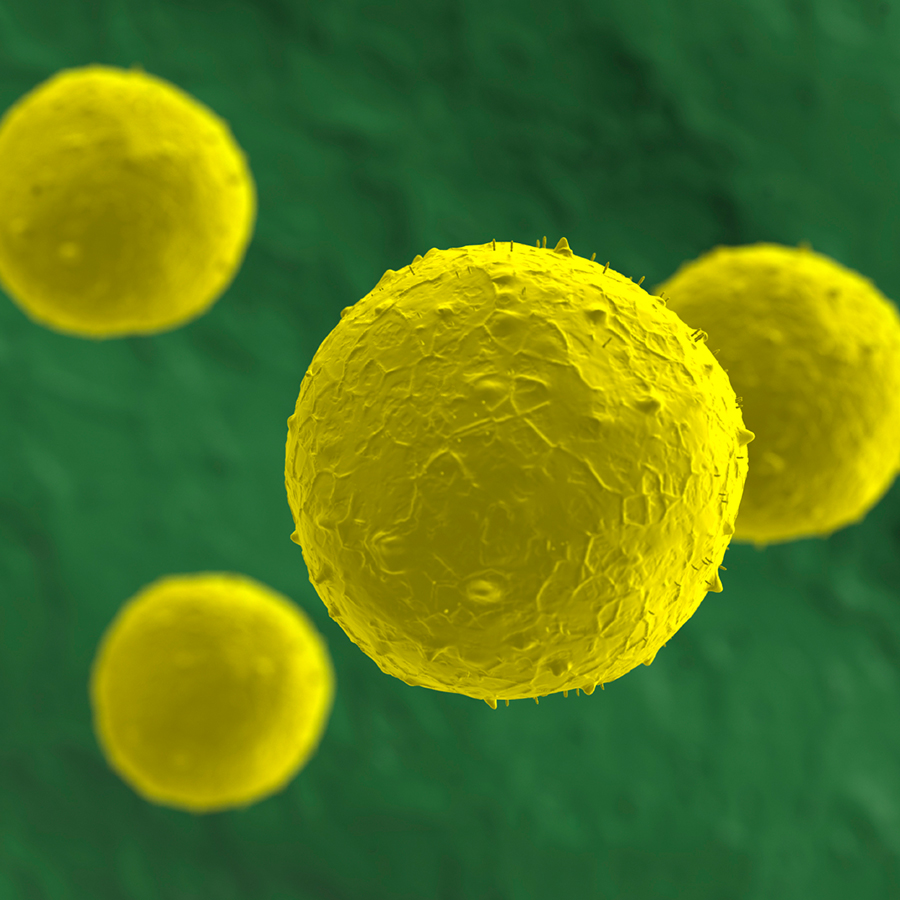
Stem Cell Therapies - FDA Warns About Stem Cell Therapies
Electron micrograph of stem cells, color-enhanced for visual clarity.

With limited exceptions, investigational products must also go through a thorough FDA review process as investigators prepare to determine the safety and effectiveness of products in well-controlled human studies, called clinical trials. The FDA has reviewed many stem cell products for use in these studies.

As part of the FDA’s review, investigators must show how each product will be manufactured so the FDA can make sure appropriate steps are being taken to help assure the product’s safety, purity, and strength (potency). The FDA also requires sufficient data from animal studies to help evaluate any potential risks associated with product use. (You can learn more about clinical trials on the FDA’s website.)

That said, some clinics may inappropriately advertise stem cell clinical trials without submitting an IND. Some clinics also may falsely advertise that FDA review and approval of the stem cell therapy is unnecessary. But when clinical trials are not conducted under an IND, it means that the FDA has not reviewed the experimental therapy to help make sure it is reasonably safe. So be cautious about these treatments.

About FDA-approved Products Derived from Stem Cells

The only stem cell-based products that are FDA-approved for use in the United States consist of blood-forming stem cells (hematopoietic progenitor cells) derived from cord blood.

These products are approved for limited use in patients with disorders that affect the body system that is involved in the production of blood (called the “hematopoietic” system). These FDA-approved stem cell products are listed on the FDA website. Bone marrow also is used for these treatments but is generally not regulated by the FDA for this use.

Safety Concerns for Unproven Stem Cell Treatments

All medical treatments have benefits and risks. But unproven stem cell therapies can be particularly unsafe.

For instance, attendees at a 2016 FDA public workshop discussed several cases of severe adverse events. One patient became blind due to an injection of stem cells into the eye. Another patient received a spinal cord injection that caused the growth of a spinal tumor.

Other potential safety concerns for unproven treatments include:

  • Administration site reactions,
  • The ability of cells to move from placement sites and change into inappropriate cell types or multiply,
  • Failure of cells to work as expected, and
  • The growth of tumors.

Note: Even if stem cells are your own cells, there are still safety risks such as those noted above. In addition, if cells are manipulated after removal, there is a risk of contamination of the cells.

FDA Actions on Unapproved Stem Cell Products

When stem cell products are used in unapproved ways—or when they are processed in ways that are more than minimally manipulated, which relates to the nature and degree of processing—the FDA may take (and has already taken) a variety of administrative and judicial actions, including criminal enforcement, depending on the violations involved.

In August 2017, the FDA announced increased enforcement of regulations and oversight of stem cell clinics. To learn more, see the statement from FDA Commissioner Scott Gottlieb, M.D., on the FDA website.

And in March 2017, to further clarify the benefits and risks of stem cell therapy, the FDA published a perspective article in the New England Journal of MedicineExternal Link Disclaimer.

The FDA will continue to help with the development and licensing of new stem cell therapies where the scientific evidence supports the product’s safety and effectiveness.

Advice for People Considering Stem Cell Therapies

Know that the FDA plays a role in stem cell treatment oversight. You may be told that because these are your cells, the FDA does not need to review or approve the treatment. That is not true.

Stem cell products have the potential to treat many medical conditions and diseases. But for almost all of these products, it is not yet known whether the product has any benefit—or if the product is safe to use.

If you’re considering treatment in the United States:

  • Ask if the FDA has reviewed the treatment. Ask your health care provider to confirm this information. You also can ask the clinical investigator to give you the FDA-issued Investigational New Drug Application number and the chance to review the FDA communication acknowledging the IND. Ask for this information before getting treatment—even if the stem cells are your own.
  • Request the facts and ask questions if you don’t understand. To participate in a clinical trial that requires an IND application, you must sign a consent form that explains the experimental procedure. The consent form also identifies the Institutional Review Board (IRB) that assures the protection of the rights and welfare of human subjects. Make sure you understand the entire process and known risks before you sign. You also can ask the study sponsor for the clinical investigator’s brochure, which includes a short description of the product and information about its safety and effectiveness.

If you’re considering treatment in another country:

  • Learn about regulations that cover products in that country.
  • Know that the FDA does not have oversight of treatments done in other countries. The FDA typically has little information about foreign establishments or their stem cell products.
  • Be cautious. If you’re considering a stem cell-based product in a country that may not require regulatory review of clinical studies, it may be hard to know if the experimental treatment is reasonably safe.
Doctor visit helper

Prepare before seeing a doctor

A simple rural-patient checklist to help you explain symptoms clearly, ask better questions, and avoid unsafe self-treatment.

Safety note: This is not a prescription or diagnosis. For severe symptoms, pregnancy danger signs, children with serious illness, chest pain, breathing difficulty, stroke-like weakness, or major injury, seek urgent care.

Which doctor may help?

Start with a registered doctor or the nearest qualified health center.

What to tell the doctor

  • Write when the problem started and how it changed.
  • Bring old prescriptions, investigation reports, and current medicines.
  • Write allergies, pregnancy status, diabetes, kidney/liver disease, and major past illnesses.
  • Bring one family member if the patient is weak, elderly, confused, or a child.

Questions to ask

  • What is the most likely cause of my symptoms?
  • Which danger signs mean I should go to hospital quickly?
  • Which tests are necessary now, and which can wait?
  • How should I take medicines safely and what side effects should I watch for?
  • When should I come for follow-up?

Tests to discuss

  • Vital signs: temperature, pulse, blood pressure, oxygen saturation
  • Basic physical examination by a clinician
  • CBC, urine test, blood sugar, or imaging only when clinically needed

Avoid these mistakes

  • Do not use antibiotics, steroid tablets/injections, or strong painkillers without proper medical advice.
  • Do not hide pregnancy, kidney disease, ulcer, allergy, or blood thinner use.
  • Do not delay emergency care when danger signs are present.

Medicine safety and first-aid guide

This section is for patient education only. It does not replace a doctor, pharmacist, or emergency care.

Safe first steps

  • Avoid heavy lifting, sudden bending, and prolonged bed rest.
  • Use comfortable posture and gentle movement as tolerated.
  • Discuss physiotherapy, X-ray, or MRI only when clinically needed.

OTC medicine safety

  • For mild back pain, pain-relief medicine may be discussed with a doctor or pharmacist.
  • Avoid repeated painkiller use if you have kidney disease, stomach ulcer, uncontrolled blood pressure, or are taking blood thinners.

Avoid these mistakes

  • Do not start antibiotics without a proper medical decision.
  • Do not use steroid tablets or injections casually for quick relief.
  • Do not delay emergency care because of home remedies.

Get urgent help if

  • Back pain with leg weakness, numbness around private area, loss of urine/stool control, fever, cancer history, or major injury needs urgent care.
Medicine names, dose, and timing must be decided by a qualified clinician or pharmacist after checking age, pregnancy, allergy, other diseases, and current medicines.

For rural patients and family caregivers

Patient health record and symptom diary

Write your symptoms, medicines already taken, test results, and questions before visiting a doctor. This note stays on your device unless you print or copy it.

Doctor to discuss: Doctor / qualified healthcare provider
Tests to discuss with doctor
  • Basic vital signs: temperature, pulse, blood pressure, oxygen level if needed
  • Relevant blood, urine, imaging, or specialist tests only after clinical assessment
Questions to ask
  • What is the most likely cause of my symptoms?
  • Which warning signs mean I should go to emergency care?
  • Which tests are really needed now?
  • Which medicines are safe for my age, pregnancy status, allergy, kidney/liver/stomach condition, and current medicines?

Emergency warning signs such as chest pain, severe breathing difficulty, sudden weakness, confusion, severe dehydration, major injury, or loss of bladder/bowel control need urgent medical care. Do not wait for online information.

Safe pathway to proper treatment

Care roadmap for: Stem Cell Therapies – FDA Warns About Stem Cell Therapies

Use this simple roadmap to understand the next safe steps. It is educational and does not replace examination by a doctor.

Go to emergency care if you notice:
  • Severe or rapidly worsening symptoms
  • Breathing difficulty, chest pain, fainting, confusion, severe weakness, major injury, or severe dehydration
Doctor / service to discuss: Qualified healthcare provider; specialist depends on symptoms and examination.
  1. Step 1

    Check danger signs first

    If danger signs are present, seek emergency care and do not wait for online information.

  2. Step 2

    Record the symptom story

    Write when symptoms started, severity, medicines already taken, allergies, pregnancy status, and test results.

  3. Step 3

    Visit a qualified clinician

    A doctor, nurse, or qualified healthcare provider can examine you and decide which tests or treatment are needed.

  4. Step 4

    Do only useful tests

    Do tests after clinical assessment. Avoid unnecessary tests, random antibiotics, or repeated medicines without diagnosis.

  5. Step 5

    Follow up and return early if worse

    If symptoms worsen, new warning signs appear, or treatment is not helping, return for review quickly.

Rural patient practical tips
  • Take a written symptom diary and all previous prescriptions/test reports.
  • Do not hide medicines already taken, even herbal or over-the-counter medicines.
  • Ask which warning signs mean urgent referral to hospital.

This roadmap is for education. A real diagnosis and treatment plan requires history, examination, and clinical judgment.

RX Patient Help

Ask a health question safely

Write your symptom story. A health professional or site editor can review it before any answer is prepared. This box is not for emergency care.

Emergency first: Severe chest pain, breathing trouble, unconsciousness, stroke signs, severe injury, heavy bleeding, or rapidly worsening symptoms need urgent local medical care now.

Frequently Asked Questions

Is this article a replacement for a doctor?

No. It is educational content only. Patients should consult a qualified clinician for diagnosis and treatment.

When should I seek urgent care?

Seek urgent care for severe symptoms, rapidly worsening condition, breathing difficulty, severe pain, neurological changes, or any emergency warning sign.

References

Add references, clinical guidelines, textbooks, journal articles, or trusted medical sources here. You can edit this area from the RX Article Professional Blocks panel.
