White blood cells (also called leukocytes or leucocytes and abbreviated as WBCs) are the cells of the immune system that are involved in protecting the body against both infectious disease and foreign invaders. All white blood cells are produced and derived from multipotent cells in the bone marrow known as hematopoietic stem cells. Leukocytes are found throughout the body, including the blood and lymphatic system.
An average normal range is between 3,500 and 10,500 white blood cells per microliter of blood (mcL). Infants are often born with much higher numbers of WBCs, which gradually even out as they age. According to the Mayo Clinic, these are the normal ranges of WBCs per microliter of blood by age.
Normal Value of WBC
| Age | White blood cells per mcL of blood |
|
9,000 to 30,000 |
|
9,400 to 34,000 |
|
5,000 to 21,000 |
|
5,000 to 20,000 |
|
5,000 to 15,000 |
|
6,000 to 11,000 |
|
5,000 to 12,000 |
|
4,000 to 12,000 |
|
3,400 to 10,000 |
|
3,500 to 9,000 |
| adults | 4000 to 11,500 |
But another journal informing the following
| Age | White Blood Cells per mcL of Blood |
| Right after birth | 9,000 to 30,000 |
|
9,400 to 34,000 |
|
5,000 to 21,000 |
|
5,000 to 20,000 |
|
5,000 to 15,000 |
|
6,000 to 11,000 |
|
5,000 to 12,000 |
|
4,000 to 12,000 |
|
3,400 to 10,000 |
|
3,500 to 9,000 |
|
3,500 to 10,500 |
These normal ranges can vary by lab. Another common measurement for the volume of blood is cubic millimeter, or mm3. A microliter and cubic millimeter are the same amount.
The types of cells that make up WBCs usually fall within a normal percentage of your overall white blood cell count.
The normal percentages of the types of WBCs in your overall count are usually in these ranges:
| Type of WBC | Normal percentage of overall WBC count |
|
40 – 70 percent |
|
20 – 45 percent |
|
less than 7 percent |
|
2 – 10 percent |
|
0-1 percent |
High levels of white blood cells
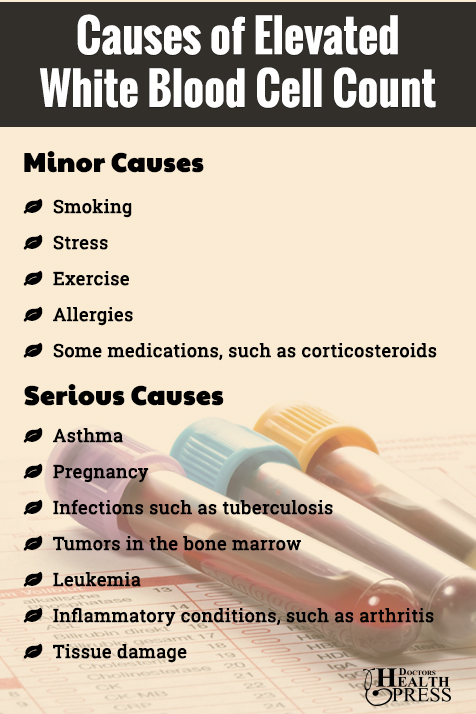
An increase in white blood cells is known as leukocytosis. It typically occurs in response to the following conditions:
- Infection
- Immunosuppression
- Medications such as corticosteroids
- Bone marrow or immune disorder
- Certain cancers such as acute or chronic lymphocytic leukemia
- Inflammation such as that experienced with rheumatoid arthritis
- Injury
- Emotional stress
- Labor
- Pregnancy
- Smoking
- Allergic reactions
- Excessive exercising
Certain respiratory illnesses, such as a whooping cough or tuberculosis may cause the levels of white blood cells to increase.
In some cases, all white blood cells are affected. However, some people have a specific disease in which only one type of white blood cell is affected.
If levels of one particular type of white blood cell rise, this may be due to a specific trigger.
- Neutrophils – If a person has heightened levels of neutrophils in their body, the disorder is known as neutrophilic leukocytosis. This condition is a normal physical response to an event, such as infection, injury, inflammation, some medications, and certain types of leukemia.
- Lymphocytes – If there is an elevation in the level of lymphocytes, the condition is known as lymphocytic leukocytosis. This may occur as a result of a virus, or an infection such as tuberculosis. It may also be linked to specific lymphomas and leukemias.
- Basophils – Increased levels of basophils may occur in people with a history of underactive thyroid disease, known as hypothyroidism, or in certain other medical conditions.
- Eosinophils – If a person registers high levels of eosinophils, the body may be reacting to a parasitic or other infection, allergen, or asthma.
- Monocytes – If a person has high levels of monocytes, it may indicate the presence of chronic infection, an autoimmune or blood disorder, cancer, or other medical conditions.
Sometimes, there is no identifiable cause for the rise in white blood cells. This is known as an idiopathic hypereosinophilic syndrome. It can lead to serious complications, such as heart, lung, liver, skin, and nervous system damage.
The risk of infection increases when the absolute granulocyte count falls below 1000 per microliter. Gram-negative sepsis is common in this setting.
- Qualitative abnormalities of neutrophils – include functional defects in chemotaxis, phagocytosis, and bacterial killing. They can be due to extrinsic or intrinsic abnormalities of the granulocyte. Extrinsic abnormalities include treatment with antineoplastic agents and corticosteroids, deficiencies of complement and opsonizing antibody, hypophosphatemia, and sickle cell disease. Intrinsic abnormalities include defects of the killing mechanism of ingested bacteria (chronic granulomatous disease), and defects in lysosomal function (Chédiak-Higashi syndrome with giant lysosomes, premature graying of the hair, a bleeding diathesis, and a terminal phase characterized by adenopathy, hepatosplenomegaly, and marrow failure).
- Several abnormalities of cytoplasmic granulation can be found. Toxic granules appear in the cytoplasm of neutrophils during infectious processes and represent probably phagocytic vacuoles. Döhle bodies can be seen in similar circumstances as round, well-delineated structures. The May-Hegglin anomaly is characterized by large inclusion bodies in the cytoplasm of polymorphonuclear cells associated with thrombocytopenia and giant platelets.
- The Pelger-Huët anomaly is manifested as a change in the morphology of the nucleus of the polymorphonuclear leukocyte, which has one or two smooth lobes with thick chromatin. The cell is functionally normal.
- Monocytosis – can follow chronic infectious disorders (tuberculosis, brucellosis), rheumatic diseases (lupus, rheumatoid arthritis), chronic inflammatory bowel disease, and some malignant processes (Hodgkin’s and non-Hodgkin’s lymphoma). Monocytes play an important role in other chronic granulomatous diseases: sarcoidosis, histiocytosis X, and storage diseases (Gaucher’s disease, Niemann–Pick disease).
- Eosinophilia – occurs in association with hypersensitivity reactions, parasitic infestations, cancers (Hodgkin’s disease, eosinophilic leukemia), connective tissue disorders (rheumatoid arthritis, polyarteritis nodosa), and the syndrome of pulmonary infiltrates with eosinophilia.
- Basophilia – can be found in chronic myelogenous leukemia and other myeloproliferative disorders, Hodgkin’s disease, and some chronic inflammatory and infectious disorders.
- Lymphocytopenia – can be seen mainly in association with several congenital diseases of the immune system or following treatment with corticosteroids, antineoplastic agents, or radiation. Lymphocytosis can accompany some infections, both acute and chronic, usually viral, Addison’s disease, and autoimmune diseases.
Those affected by idiopathic hypereosinophilic syndrome may experience symptoms such as
- Weight loss
- Fevers
- Night sweats
- Fatigue
- Coughing
- Chest pain
- Swelling
- Stomach ache
- Skin rash
- Pain
- Weakness
- Confusion
- Coma
Understanding WBC count test results
Abnormal test results are classified by numbers that are higher or lower than the normal range for your age.
A low or high WBC count can point to a blood disorder or other medical condition. To identify the exact cause of a high or low WBC count, your doctor will take several factors into consideration, such as your list of current medications, symptoms, and medical history.
Leukopenia is the medical term used to describe a low WBC count. A low number can be triggered by:
- HIV
- autoimmune disorders
- bone marrow disorders/damage
- lymphoma
- severe infections
- liver and spleen diseases
- lupus
- radiation therapy
- some medications, such as antibiotics
Leukocytosis is the medical term used to describe a high WBC count. This can be triggered by:
- smoking
- infections such as tuberculosis
- tumors in the bone marrow
- leukemia
- inflammatory conditions, such as arthritis and bowel disease
- stress
- exercise
- tissue damage
- pregnancy
- allergies
- asthma
- some medications, such as corticosteroids
After diagnosing the cause of a high or low WBC count and recommending a treatment plan, your doctor will periodically recheck your white blood cells. If your white blood cell count remains high or low, this can indicate that your condition has worsened.
| Causes of leukocytosis | ||||
|---|---|---|---|---|
| Neutrophilic leukocytosis (neutrophilia) |
|
|||
| Eosinophilic leukocytosis (eosinophilia) |
Allergic disorders
|
|||
| Basophilic leukocytosis Basophilia |
(rare)
|
|||
| Monocytosis |
|
|||
| Lymphocytosis |
|
|||
A blood test may be used to determine the white blood cell count.
If levels of white blood cells are lower than usual, this may be a sign that the person has a weakened immune system, due, for example, to HIV or AIDS. This deficiency is why people with these diseases are more susceptible to infection.
Abnormal blood cell production is also a feature of cancers, such as leukemia and lymphoma.
What types of foods will help to decrease your elevated white blood cell count?
- What you eat also has an effect on your white blood cell count. To keep your levels in check, avoid eating foods that are high in fat, calories, sugar, and salt (such as fast foods). Aim for foods that are high in antioxidants like vitamins C and E, fiber, calcium, fish oils, mono-unsaturated fats, and low on the glycemic index. Your InsideTracker Plan will give you recommendations for a variety of foods that satisfy your preferences and provide you with the nutrients you need. Some foods that have been shown to have an effect on lowering inflammation include garlic, grapes, herbs and spices, soy protein, nuts, olive oil, black and green teas, and vinegar. Aim to eat at least six servings of fruits and vegetables per day, which will benefit much more than your white blood cell levels. Other specific nutrients to increase in your diet include:
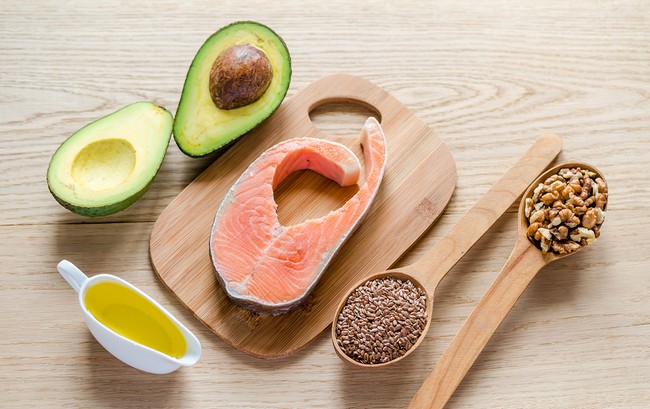
- Omega-3 fatty acids – omega-3 fatty acids are a type of polyunsaturated fat (or PUFA) that is known to increase heart health and elevate the activity of phagocytes, a type of white blood cells that protect you from foreign bacteria. Omega-3 PUFAs are found mainly in fatty fish like trout, herring, and salmon, but also in walnuts and flaxseed. Studies have shown that PUFAs significantly increased white blood cell counts in women on a controlled diet.
- Antioxidants – Antioxidants are a type of a molecule that protects our cells against harmful molecules called free radicals, which damage cells, protein, and DNA (for instance, free radicals cause peeled apples to turn brown). Eating more phytochemicals helps protect against this type of damage. Phytochemicals with antioxidant capacity include allyl sulfides (found in onions, leeks, and garlic), carotenoids (in fruits and carrots), flavonoids (fruits and vegetables), and polyphenols (in tea and grapes). While they don’t specifically work to increase white blood cell count, they help to support a healthy immune system.
- Vitamin C – Vitamin C helps the body to produce more white blood cells, which in turn helps the body to fight infections. All citrus fruits—including oranges, lemons, and limes—contain vitamin C. You can also get vitamin C from other fruits, such as berries, papayas, pineapples and guavas, and vegetables, such as carrots, broccoli, cauliflower, brussels sprouts, and bell peppers.
Natural Ways to Increase Your White Blood Cell Count and Immune System
You can naturally increase your white blood cell count, which in turn improves your overall immune system, by making sure you consume sufficient amounts of the following 10 foods and/or vitamins and minerals. If you find you pick up every little cold or flu bug that goes by, you can turn things around naturally. Keep reading to find out the 10 natural ways to improve your white blood cell count and immune system into high gear.
Vitamin E
- Although this little vitamin doesn’t get the press that vitamin C does, it’s one of the most important antioxidants and immune boosters around.
- Vitamin E naturally stimulates the production of what are known as “killer cells.” These are cells that seek out and kill off germs and cancer cells. Vitamin E also improves the production of B-cells. These are cells from your immune system that produce antibodies that will kill bacteria. Vitamin E supplements may actually reverse of the decline in immune system response that is often seen in the elderly. The Harvard School of Public Health studies about 87,000 nurses and found that vitamin E supplements cut the risk of heart attacks by an incredible 50 percent!
- It’s not that hard to get 60mg of vitamin E each day from your diet. Seeds and grains will get you most of what you need, but most people find it difficult to consistently get that 60mg every single day, and if you smoke, don’t exercise, or drink more than your share of alcohol, you will need between 100 to 40mg each day to keep your immune system strong. Taking supplements is a good idea for most people.
Zinc
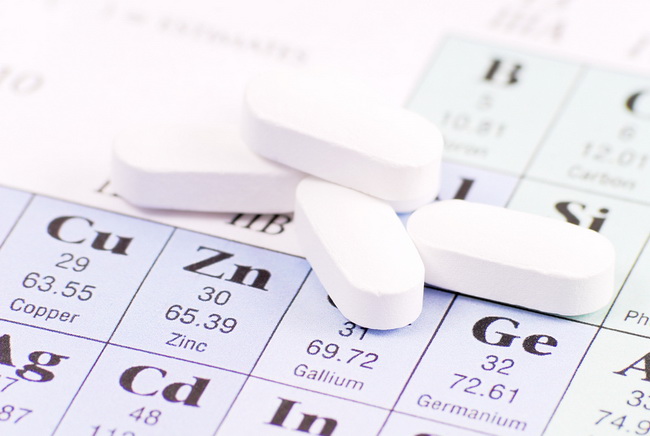
- This little-thought-of mineral is vital for the production of white blood cells that fight infection.
- Zinc increases the number of killer cells and allows white blood cells to release more antibodies in their fight against the bad guys. Studies show that zinc supplements slow the growth of cancer and increase the number of infection fighting T-cells. One thing about zinc, however, is that you can overdo it.
- Consuming more than 75mg per day actually inhibits immune function. Aim to get most of your zinc from your diet. 15 to 25mg is sufficient for most people.
Selenium
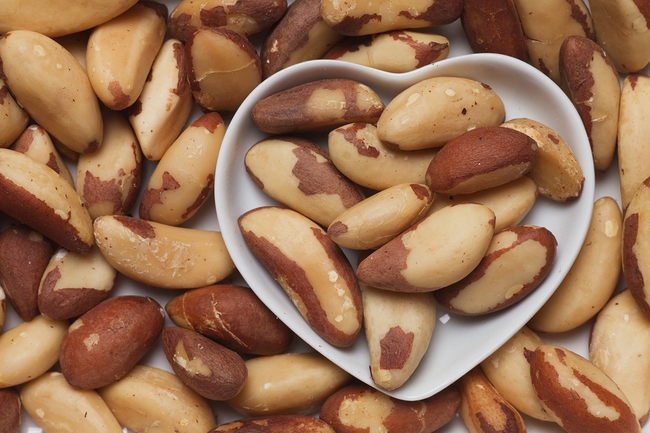
- Selenium can help build up your white blood cells, according to the University of Maryland Medical Center, and some other studies show that selenium itself can help fight infections.
- One study showed that when elderly persons took both selenium supplements and zinc, their immune systems responded better to the flu vaccine than those who only consumed a placebo.

Green Tea
- Green tea is absolutely packed full of antioxidants – that makes it a great detox tea as well. It supports the immune system and helps your body fight infection.
- One study shows that green tea replicates some viruses, which means you won’t lose as many white blood cells fighting the virus itself.
Green tea encourages your body to produce more white blood cells.

Vitamin C
- One of the top vitamins that will improve your immune system in a jiffy. There has been more research done on the effects of vitamin C and your immune system than any other vitamin or nutrient around. Vitamin C is found naturally in almost all fruits and is very inexpensive in supplement form. In fact, you can find vitamin C fortified just about anything if you look around a bit.
- Vitamin C improves your immune system by increasing your body’s production of white blood cells and antibodies that fight viruses and bacteria. It also increases the levels of interferon, the antibody that coats the surfaces of your cells and stops viruses from entering them, to begin with.
- Now contrary to popular myth, you don’t have to take a massive amount to get a boost in your immune system. Around 200mgs per day will do the trick and you can generally get that, and sometimes more, simply from eating plenty of fruits and vegetables during your daily diet. If you do choose to take supplements, spread the dosage out during the day so you don’t end up peeing it all away.

Carotenoids
- Beta-carotene will increase the number of natural killer cells, T-cells, combined with being a powerful antioxidant that cleans up those nasty free radicals that cause our bodies so much damage and premature aging.
- Studies show that foods that have beta carotene can lower your risk of heart attack and stroke as well. Find out health benefits of carrots.
Omega-3 Fatty Acids
- Omega-3 fatty acids, which are found in fatty fish such as salmon and mackerel, along with flax oil, improve your immune system by increasing something called phagocytes. Read more about omega-3 foods.
- These are white blood cells that literally eat up bacteria. Perhaps this is why grandmothers everywhere used to insist on that awful tablespoon of cod liver oil each night! Essential fatty acids protect the body also from damage that occurs should the body over-reacts to an infection. One study found that when children were given just a half a teaspoon of flax oil each day, they experienced fewer colds and other respiratory infections.
Vitamin A
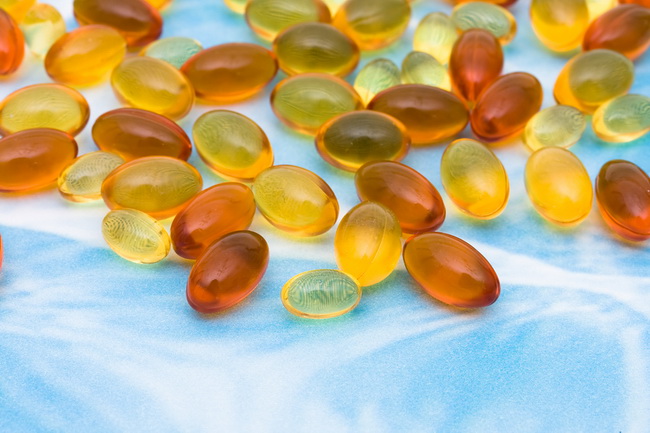
- Increasing your daily intake of vitamin A will increase the number of lymphocyte white blood cells in your body. These cells attack and kill foreign invaders as well as cancer cells. Your body does produce some vitamin A, but a good supplement will add to your immune fighting capabilities.
Yogurt
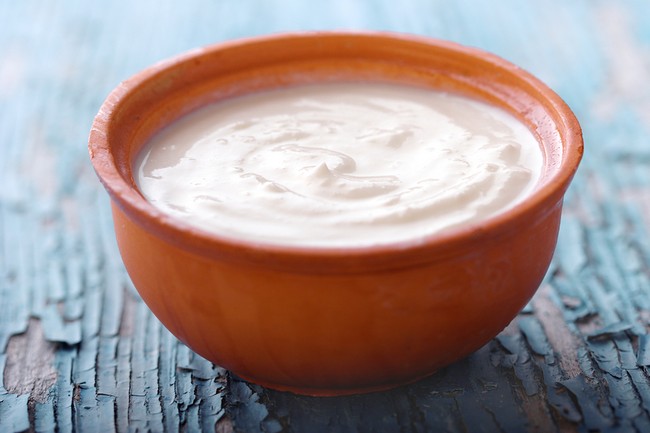
- Over and over studies show that persons who consumed probiotics, such as the kind in yogurt, had stronger immune systems than those who did not. Probiotics appear to improve and boost your white blood cell count.
- German researchers conducted a study that was published in the Clinical Nutrition and it showed that when they gave half of 500 healthy adults probiotic supplements over a three month period, the group who received the supplements had fewer cases of the cold and its symptoms, such as itchy throat, stuffy nose, body aches, and minor headaches, as well as having high white blood cell counts.

Garlic

- It seems as if garlic shows up on every “top 10” healthy list, doesn’t it? Well, there are plenty of good reasons why. Garlic promotes the ability of white blood cells to fight off the bad guys and stimulates other immune cells into action.
- A study in 2002 showed that when rats were fed garlic, they had significant increases in their overall white blood cell count. The properties in garlic that seem to improve the immune system lie in its sulfur compounds such as sulfides and allicin.
- Garlic is also an antioxidant that cuts down on the build-up of free radicals in the blood. Cultures that have garlic-rich foods have lower rates of intestinal cancers.
References

Explore this medical topic
Continue through verified related conditions, investigations, medicines, and patient guides. These links are educational and do not replace professional medical advice.