
Azithromycin safety; Is it safe for heart ? Answer from FDA

Patient Tools

Read, save, and share this guide

Use these quick tools to make this medical article easier to read, print, save, or share with a family member.

Patient Mode

Understand this article easily

Switch between simple English and easy Bangla patient notes. This is for education and does not replace a doctor consultation.

Azithromycin safety is an antibiotic useful for the treatment of a number of bacterial infections. This includes middle ear infections, strep throat, pneumonia, traveler's diarrhea, and certain other intestinal infections.[2] It may also be used for a number of sexually transmitted infections including chlamydia and gonorrhea infections. Along with other medications, it may also be used for malaria. It can be taken by mouth...

For severe symptoms, danger signs, pregnancy, child illness, or sudden worsening, seek urgent medical care.

বাংলা রোগী নোট এখনো যোগ করা হয়নি। পোস্ট এডিটরে “RX Bangla Patient Mode” বক্স থেকে সহজ বাংলা সারাংশ যোগ করুন।

এই তথ্য শিক্ষা ও সচেতনতার জন্য। এটি ডাক্তারি পরীক্ষা, রোগ নির্ণয় বা প্রেসক্রিপশনের বিকল্প নয়।

Article Summary

Azithromycin safety is an antibiotic useful for the treatment of a number of bacterial infections. This includes middle ear infections, strep throat, pneumonia, traveler's diarrhea, and certain other intestinal infections.[2] It may also be used for a number of sexually transmitted infections including chlamydia and gonorrhea infections. Along with other medications, it may also be used for malaria. It can be taken by mouth or intravenously with doses once per day. Common side effects include nausea, vomiting, diarrhea and upset stomach. An allergic reaction or a type of diarrhea caused by Clostridium...

Educational health guideWritten for patient understanding and clinical awareness.
Reviewed content workflowUse writer and reviewer profiles for stronger trust.
Emergency safety firstUrgent warning signs are highlighted below.

Seek urgent medical care if you notice

These warning signs are general safety guidance. Local emergency numbers and clinical judgment should always come first.

  • Chest pain, severe shortness of breath, fainting, or sudden severe weakness.
  • Sudden face drooping, arm weakness, speech trouble, confusion, or vision change.
  • A rapidly worsening condition or symptoms that feel life-threatening.
1

Emergency now

Use emergency care for severe, sudden, rapidly worsening, or life-threatening symptoms.

2

See a doctor

Book a professional medical evaluation if symptoms persist, worsen, recur often, affect daily activities, or occur in a high-risk patient.

3

Learn safely

Use this article to understand possible causes, tests, treatment options, prevention, and questions to ask your clinician.

Before reading

RX Patient Tools

Use these quick guides before reading the article, or return to them when you need help preparing questions for a doctor.

Start here Choose the right pathway for symptoms, reports, medicines, or urgent warning signs. Disease article roadmap Read this topic step by step: meaning, symptoms, warning signs, diagnosis, treatment, prevention, and follow-up. Treatment planner Prepare questions about treatment choices, benefits, risks, side effects, and follow-up. Family & caregiver guide Organize symptoms, reports, medicines, questions, and follow-up safely. Nutrition & diet guide Prepare food, hydration, supplement, and medicine-timing questions safely. Prevention guide Organize risk factors, protective habits, screening, and warning signs. Recovery guide Prepare a safe plan for activity, rehabilitation, warning signs, and follow-up.
Definition

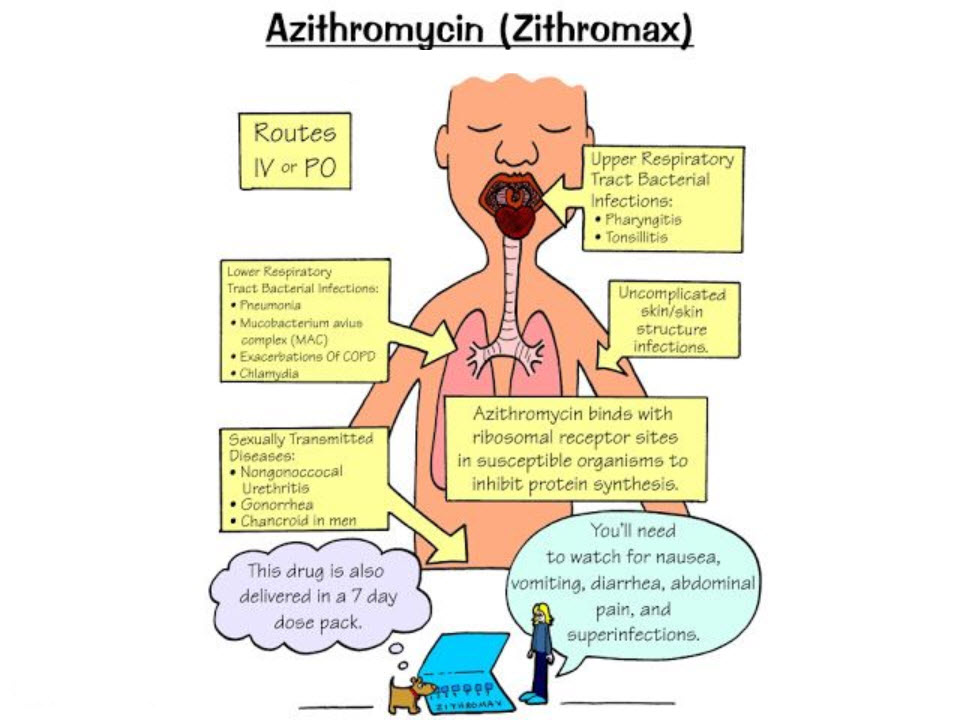
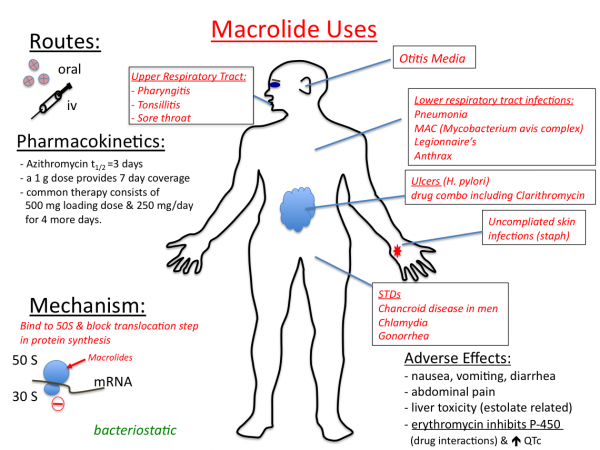
Azithromycin safety is an bacterial infections. সহজ বাংলা: ব্যাকটেরিয়ার সংক্রমণের ওষুধ।" data-rx-term="antibiotic" data-rx-definition="An antibiotic is a medicine used to treat bacterial infections. সহজ বাংলা: ব্যাকটেরিয়ার সংক্রমণের ওষুধ।">antibiotic useful for the treatment of a number of bacterial infections. This includes middle ear infections, strep throat, pneumonia, traveler’s diarrhea, and certain other intestinal infections.[2] It may also be used for a number of sexually transmitted infections including chlamydia and gonorrhea infections. Along with other medications, it may also be used for malaria. It can be taken by mouth or intravenously with doses once per day.

Common side effects include nauseavomitingdiarrhea and upset stomach. An allergic reaction or a type of diarrhea caused by Clostridium difficile is possible. No harm has been found with its use during pregnancy.Its safety during breastfeeding is not confirmed, but it is likely safe. Azithromycin is an azalide, a type of macrolide bacterial infections. সহজ বাংলা: ব্যাকটেরিয়ার সংক্রমণের ওষুধ।" data-rx-term="antibiotic" data-rx-definition="An antibiotic is a medicine used to treat bacterial infections. সহজ বাংলা: ব্যাকটেরিয়ার সংক্রমণের ওষুধ।">antibiotic. It works by decreasing the production of protein, thus stopping bacterial growth.

FDA WARNS AZITHROMYCIN “Z-PACK” ANTIBIOTICS COULD LEAD TO DEADLY HEART RHYTHMS STUDY CONFIRM
Azithromycin safety; Is it safe for heart ? Answer from FDA
www.rxharun.com

Azithromycin, a commonly-prescribed bacterial infections. সহজ বাংলা: ব্যাকটেরিয়ার সংক্রমণের ওষুধ।" data-rx-term="antibiotic" data-rx-definition="An antibiotic is a medicine used to treat bacterial infections. সহজ বাংলা: ব্যাকটেরিয়ার সংক্রমণের ওষুধ।">antibiotic, may trigger a potentially deadly irregular heart rhythm for some patients, the Food and Drug Administration (FDA) warned Tuesday.

The bacterial infections. সহজ বাংলা: ব্যাকটেরিয়ার সংক্রমণের ওষুধ।" data-rx-term="antibiotic" data-rx-definition="An antibiotic is a medicine used to treat bacterial infections. সহজ বাংলা: ব্যাকটেরিয়ার সংক্রমণের ওষুধ।">antibiotic that’s sold as Zithromax, Zmax or sometimes referred to as a “Z-Pack” is prescribed to treat bacterial infections such as bronchitis, pneumonia, or ear infections.

The FDA is warning the public that the pills can cause abnormal changes in the heart’s electrical activity that may lead to a fatal heart rhythm. Not everyone is at risk. Patients with known risk factors such as existing QT interval prolongation, low blood levels of potassium or magnesium, a slower than normal heart rate, or those who use  certain drugs to treat abnormal heart rhythms, or arrhythmias face the greatest risk.

“Health care professionals should consider the risk of fatal heart rhythms with azithromycin when considering treatment options for patients who are already at risk for cardiovascular events,” the FDA said in its March 12th update.

The new guidance was prompted by a May 2012 study and another study by the bacterial infections. সহজ বাংলা: ব্যাকটেরিয়ার সংক্রমণের ওষুধ।" data-rx-term="antibiotic" data-rx-definition="An antibiotic is a medicine used to treat bacterial infections. সহজ বাংলা: ব্যাকটেরিয়ার সংক্রমণের ওষুধ।">antibiotic’s manufacturer, Pfizer, that looked at risks to electrical activity of the heart in azithromycin-takers.

Last May, a New England Journal of Medicine study paid for by the National Heart, Lung and Blood Institute found there would be 47 extra heart-related deaths per one million course of treatment with five days of Zithromax, as compared to 10 days of amoxicillin and other antibiotics. The risks of cardiovascular death associated with levofloxacin (Levaquin) treatment were similar to those associated with azithromycin treatment, according to the FDA.
Azithromycin safety; Is it safe for heart ? Answer from FDA

  • Zithromax antibiotics tied to rare heart risks

“People need to recognize that the overall risk is low,” Dr. Harlan Krumholz, a Yale University health outcomes specialist who was not involved in the study, told the Associated Press last May. He added more research was needed but patients with heart disease “should probably be steered away” from Zithromax for now.

The FDA also issued a statement last May following the study saying the agency was aware of the findings, and it would review the results and communicate any new information.

Sales of Zithromax, one of the U.S.’ top-selling antibiotics, totaled $464 million in 2011 according to health care information company IMS Health, the AP reported.

References

  1.  Burton M, Habtamu E, Ho D, Gower EW (2015). “Interventions for trachoma trichiasis”Cochrane Database Syst Rev11: CD004008. doi:10.1002/14651858.CD004008.pub3PMC 4661324Azithromycin safety; Is it safe for heart ? Answer from FDAPMID 26568232.
  2. Gonococcal Infections – 2015 STD Treatment Guidelines”Archivedfrom the original on 2016-03-01.
  3. The Guardian newspaper: ‘Super-gonorrhoea’ outbreak in Leeds, 18 September 2015 Archived 18 September 2015 at the Wayback Machine.
  4. Lippincott Illustrated Reviews : Pharmacology Sixth Edition. p. 506.
  5. “US azithromycin label” (PDF). FDA. February 2016. Archived (PDF)from the original on 2016-11-23.
  6. Mori F, Pecorari L, Pantano S, Rossi M, Pucci N, De Martino M, Novembre E (2014). “Azithromycin anaphylaxis in children”Int J Immunopathol Pharmacol27 (1): 121–6. doi:10.1177/039463201402700116PMID 24674687. Retrieved 19 February 2016.
  7. “Antibiotics and oral contraceptive failure — a case-crossover study”Contraception83 (5): 418–25. doi:10.1016/j.contraception.2010.08.020PMC 3326585PMID 21477683.
  8. Denise Grady (May 16, 2012). “Popular Antibiotic May Raise Risk of Sudden Death”The New York TimesArchived from the original on May 17, 2012. Retrieved May 18, 2012.
  9. Ray, Wayne A.; Murray, Katherine T.; Hall, Kathi; Arbogast, Patrick G.; Stein, C. Michael (2012). “Azithromycin and the Risk of Cardiovascular Death”New England Journal of Medicine366 (20): 1881–90. doi:10.1056/NEJMoa1003833PMC 3374857 PMID 22591294.
  10. FDA Drug Safety Communication: Azithromycin (Zithromax or Zmax) and the risk of potentially fatal heart rhythms”. FDA. March 12, 2013. Archivedfrom the original on October 27, 2016.

Azithromycin safety; Is it safe for heart ? Answer from FDA

Doctor visit helper

Prepare before seeing a doctor

A simple rural-patient checklist to help you explain symptoms clearly, ask better questions, and avoid unsafe self-treatment.

Safety note: This is not a prescription or diagnosis. For severe symptoms, pregnancy danger signs, children with serious illness, chest pain, breathing difficulty, stroke-like weakness, or major injury, seek urgent care.

Which doctor may help?

Start with a registered doctor or the nearest qualified health center.

What to tell the doctor

  • Write when the problem started and how it changed.
  • Bring old prescriptions, investigation reports, and current medicines.
  • Write allergies, pregnancy status, diabetes, kidney/liver disease, and major past illnesses.
  • Bring one family member if the patient is weak, elderly, confused, or a child.

Questions to ask

  • What is the most likely cause of my symptoms?
  • Which danger signs mean I should go to hospital quickly?
  • Which tests are necessary now, and which can wait?
  • How should I take medicines safely and what side effects should I watch for?
  • When should I come for follow-up?

Tests to discuss

  • Vital signs: temperature, pulse, blood pressure, oxygen saturation
  • Basic physical examination by a clinician
  • CBC, urine test, blood sugar, or imaging only when clinically needed

Avoid these mistakes

  • Do not use antibiotics, steroid tablets/injections, or strong painkillers without proper medical advice.
  • Do not hide pregnancy, kidney disease, ulcer, allergy, or blood thinner use.
  • Do not delay emergency care when danger signs are present.

Medicine safety and first-aid guide

This section is for patient education only. It does not replace a doctor, pharmacist, or emergency care.

Safe first steps

  • Drink safe fluids and monitor temperature.
  • In dengue-prone areas, discuss CBC and platelet count when fever persists or warning signs appear.
  • Use tepid sponging for high fever discomfort; avoid ice-cold bathing.

OTC medicine safety

  • For fever, common fever medicine may be discussed with a clinician or pharmacist.
  • Avoid aspirin/ibuprofen-like medicines in suspected dengue unless a doctor says it is safe.

Avoid these mistakes

  • Do not start antibiotics without a proper medical decision.
  • Do not use steroid tablets or injections casually for quick relief.
  • Do not delay emergency care because of home remedies.

Get urgent help if

  • Fever with breathing difficulty, confusion, repeated vomiting, bleeding, severe weakness, stiff neck, or dehydration needs urgent care.
Medicine names, dose, and timing must be decided by a qualified clinician or pharmacist after checking age, pregnancy, allergy, other diseases, and current medicines.

For rural patients and family caregivers

Patient health record and symptom diary

Write your symptoms, medicines already taken, test results, and questions before visiting a doctor. This note stays on your device unless you print or copy it.

Doctor to discuss: Doctor / qualified healthcare provider
Tests to discuss with doctor
  • Basic vital signs: temperature, pulse, blood pressure, oxygen level if needed
  • Relevant blood, urine, imaging, or specialist tests only after clinical assessment
Questions to ask
  • What is the most likely cause of my symptoms?
  • Which warning signs mean I should go to emergency care?
  • Which tests are really needed now?
  • Which medicines are safe for my age, pregnancy status, allergy, kidney/liver/stomach condition, and current medicines?

Emergency warning signs such as chest pain, severe breathing difficulty, sudden weakness, confusion, severe dehydration, major injury, or loss of bladder/bowel control need urgent medical care. Do not wait for online information.

Safe pathway to proper treatment

Care roadmap for: Azithromycin safety; Is it safe for heart ? Answer from FDA

Use this simple roadmap to understand the next safe steps. It is educational and does not replace examination by a doctor.

Go to emergency care if you notice:
  • Severe or rapidly worsening symptoms
  • Breathing difficulty, chest pain, fainting, confusion, severe weakness, major injury, or severe dehydration
Doctor / service to discuss: Qualified healthcare provider; specialist depends on symptoms and examination.
  1. Step 1

    Check danger signs first

    If danger signs are present, seek emergency care and do not wait for online information.

  2. Step 2

    Record the symptom story

    Write when symptoms started, severity, medicines already taken, allergies, pregnancy status, and test results.

  3. Step 3

    Visit a qualified clinician

    A doctor, nurse, or qualified healthcare provider can examine you and decide which tests or treatment are needed.

  4. Step 4

    Do only useful tests

    Do tests after clinical assessment. Avoid unnecessary tests, random antibiotics, or repeated medicines without diagnosis.

  5. Step 5

    Follow up and return early if worse

    If symptoms worsen, new warning signs appear, or treatment is not helping, return for review quickly.

Rural patient practical tips
  • Take a written symptom diary and all previous prescriptions/test reports.
  • Do not hide medicines already taken, even herbal or over-the-counter medicines.
  • Ask which warning signs mean urgent referral to hospital.

This roadmap is for education. A real diagnosis and treatment plan requires history, examination, and clinical judgment.

RX Patient Help

Ask a health question safely

Write your symptom story. A health professional or site editor can review it before any answer is prepared. This box is not for emergency care.

Emergency first: Severe chest pain, breathing trouble, unconsciousness, stroke signs, severe injury, heavy bleeding, or rapidly worsening symptoms need urgent local medical care now.

Frequently Asked Questions

Is this article a replacement for a doctor?

No. It is educational content only. Patients should consult a qualified clinician for diagnosis and treatment.

When should I seek urgent care?

Seek urgent care for severe symptoms, rapidly worsening condition, breathing difficulty, severe pain, neurological changes, or any emergency warning sign.

References

Add references, clinical guidelines, textbooks, journal articles, or trusted medical sources here. You can edit this area from the RX Article Professional Blocks panel.


