Serum Creatinine; Normal Value, Symptom, Treatments

Patient Tools

Read, save, and share this guide

Use these quick tools to make this medical article easier to read, print, save, or share with a family member.

Article Summary

Serum creatinine is a chemical waste molecule that is generated from muscle metabolism. It is produced from creatine, a molecule of major importance for energy production in muscles. Approximately 2% of the body's creatine is converted to creatinine every day. It is transported through the bloodstream to the kidneys. The kidneys filter out most of the creatinine and dispose of it in the urine. Serum creatinine...

Key Takeaways

  • This article explains Normal results in simple medical language.
  • This article explains Home Remedies To Lower High Creatinine Levels in simple medical language.
  • This article explains References in simple medical language.
Educational health guideWritten for patient understanding and clinical awareness.
Reviewed content workflowUse writer and reviewer profiles for stronger trust.
Emergency safety firstUrgent warning signs are highlighted below.

Seek urgent medical care if you notice

These warning signs are general safety guidance. Local emergency numbers and clinical judgment should always come first.

  • Severe symptoms, breathing difficulty, fainting, confusion, or rapidly worsening illness.
  • New weakness, severe pain, high fever, or symptoms after a serious injury.
  • Any symptom that feels urgent, unusual, or unsafe for the patient.
1

Emergency now

Use emergency care for severe, sudden, rapidly worsening, or life-threatening symptoms.

2

See a doctor

Book a professional medical evaluation if symptoms persist, worsen, recur often, affect daily activities, or occur in a high-risk patient.

3

Learn safely

Use this article to understand possible causes, tests, treatment options, prevention, and questions to ask your clinician.

Serum creatinine is a chemical waste molecule that is generated from muscle metabolism. It is produced from creatine, a molecule of major importance for energy production in muscles. Approximately 2% of the body’s creatine is converted to creatinine every day. It is transported through the bloodstream to the kidneys. The kidneys filter out most of the creatinine and dispose of it in the urine.

Serum creatinine (a blood measurement) is an important indicator of renal health because it is an easily measured byproduct of muscle metabolism that is excreted unchanged by the kidneys. Creatinine itself is produced via a biological system involving creatine, phosphocreatine (also known as creatine phosphate), and adenosine triphosphate (ATP, the body’s immediate energy supply).

Creatine is synthesized primarily in the liver from the methylation of glycocyamine (guanidino acetate, synthesized in the kidney from the amino acids arginine and glycine) by S-adenosyl methionine. It is then transported through blood to the other organs, muscle, and brain, where, through phosphorylation, it becomes the high-energy compound phosphocreatine.Creatine conversion to phosphocreatine is catalyzed by creatine kinase; spontaneous formation of creatinine occurs during the reaction.Creatinine is removed from the blood chiefly by the kidneys, primarily by glomerular filtration, but also by proximal tubular secretion. Little or no tubular reabsorption of creatinine occurs.

Creatinine levels chart

The creatinine levels in your body are usually dependent on the muscle mass, gender, age, and other health factors. They are often measured in milligrams per deciliter.
CATEGORYCREATININE LEVELS
Adult Males0.6 to 1.2 mg/dl
Adult Females0.5 to 1.1 mg/dl
Infants0.2 mg/dl
Individuals with only one kidney1.8 to 1.9 mg/dl

Normal results

Normal values can vary from laboratory to laboratory, but are generally in the following ranges:
  • Adult female: 0.5-1.1 mg/dL
  • Adult male: 0.6-1.2 mg/dL
  • Adolescent: 0.5-1.0 mg/dL
  • Child: 0.3-0.7 mg/dL
  • Infant: 0.2-0.4 mg/dL

Causes of high serum creatinine

  • Diabetes
  • High blood pressure
  • Urinary tract infections
  • Kidney infections
  • Abnormal muscle breakdown resulting from rhabdomyolysis
  • Drugs like cimetidine
  • Consuming large amounts of dietary meat
  • Kidney damage or kidney failure
  • Kidney infection
  • Reduced blood flow to the kidneys
  • Dehydration
  • Certain drugs (for example,cimetidine ) can sometimes cause abnormally elevated creatinine levels.
  • Serum creatinine can also transiently increase after ingestion of a large amount of dietary meat; thus,nutrition can sometimes play a role in creatinine measurement.
  • Kidney infections,rhabdomyolysis (abnormal muscle breakdown) and urinary tract obstruction may also elevate creatinine levels.
  • Fever or Infection- which increase protein breakdown . Increased protein breakdown is a common feature of illness. Protein breakdown is stimulated by hormones (such as glucagon, epinephrine, cortisol) and inflammatory cytokines. Protein production on the other hand, is reduced by lowering growth hormone, insulin, and testosterone levels (R).
  • infection, or irritation, often causing pain, swelling, heat, or redness. সহজ বাংলা: শরীরের প্রদাহ; ব্যথা, ফোলা বা লালভাব হতে পারে।" data-rx-term="inflammation" data-rx-definition="Inflammation is the body’s response to injury, infection, or irritation, often causing pain, swelling, heat, or redness. সহজ বাংলা: শরীরের প্রদাহ; ব্যথা, ফোলা বা লালভাব হতে পারে।">Inflammation or interval training – , which results in protein breakdown from muscle.
  • Dehydration or low water consumption – I use this as a measure of hydration in clients. BUN increases as blood volume decreases .
  • Stress -An inappropriate increase in the activation of the sympathetic, renin–angiotensin–aldosterone, and arginine–vasopressin systems elevate BUN , which often seen in heart failure .Cortisol will also increase protein breakdown and elevate BUN.
  • Gut bleeding -When upper GI bleeding occurs, the blood is digested to protein. This protein is transported to the liver, and metabolized to BUN .
  • Poor circulation, which results in lower blood flow to the kidneys and therefore less of an ability to clear the urea .
  • Thyroid abnormalities which result in abnormal kidney function hypothyroidism  and hyperthyroidism .
  • Glucocorticoids, Tetracyclines (except doxycycline) and other antianabolic drugs .
  • Lower growth hormone or IGF-1. IGF-1 and growth hormone inhibit urea synthesis .
  • Kidney disease or failure, and blockage of the urinary tract by a kidney stone .

Symptom of high serum creatinine

Symptoms while others usually develop symptoms like

  • Swelling or edema
  • Shortness of breath
  • Dehydration
  • Fatigue
  • Nausea and vomiting
  • changes in urination
  • high blood pressure
  • chest pains
  • muscle cramps
  • Confusion
  • Digestive problems like poor appetite, nausea and vomiting
  • Foamy urine
  • Blood urine
  • Skin problems like dry skin, yellow skin and itchy skin
  • Urine changes like frequent urination at night, decreased urine output and anuria

Diagnosis

If your blood test reveals that you have high creatinine levels, you can undergo the following tests:

  • Blood Urea Nitrogen Test (BUN) – This test checks the functioning of your kidneys by measuring the amount of urea nitrogen in your blood. Too much or too little of urea nitrogen often hints at kidney problems.
  • Basic Metabolic Panel Test (BMP) – This is a combination of tests that assess the important body functions.
  • Comprehensive Metabolic Panel Test (CMP) – This test is an ordered panel of 14 tests, which gives your doctor important information regarding the health of your kidneys, liver, electrolyte and acid/base balance, etc.

Causes of low serum creatinine

  • Low-protein diet, malnutrition or starvation
  • Impaired liver activity due to liver disease .
  • Genetic deficiency of urea cycle enzymes
  • Higher IGF-1 and growth hormone. These inhibit urea synthesis . Growth hormone-deficient children given human growth hormone have lower urea nitrogen and this is due to decreased urea synthesis .
  • Anabolic steroids, which decreases protein breakdown.
  • Overhydration, or drinking a lot of water.
  • Pregnancy (due to increased plasma volume)

Symptom of low serum creatinine

Symptoms of low creatinine will vary depending on the underlying condition but can include:

  • Low muscle mass: Lack of strength, difficulty exercising, a thin or frail body.
  • Liver disease: Inflamed liver, which may cause pain in the upper right-side of the abdomen, fatigue or nausea.
  • Diet-related: Feeling faint or dizzy, losing weight.

Home Remedies To Lower High Creatinine Levels

1. Apple Cider VinegarSerum Creatinine; Normal Value, Symptom, Treatments

  1. Add a tablespoon of apple cider vinegar to a glass of warm water and mix well.
  2. Add some honey to this solution and consume daily.

2. Bitter Gourd

Serum Creatinine; Normal Value, Symptom, Treatments

Drink no more than half a cup of bitter gourd juice.

You must drink this juice once daily.

Cinnamon

Serum Creatinine; Normal Value, Symptom, TreatmentsAdd cinnamon powder to any warm beverage or food and consume it.

You must do this once daily.

PineapplesSerum Creatinine; Normal Value, Symptom, Treatments

Consume fresh pineapples.

How Often You Should Do This

Do this once daily.

Green TeaSerum Creatinine; Normal Value, Symptom, Treatments

  1. Take a green tea bag and steep it in a cup of hot water for about 10 minutes.
  2. Allow it to cool for a while and then add some honey.
  3. Consume the tea.

GarlicSerum Creatinine; Normal Value, Symptom, Treatments

  1. Chew on the garlic cloves.
  2. Alternatively, you can add minced garlic to your salads and other foods.

GingerSerum Creatinine; Normal Value, Symptom, Treatments

  1. Add an inch of ginger to a cup of hot water and allow it to steep for at least 10 minutes.
  2. Add a little honey and consume immediately.

Cranberry Juice

Serum Creatinine; Normal Value, Symptom, Treatments

Drink a medium cup of cranberry juice daily.

How Often You Should Do This

Do this once daily.

Coconut WaterSerum Creatinine; Normal Value, Symptom, Treatments

Have a glass of tender coconut water.

How Often You Should Do This

You must drink this daily.

Oranges

Serum Creatinine; Normal Value, Symptom, Treatments

Drink orange juice.

Do this once daily.

Olive OilSerum Creatinine; Normal Value, Symptom, Treatments

Add a tablespoon of olive oil to salad or pasta.

How Often You Should Do This

Do this once daily.

ApplesSerum Creatinine; Normal Value, Symptom, Treatments

  1. Cut an apple and have it on a daily basis.
  2. You can also drink fresh apple juice, but make sure that you remove its toxic seeds.
How Often You Should Do This

You must consume an apple once daily.

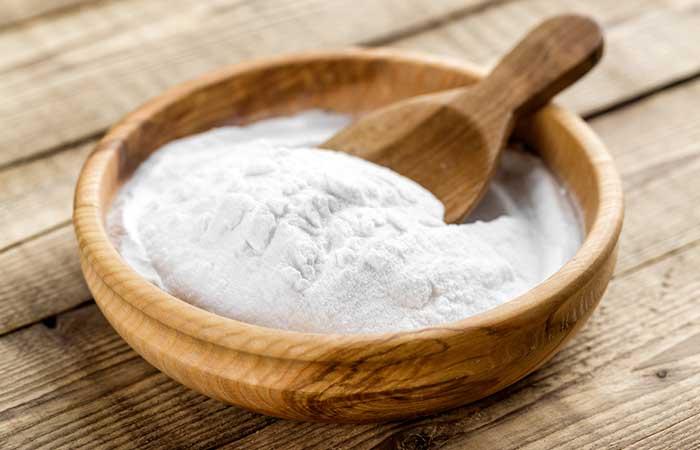
Baking Soda
Serum Creatinine; Normal Value, Symptom, Treatments
  1. Add half a teaspoon of baking soda to a glass of warm water and mix well.
  2. Consume this.
How Often You Should Do This

You must drink this solution once daily.

Lemon Essential OilSerum Creatinine; Normal Value, Symptom, Treatments

  1. Add two drops of lemon essential oil to a glass of water.
  2. Mix well and consume it.
How Often You Should Do This

Consume this mixture twice daily.

Chamomile TeaSerum Creatinine; Normal Value, Symptom, Treatments

  1. Add chamomile herb to a cup of hot water.
  2. Allow it to steep for at least 10 minutes.
  3. Strain, add a little honey, and consume it.

Guava

Serum Creatinine; Normal Value, Symptom, Treatments

Have a bowl of cut guavas.

How Often You Should Do This

You must eat guavas once daily.

 OnionsSerum Creatinine; Normal Value, Symptom, Treatments

Add half an onion to your salads or daily diet.

How Often You Should Do This

You must do this daily.

Papaya

Serum Creatinine; Normal Value, Symptom, Treatments

Have freshly cut papayas or blend them with a little water and consume the juice.

How Often You Should Do This

Do this once daily.

ParsleySerum Creatinine; Normal Value, Symptom, Treatments

  1. Add a handful of parsley to water.
  2. Bring this to a boil in a saucepan and simmer for 5 minutes.
  3. Strain and allow the parsley tea to cool a bit.
How Often You Should Do This

Have 2 cups of parsley tea daily.

Vitamins

Serum Creatinine; Normal Value, Symptom, Treatments

 Vitamin C is one of the most significant vitamins that can help in lowering high creatinine levels. This is mainly due to its antioxidant properties, which help in detoxification of the kidneys.

References

Patient safety assistant

Check your symptom safely

Hi, I am RX Symptom Navigator. I can help you understand what to read next and what warning signs need care.
Warning: Do not use this in emergencies, pregnancy, severe illness, or as a substitute for a doctor. For children or teens, use with a parent/guardian and clinician.
A rural-friendly guide: warning signs, when to see a doctor, related articles, tests to discuss, and OTC safety education.
1 Symptom 2 Severity 3 Safe guidance
First safety question

Is there chest pain, breathing trouble, fainting, confusion, severe bleeding, stroke-like weakness, severe injury, or pregnancy danger sign?

Choose quickly

Browse by body area
Start here: Write or select a symptom. The guide will show warning signs, doctor guidance, diagnostic tests to discuss, OTC safety education, and related RX articles.

Important: This tool is educational only. It cannot diagnose, treat, or replace a doctor. OTC information is not a prescription. In an emergency, contact local emergency services or go to the nearest hospital.

Doctor visit helper

Prepare before seeing a doctor

A simple rural-patient checklist to help you explain symptoms clearly, ask better questions, and avoid unsafe self-treatment.

Safety note: This is not a prescription or diagnosis. For severe symptoms, pregnancy danger signs, children with serious illness, chest pain, breathing difficulty, stroke-like weakness, or major injury, seek urgent care.

Which doctor may help?

Start with a registered doctor or the nearest qualified health center.

What to tell the doctor

  • Write when the problem started and how it changed.
  • Bring old prescriptions, investigation reports, and current medicines.
  • Write allergies, pregnancy status, diabetes, kidney/liver disease, and major past illnesses.
  • Bring one family member if the patient is weak, elderly, confused, or a child.

Questions to ask

  • What is the most likely cause of my symptoms?
  • Which danger signs mean I should go to hospital quickly?
  • Which tests are necessary now, and which can wait?
  • How should I take medicines safely and what side effects should I watch for?
  • When should I come for follow-up?

Tests to discuss

  • Vital signs: temperature, pulse, blood pressure, oxygen saturation
  • Basic physical examination by a clinician
  • CBC, urine test, blood sugar, or imaging only when clinically needed

Avoid these mistakes

  • Do not use antibiotics, steroid tablets/injections, or strong painkillers without proper medical advice.
  • Do not hide pregnancy, kidney disease, ulcer, allergy, or blood thinner use.
  • Do not delay emergency care when danger signs are present.

Medicine safety and first-aid guide

This section is for patient education only. It does not replace a doctor, pharmacist, or emergency care.

Safe first steps

  • Drink safe fluids and monitor temperature.
  • In dengue-prone areas, discuss CBC and platelet count when fever persists or warning signs appear.
  • Use tepid sponging for high fever discomfort; avoid ice-cold bathing.

OTC medicine safety

  • For fever, common fever medicine may be discussed with a clinician or pharmacist.
  • Avoid aspirin/ibuprofen-like medicines in suspected dengue unless a doctor says it is safe.

Avoid these mistakes

  • Do not start antibiotics without a proper medical decision.
  • Do not use steroid tablets or injections casually for quick relief.
  • Do not delay emergency care because of home remedies.

Get urgent help if

  • Fever with breathing difficulty, confusion, repeated vomiting, bleeding, severe weakness, stiff neck, or dehydration needs urgent care.
Medicine names, dose, and timing must be decided by a qualified clinician or pharmacist after checking age, pregnancy, allergy, other diseases, and current medicines.

For rural patients and family caregivers

Patient health record and symptom diary

Write your symptoms, medicines already taken, test results, and questions before visiting a doctor. This note stays on your device unless you print or copy it.

Doctor to discuss: Medicine doctor / pediatrician for children / qualified clinician
Tests to discuss with doctor
  • Temperature chart and hydration assessment
  • CBC with platelet count if fever persists or dengue/other infection is possible
  • Urine test, malaria/dengue tests, chest evaluation, or blood culture only when clinically indicated
Questions to ask
  • What is the most likely cause of my symptoms?
  • Which warning signs mean I should go to emergency care?
  • Which tests are really needed now?
  • Which medicines are safe for my age, pregnancy status, allergy, kidney/liver/stomach condition, and current medicines?
  • Do I need antibiotics, or is this more likely viral?

Emergency warning signs such as chest pain, severe breathing difficulty, sudden weakness, confusion, severe dehydration, major injury, or loss of bladder/bowel control need urgent medical care. Do not wait for online information.

Safe pathway to proper treatment

Fever care roadmap

Use this simple roadmap to understand the next safe steps. It is educational and does not replace examination by a doctor.

Go to emergency care if you notice:
  • Very drowsy/confused, severe breathing difficulty, stiff neck, seizure, severe dehydration, or persistent vomiting
  • Bleeding, severe abdominal pain, very low urine, or dengue warning signs during fever season
Doctor / service to discuss: Medicine doctor, pediatrician for children, or qualified clinician.
  1. Step 1

    Check danger signs first

    If danger signs are present, seek emergency care and do not wait for online information.

  2. Step 2

    Record the symptom story

    Write when symptoms started, severity, medicines already taken, allergies, pregnancy status, and test results.

  3. Step 3

    Visit a qualified clinician

    A doctor, nurse, or qualified healthcare provider can examine you and decide which tests or treatment are needed.

  4. Step 4

    Do only useful tests

    Discuss temperature chart, hydration, CBC with platelet count when needed, urine test, dengue/malaria testing, or other tests based on local disease risk and examination.

  5. Step 5

    Follow up and return early if worse

    If symptoms worsen, new warning signs appear, or treatment is not helping, return for review quickly.

Rural patient practical tips
  • Take a written symptom diary and all previous prescriptions/test reports.
  • Do not hide medicines already taken, even herbal or over-the-counter medicines.
  • Ask which warning signs mean urgent referral to hospital.
  • Do not start antibiotics blindly for every fever; many fevers are viral and need correct assessment.

This roadmap is for education. A real diagnosis and treatment plan requires history, examination, and clinical judgment.

RX Patient Help

Ask a health question safely

Write your symptom story. A health professional or site editor can review it before any answer is prepared. This box is not for emergency care.

Emergency first: Severe chest pain, breathing trouble, unconsciousness, stroke signs, severe injury, heavy bleeding, or rapidly worsening symptoms need urgent local medical care now.

Frequently Asked Questions

Is this article a replacement for a doctor?

No. It is educational content only. Patients should consult a qualified clinician for diagnosis and treatment.

When should I seek urgent care?

Seek urgent care for severe symptoms, rapidly worsening condition, breathing difficulty, severe pain, neurological changes, or any emergency warning sign.

References

Add references, clinical guidelines, textbooks, journal articles, or trusted medical sources here. You can edit this area from the RX Article Professional Blocks panel.