Knee Pit – Nerve Supply, Muscle Attachment, Functions

Patient Tools

Read, save, and share this guide

Use these quick tools to make this medical article easier to read, print, save, or share with a family member.

Article Summary

Knee Pit/The popliteal fossa (sometimes referred to as the hough or Knee Pit in analogy to the armpit) is a shallow depression located at the back of the knee joint. The bones of the popliteal fossa are the femur and the tibia. Like other flexion surfaces of large joints (groin, armpit, cubital fossa, and essentially the anterior part of the neck), it is an area where blood vessels and nerves pass relatively superficially, and with an increased number of lymph...

Key Takeaways

  • This article explains Muscles of Knee Pit in simple medical language.
  • This article explains Blood Supply and Lymphatics of Knee Pit in simple medical language.
  • This article explains Nerves of Knee Pit in simple medical language.
Educational health guideWritten for patient understanding and clinical awareness.
Reviewed content workflowUse writer and reviewer profiles for stronger trust.
Emergency safety firstUrgent warning signs are highlighted below.

Seek urgent medical care if you notice

These warning signs are general safety guidance. Local emergency numbers and clinical judgment should always come first.

  • Severe symptoms, breathing difficulty, fainting, confusion, or rapidly worsening illness.
  • New weakness, severe pain, high fever, or symptoms after a serious injury.
  • Any symptom that feels urgent, unusual, or unsafe for the patient.
1

Emergency now

Use emergency care for severe, sudden, rapidly worsening, or life-threatening symptoms.

2

See a doctor

Book a professional medical evaluation if symptoms persist, worsen, recur often, affect daily activities, or occur in a high-risk patient.

3

Learn safely

Use this article to understand possible causes, tests, treatment options, prevention, and questions to ask your clinician.

Knee Pit/The popliteal fossa (sometimes referred to as the hough or Knee Pit in analogy to the armpit) is a shallow depression located at the back of the knee joint. The bones of the popliteal fossa are the femur and the tibia. Like other flexion surfaces of large joints (groin, armpit, cubital fossa, and essentially the anterior part of the neck), it is an area where blood vessels and nerves pass relatively superficially, and with an increased number of lymph nodes.

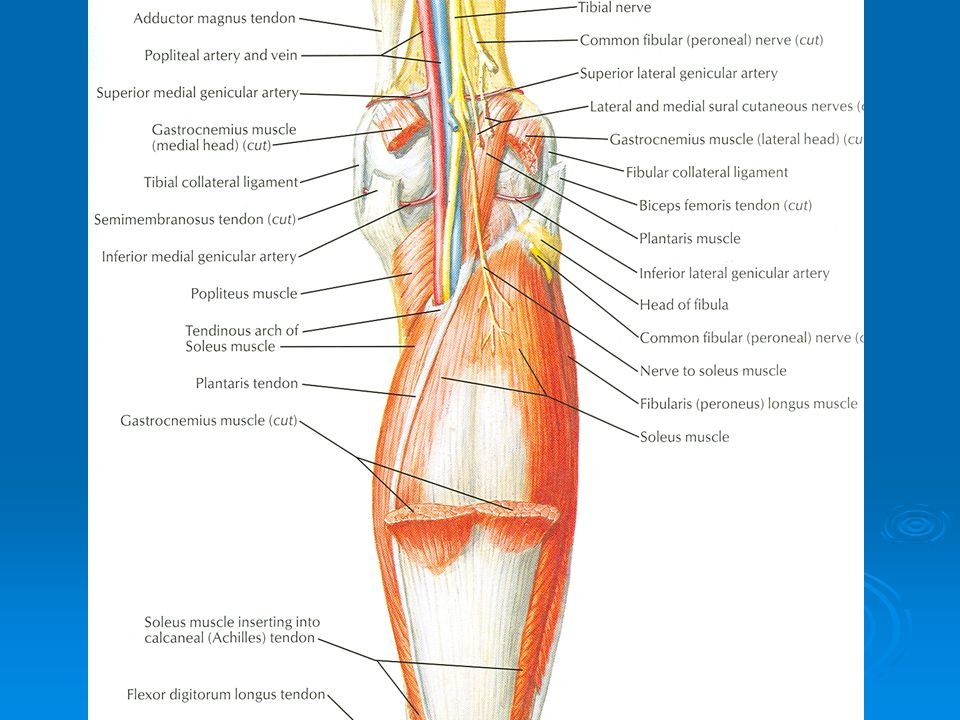
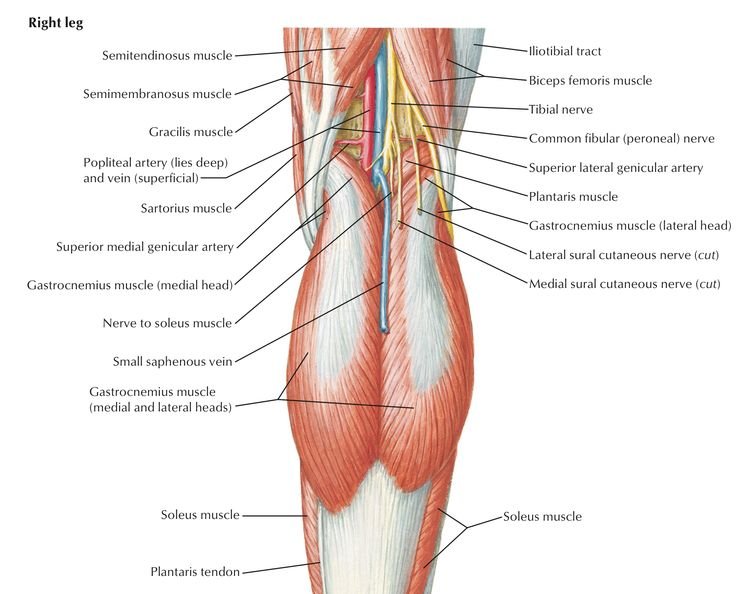
The popliteal fossa is a shallow depression located posterior to the knee joint. This area is often referred to as the knee “pit” and may develop vascular, nervous, lymphatic, and adipose tissues as well as swelling and masses. The fossa houses several important structures that are essential for lower extremity function.
Knee Pit - Nerve Supply, Muscle Attachment, Functions

Anatomic boundaries of the popliteal fossa include the following

  • Superomedially, the semimembranosus, and semitendinosus muscles
  • Superolaterally, the biceps femoris muscle (short and long heads)
  • Inferomedial and inferolateral, the medial and lateral heads of the gastrocnemius muscle contribute to the lower border, respectively.
  • The plantaris muscle also runs deep to the gastrocnemius to form the inferolateral border.
  • The roof of the fossa, proceeding from most superficial to deep, consists of the skin, superficial fascia, and deep (popliteal) fascia.
  • The popliteal surface of the femur, a capsule of the knee joint, popliteal ligament, and fascia encasing the popliteus muscle form the floor.

Muscles of Knee Pit

The musculoskeletal structures found in the popliteal fossa form its boundaries. The fossa has the shape of a rhombus or diamond and is made up of the following musculoskeletal structures.

  • Superomedial – The semimembranosus and semitendinosus muscles from the superomedial aspect of the fossa. The semimembranosus is the most medial of the hamstring muscles and functions to extend the hip and flex the knee as well as assist in medial rotation of the knee. The semitendinosus muscle is superficial to the semimembranosus and is the middle of the three hamstring muscles. Not surprisingly, it gets its name because of the long tendinous nature of its structure and assists in the same mechanism as the semimembranosus muscle.
  • Superolateral – The biceps femoris forms the superolateral portion of the popliteal fossa and has two functioning heads. The long head is part of the hamstring muscles while the short head is not included in this description. Both structures participate in knee flexion, while the long head additionally assists in hip extension.
  • Inferomedial – The medial head of the gastrocnemius forms the anteromedial border of the fossa. It assists the lower leg in plantar flexion at the ankle and knee flexion when contracted.  Along with the lateral head of the gastrocnemius and soleus, it forms the entire calf muscle.
  • Inferolateral – The lateral head of the gastrocnemius and the plantaris muscle forms the inferolateral border of the popliteal fossa. Both contribute to plantarflexion of the ankle. The lateral gastrocnemius head also contributes to knee flexion. The plantaris muscle is notably the longest tendon in the body and is not found in every human being.

Knee Pit - Nerve Supply, Muscle Attachment, Functions

Blood Supply and Lymphatics of Knee Pit

The popliteal artery is the primary vascular supply in the region of the knee and lower leg. Muscle aerobic activity improves the function of the artery: its endothelium, its ramifications, its elasticity, and the ability to transport oxygen and nutrients useful to the target tissues.

The popliteal vein runs posterior to the popliteal artery and receives blood from multiple tributaries.

  • Superior geniculate arteries – the knee joint, distal femur and muscles of the medial and lateral knee.
  • Sural arteries–structures within the popliteal fossa and gastrocnemius, soleus and plantaris
  • Middle genicular artery–cruciate ligaments and synovial membrane of the knee
  • Inferior geniculate arteries–knee joint, muscles of the medial and lateral knee, and proximal tibia
  • Genicular veins
  • Sural veins
  • Small saphenous vein
  • Anterior tibial vein
  • Posterior tibial vein
  • Peroneal veins

Popliteal lymph nodes can be found throughout the popliteal fossa, closely associated with the popliteal vessels.  These nodes drain into the deep inguinal lymph nodes.

Nerves of Knee Pit

The regulation of the function of the artery is via a proper balance between the sympathetic and parasympathetic fibers.

The integration of afferent information from the popliteal artery (shear stress, compression from external tissues, stretching, etc.,) undergoes interpretation in the central nervous system, which collaborates the autonomic system to manage the arterial function.

Common fibular nerve (posterior view)

The popliteal fossa is 2.5 cm wide and mainly consists of fat tissue. There are many important neurovascular structures, however, which pass through the fossa. The nerves are the most superficial of these structures and include:

  • Tibial
  • Common fibular
  • Sural
  • Posterior femoral cutaneous

Tibial nerve

The sciatic nerve bifurcates into the tibial and common fibular nerves at the superior angle of the popliteal fossa. The larger medial branch, the tibial nerve, passes through the fossa inferiorly, before it exits deep to the plantar muscle and enters the posterior compartment of the leg. While in the fossa, the tibial nerve and its branches supply the soleus, gastrocnemius, plantaris, and popliteus muscles. One of its branches, the medial sural cutaneous nerve, joins with the sural communicating branch of the common fibular nerve to form the sural nerve.

Common fibular nerve

The other branch of the sciatic nerve, the common fibular nerve, traverses the fossa close to the medial border of the biceps femoris muscle before it exits the fossa superficial to the lateral head of the gastrocnemius muscle. It then crosses the posterior aspect of the head of the fibula before it winds around the neck of the fibula and divides into its terminal branches.

Borders and Boundary of Knee Pit

The popliteal fossa is diamond-shaped with four borders. These borders are formed by the muscles in the posterior compartment of the leg and thigh:

  • Superomedial border – semimembranosus.
  • Superolateral border – biceps femoris.
  • Inferomedial border – medial head of the gastrocnemius.
  • Inferolateral border – lateral head of the gastrocnemius and plantaris.

The floor of the popliteal fossa is formed by the posterior surface of the knee joint capsule, popliteus muscle and posterior femur. The roof is made of up two layers: popliteal fascia and skin. The popliteal fascia is continuous with the fascia lata of the leg.

Contents

  • Fat
  • Popliteal artery – deepest, gives off genicular branches
  • A popliteal vein – in between the artery and tibial nerve
  • The tibial nerve – most superficial, giving off the sural nerve which descends to pierce the roof
  • Common fibular (peroneal) nerve – runs along the lateral border, giving off a communicating sural nerve which descends to pierce the roof in the lateral fossa and join the sural nerve
  • Posterior femoral cutaneous nerve – descends and pierces the roof
  • Small saphenous vein – ascends and pierces the roof to enter the popliteal vein in the lower half of the fossa
  • Popliteal lymph nodes

References

Patient safety assistant

Check your symptom safely

Hi, I am RX Symptom Navigator. I can help you understand what to read next and what warning signs need care.
Warning: Do not use this in emergencies, pregnancy, severe illness, or as a substitute for a doctor. For children or teens, use with a parent/guardian and clinician.
A rural-friendly guide: warning signs, when to see a doctor, related articles, tests to discuss, and OTC safety education.
1 Symptom 2 Severity 3 Safe guidance
First safety question

Is there chest pain, breathing trouble, fainting, confusion, severe bleeding, stroke-like weakness, severe injury, or pregnancy danger sign?

Choose quickly

Browse by body area
Start here: Write or select a symptom. The guide will show warning signs, doctor guidance, diagnostic tests to discuss, OTC safety education, and related RX articles.

Important: This tool is educational only. It cannot diagnose, treat, or replace a doctor. OTC information is not a prescription. In an emergency, contact local emergency services or go to the nearest hospital.

Doctor visit helper

Prepare before seeing a doctor

A simple rural-patient checklist to help you explain symptoms clearly, ask better questions, and avoid unsafe self-treatment.

Safety note: This is not a prescription or diagnosis. For severe symptoms, pregnancy danger signs, children with serious illness, chest pain, breathing difficulty, stroke-like weakness, or major injury, seek urgent care.

Which doctor may help?

Orthopedic doctor, rheumatologist, or physiotherapist depending on cause.

What to tell the doctor

  • Write which joints hurt, swelling, morning stiffness duration, fever, injury, and walking difficulty.
  • Bring X-ray, uric acid, ESR/CRP, rheumatoid factor, or previous reports if available.

Questions to ask

  • Is this injury, osteoarthritis, rheumatoid arthritis, gout, infection, or another cause?
  • Which exercises, supports, or lifestyle changes are safe?
  • Do I need blood tests or X-ray?

Tests to discuss

  • Joint examination and range of motion
  • X-ray when chronic arthritis or injury is suspected
  • ESR/CRP, uric acid, rheumatoid tests when inflammatory arthritis is suspected

Avoid these mistakes

  • Do not ignore hot swollen joint with fever.
  • Avoid repeated steroid injections/tablets without a clear diagnosis and follow-up.

Medicine safety and first-aid guide

This section is for patient education only. It does not replace a doctor, pharmacist, or emergency care.

Safe first steps

  • Rest, drink safe water, and observe symptoms carefully.
  • Keep a written note of symptoms, duration, temperature, medicines already taken, and allergy history.
  • Seek medical care quickly if symptoms are severe, worsening, or unusual for the patient.

OTC medicine safety

  • For mild pain or fever, ask a registered pharmacist or doctor before using common over-the-counter pain/fever medicines.
  • Do not combine multiple pain medicines without advice, especially if you have kidney disease, liver disease, stomach ulcer, asthma, pregnancy, or take blood thinners.
  • Do not give adult medicines to children unless a qualified clinician advises it.

Avoid these mistakes

  • Do not start antibiotics without a proper medical decision.
  • Do not use steroid tablets or injections casually for quick relief.
  • Do not delay emergency care because of home remedies.

Get urgent help if

  • Severe symptoms, confusion, fainting, breathing difficulty, chest pain, severe dehydration, or sudden weakness need urgent medical care.
Medicine names, dose, and timing must be decided by a qualified clinician or pharmacist after checking age, pregnancy, allergy, other diseases, and current medicines.

For rural patients and family caregivers

Patient health record and symptom diary

Write your symptoms, medicines already taken, test results, and questions before visiting a doctor. This note stays on your device unless you print or copy it.

Doctor to discuss: Doctor / qualified healthcare provider
Tests to discuss with doctor
  • Basic vital signs: temperature, pulse, blood pressure, oxygen level if needed
  • Relevant blood, urine, imaging, or specialist tests only after clinical assessment
Questions to ask
  • What is the most likely cause of my symptoms?
  • Which warning signs mean I should go to emergency care?
  • Which tests are really needed now?
  • Which medicines are safe for my age, pregnancy status, allergy, kidney/liver/stomach condition, and current medicines?

Emergency warning signs such as chest pain, severe breathing difficulty, sudden weakness, confusion, severe dehydration, major injury, or loss of bladder/bowel control need urgent medical care. Do not wait for online information.

Safe pathway to proper treatment

Patient care roadmap

Use this simple roadmap to understand the next safe steps. It is educational and does not replace examination by a doctor.

Go to emergency care if you notice:
  • Severe or rapidly worsening symptoms
  • Breathing difficulty, chest pain, fainting, confusion, severe weakness, major injury, or severe dehydration
Doctor / service to discuss: Qualified healthcare provider; specialist depends on symptoms and examination.
  1. Step 1

    Check danger signs first

    If danger signs are present, seek emergency care and do not wait for online information.

  2. Step 2

    Record the symptom story

    Write when symptoms started, severity, medicines already taken, allergies, pregnancy status, and test results.

  3. Step 3

    Visit a qualified clinician

    A doctor, nurse, or qualified healthcare provider can examine you and decide which tests or treatment are needed.

  4. Step 4

    Do only useful tests

    Do tests after clinical assessment. Avoid unnecessary tests, random antibiotics, or repeated medicines without diagnosis.

  5. Step 5

    Follow up and return early if worse

    If symptoms worsen, new warning signs appear, or treatment is not helping, return for review quickly.

Rural patient practical tips
  • Take a written symptom diary and all previous prescriptions/test reports.
  • Do not hide medicines already taken, even herbal or over-the-counter medicines.
  • Ask which warning signs mean urgent referral to hospital.

This roadmap is for education. A real diagnosis and treatment plan requires history, examination, and clinical judgment.

RX Patient Help

Ask a health question safely

Write your symptom story. A health professional or site editor can review it before any answer is prepared. This box is not for emergency care.

Emergency first: Severe chest pain, breathing trouble, unconsciousness, stroke signs, severe injury, heavy bleeding, or rapidly worsening symptoms need urgent local medical care now.

Frequently Asked Questions

Is this article a replacement for a doctor?

No. It is educational content only. Patients should consult a qualified clinician for diagnosis and treatment.

When should I seek urgent care?

Seek urgent care for severe symptoms, rapidly worsening condition, breathing difficulty, severe pain, neurological changes, or any emergency warning sign.

References

Add references, clinical guidelines, textbooks, journal articles, or trusted medical sources here. You can edit this area from the RX Article Professional Blocks panel.