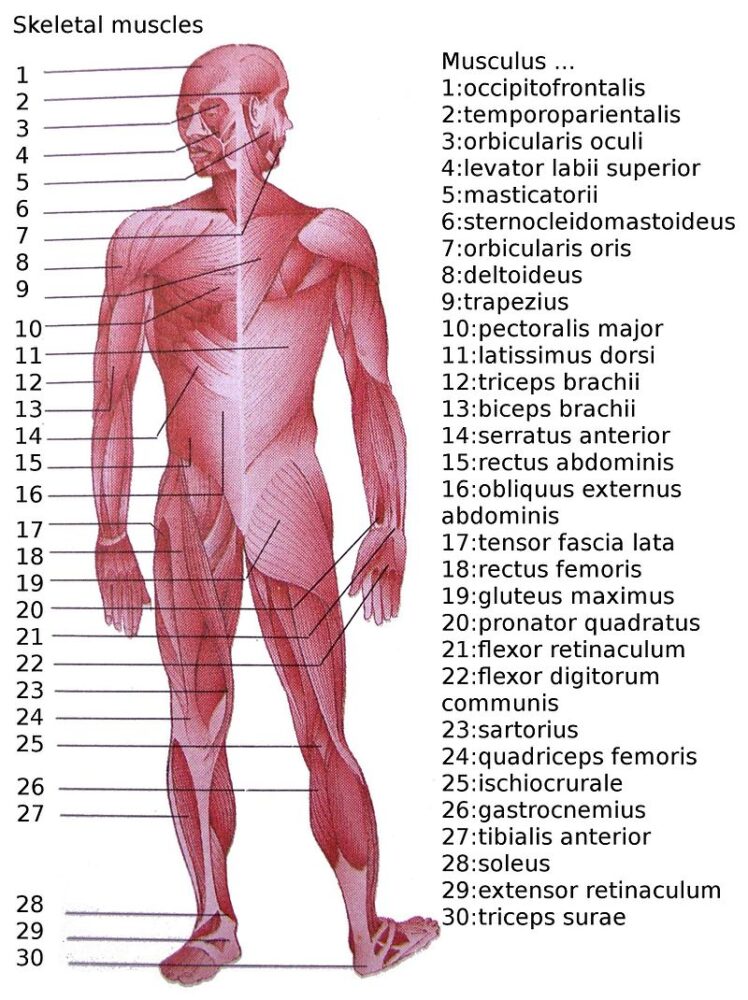
A coccygeus muscle infection is a condition in which the coccygeus muscle—a key part of the pelvic floor—is invaded by bacteria (or, in rare cases, fungi or other organisms). This infection causes inflammation, pain, and sometimes swelling in the area around your tailbone and lower back. Although infections in this muscle are uncommon, they can lead to significant discomfort and impact your daily activities.
Anatomy and Pathophysiology
Understanding the coccygeus muscle’s anatomy helps explain how an infection can affect your health.
Structure
- Location: The coccygeus muscle lies deep in your pelvic area, extending from the lower back (pelvic bones) to the tailbone (coccyx).
- Attachments: It connects the ischial spine (a part of the pelvic bone) to the coccyx, forming a portion of your pelvic floor.
Blood Supply
- Vascular Support: The muscle receives blood from branches of the internal iliac artery. This blood flow is vital for muscle health, healing, and fighting infections by delivering immune cells to the area.
Nerve Supply
- Innervation: Nerves from the sacral plexus supply the coccygeus muscle. These nerves control muscle movements and transmit pain or discomfort signals to your brain when the muscle is inflamed or injured.
Functions
- Support: It helps hold the pelvic organs (like the bladder and, in women, the uterus) in place.
- Stability: The muscle contributes to the stability of your lower back and tailbone region.
- Movement: It assists in controlled movements, such as sitting, standing, and even during childbirth.
An infection in the coccygeus muscle disrupts these functions, leading to localized pain and sometimes affecting nearby nerves and tissues.
Types of Coccygeus Muscle Infection
Infections in the coccygeus muscle can vary based on their cause, duration, and severity. Possible types include:
- Acute Bacterial Infection: A sudden onset, often following trauma or an invasive procedure.
- Chronic Infection: A long-lasting infection that may be difficult to resolve and might lead to recurring symptoms.
- Abscess Formation: A pocket of pus develops in the muscle due to a severe infection.
- Post-Surgical Infection: Occurs after pelvic surgeries where the muscle may be exposed to contaminants.
- Contiguous Spread: Infection spreading from nearby areas (e.g., a pilonidal cyst or anal abscess) into the coccygeus muscle.
- Fungal Infection: Rare cases where fungal organisms invade the muscle, usually in individuals with weakened immune systems.
Causes of Coccygeus Muscle Infection
Here are twenty potential causes that might lead to an infection in the coccygeus muscle:
- Direct Trauma: A fall or blow to the tailbone can damage tissue and allow bacteria to enter.
- Pelvic Surgery: Invasive procedures can inadvertently introduce bacteria.
- Injection or Needle Injury: Unsterile injections near the pelvic area.
- Childbirth-Related Trauma: Injury during delivery may cause tissue damage.
- Poor Postpartum Hygiene: Inadequate care after childbirth can lead to infection.
- Pelvic Inflammatory Disease (PID): Infection in adjacent organs may spread to the muscle.
- Abscess from Nearby Tissues: Infection from a nearby abscess can extend into the coccygeus muscle.
- Skin Infections: Bacterial infections on the skin can invade deeper tissues.
- Contaminated Medical Instruments: Use of unsterile equipment during procedures.
- Compromised Immune System: Conditions such as diabetes or HIV can increase infection risk.
- Chronic Inflammation: Long-term inflammation weakens tissues and makes them more susceptible.
- Repetitive Microtrauma: Repeated minor injuries (from prolonged sitting or heavy lifting) that compromise muscle integrity.
- Poor Posture: Consistent strain on the pelvic area may lead to minor injuries and infection.
- Obesity: Extra weight can stress the pelvic muscles and impair circulation.
- Smoking: Reduces blood flow and impairs healing, making infections more likely.
- Inadequate Wound Care: Poor care of cuts or abrasions near the tailbone.
- Fungal Contamination: In rare cases, fungal organisms may cause an infection in immunocompromised patients.
- Viral Infections: Though very rare, some viral infections can predispose muscle tissues to secondary bacterial infection.
- Invasion from Anal Fistulas: Infections near the anal region can spread to the coccygeus muscle.
- Contaminated Tattoos or Piercings: Procedures near the pelvic region that are not performed under sterile conditions.
Symptoms of Coccygeus Muscle Infection
Recognizing the symptoms early can help you seek timely treatment. Here are twenty possible symptoms:
- Severe Tailbone Pain: Persistent or worsening pain around the coccyx.
- Localized Swelling: Noticeable swelling near the tailbone.
- Redness and Warmth: The infected area may appear red and feel warm.
- Fever: Elevated body temperature as the body fights the infection.
- Chills: Shivering or feeling cold despite a fever.
- General Malaise: A feeling of overall unwellness.
- Difficulty Sitting: Increased pain when sitting for long periods.
- Pain When Standing: Discomfort while rising from a seated position.
- Lower Back Pain: Pain that may extend into the lower back.
- Pain During Bowel Movements: Discomfort when passing stool.
- Tenderness: Pain when the area is touched or pressed.
- Muscle Stiffness: Reduced flexibility in the pelvic area.
- Numbness or Tingling: Abnormal sensations due to nerve involvement.
- Muscle Spasms: Sudden, involuntary contractions in the pelvic floor.
- Fatigue: Feeling unusually tired or weak.
- Foul-Smelling Discharge: May occur if an abscess has formed.
- Increased Heart Rate: A faster pulse as the body responds to infection.
- Loss of Appetite: Not feeling hungry due to systemic illness.
- Localized Warmth: A constant feeling of heat in the infected area.
- Pain Radiating to the Buttocks: The discomfort can extend into adjacent areas.
Diagnostic Tests for Coccygeus Muscle Infection
Accurate diagnosis involves a range of tests and examinations. Doctors may use the following methods:
- Physical Examination: A detailed manual check of the pelvic area.
- Medical History Review: Understanding past injuries, surgeries, or infections.
- Palpation: Pressing on the area to identify tenderness.
- Complete Blood Count (CBC): To check for signs of infection like an increased white blood cell count.
- C-Reactive Protein (CRP) Test: Measures the level of inflammation.
- Erythrocyte Sedimentation Rate (ESR): Another test for inflammation.
- X-Ray: Imaging to rule out bone injury or abnormalities.
- Ultrasound: To visualize soft tissue and detect any abscess.
- Magnetic Resonance Imaging (MRI): Provides detailed images of soft tissue structures.
- Computed Tomography (CT) Scan: Helps in identifying deeper infections.
- Bone Scan: Used when there is suspicion of bone involvement.
- Wound Culture: A swab of any discharge to identify bacteria.
- Tissue Biopsy: Sampling tissue if deeper infection is suspected.
- Pelvic Examination: Direct assessment of the pelvic region.
- Doppler Ultrasound: Evaluates blood flow and helps identify inflammation.
- Polymerase Chain Reaction (PCR): Identifies specific bacteria or pathogens.
- Serological Tests: To check for antibodies indicating infection.
- Electromyography (EMG): Measures muscle electrical activity if nerve involvement is suspected.
- Nerve Conduction Studies: Assesses the nerves in the affected area.
- Endoscopic Examination: In some cases, to inspect internal pelvic structures.
Non-Pharmacological Treatments
Before or along with medications, many patients benefit from non-drug approaches. Here are thirty options:
- Bed Rest: Allowing the body time to heal.
- Warm Compresses: Apply heat to reduce muscle tension and improve blood flow.
- Cold Compresses: Use ice packs to decrease swelling and numb pain.
- Physical Therapy: Guided exercises to support healing and strengthen surrounding muscles.
- Gentle Pelvic Floor Exercises: To maintain muscle tone without causing further injury.
- Sitz Baths: Sitting in warm water to ease discomfort and promote cleanliness.
- Massage Therapy: Light, therapeutic massage to reduce muscle stiffness.
- Good Hygiene Practices: Keeping the area clean to prevent further infection.
- Sterile Wound Care: Cleaning and dressing any open areas properly.
- Proper Posture Training: Learning to sit and stand to minimize pelvic strain.
- Ergonomic Seating: Using supportive cushions to reduce pressure on the tailbone.
- Hydrotherapy: Gentle water exercises to aid in recovery.
- Biofeedback: Techniques to help control muscle tension.
- Acupuncture: Inserting fine needles to relieve pain and promote healing.
- Trigger Point Therapy: Targeted pressure to relieve tight muscle areas.
- Lifestyle Modification: Reducing activities that strain the pelvic muscles.
- Stress Reduction Techniques: Meditation or deep breathing exercises to lower overall stress.
- Nutritional Support: Eating a balanced diet rich in vitamins and minerals to support healing.
- Adequate Hydration: Drinking plenty of water to help the body function optimally.
- Yoga (Gentle Forms): Low-impact stretching to maintain flexibility.
- Pilates (Modified): Exercises that strengthen the core and pelvic region.
- Avoiding Prolonged Sitting: Taking regular breaks to move and stretch.
- Custom Exercise Programs: Tailored plans from a physiotherapist.
- Weight Management: Maintaining a healthy weight to reduce pressure on the pelvic floor.
- Smoking Cessation: Avoiding tobacco to improve blood flow and healing.
- Proper Wound Care Education: Learning how to care for any pelvic injuries.
- Use of Antiseptic Washes: To cleanse the area without irritating the skin.
- Mindfulness Practices: To help recognize and reduce tension in the body.
- Avoiding Heavy Lifting: Modifying activities that could worsen the injury.
- Environmental Adjustments: Creating a calm, healing space at home.
Drugs Commonly Used for Coccygeus Muscle Infection
Drug therapy for a coccygeus muscle infection often focuses on fighting the infection and relieving pain. Common medications include:
- Amoxicillin/Clavulanate: A broad-spectrum antibiotic to fight bacterial infections.
- Cephalexin: A first-generation cephalosporin effective against many skin bacteria.
- Clindamycin: Useful for infections caused by resistant bacteria.
- Metronidazole: Targets anaerobic bacteria that may be involved in deep tissue infections.
- Ciprofloxacin: A fluoroquinolone used in various soft tissue infections.
- Doxycycline: Effective against a wide range of bacteria.
- Trimethoprim-Sulfamethoxazole: A combination antibiotic for various bacterial infections.
- Vancomycin: Often used if methicillin-resistant Staphylococcus aureus (MRSA) is suspected.
- Linezolid: An antibiotic option for resistant bacterial strains.
- Azithromycin: A macrolide antibiotic that can be used in certain cases.
- Ceftriaxone: A broad-spectrum injectable antibiotic.
- Levofloxacin: Another fluoroquinolone option.
- Moxifloxacin: A fluoroquinolone with broad activity.
- Rifampin: Sometimes used in combination with other antibiotics for persistent infections.
- Ibuprofen: An NSAID to help reduce pain and inflammation.
- Naproxen: Another NSAID for pain relief.
- Acetaminophen: For mild to moderate pain relief.
- Diclofenac: Available in both oral and topical forms to reduce inflammation.
- Corticosteroids (Short Course): May be prescribed to reduce severe inflammation (used with caution in active infections).
- Adjunct Analgesics: Such as pregabalin or gabapentin to manage nerve-related pain symptoms.
Note: Antibiotic choice depends on the suspected organism and local resistance patterns. Always consult a healthcare provider for an accurate prescription and dosage.
Surgical Options for Severe Cases
When infections do not respond to conservative treatment, surgery may be necessary. Surgical interventions might include:
- Incision and Drainage (I&D): Opening the infected area to drain pus or abscess.
- Debridement: Removing dead or infected tissue to promote healing.
- Coccygectomy: In extreme cases, removal of the tailbone may be considered.
- Abscess Drainage: Targeted drainage of a pelvic abscess.
- Excision of Infected Tissue: Removing portions of the muscle that are severely infected.
- Open Surgical Drainage: For infections that cannot be managed by minimally invasive techniques.
- Laparoscopic Drainage: A less invasive approach to drain pelvic infections.
- Reconstruction of Pelvic Floor Tissue: Repairing damage after removal of infected tissue.
- Resection of Necrotic Tissue: Surgically removing tissue that has died from the infection.
- Surgical Stabilization: Procedures that help support the pelvic structure after infection control.
Preventive Measures
Preventing a coccygeus muscle infection is key to maintaining pelvic health. Here are ten preventive strategies:
- Maintain Good Personal Hygiene: Regularly clean the pelvic area to reduce bacteria.
- Practice Proper Wound Care: Ensure that any cuts or abrasions near the tailbone are properly cleaned and dressed.
- Use Sterile Techniques: In medical procedures or injections near the pelvic region.
- Adopt Ergonomic Seating: Use supportive cushions to reduce prolonged pressure on the coccyx.
- Engage in Regular Exercise: Strengthen the pelvic floor and overall core muscles.
- Avoid Prolonged Sitting: Take breaks to stand and move around.
- Manage Chronic Health Conditions: Control diabetes or other conditions that may predispose you to infection.
- Quit Smoking: To improve circulation and healing.
- Follow Post-Surgical Instructions Carefully: After pelvic surgeries, adhere to wound care guidelines.
- Schedule Regular Medical Check-Ups: Early detection of potential problems can prevent infection.
When to See a Doctor
It’s important to know when professional medical advice is needed. You should consult a doctor if you experience:
- Persistent or Worsening Pain: Especially around the tailbone or lower back.
- Fever and Chills: Signs that your body is fighting an infection.
- Localized Redness and Swelling: Particularly if these symptoms continue or worsen.
- Foul-Smelling Discharge: Any unusual discharge from the infected area.
- Difficulty Sitting or Moving: If the pain interferes with daily activities.
- General Malaise or Fatigue: That does not improve with rest.
- New or Unexplained Symptoms: Such as numbness, tingling, or muscle weakness.
Early diagnosis and treatment are key to preventing complications.
Frequently Asked Questions (FAQs)
Below are answers to common questions about coccygeus muscle infection:
1. What is a coccygeus muscle infection?
It is an infection of the pelvic floor muscle located near your tailbone that causes inflammation and pain.
2. How does a coccygeus muscle infection occur?
It can develop from direct trauma, surgical procedures, poor hygiene, or infections spreading from nearby tissues.
3. What are the common symptoms?
Symptoms include severe tailbone pain, swelling, redness, fever, chills, and sometimes difficulty sitting or moving.
4. How is the infection diagnosed?
Doctors use physical examinations, blood tests, imaging studies (like X-ray, ultrasound, MRI), and sometimes tissue cultures or biopsies.
5. What causes this infection?
Possible causes range from direct injury and surgery to poor wound care and underlying conditions that weaken your immune system.
6. How is it treated?
Treatment usually involves antibiotics, pain relievers, and supportive therapies. In severe cases, surgery may be needed.
7. Which antibiotics are most commonly used?
Antibiotics such as amoxicillin/clavulanate, cephalexin, clindamycin, and ciprofloxacin are frequently used depending on the bacteria involved.
8. Are there non-drug treatments available?
Yes. Options include physical therapy, warm/cold compresses, proper hygiene, sitz baths, and lifestyle modifications.
9. Can this infection require surgery?
Surgery is rare but may be necessary for abscess drainage, debridement, or removal of severely infected tissue.
10. What home care can I practice?
Maintain good hygiene, use warm or cold compresses, rest, and avoid activities that worsen the pain.
11. How long does recovery usually take?
Recovery depends on the severity of the infection and the treatment method, ranging from a few weeks to several months.
12. Can the infection spread to other areas?
Yes, if left untreated, the infection can extend to nearby tissues and even the bone.
13. Who is at risk for developing a coccygeus muscle infection?
Individuals with pelvic injuries, recent pelvic surgeries, chronic health conditions, or poor hygiene practices are at higher risk.
14. How can I prevent a coccygeus muscle infection?
Follow preventive measures like proper wound care, maintaining hygiene, and using ergonomic seating, as well as managing underlying health conditions.
15. When should I seek medical help?
If you notice persistent pain, fever, swelling, or any unusual symptoms in the pelvic area, consult your doctor immediately.
Final Thoughts
A coccygeus muscle infection, though rare, can significantly impact your quality of life by causing pain and limiting movement. Understanding the anatomy, causes, symptoms, and available treatments can help you take control of your health. Whether you are managing the condition at home with non-pharmacological methods or under the guidance of your healthcare provider with medications and, in rare cases, surgical interventions, early detection and treatment are vital.
This guide is designed to offer clear, comprehensive information on coccygeus muscle infections in plain English. By following the outlined diagnostic steps, treatment options, and prevention strategies, you can work toward a faster recovery and improved pelvic health.
The article is written by Team Rxharun and reviewed by the Rx Editorial Board Members More details about authors, please visit to Profile rxharun.com Last Update: March 20, 2025.
Rx Editorial Board Member and Team Rxharun’s Writers Links
Disclaimer: Each person’s journey is unique, treatment plan, life style, food habit, hormonal condition, immune system, chronic disease condition, geological location, weather and previous medical history is also unique. So always seek the best advice from a qualified medical professional or health care provider before trying any treatments to ensure to find out the best plan for you. This guide is for general information and educational purposes only. Regular check-ups and awareness can help to manage and prevent complications associated with these diseases conditions. If you or someone are suffering from this disease condition bookmark this website or share with someone who might find it useful! Boost your knowledge and stay ahead in your health journey. We always try to ensure that the content is regularly updated to reflect the latest medical research and treatment options. Thank you for giving your valuable time to read the article.