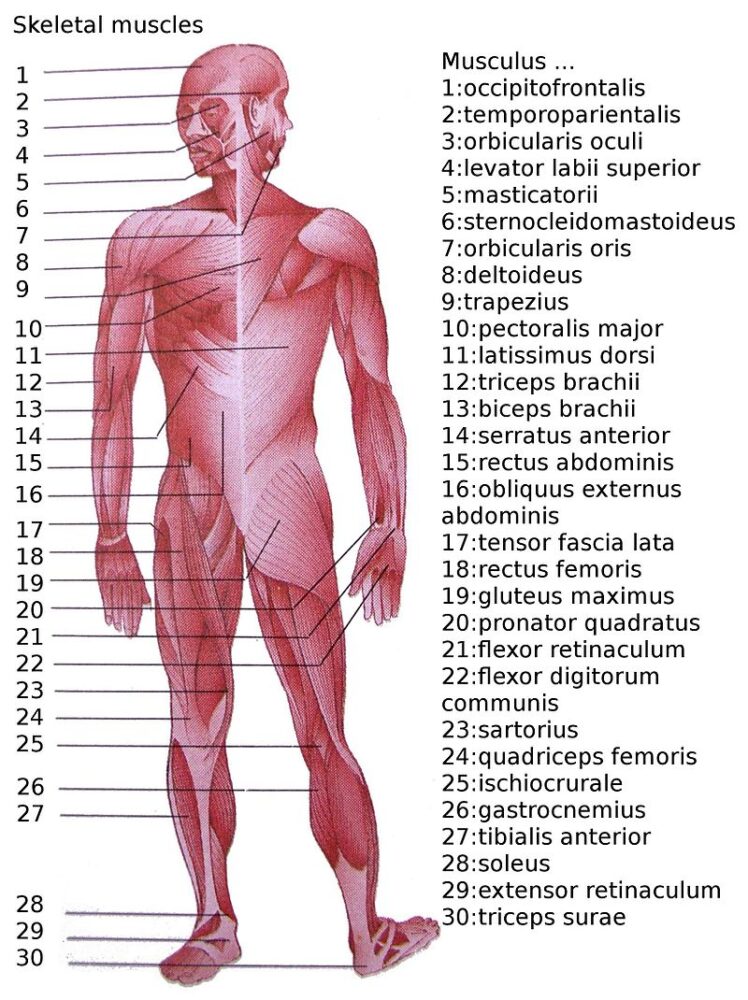
Anococcygeal body hyperplasia is a condition where there is an abnormal increase in the number of cells (hyperplasia) in the anococcygeal body—a structure located between the anus and the coccyx (tailbone). This overgrowth can result in a mass or swelling in that area. Although the condition is rare and not as well known as other disorders, understanding its details can help in early recognition and proper management.
Anatomy and Pathophysiology
Understanding the basics of the anococcygeal region helps explain how hyperplasia can affect the body.
Structure
- Location: The anococcygeal body is found between the anus and the coccyx (tailbone). It is an important anatomical landmark.
- Composition: It contains soft tissues, fibrous connective tissue, and sometimes fatty tissue. This region is supported by ligaments and muscles that help with stability and movement.
- Function: The area supports the lower part of the spine and contributes to the functioning of the pelvic floor. It plays a role in posture, sitting comfort, and even influences bowel movements.
Blood Supply
- Arterial Supply: Small arteries supply blood to the anococcygeal body. These arteries branch off from larger vessels in the pelvic region.
- Venous Drainage: Veins in the area drain blood back to the larger venous system. Good blood supply is vital for tissue health, but changes in the tissue (like hyperplasia) can sometimes alter blood flow.
Nerve Supply
- Sensory Nerves: The area receives sensation from nerves that detect touch, pain, and pressure.
- Autonomic Nerves: Nerves that help regulate functions such as muscle tone and blood flow also supply this region.
- Implications: Any overgrowth or abnormal tissue change may compress or irritate these nerves, potentially causing discomfort or pain.
Functions
- Support: Helps support the lower spine and pelvic region.
- Movement and Stability: Assists in movements like sitting, bending, and walking.
- Sensory Feedback: Provides important sensory information to the brain about the lower body.
Types of Anococcygeal Body Hyperplasia
While the condition is rare and may not have widely classified types, variations may be described based on the following:
- Benign Hyperplasia: Non-cancerous increase in cells that does not spread but may cause local discomfort.
- Localized Hyperplasia: Overgrowth confined to a specific area near the anococcygeal body.
- Diffuse Hyperplasia: More widespread tissue overgrowth involving a larger area of the anococcygeal region.
- Reactive Hyperplasia: Tissue changes that occur in response to injury or chronic irritation.
- Idiopathic Hyperplasia: Hyperplasia with no clear or identifiable cause.
Each type may be further classified by severity (mild, moderate, or severe) based on the amount of tissue overgrowth and the extent of symptoms.
Causes of Anococcygeal Body Hyperplasia
Many factors might trigger or contribute to hyperplasia in the anococcygeal area. Although not every cause is fully understood, here are 20 potential causes:
- Chronic Inflammation: Long-term irritation can stimulate tissue growth.
- Repetitive Trauma: Continuous pressure or minor injuries from prolonged sitting or falls.
- Infections: Recurrent infections in the pelvic region may lead to cellular overgrowth.
- Hormonal Imbalance: Changes in hormone levels can sometimes trigger abnormal cell proliferation.
- Genetic Predisposition: Family history of similar tissue changes may play a role.
- Autoimmune Reactions: The immune system mistakenly stimulating cell growth.
- Local Tissue Stress: Pressure from obesity or heavy lifting.
- Poor Posture: Contributing to chronic pressure on the coccygeal area.
- Anal Fissures or Abscesses: Previous anal conditions that cause local tissue changes.
- Coccyx Injury: Trauma or fractures to the coccyx may lead to compensatory hyperplasia.
- Post-Surgical Changes: Healing after surgery in the anal or coccygeal region.
- Radiation Exposure: Previous radiation therapy can stimulate cell overgrowth.
- Metabolic Disorders: Underlying metabolic conditions affecting tissue repair.
- Fibrosis: Scar tissue formation that triggers further cell proliferation.
- Local Vascular Changes: Abnormal blood flow may contribute to hyperplastic changes.
- Environmental Factors: Exposure to certain chemicals or toxins.
- Nerve Irritation: Persistent nerve stimulation from local abnormalities.
- Congenital Factors: Some individuals may be born with a tendency for such growth.
- Obesity: Excess weight may increase pressure and stress on the area.
- Sedentary Lifestyle: Lack of movement and prolonged sitting can worsen local circulation and tissue health.
Symptoms of Anococcygeal Body Hyperplasia
The symptoms of this condition can vary depending on the size and location of the tissue overgrowth. Here are 20 possible symptoms:
- Localized Pain: Discomfort in the lower back near the tailbone.
- Tenderness: Pain when touching the affected area.
- Swelling: Noticeable lump or mass in the anococcygeal region.
- Redness: Inflammation around the affected tissue.
- Stiffness: Reduced flexibility in the lower back or coccyx.
- Pain When Sitting: Increased discomfort during prolonged sitting.
- Difficulty Bending: Limited range of motion when bending or twisting.
- Numbness: Reduced sensation due to nerve compression.
- Burning Sensation: A feeling of burning pain in the region.
- Pressure Sensation: Feeling as if something is pressing against the area.
- Pain During Bowel Movements: Discomfort related to defecation.
- Localized Warmth: Increased temperature over the hyperplastic area.
- Tenderness to Pressure: Pain when pressure is applied manually.
- Muscle Spasms: Involuntary contractions of nearby muscles.
- Changes in Posture: Altered posture due to pain.
- Fatigue: General tiredness due to chronic pain.
- Irritability: Mood changes from ongoing discomfort.
- Difficulty Walking: Gait disturbances caused by pain.
- Infection Signs: Fever or chills if the overgrowth is infected.
- Visible Lump: A mass that can be seen or felt under the skin.
Diagnostic Tests for Anococcygeal Body Hyperplasia
Doctors may use various tests to diagnose the condition. Below are 20 diagnostic methods:
- Physical Examination: A detailed examination of the coccygeal and anal region.
- Digital Rectal Exam (DRE): Palpation of the area to feel for abnormal tissue.
- Ultrasound Imaging: Non-invasive imaging to view soft tissues.
- Magnetic Resonance Imaging (MRI): Detailed imaging to assess the extent of tissue overgrowth.
- Computed Tomography (CT) Scan: Cross-sectional imaging for a clearer picture.
- X-rays: Imaging to examine the bones and surrounding tissue.
- Biopsy: Sampling tissue for microscopic examination.
- Blood Tests: Checking for markers of inflammation or infection.
- Inflammatory Markers: Testing for elevated C-reactive protein (CRP) or erythrocyte sedimentation rate (ESR).
- Electromyography (EMG): Evaluating nerve and muscle function.
- Nerve Conduction Studies: Assessing nerve function in the region.
- Doppler Ultrasound: Checking blood flow in the local vessels.
- Endoscopic Ultrasound: Combined endoscopy and ultrasound for detailed images.
- Histopathology: Examining tissue under a microscope after biopsy.
- Immunohistochemistry: Testing for specific proteins in the tissue.
- CT Angiography: Detailed study of the blood vessels.
- Digital Image Analysis: Advanced imaging analysis for detailed structure.
- Positron Emission Tomography (PET) Scan: Assessing metabolic activity of the tissue.
- Thermography: Imaging that detects heat changes in tissue.
- Ultrasound Elastography: Measuring tissue stiffness to differentiate hyperplasia from other lesions.
Non-Pharmacological Treatments
Many approaches do not involve drugs to help manage or relieve symptoms associated with anococcygeal body hyperplasia. Here are 30 non-pharmacological treatment options:
- Physical Therapy: Exercises to strengthen and stabilize the pelvic muscles.
- Massage Therapy: Gentle massage to relieve muscle tension.
- Heat Therapy: Warm compresses to reduce discomfort.
- Cold Therapy: Ice packs to decrease swelling.
- Acupuncture: Traditional treatment to relieve pain.
- Chiropractic Care: Manual adjustments to improve alignment.
- Postural Training: Education on correct sitting and standing postures.
- Stretching Exercises: Gentle stretches to improve flexibility.
- Strengthening Exercises: Targeted workouts to support the lower back.
- Pilates: Low-impact exercise focusing on core strength.
- Yoga: Gentle poses to improve flexibility and reduce pain.
- Ergonomic Adjustments: Modifications at work or home to reduce pressure on the coccyx.
- Sitz Baths: Warm baths that help relax the pelvic muscles.
- Behavioral Therapy: Coping strategies to manage chronic pain.
- Weight Management: Diet and exercise to reduce pressure on the lower body.
- Hydrotherapy: Water-based exercises that reduce joint stress.
- TENS Therapy: Transcutaneous electrical nerve stimulation to alleviate pain.
- Mindfulness and Meditation: Stress relief techniques that help manage pain perception.
- Biofeedback: Training to control body functions such as muscle tension.
- Support Cushions: Special cushions to relieve pressure when sitting.
- Proper Lifting Techniques: Guidance to avoid strain on the back.
- Core Stabilization Exercises: To improve overall posture and reduce localized stress.
- Lifestyle Changes: Incorporating regular movement and breaks during prolonged sitting.
- Education on Body Mechanics: Learning how to move safely to prevent injury.
- Customized Exercise Programs: Tailored routines designed by a physiotherapist.
- Post-Surgical Rehabilitation: Therapies to support recovery after surgical treatment.
- Behavioral Modification: Changing daily habits to reduce exacerbating factors.
- Nutritional Counseling: Diet plans that support tissue health.
- Stress Management Techniques: To lower overall body tension.
- Regular Follow-ups: Monitoring changes and adapting non-drug treatments as needed.
Drug Treatments
When non-pharmacological methods are not enough, doctors may prescribe medications. Here are 20 drugs that could be used, depending on the individual case and symptoms:
- Nonsteroidal Anti-Inflammatory Drugs (NSAIDs): For reducing pain and inflammation (e.g., ibuprofen, naproxen).
- Acetaminophen: Pain reliever to manage mild to moderate discomfort.
- Corticosteroids (Oral or Injected): To reduce severe inflammation.
- Muscle Relaxants: To relieve muscle spasms and tension.
- Opioids: Short-term pain management for severe pain (prescribed with caution).
- Gabapentin: For nerve-related pain.
- Pregabalin: Another option for neuropathic pain management.
- Topical Analgesics: Creams or gels that can be applied directly to the area.
- Antidepressants: Certain types (like tricyclic antidepressants) can help with chronic pain.
- Anticonvulsants: Sometimes used for neuropathic pain.
- Local Anesthetics: Injections to temporarily block pain signals.
- COX-2 Inhibitors: A type of NSAID with fewer gastrointestinal side effects.
- Selective Serotonin Reuptake Inhibitors (SSRIs): May be used when chronic pain affects mood.
- Serotonin–Norepinephrine Reuptake Inhibitors (SNRIs): Can help manage chronic pain and mood.
- Beta-blockers: Occasionally used when pain is accompanied by anxiety.
- Topical Capsaicin: Reduces pain by depleting substance P in nerves.
- Bisphosphonates: If bone involvement is suspected.
- Anti-inflammatory Creams: Over-the-counter or prescription topical agents.
- Immunomodulators: In rare cases if an autoimmune reaction is suspected.
- Adjunctive Pain Medications: Other drugs may be added to manage complex pain symptoms.
Note: Drug choice and duration depend on severity, individual health conditions, and doctor recommendations.
Surgical Treatments
In severe or resistant cases, surgical intervention might be necessary. Here are 10 possible surgical procedures:
- Excisional Biopsy: Removal of a small tissue sample to confirm diagnosis.
- Debulking Surgery: Removal of excess tissue to reduce mass size.
- Coccygectomy: Removal of part or all of the coccyx if it is causing significant symptoms.
- Ligation of Abnormal Vessels: To reduce excess blood flow contributing to hyperplasia.
- Nerve Decompression Surgery: To relieve nerve pressure from overgrown tissue.
- Local Resection: Surgical removal of the hyperplastic tissue from the anococcygeal area.
- Reconstructive Surgery: Repairing or reconstructing damaged tissues post-removal.
- Minimally Invasive Endoscopic Surgery: Using small incisions for tissue removal.
- Laser Surgery: Precision removal of abnormal tissue.
- Surgical Drainage: If an abscess or infection is present in the overgrown tissue.
Prevention of Anococcygeal Body Hyperplasia
While not every case can be prevented, certain lifestyle changes and precautions may help reduce risk. Here are 10 prevention strategies:
- Maintain Good Posture: To reduce strain on the lower back.
- Regular Exercise: Strengthening core and pelvic muscles.
- Weight Management: To minimize excess pressure on the coccygeal region.
- Ergonomic Seating: Use chairs or cushions designed to relieve tailbone pressure.
- Avoid Prolonged Sitting: Take regular breaks to move around.
- Safe Lifting Techniques: Reduce strain on your back.
- Healthy Diet: Support tissue health and reduce inflammation.
- Stress Management: Reduce overall muscle tension.
- Early Treatment of Injuries: Promptly address trauma or infections in the pelvic area.
- Regular Medical Check-ups: Early detection of any abnormal changes in the area.
When to See a Doctor
It is important to consult a healthcare professional if you experience any of the following signs or symptoms:
- Persistent or worsening pain in the tailbone or lower back.
- Noticeable lump or swelling near the anus or coccyx.
- Changes in bowel habits or pain during bowel movements.
- Signs of infection such as fever, redness, or warmth over the area.
- Numbness or tingling in the lower body.
- Difficulty with sitting, standing, or walking due to pain.
- Any other unusual or persistent symptoms in the anococcygeal region.
A doctor can help diagnose the condition, suggest appropriate imaging or lab tests, and recommend treatments tailored to your needs.
Frequently Asked Questions (FAQs)
Below are 15 common questions along with simple answers about anococcygeal body hyperplasia:
-
What is anococcygeal body hyperplasia?
It is an abnormal increase in the number of cells in the tissue between the anus and tailbone. -
Is this condition cancerous?
Most cases are benign, meaning they are not cancerous, though further testing is needed to be sure. -
What causes the hyperplasia?
Causes can include chronic inflammation, injury, hormonal changes, or repetitive stress on the area. -
What symptoms should I look out for?
Common symptoms include pain in the lower back or tailbone, tenderness, swelling, and difficulty sitting. -
How is the condition diagnosed?
Diagnosis often involves a physical exam, imaging tests (like ultrasound or MRI), and sometimes a biopsy. -
What treatment options are available?
Treatments range from physical therapy and lifestyle changes to medications and, in some cases, surgery. -
Can this condition be prevented?
While not all cases are preventable, maintaining good posture, regular exercise, and proper weight management may help. -
Are there any non-drug treatments?
Yes, many patients benefit from physical therapy, ergonomic adjustments, and other non-pharmacological therapies. -
What drugs are used to manage the symptoms?
Doctors might prescribe pain relievers, anti-inflammatory medications, muscle relaxants, or drugs for nerve pain. -
When is surgery needed?
Surgery is considered when conservative treatments fail and symptoms severely impact quality of life. -
What are the risks of surgery?
As with any surgery, there is a risk of infection, bleeding, or complications with anesthesia, though these risks are minimized by careful planning. -
How long does recovery take?
Recovery time varies based on the treatment. Conservative treatments may show improvement in weeks, while surgical recovery may take longer. -
Can physical therapy help?
Yes, many patients find that targeted exercises and posture training significantly reduce pain. -
Is this condition common?
Anococcygeal body hyperplasia is rare, which means many doctors may not see it often, so specialized care might be needed. -
How can I manage pain at home?
Home management can include using cushions, taking warm baths, applying heat or cold, and doing gentle stretching exercises.
Conclusion
Anococcygeal body hyperplasia, while rare, is a condition that involves the overgrowth of cells in the tissue between the anus and the coccyx. Understanding its anatomy, potential causes, symptoms, and treatment options is essential for proper management. With a combination of lifestyle changes, non-pharmacological treatments, medications, and even surgery if needed, many patients can manage their symptoms effectively. Early diagnosis and regular medical check-ups can ensure that treatment is timely and appropriate.
The article is written by Team Rxharun and reviewed by the Rx Editorial Board Members More details about authors, please visit to Profile rxharun.com Last Update: March 15, 2025.
Rx Editorial Board Member and Team Rxharun’s Writers Links
Disclaimer: Each person’s journey is unique, treatment plan, life style, food habit, hormonal condition, immune system, chronic disease condition, geological location, weather and previous medical history is also unique. So always seek the best advice from a qualified medical professional or health care provider before trying any treatments to ensure to find out the best plan for you. This guide is for general information and educational purposes only. Regular check-ups and awareness can help to manage and prevent complications associated with these diseases conditions. If you or someone are suffering from this disease condition bookmark this website or share with someone who might find it useful! Boost your knowledge and stay ahead in your health journey. We always try to ensure that the content is regularly updated to reflect the latest medical research and treatment options. Thank you for giving your valuable time to read the article.