RX Patient Tools
Use these quick guides before reading the article, or return to them when you need help preparing questions for a doctor.
Herbs are what provide a burst of flavor and aromatics to your favorite meals, and their use is much more than culinary. Herbs are full of healthy vitamins and antioxidants and are incredibly easy to grow in your own gardens- both indoors and out.
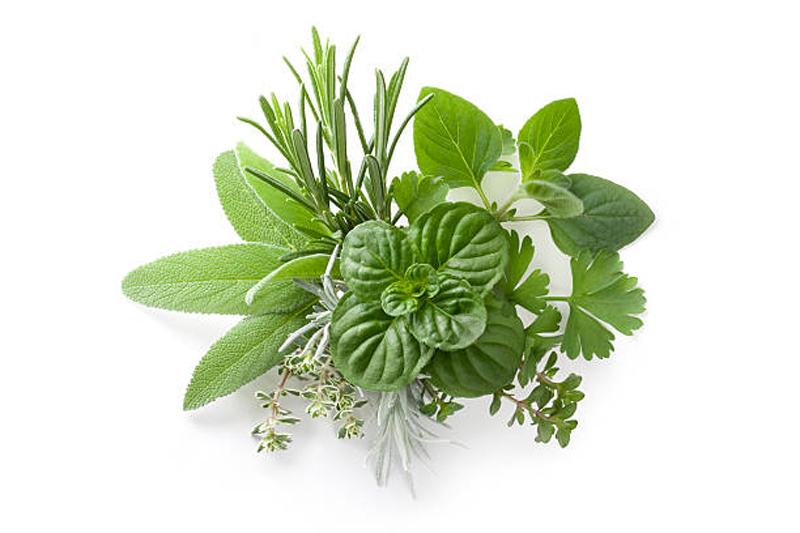 No matter whether you are a novice gardener, or consider yourself an expert, have only a small patch of land to grow in or none at all, growing herbs is well worth your while. Not only are they incredibly simple to care for, but they can provide a year-round burst of freshness and save you both time and money at the store.
Why Grow Herbs?
As mentioned, herbs provide more than flavor (and let’s admit it, nobody wants to eat a bland, boring dish). The flavors and scents of herbs are part of your easting enjoyment, plus they often freshen up the area they are planted in- providing lingering scents which help deter many insects.
They also are full of healthy vitamins and minerals your body craves, and are easy to add to your favorite dishes, or even blended into smoothies and drinks. Plus they dry easily and retain much of their goodness so you can use them year round.
What if I Don’t Have Any Room?
Not having room for herbs is hardly an excuse. Herbs are easy to grow, have fairly shallow root systems, and thrive in almost any condition. You can plant them in pots, as companion plants, or even put them on a ledge in a sunny window indoors. Since they are meant to be cut back regularly, you also can control how large they become. All they need is some soil, sun, and water (some favorite kink-free hoses can be found at Backyard Boss), and if you can manage that then you are all set with your own herb garden.
Popular and Easy Herbs to Grow
Of course, there are many, many herbs from which to choose to grow, so it’s best to know which are most popular, and healthy, to take advantage of.
- Basil
Basil is a warm-weather annual and grows quickly. Use fresh leaves for a variety of flavor-infused foods and drinks. Cut off flower heads to encourage new leaf growth and toss into lemonades and teas for a burst of flavor. It also dries well and is full of vitamin A, vitamin K, vitamin C, magnesium, iron, potassium, and calcium.
- Chives
Chives take seed just about anywhere and are easy to grow as reseeding perennials, although they may take over garden beds- hence why they may do better in a pot. With a slight onion flavor, they are a great addition to just about any savory dish. Best when fresh, they also freeze well. They also are full of vitamin K, folate, calcium, magnesium, phosphorus, and potassium.
- Rosemary
Highly aromatic, rosemary is a favorite to place on decks and patios to deter insects, plus its rich flavor lends itself well to many types of meat and soups. This is a woody perennial that can be trimmed back and kept indoors in cooler climates, and the stems can be used as skewers to help infuse flavor into your favorite kabobs. It is a wonderful source of iron, calcium, and vitamin B-6.
- Parsley
Incredibly easy to grow, parsley lends a fresh burst of flavor and is considered a cleansing herb of the palate after a meal. Best fresh, cut leaves to encourage new leafy growth rather than stemmy growth. It also dries well for later use. Parsley is also a favorite of Black Swallowtail butterflies– making them an optimal choice for gardeners to have around. It also is an excellent source of vitamin C and folic acid.
- Mint
The mint family can quickly become invasive but grow wonderfully in pots to help keep them contained. Everything from sharp peppermints and lemony balms falls into this category to lend both a lingering scent where they are planted as well as flavor infusions to your favorite drinks and meals. They also help deter many insects, making them worth having around. Best used fresh, they also can be dried and frozen and contain small amounts of potassium, magnesium, calcium, phosphorus, vitamin C, iron and vitamin A.
Conclusion
Of course, there are many, many more herbs you can take advantage of to grow based on your own personal preference in relation to scent and flavor. Mix and match your favorites and add in a few new ones each year to discover what new experiences you can bring to the table. If you have a sunny window, bring your plants indoors each fall before the first frost and enjoy fresh flavors through even the coldest of the winters.
References
- https://www.itis.gov/servlet/SingleRpt/SingleRpt?
- http://www.hear.org/pier/species/pyrus_calleryana.htm
- https://npgsweb.ars-grin.gov/gringlobal/taxon/taxonomydetail?
- https://pfaf.org/user/Plant.aspx?
- https://www.wildflower.org/plants/result.php?
- http://www.missouribotanicalgarden.org/PlantFinder/PlantFinderDetails.aspx?
- https://plants.usda.gov/core/profile?
- https://www.invasive.org/browse/subinfo.cfm?
- https://www.cabi.org/isc/datasheet/46188
- https://www.cal-ipc.org/plants/profile/pyrus-calleryana-profile/
- http://www.efloras.org/florataxon.aspx?
- https://texasinvasives.org/plant_database/detail.php?
- http://www.iucngisd.org/gisd/species.php?
- http://www.theplantlist.org/tpl1.1/record/rjp-6009
- https://en.wikipedia.org/wiki/vegetables
- https://gd.eppo.int/taxon/PYUCA
- https://www.illinoiswildflowers.info/savanna/plants/
- https://uses.plantnet-project.org/en/
- https://www.theplantlist.org/tpl1.1/record/
- https://training.ars-grin.gov/gringlobal/taxon/taxonomydetail?
- http://hort.ufl.edu/database/documents/pdf/tree_fact_sheets/
- https://www.illinoiswildflowers.info/trees/plants/callery_pear.htm
- https://www.ncbi.nlm.nih.gov/books/NBK218749/
- https://www.ncbi.nlm.nih.gov/books/NBK551014/
- https://www.ncbi.nlm.nih.gov/books/NBK551727/
- https://www.ncbi.nlm.nih.gov/books/NBK65874/
- https://www.ncbi.nlm.nih.gov/books/NBK304428/
- https://www.ncbi.nlm.nih.gov/books/NBK218759/
- https://www.ncbi.nlm.nih.gov/books/NBK556048/
- https://www.ncbi.nlm.nih.gov/books/NBK218749/
- https://www.niehs.nih.gov/health/topics/agents/vegetables/index.cfm
- https://www.sciencedirect.com/book/9780443062414/vegetable
- https://www.amazon.com/Essential-Oils-Fully-Revised-Updated/dp/1787752291
- https://www.healthbenefitstimes.com/category/herbs-and-spices/
- https://www.frontiersin.org/articles/257193
- https://www.tandfonline.com/toc/tjeo20/current
- https://www.intechopen.com/chapters/68027
- https://onlinelibrary.wiley.com/doi/full/10.1002/ptr.6854
- https://www.nature.com/articles/s41598-020-68823-4
- https://www.cancer.gov/about-cancer/treatment/cam/patient/aromatherapy-pdq
- https://www.researchgate.net/publication/254247133_
- https://link.springer.com/article/10.1365/s10337-010-1680-0
- https://fdc.nal.usda.gov/ndb/foods/show/herb
- https://www.nccih.nih.gov/health/herbsataglance
- https://portal.nifa.usda.gov/web/crisprojectpages/0092887
- https://academic.oup.com/database/article/doi/10.1093/database/bau120
- https://www.cambridge.org/core/journals/weed-science/article/herbicide-effects-of-vegetable/
- https://www.fs.fed.us/wildflowers/ethnobotany/vegetable
- https://www.karger.com/Article/Abstract/501062
- https://en.wikipedia.org/wiki/List_of_plant
- https://en.wikipedia.org/wiki/Types_of_plant_harb
- https://www.britannica.com/topic/
- https://www.planttherapy.com/
- https://academic.oup.com/plphys/article/54/4/560/
- https://www.healthbenefitstimes.com/category/oils/
- https://www.aromaweb.com/essentialoils/default.asp
- https://books.google.com/books/about/Herbs_And_Essential_Oils_Book.html?
- https://books.google.com/books/about/Herbal_herb_for_Health_Beauty.html?id=C_MX9tKpttMC
- https://books.google.com/books/about/Herbal_vegetable_for_Health_Beauty.html?id=C_MX9tKpttMC
- https://www.niehs.nih.gov/health/topics/agents/
- https://www.botanical.com/botanical/mgmh/l/
- https://www.nccih.nih.gov/health/atoz
- https://www.inaturalist.org/taxa
- https://clinicaltrials.gov/ct2/show/NCT02764567
- https://fda.report/Company/Young-Living-Essential-Oils-Lc
- http://www.fao.org/3/ad420e/ad420e.pdf
- https://www.healthywa.wa.gov.au/Articles/A_E/
- https://www.niehs.nih.gov/health/topics/agents/
- https://www.consumerreports.org/health-product-recalls/
- https://www.itis.gov/servlet/SingleRpt/SingleRpt?search_topic=TSN&search_value=25303#nullhttps://davesgarden.com/guides/pf/go/816/https://npgsweb.ars-grin.gov/gringlobal/taxonomydetail.aspx?id=300526https://pfaf.org/user/plant.aspx?LatinName=Sanguisorba+minorhttp://www.missouribotanicalgarden.org/PlantFinder/PlantFinderDetails.aspx?kempercode=a278http://www.floracatalana.net/sanguisorba-minor-scophttps://plants.usda.gov/core/profile?symbol=sami3https://www.fs.fed.us/database/feis/plants/forb/sanmin/all.htmlhttp://www.theplantlist.org/tpl1.1/record/rjp-643https://en.wikipedia.org/wiki/Sanguisorba_minorhttps://www.nrcs.usda.gov/Internet/FSE_PLANTMATERIALS/publications/idpmcpg11634.pdfhttps://digitalcommons.usu.edu/cgi/viewcontent.cgi?article=2494&context=etdhttps://www.cabi.org/isc/datasheet/107920