
Anchovies – Nutritional Value, Health Benefits

Patient Tools

Read, save, and share this guide

Use these quick tools to make this medical article easier to read, print, save, or share with a family member.

Article Summary

Anchovies are small, common saltwater forage fish in the family Engraulidae that are used as human food and fish bait. There are 144 species in 17 genera found in the Atlantic, Indian, and Pacific Oceans. Anchovies are usually classified as oily fish. They are small, green fish with blue reflections due to a silver longitudinal stripe that runs from the base of the caudal fin. They range from 2 centimeters (0.79 in) to 40 centimeters (16 in)...

Key Takeaways

  • This article explains Types /Varieties in simple medical language.
  • This article explains Health Benefits in simple medical language.
  • This article explains Nutrition in simple medical language.
  • This article explains How to Prepare Anchovies in simple medical language.
Educational health guideWritten for patient understanding and clinical awareness.
Reviewed content workflowUse writer and reviewer profiles for stronger trust.
Emergency safety firstUrgent warning signs are highlighted below.

Seek urgent medical care if you notice

These warning signs are general safety guidance. Local emergency numbers and clinical judgment should always come first.

  • Severe symptoms, breathing difficulty, fainting, confusion, or rapidly worsening illness.
  • New weakness, severe pain, high fever, or symptoms after a serious injury.
  • Any symptom that feels urgent, unusual, or unsafe for the patient.
1

Emergency now

Use emergency care for severe, sudden, rapidly worsening, or life-threatening symptoms.

2

See a doctor

Book a professional medical evaluation if symptoms persist, worsen, recur often, affect daily activities, or occur in a high-risk patient.

3

Learn safely

Use this article to understand possible causes, tests, treatment options, prevention, and questions to ask your clinician.

Anchovies are small, common saltwater forage fish in the family Engraulidae that are used as human food and fish bait. There are 144 species in 17 genera found in the Atlantic, Indian, and Pacific Oceans. Anchovies are usually classified as oily fish. They are small, green fish with blue reflections due to a silver longitudinal stripe that runs from the base of the caudal fin. They range from 2 centimeters (0.79 in) to 40 centimeters (16 in) in adult length,[rx] and the body shape is variable, with more slender fish in northern populations.

Anchovies are small fish that typically measure 1 to 4 inches. They’re related to the herring family and found in oceans throughout the world, as well as freshwater sources. They are abundant along the Mediterranean, which may explain why they’re featured in French, Italian, and Spanish cuisine.

Types /Varieties

While anchovies are quite tasty fresh, most anchovies are preserved in some way.

  • Packed in oil: These are the brown anchovies you’ll find on pizza. They’re preserved in salt, filleted, packed in oil, and sold in flat cans and glass jars.
  • Pickled: Labeled white anchovies or boquerones, these anchovies are preserved with vinegar. Kelly Cosgrove of Fortune Fish and Gourmet considers them to be a gateway anchovy. She says folks already familiar with pickled flavors might take to white anchovies more readily than their more pungent oil-packed counterparts.
  • Dried: Common in Korean cooking, dried anchovies are used to make stocks for soup and served stir-fried with rice.
  • Paste: Salt-cured anchovies are ground into a paste and sold in tubes similar to tomato paste. It’s a very convenient way to add a pop of anchovy flavor to your cooking.
  • Fish Sauce: The seafood used to make Asian fish sauce is often anchovies, which ferment into an umami-rich liquid that goes into Asian dishes like pho and larb.

Health Benefits

Anchovies have many vitamins and minerals that provide major health benefits. They are best known as a source of omega-3 fatty acids, which promote brain and heart health. Anchovies also have selenium, which, if eaten regularly, may reduce the risk of some types of cancer.

Other health benefits of anchovies include:

Cardiac Health

Anchovies are rich in omega-3 fatty acids, which offer powerful benefits for your heart. Studies show they may reduce your triglyceride levels, slow the buildup of plaque in your arteries, and reduce your blood pressure. They may also lower your risk of stroke by reducing blood clotting.

Thyroid Protection

One serving of anchovies contains 31 micrograms (mcg) of selenium. Teens and adults should aim to get 55 mcg of selenium per day. A study from the 1990s highlighted selenium as part of an enzyme that can activate the thyroid. Additional research suggests that selenium deficiency may lead to thyroid problems.

Eye Health

Experts recommend that men get 1.6 grams of omega-3 fatty acids per day, while women should get 1.1 grams. One serving of anchovies has 0.45 grams of the omega-3 known as eicosapentaenoic acid (EPA) and 0.77 grams of docosahexaenoic acid (DHA). Studies suggest that diets rich in this omega-3s can reduce your chances of developing macular degeneration, which can distort vision.

Alzheimer’s Prevention

In a Harvard Medical School study, researchers found that those who ate the most omega-3 fatty acids had lower levels of the protein beta-amyloid, which is a marker for Alzheimer’s disease.

May improve heart health

As previously mentioned, anchovies boast omega-3 fatty acids and selenium — nutrients that may help reduce your risk of developing heart disease.

Omega-3 fatty acids may help improve blood pressure, cholesterol, infection, or irritation, often causing pain, swelling, heat, or redness. সহজ বাংলা: শরীরের প্রদাহ; ব্যথা, ফোলা বা লালভাব হতে পারে।" data-rx-term="inflammation" data-rx-definition="Inflammation is the body’s response to injury, infection, or irritation, often causing pain, swelling, heat, or redness. সহজ বাংলা: শরীরের প্রদাহ; ব্যথা, ফোলা বা লালভাব হতে পারে।">inflammation, and triglyceride levels, as well as blood vessel function and blood flow to the heart to lower the risk of heart attack and stroke (8Trusted Source9Trusted Source10Trusted Source).

In fact, one older study found that a daily intake of 566 mg of DHA and EPA combined could lower the risk of death from heart disease by 37%. You can easily obtain that amount of omega-3’s from a 2-ounce (45-gram) can of anchovies (11Trusted Source).

Research has linked low selenium levels to an increased risk of heart disease.

Increasing your selenium intake may lead to a reduction in heart disease risk due to its antioxidant capacity, which lowers oxidative stress and infection, or irritation, often causing pain, swelling, heat, or redness. সহজ বাংলা: শরীরের প্রদাহ; ব্যথা, ফোলা বা লালভাব হতে পারে।" data-rx-term="inflammation" data-rx-definition="Inflammation is the body’s response to injury, infection, or irritation, often causing pain, swelling, heat, or redness. সহজ বাংলা: শরীরের প্রদাহ; ব্যথা, ফোলা বা লালভাব হতে পারে।">inflammation associated with heart disease (12Trusted Source13Trusted Source).

Rich source of protein

When you look at anchovies’ nutritional profile, they boast a pretty good amount of protein, with 13 grams in one serving (2Trusted Source).

Eating more protein-rich foods as part of an overall balanced diet may promote weight loss, as eating this nutrient helps you feel full (14Trusted Source15Trusted Source).

High protein diets also help preserve lean body mass and help maintain weight loss by promoting a lower weight regain than low protein diets (16Trusted Source17Trusted Source18Trusted Source).

Other potential benefits

Anchovies omega-3 and selenium content may provide some additional benefits, including:

  • Cancer-fighting effects. Omega-3’s infection, or irritation, often causing pain, swelling, heat, or redness. সহজ বাংলা: শরীরের প্রদাহ; ব্যথা, ফোলা বা লালভাব হতে পারে।" data-rx-term="inflammation" data-rx-definition="Inflammation is the body’s response to injury, infection, or irritation, often causing pain, swelling, heat, or redness. সহজ বাংলা: শরীরের প্রদাহ; ব্যথা, ফোলা বা লালভাব হতে পারে।">inflammation, pain, or swelling. সহজ বাংলা: প্রদাহ/ফোলা/ব্যথা কমায়।" data-rx-term="anti-inflammatory" data-rx-definition="Anti-inflammatory means reducing inflammation, pain, or swelling. সহজ বাংলা: প্রদাহ/ফোলা/ব্যথা কমায়।">anti-inflammatory effect and selenium’s antioxidant properties may play a role in fighting different types of cancer by preventing the growth and spread of tumors (19Trusted Source20Trusted Source21Trusted Source).
  • Improved brain health. Omega-3 fatty acids are essential for brain cell formation and functioning. Their deficiency has been linked to accelerated brain aging and an increased risk of dementia, Alzheimer’s disease, and depression (22Trusted Source23Trusted Source24Trusted Source).

SUMMARYThe high omega-3 fatty acid and selenium content of anchovies may benefit heart and brain health and reduce cancer risk. Their protein content may aid weight loss.

Nutrition

Anchovies are loaded with protein, a crucial building block used within your body to repair tissue, create muscle mass, and boost metabolism.

Anchovies are also an excellent source of:

  • Omega-3 fatty acids
  • Niacin
  • Vitamin B12
  •  Calcium
  •  Selenium
  • Potassium
  • Vitamin A

Nutritional profile

Anchovies pack a lot of nutrients into a small package.

A 2-ounce (45-gram) serving of anchovies canned in oil provides (2Trusted Source):

  • Calories: 95
  • Protein: 13 grams
  • Fat: 4 grams
  • Carbs: 0 grams
  • Vitamin B3: 56% of the Daily Value (DV)
  • Selenium: 55% of the DV
  • Vitamin B12: 16% of the DV
  • Iron: 12% of the DV
  • Calcium: 8% of the DV

Anchovies have a high content of vitamin B3 — or niacin, a vitamin that helps turn food into energy. They also contain large amounts of selenium, a mineral involved in heart, thyroid, immune, and bone health (3Trusted Source4Trusted Source).

They’re likewise sources of the minerals iron and calcium. Your body needs iron to transport oxygen from your lungs. Calcium is important for strong bones (5Trusted Source, 6Trusted Source).

What’s more, anchovies are rich in omega-3 fatty acids. In fact, they’re considered oily or fatty fish along with salmon, tuna, sardines, and mackerel.

Just a 2-ounce (45-gram) can of anchovies provides 924 mg of eicosapentaenoic acid (EPA) and docosahexaenoic acid (DHA) combined, which is more than the same amount of salmon (2Trusted Source7Trusted Source).

Together, omega-3 fatty acids, vitamin B3 and selenium are responsible for most of anchovies’ health benefits.

Even in a small serving, anchovies deliver key nutrients, including niacin, selenium, iron, calcium, and the omega-3 fatty acids EPA and DHA.

How to Prepare Anchovies

The largest anchovy catches take place in November and December. However, because they are so often preserved, these fish can be enjoyed throughout the year. You can find them in most grocery stores, seafood markets, or specialty food shops.

When choosing anchovies, pay attention to their preparation. Preservation methods can have a significant impact on flavor. This can also affect nutrition, as some approaches increase fat or sodium content. Stronger flavors can often be found in anchovies stored in jars instead of cans.

You can eat anchovies raw, but they are typically smoked, salted, or packed in brine. Try these ideas to add anchovies to your diet:

  • Add to a sandwich with tomato, lettuce, and aioli
  • Layer on toast with a soft-boiled egg for breakfast
  • Sprinkle in scrambled eggs for a hint of umami
  • Toss anchovies with mixed greens, lemon, and olives to create an enticing salad
  • Brush with olive oil and bake with bread crumbs
  • Stir-fry with soy sauce and sesame oil
  • Add to pasta along with garlic, olive oil, and red pepper flakes
  • Simmer in tomato soup with bay leaves and thyme
  • Use as a topping on a homemade pizza

Potential Side Effects

Because most anchovies are cured, they can be quite high in sodium. For example, a 2-ounce (45-gram) can of anchovies provides 72% of the DV for the mineral (2Trusted Source).

Consuming too much sodium increases your risk of developing high blood pressure. People with salt sensitivity, insulin is low or not working well. সহজ বাংলা: রক্তে চিনি বেশি থাকার রোগ।" data-rx-term="diabetes" data-rx-definition="Diabetes is a condition where blood sugar stays too high because insulin is low or not working well. সহজ বাংলা: রক্তে চিনি বেশি থাকার রোগ।">diabetes, obesity, kidney disease, or those who already have high blood pressure should pay special attention to their sodium intake (25Trusted Source).

A simple way to reduce your anchovies’ sodium content is by rinsing them before eating them.

Also, anchovies may be contaminated with domoic acid. This toxin may lead to amnesic shellfish poisoning (ASP), which is characterized by symptoms like vomiting, nausea, gastrointestinal discomfort, confusion, disorientation, and memory loss (26Trusted Source27Trusted Source).

Lastly, eating raw anchovies increases the risk of a parasitic infection called anisakiasis, which is caused by the fish parasiteAnisakis simplex.

It may cause gastrointestinal symptoms like abdominal pain, nausea, vomiting, diarrhea, and fever or lead to allergic reactions, which commonly include an itchy rash (28Trusted Source29Trusted Source30Trusted Source31Trusted Source).

Therefore, be sure to consume fully cooked anchovies if possible, and seek medical attention if you experience any of the previously mentioned symptoms after eating them.

Anchovies may be a high sodium food, which increases the risk of developing high blood pressure. They may also be contaminated with domoic acid, and eating raw anchovies may lead to parasitic infections.

How do you choose good-quality anchovies?

Anchovies are small, slender fish found in the Black Sea, Mediterranean and Pacific and Atlantic Oceans. However, when you see them in the supermarket they are more likely to be preserved than fresh.

Salt-cured anchovy fillets packed in sunflower or olive oil are the cheapest and most readily available. They are sold in tall, thin resealable jars which is good if you only plan to use a few. Horizontal ring-pull tins or cans are also available, but make sure you transfer what’s left over to a sealed container and the fillets are submerged in oil, as storage in an open can will contaminate the taste.

Another way you can buy them is packed in salt. Whole salted anchovies are meatier, firmer and sweeter, but expect to spend around half an hour prepping them. They are usually left with their bones and fins intact so need filleting. After scraping off excess salt and rinsing with water, an extra soak in either milk or white wine can help soften them. Store the anchovies you haven’t touched in a glass jar in the fridge for up to six months.

Less common are marinated anchovies – often known by their Spanish name, boquerones – which are eaten as a snack or tapas dish. They are deboned then marinated in vinegar, oil and salt. The pickling process turns them bright white (unlike the grey or pink flesh of the salted ones) and they are much milder. Try on top of toasted bread with butter.

Anchovy recipes 1

Dust off your blender to make a seriously speedy anchovy snack. Add a couple of fillets to this tapenade with black olives to spread on toast, crostini, or crackers. Did you know you can also add anchovies to homemade pesto or ketchup for an extra layer of flavor?

A simple way to eat anchovies is to use them to pep up pasta dishes. The fillets dissolve into sauce easily and add a savory hit to a fiery puttanesca, a filling gnocchi bake or garlic, chilli and olive oil spaghetti.

If you can handle whole anchovies, add them to pizzas or the classic French onion tart, pissaladière.

Salads are also often boosted with the umami-laden fish – Niçoise salad just wouldn’t be the same without anchovies while the flavor-packed fillets are also a key ingredient in the dressing for Caesar salad.
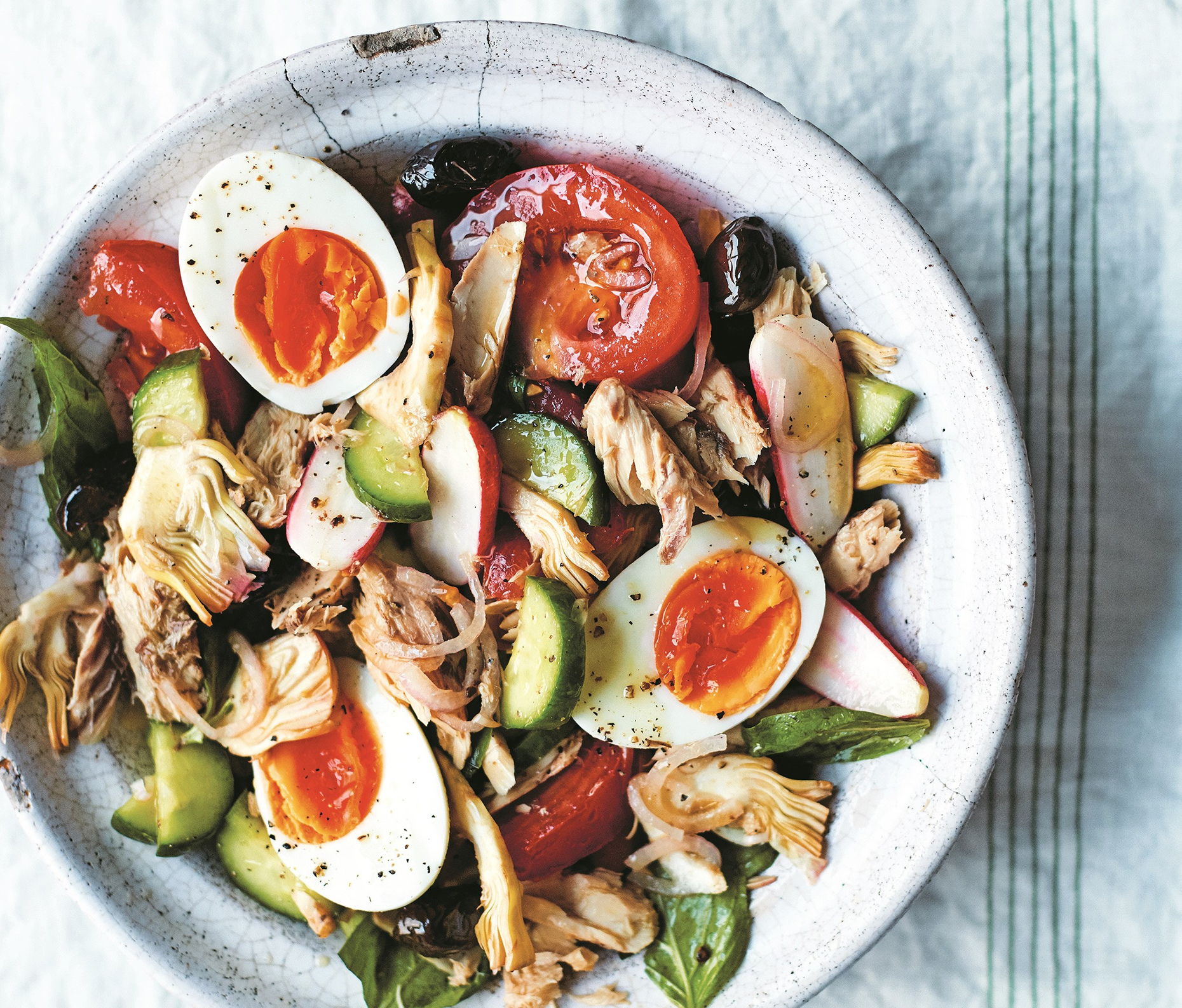
Anchovies -  Nutritional Value, Health Benefits

Anchovies work very well in lamb dishes – they accentuate the meat’s flavour without making it fishy. For a quick and satisfying supper have a go at lamb mince skewers with coriander dip or lamb cutlets with anchovy and herb butter. If you’re looking for a weekend project, try barbecued cumin lamb chops with anchovy butter, stuffed shoulder of lamb with cockles or roast lamb with salsa verde.

Anchovies -  Nutritional Value, Health Benefits

Anchovies also go well with other fish, so experiment with a piquant salsa verde for sea bass, incorporate in these tuna and olive stuffed peppers and perk up a hearty Niçoise bake You can even incorporate the high-flavour fish into vegetable dishes – we love this creamy roasted broccoli.

Recipes 2

This Southeast Asian bumbu (sauce) is not only the perfect partner to satay. It is also the accompaniment to gado-gado, a warm Indonesian steamed-vegetables salad.

  • 120g or 4oz peanuts 1 cup vegetable oil
  • 2 teaspoons terasi/belacan or 2 fillets of anchovy in oil, drained
  • 1 clove garlic, peeled and roughly chopped
  • 2 shallots, peeled and roughly chopped
  • ½-1 teaspoon chili powder or more to taste
  • ½-1 teaspoon brown sugar
  • 2 cups water
  • 30g or 1oz cream of coconut
  • Salt Juice of 1 lime

Fry the peanuts in the oil over medium heat till toasted. Drain onto paper towels and cool, then grind or pound them into a rough powder.

Crush the terasi or anchovies with the garlic and shallots into a paste. Fry this in 1 tablespoon of the oil for a minute, then adds the chili, sugar, and water.

Bring to a boil, then add the peanuts. Simmer, stirring occasionally, till it thickens, and add the coconut cream. Season to taste with salt if necessary. Add the lime juice just before serving.

Pour over a warm salad of steamed mixed vegetables such as cauliflower florets, green beans, cabbage, carrots, with chunks of boiled potato and cubes of fried tofu, to which you add a handful of bean sprouts, thick slices of cucumber and quarters of boiled egg, and serve with prawn crackers. Or use as the dip for skewers of chicken satay.

How Cook with Anchovies

Once you begin cooking with anchovies, you will quickly discover incredible versatility. Consider the fact that they show up in everything from pissaladiere (a savory French tart) to pad Thai (thanks to the fish sauce). You can enjoy the whole or mash them into a paste using a mortar and pestle or the back of a fork against a cutting board.

For ideas on how to best enjoy these flavorful little fish, I asked my two anchovy experts, Sharon Ardiana and Kelly Cosgrove. Here’s what they shared:

  • Mash them into a paste and whisk them into salad dressings.
  • Cook them with olive oil, chiles, garlic, lemon zest, and juice, and toss with hot pasta.
  • Make anchovy crostini by topping ricotta or fava bean puree with a single, good-quality anchovy.
  • Wrap a slice of mozzarella and fresh basil around an anchovy for an appetizer.
  • Mince an anchovy or two and whisk into an oil and vinegar dressing. Toss with cooked broccolini and finish with grated Pecorino.
  • Add a few to any braised dish for a hit of umami, such as braised lamb shanks.
  • Include them in a batch of tomato sauce to make it a little more interesting.
  • Add it to pizzas, savory tarts, and flatbreads. (Adriana adds them to her excellent pizzas after they’re baked!)
  • Top toast with tomato, garlic, and a Boquete, along with pickled pepper.
  • Assemble a brunch board with smoked salmon, bagels, and a little side of boquerones.
  • Add anchovies to a charcuterie board, along with olives and cornichons.
  • Include anchovies in a deconstructed Caesar or Cobb salad for a pop of salt and flavor.

References

Patient safety assistant

Check your symptom safely

Hi, I am RX Symptom Navigator. I can help you understand what to read next and what warning signs need care.
Warning: Do not use this in emergencies, pregnancy, severe illness, or as a substitute for a doctor. For children or teens, use with a parent/guardian and clinician.
A rural-friendly guide: warning signs, when to see a doctor, related articles, tests to discuss, and OTC safety education.
1 Symptom 2 Severity 3 Safe guidance
First safety question

Is there chest pain, breathing trouble, fainting, confusion, severe bleeding, stroke-like weakness, severe injury, or pregnancy danger sign?

Choose quickly

Browse by body area
Start here: Write or select a symptom. The guide will show warning signs, doctor guidance, diagnostic tests to discuss, OTC safety education, and related RX articles.

Important: This tool is educational only. It cannot diagnose, treat, or replace a doctor. OTC information is not a prescription. In an emergency, contact local emergency services or go to the nearest hospital.

Doctor visit helper

Prepare before seeing a doctor

A simple rural-patient checklist to help you explain symptoms clearly, ask better questions, and avoid unsafe self-treatment.

Safety note: This is not a prescription or diagnosis. For severe symptoms, pregnancy danger signs, children with serious illness, chest pain, breathing difficulty, stroke-like weakness, or major injury, seek urgent care.

Which doctor may help?

Start with a registered doctor or the nearest qualified health center.

What to tell the doctor

  • Write when the problem started and how it changed.
  • Bring old prescriptions, investigation reports, and current medicines.
  • Write allergies, pregnancy status, diabetes, kidney/liver disease, and major past illnesses.
  • Bring one family member if the patient is weak, elderly, confused, or a child.

Questions to ask

  • What is the most likely cause of my symptoms?
  • Which danger signs mean I should go to hospital quickly?
  • Which tests are necessary now, and which can wait?
  • How should I take medicines safely and what side effects should I watch for?
  • When should I come for follow-up?

Tests to discuss

  • Vital signs: temperature, pulse, blood pressure, oxygen saturation
  • Basic physical examination by a clinician
  • CBC, urine test, blood sugar, or imaging only when clinically needed

Avoid these mistakes

  • Do not use antibiotics, steroid tablets/injections, or strong painkillers without proper medical advice.
  • Do not hide pregnancy, kidney disease, ulcer, allergy, or blood thinner use.
  • Do not delay emergency care when danger signs are present.

Medicine safety and first-aid guide

This section is for patient education only. It does not replace a doctor, pharmacist, or emergency care.

Safe first steps

  • Avoid heavy lifting, sudden bending, and prolonged bed rest.
  • Use comfortable posture and gentle movement as tolerated.
  • Discuss physiotherapy, X-ray, or MRI only when clinically needed.

OTC medicine safety

  • For mild back pain, pain-relief medicine may be discussed with a doctor or pharmacist.
  • Avoid repeated painkiller use if you have kidney disease, stomach ulcer, uncontrolled blood pressure, or are taking blood thinners.

Avoid these mistakes

  • Do not start antibiotics without a proper medical decision.
  • Do not use steroid tablets or injections casually for quick relief.
  • Do not delay emergency care because of home remedies.

Get urgent help if

  • Back pain with leg weakness, numbness around private area, loss of urine/stool control, fever, cancer history, or major injury needs urgent care.
Medicine names, dose, and timing must be decided by a qualified clinician or pharmacist after checking age, pregnancy, allergy, other diseases, and current medicines.

For rural patients and family caregivers

Patient health record and symptom diary

Write your symptoms, medicines already taken, test results, and questions before visiting a doctor. This note stays on your device unless you print or copy it.

Doctor to discuss: Medicine doctor / pediatrician for children / qualified clinician
Tests to discuss with doctor
  • Temperature chart and hydration assessment
  • CBC with platelet count if fever persists or dengue/other infection is possible
  • Urine test, malaria/dengue tests, chest evaluation, or blood culture only when clinically indicated
Questions to ask
  • What is the most likely cause of my symptoms?
  • Which warning signs mean I should go to emergency care?
  • Which tests are really needed now?
  • Which medicines are safe for my age, pregnancy status, allergy, kidney/liver/stomach condition, and current medicines?
  • Do I need antibiotics, or is this more likely viral?

Emergency warning signs such as chest pain, severe breathing difficulty, sudden weakness, confusion, severe dehydration, major injury, or loss of bladder/bowel control need urgent medical care. Do not wait for online information.

Safe pathway to proper treatment

Back pain care roadmap

Use this simple roadmap to understand the next safe steps. It is educational and does not replace examination by a doctor.

Go to emergency care if you notice:
  • New leg weakness, numbness around private area, or loss of bladder/bowel control
  • Back pain after major injury, fever, unexplained weight loss, cancer history, or severe night pain
Doctor / service to discuss: Orthopedic/spine specialist, physical medicine doctor, physiotherapist under guidance, or qualified clinician.
  1. Step 1

    Check danger signs first

    If danger signs are present, seek emergency care and do not wait for online information.

  2. Step 2

    Record the symptom story

    Write when symptoms started, severity, medicines already taken, allergies, pregnancy status, and test results.

  3. Step 3

    Visit a qualified clinician

    A doctor, nurse, or qualified healthcare provider can examine you and decide which tests or treatment are needed.

  4. Step 4

    Do only useful tests

    Discuss neurological examination first. X-ray or MRI may be needed only when red flags, injury, nerve weakness, or persistent severe symptoms are present.

  5. Step 5

    Follow up and return early if worse

    If symptoms worsen, new warning signs appear, or treatment is not helping, return for review quickly.

Rural patient practical tips
  • Take a written symptom diary and all previous prescriptions/test reports.
  • Do not hide medicines already taken, even herbal or over-the-counter medicines.
  • Ask which warning signs mean urgent referral to hospital.
  • Avoid forceful massage or bone-setting when there is weakness, injury, fever, or nerve symptoms.

This roadmap is for education. A real diagnosis and treatment plan requires history, examination, and clinical judgment.

RX Patient Help

Ask a health question safely

Write your symptom story. A health professional or site editor can review it before any answer is prepared. This box is not for emergency care.

Emergency first: Severe chest pain, breathing trouble, unconsciousness, stroke signs, severe injury, heavy bleeding, or rapidly worsening symptoms need urgent local medical care now.

Frequently Asked Questions

Types /Varieties While anchovies are quite tasty fresh, most anchovies are preserved in some way.Packed in oil: These are the brown anchovies you’ll find on pizza. They’re preserved in salt, filleted, packed in oil, and sold in flat cans and glass jars. Pickled: Labeled white anchovies or boquerones, these anchovies are preserved with vinegar. Kelly Cosgrove of Fortune Fish and Gourmet considers them to be a gateway anchovy. She says folks already familiar with pickled flavors might take to white anchovies more readily than their more pungent oil-packed counterparts. Dried: Common in Korean cooking, dried anchovies are used to make stocks for soup and served stir-fried with rice. Paste: Salt-cured anchovies are ground into a paste and sold in tubes similar to tomato paste. It’s a very convenient way to add a pop of anchovy flavor to your cooking. Fish Sauce: The seafood used to make Asian fish sauce is often anchovies, which ferment into an umami-rich liquid that goes into Asian dishes like pho and larb.Health Benefits Anchovies have many vitamins and minerals that provide major health benefits. They are best known as a source of omega-3 fatty acids, which promote brain and heart health. Anchovies also have selenium, which, if eaten regularly, may reduce the risk of some types of cancer.Other health benefits of anchovies include: Cardiac Health Anchovies are rich in omega-3 fatty acids, which offer powerful benefits for your heart. Studies show they may reduce your triglyceride levels, slow the buildup of plaque in your arteries, and reduce your blood pressure. They may also lower your risk of stroke by reducing blood clotting. Thyroid Protection One serving of anchovies contains 31 micrograms (mcg) of selenium. Teens and adults should aim to get 55 mcg of selenium per day. A study from the 1990s highlighted selenium as part of an enzyme that can activate the thyroid. Additional research suggests that selenium deficiency may lead to thyroid problems. Eye Health Experts recommend that men get 1.6 grams of omega-3 fatty acids per day, while women should get 1.1 grams. One serving of anchovies has 0.45 grams of the omega-3 known as eicosapentaenoic acid (EPA) and 0.77 grams of docosahexaenoic acid (DHA). Studies suggest that diets rich in this omega-3s can reduce your chances of developing macular degeneration, which can distort vision. Alzheimer's Prevention In a Harvard Medical School study, researchers found that those who ate the most omega-3 fatty acids had lower levels of the protein beta-amyloid, which is a marker for Alzheimer's disease. May improve heart health As previously mentioned, anchovies boast omega-3 fatty acids and selenium — nutrients that may help reduce your risk of developing heart disease.Omega-3 fatty acids may help improve blood pressure, cholesterol, inflammation, and triglyceride levels, as well as blood vessel function and blood flow to the heart to lower the risk of heart attack and stroke (8Trusted Source, 9Trusted Source, 10Trusted Source).In fact, one older study found that a daily intake of 566 mg of DHA and EPA combined could lower the risk of death from heart disease by 37%. You can easily obtain that amount of omega-3’s from a 2-ounce (45-gram) can of anchovies (11Trusted Source).Research has linked low selenium levels to an increased risk of heart disease.Increasing your selenium intake may lead to a reduction in heart disease risk due to its antioxidant capacity, which lowers oxidative stress and inflammation associated with heart disease (12Trusted Source, 13Trusted Source). Rich source of protein When you look at anchovies’ nutritional profile, they boast a pretty good amount of protein, with 13 grams in one serving (2Trusted Source).Eating more protein-rich foods as part of an overall balanced diet may promote weight loss, as eating this nutrient helps you feel full (14Trusted Source, 15Trusted Source).High protein diets also help preserve lean body mass and help maintain weight loss by promoting a lower weight regain than low protein diets (16Trusted Source, 17Trusted Source, 18Trusted Source). Other potential benefits Anchovies omega-3 and selenium content may provide some additional benefits, including:Cancer-fighting effects. Omega-3’s anti-inflammatory effect and selenium’s antioxidant properties may play a role in fighting different types of cancer by preventing the growth and spread of tumors (19Trusted Source, 20Trusted Source, 21Trusted Source). Improved brain health. Omega-3 fatty acids are essential for brain cell formation and functioning. Their deficiency has been linked to accelerated brain aging and an increased risk of dementia, Alzheimer’s disease, and depression (22Trusted Source, 23Trusted Source, 24Trusted Source).SUMMARYThe high omega-3 fatty acid and selenium content of anchovies may benefit heart and brain health and reduce cancer risk. Their protein content may aid weight loss.Nutrition Anchovies are loaded with protein, a crucial building block used within your body to repair tissue, create muscle mass, and boost metabolism.Anchovies are also an excellent source of:Omega-3 fatty acids Niacin Vitamin B12  Calcium  Selenium Potassium Vitamin ANutritional profile Anchovies pack a lot of nutrients into a small package.A 2-ounce (45-gram) serving of anchovies canned in oil provides (2Trusted Source):Calories: 95 Protein: 13 grams Fat: 4 grams Carbs: 0 grams Vitamin B3: 56% of the Daily Value (DV) Selenium: 55% of the DV Vitamin B12: 16% of the DV Iron: 12% of the DV Calcium: 8% of the DVAnchovies have a high content of vitamin B3 — or niacin, a vitamin that helps turn food into energy. They also contain large amounts of selenium, a mineral involved in heart, thyroid, immune, and bone health (3Trusted Source, 4Trusted Source).They’re likewise sources of the minerals iron and calcium. Your body needs iron to transport oxygen from your lungs. Calcium is important for strong bones (5Trusted Source, 6Trusted Source).What’s more, anchovies are rich in omega-3 fatty acids. In fact, they’re considered oily or fatty fish along with salmon, tuna, sardines, and mackerel.Just a 2-ounce (45-gram) can of anchovies provides 924 mg of eicosapentaenoic acid (EPA) and docosahexaenoic acid (DHA) combined, which is more than the same amount of salmon (2Trusted Source, 7Trusted Source).Together, omega-3 fatty acids, vitamin B3 and selenium are responsible for most of anchovies’ health benefits. Even in a small serving, anchovies deliver key nutrients, including niacin, selenium, iron, calcium, and the omega-3 fatty acids EPA and DHA.How to Prepare Anchovies The largest anchovy catches take place in November and December. However, because they are so often preserved, these fish can be enjoyed throughout the year. You can find them in most grocery stores, seafood markets, or specialty food shops.When choosing anchovies, pay attention to their preparation. Preservation methods can have a significant impact on flavor. This can also affect nutrition, as some approaches increase fat or sodium content. Stronger flavors can often be found in anchovies stored in jars instead of cans.You can eat anchovies raw, but they are typically smoked, salted, or packed in brine. Try these ideas to add anchovies to your diet:Add to a sandwich with tomato, lettuce, and aioli Layer on toast with a soft-boiled egg for breakfast Sprinkle in scrambled eggs for a hint of umami Toss anchovies with mixed greens, lemon, and olives to create an enticing salad Brush with olive oil and bake with bread crumbs Stir-fry with soy sauce and sesame oil Add to pasta along with garlic, olive oil, and red pepper flakes Simmer in tomato soup with bay leaves and thyme Use as a topping on a homemade pizzaPotential Side Effects Because most anchovies are cured, they can be quite high in sodium. For example, a 2-ounce (45-gram) can of anchovies provides 72% of the DV for the mineral (2Trusted Source).Consuming too much sodium increases your risk of developing high blood pressure. People with salt sensitivity, diabetes, obesity, kidney disease, or those who already have high blood pressure should pay special attention to their sodium intake (25Trusted Source).A simple way to reduce your anchovies’ sodium content is by rinsing them before eating them.Also, anchovies may be contaminated with domoic acid. This toxin may lead to amnesic shellfish poisoning (ASP), which is characterized by symptoms like vomiting, nausea, gastrointestinal discomfort, confusion, disorientation, and memory loss (26Trusted Source, 27Trusted Source).Lastly, eating raw anchovies increases the risk of a parasitic infection called anisakiasis, which is caused by the fish parasiteAnisakis simplex.It may cause gastrointestinal symptoms like abdominal pain, nausea, vomiting, diarrhea, and fever or lead to allergic reactions, which commonly include an itchy rash (28Trusted Source, 29Trusted Source, 30Trusted Source, 31Trusted Source).Therefore, be sure to consume fully cooked anchovies if possible, and seek medical attention if you experience any of the previously mentioned symptoms after eating them. Anchovies may be a high sodium food, which increases the risk of developing high blood pressure. They may also be contaminated with domoic acid, and eating raw anchovies may lead to parasitic infections.How do you choose good-quality anchovies?

Anchovies are small, slender fish found in the Black Sea, Mediterranean and Pacific and Atlantic Oceans. However, when you see them in the supermarket they are more likely to be preserved than fresh. Salt-cured anchovy fillets packed in sunflower or olive oil are the cheapest and most readily available. They are sold in tall, thin resealable jars which is good if you only plan to use a few. Horizontal ring-pull tins or cans are also available, but make sure you…

References

Add references, clinical guidelines, textbooks, journal articles, or trusted medical sources here. You can edit this area from the RX Article Professional Blocks panel.
