Parasympathetic Nervous System (PSNS)

Patient Tools

Read, save, and share this guide

Use these quick tools to make this medical article easier to read, print, save, or share with a family member.

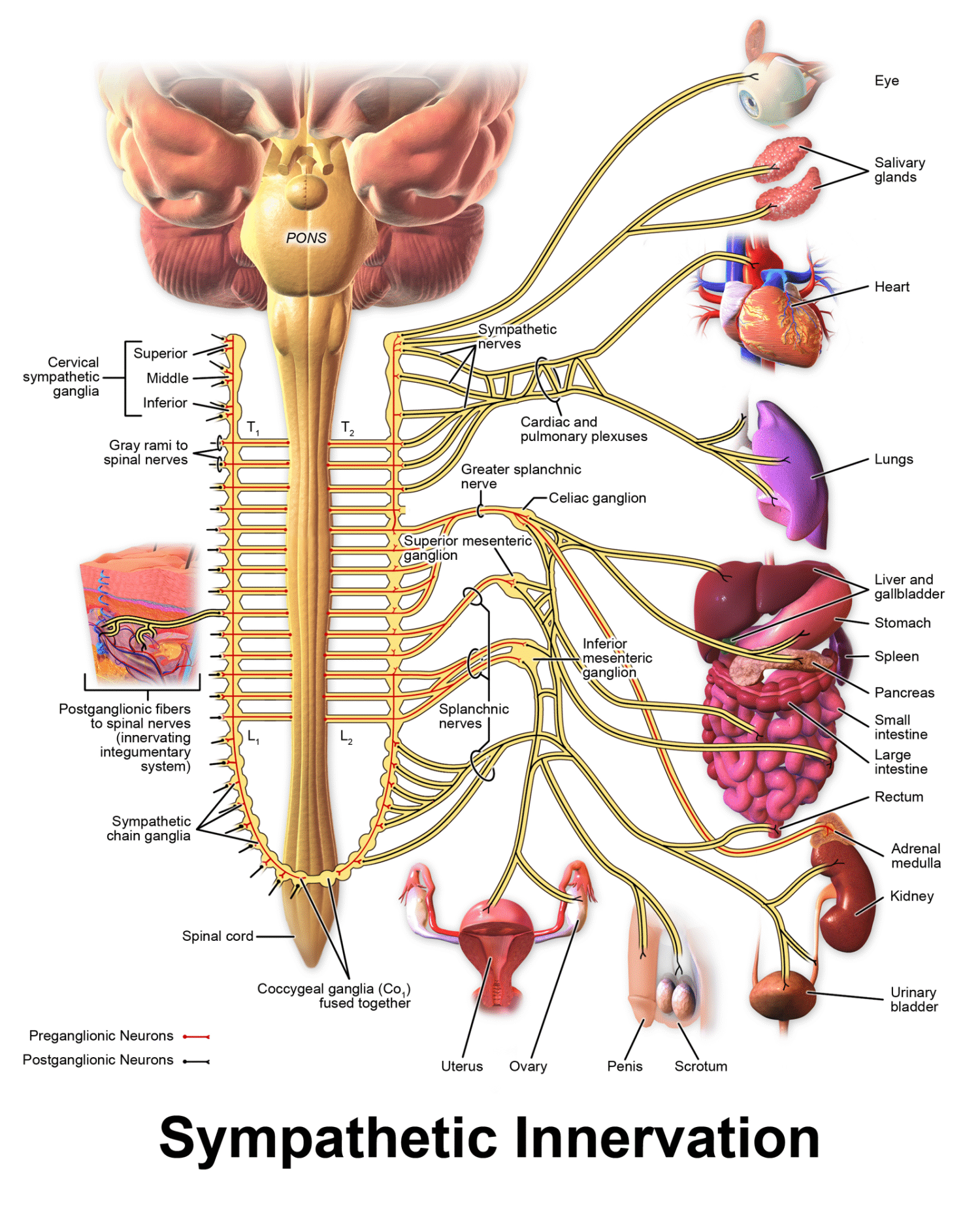
Blausen_0838_Sympathetic_Innervation
Patient Mode

Understand this article easily

Switch between simple English and easy Bangla patient notes. This is for education and does not replace a doctor consultation.

Your parasympathetic nervous system is part of your autonomic nervous system. It could be called your “automatic” nervous system, as it’s responsible for many functions that you don’t have to think about to control. This can include control of your heart rate, blood pressure, digestion,...

For severe symptoms, danger signs, pregnancy, child illness, or sudden worsening, seek urgent medical care.

বাংলা রোগী নোট এখনো যোগ করা হয়নি। পোস্ট এডিটরে “RX Bangla Patient Mode” বক্স থেকে সহজ বাংলা সারাংশ যোগ করুন।

এই তথ্য শিক্ষা ও সচেতনতার জন্য। এটি ডাক্তারি পরীক্ষা, রোগ নির্ণয় বা প্রেসক্রিপশনের বিকল্প নয়।

Article Summary

Your parasympathetic nervous system is part of your autonomic nervous system. It could be called your “automatic” nervous system, as it’s responsible for many functions that you don’t have to think about to control. This can include control of your heart rate, blood pressure, digestion, urination and sweating, among other functions. The parasympathetic part of your autonomic nervous system balances your sympathetic nervous system. While...

Key Takeaways

  • This article explains What is the Sympathetic and Parasympathetic Nervous System? in simple medical language.
  • This article explains Anatomy in simple medical language.
  • This article explains Structure in simple medical language.
  • This article explains Structure and Function in simple medical language.
Educational health guideWritten for patient understanding and clinical awareness.
Reviewed content workflowUse writer and reviewer profiles for stronger trust.
Emergency safety firstUrgent warning signs are highlighted below.

Seek urgent medical care if you notice

These warning signs are general safety guidance. Local emergency numbers and clinical judgment should always come first.

  • Chest pain, severe shortness of breath, fainting, or sudden severe weakness.
  • Sudden face drooping, arm weakness, speech trouble, confusion, or vision change.
  • A rapidly worsening condition or symptoms that feel life-threatening.
1

Emergency now

Use emergency care for severe, sudden, rapidly worsening, or life-threatening symptoms.

2

See a doctor

Book a professional medical evaluation if symptoms persist, worsen, recur often, affect daily activities, or occur in a high-risk patient.

3

Learn safely

Use this article to understand possible causes, tests, treatment options, prevention, and questions to ask your clinician.

Before reading

RX Patient Tools

Use these quick guides before reading the article, or return to them when you need help preparing questions for a doctor.

Start here Choose the right pathway for symptoms, reports, medicines, or urgent warning signs. Disease article roadmap Read this topic step by step: meaning, symptoms, warning signs, diagnosis, treatment, prevention, and follow-up. Treatment planner Prepare questions about treatment choices, benefits, risks, side effects, and follow-up. Family & caregiver guide Organize symptoms, reports, medicines, questions, and follow-up safely. Nutrition & diet guide Prepare food, hydration, supplement, and medicine-timing questions safely. Prevention guide Organize risk factors, protective habits, screening, and warning signs. Recovery guide Prepare a safe plan for activity, rehabilitation, warning signs, and follow-up.
Definition

Your parasympathetic nervous system is part of your autonomic nervous system. It could be called your “automatic” nervous system, as it’s responsible for many functions that you don’t have to think about to control. This can include control of your heart rate, blood pressure, digestion, urination and sweating, among other functions.

The parasympathetic part of your autonomic nervous system balances your sympathetic nervous system. While your sympathetic nervous system controls your body’s “fight or flight” response, your parasympathetic nervous system helps to control your body’s response during times of rest.

Anatomy

Where is the parasympathetic nervous system located?

Your parasympathetic nervous system is one of two parts of your autonomic nervous system. Your autonomic nervous system is a subsystem of your peripheral nervous system, which is all the nervous tissue in your body excluding your brain and spinal cord.

Your parasympathetic nervous system uses four of your 12 cranial nerves. These are nerves that connect directly to your brain. Three of those four only involve your senses and glands connected to your eyes, nose and mouth.

The fourth, your vagus nerve, connects to part of your mouth and also extends down through your neck to your chest and abdomen (belly). Your vagus nerve makes up about 75% of your parasympathetic nervous system overall, connecting to your heart, lungs and other vital internal organs.

Farther down, 31 spinal nerves connect directly to your spinal cord, but your parasympathetic nervous system only uses some of them in the lower part of your spine. This sends signals to your bladder and bowels to relax so you can use the bathroom.

Structure

The parasympathetic nerves are autonomic or visceral[rx][rx] branches of the peripheral nervous system (PNS). Parasympathetic nerve supply arises through three primary areas:

  1. Certain cranial nerves in the cranium, namely the preganglionic parasympathetic nerves (CN III, CN VII, CN IX and CN X) usually arise from specific nuclei in the central nervous system (CNS) and synapse at one of four parasympathetic ganglia: ciliary, pterygopalatine, otic, or submandibular. From these four ganglia the parasympathetic nerves complete their journey to target tissues via trigeminal branches (ophthalmic nerve, maxillary nerve, mandibular nerve).
  2. The vagus nerve (CN X) does not participate in these cranial ganglia as most of its parasympathetic fibers are destined for a broad array of ganglia on or near thoracic viscera (esophagus, trachea, heart, lungs) and abdominal viscera (stomach, pancreas, liver, kidneys, small intestine, and about half of the large intestine). The vagus innervation ends at the junction between the midgut and hindgut, just before the splenic flexure of the transverse colon.
  3. The pelvic splanchnic efferent preganglionic nerve cell bodies reside in the lateral gray horn of the spinal cord at the T12–L1 vertebral levels (the spinal cord terminates at the L1–L2 vertebrae with the conus medullaris), and their axons exit the vertebral column as S2–S4 spinal nerves through the sacral foramina.[7] Their axons continue away from the CNS to synapse at an autonomic ganglion. The parasympathetic ganglion where these preganglionic neurons synapse will be close to the organ of innervation. This differs from the sympathetic nervous system, where synapses between pre- and post-ganglionic efferent nerves in general occur at ganglia that are farther away from the target organ.

As in the sympathetic nervous system, efferent parasympathetic nerve signals are carried from the central nervous system to their targets by a system of two neurons. The first neuron in this pathway is referred to as the preganglionic or presynaptic neuron. Its cell body sits in the central nervous system and its axon usually extends to synapse with the dendrites of a postganglionic neuron somewhere else in the body. The axons of presynaptic parasympathetic neurons are usually long, extending from the CNS into a ganglion that is either very close to or embedded in their target organ. As a result, the postsynaptic parasympathetic nerve fibers are very short

Autonomic nervous system’s jurisdiction to organs in the human body edit
Organ Nerves[rx] Spinal column origin[rx]
stomach
  • PS: anterior and posterior vagal trunks
  • S: greater splanchnic nerves
T5, T6, T7, T8, T9, sometimes T10
duodenum
  • PS: vagus nerves
  • S: greater splanchnic nerves
T5, T6, T7, T8, T9, sometimes T10
jejunum and ileum
  • PS: posterior vagal trunks
  • S: greater splanchnic nerves
T5, T6, T7, T8, T9
spleen
  • S: greater splanchnic nerves
T6, T7, T8
gallbladder and liver
  • PS: vagus nerve
  • S: celiac plexus
  • right phrenic nerve
T6, T7, T8, T9
colon
  • PS: vagus nerves and pelvic splanchnic nerves
  • S: lesser and least splanchnic nerves
  • T10, T11, T12 (proximal colon)
  • L1, L2, L3, (distal colon)
pancreatic head
  • PS: vagus nerves
  • S: thoracic splanchnic nerves
T8, T9
appendix
  • nerves to superior mesenteric plexus
T10
bladder
  • PS: pelvic splanchnic nerves to detrusor muscles
  • S: inferior hypogastric nerves
S2-S4
kidneys and ureters
  • PS: vagus nerve
  • S: thoracic and lumbar splanchnic nerves
T11, T12

Structure and Function

Both divisions of the ANS are comprised of a complex network of pathways responsible for maintaining the physiologic integrity of organs, tissues, and cells. They are composed of pre- and postganglionic neurons that act on effector organs.  The preganglionic neurons of the PNS come from brainstem nuclei and the sacral spinal cord (specifically S2-S4). The axons of preganglionic PNS neurons are much longer than those of the SNS and synapse with the postganglionic neurons in the ganglia at or near the effector organs. The very short postganglionic axons then relay signals to the cells of the effector organs. Those preganglionic parasympathetic neurons that begin in the brainstem leave the central nervous system (CNS) through cranial nerves. Cranial nerves carrying parasympathetic functions include the oculomotor nerve (III) acting on the eyes, the facial nerve (VII) working on the lacrimal gland, the salivary glands, and the mucous membranes within the nasal cavity, the glossopharyngeal nerve (IX) acting on the parotid gland, and the vagus nerve (X) acting on the viscera of the abdomen and thorax. The vagus nerve is particularly influential within the PNS as it carries 75% of all parasympathetic fibers. The preganglionic fibers from the sacral cord join to form pelvic splanchnic nerves, which act on the pelvic cavity viscera.

The PNS uses acetylcholine as its neurotransmitter for pre- and postganglionic neurons activating muscarinic receptors. This differs from the SNS, which uses norepinephrine, which acts on adrenergic receptors, as the primary neurotransmitter for most postganglionic neurons. The primary exception is sweat glands stimulated by the SNS, which have cholinergic postganglionic neurons. Muscarinic receptors are integral membrane proteins comprised of 5 subtypes (M1-M5) located on different effector organs. M1, M3, and M5 are coupled to Gq proteins, which signal through the IP3 pathway, while M2 and M4 receptors couple to Gi proteins, which signal through the cAMP pathway. The type of receptor and its location determine the functions of the PNS. The actions of the PNS are listed below:

  • In the male reproductive tract, parasympathetic stimulation of M3 receptors causes smooth muscle relaxation in the helicine arteries of the penis, allowing blood to fill the corpora cavernosa and corpus spongiosum, causing an erection. The PNS also gives excitatory signals to the vas deferens, seminal vesicles, and prostate.
  • In the eye, parasympathetic stimulation of M3 receptors causes contraction of the iris’s sphincter muscle, leading to pupil constriction (miosis). Additionally, it causes contraction of the ciliary muscle, improving near vision.
  • In the heart, parasympathetic stimulation of M2 receptors causes decreased heart rate and conduction velocity through the AV node.
  • In the vasculature, parasympathetic stimulation of M3 receptors leads to vasodilation.
  • In the lungs, parasympathetic stimulation of M3 receptors leads to bronchoconstriction. It also increases bronchial secretions.
  • In salivary glands, parasympathetic stimulation of M1 and M3 receptors leads to high-volume secretion of potassium ions, water, and amylase.
  • In the stomach and intestines, parasympathetic stimulation of M receptors leads to increased motility and relaxation of sphincters. Stimulation of M receptors also increases gastric secretions to aid in digestion.
  • In the gallbladder, parasympathetic stimulation of M3 receptors stimulates contraction to release bile.
  • In the pancreas, parasympathetic stimulation of M3 receptors leads to the release of digestive enzymes and insulin.
  • In the kidneys and bladder, parasympathetic stimulation of M3 receptors stimulates ureter peristalsis, contraction of the detrusor muscle, and relaxation of the internal urethral sphincter, aiding in the flow and excretion of urine.

After being released from cholinergic neurons and acting on muscarinic receptors, acetylcholine is quickly inactivated or removed from the neuroeffector junction to allow new signals to come through. In cholinergic synapses, this action is primarily performed enzymatically by acetylcholinesterase. It hydrolyzes acetylcholine into choline and acetate in less than 1 millisecond, making it 1 of the fastest enzymes in the body.


What does the parasympathetic nervous system do?

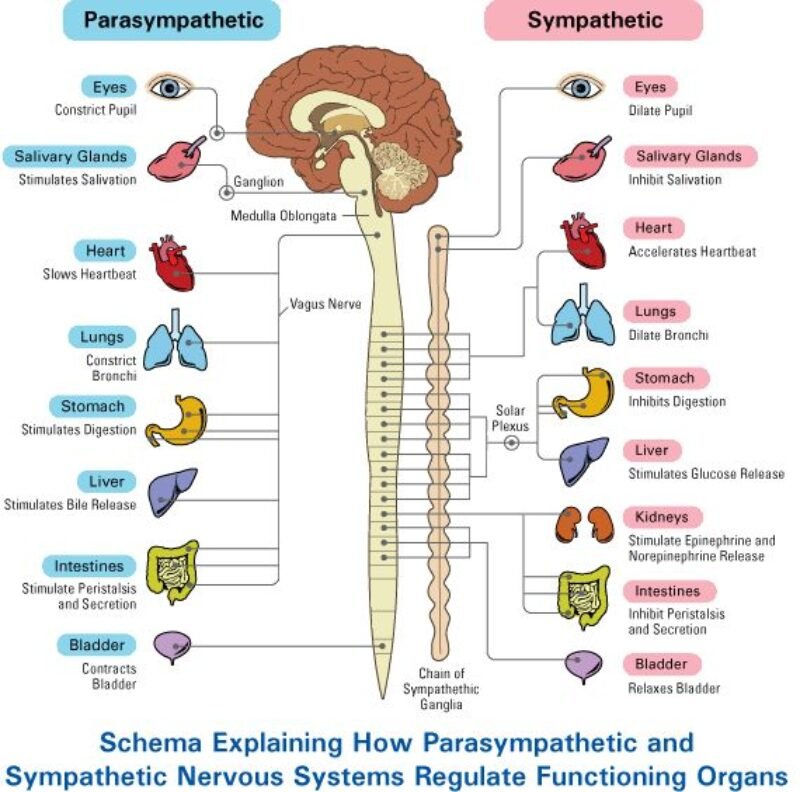
Your parasympathetic nervous system’s job is usually to relax or reduce your body’s activities. Because of the signals it carries, the rhyming phrases “rest and digest” or “feed and breed” are easy ways to remember what your parasympathetic nervous system does.

Your parasympathetic nervous system can have the following effects:

  • Eyes: It constricts your pupils to limit how much light enters your eyes. It also makes changes that can help improve your close-up vision, and causes tear production in your eyes.
  • Nose and mouth: It makes glands in your mouth produce saliva, and glands in your nose produce mucus. This can be helpful with digestion and breathing during times of rest.
  • Lungs: It tightens airway muscles and ultimately reduces the amount of work your lungs do during times of rest.
  • Heart: It lowers your heart rate and the pumping force of your heart.
  • Digestive tract: It increases your rate of digestion and diverts energy to help you digest food. It also tells your pancreas to make and release insulin, helping your body break down sugars into a form your cells can use.
  • Waste removal: It relaxes the muscles that help you control when you pee (urinate) or poop (defecate).
  • Reproductive system: It manages some of your body’s sexual functions, including feeling aroused (erections in people with a penis and secreting fluids that provide lubrication during sex in people with a vagina).

What Influences Activation of the Nervous System Branches?

As previously mentioned the brain and nervous system work together to make sense of what is happening inside and outside of the body to ensure effective adaptation and survival. I like to think of the body, mind and brain as representing a mass communication device, both transmitting and receiving information to inform conscious and unconscious responses. With survival as the the most fundamental aspect of our human programming, we are designed to adapt by heeding the demands of the body, rising to challenges inside and outside of us, avoiding threat and discomfort and then to drop back down to rest, safety and recovery.

Influences on the branches include many factors including: genetics, personality, tolerance of uncertainty, physical demand, competition for needed resources,  illness, lack of safe and comfortable downtime, stress, lack of relationships that offer emotional safety, good nutrition, functional mobility and breathing and oxidative stress.

When it comes to the parasympathetic nervous system we need to talk about the Vagus Nerve which is its main component. I have made this a subject for another page because it deserves to be understood in much more detail in its own right. Understanding the Vagus Nerve and how to influence it is very helpful in helping learn to balance the very normal and high amount of stress that life often involves.

What’s the difference between the parasympathetic and sympathetic nervous systems?

Your sympathetic and parasympathetic nervous systems have opposite but complementary roles. Your sympathetic nervous system carries signals that put your body’s systems on alert, and your parasympathetic carries signals that return those systems to their standard activity levels.

Your sympathetic nervous system takes the lead when your safety and survival are at risk, but that system’s actions can tendon. সহজ বাংলা: মাংসপেশি/টেনডনে টান।" data-rx-term="strain" data-rx-definition="A strain is injury to a muscle or tendon. সহজ বাংলা: মাংসপেশি/টেনডনে টান।">strain body systems when it’s active for too long. Because these two systems offset each other, they help maintain balance in your body.

Your parasympathetic nervous system also manages the activity in organs throughout your body when you feel calm and safe. These functions don’t involve risk or danger but are still key in keeping you alive and healthy.

Sympathetic and parasympathetic nervous system flexibility is key to maintaining emotional and physical wellbeing. The nervous system is involved in nearly every aspect of our health and guides everyday activities such as waking up, breathing; and complex processes such as thinking, reading, remembering, and generating emotions. Most commonly it is known to determine our stress response and recovery but it is involved so many of our body/mind processes beyond that. Understanding how your nervous system works is key to developing good health and wellbeing strategies.

The Sympathetic and parasympathetic nervous system controls:

  • Brain growth and development
  • Sensations (such as touch or hearing)
  • Perception (interpreting sensory information)
  • Thought and emotions
  • Learning and memory
  • Movement, balance, and coordination
  • Sleep
  • Healing and rehabilitation
  • Stress and the body’s responses to stress
  • Ageing
  • Breathing and heartbeat
  • Body temperature
  • Hunger, thirst, and digestion
  • reproductive health, and fertility

Conditions and Disorders

What are the common conditions and disorders that affect the parasympathetic nervous system?

Many conditions and problems can affect your autonomic nervous system, including your parasympathetic nervous system. Potential problems include:

  • Type 2 insulin is low or not working well. সহজ বাংলা: রক্তে চিনি বেশি থাকার রোগ।" data-rx-term="diabetes" data-rx-definition="Diabetes is a condition where blood sugar stays too high because insulin is low or not working well. সহজ বাংলা: রক্তে চিনি বেশি থাকার রোগ।">diabetes. Uncontrolled Type 2 insulin is low or not working well. সহজ বাংলা: রক্তে চিনি বেশি থাকার রোগ।" data-rx-term="diabetes" data-rx-definition="Diabetes is a condition where blood sugar stays too high because insulin is low or not working well. সহজ বাংলা: রক্তে চিনি বেশি থাকার রোগ।">diabetes can damage your autonomic nervous system, including your parasympathetic nervous system.
  • Congenital and genetic conditions. These are disorders or conditions you have at birth. You have genetic conditions because you inherit them from one or both parents. Inherited forms of amyloidosis can cause parasympathetic nervous system problems.
  • Parasympathetic nervous system problems can cause incontinence when there’s damage to the nerves that control your bladder and bowels.
  • Multiple system atrophy. This severe condition is similar to Parkinson’s disease, damaging autonomic nerves over time.
  • Sexual dysfunction. People with parasympathetic nervous system damage may have erectile dysfunction.
  • Trauma. Nerve damage from injuries is potentially long-term or even permanent. This is especially the case when you have injuries to your spinal cord or main nerve structures that impair or cut off parasympathetic connections farther down.

What are some common signs and symptoms of parasympathetic nervous system problems?

Your parasympathetic nervous system controls processes in your body that should happen automatically. That means these problems usually get noticed when something doesn’t happen as expected. Possible symptoms include:

  • Constipation.
  • Fast heart rate (tachycardia) even when resting.
  • Heart rhythm problems (including arrhythmias such as atrial fibrillation).
  • Sexual dysfunction.
  • Trouble digesting food (including gastroparesis).

What are some common tests to check parasympathetic nervous system functions?

Potential tests include:

  • Blood tests (these can detect many problems, ranging from immune system problems to the levels of neurotransmitters in your blood).
  • Electrocardiogram (EKG).
  • Genetic testing.
  • Magnetic resonance imaging (MRI).
  • Sweat testing (including how much you sweat and seeing if there are places on your body where you don’t sweat as you should).

What are the common treatments for parasympathetic nervous system conditions?

Treating conditions that affect your parasympathetic nervous system is often challenging. That’s because the treatments can change dramatically, depending on what’s behind the problem. The treatments can also include many different approaches, ranging from medication to surgery.

Sometimes, treatment of a parasympathetic nervous system problem requires treating or curing an underlying problem. In other cases, a condition isn’t curable, and the goal will be to treat and minimize the impact of symptoms.

Care

How can I prevent conditions and problems that affect the sympathetic nervous system?

Prevention can make all the difference in protecting and maintaining your parasympathetic nervous system. The best preventive measures include:

  • Eat a balanced diet. Vitamin deficiencies, especially vitamin B12, can damage your nervous system. You should also avoid overusing vitamins (especially B6, which has toxic effects on your nervous systems at high levels).
  • Avoid abusing drugs and alcohol. Substance use, including frequent heavy drinking, can have toxic effects and damage your sympathetic nervous system.
  • Stay physically active and maintain a healthy weight. Type 2 insulin is low or not working well. সহজ বাংলা: রক্তে চিনি বেশি থাকার রোগ।" data-rx-term="diabetes" data-rx-definition="Diabetes is a condition where blood sugar stays too high because insulin is low or not working well. সহজ বাংলা: রক্তে চিনি বেশি থাকার রোগ।">diabetes damages your autonomic nerves over time. That’s why preventing it, or at least delaying when it starts, can make a big difference in your overall well-being.
  • Wear safety equipment as needed. Safety equipment can be a big help if you want to prevent nerve damage from injuries, regardless of whether you use the equipment during work or play activities.
  • Manage chronic conditions as recommended. If you have a chronic condition that can damage your nervous system, you should take steps to manage this condition. Your healthcare provider can help guide you on how to do that. That guidance can make a big difference in helping you limit the condition’s progress or how it affects your life.

Disclaimer: Each person’s journey is unique, treatment plan, life style, food habit, hormonal condition, immune system, chronic disease condition, geological location, weather and previous medical  history is also unique. So always seek the best advice from a qualified medical professional or health care provider before trying any treatments to ensure to find out the best plan for you. This guide is for general information and educational purposes only. Regular check-ups and awareness can help to manage and prevent complications associated with these diseases conditions. If you or someone are suffering from this disease condition bookmark this website or share with someone who might find it useful! Boost your knowledge and stay ahead in your health journey. We always try to ensure that the content is regularly updated to reflect the latest medical research and treatment options. Thank you for giving your valuable time to read the article.

The article is written by Team Rxharun and reviewed by the Rx Editorial Board Members

Last Updated: April 23, 2025.

Doctor visit helper

Prepare before seeing a doctor

A simple rural-patient checklist to help you explain symptoms clearly, ask better questions, and avoid unsafe self-treatment.

Safety note: This is not a prescription or diagnosis. For severe symptoms, pregnancy danger signs, children with serious illness, chest pain, breathing difficulty, stroke-like weakness, or major injury, seek urgent care.

Which doctor may help?

Start with a registered doctor or the nearest qualified health center.

What to tell the doctor

  • Write when the problem started and how it changed.
  • Bring old prescriptions, investigation reports, and current medicines.
  • Write allergies, pregnancy status, diabetes, kidney/liver disease, and major past illnesses.
  • Bring one family member if the patient is weak, elderly, confused, or a child.

Questions to ask

  • What is the most likely cause of my symptoms?
  • Which danger signs mean I should go to hospital quickly?
  • Which tests are necessary now, and which can wait?
  • How should I take medicines safely and what side effects should I watch for?
  • When should I come for follow-up?

Tests to discuss

  • Vital signs: temperature, pulse, blood pressure, oxygen saturation
  • Basic physical examination by a clinician
  • CBC, urine test, blood sugar, or imaging only when clinically needed

Avoid these mistakes

  • Do not use antibiotics, steroid tablets/injections, or strong painkillers without proper medical advice.
  • Do not hide pregnancy, kidney disease, ulcer, allergy, or blood thinner use.
  • Do not delay emergency care when danger signs are present.

Medicine safety and first-aid guide

This section is for patient education only. It does not replace a doctor, pharmacist, or emergency care.

Safe first steps

  • Avoid heavy lifting, sudden bending, and prolonged bed rest.
  • Use comfortable posture and gentle movement as tolerated.
  • Discuss physiotherapy, X-ray, or MRI only when clinically needed.

OTC medicine safety

  • For mild back pain, pain-relief medicine may be discussed with a doctor or pharmacist.
  • Avoid repeated painkiller use if you have kidney disease, stomach ulcer, uncontrolled blood pressure, or are taking blood thinners.

Avoid these mistakes

  • Do not start antibiotics without a proper medical decision.
  • Do not use steroid tablets or injections casually for quick relief.
  • Do not delay emergency care because of home remedies.

Get urgent help if

  • Back pain with leg weakness, numbness around private area, loss of urine/stool control, fever, cancer history, or major injury needs urgent care.
Medicine names, dose, and timing must be decided by a qualified clinician or pharmacist after checking age, pregnancy, allergy, other diseases, and current medicines.

For rural patients and family caregivers

Patient health record and symptom diary

Write your symptoms, medicines already taken, test results, and questions before visiting a doctor. This note stays on your device unless you print or copy it.

Doctor to discuss: Orthopedic / spine specialist, physical medicine doctor, or qualified clinician
Tests to discuss with doctor
  • Neurological examination for leg power, sensation, reflexes, and straight leg raise
  • X-ray only if injury, deformity, long-lasting pain, or doctor suspects bone problem
  • MRI discussion if severe nerve symptoms, weakness, bladder/bowel problem, or persistent symptoms
Questions to ask
  • What is the most likely cause of my symptoms?
  • Which warning signs mean I should go to emergency care?
  • Which tests are really needed now?
  • Which medicines are safe for my age, pregnancy status, allergy, kidney/liver/stomach condition, and current medicines?
  • Is physiotherapy, posture correction, or activity modification needed?

Emergency warning signs such as chest pain, severe breathing difficulty, sudden weakness, confusion, severe dehydration, major injury, or loss of bladder/bowel control need urgent medical care. Do not wait for online information.

Safe pathway to proper treatment

Care roadmap for: Parasympathetic Nervous System (PSNS)

Use this simple roadmap to understand the next safe steps. It is educational and does not replace examination by a doctor.

Go to emergency care if you notice:
  • Severe or rapidly worsening symptoms
  • Breathing difficulty, chest pain, fainting, confusion, severe weakness, major injury, or severe dehydration
Doctor / service to discuss: Qualified healthcare provider; specialist depends on symptoms and examination.
  1. Step 1

    Check danger signs first

    If danger signs are present, seek emergency care and do not wait for online information.

  2. Step 2

    Record the symptom story

    Write when symptoms started, severity, medicines already taken, allergies, pregnancy status, and test results.

  3. Step 3

    Visit a qualified clinician

    A doctor, nurse, or qualified healthcare provider can examine you and decide which tests or treatment are needed.

  4. Step 4

    Do only useful tests

    Do tests after clinical assessment. Avoid unnecessary tests, random antibiotics, or repeated medicines without diagnosis.

  5. Step 5

    Follow up and return early if worse

    If symptoms worsen, new warning signs appear, or treatment is not helping, return for review quickly.

Rural patient practical tips
  • Take a written symptom diary and all previous prescriptions/test reports.
  • Do not hide medicines already taken, even herbal or over-the-counter medicines.
  • Ask which warning signs mean urgent referral to hospital.

This roadmap is for education. A real diagnosis and treatment plan requires history, examination, and clinical judgment.

RX Patient Help

Ask a health question safely

Write your symptom story. A health professional or site editor can review it before any answer is prepared. This box is not for emergency care.

Emergency first: Severe chest pain, breathing trouble, unconsciousness, stroke signs, severe injury, heavy bleeding, or rapidly worsening symptoms need urgent local medical care now.

Frequently Asked Questions

What is the Sympathetic and Parasympathetic Nervous System?

We have two main components to our nervous system, one that is under our conscious control (e.g. moving your body) and another that works automatically on our behalf (e.g. controlling heart rate). The automatic part (ANS) is responsible for all bodily processes that occur without conscious control, including our emotional expression, and helps us mobilise energy with our sympathetic nervous system or conserve energy through our parasympathetic nervous system. The nervous system and brain work together to make sense of what it…

What it does: Rest and Digest: The PNS is often associated with the "rest and digest" state, as it promotes activities like digestion, urination, and sexual arousal.  Conserves Energy: It helps the body conserve energy by slowing down heart rate and reducing blood pressure, allowing for more efficient energy usage during periods of rest.  Regulates Bodily Functions: The PNS plays a role in regulating various bodily functions, including digestive processes, urination, and pupil dilation.  How it works: Two Neurons: The parasympathetic system uses two neurons to transmit signals: a preganglionic neuron in the central nervous system and a postganglionic neuron that connects to the target organ. Acetylcholine: These neurons release acetylcholine as a neurotransmitter to stimulate or inhibit the activity of target organs.  Key Nerves: Cranial Nerves: The PNS includes several cranial nerves, notably the vagus nerve, which plays a significant role in regulating heart rate, digestion, and other functions. Sacral Nerves: Sacral nerves (specifically S2-S4) are also part of the parasympathetic system and contribute to the control of functions like digestion and urination.  In essence, the parasympathetic nervous system works in conjunction with the sympathetic nervous system to maintain a balanced state within the body, ensuring that the body can respond to both stressful and restful situations effectively.  Anatomy Where is the parasympathetic nervous system located?

Your parasympathetic nervous system is one of two parts of your autonomic nervous system. Your autonomic nervous system is a subsystem of your peripheral nervous system, which is all the nervous tissue in your body excluding your brain and spinal cord. Your parasympathetic nervous system uses four of your 12 cranial nerves. These are nerves that connect directly to your brain. Three of those four only involve your senses and glands connected to your eyes, nose and mouth. The fourth, your…

Structure The parasympathetic nerves are autonomic or visceral [rx][rx] branches of the peripheral nervous system (PNS). Parasympathetic nerve supply arises through three primary areas: Certain cranial nerves in the cranium, namely the preganglionic parasympathetic nerves (CN III, CN VII, CN IX and CN X) usually arise from specific nuclei in the central nervous system (CNS) and synapse at one of four parasympathetic ganglia: ciliary, pterygopalatine, otic, or submandibular. From these four ganglia the parasympathetic nerves complete their journey to target tissues via trigeminal branches (ophthalmic nerve, maxillary nerve, mandibular nerve). The vagus nerve (CN X) does not participate in these cranial ganglia as most of its parasympathetic fibers are destined for a broad array of ganglia on or near thoracic viscera (esophagus, trachea, heart, lungs) and abdominal viscera (stomach, pancreas, liver, kidneys, small intestine, and about half of the large intestine). The vagus innervation ends at the junction between the midgut and hindgut, just before the splenic flexure of the transverse colon. The pelvic splanchnic efferent preganglionic nerve cell bodies reside in the lateral gray horn of the spinal cord at the T12–L1 vertebral levels (the spinal cord terminates at the L1–L2 vertebrae with the conus medullaris), and their axons exit the vertebral column as S2–S4 spinal nerves through the sacral foramina.[7] Their axons continue away from the CNS to synapse at an autonomic ganglion. The parasympathetic ganglion where these preganglionic neurons synapse will be close to the organ of innervation. This differs from the sympathetic nervous system, where synapses between pre- and post-ganglionic efferent nerves in general occur at ganglia that are farther away from the target organ. As in the sympathetic nervous system, efferent parasympathetic nerve signals are carried from the central nervous system to their targets by a system of two neurons. The first neuron in this pathway is referred to as the preganglionic or presynaptic neuron. Its cell body sits in the central nervous system and its axon usually extends to synapse with the dendrites of a postganglionic neuron somewhere else in the body. The axons of presynaptic parasympathetic neurons are usually long, extending from the CNS into a ganglion that is either very close to or embedded in their target organ. As a result, the postsynaptic parasympathetic nerve fibers are very short Autonomic nervous system's jurisdiction to organs in the human body edit Organ Nerves[rx] Spinal column origin[rx] stomach PS: anterior and posterior vagal trunks S: greater splanchnic nerves T5, T6, T7, T8, T9, sometimes T10 duodenum PS: vagus nerves S: greater splanchnic nerves T5, T6, T7, T8, T9, sometimes T10 jejunum and ileum PS: posterior vagal trunks S: greater splanchnic nerves T5, T6, T7, T8, T9 spleen S: greater splanchnic nerves T6, T7, T8 gallbladder and liver PS: vagus nerve S: celiac plexus right phrenic nerve T6, T7, T8, T9 colon PS: vagus nerves and pelvic splanchnic nerves S: lesser and least splanchnic nerves T10, T11, T12 (proximal colon) L1, L2, L3, (distal colon) pancreatic head PS: vagus nerves S: thoracic splanchnic nerves T8, T9 appendix nerves to superior mesenteric plexus T10 bladder PS: pelvic splanchnic nerves to detrusor muscles S: inferior hypogastric nerves S2-S4 kidneys and ureters PS: vagus nerve S: thoracic and lumbar splanchnic nerves T11, T12 Structure and Function Both divisions of the ANS are comprised of a complex network of pathways responsible for maintaining the physiologic integrity of organs, tissues, and cells. They are composed of pre- and postganglionic neurons that act on effector organs.[rx]  The preganglionic neurons of the PNS come from brainstem nuclei and the sacral spinal cord (specifically S2-S4). The axons of preganglionic PNS neurons are much longer than those of the SNS and synapse with the postganglionic neurons in the ganglia at or near the effector organs. The very short postganglionic axons then relay signals to the cells of the effector organs. Those preganglionic parasympathetic neurons that begin in the brainstem leave the central nervous system (CNS) through cranial nerves. Cranial nerves carrying parasympathetic functions include the oculomotor nerve (III) acting on the eyes, the facial nerve (VII) working on the lacrimal gland, the salivary glands, and the mucous membranes within the nasal cavity, the glossopharyngeal nerve (IX) acting on the parotid gland, and the vagus nerve (X) acting on the viscera of the abdomen and thorax. The vagus nerve is particularly influential within the PNS as it carries 75% of all parasympathetic fibers. The preganglionic fibers from the sacral cord join to form pelvic splanchnic nerves, which act on the pelvic cavity viscera.[rx] The PNS uses acetylcholine as its neurotransmitter for pre- and postganglionic neurons activating muscarinic receptors. This differs from the SNS, which uses norepinephrine, which acts on adrenergic receptors, as the primary neurotransmitter for most postganglionic neurons. The primary exception is sweat glands stimulated by the SNS, which have cholinergic postganglionic neurons.[rx] Muscarinic receptors are integral membrane proteins comprised of 5 subtypes (M1-M5) located on different effector organs. M1, M3, and M5 are coupled to Gq proteins, which signal through the IP3 pathway, while M2 and M4 receptors couple to Gi proteins, which signal through the cAMP pathway.[rx] The type of receptor and its location determine the functions of the PNS. The actions of the PNS are listed below: In the male reproductive tract, parasympathetic stimulation of M3 receptors causes smooth muscle relaxation in the helicine arteries of the penis, allowing blood to fill the corpora cavernosa and corpus spongiosum, causing an erection. The PNS also gives excitatory signals to the vas deferens, seminal vesicles, and prostate.[rx] In the eye, parasympathetic stimulation of M3 receptors causes contraction of the iris's sphincter muscle, leading to pupil constriction (miosis). Additionally, it causes contraction of the ciliary muscle, improving near vision. In the heart, parasympathetic stimulation of M2 receptors causes decreased heart rate and conduction velocity through the AV node. In the vasculature, parasympathetic stimulation of M3 receptors leads to vasodilation. In the lungs, parasympathetic stimulation of M3 receptors leads to bronchoconstriction. It also increases bronchial secretions. In salivary glands, parasympathetic stimulation of M1 and M3 receptors leads to high-volume secretion of potassium ions, water, and amylase. In the stomach and intestines, parasympathetic stimulation of M receptors leads to increased motility and relaxation of sphincters. Stimulation of M receptors also increases gastric secretions to aid in digestion. In the gallbladder, parasympathetic stimulation of M3 receptors stimulates contraction to release bile. In the pancreas, parasympathetic stimulation of M3 receptors leads to the release of digestive enzymes and insulin. In the kidneys and bladder, parasympathetic stimulation of M3 receptors stimulates ureter peristalsis, contraction of the detrusor muscle, and relaxation of the internal urethral sphincter, aiding in the flow and excretion of urine. After being released from cholinergic neurons and acting on muscarinic receptors, acetylcholine is quickly inactivated or removed from the neuroeffector junction to allow new signals to come through. In cholinergic synapses, this action is primarily performed enzymatically by acetylcholinesterase. It hydrolyzes acetylcholine into choline and acetate in less than 1 millisecond, making it 1 of the fastest enzymes in the body.[rx]   What does the parasympathetic nervous system do?

Your parasympathetic nervous system’s job is usually to relax or reduce your body’s activities. Because of the signals it carries, the rhyming phrases “rest and digest” or “feed and breed” are easy ways to remember what your parasympathetic nervous system does. Your parasympathetic nervous system can have the following effects: Eyes: It constricts your pupils to limit how much light enters your eyes. It also makes changes that can help improve your close-up vision, and causes tear production in your…

What Influences Activation of the Nervous System Branches?

As previously mentioned the brain and nervous system work together to make sense of what is happening inside and outside of the body to ensure effective adaptation and survival. I like to think of the body, mind and brain as representing a mass communication device, both transmitting and receiving information to inform conscious and unconscious responses. With survival as the the most fundamental aspect of our human programming, we are designed to adapt by heeding the demands of the body,…

What’s the difference between the parasympathetic and sympathetic nervous systems?

Your sympathetic and parasympathetic nervous systems have opposite but complementary roles. Your sympathetic nervous system carries signals that put your body’s systems on alert, and your parasympathetic carries signals that return those systems to their standard activity levels. Your sympathetic nervous system takes the lead when your safety and survival are at risk, but that system’s actions can strain body systems when it’s active for too long. Because these two systems offset each other, they help maintain balance in your…

The Sympathetic and parasympathetic nervous system controls: Brain growth and development Sensations (such as touch or hearing) Perception (interpreting sensory information) Thought and emotions Learning and memory Movement, balance, and coordination Sleep Healing and rehabilitation Stress and the body’s responses to stress Ageing Breathing and heartbeat Body temperature Hunger, thirst, and digestion reproductive health, and fertility Conditions and Disorders What are the common conditions and disorders that affect the parasympathetic nervous system?

Many conditions and problems can affect your autonomic nervous system, including your parasympathetic nervous system. Potential problems include: Type 2 diabetes. Uncontrolled Type 2 diabetes can damage your autonomic nervous system, including your parasympathetic nervous system. Congenital and genetic conditions. These are disorders or conditions you have at birth. You have genetic conditions because you inherit them from one or both parents. Inherited forms of amyloidosis can cause parasympathetic nervous system problems. Parasympathetic nervous system problems can cause incontinence when there’s damage…

What are some common signs and symptoms of parasympathetic nervous system problems?

Your parasympathetic nervous system controls processes in your body that should happen automatically. That means these problems usually get noticed when something doesn’t happen as expected. Possible symptoms include: Constipation. Fast heart rate (tachycardia) even when resting. Heart rhythm problems (including arrhythmias such as atrial fibrillation). Sexual dysfunction. Trouble digesting food (including gastroparesis).

What are some common tests to check parasympathetic nervous system functions?

Potential tests include: Blood tests (these can detect many problems, ranging from immune system problems to the levels of neurotransmitters in your blood). Electrocardiogram (EKG). Genetic testing. Magnetic resonance imaging (MRI). Sweat testing (including how much you sweat and seeing if there are places on your body where you don't sweat as you should).

References

Add references, clinical guidelines, textbooks, journal articles, or trusted medical sources here. You can edit this area from the RX Article Professional Blocks panel.