Shaded Surface Display (SSD) Test

Patient Tools

Read, save, and share this guide

Use these quick tools to make this medical article easier to read, print, save, or share with a family member.

Patient Mode

Understand this article easily

Switch between simple English and easy Bangla patient notes. This is for education and does not replace a doctor consultation.

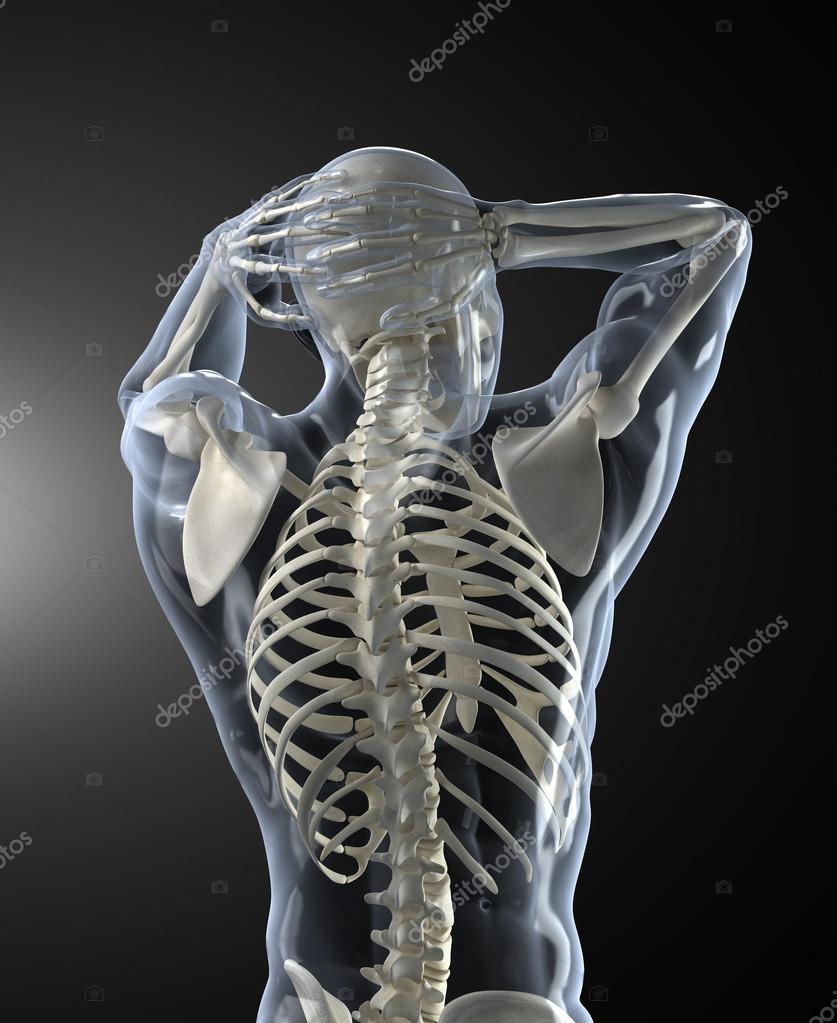
A shaded surface display (SSD) test (sometimes called feature-extraction or iso-surfacing) is a surface-rendered 3D image-producing system that provides a realistically looking three-dimensional view image of the surface of a structure of any organ of real interest image view within the acquired volume set. For...

For severe symptoms, danger signs, pregnancy, child illness, or sudden worsening, seek urgent medical care.

বাংলা রোগী নোট এখনো যোগ করা হয়নি। পোস্ট এডিটরে “RX Bangla Patient Mode” বক্স থেকে সহজ বাংলা সারাংশ যোগ করুন।

এই তথ্য শিক্ষা ও সচেতনতার জন্য। এটি ডাক্তারি পরীক্ষা, রোগ নির্ণয় বা প্রেসক্রিপশনের বিকল্প নয়।

Article Summary

A shaded surface display (SSD) test (sometimes called feature-extraction or iso-surfacing) is a surface-rendered 3D image-producing system that provides a realistically looking three-dimensional view image of the surface of a structure of any organ of real interest image view within the acquired volume set. For volume rendering, two transfer functions are defined: one for the mapping of intensity values to gray values (as in 2D...

Key Takeaways

  • This article explains Indications in simple medical language.
Educational health guideWritten for patient understanding and clinical awareness.
Reviewed content workflowUse writer and reviewer profiles for stronger trust.
Emergency safety firstUrgent warning signs are highlighted below.

Seek urgent medical care if you notice

These warning signs are general safety guidance. Local emergency numbers and clinical judgment should always come first.

  • Severe symptoms, breathing difficulty, fainting, confusion, or rapidly worsening illness.
  • New weakness, severe pain, high fever, or symptoms after a serious injury.
  • Any symptom that feels urgent, unusual, or unsafe for the patient.
1

Emergency now

Use emergency care for severe, sudden, rapidly worsening, or life-threatening symptoms.

2

See a doctor

Book a professional medical evaluation if symptoms persist, worsen, recur often, affect daily activities, or occur in a high-risk patient.

3

Learn safely

Use this article to understand possible causes, tests, treatment options, prevention, and questions to ask your clinician.

Before reading

RX Patient Tools

Use these quick guides before reading the article, or return to them when you need help preparing questions for a doctor.

Start here Choose the right pathway for symptoms, reports, medicines, or urgent warning signs. Disease article roadmap Read this topic step by step: meaning, symptoms, warning signs, diagnosis, treatment, prevention, and follow-up. Treatment planner Prepare questions about treatment choices, benefits, risks, side effects, and follow-up. Family & caregiver guide Organize symptoms, reports, medicines, questions, and follow-up safely. Nutrition & diet guide Prepare food, hydration, supplement, and medicine-timing questions safely. Prevention guide Organize risk factors, protective habits, screening, and warning signs. Recovery guide Prepare a safe plan for activity, rehabilitation, warning signs, and follow-up.
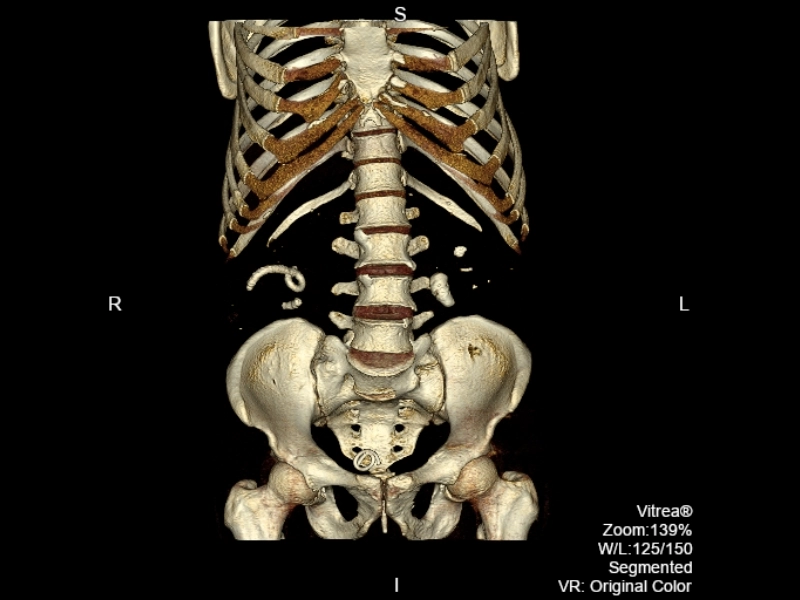
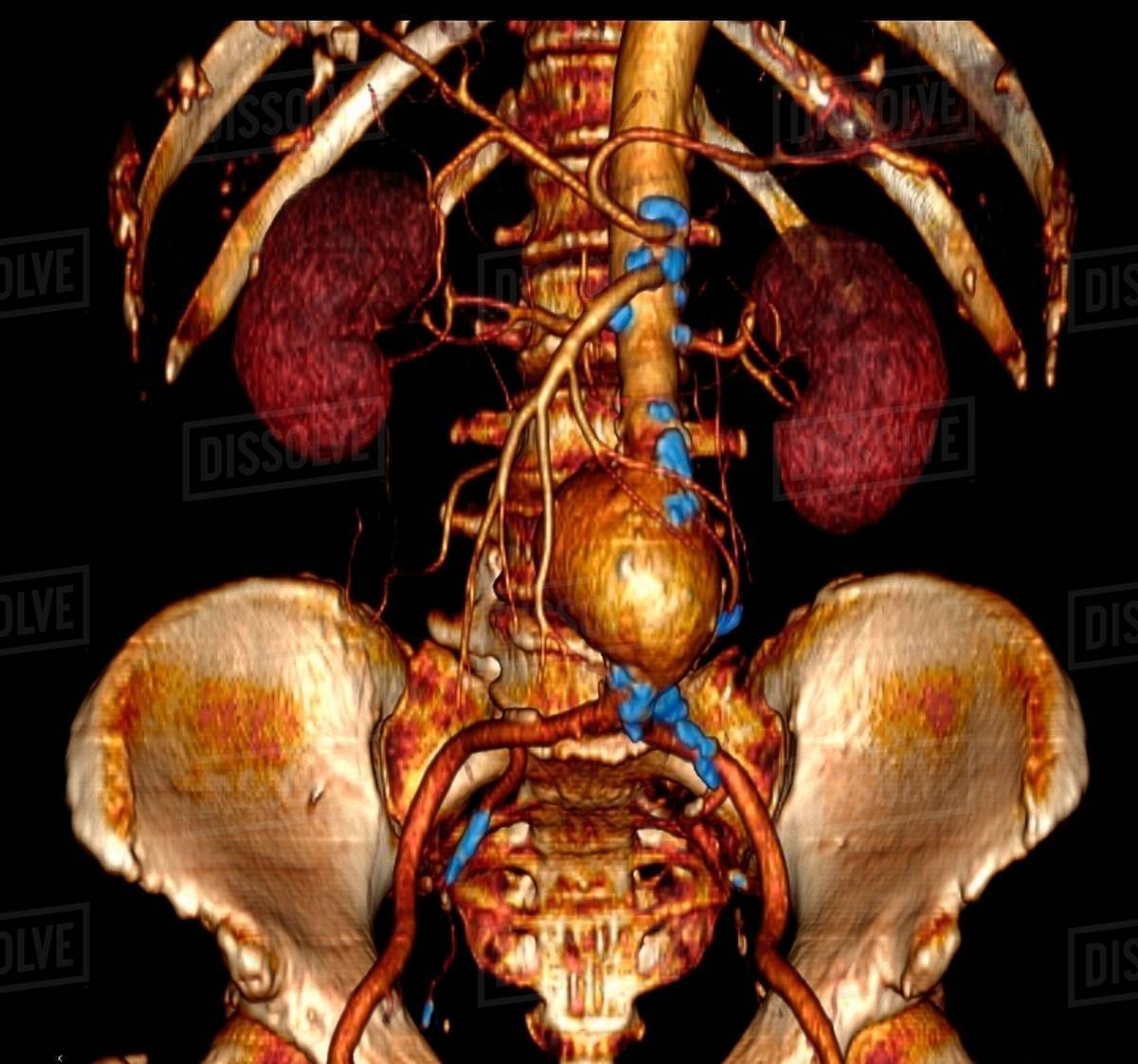
A shaded surface display (SSD) test (sometimes called feature-extraction or iso-surfacing) is a surface-rendered 3D image-producing system that provides a realistically looking three-dimensional view image of the surface of a structure of any organ of real interest image view within the acquired volume set. For volume rendering, two transfer functions are defined: one for the mapping of intensity values to gray values (as in 2D visualization) and another one for the mapping of intensity with regulation values to a 3D transparency image.
Surface rendering techniques characteristically needed the extraction of contours (edges) that define the surface of the structure to be visualized and represent the surface by a mosaic of connected polygons. A tiling latest scientific algorithm system is applied that places surface patches (or tiles) at each contour point, and with hidden surface removal and shading procedure, the surface is rendered visible.
SSD enables accurate 3-D representations of anatomy structure, relying on the grayscale to encode surface reflections from an imaginary source of illumination. SSD images are limited by their dependence on user-selected special threshold settings. The 12-bit CT data is reduced to binary data, each pixel either within or outside of the threshold range image. Because of this, it can overestimate or underestimate arterial, and venous stenosis.
Shaded Surface Display (SSD) Test

Indications

Indications for shaded surface display (SSD) imaging are developed by the imaging revolution, and some important ones are listed below. These indications include:

  • Evaluating patients with suspected dementia
  • Localizing epileptic foci preoperatively
  • Diagnosing encephalitis
  • Monitoring and assessing vascular spasm following subarachnoid hemorrhage
  • Mapping of brain perfusion during surgical interventions
  • Detecting and evaluating cerebrovascular disease
  • Predicting the prognosis of patients with cerebrovascular accidents
  • Corroborating the clinical impression of brain death
  • Several indications in the field of oncology are listed in this article.
  • Evaluating patients for coronary artery disease.
  • Assessing treatment response and guidance of future therapy in patients with coronary artery disease, cardiomyopathy, and heart failure.
  • Diagnosing coronary artery disease in patients unable to perform a standard exercise stress test.
  • Pre-surgical evaluation of patients with suspected or confirmed coronary artery disease.

Thoraco‐abdominal aorta

  • Diagnosis of congenital and degenerative aortic diseases
  • Assessment of acute aortic injuries and dissections
  • Evaluation of visceral arteries (coeliac, superior mesenteric, and renal arteries)
  • Preoperative planning and follow up
  • Tumor staging and surgical planning

Renal arteries

  • Assessment of anatomy for donor transplants
  • Diagnosis of renal artery stenosis in hypertensives or deteriorating renal function
  • Assessment of renal arteries post‐intervention (renal artery stenting)

Peripheral arterial system

  • Assessment of peripheral vascular disease
  • Assessment of bypass grafts

Carotid/intracranial circulation

  • Characterization of the atherosclerotic disease
  • Assessment of aortic arch vessels
  • Verification of internal carotid artery stenosis
  • Preoperative planning of endovascular and surgical treatment of intracranial aneurysms and vascular malformations

Cardiac imaging

  • Atypical chest pain
  • Patients with intermediate-risk
  • Young patients with a high risk for coronary disease
  • Coronary artery anomalies
  • Non‐invasive follow‐up following percutaneous transluminal angioplasty and stenting
  • Assessment of myocardial scars, aneurysms, tumors, and thrombi
  • Assessment of coronary artery bypass grafts
  • Assessment of the pulmonary veins before and following radiofrequency ablation
  • the diagnostic accuracy of coronary artery disease; the prognostic value of coronary artery disease with regard to the prediction of major cardiac events; detection and quantification of coronary calcium and characterization of coronary plaques

Bone and spine

  • Intraspinal or intervertebral foramen cervical dumbbell tumors,
  • tumors beyond the intervertebral foramen
  • Spinous process, supraspinal and interspinous ligament,
  • The contralateral paravertebral muscle thus
  • Investigate stability and flexibility problems of cervical vertebrae and
  • Alleviates cervical stiffness.
  • Reveals the contour of the tumor as well as compression upon the spinal cord, the extent of spinal edema as well as mutual relationships among the tumor, dura mater, and nerve root [,].
  • At the same time, VRT is conducive to analyzing tumors at different levels for intratumoral vascular route and evaluating infliction and erosion extent of vessels thus assessing neurosurgical difficulties and risks.
  • Owing to its high resolution based on the reconstruction thickness at the sub-millimeter level,
  • VRT formulates images from different perspectives for locating vertebral artery, confirming vascular route and compression degree as well as visualizing peripheral vessels around the tumor.
  • Sparing nerve roots: nerve roots above the tumor or enwrapped by the tumor could be dissected and protected, while nerve roots coursing through the tumor should be resected due to their involvement in the tumor original.
Shaded Surface Display (SSD) Test Shaded Surface Display (SSD) Test Shaded Surface Display (SSD) Test
References
Doctor visit helper

Prepare before seeing a doctor

A simple rural-patient checklist to help you explain symptoms clearly, ask better questions, and avoid unsafe self-treatment.

Safety note: This is not a prescription or diagnosis. For severe symptoms, pregnancy danger signs, children with serious illness, chest pain, breathing difficulty, stroke-like weakness, or major injury, seek urgent care.

Which doctor may help?

Start with a registered doctor or the nearest qualified health center.

What to tell the doctor

  • Write when the problem started and how it changed.
  • Bring old prescriptions, investigation reports, and current medicines.
  • Write allergies, pregnancy status, diabetes, kidney/liver disease, and major past illnesses.
  • Bring one family member if the patient is weak, elderly, confused, or a child.

Questions to ask

  • What is the most likely cause of my symptoms?
  • Which danger signs mean I should go to hospital quickly?
  • Which tests are necessary now, and which can wait?
  • How should I take medicines safely and what side effects should I watch for?
  • When should I come for follow-up?

Tests to discuss

  • Vital signs: temperature, pulse, blood pressure, oxygen saturation
  • Basic physical examination by a clinician
  • CBC, urine test, blood sugar, or imaging only when clinically needed

Avoid these mistakes

  • Do not use antibiotics, steroid tablets/injections, or strong painkillers without proper medical advice.
  • Do not hide pregnancy, kidney disease, ulcer, allergy, or blood thinner use.
  • Do not delay emergency care when danger signs are present.

Medicine safety and first-aid guide

This section is for patient education only. It does not replace a doctor, pharmacist, or emergency care.

Safe first steps

  • Avoid heavy lifting, sudden bending, and prolonged bed rest.
  • Use comfortable posture and gentle movement as tolerated.
  • Discuss physiotherapy, X-ray, or MRI only when clinically needed.

OTC medicine safety

  • For mild back pain, pain-relief medicine may be discussed with a doctor or pharmacist.
  • Avoid repeated painkiller use if you have kidney disease, stomach ulcer, uncontrolled blood pressure, or are taking blood thinners.

Avoid these mistakes

  • Do not start antibiotics without a proper medical decision.
  • Do not use steroid tablets or injections casually for quick relief.
  • Do not delay emergency care because of home remedies.

Get urgent help if

  • Back pain with leg weakness, numbness around private area, loss of urine/stool control, fever, cancer history, or major injury needs urgent care.
Medicine names, dose, and timing must be decided by a qualified clinician or pharmacist after checking age, pregnancy, allergy, other diseases, and current medicines.

For rural patients and family caregivers

Patient health record and symptom diary

Write your symptoms, medicines already taken, test results, and questions before visiting a doctor. This note stays on your device unless you print or copy it.

Doctor to discuss: Emergency care / cardiology / medicine doctor
Tests to discuss with doctor
  • ECG as early as possible when chest pain suggests heart risk
  • Troponin or cardiac blood tests if doctor suspects heart attack
  • Blood pressure, oxygen level, chest examination, and other tests as advised urgently
Questions to ask
  • What is the most likely cause of my symptoms?
  • Which warning signs mean I should go to emergency care?
  • Which tests are really needed now?
  • Which medicines are safe for my age, pregnancy status, allergy, kidney/liver/stomach condition, and current medicines?
  • Is this heart-related, and do I need emergency observation?

Emergency warning signs such as chest pain, severe breathing difficulty, sudden weakness, confusion, severe dehydration, major injury, or loss of bladder/bowel control need urgent medical care. Do not wait for online information.

Safe pathway to proper treatment

Care roadmap for: Shaded Surface Display (SSD) Test

Use this simple roadmap to understand the next safe steps. It is educational and does not replace examination by a doctor.

Go to emergency care if you notice:
  • Severe or rapidly worsening symptoms
  • Breathing difficulty, chest pain, fainting, confusion, severe weakness, major injury, or severe dehydration
Doctor / service to discuss: Qualified healthcare provider; specialist depends on symptoms and examination.
  1. Step 1

    Check danger signs first

    If danger signs are present, seek emergency care and do not wait for online information.

  2. Step 2

    Record the symptom story

    Write when symptoms started, severity, medicines already taken, allergies, pregnancy status, and test results.

  3. Step 3

    Visit a qualified clinician

    A doctor, nurse, or qualified healthcare provider can examine you and decide which tests or treatment are needed.

  4. Step 4

    Do only useful tests

    Do tests after clinical assessment. Avoid unnecessary tests, random antibiotics, or repeated medicines without diagnosis.

  5. Step 5

    Follow up and return early if worse

    If symptoms worsen, new warning signs appear, or treatment is not helping, return for review quickly.

Rural patient practical tips
  • Take a written symptom diary and all previous prescriptions/test reports.
  • Do not hide medicines already taken, even herbal or over-the-counter medicines.
  • Ask which warning signs mean urgent referral to hospital.

This roadmap is for education. A real diagnosis and treatment plan requires history, examination, and clinical judgment.

RX Patient Help

Ask a health question safely

Write your symptom story. A health professional or site editor can review it before any answer is prepared. This box is not for emergency care.

Emergency first: Severe chest pain, breathing trouble, unconsciousness, stroke signs, severe injury, heavy bleeding, or rapidly worsening symptoms need urgent local medical care now.

Frequently Asked Questions

Is this article a replacement for a doctor?

No. It is educational content only. Patients should consult a qualified clinician for diagnosis and treatment.

When should I seek urgent care?

Seek urgent care for severe symptoms, rapidly worsening condition, breathing difficulty, severe pain, neurological changes, or any emergency warning sign.

References

Add references, clinical guidelines, textbooks, journal articles, or trusted medical sources here. You can edit this area from the RX Article Professional Blocks panel.