
Tea bag is a small, porous, sealed bag or packet containing dried plant material, which is immersed in boiling water to make a tea or an infusion. Classically these are tea leaves but the term is also used for herbal teas (tisanes) made of herbs or spices. Tea bags are commonly made of filter paper or food-grade plastic, or occasionally of silk. The bag contains the tea leaves while the tea is steeped, making it easier to dispose of the leaves, and performs the same function as a tea infuser. Some tea bags have an attached piece of string with a paper label at the top that assists in removing the bag while also displaying the brand or variety of tea.
Usefulness & Creative Ways to Use Your Used Tea Bag
Most people throw the used tea bags of what was once their refreshing beverage. However, used tea bags are nature-friendly and decompose a lot faster than most waste. Why create more garbage? We can use tea bags in a lot of useful (and creative) ways in your garden or home.
Keep on reading. In this article, you could learn a lot of alternative but very useful ways to dispose of a used tea bag.
And next time when you finish your refreshing tea, you might store it for burying in your garden instead of getting rid of it quickly.
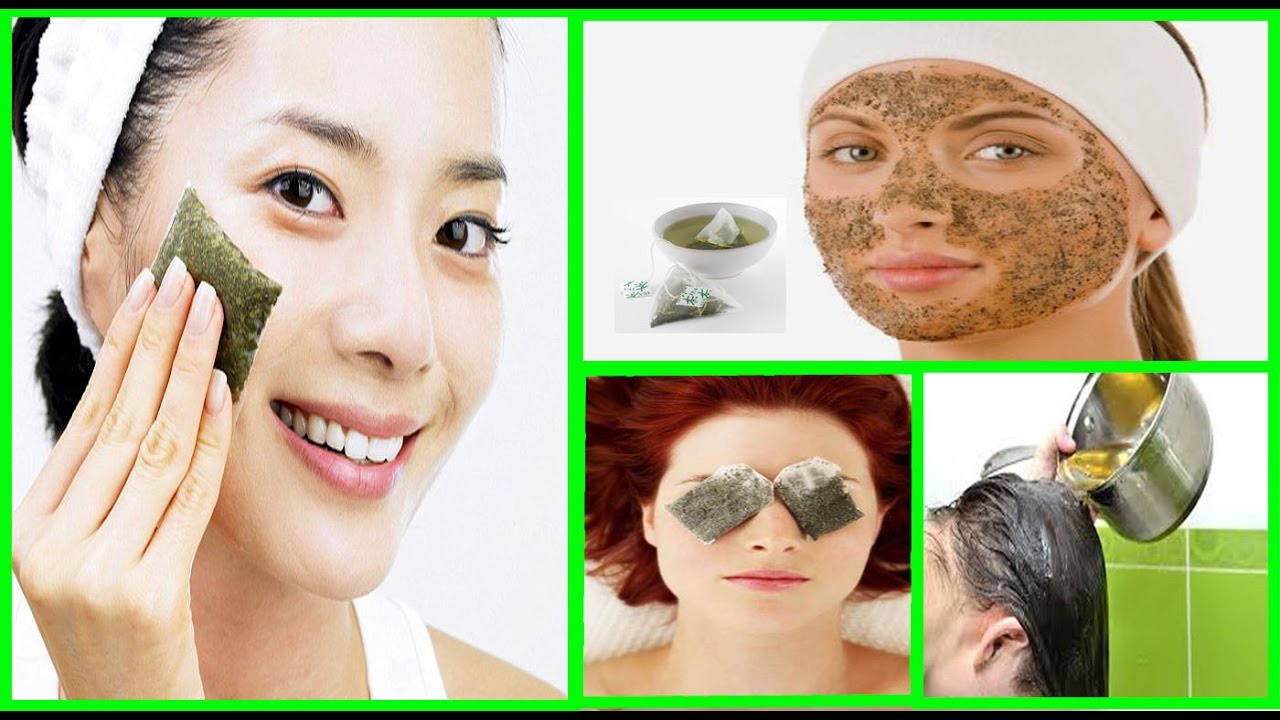
Improves Skin Complexion

Green tea improves your skin complexion and makes your skin healthy. It helps flush out toxins from the skin, heals blemishes and scars, and reduces inflammation. It even improves the skin’s elasticity.
A 2003 study by the Medical College of Georgia showed that green tea aids skin rejuvenation. It can be used to treat skin diseases and wounds.
- Cut open 2 used green tea bags and scoop out their contents.
- Add 1 to 2 teaspoons of raw honey.
- Mix in a little lemon juice.
- Apply it on your face and allow it to sit for 5 to 10 minutes.
- Rinse it off with lukewarm water.
- Use this face mask once or twice a week.
Reduces Puffy Eyes and Dark Circles
The antioxidants and tannins (an astringent) in green tea help treat puffy eyes as well as dark circles. They help shrink blood vessels underneath the delicate skin around the eyes. This in turn reduces swelling and puffiness.
In addition, the vitamin K in green tea helps lighten dark circles under the eyes.
- Put 2 used green tea bags in the refrigerator for 30 minutes.
- Place the cold tea bags on your closed eyelids.
- Sit back and relax for 15 minutes.
- Use this remedy twice daily until you are satisfied with the results.
Fights Aging Signs
Green tea has anti-aging and antioxidant benefits that can help delay signs of skin aging, such as sagging skin, sun damage, age spots, fine lines and wrinkles.
The polyphenols in green tea help neutralize harmful free radicals, which can cause significant damage to the skin and accelerate the aging process.
In addition, it helps fight prevent skin cancer.
- Mix 3 tablespoons of plain yogurt, 1 tablespoon of ground green tea leaves and a little turmeric powder. Apply it on your face and neck. Allow it to sit for 20 minutes before rinsing it off with lukewarm water. Use this face mask once or twice a week.
- Another option is to simply mix 1 teaspoon of Matcha green tea and a few drops of water to make a paste. If you have dry skin, add 1 teaspoon of Matcha green tea and ½ teaspoon each of extra-virgin coconut oil and warm water. Apply it on your face, leave it on until it dries completely, then rinse it off with warm water. Do this a few times a week.
Treats Acne and Pimples
The catechins in green tea are antibacterial agents that help fight acne-causing bacteria. Catechins even help regulate hormonal imbalances in the body, one of the key causes of acne.
In addition, anti-inflammatory property of green tea helps reduce the redness and inflammation brought about by acne.
A 2012 study published in the Journal of Investigative Dermatology concluded that epigallocatechin-3-gallate (EGCG), a component in green tea, helps treat acne by modulating intracellular molecular targets and inhibiting p. acnes bacteria.
- Mix ¼ cup each of freshly brewed green tea and water.
- Use a cotton ball to apply this solution on the affected area.
- Allow it to sit for 10 to 15 minutes, then rinse it off with cool water.
- Do this twice daily until you have acne-free skin.
Works as a Skin Toner
This popular beverage also works as a natural toner for your skin. It helps draw out impurities, reduce large pores and give your skin a nice healthy glow. It even helps keep your skin hydrated, which is essential for healthy skin.
- Brew 2 cups of green tea and allow it to cool.
- Add a few drops of any essential oil of your choice.
- Put the solution in a clean spray bottle.
- Spray the solution on your face or apply it with a cotton ball twice daily.
People with skin conditions, such as psoriasis and rosacea, can also use this solution.
Stimulates Hair Growth
Green tea contains a high amount of antioxidants that promote hair growth. The catechins in it have 5-alpha-reductase inhibiting properties that help block DHT (Dihydrotestosterone), one of the key causes of hair loss.
It can even promote the growth of new hair and prevent common problems like dry scalp and dandruff.
A 2005 study published in the Journal of the National Medical Association found that the polyphenols in green tea helped prevent hair loss among rodents.
- After washing your hair, rinse it with cool, freshly brewed green tea. Leave it on for 10 minutes, then rinse it out with cool water. Do this 2 or 3 times a week for a couple of months.
- Also, drink 2 to 3 cups of green tea daily to enjoy strong and beautiful hair.
Shrinks Open Pores
Due to its antioxidant and astringent properties, green tea can help shrink enlarged pores that tend to get clogged and eventually get infected with bacteria. Thus, it will help smooth and tighten your skin.
- Steep a cup of strong green tea and allow it to cool. Mix a few tablespoons of this tea in 2 tablespoons of bentonite clay or any cosmetic clay to make a paste. Spread this pore-tightening face mask on your face and allow it to dry completely. Gently scrub it off and rinse your face with warm water.
- Also, drink a few cups of green tea daily to flush toxins out of your body.
Protects against Sun Damage
Green tea can even protect your skin from harmful ultraviolet (UV) rays of the sun. The tannic acid, theobromine and polyphenols in green tea can help soothe and heal sunburned skin by neutralizing the damage from exposure to UV rays.
A 2011 study published in the Biochemical and Biophysical Research Communications journal found that EGCG in green tea prevents a type of skin cancer called melanoma by inhibiting genes that activate inflammation.
- Brew 2 to 3 cups of green tea and put it in the refrigerator for some time.
- Soak a soft cloth in the tea and gently apply it to the sunburned areas.
- Repeat 2 or 3 times a day to relieve pain and redness.
Makes Hair Shiny
Along with making your hair strong and healthy, green tea makes your hair shiny and full of life. Plus, it protects your hair from damage due to pollution and harsh products.
Plus, the high levels of panthenol and vitamins E and C help keep your hair conditioned.
- Steep 2 or 3 green tea bags in 4 cups of hot water for an hour.
- Remove the tea bags and allow the solution to cool.
- Dampen your hair and then rinse your hair with this solution.
- Wait 10 minutes, then wash your hair with shampoo.
- Rinse your hair with cool water to seal in the shine.
- Use this remedy 2 or 3 times a week.
Why Trash Used Tea Bags When They Can Decompose Naturally
Tea bags contain very little plastic that is only used to seal the bags. And because the amount of plastic is so small, tea bags can completely decompose after six months!
Also, keep in mind that the bags themselves are made out of abaca leaf stalks, which makes them very organic and decomposable.
They are Healthy for the Soil
Teabags are natural fertilizers to your garden. They contain nutrients and tannic acid that create a much healthier environment in the ground for growing. These nutrients are released to the soil as the teabags decompose.
They Can Reduce Waste
When you bury your teabags in your garden or dispose of them in a compost pile for fertilizing your garden, you effectively reduce the amount of waste in your environment.
Leaf-eating Insects Hate Teabags
Pests detest the odor of used tea bags. Sprinkle some used tea around your plants to make sure those lunch-seeking pests are kept well away from your healthy, green leaves
Kitties Hate Teabags
Is your little tiger a troublemaker? Do you wake up too often to find your favorite plants urinated? Well, teabags can be the solution that you’ve been looking for!
Just sprinkle some used tea grounds around your plants in your garden or your indoor plants.
Alternative to Soil
Amazingly, but used teabags can also imitate soil properties. Yes, your teabags can grow a garden! Provided of course, that you have seeds, water, a plastic container for growth and a paper towel.
With this setup, you can germinate the seeds and then replant them in your wider garden.
Teabags Increase Deconstruction
The acidic compound in tea bags can significantly optimize the process of decomposition of old plants in your garden. Tea bags can also speed up the decomposition process in compost piles made out of all kinds of natural waste.
If you waste a lot of time waiting for the compost bin to decompose, just throw a few teabags in there and reduce your waiting time in half.
Tea Leaves Can be a Favorite Snack
For the worms in your garden, that is. Tea leaves contain much more nutrients than natural garden leaves. And worms love to munch them! And furthermore, as worms eat more nutrients, your soil becomes healthier for growing other plants.
Teabags can Help Plants to Keep More Water
Just bury your bags near the assets in your garden and leave them to keep plants more moisturized. Plants that can benefit from water retention are flowers, vegetables, and germinated plants.
Teabags are Weed Repellents
When you bury teabags in your garden, you also help to remove those pesky weeds from your garden. This can be obviously helpful for every gardener. This effect is because of the high amount of organic content in the bags.
Relieve baby’s pain from injection
Is the baby still crying from that recent inoculation shot? Try wetting a tea bag and placing it over the site of the injection. Hold it gently in place until the crying stops. The tannic acid in the tea will soothe the soreness. You might try it on yourself the next time an injection leaves your arm sore.
Stop foot odor
Put an end to smelly feet by giving them a daily tea bath. Just soak your tootsies in strongly brewed tea for 20 minutes a day and say good-bye to offensive odors.
Make soothing mouthwash
To ease toothache or other mouth pain, rinse your mouth with a cup of hot peppermint tea mixed with a pinch or two of salt. Peppermint is an antiseptic and contains menthol, which alleviates pain on contact with skin surfaces. To make peppermint tea, boil 1 TBSP fresh peppermint leaves in 1 cup water and steep for several minutes.
Even the toughest cuts of meat will melt in your mouth after you marinate them in regular black tea. Here’s how: Place 4 tablespoons black tea leaves in a pot of warm (not boiling) water and steep for 5 minutes. Strain to remove the leaves and stir in 1/2 cup brown sugar until it dissolves. Set aside. Season up to 3 pounds (1.5 kilograms) meat with salt, pepper, onion, and garlic powder, and place it in a Dutch oven. Pour the liquid over the seasoned meat and cook in a preheated 325°F (165°C) oven until the meat is fork tender, about 90 minutes.
Clean wood furniture and floors
Freshly brewed tea is great for cleaning wood furniture and floors. Just boil a couple of tea bags in a quart (liter) of water and let it cool. Dip a soft cloth in the tea, wring out the excess, and use it to wipe away dirt and grime. Buff dry with a clean, soft cloth.
Give roses a boost
Sprinkle new or used tea leaves (loose or in tea bags) around your rosebushes and cover with mulch to give them a midsummer boost. When you water the plants, the nutrients from the tea will be released into the soil, spurring growth. Roses love the tannic acid that occurs naturally in tea.
Feed your ferns
Schedule an occasional teatime for your ferns and other acid-loving houseplants. Substitute brewed tea when watering the plants. Or work wet tea leaves into the soil around the plants to give them a lush, luxuriant look.
Prepare planter for potting
For healthier potted plants, place a few used tea bags on top of the drainage layer at the bottom of the planter before potting. The tea bags will retain water and leach nutrients to the soil.
Enhance your compost pile
To speed up the decomposition process and enrich your compost, pour a few cups of strongly brewed tea into the heap. The liquid tea will hasten decomposition and draw acid-producing bacteria, creating desirable acid-rich compost.
Cool sunburned skin
What can you do when you forget to use sunscreen and have to pay the price with a painful burn? A few wet tea bags applied to the affected skin will take out the sting. This works well for other types of minor burns (i.e., from a teapot or steam iron) too. If the sunburn is too widespread to treat this way, put some tea bags in your bathwater and soak your whole body in the tub.
Relieve your tired eyes
Revitalize tired, achy, or puffy eyes. Soak two tea bags in warm water and place them over your closed eyes for 20 minutes. The tannins in the tea act to reduce puffiness and soothe tired eyes.


