
logo rx
logo rx
⌕
Explore health
  • Disease A-Z Library⌄
    Disease A-Z Library Browse Disease A-Z Library from your editable WordPress menu.
    Menu group 1
    • Health (A - Z)
    • Degenerative Bones, Joints, and Spine Care (A - Z)
    • Rx Cancer (A - Z)
    • Rx Urology
    • Rx Neurology (A - Z)
    • Rx Blood, Metabolism, and Infectious Diseases (A - Z)
    • Rx Endocrinology, Enzymes and Hormonal Diseases (A - Z)
    • Arthritis, and Chronic Pain (A - Z)
    Menu group 2
    • Cardiovascular and Respiratory Disease (A - Z)
    • Rx Autoimmune, Genetic and Rare Diseases (A - Z)
    • Gastrointestinal, Pelvic & Liver Disease, (A - Z)
    • Rx Dermatology, Skin Disease, and Allergy
    • Rx Psychotherapy, Drug Addiction and Rehabilitation
    Quick patient pathways
    Health (A - Z)Rx Cancer (A - Z)Rx UrologyRx Neurology (A - Z)Rx Blood, Metabolism, and Infectious Diseases (A - Z)Cardiovascular and Respiratory Disease (A - Z)
  • RX Drugs A–Z⌄
    • Drugs (A - Z)
    • Homeopathy Medicine (A -Z)
    • Rx Harbal, Unani & Ayurvedic Medicine (A-Z)
    • Rx Vegetables, Herbs and Spices (A - Z)
    • Rx Sea Food, Soups and Recipes (A - Z)
    • Rx Tea, Coffee, Beans, and Essential Oils (A - Z)
    • RX Cancer A-Z
  • RX Lab Tests A-Z
  • Rx-Tools⌄
    Rx-Tools Browse Rx-Tools from your editable WordPress menu.
    Menu group 1
    • Start Here
    • Condition Journey
    • RX Treatment & Follow-up Planner
    • RX Treatment & Follow-up Planner
    • RX Recovery & Rehabilitation Guide
    • RX Prevention & Lifestyle Guide
    • RX Nutrition & Diet Guide
    • RX Family & Caregiver Guide
    Menu group 2
    • Low-Bandwidth Access
    • Delivery Cache Center
    • Global Launch Center
    • Global Performance Monitor
    • Core Web Vitals & Image Delivery
    • Rx Search Discovery Center
    • RX Sitemap Feed Outreach
    • RX Patient Outreach Kit
    Menu group 3
    • Rx Availability & Backup Center
    • RX Impact & Analytics Center
    • RX Global Language & Patient Reach Center
    • RX Community Distribution Kit
    • RX Mobile Install & Access Kit
    • RX Clinic QR Poster Kit
    • Share Link Builder
    • Rx Urology
    Menu group 4
    • RX Broken Link & Patient Rescue
    • Recovery Rehabilitation Guide
    • Prevention Lifestyle Guide
    • Nutrition Diet Guide
    • Family Caregiver Guide
    • Treatment Follow-up Planner
  • Medical Library⌄
    Medical Library Search Diseases, Drugs, Lab Tests, and Cancer through one unified indexed gateway.
    Diseases A–Z
    • Browse Diseases A–Z
    • Search this library
    • Interactive Knowledge Map
    Drugs A–Z
    • Browse Drugs A–Z
    • Search this library
    Lab Tests A–Z
    • Browse Lab Tests A–Z
    • Search this library
    Cancer A–Z
    • Browse Cancer A–Z
    • Search this library
Sign in Sign up
🌐
⌕
Sign in Sign up
Home / Rx Journal of Fitness & Clinical Research / Hemoglobin; Way to Increase Your Hemoglobin Level

Hemoglobin; Way to Increase Your Hemoglobin Level

T
Medically Reviewed byTeam RxHarunSpecialist Doctor In This Topic
Last updated: February 7, 2026Reviewed date: February 7, 2026Reading time: 13 min read
Patient Tools

Read, save, and share this guide

Use these quick tools to make this medical article easier to read, print, save, or share with a family member.

Medical guide Rx Journal of Fitness & Clinical Research Feb 7, 2026 56 reads
Related reading

💡
Simple patient meaning: Hemoglobin is the iron-containing oxygen-transport metalloprotein in the red blood cells of all vertebrates as well as the tissues of some invertebrates. Hemoglobin in the blood carries oxygen from the lungs or gills to the rest of the body (i.e. the tissues). There it releases the oxygen to permit aerobic respiration to provide energy to power the functions of the organism in the...
Patient Mode

Understand this article easily

Switch between simple English and easy Bangla patient notes. This is for education and does not replace a doctor consultation.

Hemoglobin is the iron-containing oxygen-transport metalloprotein in the red blood cells of all vertebrates as well as the tissues of some invertebrates. Hemoglobin in the blood carries oxygen from the lungs or gills to the rest of the body (i.e. the tissues). There it releases the oxygen to permit aerobic respiration to provide energy to power the functions of the organism in the...

For severe symptoms, danger signs, pregnancy, child illness, or sudden worsening, seek urgent medical care.

বাংলা রোগী নোট এখনো যোগ করা হয়নি। পোস্ট এডিটরে “RX Bangla Patient Mode” বক্স থেকে সহজ বাংলা সারাংশ যোগ করুন।

এই তথ্য শিক্ষা ও সচেতনতার জন্য। এটি ডাক্তারি পরীক্ষা, রোগ নির্ণয় বা প্রেসক্রিপশনের বিকল্প নয়।

Article Summary

Hemoglobin is the iron-containing oxygen-transport metalloprotein in the red blood cells of all vertebrates as well as the tissues of some invertebrates. Hemoglobin in the blood carries oxygen from the lungs or gills to the rest of the body (i.e. the tissues). There it releases the oxygen to permit aerobic respiration to provide energy to power the functions of the organism in the process called metabolism. A healthy individual has "12 to 16" grams of haemoglobin in every 100 ml of blood. In healthy...

Key Takeaways

  • This article explains Types of Hemoglobin in simple medical language.
  • This article explains How amount needed of Hemoglobin in simple medical language.
  • This article explains 10 Iron-Rich Fruits to Boost Haemoglobin Levels in simple medical language.
  • This article explains  Way to Increase Your Hemoglobin Level in simple medical language.
Educational health guideWritten for patient understanding and clinical awareness.
Reviewed content workflowUse writer and reviewer profiles for stronger trust.
Emergency safety firstUrgent warning signs are highlighted below.
Choose your reading view

Patient View highlights a simple learning journey. Clinical View reveals structure, evidence, and editorial completeness.

Your learning journey
  1. 1 Understand the condition Overview
  2. 2 Recognize symptoms Symptoms & presentation
  3. 3 Know when to seek help Warning signs
  4. 4 Explore tests and diagnosis Diagnosis & investigations
  5. 5 Learn treatment approaches Treatment & management
  6. 6 Understand medicines safely Medicines & safety
  7. 7 Plan monitoring and follow-up Monitoring & follow-up
  8. 8 Review prevention and self-care Prevention & self-care
Evidence Trust Passport

How this article is supported

56/100
Written byEditorial author
Medical review1 reviewer
Last reviewedNot scheduled
Next reviewNot scheduled
References1 source entry
Review statusReview schedule needed
Medical library classification Lab / diagnostic test Lab Tests A–Z

This passport makes the article’s review, evidence, and update signals visible. It does not guarantee that every section is complete or replace personal medical advice.

4 of 9 expected clinical sections detected. Editorial gaps: Purpose, Preparation, Procedure / sample, Risks and limitations, Interpretation
!

Seek urgent medical care if you notice

These warning signs are general safety guidance. Local emergency numbers and clinical judgment should always come first.

  • Severe symptoms, breathing difficulty, fainting, confusion, or rapidly worsening illness.
  • New weakness, severe pain, high fever, or symptoms after a serious injury.
  • Any symptom that feels urgent, unusual, or unsafe for the patient.
1

Emergency now

Use emergency care for severe, sudden, rapidly worsening, or life-threatening symptoms.

2

See a doctor

Book a professional medical evaluation if symptoms persist, worsen, recur often, affect daily activities, or occur in a high-risk patient.

3

Learn safely

Use this article to understand possible causes, tests, treatment options, prevention, and questions to ask your clinician.

Table of Contents

  1. Types of Hemoglobin
  2. How amount needed of Hemoglobin
  3. 10 Iron-Rich Fruits to Boost Haemoglobin Levels
  4.  Way to Increase Your Hemoglobin Level
  5. Banana
  6. Beetroot
  7. Green Leaves
  8. Almonds
  9. Red Meat
  10. Fenugreek
  11. Asparagus
  12. Dates
  13. Oysters
  14. Potatoes
  15. Figs
  16. Raisins
  17. Apricots
  18. Watermelon
  19. Apples
  20. Grapes
  21. Prunes
  22. Egg yolk
  23. Legumes/Beans
  24. References
Medical Disclaimer: This article is for educational purposes only and should not replace professional medical advice, diagnosis, or treatment. Always consult a qualified healthcare professional for personal medical concerns.
Before reading

RX Patient Tools

Use these quick guides before reading the article, or return to them when you need help preparing questions for a doctor.

🧭 Start here Choose the right pathway for symptoms, reports, medicines, or urgent warning signs. → 🗺️ Disease article roadmap Read this topic step by step: meaning, symptoms, warning signs, diagnosis, treatment, prevention, and follow-up. → 📝 Treatment planner Prepare questions about treatment choices, benefits, risks, side effects, and follow-up. → 🤝 Family & caregiver guide Organize symptoms, reports, medicines, questions, and follow-up safely. → 🥗 Nutrition & diet guide Prepare food, hydration, supplement, and medicine-timing questions safely. → 🛡️ Prevention guide Organize risk factors, protective habits, screening, and warning signs. → 🌱 Recovery guide Prepare a safe plan for activity, rehabilitation, warning signs, and follow-up. →
Definition

Hemoglobin? is the iron-containing oxygen-transport metalloprotein in the red blood cells of all vertebrates as well as the tissues of some invertebrates. Hemoglobin? in the blood carries oxygen from the lungs or gills to the rest of the body (i.e. the tissues). There it releases the oxygen to permit aerobic respiration to provide energy to power the functions of the organism in the process called metabolism. A healthy individual has “12 to 16” grams of haemoglobin in every 100 ml of blood.

In healthy men the protein makes up about 96% of the red blood cells’ dry content (by weight), and around 35% of the total content (including water). Hemoglobin? has an oxygen-binding capacity of 1.34 mL O2 per gram which increases the total blood oxygen capacity seventy-fold compared to dissolved oxygen in blood. The mammalian hemoglobin? molecule can bind (carry) up to four oxygen molecules.

Types of Hemoglobin?

Hemoglobin? variants are a part of the normal embryonic and fetal development. They may also be pathologic mutant forms of hemoglobin in a population, caused by variations in genetics. Some well-known hemoglobin variants, such as sickle-cell anemia?, are responsible for diseases and are considered hemoglobinopathies. Other variants cause no detectable pathology, and are thus considered non-pathological variants.

In the embryo

  • Gower 1 (ζ2ε2)
  • Gower 2 (α2ε2)
  • Hemoglobin? Portland I (ζ2γ2)
  • Hemoglobin? Portland II (ζ2β2).

In the fetus:

  • Hemoglobin? F (α2γ2)

After birth

  • Hemoglobin? A (α2β2) (PDB: 1BZ0 ) – The most common with a normal amount over 95%
  • Hemoglobin? A2 (α2δ2) – δ chain synthesis begins late in the third trimester and, in adults, it has a normal range of 1.5–3.5%
  • Hemoglobin? F (α2γ2) – In adults Hemoglobin? F is restricted to a limited population of red cells called F-cells. However, the level of Hb F can be elevated in persons with sickle-cell disease and beta-thalassemia.
Gene expression of hemoglobin? before and after birth. Also identifies the types of cells and organs in which the gene expression
  • Hemoglobin? D-Punjab – (α2βD2) – A variant form of hemoglobin?.
  • Hemoglobin? H (β4) – A variant form of hemoglobin?, formed by a tetramer of β chains, which may be present in variants of α thalassemia.
  • Hemoglobin? Barts (γ4) – A variant form of hemoglobin?, formed by a tetramer of γ chains, which may be present in variants of α thalassemia.
  • Hemoglobin? S (α2βS2) – A variant form of hemoglobin? found in people with sickle cell disease. There is a variation in the β-chain gene, causing a change in the properties of hemoglobin, which results in sickling of red blood cells.
  • Hemoglobin? C (α2βC2) – Another variant due to a variation in the β-chain gene. This variant causes a mild chronic? hemolytic anemia?.
  • Hemoglobin? E (α2βE2) – Another variant due to a variation in the β-chain gene. This variant causes a mild chronic? hemolytic anemia?.
  • Hemoglobin? AS – A heterozygous form causing sickle cell trait with one adult gene and one sickle cell disease gene
  • Hemoglobin? SC disease – A compound heterozygous form with one sickle gene and another encoding Hemoglobin C.
  • Hemoglobin? Hopkins-2 – A variant form of hemoglobin that is sometimes viewed in combination with Hemoglobin S to produce sickle cell disease.

Hemoglobin? is involved in the transport of other gases: It carries some of the body’s respiratory carbon dioxide (about 20–25% of the total) as carbaminohemoglobin, in which CO2 is bound to the globin protein. The molecule also carries the important regulatory molecule nitric oxide bound to a globin protein thiol group, releasing it at the same time as oxygen.

How amount needed of Hemoglobin?

Hemoglobin? is also found outside red blood cells and their progenitor lines. Other cells that contain hemoglobin include the A9 dopaminergic neurons in the substantia nigra, macrophages, alveolar cells, lungs, retinal pigment epithelium, hepatocytes, mesangial cells in the kidney, endometrial cells, cervical cells and vaginal epithelial cells.In these tissues, hemoglobin has a non-oxygen-carrying function as an antioxidant and a regulator of iron metabolism.

Hemoglobin concentration measurement is among the most commonly performed blood tests, usually as part of a complete blood count. For example, it is typically tested before or after blood donation. Results are reported in g/L, g/dL or mol/L. 1 g/dL equals about 0.6206 mmol/L, although the latter units are not used as often due to uncertainty regarding the polymeric state of the molecule. This conversion factor, using the single globin unit molecular weight of 16,000 Da, is more common for hemoglobin concentration in blood. For MCHC (mean corpuscular hemoglobin concentration) the conversion factor 0.155, which uses the tetramer weight of 64,500 Da, is more common.Normal levels are:

  • Men: 13.8 to 18.0 g/dL (138 to 180 g/L, or 8.56 to 11.17 mmol/L)
  • Women: 12.1 to 15.1 g/dL (121 to 151 g/L, or 7.51 to 9.37 mmol/L)
  • Children: 11 to 16 g/dL (110 to 160 g/L, or 6.83 to 9.93 mmol/L)
  • Pregnant women: 11 to 14 g/dL (110 to 140 g/L, or 6.83 to 8.69 mmol/L) (9.5 to 15 usual value during pregnancy)

Normal values of hemoglobin in the 1st and 3rd trimesters of pregnant women must be at least 11 g/dL and at least 10.5 g/dL during the 2nd trimester.

Hemoglobin is an iron-rich protein present in red blood cells. This protein is responsible for carrying oxygen throughout the body.Its main function is to transport oxygen from the lungs to the body’s tissues, so that living cells can perform properly. Hemoglobin also helps carry carbon dioxide away from the cells and transport it back to the lungs.

As the role of hemoglobin is very important for leading a healthy life, it is necessary to maintain it in normal levels in your blood, which is

  • 14 to 18 g/dl for adult men, and
  • 13 to 17 g/dl for adult women.

These values are applicable for adults and may vary slightly among different laboratories due to their different methods and measurements.

When the hemoglobin level decreases, it can cause

  • 13 to 17 g/dl for adult women.
  • fatigue,
  • weakness,
  • shortness of breath,
  • dizziness,
  • headaches,
  • pale skin,
  • brittle nails,
  • rapid heartbeat and poor appetite.

If the level drops significantly, the condition may be diagnosed as anemia and symptoms can become severe.

It is common for women to experience low hemoglobin levels during pregnancy or periods. However, there can be many other reasons behind it. The most common cause is nutritional deficiencies of iron, folic acid, and vitamins C and B12.

It can also occur due to blood loss from surgery or trauma, frequent blood donation, diseases affecting the bone marrow, cancer, kidney problems, arthritis, diabetes, stomach ulcers and other diseases of the digestive tract.

In most cases, low hemoglobin is associated with conditions that cause or contribute to fewer red blood cells.

Depending on the reason behind the drop in hemoglobin, there are certain natural ways that are effective in restoring it to a normal level. The length of time you’ll need to continue using these remedies depends on your hemoglobin level and how often your doctor checks it for improvement.

10 Iron-Rich Fruits to Boost Haemoglobin Levels

Fruit
Amount per 100 g
1. Sun-dried tomatoes
9.1 mg
2. Apricots, dehydrated
6.3 mg
3. Raisins
3 mg
4. Persimmons, raw
2.5 mg
5. Mulberries, raw
1.7 mg
6. Dates
1 mg
7. Currants
1 mg
8. Prunes
0.9 mg
9. Pomegranate
0.3 mg
10. Watermelon
0.2 mg

 Way to Increase Your Hemoglobin Level

Hemoglobin; Way to Increase Your Hemoglobin Level

Food to increase blood count in the body corporate iron-rich food in your diet for nutritional improvement. 
This will help the body rebuild and replace what is lacking. Daily intake of iron rich food will help increase RBCs in the body. This is because it is an essential part of a red blood cell and hemoglobin as it helps deliver oxygen to different body parts. It also helps in excretion of carbon monoxide upon exhalation. Food rich in iron includes:
  • Beans/Legumes
  • Lentils
  • Green leafy vegetables like kale and spinach
  • Dried fruits including prunes
  • Organs meats such as liver
  • Egg yolks
  • Red meat
  • Dried raisins
    • If daily consumption of iron rich food daily is not enough, you can turn for supplements and minerals that may increase red blood production. Iron is available in 50-100mg and can be taken 2-3 times daily.

Taro leaves contains iron

Hemoglobin; Way to Increase Your Hemoglobin Level

Iron is an indispensible mineral to human beings because it plays a vital role in the formation of red blood cells and in the transport of oxygen to the different parts of your body. Eating foods rich in iron, such as taro leaves is therefore important as a deficiency of iron can lead to anemia, tiredness and fatigue.

Taro leaves, raw
Nutritional value per 100 g (3.5 oz)
Energy 177 kJ (42 kcal)
Carbohydrates
6.7 g
Sugars 3 g
Dietary fiber 3.7 g
 Iron
Fat
0.74 g
Protein
5 g
Vitamins
Vitamin A equiv.

beta-carotene
lutein zeaxanthin
(30%)

241 μg

(27%)

2895 μg

1932 μg
Thiamine (B1)
(18%)

0.209 mg

Riboflavin (B2)
(38%)

0.456 mg

Niacin (B3)
(10%)

1.513 mg

Vitamin B6
(11%)

0.146 mg

Folate (B9)
(32%)

126 μg

Vitamin C
(63%)

52 mg

Vitamin E
(13%)

2.02 mg

Vitamin K
(103%)

108.6 μg

Minerals
Calcium
(11%)

107 mg

Iron
(17%)

2.25 mg

Magnesium
(13%)

45 mg

Manganese
(34%)

0.714 mg

Phosphorus
(9%)

60 mg

Potassium
(14%)

648 mg

Zinc
(4%

Banana

Hemoglobin; Way to Increase Your Hemoglobin Level

The best source of iron is bananas. It also acts as antioxidants. An antioxidant is a molecule that prevents the body from damage. It inhibits the oxidation of other harmful molecules. Found in the food we eat, bananas are a great source of several natural antioxidants. Specifically dopamine and catechins, these antioxidants can reduce the risk of degenerative diseases and heart disease. In fact, most fruits and vegetables are a wonderful source of dietary antioxidants; but bananas are high on the list. Eating a banana a day can only benefit your health, in more ways than one.


Increase Vitamin C Intake

Hemoglobin; Way to Increase Your Hemoglobin Level

Vitamin C helps to absorbed iron directly. Because without vitamin C iron is not absorbed.“It is important to have a combination of both iron and vitamin C as the latter is a carrier rich molecule that can be used for better absorption of iron

 Increase Folic Acid Intake

Hemoglobin; Way to Increase Your Hemoglobin Level
“Folic acid, a B-complex vitamin, is required to make red blood cells and a folic acid deficiency automatically leads to a low level of hemoglobin”, says Dr. Ahuja, Fortis Hospital. Some good food sources of folic acid are green leafy vegetables, sprouts, dried beans, wheat germ, peanuts, bananas, broccoli, and chicken liver. “Beetroot is also highly recommended to increase the body’s red blood cell count as it is high in folic acid as well as iron, potassium, and fiber”, says Nutritionist and Dietician Sheela Krishnaswamy.

 An Apple (or Pomegranate) a Day Keeps The Doctor Away

Hemoglobin; Way to Increase Your Hemoglobin Level
An apple a day can help maintain a normal level of hemoglobin since apples are rich in iron plus other health-friendly components that are required for a healthy hemoglobin count. You can either eat 1 apple a day or drink juice made with ½ cup each of apple and beetroot juice twice a day. Add a dash of ginger or lemon juice for extra flavor. “Pomegranate is also rich in iron, calcium, fiber, and protein. Its nutritional value can help increase hemoglobin and promote healthy blood flow”, says Dr. Jaibharat.

Hemoglobin; Way to Increase Your Hemoglobin Level
www.rxharun.com

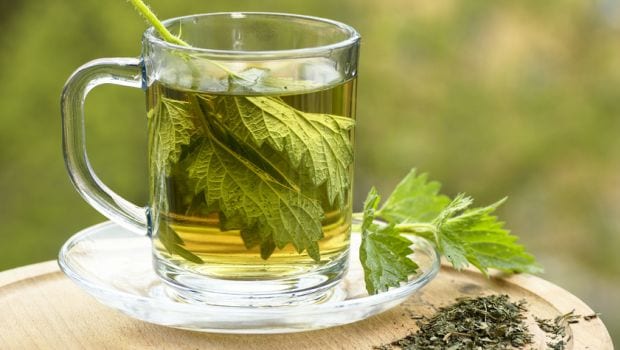
Drink Nettle Tea
“Nettle is a herb that is a good source of B vitamins, iron, vitamin C and can play a key role in raising your hemoglobin level”, says Dr. Adarsh Kumar, Internal Medicine, National Heart Institute. All you need to do, is add 2 teaspoons of dried nettle leaves to a cup of hot water and allow it to steep for 10 minutes. Then strain, and add a little honey. Drink this twice daily.
Hemoglobin; Way to Increase Your Hemoglobin Level
www.rxharun.com

Hemoglobin; Way to Increase Your Hemoglobin Level
www.rxharun.com

Beetroot

It is rich in iron, a protein required to increase blood cells and improve blood flow. It is a natural detoxifier and blood purifier. So, include beetroot in your diet to improve blood count. Beetroot leaves are a good source of vitamin A and the roots of the beets are an excellent source of vitamin C.

Hemoglobin; Way to Increase Your Hemoglobin Level
www.rxharun.com

Green Leaves

Vegetables such as spinach, celery, broccoli, cabbage, turnip, cauliflower, kale, lettuce, and sweet potatoes are healthy for the body. You control your weight gain and also improve blood count. Green leafy vegetables also keep the digestive system active.

Almonds

This nut is rich in iron and increases blood flow in the body. One ounce of almonds every day covers 6% of the daily iron requirement.

Hemoglobin; Way to Increase Your Hemoglobin Level
www.rxharun.com

Red Meat

Red meat is one of the best sources of iron and vitamin B12. Having red meat in considerable amount helps in increasing the blood count.

Hemoglobin; Way to Increase Your Hemoglobin Level
www.rxharun.com

Fenugreek

Rich in iron content, potassium and calcium, fenugreek helps in building up the red blood cells and increases the blood count.

Hemoglobin; Way to Increase Your Hemoglobin Level
www.rxharun.com

Asparagus

Rich in vitamin K and also iron, asparagus helps in increasing the blood count. Make it a point to include 1-2 stalks of asparagus in your diet.

Hemoglobin; Way to Increase Your Hemoglobin Level
www.rxharun.com

Dates

Dates are not just rich in iron content but it they contain potassium, calcium and other essential nutrients that helps in increasing the blood count.

Hemoglobin; Way to Increase Your Hemoglobin Level
www.rxharun.com

Oysters

Oysters are rich in zinc. Consuming zinc containing foods help in boosting the immune system and also increases the blood count.

Hemoglobin; Way to Increase Your Hemoglobin Level

Potatoes

Rich in vitamin A, consumption of potatoes helps in increasing the blood count. Also one should note that potatoes should be consumed in moderation, excess consumption can cause some other problem.

Hemoglobin; Way to Increase Your Hemoglobin Level
www.rxharun.com

Figs

Figs are rich in iron content and fiber. Make it a point to have about 3-4 dried figs every day if your blood count is low. This will help increase the blood count quickly.

Hemoglobin; Way to Increase Your Hemoglobin Level

Raisins

Raisins are one of the best dry fruits that are rich in iron content. Eating about 10-15 pieces of raisins everyday helps in increasing the blood count.

Hemoglobin; Way to Increase Your Hemoglobin Level
www.rxharun.com

Apricots

Apricots is one one of the best fruits that are rich in iron. Add a small bowl of apricots to your daily diet, this helps in increasing the blood count.

Hemoglobin; Way to Increase Your Hemoglobin Level
www.rxharun.com

Watermelon

Watermelon not just helps in quenching your thirst but is also helps in increasing the blood count. Rich in iron, vitamin C, vitamin B, watermelon also helps in increasing the stamina.

Hemoglobin; Way to Increase Your Hemoglobin Level
www.rxharun.com

Apples

Apples are rich in iron and fiber content. Having one apple a day helps in maintaining the blood count and prevents anemia as well.

Hemoglobin; Way to Increase Your Hemoglobin Level
www.rxharun.com

Grapes

Grapes are rich in iron and vitamin B12. Consuming a bowl of grapes help in increasing the blood count.

Hemoglobin; Way to Increase Your Hemoglobin Level
www.rxharun.com

Prunes

Rich in iron content and other essential nutrients, prunes helps in maintaining the blood count and prevents anaemia.

Hemoglobin; Way to Increase Your Hemoglobin Level
www.rxharun.com

Egg yolk

Take 1-2 egg yolks. Add it to a cup of boiled milk. Mix it well and then drink it. If you do not like the taste add about a teaspoon of sugar, blend it well and then drink. Rich in iron content, egg yolk helps in increasing the blood count.

Hemoglobin; Way to Increase Your Hemoglobin Level
www.rxharun.com

Legumes/Beans

Adding legumes to your daily diet helps in increasing the iron level and thereby blood count. However, those of you who have gastritis problem should be little careful and make it a point to have not more than three times a week.

Avoid Iron Blockers
Avoid eating foods that can block your body’s ability to absorb iron, especially if you have a low hemoglobin count i.e. coffee, tea, coca – cola drinks, wine, beer, etc.

Hemoglobin; Way to Increase Your Hemoglobin Level
www.rxharun.com

References

Details Show More ⌄

  • https://www.ncbi.nlm.nih.gov/books/NBK259/
  • https://www.ncbi.nlm.nih.gov/pmc/articles/PMC1484532/
  • https://www.ncbi.nlm.nih.gov/pmc/articles/PMC3579210/
  • https://www.ncbi.nlm.nih.gov/sites/entrez?term=%22Hemoglobin%22[Journal]

Hemoglobin; Way to Increase Your Hemoglobin Level

Share this article
Facebook X LinkedIn WhatsApp
RX Medical Knowledge Graph

Explore this medical topic

Continue through verified related conditions, investigations, medicines, and patient guides. These links are educational and do not replace professional medical advice.

↗

Related medical topics

Cervical Spondylosis - Causes, Symptom, Diagnosis, Treatment76% relationship confidence→ Cold Allergy; Defination, Causes, Symptoms, Diagnosis, Treatment76% relationship confidence→ Iodine deficiency in pregnency; How you can prevent iodine deficiency?76% relationship confidence→ Iron Deficiency; Warning Signs You May Have Iron Deficiency76% relationship confidence→ Osteoarthritis - Causes, Symptoms, Diagnosis, Treatment76% relationship confidence→ Piriformis Syndrome; Symptoms, Diagnosis, Treatment76% relationship confidence→ Psoriatic Arthritis - Causes, Symptoms, Diagnosis, Treatment76% relationship confidence→ Sympathetic Nerves - Types, Functions, Symptoms, Abnormality76% relationship confidence→

Born to break the complexity.

RX Clinical Pathway Engine

Continue through a complete learning pathway

Move from understanding the topic to symptoms, tests, treatment, medicines, monitoring, and prevention.

The pathway maps detected article sections and bounded relationships from the existing RX medical indexes.

Search the complete library →
  1. ✓
    Understand the condition Overview Begin with the essential facts and a clear explanation of the topic. Mapped to: Article introduction
  2. ○
    Recognize symptoms Symptoms & presentation Learn common symptoms, signs, and patterns of presentation. Expected section not detected; add to editorial queue.
  3. ○
    Know when to seek help Warning signs Review urgent warning signs and when professional assessment may be needed. Expected section not detected; add to editorial queue.
  4. ○
    Understand causes and risks Causes & risk factors Explore causes, risk factors, mechanisms, and contributing conditions. Expected section not detected; add to editorial queue.
  5. ○
    Explore tests and diagnosis Diagnosis & investigations Learn how clinicians assess the condition and which investigations may be discussed. Expected section not detected; add to editorial queue.
  6. ○
    Learn treatment approaches Treatment & management Review general treatment categories and management principles. Expected section not detected; add to editorial queue.
  7. ○
    Understand medicines safely Medicines & safety Continue to medicine education, uses, precautions, and monitoring. Expected section not detected; add to editorial queue.
  8. ○
    Plan monitoring and follow-up Monitoring & follow-up Understand monitoring, complications, rehabilitation, and follow-up learning. Expected section not detected; add to editorial queue.
  9. ○
    Review prevention and self-care Prevention & self-care Explore prevention, healthy routines, and questions to discuss with a clinician. Expected section not detected; add to editorial queue.
D

Conditions & Diseases

Background, symptoms, causes, diagnosis, and care.

  • β-Thalassemia Renal Diseaseβ-Thalassemia is a blood disorder characterized by reduced production of hemoglobin, leading to anemia. When it affects the…
  • 10 Herbs that boost energy and increase concentrationIndividual herbs may have several active ingredients that enhance each other’s effects. Other herbs may be added in a…
  • 10 Important Metrics to Measure on Your WordPress SiteUnderstanding the performance of your WordPress site is essential for growth. Metrics provide insights that can help improve…
  • 10 Things You Can Do To Increase Your Mental PowerSo you want to be mentally tough like the Spartan Warriors from the movie 300? Yes, the legend…
Explore this library →
Lab

Tests & Investigations

Laboratory, imaging, screening, and diagnostic education.

  • A1C Test – Indications, Procedures, ResultsHbA1C test; Glycated hemoglobin test; Glycohemoglobin test; Hemoglobin A1C; Diabetes - A1C; Diabetic - A1C A1C is a…
  • Anti-P Antibody Test – Indications, Procedures, ResultsAnti-P antibody; Paroxysmal cold hemoglobinuria - Donath-Landsteiner The Donath-Landsteiner test is a blood test to detect harmful antibodies related to…
  • CRP; Procedure, Normal Value ,Elevating Causes, TreatmentCRP (C-reactive protein) is an annular (ring-shaped) pentameric protein found in blood plasma, whose levels rise in response to inflammation. It…
  • Donath-Landsteiner Test – Indications, Procedures, ResultsAnti-P antibody; Paroxysmal cold hemoglobinuria - Donath-Landsteiner The Donath-Landsteiner test is a blood test to detect harmful antibodies related to…
Explore this library →
Rx

Medicines

Uses, safety, monitoring, and related medicine knowledge.

  • Atorvastatin; Uses, Dosage, Side Effects, Drug InteractionsAtorvastatin is a synthetic lipid-lowering agent. Atorvastatin competitively inhibits hepatic hydroxymethyl-glutaryl-coenzyme A (HMG-CoA) reductase, the enzyme which catalyzes the conversion of HMG-CoA to mevalonate,…
  • Bethanechol; Indications, Dosage, Side Effects, Interactions ,PregnancyBethanechol is a slowly hydrolyzing muscarinic agonist with no nicotinic effects. Bethanechol is generally used to increase smooth…
  • Butalbital; Uses, Dosage, Side Effects, Interactions, PregnancyButalbital is a barbiturate that exerts its effect by mimicking the inhibitory effect of gamma-aminobutyric acid (GABA) by binding to a…
  • Chlordiazepoxide; Indications/Uses, Dosage, Side Effects, Interactions, PregnancyChlordiazepoxide is a long-acting benzodiazepine with anxiolytic, sedative and hypnotic activity. Chlordiazepoxide exerts its effect by binding to the benzodiazepine site at the gamma-aminobutyric acid (GABA) receptor-chloride ionophore…
Explore this library →
CA

Cancer Knowledge

Cancer types, screening, oncology, and treatment education.

  • Acute (Malignant) Myelosclerosis – Symptoms, TreatmentAcute (Malignant) Myelosclerosis/Acute Panmyelosis with Myelofibrosis (APMF) is a rare form of acute myeloid leukemia and is characterized…
  • Acute Myelodysplasia With MyelofibrosisAcute Myelodysplasia With Myelofibrosis/Acute Panmyelosis with Myelofibrosis (APMF) is a rare form of acute myeloid leukemia and is…
  • Acute Myelofibrosis – Causes, Symptoms, TreatmentAcute Myelofibrosis/Acute Panmyelosis with Myelofibrosis (APMF) is a rare form of acute myeloid leukemia and is characterized by…
  • Acute Myelosclerosis – Causes, Symptoms, TreatmentAcute Myelosclerosis/Acute Panmyelosis with Myelofibrosis (APMF) is a rare form of acute myeloid leukemia and is characterized by…
Explore this library →
Educational boundary: This pathway organizes reading and does not diagnose a condition, select a medicine, or create an individual treatment plan.
Doctor visit helper

Prepare before seeing a doctor

A simple rural-patient checklist to help you explain symptoms clearly, ask better questions, and avoid unsafe self-treatment.

Safety note: This is not a prescription or diagnosis. For severe symptoms, pregnancy danger signs, children with serious illness, chest pain, breathing difficulty, stroke-like weakness, or major injury, seek urgent care.

Which doctor may help?

Start with a registered doctor or the nearest qualified health center.

What to tell the doctor

  • Write when the problem started and how it changed.
  • Bring old prescriptions, investigation reports, and current medicines.
  • Write allergies, pregnancy status, diabetes, kidney/liver disease, and major past illnesses.
  • Bring one family member if the patient is weak, elderly, confused, or a child.

Questions to ask

  • What is the most likely cause of my symptoms?
  • Which danger signs mean I should go to hospital quickly?
  • Which tests are necessary now, and which can wait?
  • How should I take medicines safely and what side effects should I watch for?
  • When should I come for follow-up?

Tests to discuss

  • Vital signs: temperature, pulse, blood pressure, oxygen saturation
  • Basic physical examination by a clinician
  • CBC, urine test, blood sugar, or imaging only when clinically needed

Avoid these mistakes

  • Do not use antibiotics, steroid tablets/injections, or strong painkillers without proper medical advice.
  • Do not hide pregnancy, kidney disease, ulcer, allergy, or blood thinner use.
  • Do not delay emergency care when danger signs are present.
💊

Medicine safety and first-aid guide

This section is for patient education only. It does not replace a doctor, pharmacist, or emergency care.

Safe first steps

  • Rest, drink safe water, and observe symptoms carefully.
  • Keep a written note of symptoms, duration, temperature, medicines already taken, and allergy history.
  • Seek medical care quickly if symptoms are severe, worsening, or unusual for the patient.

OTC medicine safety

  • For mild pain or fever, ask a registered pharmacist or doctor before using common over-the-counter pain/fever medicines.
  • Do not combine multiple pain medicines without advice, especially if you have kidney disease, liver disease, stomach ulcer, asthma, pregnancy, or take blood thinners.
  • Do not give adult medicines to children unless a qualified clinician advises it.

Avoid these mistakes

  • Do not start antibiotics without a proper medical decision.
  • Do not use steroid tablets or injections casually for quick relief.
  • Do not delay emergency care because of home remedies.

Get urgent help if

  • Severe symptoms, confusion, fainting, breathing difficulty, chest pain, severe dehydration, or sudden weakness need urgent medical care.
Medicine names, dose, and timing must be decided by a qualified clinician or pharmacist after checking age, pregnancy, allergy, other diseases, and current medicines.
📝

For rural patients and family caregivers

Patient health record and symptom diary

Write your symptoms, medicines already taken, test results, and questions before visiting a doctor. This note stays on your device unless you print or copy it.

Doctor to discuss: Doctor / qualified healthcare provider
Tests to discuss with doctor
  • Basic vital signs: temperature, pulse, blood pressure, oxygen level if needed
  • Relevant blood, urine, imaging, or specialist tests only after clinical assessment
Questions to ask
  • What is the most likely cause of my symptoms?
  • Which warning signs mean I should go to emergency care?
  • Which tests are really needed now?
  • Which medicines are safe for my age, pregnancy status, allergy, kidney/liver/stomach condition, and current medicines?

Emergency warning signs such as chest pain, severe breathing difficulty, sudden weakness, confusion, severe dehydration, major injury, or loss of bladder/bowel control need urgent medical care. Do not wait for online information.

🧭

Safe pathway to proper treatment

Care roadmap for: Hemoglobin; Way to Increase Your Hemoglobin Level

Use this simple roadmap to understand the next safe steps. It is educational and does not replace examination by a doctor.

Go to emergency care if you notice:
  • Severe or rapidly worsening symptoms
  • Breathing difficulty, chest pain, fainting, confusion, severe weakness, major injury, or severe dehydration
Doctor / service to discuss: Qualified healthcare provider; specialist depends on symptoms and examination.
  1. Step 1

    Check danger signs first

    If danger signs are present, seek emergency care and do not wait for online information.

  2. Step 2

    Record the symptom story

    Write when symptoms started, severity, medicines already taken, allergies, pregnancy status, and test results.

  3. Step 3

    Visit a qualified clinician

    A doctor, nurse, or qualified healthcare provider can examine you and decide which tests or treatment are needed.

  4. Step 4

    Do only useful tests

    Do tests after clinical assessment. Avoid unnecessary tests, random antibiotics, or repeated medicines without diagnosis.

  5. Step 5

    Follow up and return early if worse

    If symptoms worsen, new warning signs appear, or treatment is not helping, return for review quickly.

Rural patient practical tips
  • Take a written symptom diary and all previous prescriptions/test reports.
  • Do not hide medicines already taken, even herbal or over-the-counter medicines.
  • Ask which warning signs mean urgent referral to hospital.

This roadmap is for education. A real diagnosis and treatment plan requires history, examination, and clinical judgment.

RX Patient Help

Ask a health question safely

Write your symptom story. A health professional or site editor can review it before any answer is prepared. This box is not for emergency care.

Emergency first: Severe chest pain, breathing trouble, unconsciousness, stroke signs, severe injury, heavy bleeding, or rapidly worsening symptoms need urgent local medical care now.

Frequently Asked Questions

Is this article a replacement for a doctor?

No. It is educational content only. Patients should consult a qualified clinician for diagnosis and treatment.

When should I seek urgent care?

Seek urgent care for severe symptoms, rapidly worsening condition, breathing difficulty, severe pain, neurological changes, or any emergency warning sign.

T
Medical reviewerTeam RxHarunSpecialist Doctor In This Topic
First publishedAugust 28, 2017
Last updatedFebruary 7, 2026
Medically reviewed onFebruary 7, 2026
Next planned updateFebruary 7, 2027

Fact-check note: Reviewed for medical accuracy, clarity, and patient safety.

This history box helps readers understand editorial responsibility. Medical content should be reviewed and updated when evidence, guidelines, or clinical practice changes.

A global war against illness

Help this medical guide reach someone who may need it

Share reliable health information with a patient, family member, caregiver, or colleague. Reading and awareness can help people ask better questions and seek appropriate care.

Continue exploring

Explore this topic across the RX Medical Library

Open a focused A–Z pathway or continue with closely related indexed articles. These links are educational and do not replace personal medical care.

Search this topic →
D Diseases A–Z Rx Drugs A–Z Lab Lab Tests A–Z CA Cancer A–Z
Diseases A–Z

β-Thalassemia Renal Disease

β-Thalassemia is a blood disorder characterized by reduced production of hemoglobin, leading to anemia. When it…

Diseases A–Z

10 Herbs that boost energy and increase concentration

Individual herbs may have several active ingredients that enhance each other’s effects. Other herbs may be added…

Diseases A–Z

10 Important Metrics to Measure on Your WordPress Site

Understanding the performance of your WordPress site is essential for growth. Metrics provide insights that can…

Diseases A–Z

10 Things You Can Do To Increase Your Mental Power

So you want to be mentally tough like the Spartan Warriors from the movie 300? Yes,…

Related Articles

More from this topic
  1. RX
    Hemoglobin A1c Test

    DefinitionThe hemoglobin? A1c test—also known as glycated hemoglobin?, glycosylated hemoglobin, HbA1c, or simply A1c—is used to measure an individual’s glucose control levels. The test shows average blood sugar...

    November 6, 2025 • Rx Lab Test (A - Z)
  2. RX
    List of Q1 Journal

    A “Q1 journal” is an academic publication that ranks within the top 25% of journals in its specific subject area, based on metrics like the Journal Impact...

    September 8, 2025 • Rx Journal of Fitness & Clinical Research
  3. RX
    Orbital Decompression Surgery

    DefinitionOrbital decompression is an operation to make more room inside the eye socket. The eye socket is called the “orbit.” It is a cone-shaped space made...

    August 18, 2025 • Rx Lab Test (A - Z)
  4. RX
    Olfactory Nerve Disorders

    DefinitionOlfactory nerve disorders affect our sense of smell. This can impact our ability to enjoy food, detect danger like gas leaks, or even notice warning signs...

    May 8, 2024 • Rx Lab Test (A - Z)
  5. RX
    Biological Terrain Assessment (BTA)

    DefinitionBiological Terrain Assessment (BTA) is a holistic approach to understanding the health of our bodies by examining various aspects of our biological terrain. In simpler terms,...

    December 15, 2023 • Rx Lab Test (A - Z)
  6. RX
    Ingrown Toenai – onychocryptosis or uunguisincarnatus

    DefinitionIngrown toenail, also known as onychocryptosis or uunguisincarnatus, is the most common nail problem encountered in both general practice and dermatology.[rx] An ingrown toenail occurs when the nail...

    July 8, 2022 • Rx Lab Test (A - Z)
  7. RX
    Physical Exam HEENT

    DefinitionHEENT stands for “head, eyes, ears, nose, and throat.” If someone is experiencing symptoms that affect those areas, such as sneezing, congestion, and a sore throat,...

    May 6, 2022 • Rx Lab Test (A - Z)
  8. RX
    Thyroid Function Tests

    Thyroid? Function tests are used to tell if your thyroid? gland is functioning properly by measuring the number of thyroid hormones in your blood. They are...

    April 15, 2022 • Rx Lab Test (A - Z)
  9. RX
    Thyroid Gland Function Tests – Indications, Procedures, Results

    The TSH test and the T4 test are the two most common thyroid? function tests. The TSH test is often done first because it’s the best way...

    April 15, 2022 • Rx Lab Test (A - Z)
  10. RX
    TIBC Test

    DefinitionA total iron-binding capacity (TIBC) test is a blood test to see if you have too much or too little iron in your blood measures the...

    April 15, 2022 • Rx Lab Test (A - Z)
Previous Article Vertigo, Causes, Symptom, Diagnosis, Treatment Next Article Joints Pain; The Most Common Causes of Joints Pain

Search health topics

Fast local search from your published RX articles. It works without Algolia plugin.

Start typing to search medical articles.

Search RX Library

Diseases A-Z

View all
  • We Are Mourn For Orko ( 1st Sacrifizar of Rx War )
  • footer best final
  • How to Reset Your Body from Chronic Stress?
  • Antenatal Abnormality
  • Enlarged Nasopharyngeal Tonsil

Drugs

View all
  • We Are Mourn For Orko ( 1st Sacrifizar of Rx War )
  • footer best final
  • How to Reset Your Body from Chronic Stress?
  • Antenatal Abnormality
  • Enlarged Nasopharyngeal Tonsil

Lab Tests

View all
  • We Are Mourn For Orko ( 1st Sacrifizar of Rx War )
  • footer best final
  • How to Reset Your Body from Chronic Stress?
  • Antenatal Abnormality
  • Enlarged Nasopharyngeal Tonsil

Latest Medical Articles

  • We Are Mourn For Orko ( 1st Sacrifizar of Rx War ) June 26, 2026
  • footer best final May 25, 2026
  • How to Reset Your Body from Chronic Stress? April 7, 2026
  • Antenatal Abnormality April 7, 2026
  • Enlarged Nasopharyngeal Tonsil April 4, 2026
Medical content standard

RX Theme supports writer profiles, reviewer profiles, medical review dates, references, article schema, and patient-friendly education blocks.

RxHarun
RxHarun A global war against illness.
Doctor reviewedEvidence awarePatient first
Symptom Checker 3D Anatomy Health Services Medical Glossary Diseases A-Z Lab Tests
✦Daily health newsletter

To Get Daily Health Newsletter

We don’t spam! Read our privacy policy for more info.

Check your inbox or spam folder to confirm your subscription.

✓Privacy respected. Educational updates only; unsubscribe anytime.

Trust and publishing policies

  • →Terms and Conditions of Use
  • →Privacy Policy
  • →Cookie Policy
  • →Editorial Policy
  • →Advertising Policy
  • →EU User Consent Policy
  • →Correction Policy
  • →Citation Policy
  • →Ethics and Logical Policies

About RX Harun

  • →About Us
  • →Contact Us
  • →Newsletter
  • →Careers
  • →Sitemap
  • →Advertise with us

People behind the mission

  • →Editorial Board Members
  • →Review Board Members
  • →Team RxHarun
  • →Web Developers Team
  • →Guest Posts and Sponsored Posts
  • →Women Writers
Privacy and medical-content trust marks
✦Stay connected

Health knowledge wherever you are

Download mobile apps

App links can be connected when your Android/iOS apps are ready.

GET IT ONGoogle PlayAvailable on theApp Store

fXin▶WA@
56K+medical articles 24/7patient access 2012mission since

© 2026 RxHarun. All rights reserved.

  • Privacy
  • Terms
  • Contact
  • Rx Tools

✚Born to break the complexity.

RX Medical Search

Search the Rx Medical Library

⌕

Start typing, choose a recent search, or open a patient pathway.

Ctrl/Cmd + K

Patient pathways

Symptom Checker→Diseases A–Z→Drugs A–Z→Lab Tests A–Z→RX Tools→

Popular searches

Recent searches

↑↓ NavigateEnter OpenEsc CloseView full search →
rx 11

RxHarun

AI Chat Bot

Rx Support Team

Hey, how can I help you today?

Powered by Elementor

Click to start chat
Facebook X LinkedIn WhatsApp
🌐
Machine translation is active. Medical meaning may not always be perfect; please check the original article or ask a clinician when needed.
